Retail News CRM

Tag: airbus

  • Chinese Airlines Secure $17.8 Billion Airbus Deal to Boost Capacity and Modernize Fleets

    Chinese Airlines Secure $17.8 Billion Airbus Deal to Boost Capacity and Modernize Fleets

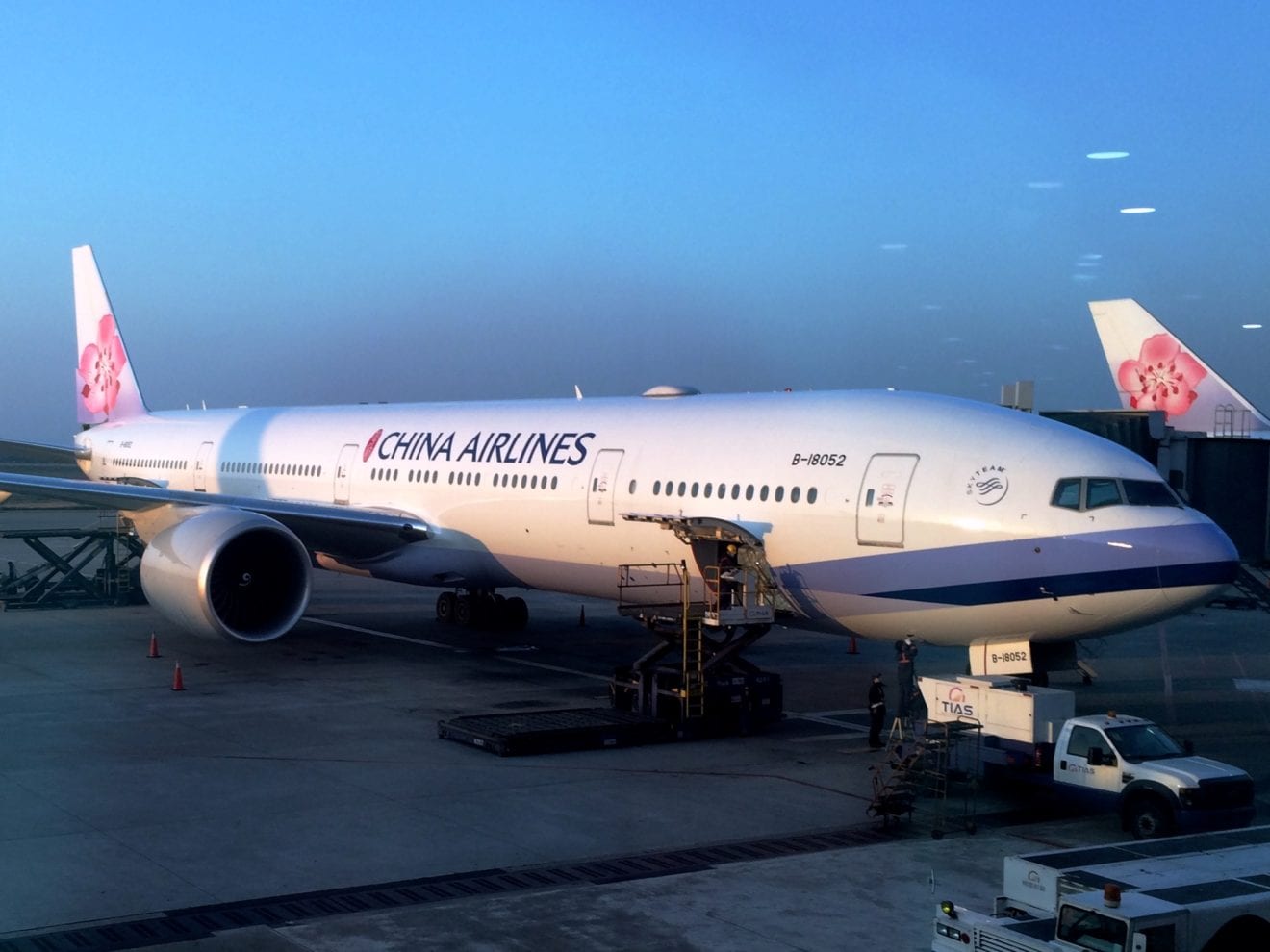
    Three major Chinese airline companies are set to acquire 95 aircraft from Airbus, in deals collectively valued at approximately $17.8 billion. This comes as part of a concerted effort by these airlines to expand their capacities and modernise their fleets with more fuel-efficient aircraft amidst the bourgeoning growth of China’s aviation market – the second-largest globally.

    Air China and its subsidiary Shenzhen Airlines have agreed to purchase 55 Airbus aircraft for a total value of $12.4 billion. Conversely, Hainan Airlines has independently agreed to buy 40 A320neo-family jets, with a list price of up to $5.4 billion.

    Air China will acquire 15 A350-900 wide-body jets, while Shenzhen Airlines will separately buy 40 narrow-body A320neo-family aircraft. The A350-900 jets, valued at roughly $6.09 billion, are set for delivery between 2030 and 2032. The 40 A320neo-family aircraft, worth approximately $6.35 billion, are slated for delivery between 2029 and 2032. Meanwhile, Hainan Airlines has scheduled the delivery of its 40 A320neo jets between 2028 to 2032.

    However, Air China has clarified that the actual transaction prices will be lower than the listed values, stating that Airbus has granted significant discounts in line with standard practice for large-scale aircraft orders.

    This surge of orders is indicative of the ongoing recovery and expansion of Chinese carriers post-pandemic, despite notable challenges. Recently, Air China reported a potential net loss of up to 2.6 billion yuan for the first half of this year, attributing the financial squeeze to rising fuel prices.

    Other Chinese carriers have also been investing in large orders with Airbus. Previous notable investments include those by China Eastern Airlines and China Southern Airlines, which have made substantial aircraft purchases in recent months.

    These new jets are predicted to increase the total capacity of the Air China group and Shenzhen Airlines by 7.1% and 4.3% respectively, based on their combined passenger and cargo capacity as of December 31, 2025. In addition, some of the new aircraft will replace older models set to be retired.

    Competition-wise, the A320neo family rivals the Boeing 737 MAX on medium-haul routes, while the A350-900 is favored for long-haul international services.

    According to the IATA World Air Transport Statistics, the U.S. remained the world’s largest aviation market last year with 890.1 million passengers, with China following closely at 776.1 million passengers.

    Questions & Answers

    What is the total value of the Airbus aircraft orders by the three Chinese airlines?
    The total list price of the 95 Airbus aircraft ordered by Air China, Shenzhen Airlines, and Hainan Airlines is approximately $17.8 billion.

    Which aircraft models are being purchased by the Chinese airlines from Airbus?
    The three airlines have agreed to purchase various models, with Air China acquiring 15 A350-900 wide-body jets and Shenzhen Airlines buying 40 narrow-body A320neo-family aircraft. Hainan Airlines will be purchasing 40 A320neo-family jets.

    How will these purchases affect the total capacity of the Air China group and Shenzhen Airlines?
    The acquisition of these new jets is expected to boost the total capacity of the Air China group by about 7.1% and Shenzhen Airlines by 4.3%, based on their combined passenger and cargo capacity as of December 31, 2025.

  • Vietjet Boosts Fleet with 44 Pratt & Whitney-Powered Airbus A320neos: A Stride Towards Fuel Efficiency

    Vietjet Boosts Fleet with 44 Pratt & Whitney-Powered Airbus A320neos: A Stride Towards Fuel Efficiency

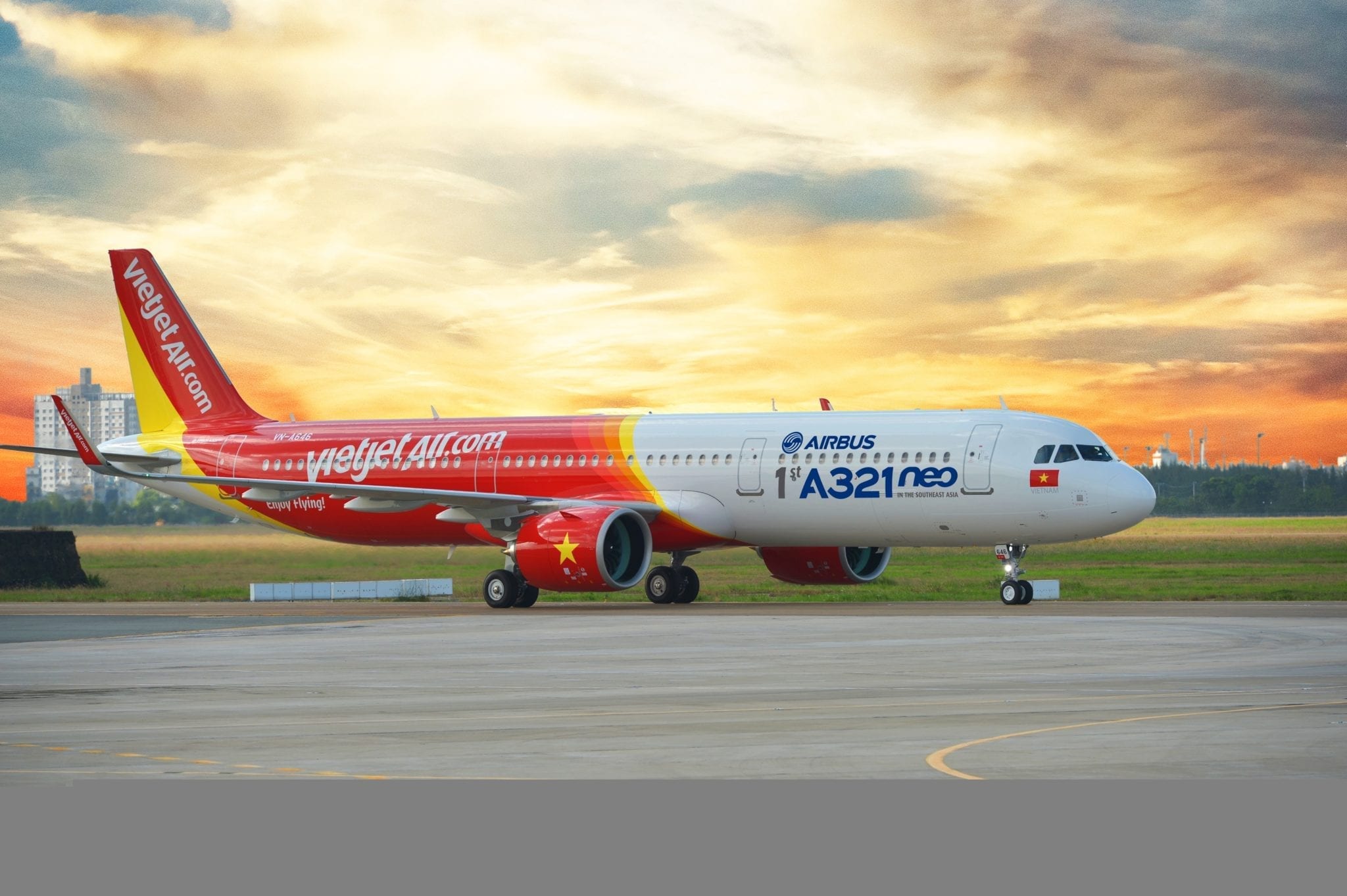
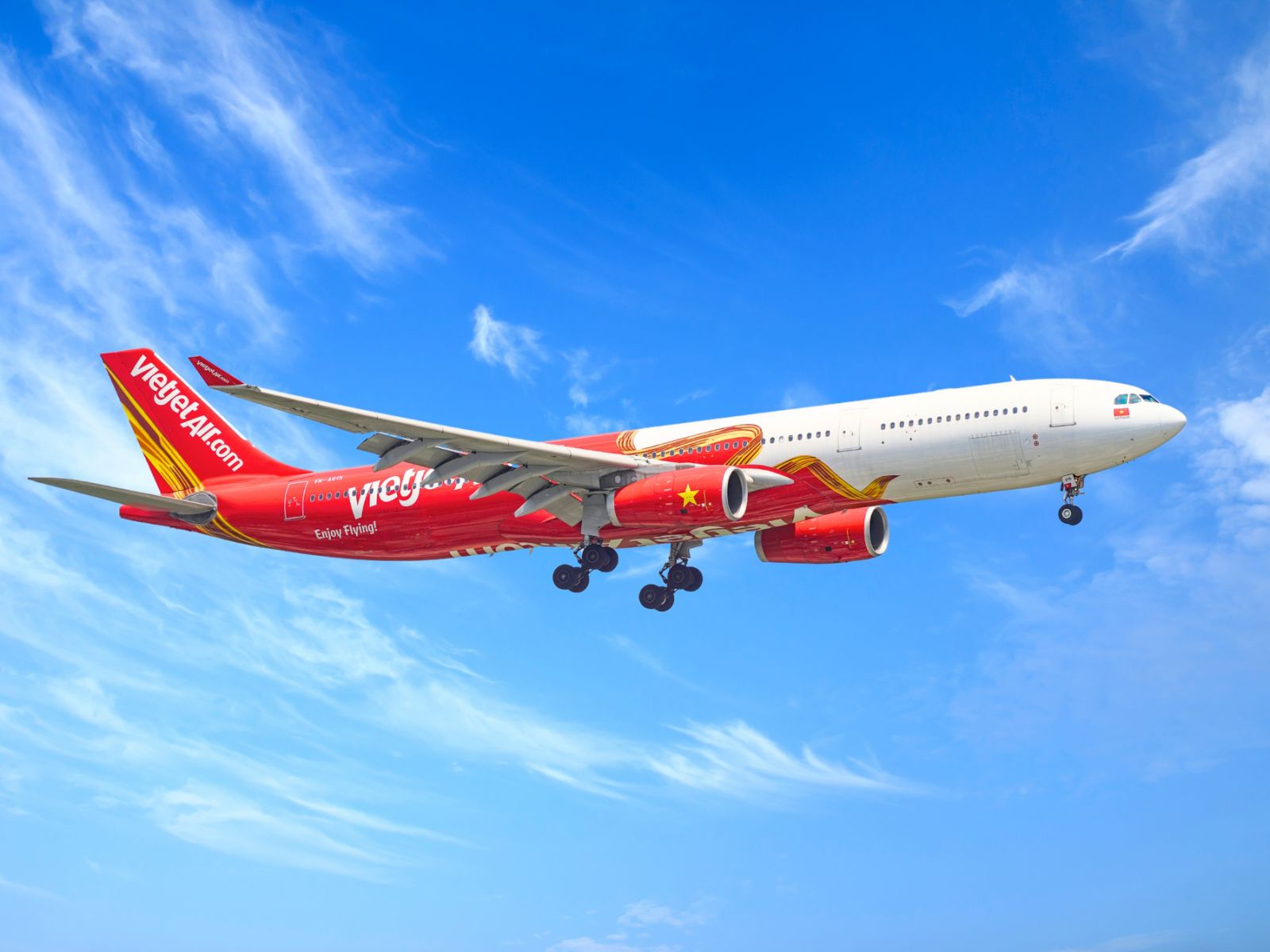
    Vietjet Air recently revealed its partnership with Pratt & Whitney, an international leader in the production and servicing of aircraft engines, to supply its 44 Airbus A320neo airliners with Geared Turbofan (GTF) engines. This new order brings the total number of GTF-powered aircraft ordered by Vietjet to 137.

    Order Details

    The new order comprises 24 A321neo and 20 A321XLR aircraft. The first batch of deliveries is slated to begin in July 2026. Besides supplying the GTF engines, Pratt & Whitney has pledged to offer Vietjet engine maintenance services under a 12-year EngineWise comprehensive maintenance plan.

    “The GTF engine is powering our growth with industry-leading operating economics and fuel efficiency of up to 20% lower than earlier aircraft,” commented Vietjet’s managing director Nguyen Thanh Son.

    In 2018, Vietjet received its initial A321neo aircraft. Currently, the airline operates 42 A321neo aircraft, all powered by GTF engines. The airline’s future plans include outfitting a total of 93 aircraft in its fleet with this specific engine variant.

    Benefits and Commitments

    Rick Deurloo, the president and chief commercial officer of Pratt & Whitney, acknowledged that the latest order would allow Vietjet to fully leverage the merits of one of the most efficient engines for single-aisle aircraft. He also reiterated Pratt & Whitney’s enduring commitment to assisting the airline’s network expansion.

    Compared to previous-generation engines, the GTF engine slashes fuel consumption by up to 20% and noise levels by 75%. To date, over 2,600 GTF-powered aircraft have been delivered to more than 90 customers around the world.

    Network Expansion

    Vietjet currently manages an extensive Asia-Pacific network, connecting Vietnam and Thailand with locations in Australia, India, Kazakhstan, China, Japan, and the Republic of Korea. The airline has plans for a steady expansion towards Europe.

    Questions & Answers

    What is the significance of the new order with Pratt & Whitney?
    The new order will allow Vietjet to achieve maximum fuel efficiency and reduced noise levels, making it one of the most efficient engines for single-aisle aircraft.

    What are the future plans of Vietjet regarding the use of GTF engines?
    Vietjet intends to equip a total of 93 aircraft in its fleet with GTF engines, extending the benefits of fuel efficiency and reduced noise levels across its operations.

    How does the GTF engine compare to previous generation engines?
    Compared to its predecessors, the GTF engine can reduce fuel consumption by up to 20% and noise levels by 75%, making it a more efficient and environmentally friendly option.

  • Korean Air Leverages Airbus’ Advanced Data-driven Maintenance Program To Boost Operational Efficiency

    Korean Air Leverages Airbus’ Advanced Data-driven Maintenance Program To Boost Operational Efficiency

    Korean Air recently entered into a contract to implement Airbus’ sophisticated data-driven predictive maintenance program, Skywise Fleet Performance+ (S.FP+). The agreement was finalized on October 16.

    Upgraded Platform

    This advanced solution is an enhancement of the airline’s existing systems, Skywise Predictive Maintenance+ (SPM+) and Skywise Health Monitoring (SHM). Through the introduction of S.FP+, the airline aims to improve operational efficiency and harmonize maintenance systems. This move is critical in preparing for the anticipated expansion of the airline’s fleet, which will occur following the merger with Asiana Airlines.

    S.FP+ is designed to optimize aircraft availability and operational reliability by employing advanced data analytics. This system identifies potential component issues before they arise. The “Control” tier, chosen by Korean Air, offers features like pre-departure check support and smart troubleshooting tools powered by natural language processing (NLP). The proactive strategy is projected to noticeably decrease Aircraft on the Ground (AOG) situations and their related costs.

    Application to Fleets

    This solution will be used on Korean Air’s A321neo, A330, A350, and A380 fleets. After the full integration of Korean Air and Asiana Airlines, the tool will also be applied to the Asiana Airlines’ Airbus fleet.

    The head of the Predictive Maintenance Team at Korean Air, Jong Hoon Oh, highlighted the success of their data-driven maintenance strategy. He said, “This approach has successfully prevented over 100 potential flight disruptions in 2024 alone. This advancement to S.FP+ is a strategic move as we prepare for the incorporation of the Asiana fleet. We aim to uphold the highest levels of operational reliability and efficiency on a larger scale.”

    The partnership underscores a mutual dedication to innovative solutions, and Airbus is honored to assist Korean Air in achieving higher levels of operational reliability through data-driven maintenance.

    Questions & Answers

    What is the Skywise Fleet Performance+ (S.FP+) program?

    The S.FP+ program is an advanced data-driven predictive maintenance solution developed by Airbus to enhance operational efficiency and unify maintenance systems.

    What benefits does the “Control” tier of S.FP+ offer?

    The “Control” tier, chosen by Korean Air, provides pre-departure check support and intelligent troubleshooting tools powered by natural language processing. This proactive approach is aimed at decreasing Aircraft on the Ground (AOG) situations and associated costs.

    What is the impact of the data-driven maintenance strategy on Korean Air’s operations?

    The data-driven maintenance strategy has proved effective in preventing potential flight disruptions. In 2024 alone, it averted over 100 possible flight interruptions. This strategy is anticipated to maintain high levels of operational reliability and efficiency as the airline expands.

  • Singapore and Airbus Team Up to Revolutionize Hybrid Satellite-Terrestrial Network Technology

    Singapore and Airbus Team Up to Revolutionize Hybrid Satellite-Terrestrial Network Technology

    Singapore is making exciting strides in communications by embarking on a groundbreaking initiative to develop hybrid satellite-terrestrial networks. This ambitious project aims to ensure uninterrupted connectivity across land, sea, and air. The Infocomm Media Development Authority (IMDA) and the Office for Space Technology and Industry (OSTIn) have joined forces with Airbus through a recent memorandum of understanding (MoU) to spearhead the evolution of non-terrestrial network (NTN) technologies.

    Connecting Satellites and 5G

    This partnership underscores Singapore’s strategic intent to seamlessly integrate satellite communication into its 5G and future 6G infrastructure. IMDA and OSTIn aim to collaborate with Airbus to create a national innovation consortium that will include leading research institutions and industry players. It’s a collective effort to turn the Lion City into a hub for cutting-edge communications technology.

    Expanding Connectivity Horizons

    Non-terrestrial networks, which are pivotal to the 3GPP standards for 5G and 6G, utilize non-terrestrial assets such as low-Earth orbit (LEO) satellites, geostationary satellites, and high-altitude platforms, like drones and balloons. By leveraging these advanced technologies, Singapore plans to extend its network coverage beyond the traditional terrestrial limits, ensuring resilient, wide-area connectivity even in the most remote locations.

    Vision for the Future

    Ong Chen Hui, Assistant Chief Executive of IMDA’s BizTech Group, highlighted the vital role that satellite communications play within the digital connectivity landscape. She remarked, “By partnering with Airbus and OSTIn, we aim to propel the advancement of NTN technologies and foster deeper research collaborations within Singapore’s innovation ecosystem.”

    A notable aspect of this initiative is Airbus’s commitment, bringing its global technical expertise into play. This marks its first 5G/NTN collaboration outside of Europe, paving the way for a new chapter in connectivity.

    Anand Stanley, President of Airbus Asia Pacific, expressed enthusiasm about the project, stating, “Singapore is an ideal environment to explore cutting-edge connectivity solutions that will define the future of resilient, wide-area communications. This MoU lays the foundation for Airbus to work closely with IMDA, OSTIn, and other partners in developing a robust 5G/NTN ecosystem that supports both industry growth and national innovation goals.”

    As Singapore charts its course toward a hyper-connected future, who knew that the skies could become such an integral part of the conversation?

    Questions & Answers

    What is Singapore’s goal with the new hybrid satellite-terrestrial networks?
    Singapore aims to deliver uninterrupted connectivity across land, sea, and air as part of its digital infrastructure.

    Who are the key players involved in this initiative?
    The key players include the Infocomm Media Development Authority (IMDA), Office for Space Technology and Industry (OSTIn), and Airbus.

    What are some technologies that non-terrestrial networks utilize?
    NTNs leverage non-terrestrial assets such as low-Earth orbit satellites, geostationary satellites, drones, and balloons to expand network coverage.

  • Vietnam Airlines gets go-ahead to buy 50 narrow-body aircraft

    Vietnam Airlines gets go-ahead to buy 50 narrow-body aircraft

    Vietnam Airlines has been granted in-principle approval by the government to acquire 50 narrow-body aircraft without requiring a state guarantee.

    The approval, outlined in an official dispatch from the Government Office reflecting the views of Deputy Prime Minister Ho Duc Phoc, is intended to address future travel demand and phase out aging aircraft.

    Vietnam Airlines previously proposed buying 50 Airbus A320 NEO and Boeing 737 MAX jets, along with 10 spare engines, at a total estimated cost of around US$3.7 billion—equivalent to 1.6 times its current total asset value, based on 2024 financial data.

    The new aircraft will gradually phase out older A321 CEO planes as part of the airline’s fleet modernization plan.

    Earlier this month, during Phoc’s visit to the U.S., Vietnam Airlines signed a memorandum of understanding with Citibank for $560 million in funding for strategic projects, including the aircraft purchase. It also signed a separate MOU with Vietcombank to prepare additional capital for the acquisition.

    In September 2023, Vietnam Airlines signed a deal to purchase 50 Boeing 737 MAX aircraft, with deliveries expected between 2027 and 2030.

    Looking ahead, the airline projects it will need a fleet of 52 wide-body and 112 narrow-body aircraft by 2035. At present, Vietnam Airlines operates a fleet of about 100 planes, including more than 30 wide-body jets.

    According to its 2024 financial report, the carrier earned over VND113.7 trillion (US$4.37 billion) in revenue, transporting 22.7 million passengers and 314,700 tons of cargo. Its aircraft utilization averaged 11 hours per day, a 25% increase from 2023.

  • Airbus seeks to supply helicopters to Vietnam

    Airbus seeks to supply helicopters to Vietnam

    Airbus is seeking to expand its aerospace partnership with Vietnam and increase helicopter sales as it sees rising demand for military use and oil exploration.

    The company realizes the potential of Vietnam’s aerospace industry, Johan Pelissier, Airbus general manager in charge of defense and aerospace for the Asia-Pacific region, told reporters Wednesday.

    Airbus produced Vietnam’s first earth observation satellite, VNREDSat-1, which was launched into orbit from France in 2013 and continues to send back images.

    It marked the beginning of Vietnam’s space exploration ambitions.

    Airbus is working with the Vietnam Academy of Science and Technology to produce VNREDSat-2, which is said to be technologically far more advanced than the first satellite.

    Airbus is set to showcase various helicopters and military transport aircraft with long-haul capability and low operating costs and fuel consumption at the 2022 Vietnam International Defense Exhibition starting Thursday.

    Hoang Tri Mai, general director of Airbus in Vietnam, said the country is a key market for her company.

    In addition to commercial aircraft, the company also makes helicopters and transport aircraft for the military, oil and gas industry and search and rescue, she added.

    Fabrice Rochereau, general director of sales and marketing in charge of the company’s helicopter division, said Airbus sees the need for Vietnam to renew its military helicopter fleet in future for search and rescue missions, maritime security and public services.

    Airbus helicopters account for 12% of Vietnam’s fleet, rising to 50% in the oil and gas industry.

  • Budget carrier MYAirline to begin competing against AirAsia in December 2022

    Budget carrier MYAirline to begin competing against AirAsia in December 2022

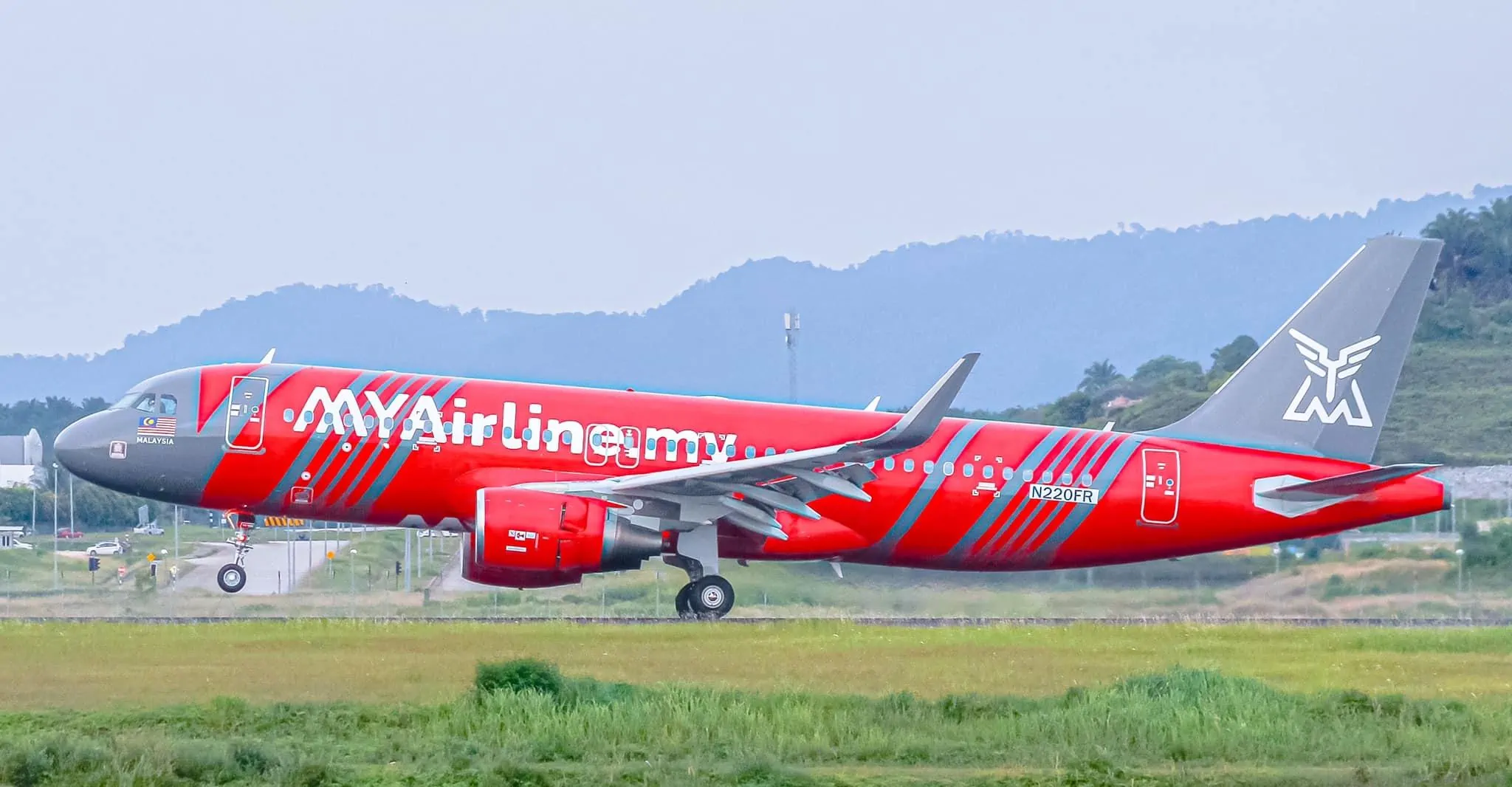
    After much anticipation, it’s been revealed that new Malaysian low-cost carrier MYAirline will begin flying in December 2022, with reports having confirmed approvals from the Malaysian Aviation Commission (Mavcom) and Civil Aviation Authority (CAAM) for the company to start selling tickets.

    Also, the airline took to its social media pages to hint at its very first flight destinations, which will most likely include Malaysian cities such as Kuching, Kota Kinabalu, and Langkawi, judging by the graphics in its posts.

    This comes after the airline’s CEO Rayner Teo said that MYAirline would seek domestic air traffic rights, with flights to begin very soon after approvals.

    “We’re hoping to start flying before the end of this year,” he said. “We’re looking at domestic destinations within the Peninsula.”

    The airline — which currently has 330 employees and is still hiring — will look to start off its operations with three Airbus A320 aircraft flying from Kuala Lumpur International Airport 2 (KLIA2).

    While all of the airline’s planes are currently under lease, Teo also revealed that the airline has the goal of increasing its fleet to 50 aircraft within the next four years.

    As an aside, he mentioned that starting the company during the height of the COVID-19 pandemic was crucial to helping it learn from competitors about how to operate such a business and serve its customers better.

    “A lot of feedback that we hear is that it’s hard to reach the airline after you have purchased a flight ticket,” heMYAirline explained. “As for us, we’ll ensure that our passengers can communicate with us effectively.”

    “We won’t be looking at chatbots, but rather focus on human interaction. On-time performance is also something that we’ll focus on.”

    With the travel industry now opening up around the world following the pandemic, flyers in Southeast Asia (especially Malaysia) will more than likely be pleased at the arrival of more competition in the space, especially when considering the many well-documented issues faced by travelers dealing with more established rivals like AirAsia.

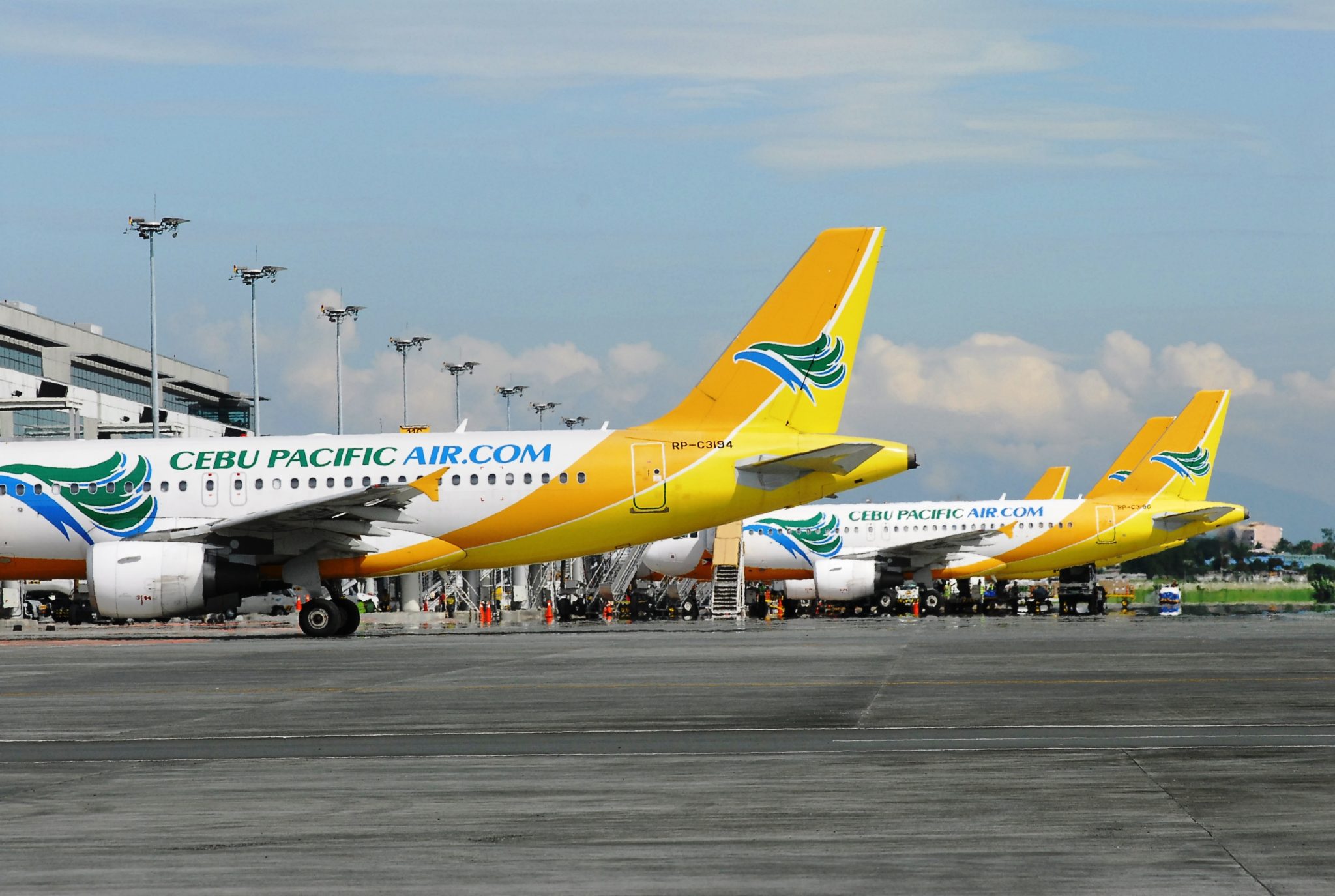
  • Cebu Pacific receives first Airbus A330neo; targets all-neo fleet by 2027

    Cebu Pacific receives first Airbus A330neo; targets all-neo fleet by 2027

    Philippine low-cost airline Cebu Pacific received its first Airbus A330neo on November 28,2021 as it begins its widebody fleet modernization program.

    The aircraft features 459 lightweight Recaro seats, which have been ergonomically designed, and offer versatility for a wide range of routes from shorter regional services to medium and long-haul operations. The Airbus A330neo will be used to operate trunk routes within the Philippines and the rest of Asia, as well as on longer-range services to Australia and the Middle East.

    The A330neo brings a step-change in efficiency, consuming 25% less fuel than previous generation aircraft and a similar reduction in CO2 emissions. The efficiency of the A330neo also ensures compliance with current and future sustainability requirements in terms of noise and emissions.

    “Cebu Pacific’s first A330neo brings us closer to our target of having an all-Neo fleet by 2027, and shows our commitment to making air travel accessible while ensuring environmental and social sustainability,” Cebu Pacific chief strategy officer Alex Reyes said in a statement.

    Reyes added: “We believe that growth and sustainability are not mutually exclusive and should in fact be inclusive if we want to work towards the greater good. This is why we will always choose the greener options – increased aircraft efficiency, reduced noise, and carbon emissions, to ensure that lower fares will be available for every Juan.”

    In total, Cebu Pacific has ordered 16 A330neo, and also has 16 A320neo and 22 A321neo still to be delivered. The low-cost carrier currently operates 50 Airbus aircraft, comprising 43 A320 families and 7 A330ceo.

    “We thank and applaud Cebu Pacific for selecting our latest-technology A330neo as part of its fleet modernization drive to fly the greenest aircraft for a sustainable future. The A330neo is the first aircraft in the world already certified to comply with ICAO’s CO2 emissions standards beyond 2028. The airline will benefit from the aircraft’s step-change in performance and economics while maintaining passenger comfort and lowest operating costs,” said Airbus Asia-Pacific President Anand Stanley in a press statement.

    The aircraft is powered by Rolls-Royce’s latest-generation Trent 7000 engines and features a new composite wing with increased span for enhanced aerodynamics.

    The A330 remains the most popular widebody family aircraft for Airbus, with an order book of more than 1,800 aircraft at the end of October 2021.

  • Airbus names new general director for Vietnam

    Airbus names new general director for Vietnam

    Aircraft maker Airbus has appointed Hoang Tri Mai as its new general director for Vietnam.

    Mai will oversee all Airbus operations in Vietnam, including supporting business activities and managing relationships of the firm with the Vietnamese government, the group announced Monday.

    Mai, a Hanoian, was earlier the country director for Rolls Royce in Vietnam, Laos, Cambodia and the Philippines.

    She will work at the Hanoi office, replacing Jean-Michel Caldagues who will retire at the end of this year after 21 years of service for Airbus.

    Anand Stanley, president of Airbus Asia-Pacific, said Vietnam is a key market for Airbus across all business sectors and has important industry partnerships in the country.

  • Airbus resells six unwanted jets built for AirAsia

    Airbus resells six unwanted jets built for AirAsia

    Airbus has found buyers for six aircraft from the A320neo family rejected by one of its main customers, Malaysia’s AirAsia, as it works off a surplus left by the coronavirus crisis, industry sources said.

    Unwanted jets have become an emblem of pandemic-induced problems in the aerospace industry that have come on top of a chill in ties between two of its major players.

    Tensions became unusually public when Airbus in April invited tenders for six jets that AirAsia had failed to take delivery of.

    It has now found homes for all six, the last of which is being delivered this month, a European industry source told Reuters. Airbus provided no comment.

    Airbus has been steadily increasing deliveries as it strikes deals with airlines to reschedule deliveries or store jets.

    It said last month it had reduced an overhang that it had been unable to deliver during the crisis by 10 units to 135 jets. The redeployment of AirAsia orders is expected to trim the surplus further as deliveries top output in November.

    Airbus is seeing strong demand, relative to the rest of the battered sector, for its A321neo jet, and the aircraft has broadly held its value, the European source said. It is sticking with plans to increase output of the single-aisle jets.

    The A321neo competes with the two largest versions of the Boeing 737 MAX, which won approval last week to re-enter service after a 20-month grounding in the wake of two crashes.

    Boeing is expected to re-sell dozens of 737 MAX whose buyers cancelled during the grounding, potentially depressing prices.

    According to the UK-based consultancy IBA Group, all aircraft have lost some value during the COVID-19 crisis but the A321neo is trading around 5% below its inherent value while the MAX is 10% below – hurt also by the recent grounding.

    Doubts remain, however, about demand for a larger Airbus, the A330neo, whose largest customer, AirAsia’s long-haul unit Air Asia X, is seeking new funding to survive.

    AirAsia said in April it would stop taking deliveries of all Airbus jets this year and review remaining orders.

    The move exacerbated concerns about demand in Southeast Asia, which was already struggling with overcapacity before the crisis.

    AirAsia’s relations with Airbus were further clouded when it was drawn into an Airbus bribery case before being cleared by local investigators, industry sources have said.

    AirAsia co-founders denied any wrongdoing in a sports sponsorship deal cited in a wider Airbus bribery settlement with prosecutors in January. The European source said AirAsia remained an important partner for Airbus.

  • Vietjet to expand fleet with 20 long-range Airbus jets

    Vietjet to expand fleet with 20 long-range Airbus jets

    Budget airline Vietjet has ordered 20 Airbus long-range A321XLR aircraft to expand its international reach as Vietnam’s aviation market keeps growing.

    With a range of up to 8,700 kilometers, the aircraft will serve Vietjet’s plans to expand its international flights network, the airline said in a statement Thursday.

    The contract increases Vietjet’s order book with Airbus to 186 aircraft, with the first A321XLR to be delivered in 2023.

    The single-aisle A321XLR will “modernize Vietjet’s fleet as we look to strongly grow our international flight network,” Vietjet CEO Nguyen Thi Phuong Thao said. The airline currently operates 66 Airbus jets.

    Also Thursday, the carrier ordered two A320/321 aircraft simulators for pilot and technician training on top of the one simulator it already has.

    A321XLR’s range is 15 percent more than the previous model A321LR, it also burns 30 percent less fuel per seat compared with older generations.

    Vietjet’s order follows similar moves by other Vietnamese airlines to expand their fleet as air travel heats up. Private airline Bamboo Airways has ordered 50 narrow-body Airbus A320neo aircraft and is expected to receive the first next month, while national flag carrier Vietnam Airlines plans to get 50 new narrow-body aircraft by 2025.

    Vietnam’s fleet of over 200 aircraft last year could quadruple by 2038, aircraft maker Boeing said last week.

    Last year, the country’s 21 state-run airports served 103.5 million passengers, up 11 percent year-on-year, and the figure is set to rise to 112 million this year, according to the Airports Corporation of Vietnam.

  • AirAsia crowned world’s best Airline again

    AirAsia crowned world’s best Airline again

    AirAsia has been named the World’s Best Low-Cost Airline at the Skytrax World Airline Awards 2019 for the 11th consecutive year.

    The airline won the title based on a survey of over 21.6 million passengers of 100 nationalities and over 300 airlines between September last year and May.

    AirAsia also won Asia’s Best Low-Cost Airline award and the World’s Best Low-Cost Airline Premium Cabin award for its premium flatbed on widebody long-haul AirAsia X aircraft.

    The prestigious Skytrax World Airline Awards are considered the global benchmark of airline excellence.

    AirAsia Group Berhad executive chairman Datuk Kamarudin Meranun and AirAsia X Berhad chairman Tan Sri Rafidah Aziz were among those who accepted the awards at the Paris International Air Show yesterday.

    Kamarudin said it was an honour for the airline to be recognised for its commitment to provide “affordable travel and guest-obsessed service”.

    “The fact that these awards are based on direct feedback is a gratifying and wonderful recognition for the Allstars who put so much effort and commitment into service excellence for our guests,” he said, referring to AirAsia employees.

    Rafidah also expressed her appreciation for the airline’s employees for AirAsia’s win in the World’s Best Low-Cost Carrier Premium Cabin category.

    “(This year’s) win represents nine years of being the world’s best in this category, and is dedicated to our Allstars who have been steadfast in upholding our corporate culture, mission and vision,” she said.

    She added that AirAsia X will introduce the new Airbus A330neo, an aircraft which will bring even greater inflight comfort to passengers.

    “Combined with our renowned inflight service as a long-haul low-cost carrier, AirAsia X will strive to continue to offer excellent value for money to our guests to 30 destinations in 10 markets across the AirAsia Group long-haul network,” she said.

  • Singapore Airlines adds another Airbus A350 to Perth

    Singapore Airlines adds another Airbus A350 to Perth

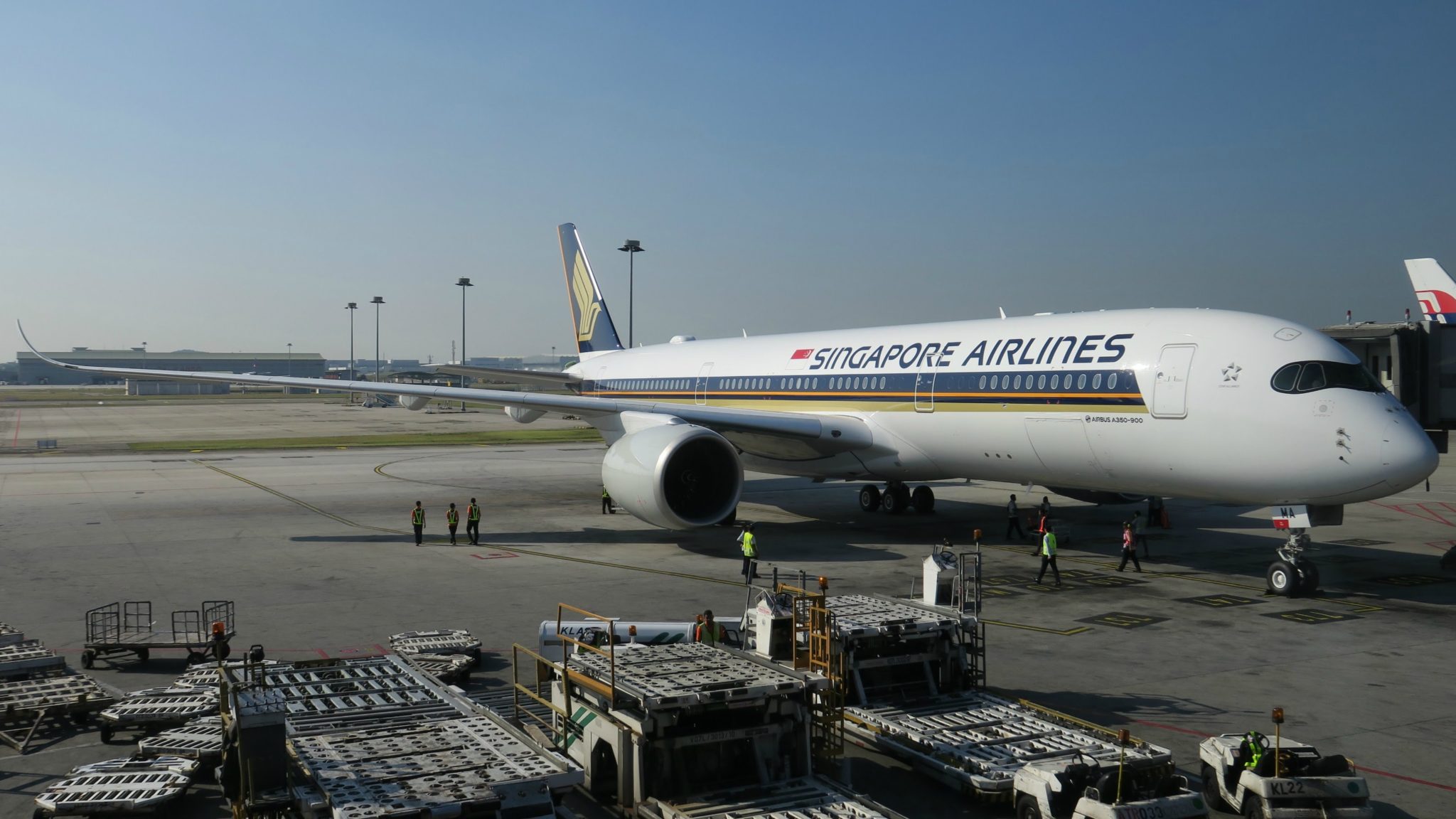
    Singapore Airlines is continuing its rolling upgrade of flights to Australia, with Perth set to see a second Airbus A350 from July 1, 2019.

    The advanced jet, which boasts Singapore Airlines’ latest flat-bed regional business class seats in what the airline calls a ‘medium-range’ configuration, will slot into daily flights SQ214 (departing Perth at 5.10pm) and SQ223 (wheels up from Singapore at 9.30am).

    SQ226/SQ213 already hosts an A350, with a Boeing 787-10 Dreamliner rostered onto SQ216/SQ215.

    This leaves just one daily flight on the Star Alliance member’s older Airbus A330, and its days are surely numbered.

    The Airbus A350’s 40 business class seats are arranged in a 1-2-1 layout, providing every passenger with direct aisle access, with access to inflight WiFi if you need to work rather than rest – or luxuriate over your Book the Cook meal – on the quick five-hour hop.

    Singapore Airlines intends to roll out lie-flat beds across its entire fleet from 2020, from the longest of globe-spanning trips to short hops such as Singapore-Kuala Lumpur on SilkAir, which will be adopting new flat-bed business class seats on its factory-fresh Boeing 737s.

  • CAE signs new deal with AirAsia in the Philippines

    CAE signs new deal with AirAsia in the Philippines

    CAE has signed a new five-year training agreement for AirAsia’s A320 pilots in the Philippines, extending the use of the CAE Rise training system to a third AirAsia affiliate.

    Through the new agreement, announced at the International Air Transport Association (IATA) Annual General Meeting (AGM), CAE will continue to provide initial training for the airline’s pilots and will soon undertake recurrent training at CAE Clark – Philippine Academy for Aviation Training (PAAT) in the Philippines, starting in July 2019.

    “AirAsia has embarked on a mission to digitise every aspect of their business and by implementing the CAE Rise™ training system they are better able to train and develop their pilots using real-time insights alongside a new level of training data analytics,” said Nick Leontidis, CAE’s Group president, Civil Aviation Training Solutions. “Just recently AirAsia extended the use of the CAE Rise™ training system on the Airbus A330 platform and it’s an honor to see them extend this training system on the Airbus A320 platform with a third airline affiliate.”

    Earlier this year CAE announced the signing of a five-year training agreement for AirAsia’s long-haul pilots, extending the use of the CAE Rise training system to AirAsia’s long-haul affiliate, AirAsia X on the Airbus A330 platform.

  • Cebu Pacific receives highest ranking for safety

    Cebu Pacific receives highest ranking for safety

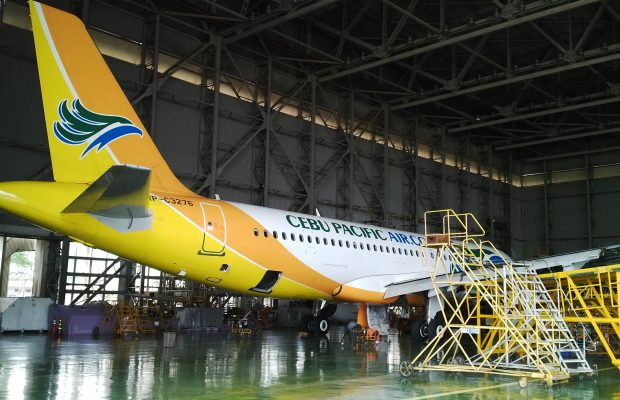
    Cebu Pacific has now achieved the highest ranking for safety with 7-stars from the world’s only safety and product rating agency AirlineRatings.com

    After careful evaluation and feedback from the airline and aviation industry AirlineRatings.com has upgraded its seven-star safety rating system to give more importance to IOSA and this move elevates Cebu Pacific up to 7-stars – the highest ranking.

    IOSA – the International Air Transport Association Operation Safety Audit – was first introduced in 2003 to curb the disturbing trend in airline accidents that could be attributed to simple processes and maintenance programs.

    Since it was introduced airlines that have completed IOSA have up to a four-fold safer safety record than airlines that do not do the audit.

    In 2017, the all accident rate for airlines on the IOSA registry was nearly four times better than that of non-IOSA airlines (0.56 vs. 2.17 accidents per million flights) and it was nearly three times better over the 2012-16 period.

    Of significant importance to Airlineratings.com is that the audit is done every two years and covers over 1060 parameters.

    AirlineRatings.com now awards an airline that has completed IOSA three stars.

    AirlineRatings.com Editor-in-Chief Geoffrey Thomas congratulated Cebu Pacific on this achievement.

    “Cebu Pacific has become a major part of the fabric of life in the Philippines bringing affordable travel to most,” said Thomas.

    “The airline has a very modern fleet and operationally is now up there with the best.”

    “That is great news for the traveling public,” said Thomas.

    The rating agency has reduced the stars allocated for ICAO compliance from two to one.

    The International Civil Aviation Organization (ICAO) was created to promote the safe and orderly development of international civil aviation throughout the world.

    It sets standards and regulations necessary for aviation safety, security, efficiency, and regularity, as well as for aviation environmental protection.

    It has 8 audit parameters that pertain to safety and they are; Legislation, Organization, Licensing, Operations, Airworthiness, Accident Investigation, Air Navigation Service and Aerodromes.

    If the country meets between 6 and 8 of the audits one star is awarded to the airline. Five secures 1/2 star. However, if any of the criteria are below the average by less than 5 percent it is considered a pass. If the country only meets up to four criteria no star is given.

    The other main criteria are; Is the airline on the European Union (EU) Blacklist; has it a fatality free record for the past 10 years and is the airline FAA (USA) endorsed?

    Cebu Pacific commenced services in March 1996, initially only domestic operations but launched international operations in November 2001.

    It now flies to 64 tourist/business destinations within Asia and operates 67 mainly Airbus aircraft

    Cebu was the first local airline to introduce e-ticketing, prepaid excess baggage and seat selection in the Philippines.