Retail News CRM

Tag: airfare

  • Reviving the Skies: Malaysia Launches Airfare Discounts & Financial Lifelines to Bolster Aviation Industry

    Reviving the Skies: Malaysia Launches Airfare Discounts & Financial Lifelines to Bolster Aviation Industry

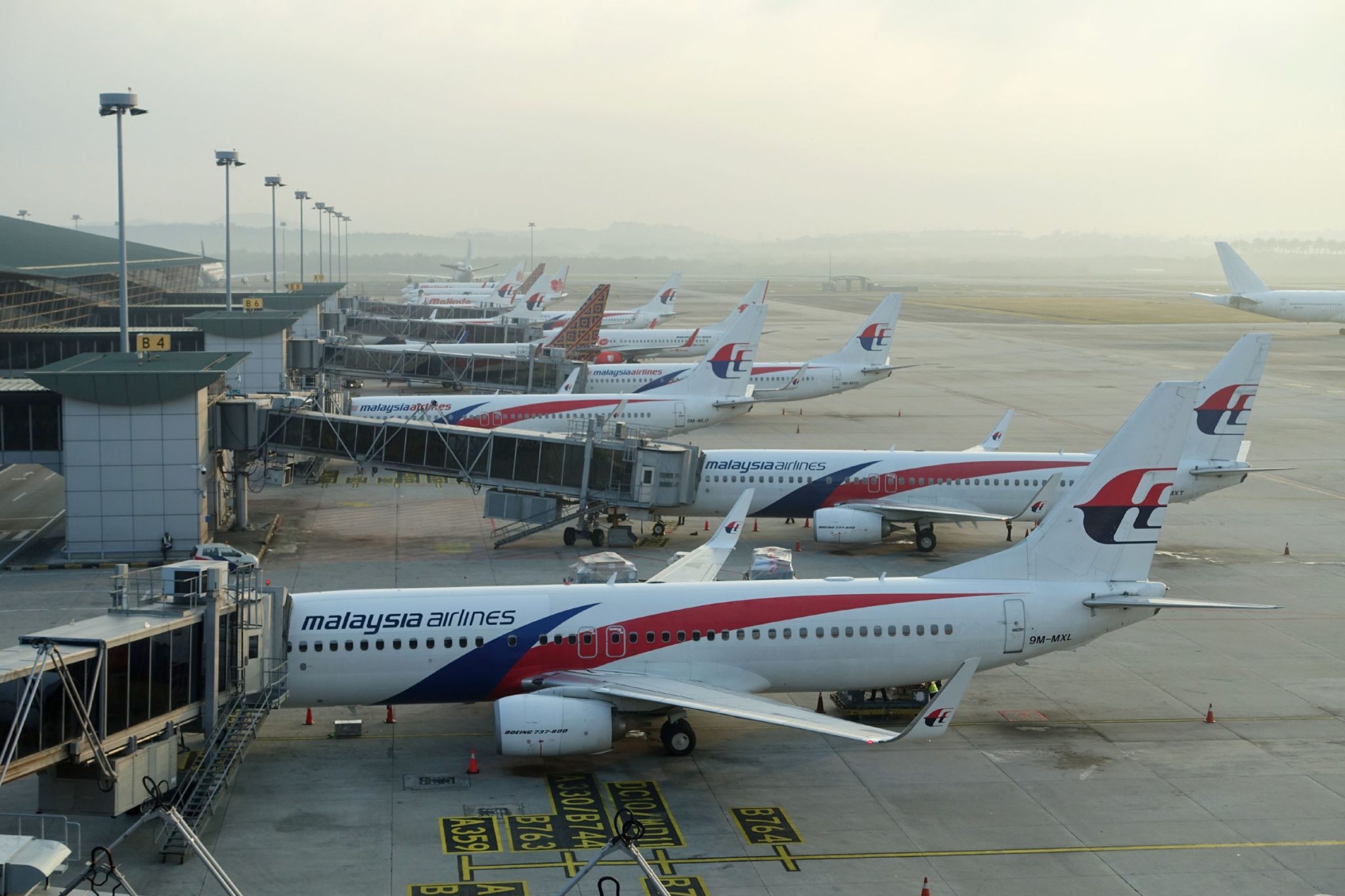
    In response to disruptions caused by the Middle East conflict, Malaysia has devised a financial strategy to support its aviation sector, featuring incentives such as discounted airfares during holiday periods. Travelers flying between Peninsular Malaysia and East Malaysia can look forward to airfare reductions of RM50 during the Gawai and Kaamatan festive seasons.

    Support for Aviation Sector

    The aviation authority has earmarked RM5 million for this initiative, which is projected to benefit approximately 100,000 passengers journeying between May 15 and June 14. In an additional effort to alleviate pressure on airlines, the Civil Aviation Authority of Malaysia plans to extend payment deadlines for aviation-related charges. From May 1, carriers will be granted up to 60 days to settle these dues.

    Maintaining Connectivity

    Anthony Loke, Malaysia’s Transport Minister, emphasized the importance of these measures in maintaining the country’s connectivity. According to him, as many as 75% of daily flights were cancelled at one point, potentially undermining trust in Malaysia’s tourism sector and the wider economy. He warned of potential losses ranging from RM15 to RM150 billion (US$3.8 to US$38 billion) this year if no countermeasures are taken.

    Loke also stated that these decisions were reached after thorough discussions between the Transport Ministry and industry stakeholders. The goal of these deliberations was to lessen financial burdens while ensuring the continuity of services.

    Lastly, he assured the public that the government will continue to liaise closely with all relevant bodies to ensure the resilience and responsiveness of Malaysia’s aviation sector.

    Questions & Answers

    What are some of the measures Malaysia has introduced to support its aviation sector?
    Malaysia has introduced a number of measures, including discounted airfares during holiday periods and extending payment deadlines for aviation-related charges.

    Who is expected to benefit from the discounted airfares?
    Approximately 100,000 passengers traveling between Peninsular Malaysia and East Malaysia during the Gawai and Kaamatan festive periods are expected to benefit from the discounted airfares.

    What is the potential economic impact of the disruptions in the aviation sector?
    According to Transport Minister Anthony Loke, without the introduction of these measures, Malaysia’s economy could face losses ranging from RM15 to RM150 billion (US$3.8 to US$38 billion) this year.
  • Chinese New Year Sparks Sixfold Airfare Surge Between Singapore and Malaysia

    Chinese New Year Sparks Sixfold Airfare Surge Between Singapore and Malaysia

    In anticipation of the 2026 Chinese New Year, there has been a significant increase in air travel between Singapore and Malaysia. Ticket prices for some flights have risen as much as six times the normal rate due to the surge in holiday demand and sold-out train tickets.

    The Impact of High Demand

    Tan Yik Xuan, a 26-year-old logistics worker residing in Singapore, had to plan four months in advance to secure a flight back to his hometown, Ipoh. He purchased return tickets in October 2025 for $630, a cost nearly double the off-peak rate.

    Tan described the fare as notably more costly compared to the usual off-peak rates of below $320. However, he was willing to pay the higher price for the flight rather than take a bus to avoid traffic jams and minimize travel time.

    As of January 5, economy class tickets to Ipoh for the week of February 14 to 19 ranged from $822 to $1,222, a significant increase from the previous week’s prices of $124 to $191.

    Other routes, such as those to Kuala Lumpur and Penang, are also experiencing similar surges in price. To accommodate the increasing demand, AirAsia has announced that it will add 7,500 seats. The airline’s pricing model reflects the supply and demand where fares are typically higher when purchased closer to the travel date during peak seasons.

    Alternatives to Air Travel

    For those traveling from Singapore to Kuala Lumpur, a two-way trip by air could cost anywhere between $420 to $1,245 in the days leading up to Chinese New Year, compared to fares between $99 and $345 from February 7 to 12. Round-trip air tickets from Singapore to Penang could cost between $628 to $1,049 from February 14 to 19, which is higher than the price range of $107 to $469 during the preceding week.

    Singapore Airlines and Scoot have reported a “healthy passenger demand” for the Chinese New Year, though they did not reveal booking figures.

    Bus fares have also increased due to the high demand. Round-trip tickets to Kuala Lumpur are ranging from $89 to $276 for February 14 to 19, while tickets to Penang can go up to $370, a substantial increase from the off-peak price of $83.

    Malaysian bus operator Causeway Link anticipates a large crowd and a high volume of ticket sales during the upcoming peak travel season and plans to have backup buses on standby to support passenger demand.

    Creative Travel Solutions

    To circumvent these escalating costs, some travelers are adopting innovative routes. Insurance agent Lim Cin Min, 27, plans to take a local bus to Johor Bahru Immigration and Customs, then transfer to another bus from Larkin Sentral bus terminal to her hometown Batu Pahat. This creative solution will cost her only $8 and will allow her to avoid being stuck in traffic jams.

    The recently launched electric train service (ETS) from Johor Bahru to Kuala Lumpur offered another alternative to holiday travelers. However, tickets for peak dates are already sold out.

    Data analyst Justin K, 29, was able to secure a return ETS ticket by extending his stay beyond the peak travel period. He paid $230 for a one-way ticket, more than twice the usual price, but found the slight increase in cost “much more palatable” compared to airfares. He plans to use the ETS for future trips due to its punctuality, fixed travel duration, and comfort.

    Questions & Answers

    What has caused the significant increase in air travel between Singapore and Malaysia?
    The increase is primarily due to the surge in holiday demand ahead of the 2026 Chinese New Year, coupled with sold-out train tickets.

    How are airlines dealing with the surge in demand?
    Airlines like AirAsia are adding more seats to accommodate demand. However, due to the supply-and-demand model, fares are typically higher when purchased closer to the travel date during peak seasons.

    Are there any alternative travel options available to those who find the increased airfare too expensive?
    Yes, some travelers are adopting innovative routes using local buses. The recently launched electric train service (ETS) from Johor Bahru to Kuala Lumpur has also offered another alternative, although tickets for peak travel dates are already sold out.

  • Airfares soar on summertime travel demand, fuel price hikes

    Airfares soar on summertime travel demand, fuel price hikes

    Flight tickets to domestic destinations have become pricier than holiday fares, with rising global fuel prices adding fuel to high summer travel demand.

    For the past two weeks, Hoang Viet, who lives in Hanoi’s Ha Dong District, has been checking flight ticket prices constantly so he can fly to Ho Chi Minh City and visit his relatives.

    However, he hasn’t been able to find fares that he can afford.

    “If my family flies this month, it will take at least VND10 million ($426.35) for three people,” he said.

    A round trip between Hanoi and HCMC costs VND3.4-6.2 million for economy class, with the lowest price range offered by budget airlines like Vietjet. The low prices are usually for flights that leave or arrive very early in the morning or late at night. The base fares for Vietjet and Vietravel do not include check-in baggage.

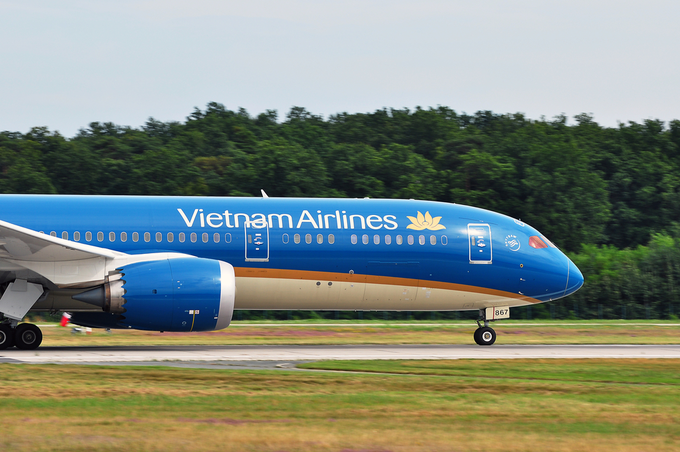
    The higher fares on the route are charged by Vietnam Airlines.

    Current ticket prices are already higher than the VND2.5-4 million range during the Lunar New Year holiday earlier this year.

    Summertime travel demand has hiked fares to popular travel destinations including coastal towns. For example, a round trip between Hanoi and Nha Trang in the central coast costs VND3-6.7 million for the latter half of July.

    A round trip between Hanoi and Quy Nhon costs around VND2.7-5 million; while one between the capital city and Con Dao Island off the southern coast in the last week of July can cost as high as VND10 million.

    Ticket prices will tend to drop in August, industry insiders said.

    Tickets for international trips have also become expensive this summer. For the latter half of this month, a Hanoi-Bangkok round trip starts at VND5.5 million, and a Hanoi-Singapore round trip at VND5.3 million. Before the pandemic, passengers could easily purchase tickets for similar flights starting at VND3 million.

    Direct flights from Vietnam to Europe in September and October are also expensive, with a HCMC-Frankfurt trip starting at VND24 million, and a Hanoi-Paris trip starting at VND40 million.

    A representative for Vietravel Airlines said the high prices were necessary to cover costs.

    “Summertime is considered a time to make up for periods of low travel demand from August to November. It is simply a matter of revenue management and making sure our operations are stable,” the rep said.

    Despite a quick recovery by domestic aviation and ongoing high prices, some carriers still want price ceilings expanded, saying the current ones are no longer appropriate. This is needed also because of rising world fuel prices, they argue.

    A Vietnam Airlines representative said current price ceilings were based on fuel costing around $80 a barrel, but actual prices are at around $140 a barrel.

    A Bamboo Airways rep said the aviation industry should not be held back by price ceilings and it was better to allow the market to decide prices.

  • Vietnam Airlines eyes airfare cap hike, fuel surcharge

    Vietnam Airlines eyes airfare cap hike, fuel surcharge

    Vietnam Airlines proposed to raise the price cap for domestic travel from April 1 and add a fuel surcharge for local routes.

    The current price cap of air transportation services is no longer suitable, the airline said in its proposal sent to the Ministry of Transportation and the Ministry of Finance on March 14.

    The current maximum fare is VND2.2 million ($96) for routes under 850 kilometers, and VND3.75 million for those above 1.280 kilometers.

    The higher cap would serve to offset costs of rising oil prices and improve service quality, the airline said.

    Its proposal also advocated for a fuel surcharge on domestic routes and full environmental tax exemption for aviation fuel in 2022, which would save the airline more than VND600 billion if approved.

    Previously, the Civil Aviation Authority of Vietnam had repeatedly requested the airfare cap be removed, but to no avail.

    Last year, the national carrier proposed to set price floors between VND560,000 and VND1.4 million for air tickets on domestic routes, but the Ministry of Transportation rejected the idea.

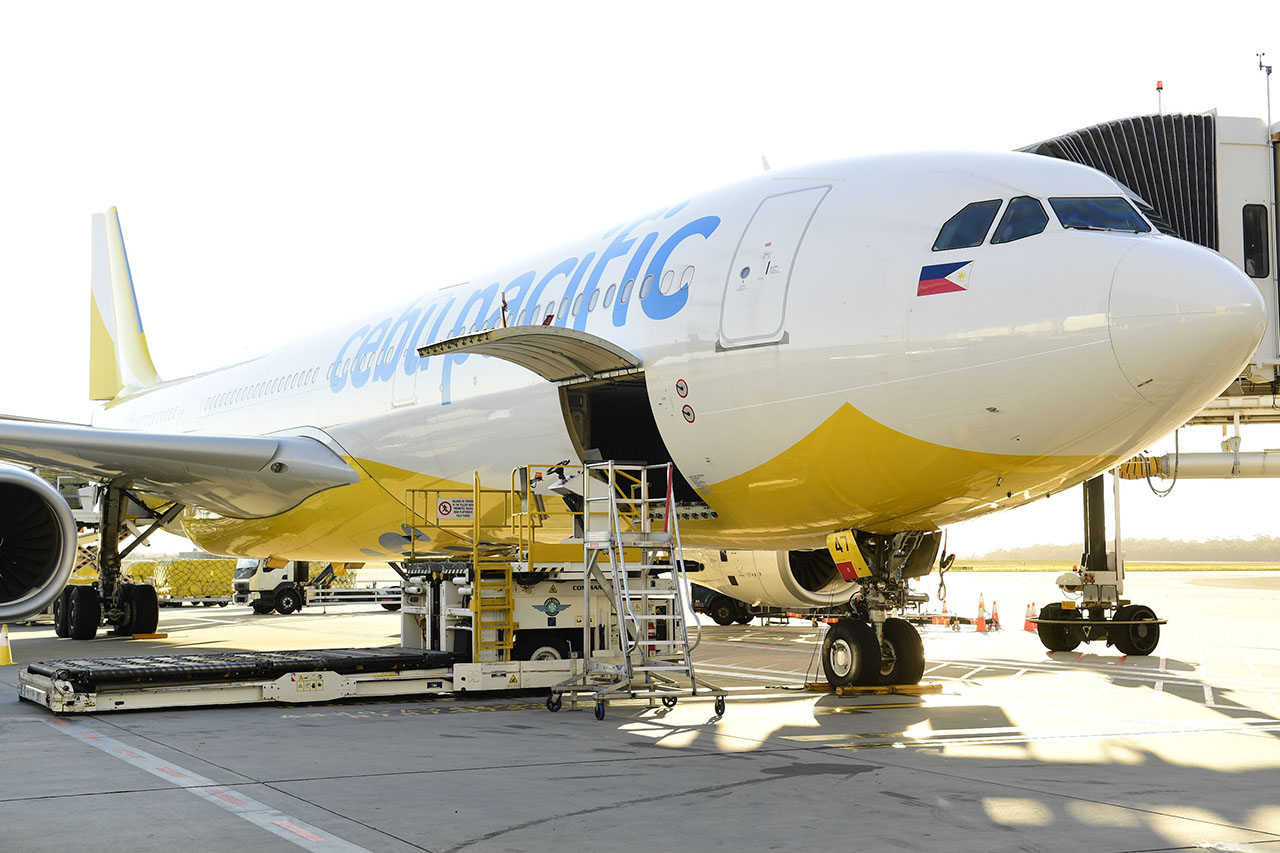
  • Cebu Pacific sale offers P299 domestic, P699 international fares

    Cebu Pacific sale offers P299 domestic, P699 international fares

    Cebu Pacific said it was offering domestic and international seats on sale starting Thursday.

    The Philippines’ largest airline said the sale would run until Friday for travel from Nov. 1 to March 31 next year.

    Among the destinations on offer are Boracay, Coron, Puerto Princesa and Siargao at P299 for one-way base fare, Cebu Pacific said.

    Flights to international destinations like Bali, Hong Kong, Bangkok, Beijing, Taipei and Tokyo are also on offer for as low as P699 one-way base fare, the airline said on its website.

    Other destinations like Dubai are also on offer for as low as P1,599; Melbourne for as low as P4,599 all in; and Sydney at P5,599 all in.

    The quoted domestic one-way base fares are inclusive of 7 kg hand carry baggage allowance, but exclusive of web admin fee, 12 percent VAT, terminal fees and fuel surcharge, it said.

    Quoted international one-way fares are inclusive of 7 kg hand-carry baggage allowance, but exclusive of web admin fees for short haul and long haul flights, respectively and P550 international terminal fee and fuel surcharge.