Tag: airplane

  • This Is The World’s Fastest All-Electric Aircraft

    This Is The World’s Fastest All-Electric Aircraft

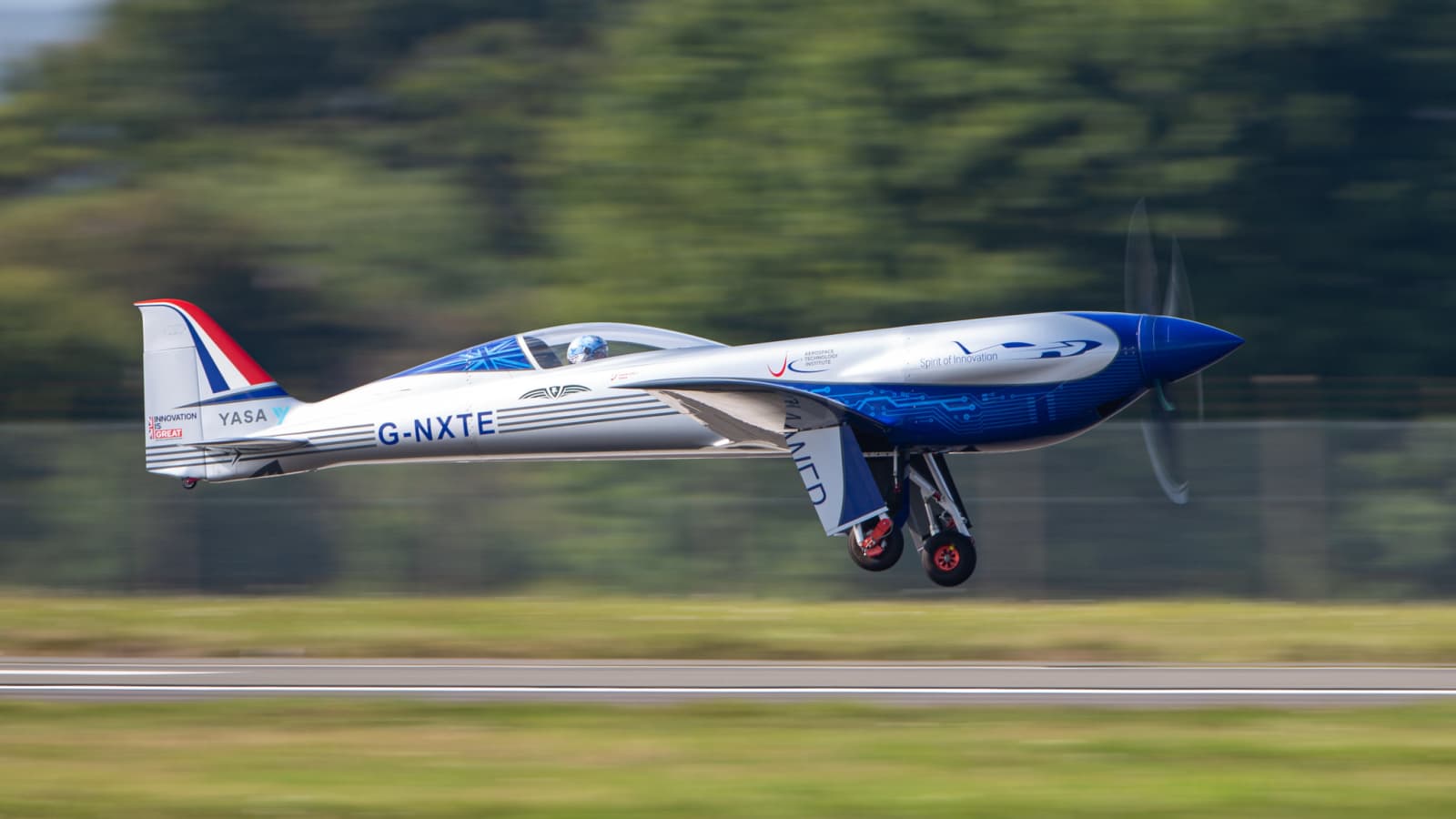
    Rolls-Royce’s all-electric ‘Spirit of Innovation’ aircraft is officially the world’s fastest all-electric aircraft, having set two new world records which have now been independently confirmed. The aircraft reached a top speed of 555.9 kmph over 3 kilometers, smashing the existing record by 213.04 kmph. In further runs at the UK Ministry of Defence’s Boscombe Down experimental aircraft testing site, the aircraft achieved 532.1 kmph over 15 km – 292.8 kmph faster than the previous record. The aircraft was propelled on its record-breaking runs by 400kW electric powertrain and the most power-dense propulsion battery pack ever assembled in aerospace.

    Both records have been officially verified by the Fédération Aéronautique Internationale (FAI), the World Air Sports Federation that controls and certifies world aeronautical and astronautical records. During its record-breaking runs, the aircraft, which is part of the UK Government-backed ACCEL or ‘Accelerating the Electrification of Flight’ project, also clocked up a maximum top speed of 623kmph making it the world’s fastest all-electric vehicle.

    Warren East, CEO, Rolls-Royce, said: “The advanced battery and propulsion technology developed for this program has exciting applications for the Advanced Air Mobility market. This is another milestone that will help make ‘jet zero’ a reality and supports our ambitions to deliver the technology breakthroughs society needs to decarbonize transport across air, land, and sea.”

  • Wright Electric’s Spirit 100 Seat Electric Aircraft Announced

    Wright Electric’s Spirit 100 Seat Electric Aircraft Announced

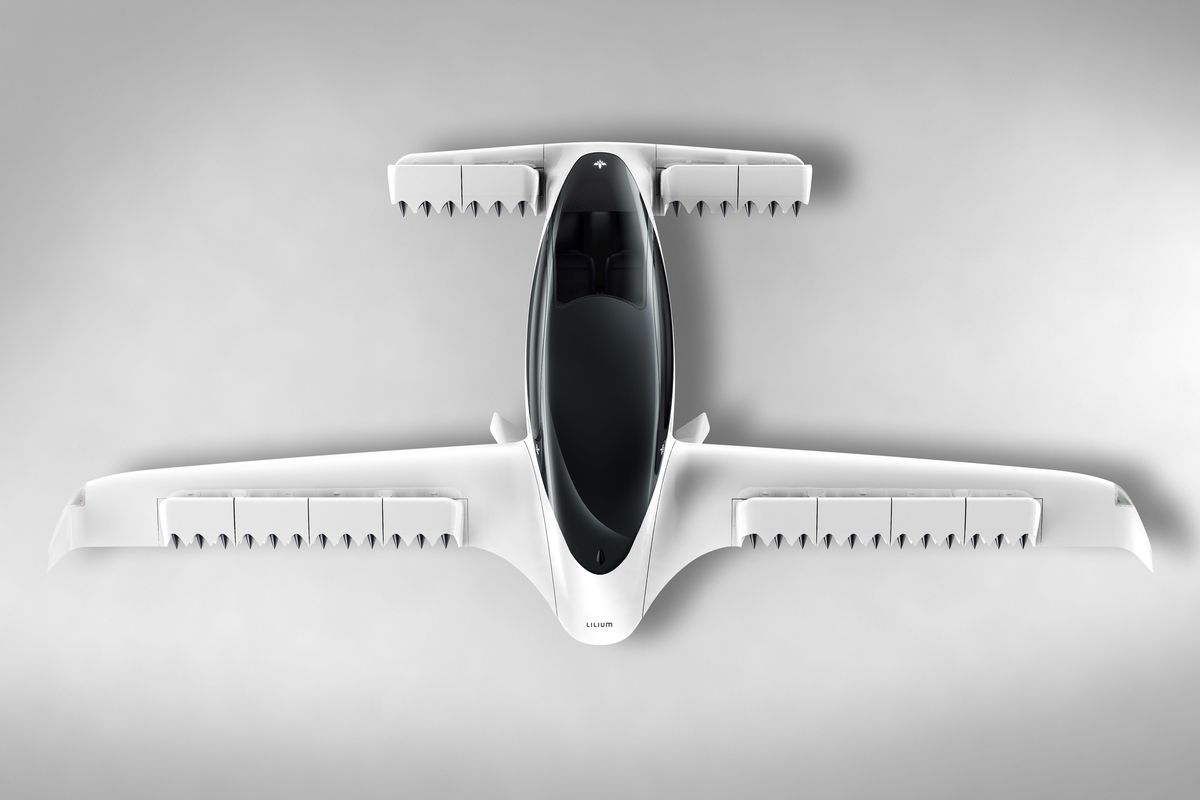
    Wright Electric has announced the Wright Spirit a 100 sweater electric aircraft that now joins its flagship electric aircraft the 1. It has four-megawatt class motors and the design is based on its BA4 146 platform. “The Wright Spirit aircraft design builds on the BAe 146 platform – a 100 passenger, 4-engine aircraft known for its operation out of noise-sensitive airports,” the company said in a statement.

    “To develop the integrated propulsion system, Wright has assembled an innovative team of companies with expertise in generation, energy storage and propulsion design. The program now proceeds with on-going ground testing and final selection of the propulsion system. In 2023, the aircraft will begin flight testing with one all-electric propulsor. The development program will then accelerate towards flight testing with two all-electric propulsors by 2024 leading to the full-electric aircraft by 2026,” it added.

    The tests for the prototype will interestingly happen just on one motor but will be coupled with three conventional engines. Then gradually in 2024 Wright will start using two electric motors and then it will go fully electric in 2026.

    In comparison, the Wright 1 has a 186 person capacity and it has 10 electric motors with a total peak output of 20 megawatts but that electric plane will launch only in 2030.

    Wright Electric has explained its development of 2-megawatt motors which scale from 500 kilowatts to 4 megawatts with inverters with ultra-high efficiency and power density.

    “The path was set in early 2020 with Wright’s announcement and development of their megawatt propulsion system for an all-electric commercial aircraft. Throughout the last two years, the company has been proving key components of the system including a high-efficiency, high-power-density inverter and a 2 MW (2,700 HP) motor. The existing hydrocarbon-based propulsion system will be replaced with Wright’s all-electric, emissions-free propulsion system,” explained the company

    Interestingly while it uses electric propulsion, there is no word on the presence of batteries, leave alone the capacity of the battery pack or the weight of the aircraft.

  • Airplane mode might get more intelligent in Android 11

    Airplane mode might get more intelligent in Android 11

    When your phone is set on Airplane mode, all radios inside the device are disabled. This prevents radio signals from possibly interfering with the equipment that pilots rely on while flying an airplane. Also known as Flight mode, or even offline mode, passengers on a plane can use this setting to access content already downloaded on a phone such as a movie, music, or a mobile video game.

    While Bluetooth and Wi-Fi are currently disabled when Airplane mode is turned on, both can be used by enabling them separately. Google plans on making this feature more intelligent in Android 11. The report says that on phones running the next Android build, turning on Airplane mode will not automatically disable Bluetooth by default. Instead, if you are using Bluetooth and then turn on Airplane mode, Android will be smart enough to figure out that you still want this connection enabled even when activating Airplane mode.

    The new feature was spotted on the Android Open Source Project Gerrit under a new commit titled “Context-aware Bluetooth airplane mode.” It states that Bluetooth should not be automatically turned off when Airplane mode is turned on under one of two conditions. One, Bluetooth A2DP is connected, or two, the Bluetooth Hearing Aid profile is connected. A2DP stands for Advanced Audio Distribution Profile and is used to allow a device to send high-quality audio from a Bluetooth device to a handset. Both devices have to have A2DP or else the Bluetooth connection will be limited to passing along voice calls. Most phones do support A2DP these days. The Bluetooth Hearing Aid profile allows those with hearing aids to wirelessly connect to smartphones and other devices.

    With this new feature, a passenger in a plane won’t have to do anything to keep his wireless Bluetooth earpods connected to his Android phone once forced to turn on Airplane mode. Otherwise, the user’s wireless earpods will stop working until Bluetooth is separately enabled. It saves the user a little time and aggravation.

    Back in 2017 with iOS 11, Apple gave iPhone users the ability to keep Bluetooth and Wi-Fi enabled even when Airplane mode was turned on. This allows an iPhone user to keep his Apple Watch connected to his iPhone via Bluetooth even with the handset’s internal radios shut down. And it also allows an iPhone user to stay connected to his AirPods when Airplane mode is enabled.

  • AirAsia Goes Big And Converts 253 A320neo Orders To A321neos

    AirAsia Goes Big And Converts 253 A320neo Orders To A321neos

    AirAsia bosses chose the second day of the 2019 Paris Air Show to announce that they are converting an order for 253 A320-200neos to the larger A321-200neo.

    Malaysia’s largest low cost carrier, AirAsia Berhad, today decided to ramp up the type it has on order in response, a spokesperson said, to “ongoing strong demand across its network.” One of Asia’s largest budget airlines, AirAsia intends to convert 253 A320neo on order to A321neos. The move will make the AirAsia Group the world’s largest customer of the type.

    AirAsia’s Executive Chairman Datuk Kamarudin Meranun said in a statement, “We have spent a number of years reviewing what the future of our operations will look like and today, we’re proud to become the world’s largest customer for the A321neo.

    The change will be applied to almost 90% of the Group’s current order of A320neos. Previously, the order was for 304 A320neos of which 37 had been delivered.

    The Group says it expects deliveries of the A321neo in the latter part of this year. The first four aircraft of the new type will be brought into play with AirAsia and jointly-owned Thai AirAsia.

    Following its up-sizing (and the purchase of its first A321neo at the start of 2019), AirAsia will become the world’s largest customer of Airbus’ New Engine Option jetliner.

    The Malaysian LCC intends to use the A321neo on its high-frequency routes. It is believed the alteration will result in the augmentation of overall seat capacity by almost a third without adding flights to an already packed manifest, according to CAPA.

    AirAsia currently has 230 A320 aircraft in service. The Group’s primary hub is at Kuala Lumpur International Airport. The Group’s subsidiaries (of which there are eight) have hubs in various parts of the world including India, the Philippines and Japan.

    The A321neo is a member of Airbus’s best-selling A320 family, the first of which was launched in 1984. In 2006 the type underwent extensive remodeling. Changes of the original design included measures intended to make the A320 more economically viable.

    Sharklets, aerodynamic refinements and weight reduction made the plane 15% more fuel-efficient. Airbus hopes to capitalize on this with a further 5% rise in operating efficiency by 2020.

    The family has since been further enhanced under the “neo” programme of changes.

    The A321neo’s extra capacity is due to Airbus’s optimizing its use of the cabin space. The “cabin-flex” option allows the manufacturer the ability to produce a narrow-body jet with a capacity of 244 seats compared with the A320neo’s 150 to 180.

    As reported by ch-aviation AirAsia’s Chairman Meranun said,

    We have spent a number of years reviewing what the future of our operations will look like and today, we’re proud to become the world’s largest customer for the A321neo.

    With its numerous efficiency benefits and the operational flexibility this aircraft brings, the A321neo will be the new backbone of our operations as we continue to expand to meet growing air travel demand across Asia.”

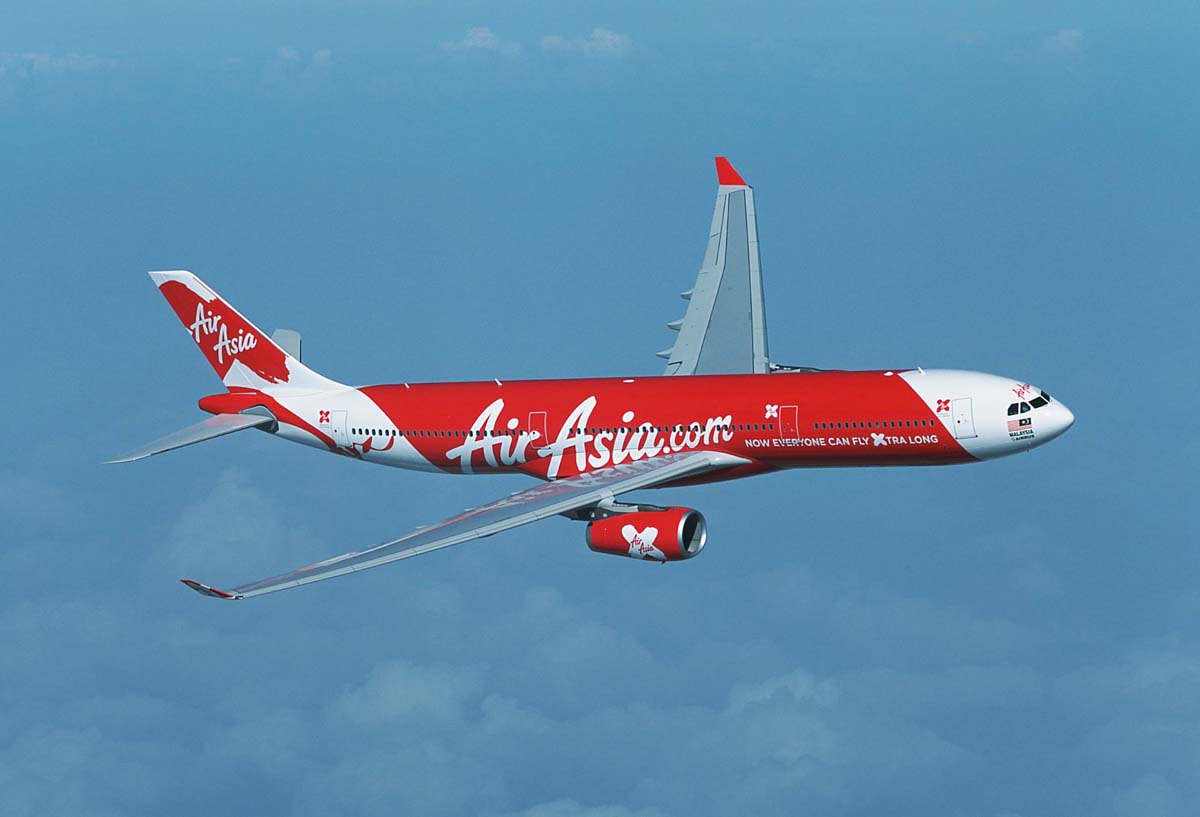
    We previously reported that AirAsia’s sister company AirAsia X last year ordered 34 A330neo wide bodies ; an order it has yet to execute. Some industry insiders believe it may be the next type to be replaced with Airbus’s expansive narrow body neo.

  • India needs 10k pilots by 2030 says AirAsia

    India needs 10k pilots by 2030 says AirAsia

    Despite the current slump in the domestic aviation market, India will require up to 10,000 new pilots by 2030. Acknowledging this, AirAsia India on Tuesday launched the country’s first cadet-pilot program, ready to send its first batch of 15 cadets to New Zealand for flight training.

    By passenger volumes, India was ranked second globally among the fastest growing domestic markets for aviation. This would only mean the requirement for pilots will spike in the future, even as the Kingfisher and Jet Airways pilots are being quickly absorbed by other airlines.  To get the cadet-pilot project going, AirAsia India has partnered with New Zealand Academy and Harrison Omniview Consulting. As part of the 18-24 month course, selected candidates will be trained at the currently under-utilized Oamaru airport in New Zealand’s Waitaki district.

    The first batch of the cadets will come out in 2021, informs AirAsia India’s Head of Operations, Capt Manish Uppal. Cadets earn their second officer rank and commercial pilot license after 500 hours of flying before graduating to first officer, senior first officer, and captain, in charge of the entire aircraft and crew.

    The first batch of the cadets will come out in 2021, informs AirAsia India’s Head of Operations, Capt Manish Uppal. Cadets earn their second officer rank and commercial pilot license after 500 hours of flying before graduating to first officer, senior first officer and captain, in charge of the entire aircraft and crew.  Headquartered in Bengaluru, AirAsia India currently has a fleet of 21 Airbus-A320 aircraft covering 19 destinations across the country. The airline had commenced operations in India on June 12th.

    Uppal informs 11% of the airline’s crew are women. Most of the batch passing out from the cadet-pilot program are expected to be absorbed by the airline.

  • Emirates offers summer promotion tickets

    Emirates offers summer promotion tickets

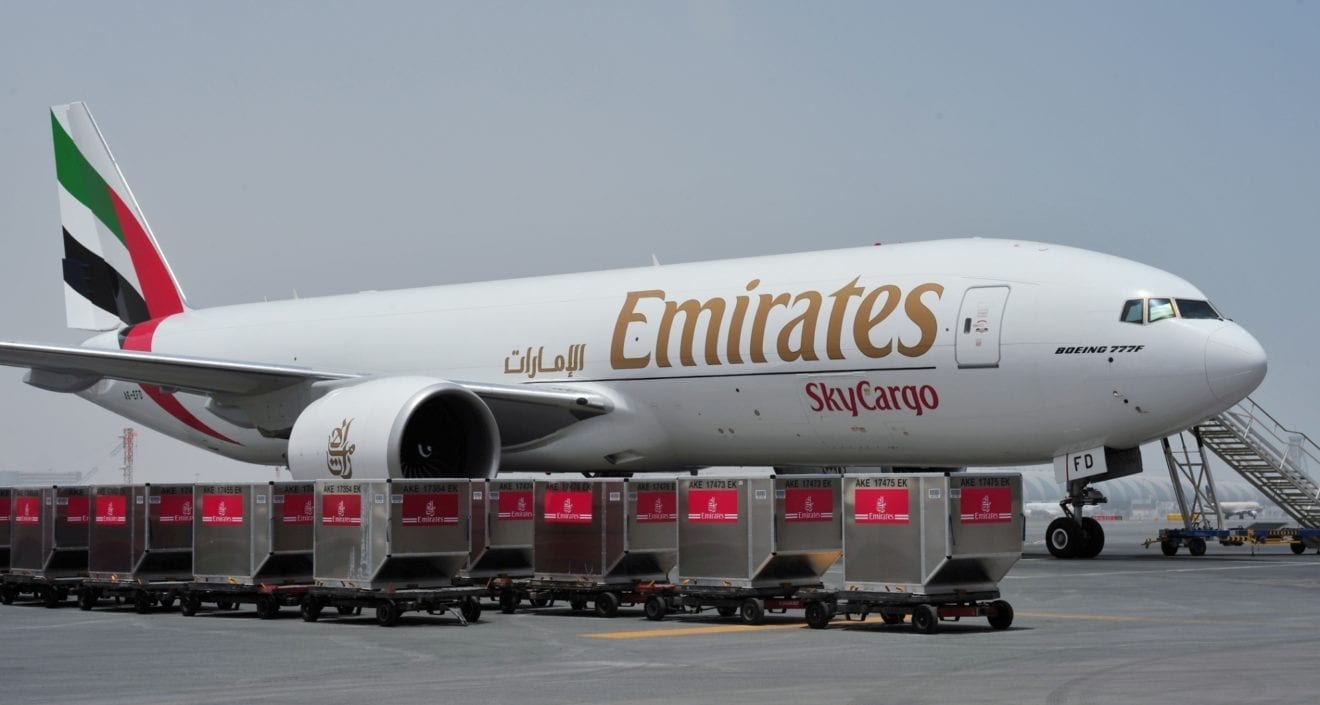
    Emirates offers summer promotion fares for customers from Vietnam who book tickets from now until April 22 and travel from April 15 until November 30, 2019.

    Economy Class fares start from VNĐ17,189,000 (US$747) to Dubai, VNĐ19,999,000 ($870) to Paris, VNĐ21,809,000 ($948) to London, VNĐ23,819,000 ($1,035) to Amsterdam, VND25,189,000 ($1,095) to Madrid, and VNĐ27,179,000 ($1,181) to Boston.

    The Early Bird promotion also offers very attractive Business Class fares, only from VNĐ66,079,000 ($2,873). Business Class passengers traveling on the Boeing 777 can enjoy unprecedented levels of comfort with wider and more ergonomic seats that recline into a lie-flat position for a restful sleep.

    In addition, Emirates passengers from Vietnam who purchase Economy Flex or Flex Plus fares can enjoy 30kg and 35kg baggage allowance, respectively. When booking Flex or Flex Plus fares, Skywards members earn more Skywards and Tier Miles, allowing them to earn the next reward or reach the next tier faster.

    Emirates currently operates daily non-stop flights between HCM City and Dubai, and daily non-stop flights between Hà Nội and Dubai. Through its Dubai hub, Emirates offers passengers travelling from Việt Nam convenient connections to an extensive global network in the Middle East, Africa, Europe, the US and South Asia.


  • Vietjet not operating any flights with Boeing 737 MAX aircrafts

    Vietjet not operating any flights with Boeing 737 MAX aircrafts

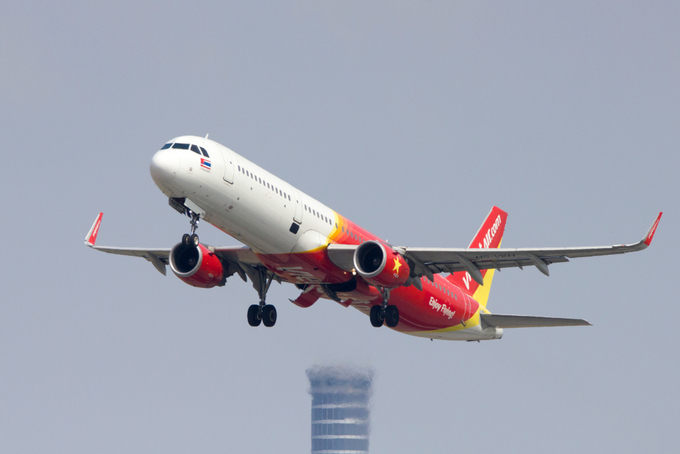
    Vietjet does not operate any flights with Boeing 737 MAX aircraft. We are currently operating with a fleet entirely composed of new Airbus aircraft from the A320 family aircraft. The average age of our fleet is 2.82 years. We are also using latest generation of Airbus aircraft, A320-A321 neo.

    Furthermore, Vietjet’s operations meet the highest international standards with regard to safety and maintenance. In particular, we have complied with all of the regulations and met the latest standards which have been set out by the European Aviation Safety Agency (EASA), the Federal Aviation Administration of the United States (FAA) and the Civil Aviation Authority of Vietnam (CAAV), including the approval of aircraft type for our operation.

    The safety for passengers is always Vietjet’s highest priority. Now we are closely monitoring the Boeing 737 MAX case and our decisions related to these aircraft will be made after the official conclusions and guidelines of the world’s aviation authorities and the CAAV. We are doing this to ensure the development of our modern fleet and to meet the highest quality and safety standards. Vietjet has well managed our fleet so far and our transport business plans are unchanged.

  • AirAsia X names new CEO to take over from Founders

    AirAsia X names new CEO to take over from Founders

    Malaysia’s long-haul budget carrier AirAsia X on Thursday appointed Nadda Buranasiri as its new group chief executive officer to take over from its co-founders. Buranasiri, chief executive of the Thai arm of AirAsia X since 2014, will replace co-CEOs and co-founders Tony Fernandes and Kamarudin Meranun with immediate effect, the company said in a statement. Fernandes and Kamarudin will become non-executive directors.

    In July, Fernandes said AirAsia X was looking to restructure itself into a group holding company along the lines of affiliate AirAsia Group Bhd .

    He had also said AirAsia X would focus on flying to countries where it would dominate routes, such as Japan, Korea, Australia, China and India, and remove what he called peripheral routes where no growth was seen.

    AirAsia X reported a loss for the June quarter, weighed down by higher fuel prices.

  • DHL signs up for four more A330-300P2Fs

    DHL signs up for four more A330-300P2Fs

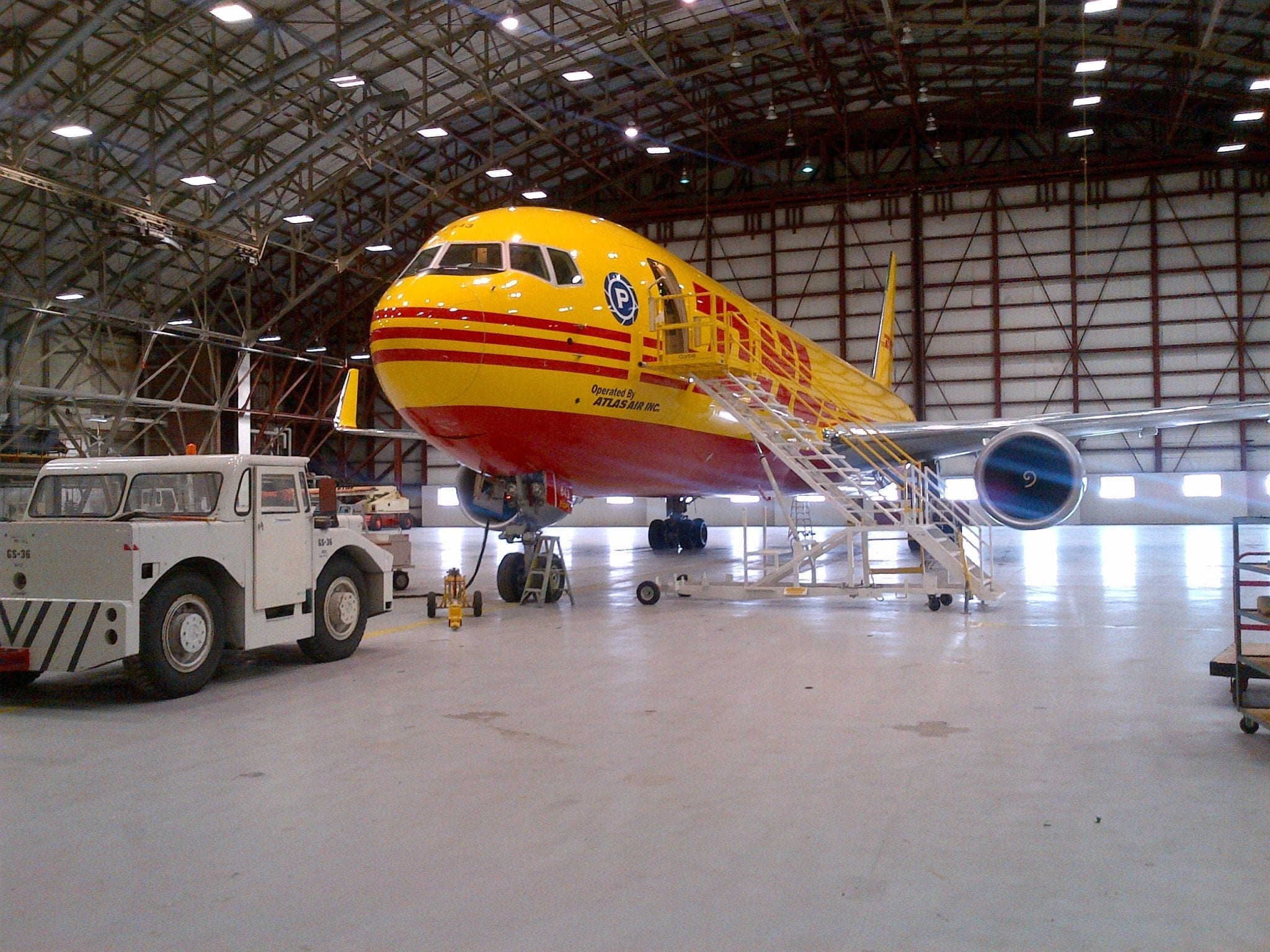
    DHL Express has signed up for four more A330-300 passenger-to-freighter conversions from ST Aerospace subsidiary Elbe Flugzeugwerke.

    The express operator, which in July last year became the launch customer for the conversion programmewith an order for two of the aircraft, said the deal also includes options for a further 10 conversions.

    The contract was signed at the 52nd International Paris Air Show this afternoon, and witnessed by Guests-of-Honour Singapore’s Second Minister for Defense Mr Ong Ye Kung and Chief of the Saxon State Chancellery and State Minister for Federal and European Affairs Dr Fritz Jaeckel.

    The conversion will be carried out by EFW, which is jointly owned by ST Aerospace and Airbus. The aircraft has a payload of up to 61 tons.

    In order to take on the expanded conversion programme for DHL Express, EFW is gradually ramping up its capacity at its facility in Dresden, with a new single-bay wide-body hangar being completed recently.

    Geoff Kehr, senior vice president, global air fleet management, DHL Express, said: “DHL is delighted to be expanding this pioneering conversion programme with ST Aero, EFW and Airbus and securing the option to add more units to our fleet in future.

    “We believe the A330-300P2F, with its favourable payload and range metrics, will address an important demand segment within the air cargo market that is not currently served by any other aircraft type.

    “It will further strengthen the global air network of DHL Express and help us to achieve even greater efficiencies in our aviation operations.”

    The first aircraft under the DHL Express A330-300P2F program is currently undergoing conversion at EFW’s Dresden-based facilities, while work is set to begin on a second aircraft at an ST Aerospace engineering facility in Singapore.

    The first two aircraft are scheduled to be redelivered by the end of 2017.

    The A330P2F conversion programme, launched in 2012, is a collaboration between ST Aerospace, Airbus and EFW.

    ST Aerospace, as the programme and technical lead for the engineering development phase, is responsible for applying for the supplemental type certificates for the freighter conversions from the European Aviation Safety Agency and the US Federal Aviation Administration.

    Aircraft original equipment manufacturer (OEM), Airbus, contributes to the programme with OEM data and certification support, while EFW leads the industrialisation phase and marketing for the freighter conversion programme.

    The A330P2F programme includes two versions – the A330-200P2F and the larger A330-300P2F. DHL Express is EFW’s first customer for the A330-300P2F conversion programme, while a launch contract with EgyptAir Cargo was secured in December 2014 for the A330-200P2F conversion programme.

  • Vietjet awards a one-kilogram golden aircraft to Lucky Draw winning passenger

    Vietjet awards a one-kilogram golden aircraft to Lucky Draw winning passenger

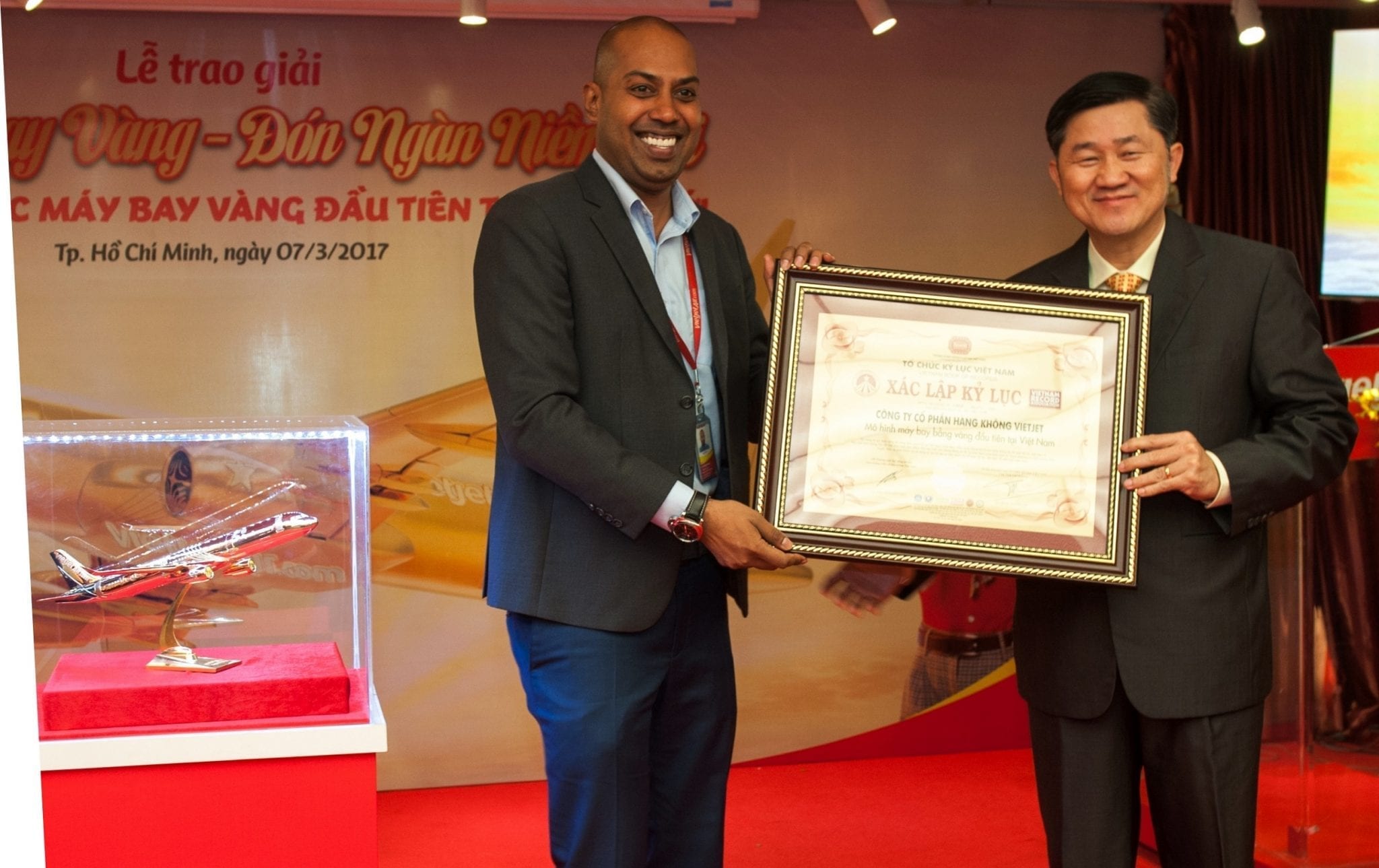
    On the occasion of the International Women’s Day, Vietjet presented a one-kilogram golden aircraft model, the biggest prize under the campaign “Win a 1kg gold aircraft, fly to a happy future”, to Ms Tran Phoi Hanh, a passenger on VJ610 flight from Ho Chi Minh City to Nha Trang, a beach city in south Vietnam, on February 3, 2017.

    Millions of lucky passengers have also won super promotional tickets priced from only HK$8 during the golden hours from 1pm to 3pm under the campaign “Win a 1kg gold aircraft, fly to a happy future” lasting from December 28, 2016 to February 28, 2017. Many prizes of 3.75 gram gold bullions and domestic air tickets have been given to lucky passengers, who successfully booked their tickets and flew from December 28, 2016 to February 28, 2017. 

    The airline also officially gets the World Record for “the World’s first golden aircraft model” from WorldKings. The Vietnam Book of Records accordingly recognized the record for “Vietnam’s first golden aircraft model”.

    As a new-age carrier, Vietjet is favored for its amazing promotions and interesting activities. The airline has been given world records for “The airline with the most inflight entertainment programs”, “The love flight with the most kisses”, “The most smiles onboard a flight to Singapore”, “The Speed date event for up to 600 singles”, etc.

    With its high-quality services, special low-fare tickets and diverse ticket classes, Vietjet offers its passengers enjoyable flights with dynamic and friendly flight crew, comfy seats, amazing hot meals and special surprises from the airline’s inflight activities.

  • Cebu Pacific receives new airplane

    Cebu Pacific receives new airplane

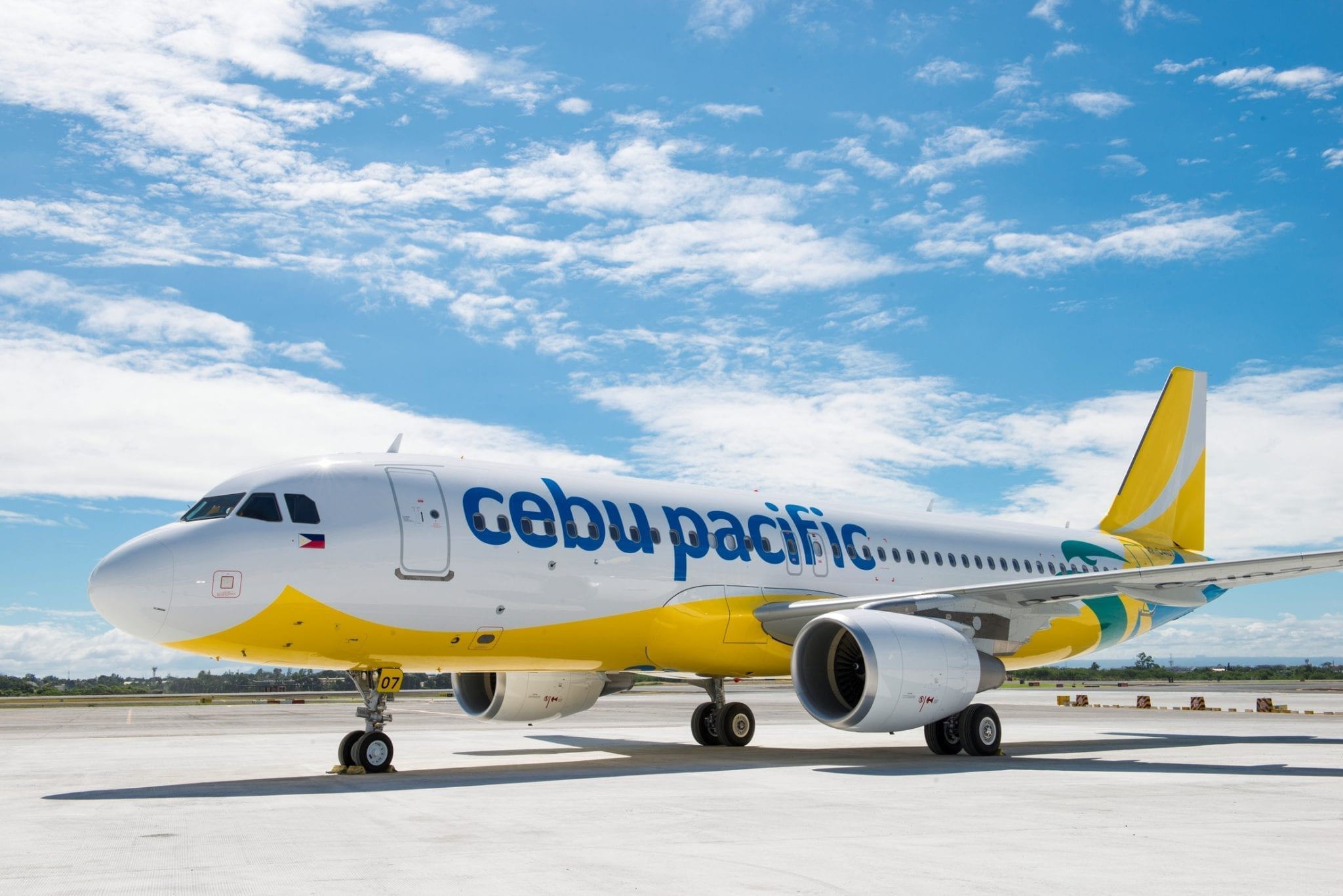
    In a statement released on Friday, Cebu Pacific said it took delivery of a new ATR 72-600 on Feb. 28, bringing the budget carrier’s current fleet to 59 planes. It was the fourth of the 16 firm orders Cebu Pacific made last year.

    The arrival of the new ATR 72-600 will serve wholly owned unit Cebgo’s new flights from Cagayan de Oro to Tagbilaran and Bacolod starting on March 15.

    “We are eager to receive this year another addition to our ATR fleet, supporting our expansion plans in the archipelago,” Cebgo President and CEO Alexander G. Lao was quoted in the statement as saying.

    Between 2017 and 2021, Cebu Pacific expects the delivery of one more brand-new Airbus A330, 32 Airbus A321neo, and 12 ATR 72-600 aircraft.

    Listed Cebu Air, Inc., which operates Cebu Pacific, offers flights to 37 domestic and 29 international destinations.

    Shares in Cebu Air fell by P1.95 or 2.10% to close at P90.95 each on Friday.

  • Now you can book a cook on Singapore Airlines

    Now you can book a cook on Singapore Airlines

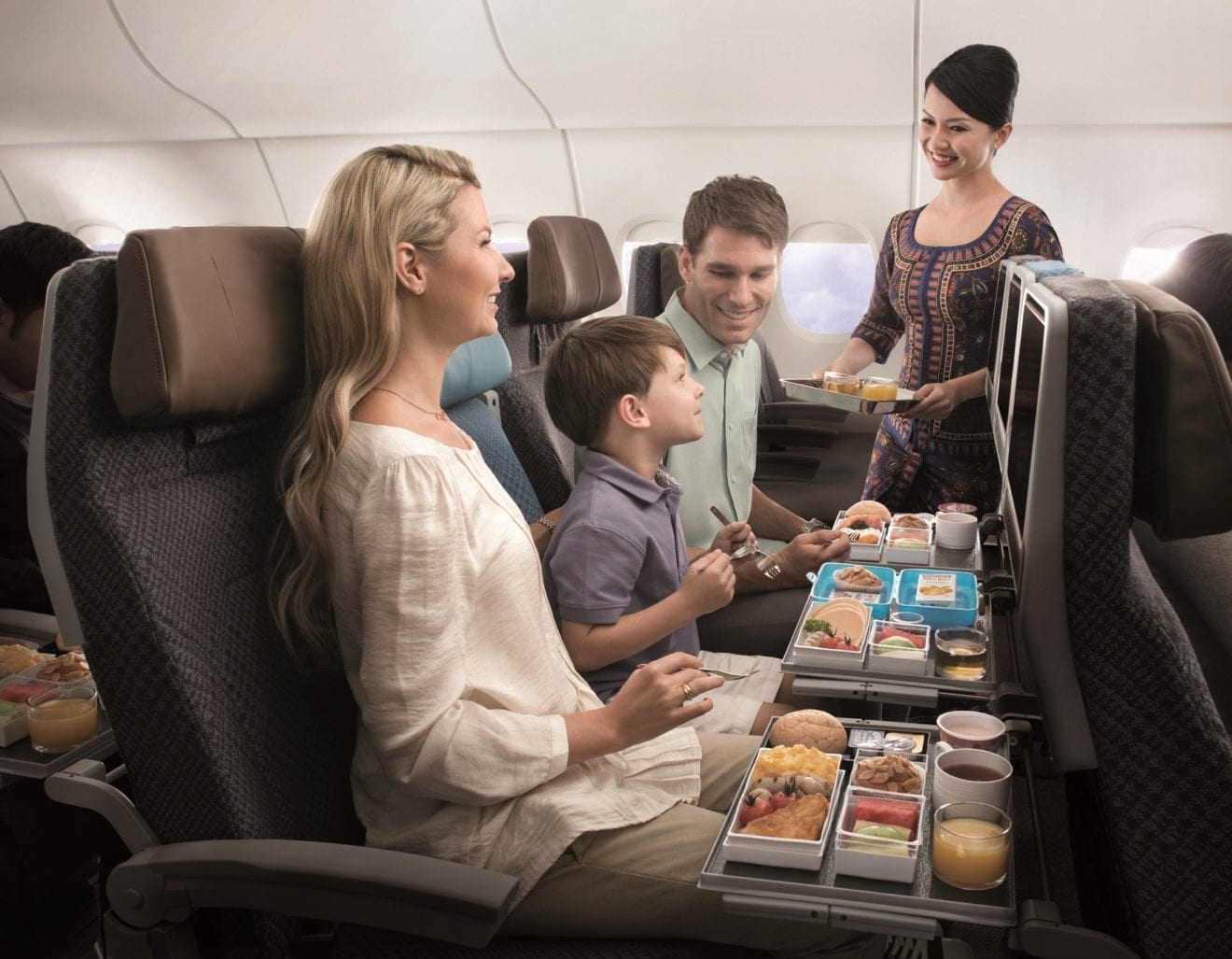
    It’s like dining a la carte 34,000 feet above sea level. That’s the “Book the Cook” experience that you get when you fly Singapore Airlines. It’s an exclusive advance inflight meal-ordering service that allows passengers in Suites, First Class, Business Class and Premium Economy Class to pre-select a gourmet dish of their choice before their flight.

    “It’s a departure from our regular meal service,” says Hermann Freidanck, food and beverage, inflight services manager. “You get to order your main course from a wide selection in a specially prepared menu up to 24 hours before your flight. Now you won’t have to settle for a dish that is not your choice.”

    At the exclusive meal presentation before local media recently at Singapore Airline’s new-concept Silver Kris Lounge in NAIA3, we got to experience firsthand what this was like. A couple of days before the event, we were sent a special menu to choose from, which included beef tenderloin steak, roasted rack of lamb, slow-cooked marinated duck leg with mushroom risotto, marinated free-range chicken, and baked herb-marinated salmon.

    The sit-down meal included an appetizer of marinated lobster with Mediterranean vegetable salad and balsamic dressing, as well as roasted pumpkin soup or snow fungus chicken soup with Chinese mushroom and quail egg. The salad was spinach and green frisée garnished with cherry tomatoes and olives with a choice of balsamic vinegar and extra-virgin olive oil or honey-mustard dressing, while dessert was a choice of  either chocolate and banana cake with vanilla ice cream and raspberry coulis or fresh mango tiramisu with verbena mango compote and biscotti by three-Michelin-starred chef Georges Blanc.

    As part of the Book the Cook service, passengers can choose from a menu of ICP dishes. “These are dishes created by Singapore Airline’s esteemed International Culinary Panel (ICP), which is a team of celebrated Michelin chefs who have restaurants or groups of restaurants in our main destinations in Europe, America and Asia,” Freidanck explains. “They work closely with our own chefs to develop unique dishes that we serve on board.” The panel includes Alfred Portale (United States), Carlo Cracco (Italy), Goerges Blanc (France), Matt Moran (Australia), Sanjeev Kapoor (India), Suzanne Goin (United States), Yoshihiro Murata (Japan), and Zhu Jun (China).

    “Our menus are planned four to five months ahead of time, on a four-month cycle. First Class and Business Class have four different main courses, while Premium Economy Class has a third choice in addition to the usual two choices,” Freidanck shares. “The way we do our menus is what we call ‘destination-specific.’ If you are going to Frankfurt, for example, you’ll have a German dish. In First Class and Business Class, you will always have  an ICP dish. Seasonal ingredients would also affect which dishes would be available.  The Japanese, as well as the Chinese dishes, go by the seasons. A bestseller is the Maine lobster, but not every country has it. It is difficult to get lamb, for instance, but because you can order in advance, you are guaranteed your main course.”

    “And then we have the Asian dishes. We look at the passenger profile, and if it’s predominantly Singaporean, for example, we try to put a Singaporean dish. We emphasize that we must represent the cuisine properly. It always has to be authentic. It must be traditional,” Freidanck adds. ‘There are also what we call the special meals which address certain conditions of the passenger, either due to religious beliefs, dietary or allergy restrictions. You can order them and we will serve you according to what you order. It’s not like other airlines where one menu fits all.”

    Singapore Airlines also launched a new “Deliciously Wholesome” program catering to the needs of an increasing number of health-conscious travelers.

    Preservation of freshness is an important consideration. Dishes are cooked with the reheating process in mind. “There is a fine line because we have to follow the hygiene regulations,” Freidanck explains. “Steak, for instance, has to be seared from the outside, so when it’s reheated on board, it’s just right. Sushi has to either be grilled or pickled or smoked. Nothing is raw. Oysters have to be cooked, following hygiene regulations.” Certain dishes can be a challenge. “Not impossible, but difficult,” Freidanck says. Dim sum, like pasta, does not reheat very well. The texture of risotto can be less appealing when overdone.

    The dishes are cooked in the kitchen, then kept in the chiller below 10 degrees so no bacteria can thrive, until it goes on board. The dishes are deconstructed and put into different containers. On board, it goes in the oven where the heat is calibrated to a certain temperature. “There is a training center in Singapore where the crew learn to do this. It’s very specific. There’s a lot of details which they have to go through,” Freidanck says. The crew gets a plating guide, which they must follow when they assemble the dishes.  First Class passengers get their meals served on real plates with fine cutlery.

    “Complementing Singapore Airline’s World Gourmet Cuisine is a selection of the finest wines from the very best vineyards, selected by some of the world’s most educated and sought-after palates. These wines are handpicked by world-renowned wine experts and blind-tasted under simulated cabin pressure, since our taste buds are affected by the cabin pressure,” notes Carol Ong, Singapore Airlines general manager for the Philippines, Guam and USTT. The Singapore Airlines Wine consultants include three Masters of Wine: Michael Hill-Smith, Jeannie Cho-Lee, and Oz Clarke.

    “So, you have just flown First Class, basically,” Freidanck says, addressing the intimate media group of happy diners at the end of the meal. The only thing missing was the altitude.