Retail News CRM

Tag: airpods

  • AirPods Pro 2 as a hearing aid device

    AirPods Pro 2 as a hearing aid device

    Not to be outdone by the new AirPods 4 with ANC, Apple decided to upgrade the AirPods Pro as well, so that it can set them apart from the cheaper standard AirPods in an easier manner. What was Apple to add that the AirPods Pro didn’t already have?

    Well, register the AirPods Pro 2 as a hearing aid device with the FCC, of course! That’s right, the AirPods Pro will be approved as a hearing aid by the FCC this fall, and Apple will send a software update to unlock the feature.< Leveraging the power of AI, Apple will set apart noises from speech, emphasizing what you'd want to absorb if you are hard of hearing. Apple will soon push an update announcing a hearing test availability for the AirPods Pro, after which they will be able to take over as a personalized over-the-counter hearing aid for up to moderate hearing loss. The certified hearing test coming to iOS 18 and AirPods Pro 2 will take about 5 minutes and involve hearing a system of tones with different frequencies to determine your hearing loss scale slot. As usual, Apple has developed the AirPods Pro hearing aid feature with the help of clinical studies that examine a massive amount of real-world data, like it did when it introduced the ECG function on the Apple Watch, so it will probably work even better than advertised, negating the discomfort of carrying two types of hearing devices with you.

  • Apple’s India supplier Jabil making AirPods parts for export

    Apple’s India supplier Jabil making AirPods parts for export

    Apple-supplier Jabil Inc’s India unit has begun making components for AirPods in the country and is shipping plastic bodies or enclosures for AirPods to China and Vietnam, Bloomberg News reported on Sunday, citing people familiar with the matter.

    Apple Inc and Jabil did not immediately respond to a request for comment.

    The move marks another step in Apple’s plans to shift its manufacturing away from China amid rising trade and geopolitical tensions between Beijing and Washington.

    The iPhone maker wants India to account for up to 25% of its production, from about 5%-7% now.

    Apple has bet big on India since it began iPhone assembly in the country in 2017, in line with the Indian government’s push for local manufacturing.

  • Apple supplier eyes Vietnam expansion

    Apple supplier eyes Vietnam expansion

    Apple iPhone assembler Pegatron Corp emphasizes its expansion in other countries, including Vietnam, to reduce its dependence on China following the strict Covid-19 lockdowns there.

    “We faced Covid controls for two months. We couldn’t have assessed that in advance, so that makes me emphasize our expansion in Vietnam, India, Indonesia, and North America, Liao Syh-jang, as saying at the company’s annual general meeting in Taipei Wednesday.

    The company is seeking to address labor shortages and the gap between peak and low seasons and increase capacity utilization, he said.

    Pegatron is one of Apple’s three iPhone suppliers along with Foxconn and Wistron.

    In April, the Taiwanese company suspended operations at its Shanghai and Kunshan plants in China due to strict Covid-19 protocols, impacting production and deliveries.

    China has since lifted the restrictions, but still faces a labor shortage that was sparked by the restrictions.

    Chairman T.H. Tung said the company’s customers had “different reasons” for setting up factories in Vietnam, India and Mexico.

    “But one shared factor is the ability to reduce concentration in Shanghai, Suzhou and Chongqing.”

    He added that hiring staff in China has become increasingly difficult over the past seven to eight years.

    Pegatron has mulled expanding to Vietnam since 2020, and is building a factory in the northern city of Hai Phong.

    Several Apple suppliers already have factories in Vietnam, including Foxconn, Luxshare and Goertek, and mainly make AirPods earbuds and HomePod speakers.

    Earlier in June, China’s BYD, one of the leading iPad assemblers, had helped Apple build production lines in Vietnam and could soon start to produce the tablet there.

    It attributed the move to China’s lockdown in and around Shanghai, which disrupted the supply chain for months.

  • AirPods Max hit a new all-time low price

    AirPods Max hit a new all-time low price

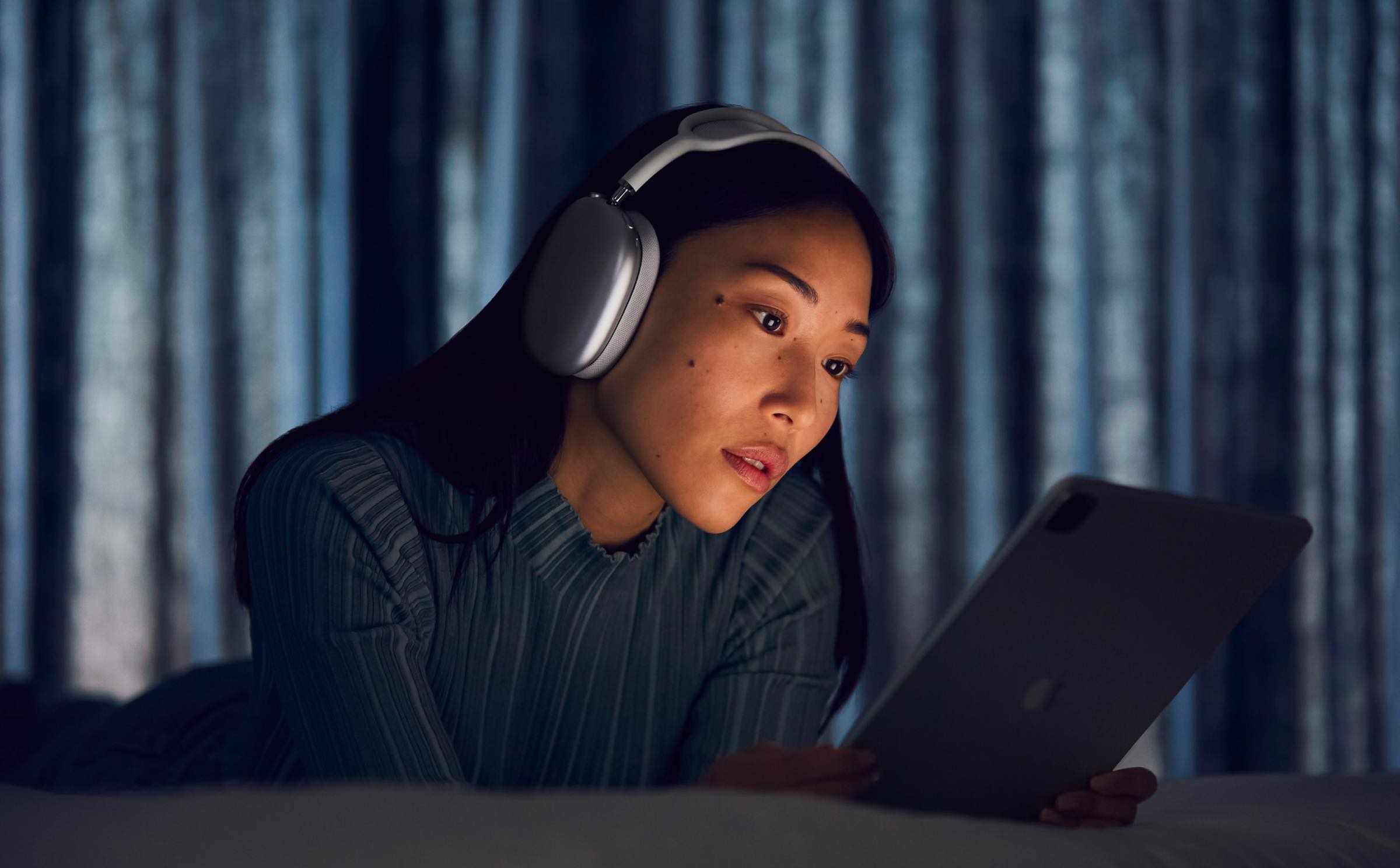
    The AirPods Max are Apple’s most expensive headphones, but if you’re a fan of the brand, you’re probably going to get them anyway. Luckily, Amazon is making the experience of purchasing a pair of AirPods Max headphones more gentle for your wallet by offering a nearly 15% discount.

    The only catch is that you’ll have to specifically choose the Space Gray model to save a bit more than $70. The other four color options – Green, Pink, Silver, and Sky Blue are on sale as well, but the discount is slightly smaller.

    A $70+ discount on a pair of headphones that costs $550 might not seem too much, but this is the best AirPods Max deal we’ve been able to track to date. Not to mention that Apple’s products rarely get massive discounts, especially so close after launch.

    In any case, if you’ve been eyeing Apple’s expensive AirPods Max, now would be a good time to make your purchase. Just keep in mind that prices at Amazon change all the time, so you might not get the highest discount we’ve spotted at the time of writing.

  • Apple may use AirPods to track health data

    Apple may use AirPods to track health data

    Apple’s Vice President of Technology, Kevin Lynch, recently held a lengthy interview regarding the company’s advancements and aspirations within the health sphere.

    In 2014, Apple came out with the Apple Health app to allow users to track and record their heart rate, which was first collected with the original Apple Watch. However, Apple quickly realized the potential in fusing this software with its constantly improving hardware, to bring a whole slew of personal health data to people’s fingertips—and it’s been expanding ever since.

    One of the new sensor-equipped gadgets to bring health-relevant data to users may be none other than Apple’s AirPods, as Lynch slipped to the TechCrunch reporter near the end of yesterday’s interview.

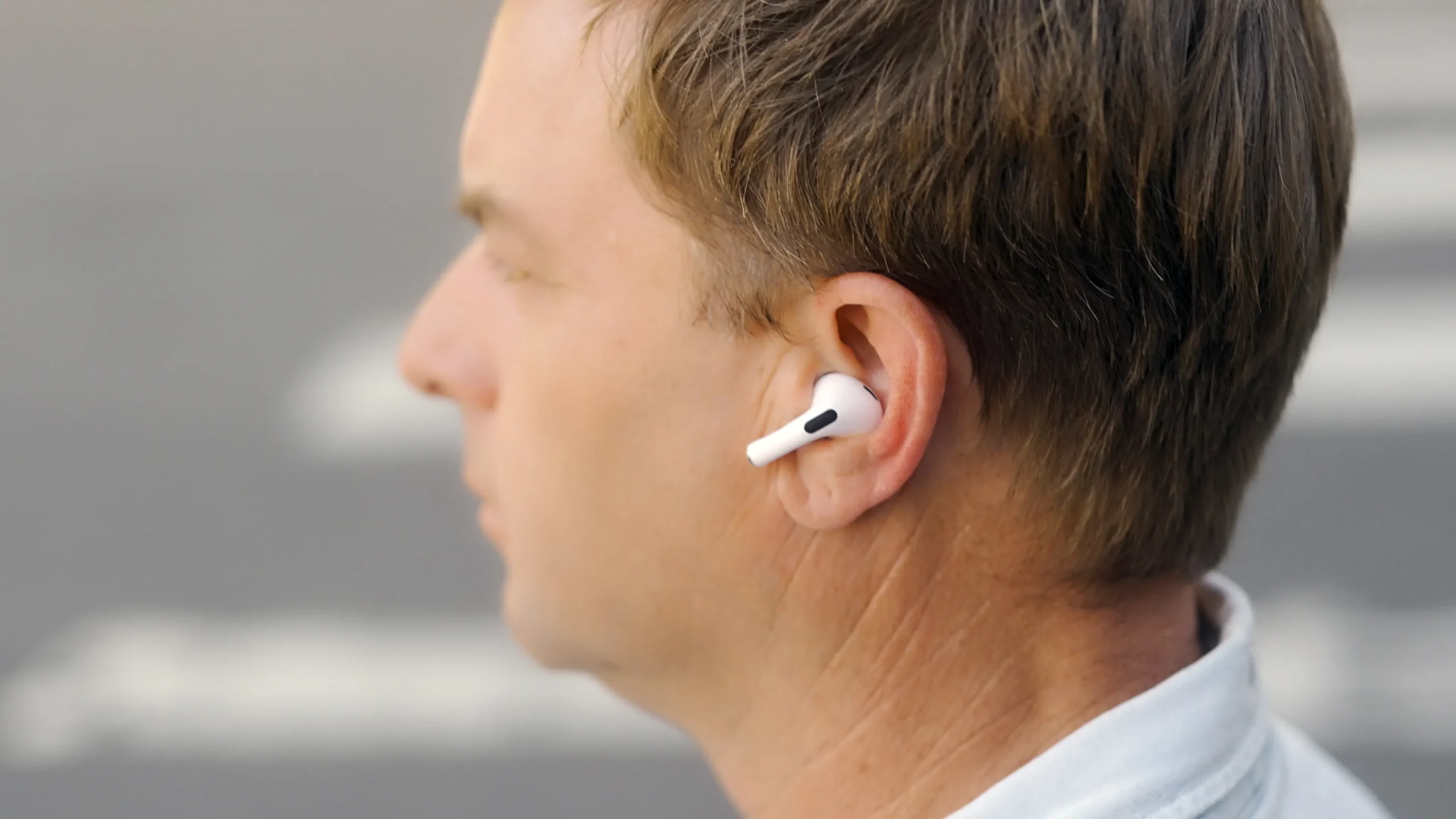
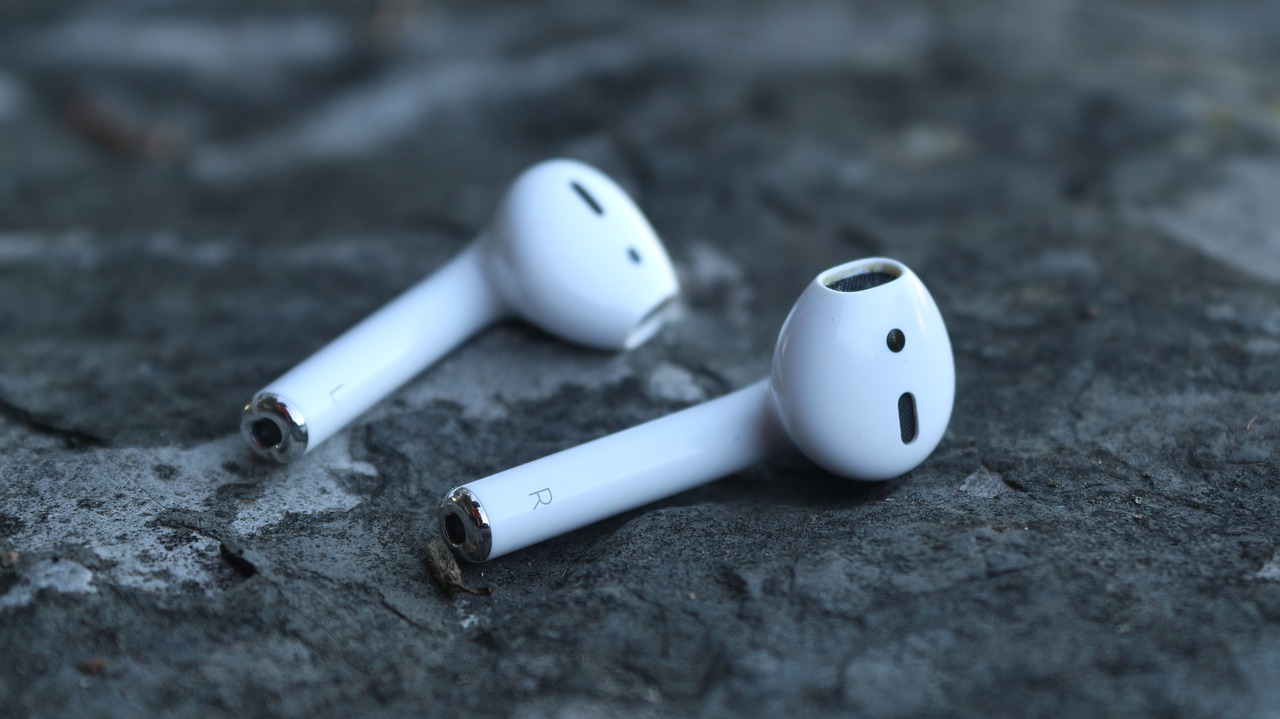
    The latest model of the AirPod earbuds, the AirPods Pro, already feature a pair of dual optical sensors, a motion-detecting accelerometer, a speech-detecting accelerometer, and a force sensor, all inside the tiny chasse fitted inside the ear.

    While we don’t know of any new sensors coming to AirPods Pro in the near future, these existing ones could well be leveraged to monitor a variety of things related to one’s overall health, just like the iPhone and Apple Watch already do.

    Supporting this new information is a Bloomberg report from last month, which promises that next year’s second-generation AirPods Pro are going to have their motion sensors updated with particular attention to fitness tracking. Once they do, this data is sure to be integrated into the Health App—which would be another growth spurt for Apple’s evolving health system.

    Reliable Apple analyst Ming-Chi Kuo has also reported similar information in a separate statement in the past. Kevin Lynch hinted that Apple sees lots of potential for leveraging as many devices as possible to monitor health data—and is likely going to be adding AirPods to the mix.

    Apple’s entire health-monitoring ecosystem all started with a heart rate monitor integrated into the Apple Watch, and a consequent iPhone app developed to easily deliver users that information.

    At first, we were showing people their heart rate, and you could look at it — we were using it for calorimetry. But some users actually were looking at their heart rate when they weren’t working out, and noticed it was high. They would go talk to their doctor, and the doctor would find a heart issue, and we would start getting letters about this. We still get letters today about our work in the space, which is amazing. But some of those early letters were clueing us into ‘Wait, we could actually look for that ourselves in the background’.

    Since then, the existing fusion of Apple’s technologies has come a long, long way. It now not only simply tracks your heart rate, but matches it to your currently assessed level of activity, and comparing that to known health data, can notify you if you have a dangerously low or high heart rate.

    >Of course, that’s only the beginning. Leveraging Apple’s devices, the Health app can also keep track of your activity intensity, calorie burn, metabolic rate—it can even take your sleep metrics. This means that you can monitor your blood oxygen levels during sleep, track how much time you spend asleep, as well as your sleeping respiratory rate.

    We’ll also be seeing mobility metrics being taken later this year, tracked in terms of “walking steadiness,” which assesses your balance, strength, step symmetry, and gait. It will let you know if it detects a lack of balance or symmetry in your walk, or other abnormalities, and let you know if you are at an increased risk of falling.

    With iOS 15 this year, the Health app will also be able to track your food and calorie intake for you. It will also allow you to share your health data both privately (with loved ones worried about your health, for example), or publicly, such as with your doctor.

    There is even talk of a blood sugar monitor coming to the Apple Watch, although it has been confirmed that we’ll have to wait until after the Apple Watch 7 to see it. A temperature sensor may also be coming with the Apple Watch Explorer/Adventure Edition in 2022.

    All of this has become possible in the span of only a few years, but Apple is clearly already looking towards the future for more possibilities and ways to expand its health monitoring services.
  • Firmware update kills bug draining Apple AirPods Max battery

    Firmware update kills bug draining Apple AirPods Max battery

    The Apple AirPods Max is an over-ear headphone that turns on automatically when it detects that they are over the user’s ears. Each ear cushion uses memory foam to create a seal that Apple calls an important factor in creating immersive sound. The AirPods Max also borrows the Digital Crown from the Apple Watch to allow for precise volume control, to activate Siri, play or pause music tracks, and answer or end phone calls.

    This past Tuesday Apple released firmware version 3C39 for the AirPods Max. Since Apple did not include any release notes with the update, many were forced to blow the dust off of their Magic 8 Ball to find out what good the update did for their AirPods Max. Some believe that the update exterminated a bug that causes the battery to drain rapidly whenever the device is placed in its Smart Case.

    When the AirPods Max is placed in their Smart Case, they are supposed to go immediately into “low power mode” followed18 hours later by moving into “ultra-low-power mode.” But since the wearable was released in December, some users have complained that the battery life on their AirPods Max drops from 100% to 1%-or even down to 0%-overnight even when the device was sitting in the Smart Case all night. A pair of graphs depicting battery usage on the AirPods Max prior to and then after the update to 3C39 reveals that before the update, the AirPods Max battery was draining every 30-minutes. The graph covering the battery drain following the update showed a very little drop in battery life for the over-ear headphone every half-an-hour.

    The reason for the improvement can be traced back to one big adjustment. Prior to the update, with the AirPods Max in their Smart Case, it would take 18 hours for the “ultra-low-power mode” to kick in. However, after installing the firmware update, it takes only 30-minutes for the “ultra-low power mode” to start working. That means that the battery stops draining too fast 17 and a half hours earlier than before. The update also exterminates a bug that causes the AirPods Max to crash when connected to a device running iOS 14.5.

    So how can you install the firmware update on your AirPods Max. What would you say if we told you that it is not possible to do it manually? The headphones update automatically when connected to a power source while located right near your iPhone.

    It is always good to know exactly which firmware version your AirPods Max are running. To find out, open the Settings app on your iPhone and go to your Bluetooth menu. In the list of your Bluetooth-connected devices, look for the listing for the AirPods Max and tap on the i next to that listing. You will then see the firmware version of the Apple AirPods Max that your headphones are running. The most current version is 3C39. If this is the firmware version that shows up after following the above steps, you have nothing to change as your AirPods Max is completely up to date.

    The Apple AirPods Max are available in Space Gray, Silver, Green, Sky Blue, and Pink. If purchased from Apple, you can have the device engraved for free with a combination of emoji, text, and numbers. The price of the device is $549 or six monthly payments of $91.50.

    If you feel as though the battery is draining too rapidly on your AirPods Max, make sure that you install the new update. Allowing the “ultra-low-power mode” to kick in earlier could be the difference between having enough battery life to use the over-ear headphone with your iPhone and enjoying its Active Noise Cancellation.

  • Apple AirPods Pro Lite release date, price, features

    Apple AirPods Pro Lite release date, price, features

    The AirPods Pro Lite are rumored to be an upcoming model of truly wireless headphones by Apple. They are expected to be more capable than the regular AirPods, but slightly cheaper than the premium AirPods Pro.

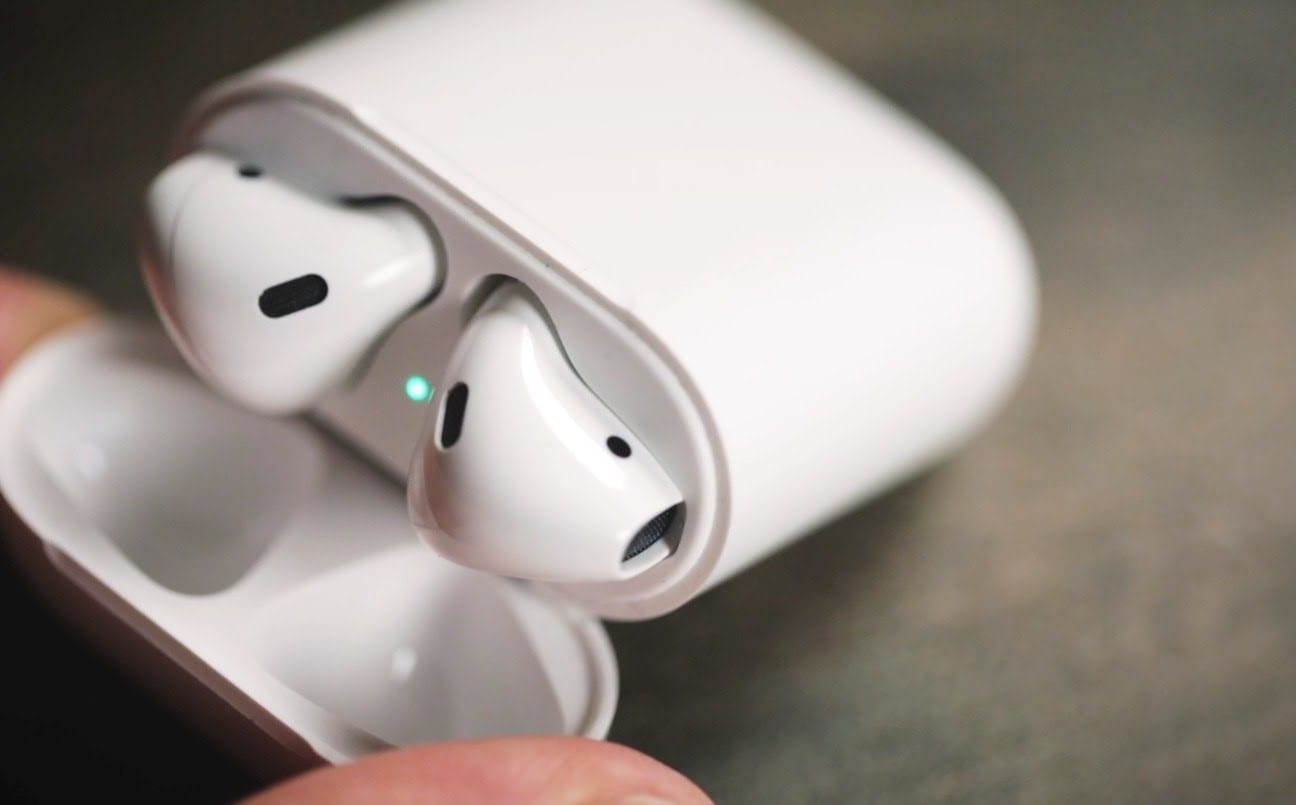
    The original AirPods (late 2016) were among the first truly wireless earphones. They boosted the interest in this fledgling category of tech products and established themselves as undisputed leaders. In early 2019, Apple followed with an upgraded version which added a number of things such as wireless charging, “Hey Siri” and slightly better battery life. In late 2019, Apple released a higher-tier variant called AirPods Pro. The AirPods Pro have been a runaway success – they came at a significantly higher price but introduced an improved design, dramatically better sound quality and active noise cancellation.

    Now, the word is Apple is working on a product that is supposed to slide between the AirPods and the AirPods Pro. The rumor mill is referring to that product as the AirPods Pro Lite, but that is by no means its official name.

    So, when will AirPods Pro Lite come out? We wish we knew! And sadly, it’s not like we’re drowning in leaks right now.

    But we can take a look at the next probable dates when Apple could announce the mysterious earbuds. Naturally, what comes to mind first is Apple’s September event – the company’s flagship event where it always reveals its big iPhone releases. This isn’t at all unlikely, as the original AirPods were unveiled at precisely such an event. So, this year, we might see the new AirPods Pro Lite launch alongside the iPhone 12 series.

    Alternatively, the AirPods Pro got their own “online” release in November last year, which was after the big iPhone event had long finished. So the possibility of Apple launching the new AirPods Pro Lite at any time later this year is also quite real. No single release window currently has any real backing, though. Hopefully, we get more AirPods Pro Lite leaks soon that would narrow the options a bit.

    Ah, this is the other money question: how much are the AirPods Pro Lite going to cost! The only lead we have in terms of pricing is that the Pro Lite are supposed to be positioned between the AirPods and AirPods Pro.

    The basic AirPods cost $159.The same AirPods but with a wireless charging case come in at $199. The premium AirPods Pro cost $249.

    Now, that obviously doesn’t leave much room for the Pro Lite to slot in, does it? The way things stand right now, we can’t really see how the rumored model could squeeze itself into the line-up. That said, the TWS (true wireless stereo) market is beginning to saturate, and, as usual, Apple is starting to feel some pressure from the more affordable segments. With that in mind, Apple might want to push the price of the regular AirPods a bit lower to fend of the players in the low-$100 space.

    A fairly conservative possibility would be to have the AirPods at $149, and then the AirPods Pro Lite at $199, and the Pro at $249. That would make for a nice, even distribution across the TWS price spectrum. But this, of course, is pure speculation. Regardless, the $200 mark is roughly the area we expect Apple to position the Pro Lite in, if the model ever comes to light.

    At this point, there is absolutely no information with regards to the eventual AirPods Pro Lite specs. There is some debate going on around the tech community what the middle-of-the-road earbuds should be like, and while some see active noise cancellation as a must-have feature, we believe it might as well not be present.

    ANC is fairly taxing and makes for a great premium differentiator. On the other hand, the AirPods Pro also brings a superb audio quality enhancement over the regular AirPods. With this in mind, it wouldn’t surprise us if the mythical AirPods Pro Lite keep the same design as the AirPods Pro, and deliver the same superb audio quality, but lose the active noise cancellation. This doesn’t seem so unthinkable if you consider the rubber-tip design of the Pro (and possibly the Pro Lite), which is among the best when it comes to the rubber material, the fit and the comfort. Thus, Apple could easily market the Pro Lite as having passive noise cancellation, and call it a day.

    Aside from all that, as we said, if we can trust that the nickname Pro Lite describes the rumored model accurately enough, we’d expect it to keep the same physical design and audio quality. Also, there will surely be Hey Siri support, as well as the same degree of water-resistance.

  • Second generation Apple AirPods had weaker than expected sales in Q1

    Second generation Apple AirPods had weaker than expected sales in Q1

    Apple’s AirPods continue to dominate the true wireless “hearables” category with a larger than 50% market share. However, the second generation of the extremely popular accessory did not add to Apple’s already huge share of this market. According to the information made public by Counterpoint Research, despite launching the latest version of its AirPods during the quarter, “Apple’s market share remained at the same level seen in the last quarter, failing to grow in spite of the launch of its second generation AirPods.” Of course, the new AirPods weren’t announced by the tech giant until March 20th, nearly at the end of the three-month period.

    The second generation AirPods replaced the W1 chip employed on the original version with an H1 chip for improved Bluetooth connectivity. It also lowered the strain on the battery, allowing Apple to promise 50% longer “talk time,” and allows users to switch between devices while listening to music up to two times faster. And Siri can now be summoned by saying “Hey Siri.” The update also added a new carrying case for the AirPods that will charge wirelessly. If the upcoming 2019 iPhone models feature reverse wireless charging as rumored, the new case will be able to sit on the back of one of the new units and power up. Of course, this will come at the expense of the battery inside the host iPhone.

    Counterpoint noted that thanks to sales promotions run to clear out inventory, sales of the first-gen AirPods were higher than expected during the quarter. Sales of the second generation AirPods were weaker than expected. Some of that could be due to confusion among consumers, many of whom expected the new buds to be water-resistant and feature a new grip to keep them firmly planted in users’ ears. Those rumors and others about some sort of health care feature for the accessory and a new Black color option were well publicized prior to the unveiling of the new version. As it turns out, these are features that we will probably see when the third generation AirPods come out later this year. Most likely, many consumers are holding off on purchasing the new AirPods and are awaiting the next version of the device.

    “Apple’s market share remained at the same level seen in the last quarter, failing to grow in spite of the launch of its second generation AirPods. While sales of the first generation AirPods were higher than expected thanks to a variety of sales promotions for stock-outs in the channel in Q1 2019, sales of the new model were weaker than initially expected due to the market’s mixed response.”-Counterpoint Research

    The graphs released by Counterpoint didn’t include any actual percentages, but we can see from the graphs that Apple’s AirPods have a huge lead over the second place Samsung Galaxy Buds. Samsung’s wireless “hearables” were launched earlier this year and were handed out as a bonus to those purchasing a phone from the Galaxy S10 line. That promotion, by the way, is back until June 30th. The Galaxy Buds replaced the Gear IconX in Sammy’s lineup and helped the company leap over Jabra to take second place for the first time. The Jabra Elite Active 65t was third.

    Later this year, we should see two more heavyweights enter the market. Both Amazon and Microsoft are planning to release their own wireless Bluetooth earbuds this year. The former says that its device will be equipped with Alexa and will sound better and cost less than Apple’s AirPods. Microsoft’s Surface Buds will include Cortana integration.

    During the first quarter of this year, Counterpoint says that the size of what it calls the “true wireless wearables” market was 17.5 million units. That is a 40% gain sequentially from the fourth quarter of 2018. That is impressive because Q4 of 2018 included the holiday shopping season.

  • Apple AirPods 3 likely to arrive later this Year

    Apple AirPods 3 likely to arrive later this Year

    Five weeks ago, Apple announced a new pair of AirPods. The update was largely welcomed, but it was far from the big upgrade many were hoping for.  According to industry sources, the next-generation AirPods will be manufactured jointly by Taiwan-based Inventec and Chinese company Luxshare Precision. These two aren’t exactly household names but they are the companies in charge of producing the current-gen AirPods.

    In regards to actual features, the details provided by the report are minimal. However, it’s suggested that the primary new feature will be built-in noise cancelation.

    Tipster Steve Hemmerstoffer, for example, accurately predicted back in February that Apple’s AirPods release in March would center around the wireless charging case. The upcoming fall release, on the other hand, will apparently focus on an all-new pair of AirPods that’ll be available in a range of new colors.

    Way back in June of last year, Bloomberg published a report detailing Apple’s plans for a pair of premium AirPods sometime this year. An exact timeline wasn’t provided, but the piece did list a number of potential features that would justify the expected price hike.

    Like today’s report, noise-cancelation was listed as one of the primary additions. This will apparently be accompanied by the introduction of water resistance and some health-related features which could include a built-in heart rate monitor. Apple is also said to be working on extending the range at which AirPods can be used away from a connected device.

    Further rumors and reports have suggested the next-generation AirPods will introduce a subtle redesign. More specifically, a frosted glass-like coating is to be expected. This will apparently improve grip and reduce slipperiness, thus making the new AirPods less prone to falling out of your ears.

    Also expected are the usual internal upgrades which should include a new Bluetooth connectivity chip and improvements to the overall sound quality. A rumor floating around also suggested the next AirPods will support more powerful wireless charging that takes the battery percentage from 0% to 100% in just 15 minutes.

    Apple analyst Ming-Chi Kuo revealed that he now expects Apple to launch two new pairs of AirPods during the ‘4Q19-1Q20’ timeframe, meaning the new accessories could be unveiled at any point between early October 2019 and late March 2020.

    One of these new models will apparently be a small update over the AirPods that are currently on sale. It’s unclear what kind of upgrades this will entail, but Kuo believes the version will maintain the $159 starting price seen today – with the wireless charging case this will presumably rise to $199.

    The second pair, on the other hand, will apparently introduce an ‘all-new design’ that will be accompanied by a higher price tag. Presumably, this means that there will be a wide range of new features including noise cancelation and water resistance, as mentioned above.

    Ming-Chi Kuo expects AirPods shipments to reach a considerable 52 million units in 2019, while this number should then grow even higher in 2020 to 75 million. In order to cope with the increased demand, it’s believed Apple will move to a new system-in-package design for both sets of AirPods that’ll save space, lower costs, and improve production yield rates.

    As pointed out by Bloomberg’s Mark Gurman, the AirPods that Apple launched last month were initially planned for release in September 2018 alongside the iPhone XS and iPhone XR devices. Apple hasn’t officially confirmed this, but it’s rumored to have happened due to issues with the canceled AirPower charging mat. Apparently, the AirPods charging case was meant to utilize proprietary technology, but complications with AirPower forced Apple to rework the accessory using the Qi standard.

    If things had gone as planned, new AirPods launching later this year wouldn’t be out of the question. But considering that, by the end of 2019, Apple’s latest AirPods will have only been on the market for 9 months, it seems highly likely that the AirPods 3 and AirPods 3 Pro will arrive towards the end of Kuo’s release timeframe at the brand’s annual spring event in March, one year after the current-gen AirPods arrived.

  • Microsoft said to be prepping its own AirPods challenger

    Microsoft said to be prepping its own AirPods challenger

    We know that Amazon is working on a pair of wireless earbuds that are supposed to offer better sound at a cheaper cost than Apple’s very popular AirPods. Now, according to Thurrott, it appears that Microsoft will also take a shot at Apple’s AirPods with its own wireless earbuds that could be named Surface Buds. This information comes from sources familiar with the company’s plans. Just as Apple’s AirPods come with Siri integration, and Amazon’s earbuds will be equipped with the Alexa virtual assistant, the Surface Buds will feature Cortana.

    The project has the code name of Morrison, possibly named after the late Jim Morrison who was the lead singer for The Doors. This won’t be the first set of earbuds to be released by the company. Back when Microsoft sold its Zune music player (its Apple iPod competitor), it sold wired earbuds as an accessory for users of the device. Besides being equipped with Cortana, the Surface Buds are expected to feature noise cancellation and technology that will allow users to more easily read content from their phones. We would expect the product to be compatible with both Android and iOS devices.

    If Microsoft is on the ball, it will have the Surface Buds available in time for the holiday shopping season. Besides Apple’s AirPods and Amazon’s upcoming earbuds, Microsoft will also be competing with the recently launched Samsung Galaxy Buds.

  • Apple can make you forget about the new AirPods with new Beats headphones

    Apple can make you forget about the new AirPods with new Beats headphones

    Apple isn’t known for its costly acquisitions, generally focusing on buying small companies that can add valuable resources to new areas of development for the Cupertino-based tech giant without entailing a great risk from a return on investment standpoint. But the iPhone and iPad makers actually splashed the cash on Beats Electronics back in 2014, acquiring Dr. Dre’s buzzworthy audio device outfit in exchange for a whopping $3 billion.

    While we will obviously never know exactly how much Apple has gained or lost as a result of this extravagant purchase in its immediate aftermath, the future of the Beats brand appeared to hang in the balance as there were no new products released under the once fruitful label for the entirety of last year. But fret not, Dre fans, as a redesigned Powerbeats version is expected out pretty soon.

    AirPods rival or something for a different target audience?

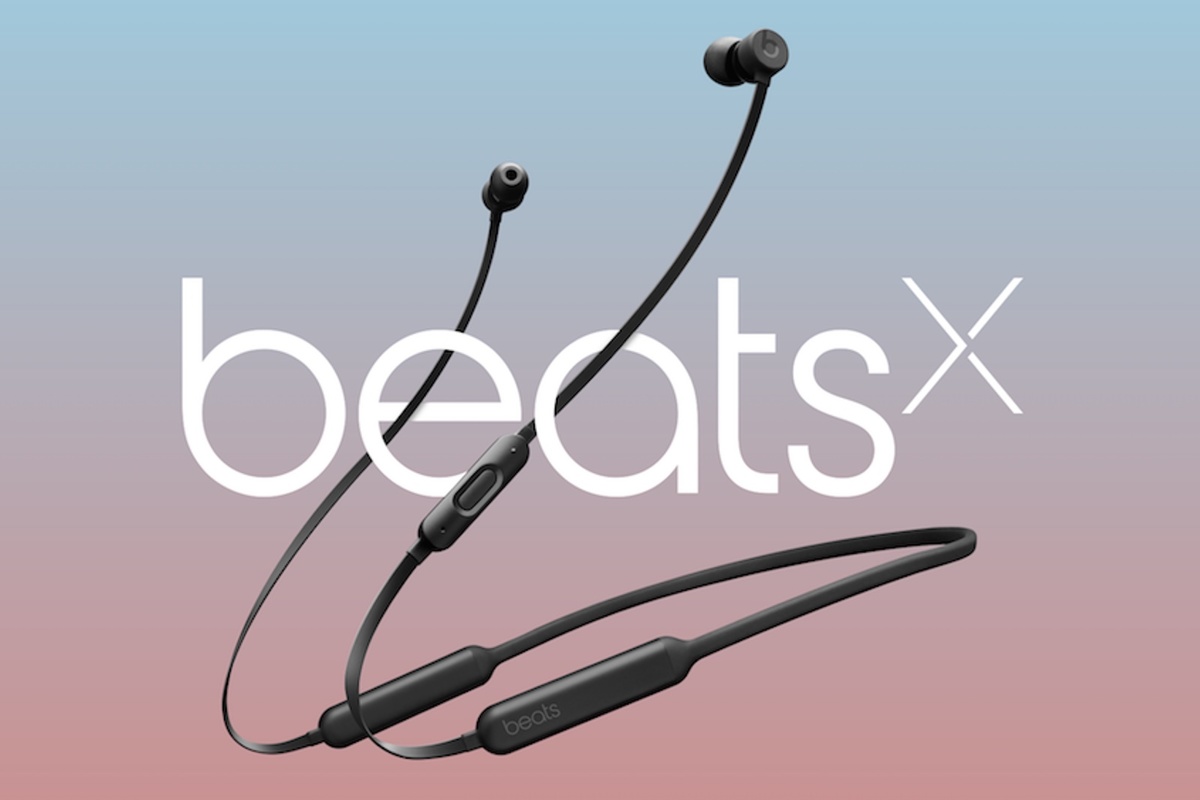
    There are plenty of popular Beats-branded wireless headphones already on the market, ranging from the $120 BeatsX all the way up to the $350 Beats Studio3, but one thing that’s missing is a “true wireless” option. The reason for that is simple, as Apple probably didn’t want anything to steal attention away or reduce the appeal of its first-generation AirPods.
    With a second edition now out and about, and many signs the AirPods are a runaway success, the company might finally feel confident enough to expand its already vast lineup of audio products. Enter a sequel for the $200 Beats Powerbeats3 that’s expected to cut the cord altogether and make it even harder for the likes of Google and Samsung to compete on the Apple-dominated “hearables” scene.
    Instead of thinking about the Powerbeats4 (name obviously unconfirmed) as better or worse than the 2019 AirPods generation, you should just regard them as different products. Rumor has it the new, completely wire-free Beats Powerbeats could “borrow” the H1 chip of the freshly upgraded AirPods, as well as the hands-free “Hey Siri” capabilities. But water resistance, better bass, and a more ergonomic design focused on keeping these things snug in your ears at all times, might be added to the mix.
    That… arguably makes the impending Beats product sound superior to the 2019 AirPods, although we clearly don’t have the full story yet. There’s no mention of wireless charging support, while battery life is presumed but not guaranteed to be better. Perhaps most importantly, we have no idea how the reimagined Powerbeats will actually look. We know the cable keeping the Powerbeats3 together will disappear, but absolutely nothing else, which suggests this sequel might be more about functionality and outdoor endurance than fashion.

    It’s all about the money

    We’re sorry to break it to you, but Beats headphones are not generally what we’d call affordable. The sporty Powerbeats3 are (typically) pricier than the stylish Apple-branded AirPods, although unlike those market-leading bad boys, these slightly less successful wireless audio accessories routinely go on sale at massive discounts. At the time of this writing, for instance, they’re just $99.99 at Best Buy after a 50 percent markdown that’s actually become a common occurrence in recent months.
    That probably signals a follow-up effort is indeed right around the corner, but it also suggests it won’t be a very good idea to purchase said sequel straight off the bat. That being said, whether or not the Powerbeats4 will be better than the AirPods 2, a starting price of more than $200 is likely to put off a large number of potentially early adopters. The question is can Apple deliver all the aforementioned upgrades over the Beats Powerbeats3 and refrain from adding a premium of, say, 50 bucks? We’ll apparently see about that in just a few weeks or so.
  • Apple to announce AirPower and AirPods wireless charging case

    Apple to announce AirPower and AirPods wireless charging case

    According to Max Weinbach, Apple’s seventh-generation iPod Touch will make its international debut sometime tomorrow. Once again, specifics about the product weren’t provided but this announcement info does coincide with a previous rumor from earlier today. After the iPod’s announcement, Apple could proceed with the unveiling of two other products. Weinbach’s sources acknowledged that they haven’t worked on AirPower or the AirPods wireless charging case directly.

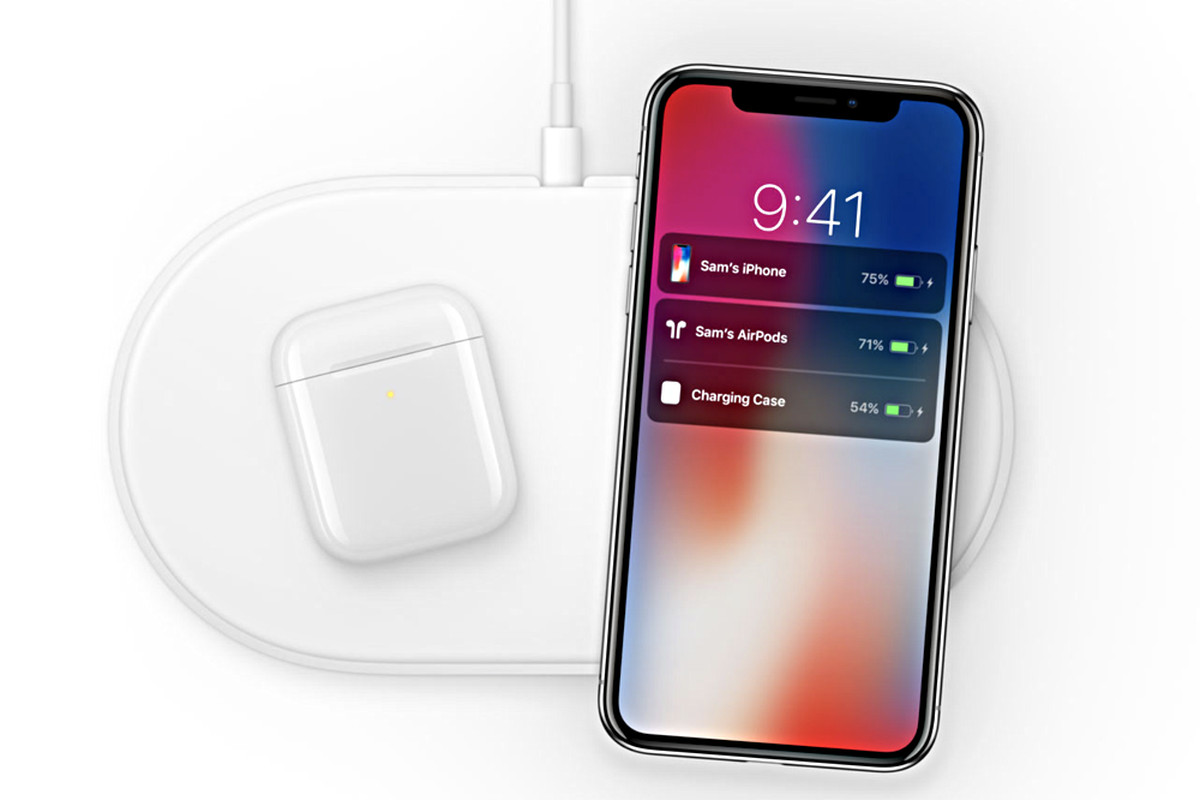
    However, they did confirm the possibility of these products launching later on this week. If Apple’s strategy so far is anything to go by, the AirPower charging mat will probably be announced on Thursday. This will presumably be followed in Friday by the debut of the AirPods wireless charging case. But if Apple wishes to cut the week short, it could announce both products simultaneously.

    As a further indication of Apple’s plans to launch AirPower soon, recent changes to the iOS 12.2 beta have resulted in “significant” modifications to the wireless charging code. More specifically, the operating system now includes the code “responsible for identifying that two devices are charging on the same mat,” something AirPower will support.

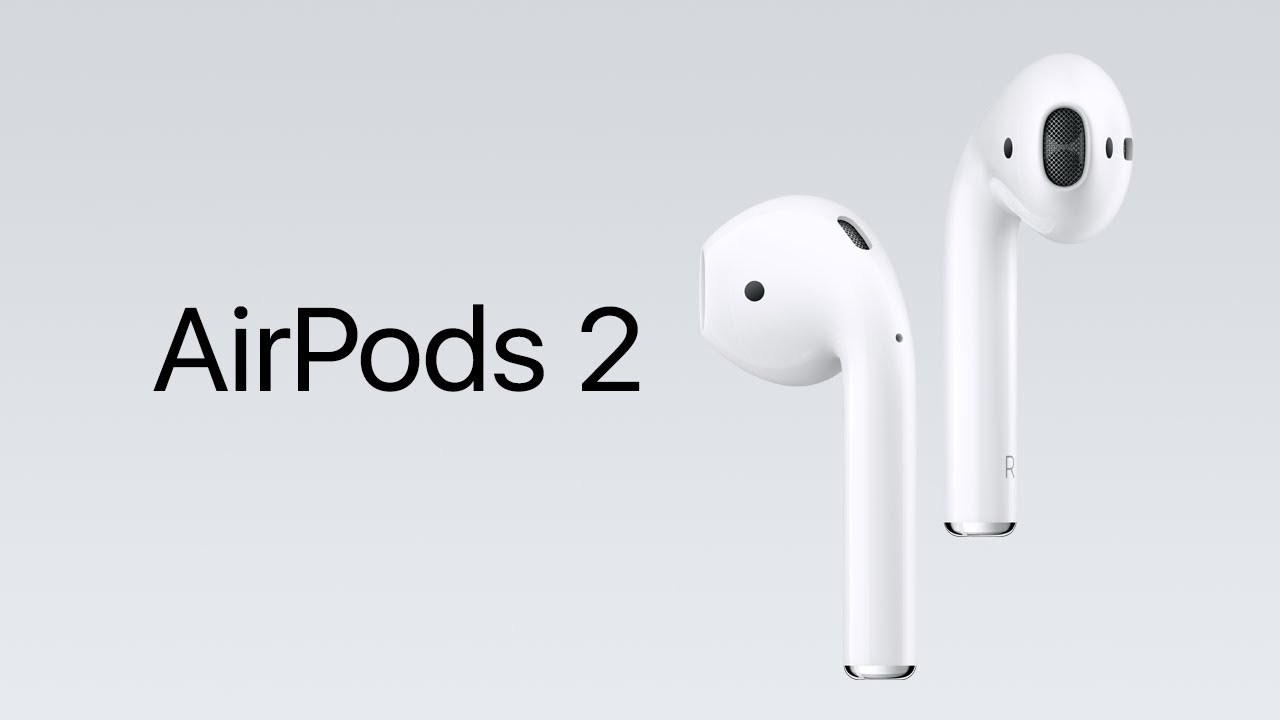
    Apple’s AirPods 2 might still be months away

    As you may have noticed, there has been no mention of AirPods 2. Unfortunately, this is because the sources believe Apple’s next-gen wearable won’t launch until September alongside the iPhone 11 series. Rumor has it that AirPods 2 will look fairly identical to the originals. But in the hope of improving grip and reducing slipperiness, Apple is believed to be preparing a new frosted glass-like coating. This same coating may be present on the 2019 iPhone series.

    The new AirPods should introduce always-on Siri – which will give users the option of activating Siri with the words ‘Hey, Siri’ – and some kind of water resistance. The updated accessory may also feature some health-related features such as a built-in heart rate monitor. Also expected from AirPods 2 is Apple’s W2 Bluetooth connectivity chip.

    This halves power consumption with respect to the W1 chip and should result in big battery life improvements. Better overall sound quality is likely too.

    What does Apple have left for its March 25 event?

    After what could potentially be an entire week dedicated to hardware, next Monday Apple is holding the “It’s show time” press event. And, as revealed by Weinbach’s sources, there will be no hardware announcements. Instead, the company will focus entirely on its new services. The main star next week is expected to be Apple’s highly-anticipated news-aggregating subscription service.

    For a rumored price of $10 per month, consumers will gain access to a range of premium new content provided by a wide range of suppliers. Reportedly, this new service will be available to iPhone, iPad, and Mac users through the existing Apple News app.

  • Apple’s AirPods 2 will help the ‘hearables’ segment to grow

    Apple’s AirPods 2 will help the ‘hearables’ segment to grow

    According to Counterpoint Research, wireless ‘hearables’ are the next big thing. The segment, which contains Apple’s AirPods and the Samsung Galaxy Buds, saw global sales of around 46 million units last year. But with the help of AirPods 2, this could catapult to 129 million units as early as next year.

    Samsung, Google, Bose, and LG are all expected to grow

    As noted by Research Director Pete Richardson, “2019 will be the year that hearables evolve into an important market.” For the most part, new releases from major brands will boost sales across the globe. However, the evolving digital habits of consumers are also expected to propel demand.

    The likes of Samsung, Bose, Huawei, and LG all hold relatively small market shares at the moment. But as interest in the segment picks up throughout this year and next, each one is set to experience relatively strong growth which should translate into larger market shares.

    New Google Pixel Buds and other releases from the likes of Amazon are expected to play an important role too. After all, these should integrate the likes of Google Assistant and Alexa, both of which are becoming increasingly popular among consumers.

    AirPods 2 will propel the ‘hearables’ segment to new levels

    As mentioned in the opening paragraph, for the foreseeable future Apple is expected to remain the biggest driving force of growth. Rumor has it that the brand is preparing a second-generation of its AirPods which should integrate a variety of new features and potentially some small design changes.

    From afar, AirPods 2 are expected to look identical to the originals. But upon closer inspection, a new frosted glass-like coating should be visible. This, according to rumors, will improve grip and reduce the slipperiness, which means the new AirPods shouldn’t fall out of your ears so easily.

    AirPods 2 should also introduce always-on Siri, which will allow users to activate the assistant with the words “Hey, Siri.” This feature was actually first teased way back in September by Apple but still hasn’t been confirmed officially.

    Joining the improved Siri will apparently be some kind of water resistance and potentially some health-related features. More specifically, an earlier report suggested Apple was researching the possibility of a built-in heart rate monitor. However, this extra is far from guaranteed. One feature that does seem extremely likely at this point is support for wireless charging through a new charging case. Allegedly, this feature, which will charge both the case and AirPods simultaneously, will take the battery level from 0% to 100% in just 15 minutes.

    Also expected from the new wireless accessory is Apple’s W2 Bluetooth connectivity chip. This can currently be found inside the Apple Watch Series 4 and halves the power consumption with respect to the W1 chip. As a result, battery life improvements are to be expected.

    Of course, Apple’s AirPods are primarily meant for music and Apple is set to bring some improvements to the overall sound quality.

    Most AirPods buyers aren’t bothered about sound quality

    Rather ironically, despite the fact AirPods are meant for music, consumers aren’t buying them because of their sound quality. Counterpoint Research recently conducted an online survey of over 200 people regarding their preferences. In the case of AirPods, 68% of correspondents cited “comfort & fit” as a key reason for buying them. This was followed by “ease of use” and “portability,” which were mentioned by 56% and 44% of people respectively.

    As it turns out, just 41% of the people surveyed cited “sound quality” as a reason for buying AirPods. For comparison, this factor was the key driver when it came to Bose products, with a whopping 72% listing it. “Noise cancellation” was also important with Bose headphones as it was cited by 68% of people.

  • Apple’s manufacturers gearing up production of new iPad and AirPods hardware

    Apple’s manufacturers gearing up production of new iPad and AirPods hardware

    Apple’s March 25 event is around the corner and naturally, rumors about it are abundant. The event is expected to be focused on new services but its almost inevitable that there will be a hardware release or two, even if there won’t be any dedicated time for them during the presentations. The latest news coming from distant Taiwan seems to confirm that. Some of Apple’s part suppliers are preparing to ramp up production of components for new products.

    Flexium Interconnect and Zhen Ding Technology are manufacturers of flexible PCB (printed circuit boards) that are reportedly starting production of PCBs for a new iPad model. Rumors are that Apple is going to refresh its iPad Mini. The last model of the line came out in 2015, so it’s long overdue for an overhaul. The revamp is expected to be primarily internal, however, so expect a familiar looking iPad with a more powerful chip.

    Both part suppliers are also providing components for the current line of iPhones. The release of a new iPad comes as a blessing for them since both saw their orders reduced after demand for the iPhones was weaker than anticipated.

    At the same time, two other companies, Compeq Manufacturing and Unitech PCB, are now working on rigid-flex boards for the yet unannounced AirPods, according to sources within the industry. Tech insiders are still divided whether Apple is going to introduce the AirPods 2, or a less meaningful refresh of its popular earbuds that may consist only of a new wireless-charging case.

    If Apple does indeed announce new hardware products on March 25, preorders will likely begin either on the same day or within a week. If you’ve been itching for a new Apple gadget for a while, the time has almost come!

  • Apple sales plummet in Greater China

    Apple sales plummet in Greater China

    “In fact, most of our revenue shortfall to our guidance, and over 100 per cent of our year-over-year worldwide revenue decline, occurred in Greater China across iPhone, Mac and iPad,” he said.

    The Apple sales decline in China, Hong Kong and Taiwan would most likely exceed $4.3 billion, roughly equal to the company’s overall drop in revenue.

    Previously, Apple had forecast revenue of between $89 billion and $93 billion. Now it expects the figure will be closer to $84 billion, but notes final figures will not be calculated for several weeks.

    Cook said the rising tension between the US and China played a part in the declining sales, with traffic to Apple stores in the region declining as the quarter progressed. This, in turn, led to lower than expected iPhone revenue in the region, which was compounded by the stalling iPhone upgrades seen in other markets.

    “We believe there are other factors broadly impacting our iPhone performance, including consumers adapting to a world with fewer carrier subsidies, US dollar strength-related price increases, and some consumers taking advantage of significantly reduced pricing for iPhone battery replacements,” Cook explained.

    In response to these trends, the business is seeking to make it easier to trade in used iPhones at Apple stores, as well as allow payments to be made over a longer period.

    “This is not only great for the environment, it is great for the customer, as their existing phone acts as a subsidy for their new phone,” Cook said.

    Despite the slowing traffic, Apple’s other categories grew over the period, with the company’s wearables category growing by almost 50 per cent due to the popularity of Apple Watch and AirPods.