Tag: airspace

  • Vietnamese Airlines Avoid Israeli and Iranian Airspace, Ensuring Safe Skies for Travelers

    Vietnamese Airlines Avoid Israeli and Iranian Airspace, Ensuring Safe Skies for Travelers

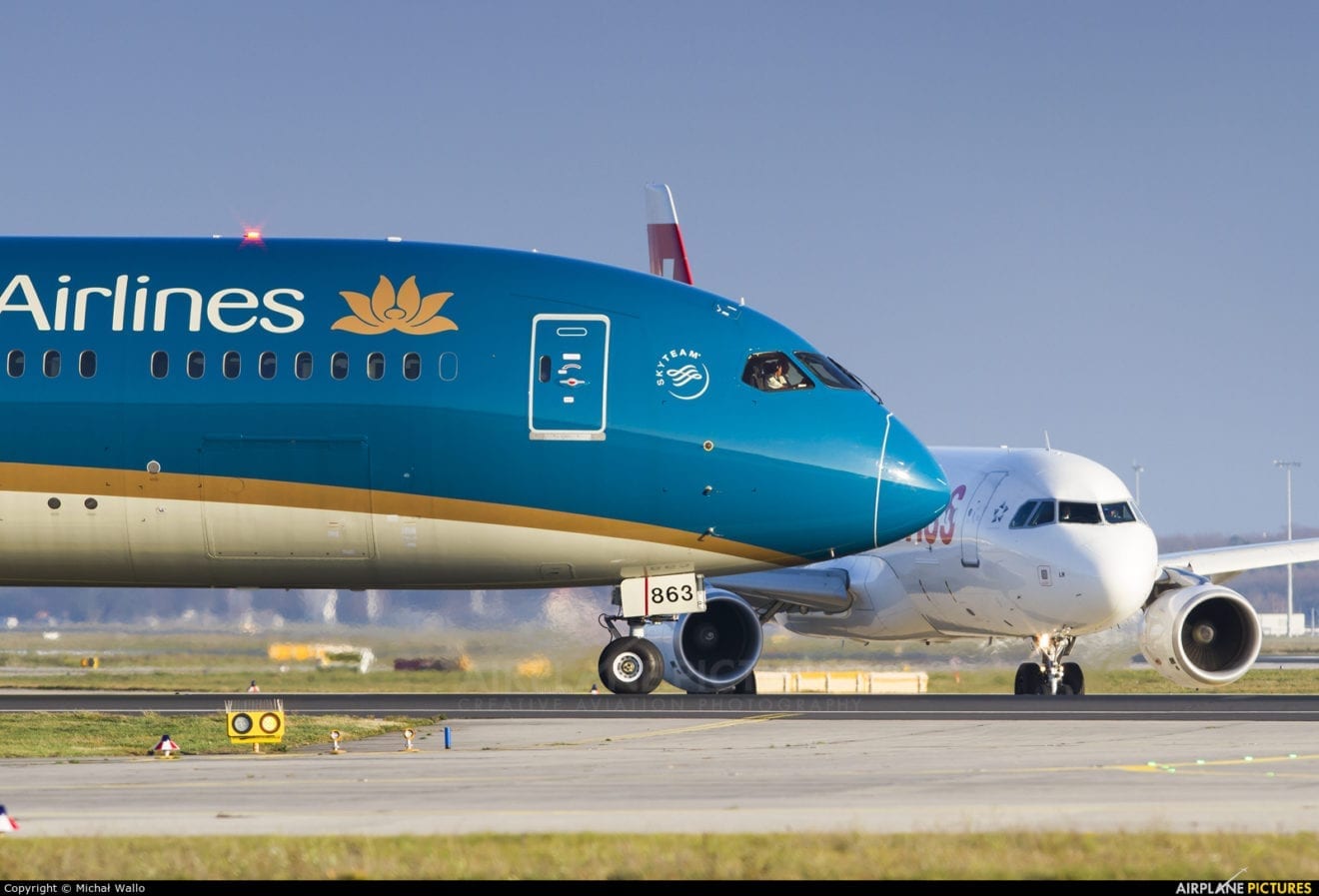
    National flag carrier Vietnam Airlines has taken decisive action to ensure the safety of its passengers and crew amidst escalating tensions between Israel and Iran. The airline has adjusted its routes to avoid potential conflict zones, a move that reflects the growing impact of these geopolitical strife on the global aviation landscape.

    Safe Skies for Travelers

    Currently, Vietnam Airlines continues to operate its flights to Europe without interruption, a reassurance shared by a representative in a statement to the Vietnam News Agency on Friday. Other Vietnamese airlines, including Vietjet Air, Bamboo Airways, and Vietravel Airlines, have also chosen to steer clear of Israeli and Iranian airspace, underscoring a collective commitment to passenger safety.

    The ripples of political tensions have not gone unnoticed in the aviation sector, as recent Israeli airstrikes on Iranian targets have prompted numerous flight cancellations and diversions worldwide. Flight tracking service Flightradar24 highlighted a significant re-routing trend among airlines seeking to sidestep the airspace over Israel, Iran, Iraq, and Jordan, demonstrating how rapid shifts in global events can lead to immediate logistical challenges for carriers.

    In a decisive move, Iraqi state media announced the closure of its airspace and halted all airport operations early on June 13. The eastern region of Iraq, which borders Iran, is a critical aviation corridor connecting Europe, the Gulf, and Asia—making the closure particularly impactful. Within hours, Jordan also locked down its airspace as tensions escalated in the region.

    Navigating these tumultuous skies is no easy task, but the quick responses from airlines illustrate an adaptive industry keen on keeping travelers safe. It’s a reminder that sometimes, the clouds of uncertainty can only be tackled with swift and careful planning.

    Questions & Answers

    What measures has Vietnam Airlines taken in response to regional tensions?
    Vietnam Airlines has rerouted its flights to avoid conflict zones, ensuring the safety of passengers and crew members.

    Are other Vietnamese airlines affected by these issues?
    Yes, Vietjet Air, Bamboo Airways, and Vietravel Airlines have also opted not to operate flights through Israeli or Iranian airspace.

    What recent events led to these changes in air travel?
    The changes followed Israeli airstrikes on targets in Iran, which triggered widespread flight cancellations and diversions as airlines sought to protect their passengers.
  • Vietnam allows Boeing 737 Max to enter its airspace again

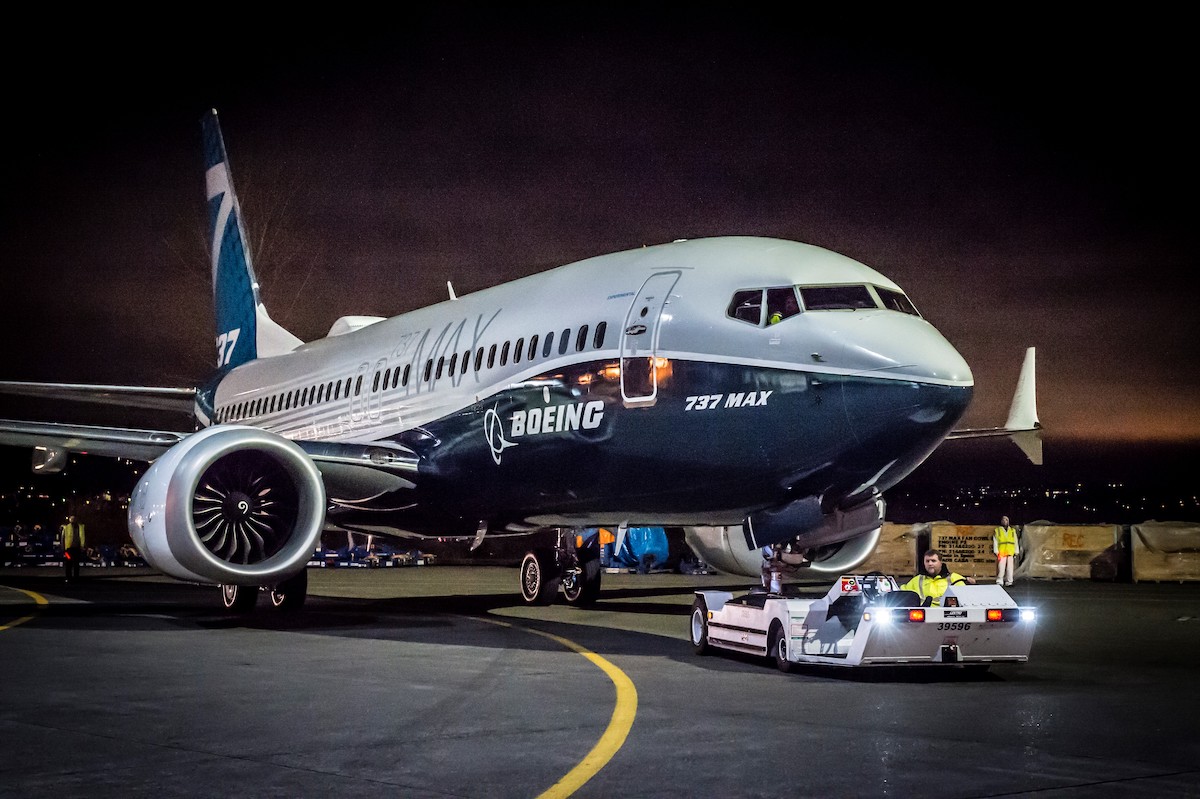
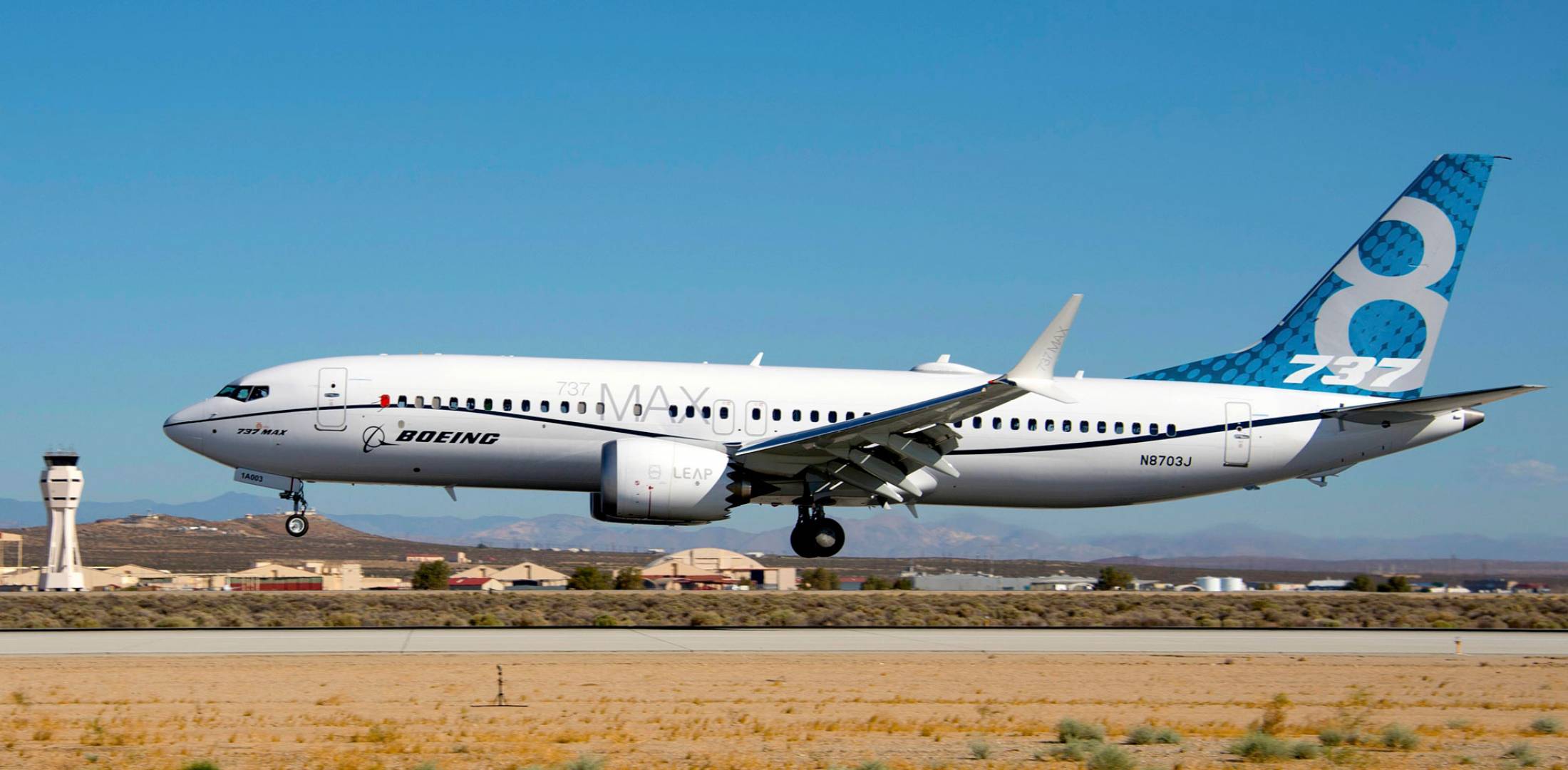
    Vietnam allows Boeing 737 Max to enter its airspace again

    Vietnam’s Transport Ministry has allowed the Boeing 737 Max aircraft to pass through the country’s airspace after two years.

    The decision was taken following a proposal made by the Civil Aviation Authority of Vietnam (CAAV) last month, citing Boeing’s efforts to address technical issues of the aircraft and assessments by aviation authorities in the U.S. and Europe.

    However, the ministry has ordered CAAV to continue monitoring related issues and updating itself with information from peers in China, Australia, and Russia, countries that have not yet opened up their airspace for this aircraft model.

    The ministry also said that after these countries lift their respective bans on the aircraft and if it meets Vietnamese regulations, the CAAV can report it for the ministry to consider permission for the aircraft to operate in and be imported into Vietnam.

    The U.S. allowed the Boeing 737 Max to resume operations in December and Europe did so in January.

    The Boeing 737 Max aircraft was grounded worldwide in March 2019 after 346 people were killed in two crashes in the space of a few months in Indonesia and Ethiopia.

  • Vietnam considers airspace permission for 737 MAX aircraft

    Vietnam considers airspace permission for 737 MAX aircraft

    Vietnam aviation authorities have proposed that the Boeing 737 Max aircraft be allowed to pass through the country’s airspace after two years of grounding.

    The proposal was made after the Civil Aviation Authority of Vietnam (CAAV) reviewed Boeing’s efforts to improve the aircraft and the evaluation of major aviation authorities such as the U.S. Federal Aviation Administration and the European Union Aviation Safety Agency.

    The U.S. allowed the resumption of Boeing 737 Max operations in December and Europe did so in January.

    China and Russia have not opened up their airspace, and when restrictions are lifted in these countries the CAAV will propose that this aircraft is allowed to operate in and imported into Vietnam.

    The Boeing 737 Max was grounded worldwide in March 2019 after 346 people were killed in two crashes in the space of a few months in Indonesia and Ethiopia.

  • Cebu Pacific receives highest ranking for safety

    Cebu Pacific receives highest ranking for safety

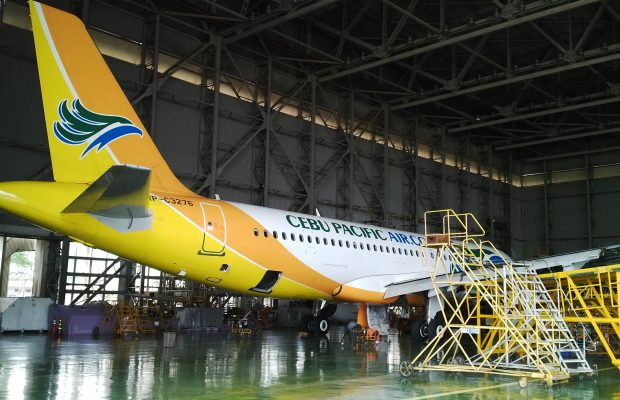
    Cebu Pacific has now achieved the highest ranking for safety with 7-stars from the world’s only safety and product rating agency AirlineRatings.com

    After careful evaluation and feedback from the airline and aviation industry AirlineRatings.com has upgraded its seven-star safety rating system to give more importance to IOSA and this move elevates Cebu Pacific up to 7-stars – the highest ranking.

    IOSA – the International Air Transport Association Operation Safety Audit – was first introduced in 2003 to curb the disturbing trend in airline accidents that could be attributed to simple processes and maintenance programs.

    Since it was introduced airlines that have completed IOSA have up to a four-fold safer safety record than airlines that do not do the audit.

    In 2017, the all accident rate for airlines on the IOSA registry was nearly four times better than that of non-IOSA airlines (0.56 vs. 2.17 accidents per million flights) and it was nearly three times better over the 2012-16 period.

    Of significant importance to Airlineratings.com is that the audit is done every two years and covers over 1060 parameters.

    AirlineRatings.com now awards an airline that has completed IOSA three stars.

    AirlineRatings.com Editor-in-Chief Geoffrey Thomas congratulated Cebu Pacific on this achievement.

    “Cebu Pacific has become a major part of the fabric of life in the Philippines bringing affordable travel to most,” said Thomas.

    “The airline has a very modern fleet and operationally is now up there with the best.”

    “That is great news for the traveling public,” said Thomas.

    The rating agency has reduced the stars allocated for ICAO compliance from two to one.

    The International Civil Aviation Organization (ICAO) was created to promote the safe and orderly development of international civil aviation throughout the world.

    It sets standards and regulations necessary for aviation safety, security, efficiency, and regularity, as well as for aviation environmental protection.

    It has 8 audit parameters that pertain to safety and they are; Legislation, Organization, Licensing, Operations, Airworthiness, Accident Investigation, Air Navigation Service and Aerodromes.

    If the country meets between 6 and 8 of the audits one star is awarded to the airline. Five secures 1/2 star. However, if any of the criteria are below the average by less than 5 percent it is considered a pass. If the country only meets up to four criteria no star is given.

    The other main criteria are; Is the airline on the European Union (EU) Blacklist; has it a fatality free record for the past 10 years and is the airline FAA (USA) endorsed?

    Cebu Pacific commenced services in March 1996, initially only domestic operations but launched international operations in November 2001.

    It now flies to 64 tourist/business destinations within Asia and operates 67 mainly Airbus aircraft

    Cebu was the first local airline to introduce e-ticketing, prepaid excess baggage and seat selection in the Philippines.

  • Google delivery drones cleared for Australian Airspace

    Google delivery drones cleared for Australian Airspace

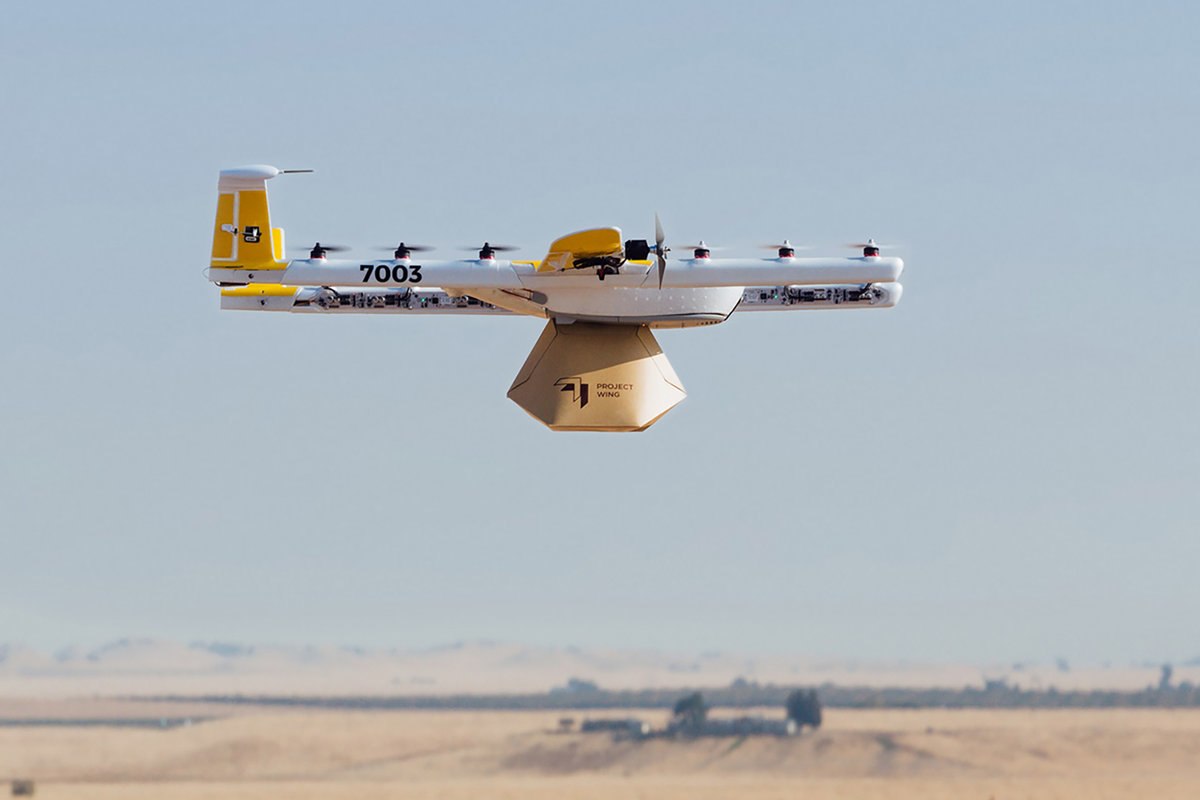
    A sister company of Google has been given the green light to launch drone delivery in Australia after years of test flights.

    The drone company Wing, owned by Google’s parent company Alphabet, was given permission this week to deliver takeaway food and drinks and over-the-counter medicines by drone to about 100 homes in Canberra.

    Wing, which has been trialing deliveries for the last 18 months, began testing its drones in Australia in 2014, but faced initial opposition from residents who complained about the noise.

    Although the drones were below legal noise limits, Wing developed a new, quieter model and said the feedback obtained during its trials had been “valuable” and it hoped to “continue the dialogue”.

    “We will continue to engage with the local community and stakeholders as we expand our service and are hosting community information stalls and delivery demonstrations in the serviceable areas over the next few weeks,” the company said in a statement.

    According to Wing, the delivery service will initially be available to a limited set of eligible homes in the suburbs of Crace, Palmerston and Franklin.

    “We expect to gradually expand to more customers in Harrison and Gungahlin in the coming weeks and months.”

    Australia’s Civil Aviation Safety Authority gave Wing permission to launch a commercial service after examining its safety record and operational plans.

    The drones will only be allowed to fly 11-12 hours a day and must be piloted, rather than fully automated.

    Wing’s initial launch partners include Kickstart Espresso, Capital Chemist, Pure Gelato, Jasper + Myrtle, Bakers Delight, Guzman Y Gomez and Drummond Golf.

    “We’re excited to connect with more local businesses in the Gungahlin area about how we can help them reach more customers faster, safer and more sustainably and encourage any local merchants who are interested in learning more to get in touch with us.”

    Wing had said that drone deliveries reduce traffic and pollution and can deliver goods in six to 10 minutes.

  • AirAsia Indonesia Under Pressure From Its Airspace Rivals

    AirAsia Indonesia Under Pressure From Its Airspace Rivals

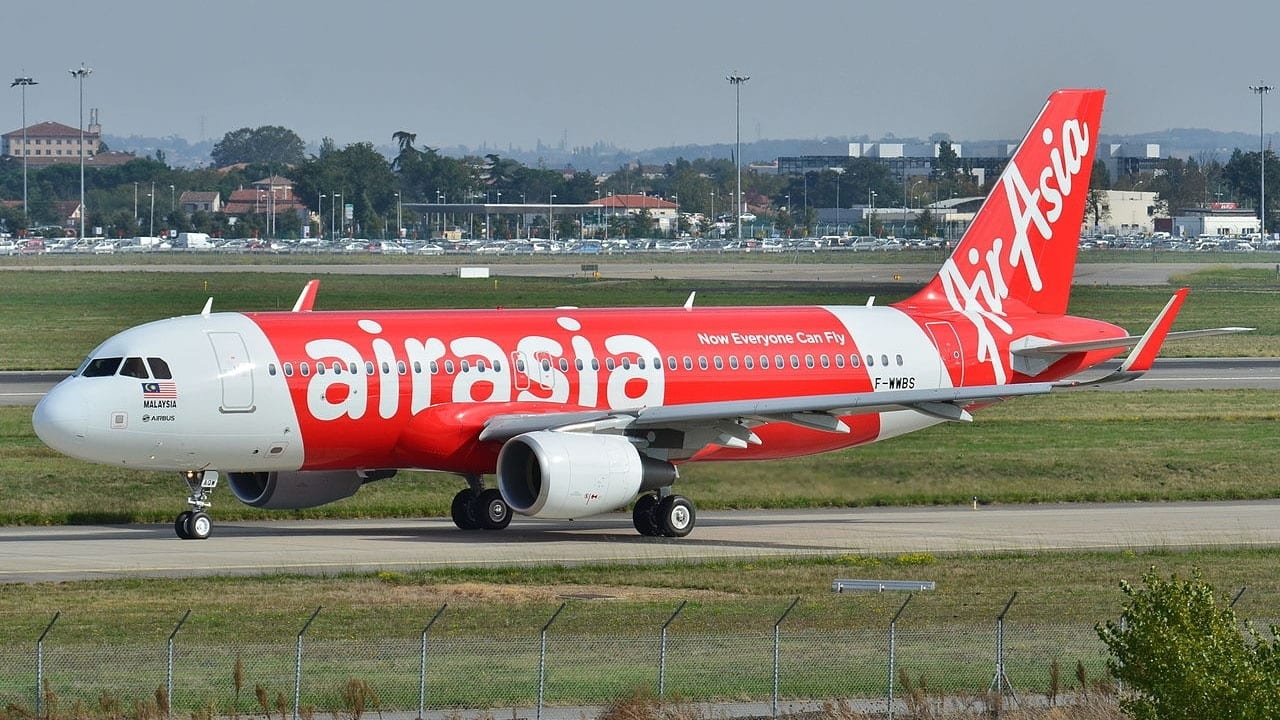
    Low-cost airline AirAsia appears to be facing increasing pressure from its Indonesian rivals Garuda Indonesia and Lion Air. Skift reporting recently claimed that Indonesia’s largest airline, Lion Air, and Garuda Indonesia had allegedly prevented Indonesia’s largest online travel agencies from listing AirAsia’s cheap Indonesian flights. The two sites were Traveloka and Tiket.com. AirAsia responded by removing its flight listings from Traveloka’s website.

    AirAsia Indonesia President Dendy Kurniawan said:

    We observed through social media messages how customers who enquired about the unavailability of AirAsia flights were recommended by Traveloka to book with other airlines instead.

    Subsequently, AirAsia  met with both Traveloka and Tiket.com but didn’t return comment on the meetings. Skift says an internal source claimed that AirAsia discovered that both travel agencies are under pressure from Lion Air and Garuda to drop AirAsia’s Indonesian routes. And, that the agencies risk losing the flights from the two rivals. A Garuda spokesperson denied the claims.

    High Operating Costs Could be Fuelling the Fight

    Speculation points to AirAsia’s rivals hoping to increase fares to combat high fuel costs. But, AirAsia’s lower prices could prevent them from doing so successfully. Industry experts say the airlines rely on online travel agencies, rather than direct bookings, for custom.

    Domestic flight prices in Indonesia have risen by between 40% and 120%, according to Skift and data from the Indonesia National Air Carrier Association. Skift also says that AirAsia flights don’t seem to be appearing on other websites, and Tiket.com. AirAsia remains committed to its low-price promise and encourages customers to book directly.

    Data from Wonderful Indonesia shows AirAsia carried the most passengers in Indonesia in 2017, at 3.8 million. And, AirAsia carried the most foreign tourists into Indonesia in 2017, at 2.9 million.

    A Political Issue?

    The rising cost of airfare is a campaign issue in Indonesia’s upcoming April general election. One Mile at a Time reported in February that state-owned Garuda was cutting domestic flight prices by 20% at the request of Indonesian Democratic president Joko Widodo. Garuda Indonesia’s CEO said at the time:

    This is in line with the aspirations of Indonesians, a number of national industry associations, and the (wishes of) the president of Indonesia, who wants a reduction in flight prices to support economic growth, especially in the tourism sector.

    In addition, Garuda Indonesia has reported losses over recent years. Political pressure is added to state-owned Garuda to turn a profit and remain competitive.

    AirAsia issued a statement in March reaffirming its low prices, adding that prices include 15kg free baggage and the passenger service charge for domestic Indonesian travelers. AirAsia Group’s head of communications, Audrey Progastama Petriny, says:

    While our withdrawal from Traveloka has not significantly impacted our sales, it does affect the traveling public as there are now fewer options to choose from on the online travel agency.

    Also, Traveloka called the withdrawal of AirAsia flights a “setback” for its value proposition to provide the widest range of offerings.

    To date, the figures point to AirAsia’s low-price strategy allowing it to dominate the market in Indonesia. And so far, the pressure from its Indonesian airspace rivals doesn’t appear to be impacting sales. Savvy consumers could be increasingly booking directly. AirAsia says its website is seeing a 50-60 percent increase in traffic.

    That said, just days ago Indonesia raised its price floor on over 1,000 domestic flights from 30% to 35%.  This in a direct move to protect Indonesia’s national airlines from rising fuel and operating costs.