Japan Foods swung to a half-year net profit of S$234,000 for the six months ended Sep 30, arresting losses sustained since 2023 after slashing nearly a third of its dining network in Singapore.
The Catalist-listed restaurant group had reported a net loss of S$3.3 million during the corresponding period a year earlier. First-half revenue fell 18 per cent to S$30.2 million as its total store count dropped from 68 to 46 restaurants by late September.
Management turned the business around by terminating unviable leases and converting underperforming locations into Steak 99, a proprietary halal dining format launched in October 2025.
Pruning Legacy Noodle Brands for Halal Beef
The format serves steak meals starting from S$9.90 with free-flow side dishes. It expanded to 14 locations by the end of September, generating S$9.5 million in first-half revenue, or nearly one-third of the group total.
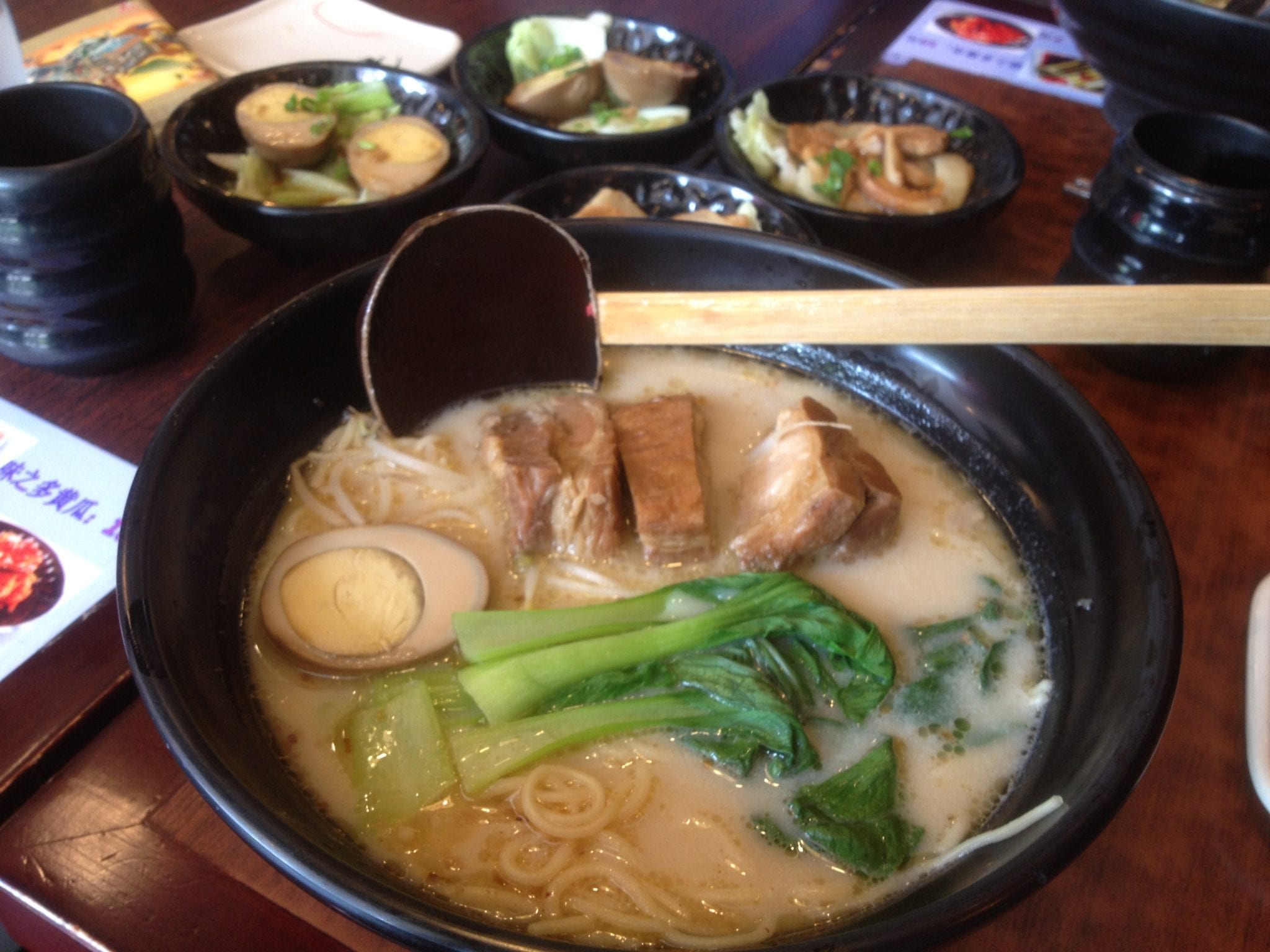
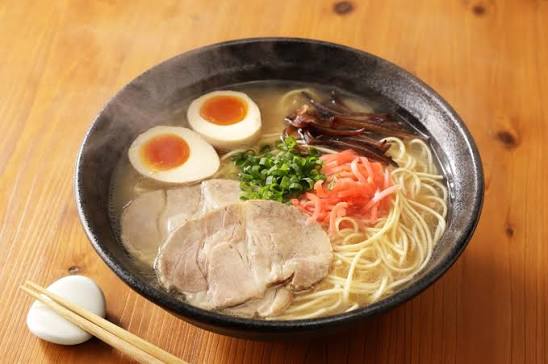
To build the budget steak network, Japan Foods took over shopping centre units previously occupied by its Ajisen Ramen brand, including high-footfall sites at Plaza Singapura, Bedok Mall and Tampines Mall. Ajisen Ramen shrunk from 12 outlets to eight over the 12-month period, while Tokyo Shokudo dropped from 14 restaurants to two. The operator removed brands including Menya Musashi and Osaka Ohsho entirely from its active roster.
Operating Costs Fall Across the Chain
Shrinking the restaurant network produced immediate cost relief across primary overhead lines. Selling and distribution expenses fell 27.8 per cent to S$22.3 million as store closures reduced headcounts, utility bills and lease depreciation charges. Administrative costs dropped 22.4 per cent to S$1.4 million, while other operating expenses decreased by roughly half to S$747,000.
The balance sheet adjustments funded an interim dividend of S$0.0013 per share, payable on December 15. The group distributed no interim payout a year earlier.
Why Suburban Value Squeezes Mid-Tier Dining
For mall landlords across Singapore, the retreat of established Japanese noodle concepts illustrates how aggressively casual dining economics have shifted. Suburban retail mall rents have held firm even as labor costs and ingredient prices climb, leaving mid-tier dining chains with little room to absorb softer traffic. Operators that rely on S$15 to S$20 noodle bowls face consumer pushback as inflation-weary families trade down to food courts or aggressively priced casual dining alternatives.
Pivoting to certified halal menus solves a structural occupancy problem for multi-concept restaurant operators. By securing halal certification, Japan Foods opened its suburban dining rooms to Muslim families who could not dine at its traditional pork-broth ramen stores. Retaining those retail leases under a value-led S$9.90 entry price point allowed the company to keep prime mall locations without maintaining the staff levels required by complex Japanese specialty menus.
From Red Ink to Budget Offshoots
The overhaul addresses operational losses for Japan Foods, which had been loss-making since 2023. Management responded by testing variations of its budget steak model, rolling out Wagyu Steak 99, Shabu Suki 99 and Yaki Zakana 99 under the same pricing structure. Each variation offers an entry-level meal priced at S$9.90 to defend suburban table turnover.
The company informed investors that the rate of store closures will slow during the financial year ending March 31, 2027, as it works on optimizing remaining operations. The board will monitor early trading figures across its newer value spin-offs before committing capital to additional retail conversions.