Tag: ali pervaiz malik

  • Pakistan Raises Petrol to Rs349 and Diesel to Rs374 per Litre

    Pakistan Raises Petrol to Rs349 and Diesel to Rs374 per Litre

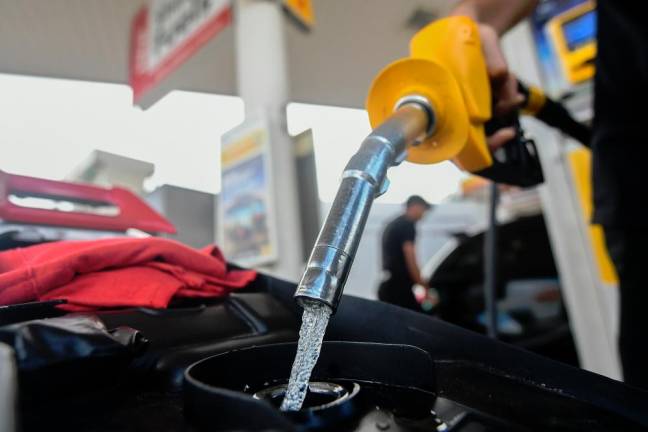
    Pakistan raised the retail price of petrol by Rs2.84 per litre and high-speed diesel by Rs2.28 per litre, effective September 4.

    Petrol now costs Rs349 per litre. High-speed diesel stands at Rs374.31 per litre. State fuel taxes add Rs114 per litre in duties on petrol and Rs100 per litre on diesel.

    Daily Pricing and Middle East Volatility

    Fuel rates now change daily under a system the government introduced on July 17. Petroleum Minister Ali Pervaiz Malik instructed the Oil and Gas Regulatory Authority to adjust prices every day based on international crude fluctuations.

    Both fuels remain well below their spring records. High-speed diesel peaked at Rs520.35 per litre on April 3, up from Rs281 before hostilities between the United States and Iran escalated in late February. Petrol reached Rs458.41 per litre on that same April date after opening March at Rs266.

    Impact on Freight and Retail Transport

    Transport costs feed directly into retail operations across Pakistani cities. High-speed diesel fuels long-haul freight trucks, intercity logistics fleets, agriculture machinery, and backup commercial generators. Petrol runs commuter motorbikes and urban delivery networks.

    Monthly consumption of petrol and high-speed diesel combined runs between 700,000 and 800,000 tonnes, compared to 10,000 tonnes for kerosene. Fleet operators and logistics providers are watching the next daily OGRA notices as global oil benchmarks shift.
  • Pakistan Plans Uniform Gas Tariff to End Cross Subsidies

    Pakistan Plans Uniform Gas Tariff to End Cross Subsidies

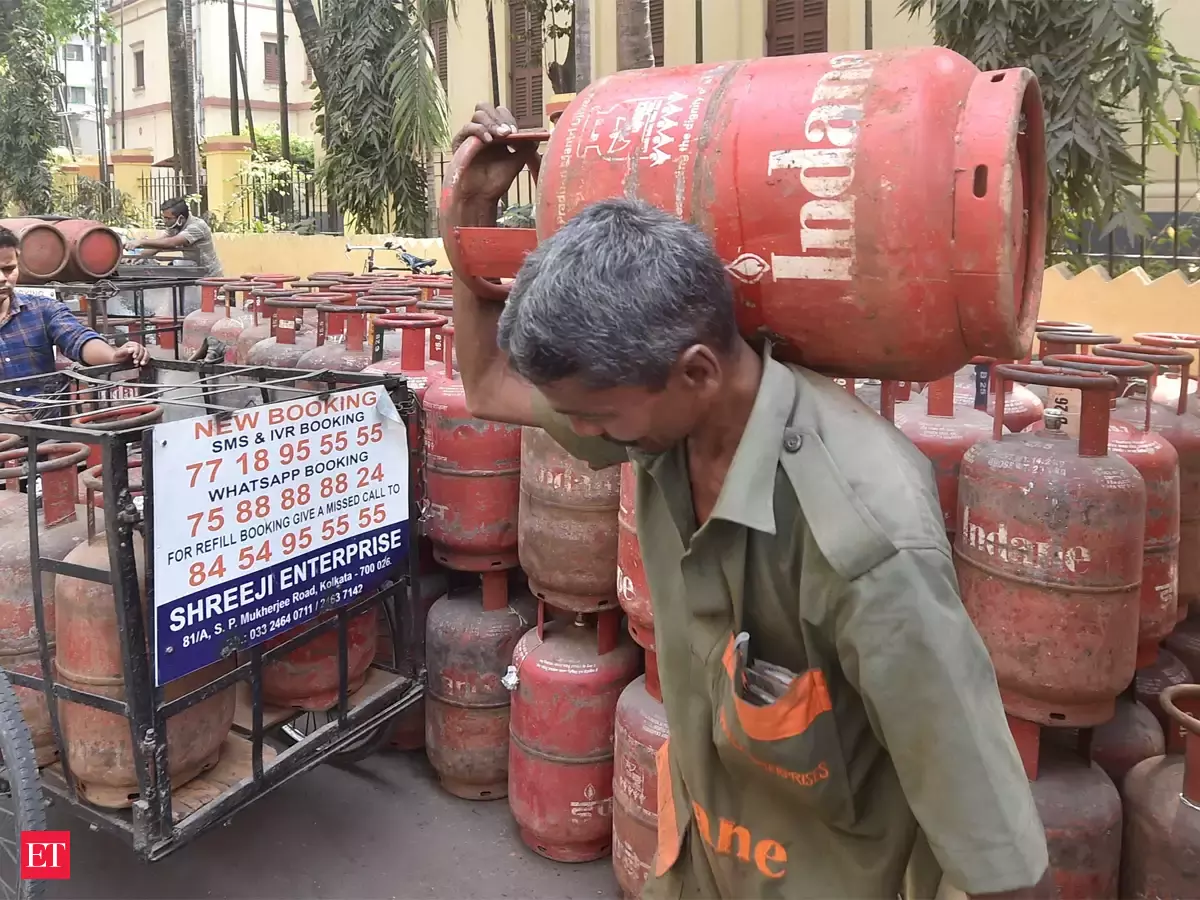
    Pakistan is replacing its tiered gas pricing system with a single uniform tariff across all consumer categories. Petroleum Minister Ali Pervaiz Malik outlined the plan to utility executives in Islamabad.

    The Oil and Gas Regulatory Authority sets the benchmark prescribed price near Rs1,700 per million British thermal units. Even so, end-users currently pay anywhere between Rs500 and Rs4,300 per mmBtu depending on consumption brackets.

    Aligning Rates with IMF Targets

    International lenders and domestic regulators have pressed Islamabad to dismantle cross-subsidies and recover actual distribution costs. Under the new model, vulnerable households will receive targeted welfare payouts instead of discounted bills. Businesses and heavy users will pay a standardized rate.

    Malik directed state-run distributor Sui Southern Gas Company to redesign its operational model around the single-rate baseline. The utility cut unaccounted-for gas losses by roughly 57 per cent in volumetric terms over the past year. Islamabad also held headline tariffs flat, trimming roughly Rs55 billion from the sector’s circular debt balance.

    Reforming Industrial Utility Models

    For commercial operators and factories across Pakistan, ending tiered subsidies removes pricing distortions that pushed manufacturers toward alternative fuels. The shift mirrors utility overhauls in Bangladesh and India. Both nations curtailed industrial discounts to secure multilateral loan tranches and stabilize sovereign balances.

    Technical advisers from the World Bank are helping Islamabad prepare the broader restructuring plan. The cabinet must review the pricing mechanism next, clearing the regulatory authority to calculate baseline consumer rates for the upcoming fiscal cycle.

  • Pakistan Hires Wood Mackenzie to Study Strategic Fuel Reserves

    Pakistan Hires Wood Mackenzie to Study Strategic Fuel Reserves

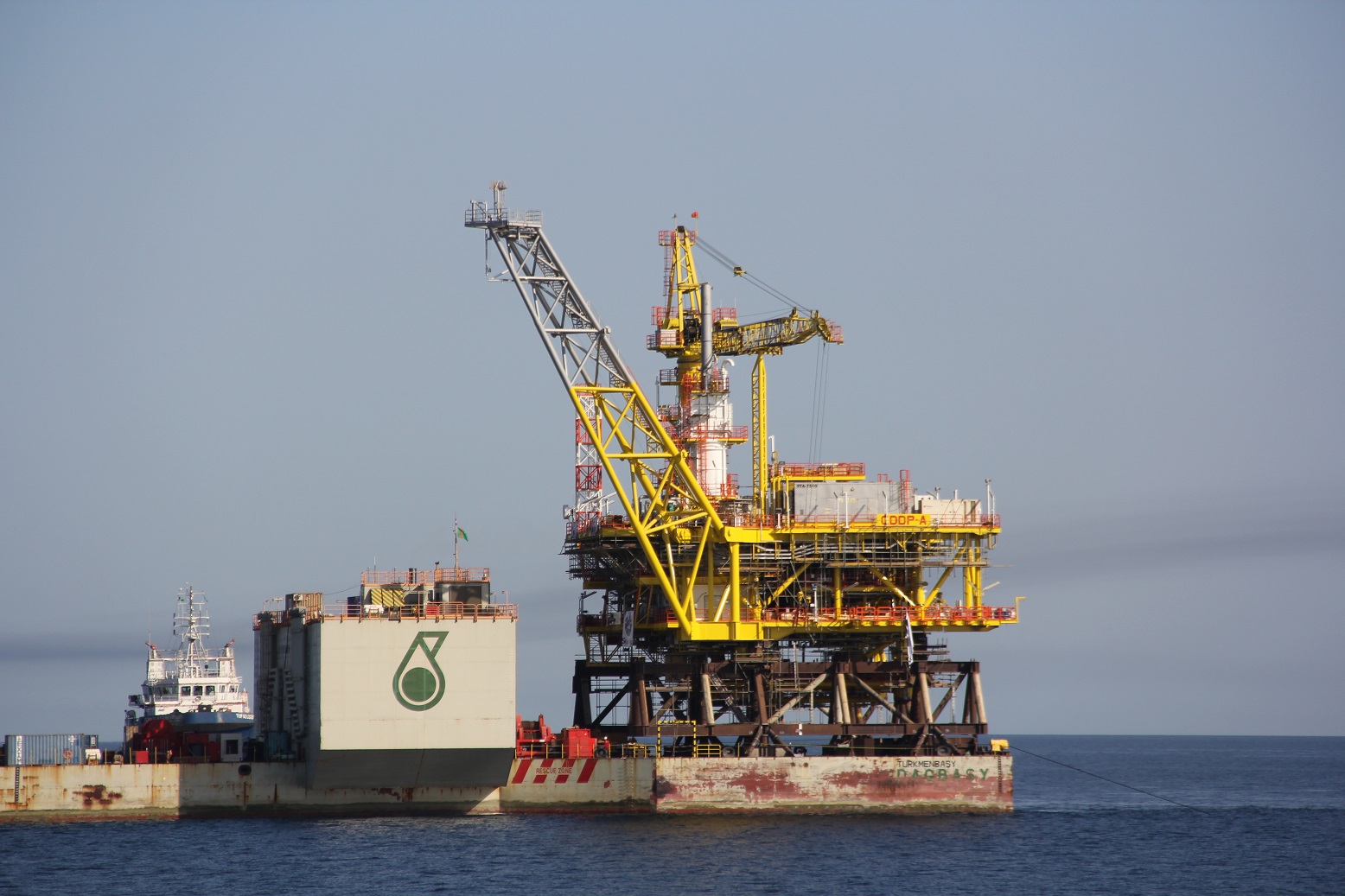
    Pakistan launched a feasibility study with energy consultancy Wood Mackenzie in Islamabad on August 25 to develop the country’s first strategic petroleum reserves. The UK-based advisory firm won the mandate against three competing bids to evaluate options for crude and refined product storage across the country.

    Petroleum Minister Ali Pervaiz Malik chaired the kick-off meeting with Wood Mackenzie executives, including Vice President Christopher Darry and Senior Vice President Aamir Malik. Representatives from Attock Refinery Limited, Pakistan LNG Limited, Government Holdings (Private) Limited, the Ministry of Maritime Affairs, and the Pakistan Institute of Development Economics also joined the session.

    Scope of the storage plan

    Wood Mackenzie will assess existing industrial infrastructure, logistics networks, and potential sites for dedicated storage facilities. The assignment covers technical integrity, safety standards, regional benchmarks, and capital expenditure estimates for a phased rollout.

    Consultants will also map legal, financial, and regulatory frameworks, evaluating public-private partnership models to fund construction. The advisory team noted that shifting global energy dynamics make this the right moment for Islamabad to secure long-term physical fuel buffers.

    Supply risks and bonded terminals

    Pakistan currently holds no strategic crude reserves, leaving domestic transport networks and industrial supply chains vulnerable to tanker traffic disruptions through the Strait of Hormuz. Prime Minister Shehbaz Sharif instructed petroleum authorities in July to expedite reserve capacity alongside updates to the national oil refining policy.

    For consumer goods distributors, freight fleets, and retailers across South Asia, fuel availability dictates baseline operating margins. Unhedged supply bottlenecks in emerging markets quickly translate into freight surcharges and shelf-price inflation when international shipping lanes face sudden friction.

    The government recently approved rules allowing international fuel traders to construct bonded storage facilities at their own expense for domestic distribution and re-export. Malik directed state bodies to share operational data with Wood Mackenzie, while a newly formed steering committee will monitor study milestones ahead of final policy submissions.