Tag: alipay+

  • All 7-Eleven Stores in Malaysia Accept Alipay+ for Cross-Border Payments

    All 7-Eleven Stores in Malaysia Accept Alipay+ for Cross-Border Payments

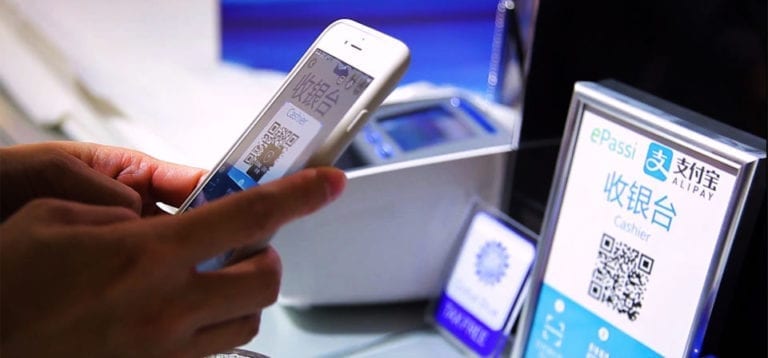
    All 7-Eleven stores across Malaysia now accept Alipay+ as the retailer pursues what it describes as a ‘smooth, digital in-store experience’ for shoppers.

    Announced on 26 June 2023, the integration equips the convenience chain’s entire nationwide network to process transactions from Asian mobile wallets directly at checkout counters.

    The deployment enables cross-border digital payments across Malaysia just days after payment provider GHL collaborated with Alipay+ to activate 2,600 Thai merchants on 20 June 2023.

    Cashless Terminals in Southeast Asian Convenience

    Convenience operators across Southeast Asia continue to convert checkout counters to multi-currency digital terminals as regional tourism rebounds. Adding regional payment interoperability eliminates physical cash handling costs for store clerks and reduces transaction abandonment during peak shopping hours. 7-Eleven operates the densest retail footprint in Malaysia, making comprehensive platform acceptance an immediate scale test for cross-border transaction volume.

    For payment aggregators and commercial landlords, national coverage by an anchor convenience operator sets a baseline expectation for surrounding retail tenants. Independent merchants in tourist transit zones face pressure to match the payment flexibility offered by standardized chains. The operational risk shifts toward network latency and gateway reliability, where processing delays at the till immediately generate customer queues.

    Merchant Expansion Across the Thai Border

    Payment provider GHL partnered with Alipay+ in Thailand to activate cross-border acceptance across 2,600 local merchants on June 20, 2023. That merchant rollout targeted tourist-heavy retail corridors, giving visitors from Asian markets direct mobile wallet access across small shops, dining venues, and hospitality outlets.

    The parallel deployments in Malaysia and Thailand trace a coordinated effort to consolidate retail acceptance points across major travel corridors in the Association of Southeast Asian Nations. Mobile wallet usage across Asia has outpaced Western adoption rates since 2018, pushing payment infrastructure providers to secure dense store networks ahead of peak travel quarters.

    Processing Targets and Network Integration

    Physical store transactions in Southeast Asia remain split between local domestic QR networks, international card schemes, and proprietary cross-border platforms. Retail operators that standardise software across thousands of company-operated and franchised sites gain transaction data visibility while avoiding fragmented terminal hardware on store counters.

    Retailers across the region are monitoring consumer uptake rates and checkout processing speeds as cross-border visitor traffic flows through transport hubs and border crossings.

  • Ant International Deploys AI Agents Across 1.5 Billion-Account Network

    Ant International Deploys AI Agents Across 1.5 Billion-Account Network

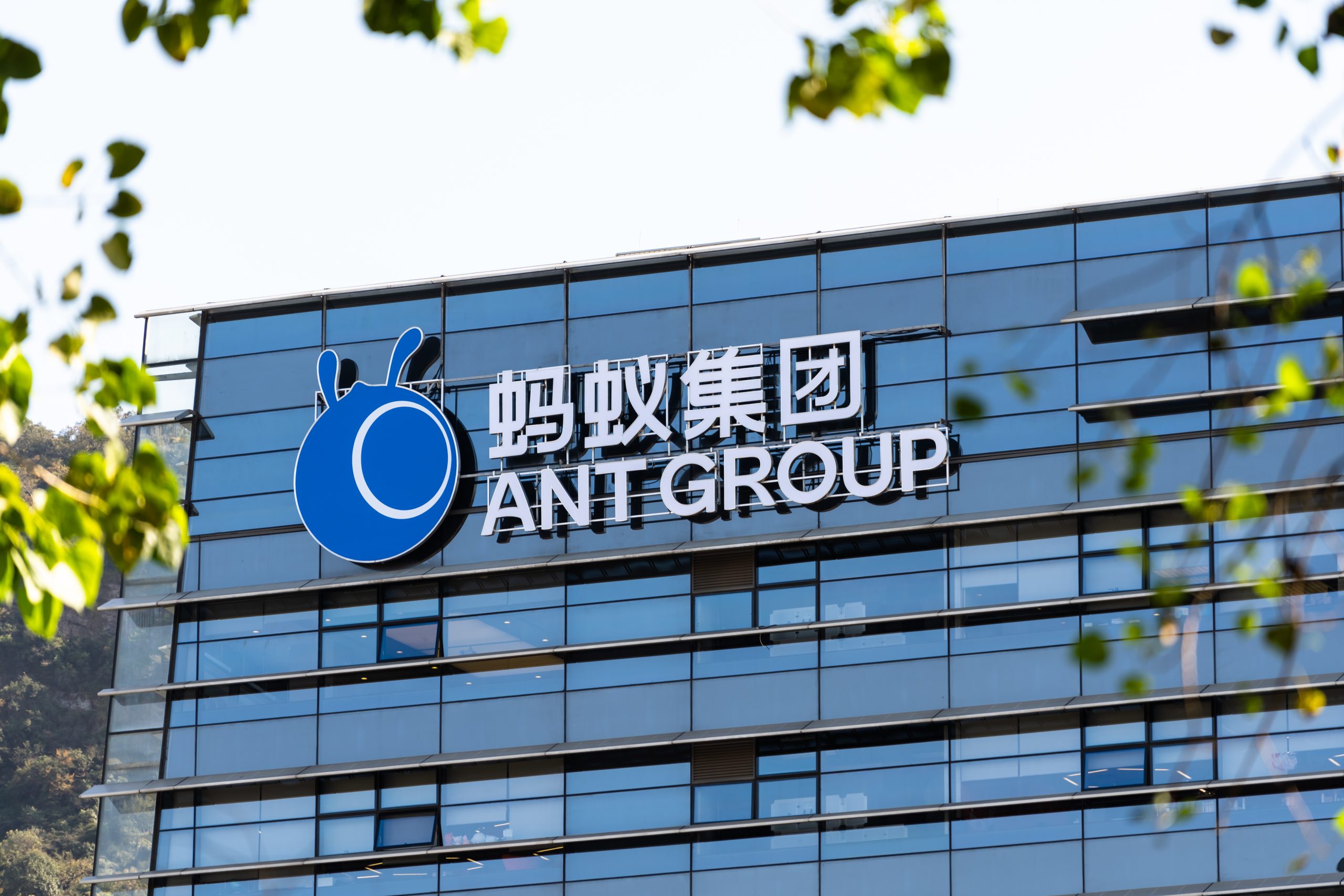
    Ant International is deploying artificial intelligence agents across its global merchant acquiring network this quarter to automate cross-border payments and digital commerce workflows.

    Based in Singapore, the fintech arm of Ant Group processes transactions across dozens of partner e-wallets. Together, those wallets serve over 1.5 billion consumer accounts worldwide.

    Automating Cross-Border Commerce

    Autonomous AI systems are being integrated directly into merchant settlement channels and checkout interfaces. These software agents handle currency conversions, fraud monitoring and automated order reconciliation without manual intervention. Ant International is embedding the technology into its Alipay+ cross-border payment platform and WorldFirst business account solutions.

    Engineering teams in Singapore and Hangzhou designed the architecture. It allows software agents to execute transactions autonomously based on predetermined consumer and merchant parameters.

    The Regional Shift to Agentic Commerce

    Competition is heating up. Ant International is racing regional rivals to capture merchant transaction fees as generative artificial intelligence moves from text prompts to autonomous execution. Competing operators including Grab, Tencent and regional banking groups are testing similar machine-to-machine checkout models across Southeast Asia. The shift aims to lower settlement dispute rates and cut conversion friction for cross-border retailers selling to outbound travelers and digital buyers.

    For independent merchants, autonomous agent integration lowers payment handling overheads across multi-currency checkouts. Verification protocols remain the primary operational risk. Unauthorized autonomous agent decisions can trigger false approvals or dispute liabilities across fragmented regulatory jurisdictions.

    Building Beyond Traditional QR Networks

    Merchant acceptance under Alipay+ recently passed 90 million points of sale across travel hubs in Japan, South Korea, Europe and Southeast Asia. That network previously relied on consumer-initiated QR code scans to route local e-wallet transactions across national borders.

    Commercial deployment across enterprise merchant accounts begins later this quarter. Cross-border clearing metrics are due in the group’s next operational update.

  • Siam Piwat Expands Chinese Partnerships to Target 1 Billion Consumers

    Siam Piwat Expands Chinese Partnerships to Target 1 Billion Consumers

    Bangkok mall developer Siam Piwat expanded its digital partnership network across China in September 2026 to reach more than 1 billion travellers before they depart for Thailand.

    The tie-up connects the group’s OneSiam retail loyalty card to platforms run by Huawei, Alipay+, WeChat, UnionPay and streaming service iQIYI.

    Under the agreement, Siam Piwat will integrate visitor passes and shopping discounts directly into Huawei’s operating ecosystem. That system covers 400 million mobile devices and 200 million wearable users. Chinese travellers can access shopping perks, browse luxury collections and settle transactions through Alipay+ and UnionPay before arriving in Bangkok. Participating malls include Siam Paragon, Siam Center, Siam Discovery, IconSiam and Siam Premium Outlets Bangkok.

    Payments and Pre-Trip Booking Integrations

    Marketing campaigns, influencer content and booking services will sit directly inside Chinese digital channels to pull footfall into Bangkok. A separate collaboration with streaming platform iQIYI will pair Chinese entertainment intellectual property with offline pop-up events and retail promotions inside Siam Piwat properties.

    Integrating the OneSiam Global Visitor Card into WeChat connects digital wallets, customer service and curated retail offers inside a single mini-program.

    “Our goal is to drive quality tourism that prioritises ‘value’ over ‘volume’,” said Mayuree Chaipromprasith, president of corporate partnership and communications at Siam Piwat.

    Competition For Inbound Luxury Tourist Spending

    Thai retail landlords are racing to lock in Chinese tourist spend well before travellers land at Suvarnabhumi Airport. Central Pattana and The Mall Group spent two years expanding their digital payment checkouts. Siam Piwat is taking a different route. It bets that embedding its loyalty programme inside foreign hardware and payment apps will secure high-spending shoppers before departure.

    Execution on the ground remains the main test. Funnelling overseas digital engagement into physical mall traffic requires luxury brands to provide dedicated inventory and multilingual staff on site. Without both, tourist spending disperses across competing retail strips in downtown Bangkok.

    Earlier Ties Built During Pandemic Downturn

    Siam Piwat first partnered with Huawei in 2020 to build a shared digital platform during the pandemic travel freeze. Teams tested IT systems during the lull before linking with regional payment operators. That infrastructure now manages cross-border data and loyalty perks across the developer’s core Bangkok shopping assets.

    Technical teams at Siam Piwat and UnionPay will complete cross-border transaction testing ahead of the next regional holiday travel peak.

  • Alipay+ Links to QR Ph to Connect 2.5 Million Philippine Merchants to Global Wallets

    Alipay+ Links to QR Ph to Connect 2.5 Million Philippine Merchants to Global Wallets

    Philippine Payments Management Inc. And Ant International have integrated Alipay+ into QR Ph, opening the country’s standardized merchant network to international digital wallet users across 2.5 million businesses.

    The integration connects arriving tourists directly to local point-of-sale systems after QR Ph transaction volumes jumped more than thirteenfold in 2025.

    Under the rollout, overseas visitors pay by scanning existing merchant QR Ph counter stands with their home banking applications and digital wallets. Filipino merchants receive payments in Philippine pesos through their standard settlement accounts without installing separate point-of-sale hardware or signing individual foreign merchant contracts. Bangko Sentral ng Pilipinas figures show digital channels handled 64.69 percent of total retail transaction volume nationwide in 2025.

    How the Cross-Border Routing Works

    Ant International operates Alipay+ as an aggregation switch connecting more than 50 e-wallets, bank apps, and domestic clearing systems covering two billion accounts globally. The Philippine Payments Management Inc., established under the National Payment Systems Act to oversee retail clearing houses PESONet and InstaPay, acts as the local operational counterparty under central bank supervision.

    Transactions clear instantly over the domestic interbank infrastructure. By routing foreign user credentials through the standardized QR Ph matrix, independent grocers, transport operators, and shopping mall tenants process foreign spend through their existing merchant acquiring banks.

    Through our partnership with Alipay+, we are extending that connectivity beyond our borders, enabling Filipino merchants, particularly SMEs, to serve international customers.

    Carmelita Araneta, general manager of Philippine Payments Management Inc., confirmed the system enables local micro, small, and medium businesses to capture inbound tourist spending directly without upgrading terminal hardware.

    Regional QR Linkages Across Southeast Asia

    Central banks across the Association of Southeast Asian Nations spent five years connecting national QR systems through bilateral central bank arrangements, including links between Singapore, Thailand, Malaysia, and Indonesia. Ant International has taken a parallel commercial route by plugging its private wallet switch directly into ten national QR schemes across Asia, the Middle East, and Latin America.

    Retailers benefit immediately from broader payment acceptance, yet the shift consolidates settlement traffic onto private gateway protocols rather than public central-bank settlement rails. For merchant acquirers and payment processors in Manila, merchant acquisition margins face pressure as payment routing shifts toward high-volume, low-margin standard QR processing.

    Central Bank Mandates and the Next Phase

    The Bangko Sentral ng Pilipinas designated PPMI as the country’s official payment system management body under Circular 980 in 2018, mandating standardized QR codes to eliminate proprietary closed-loop merchant terminals. That policy push cleared the ground for interoperability between competing domestic mobile wallets before enabling cross-border integrations.

    Ant International is now rolling out artificial intelligence analytics and fraud screening modules across its regional merchant network to manage currency conversion risks and transaction disputes. The Philippine clearing body will monitor cross-border settlement volumes through InstaPay as inbound tourist arrivals ramp up across provincial retail corridors.