
Tag: almaty

  • Mom’s Touch Signs Master Franchise Deal for 50 Stores in Kazakhstan

    Mom’s Touch Signs Master Franchise Deal for 50 Stores in Kazakhstan

    South Korean fast-food brand Mom’s Touch signed a master franchise agreement with Shin-Line Group to open more than 50 restaurants across Kazakhstan over the next decade. The chain plans to launch its first flagship restaurant in the country before the end of 2026.

    The partnership gives Mom’s Touch exclusive development rights in Kazakhstan and includes territorial rights to expand into neighboring Kyrgyzstan. Shin-Line Group will oversee local real estate selection, operations and distribution across both Central Asian territories.

    Central Asian Franchise Structure

    Seoul-based Mom’s Touch, established in 1997, built its domestic business on made-to-order fried chicken and its core Thigh Burger sandwich. The master franchise framework shifts development risk and store capital expenditure directly onto Shin-Line Group, letting the Korean franchisor draw recurring royalty streams without funding store buildouts directly.

    Central Asia has emerged as an active proving ground for international fast-food chains seeking territory outside crowded East Asian capitals. For food and beverage operators in the region, teaming up with Shin-Line provides an existing logistics foundation in frozen foods and distribution that solves supply chain friction for quick-service poultry and bakery supplies.

    Supply Lines and Regional Risk

    Entering Kazakhstan requires managing long cold chains and securing quality poultry that matches parent company specifications. Franchisors taking this route depend entirely on the balance sheet and execution speed of their master franchisee, especially when consumer spending fluctuates against local currency pressures.

    Rival Korean food brands have focused primarily on Southeast Asia and North America to scale their offshore footprints. Taking a chicken concept into Central Asia tests whether Korean casual dining menus can secure repeat traffic against incumbent American burger giants already operating in major Kazakh hubs.

    Ten-Year Development Horizon

    The Korean quick-service brand spent recent years consolidating its domestic market presence before accelerating international franchise deals. Moving through local master partners has become its default model for international expansion, minimizing balance-sheet liabilities while testing brand appetite in emerging consumer markets.

    Attention turns to the exact launch date and location of the initial flagship store scheduled before the close of 2026. The pace of the subsequent rollout toward the 50-unit target will determine when Shin-Line exercises its development rights across the border in Kyrgyzstan.
  • Beeline Kazakhstan Launches Starlink Direct-to-Cell Service for 11.8 Million Users

    Beeline Kazakhstan Launches Starlink Direct-to-Cell Service for 11.8 Million Users

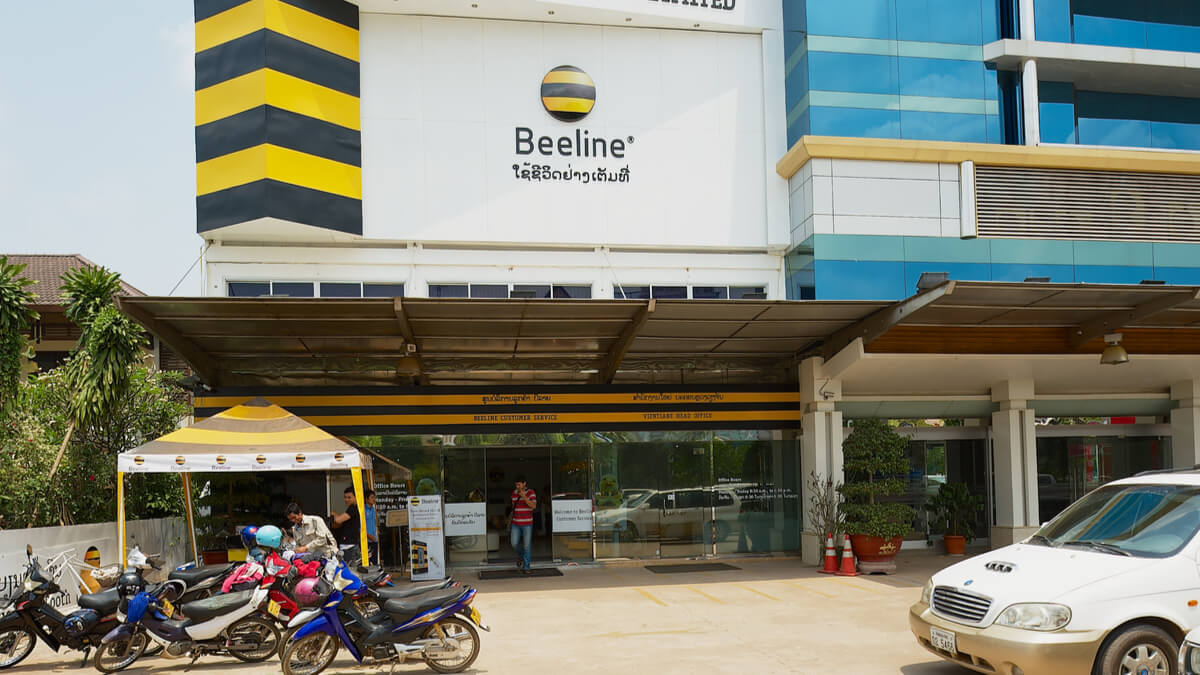
    Beeline Kazakhstan rolled out commercial satellite-to-mobile connectivity with Starlink on October 5. The launch gives its 11.8 million subscribers messaging access in dead zones without specialized equipment.

    The service connects standard, compatible smartphones directly to low-Earth-orbit satellites. Coverage spans Kazakhstan’s 2.7 million square kilometers of territory.

    How Direct-to-Cell Connectivity Operates

    Standard smartphones link straight to Starlink satellites once users travel beyond terrestrial base station reach. Customers need no external antennas, satellite handsets, or add-ons to connect.

    Subscribers activate and manage the feature through Janymda, Beeline Kazakhstan’s consumer application. It works via line-of-sight satellite links across remote highways, steppe corridors, and mountainous terrain where ground networks are absent or disabled by adverse weather.

    Messaging and selected app access are free of charge during an initial commercial promotional window.

    Network Economics and Rural Coverage Shifts

    Building terrestrial towers across sparsely populated land carries high capital costs and low average revenue yields. By routing rural dead-zone traffic through satellite links, mobile operators avoid laying fiber and powering standalone remote base stations in harsh climates.

    Logistics fleets and consumer tech users on Central Asian trade routes gain failover protection without buying satellite handsets. The service also secures an emergency fallback during network outages caused by natural disasters.

    Hardware Limits and Handset Compatibility

    Bandwidth limits keep this initial phase confined to text messaging and select data-light applications. Voice and high-speed data transmission depend on future satellite payload upgrades and device radio capabilities.

    Indoor reception remains zero without open sky. Handset users inside dense urban canyons or thick indoor structures will receive no satellite signal without a clear line of sight.

    Agreements and Development Timeline

    Official talks during President Kassym-Jomart Tokayev’s visit to the United States in 2025 set up the rollout. Following that trip, Beeline Kazakhstan and the Ministry of Artificial Intelligence and Digital Development signed a formal cooperation memorandum with Starlink in November 2025.

    Technical trials began in December 2025 to verify direct handoffs between satellite transceivers and standard consumer chipsets across rural regions. Kazakhstan became the first Central Asian nation to transition the technology from testing to live consumer service.

    Jabbor Kayumov, CEO of Beeline Kazakhstan, said: “This was a real team effort and close collaboration with the Ministry of Artificial Intelligence and Digital Development and with Starlink Mobile to get the technology right for our market. We’re proud to be the first operator in Kazakhstan to bring Starlink Mobile to market, helping people stay connected when it matters most.”

    Next Steps for Regional Rollout

    Parent group VEON operates mobile networks across five countries covering a total base of 150 million connectivity subscribers and 228 million digital users. The carrier tracks network performance in Kazakhstan before evaluating rollouts across its other Central and South Asian operating units.

    Beeline Kazakhstan will review customer uptake figures and data usage patterns on the Janymda platform before setting commercial tariff pricing at the close of the promotional term.

  • Emirates SkyCargo Expands Global Network with Weekly Freighter Service to Almaty, Central Asias Growing Commercial Hub

    Emirates SkyCargo Expands Global Network with Weekly Freighter Service to Almaty, Central Asias Growing Commercial Hub

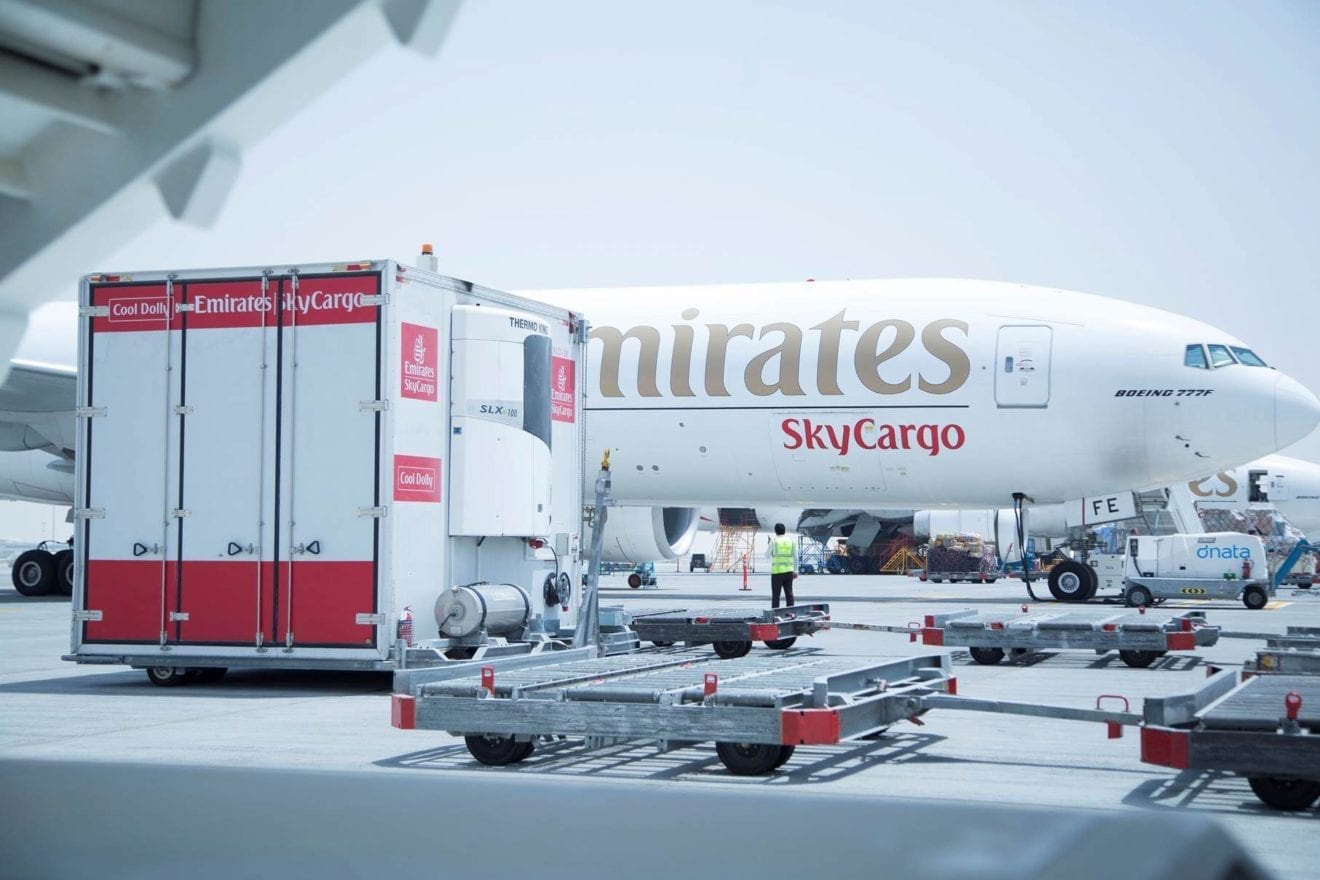
    Emirates SkyCargo, the freight arm of the prominent Emirates airline, recently announced the commencement of weekly freighter flights to Almaty International Airport, Kazakhstan, starting from 16 June 2026. In what marks the company’s first foray into Central Asia, the Dubai-based flights are set to establish a robust trade channel, tying the region to the Emirates SkyCargo global network.

    Strengthening Trade Corridors

    As the major city of Kazakhstan, Almaty is a fast-developing commercial and logistical center, serving as an economic and trading nexus in Central Asia. By offering weekly freights every Tuesday, Emirates SkyCargo aims to supply over 100 tonnes of weekly cargo capacity. This will facilitate the smooth transportation of key commodities including electronics, perishables, machinery, and other consumer items between Dubai and Almaty.

    Badr Abbas, Divisional Senior Vice President of Emirates SkyCargo, noted that the decision to offer weekly freighter services to Almaty was in line with the company’s role as a global trade facilitator. He expressed optimism that the new service would provide businesses in Almaty and the surrounding region with opportunities to expand their international operations. Furthermore, it would offer the company’s global customers quick and convenient access to a strategic marketplace. Abbas also stated that the Almaty expansion supports the company’s long-term growth strategy and the D33 Dubai Economic Agenda objectives by increasing foreign trade and solidifying Dubai’s status as a global logistics hub.

    Expansion of Freighter Fleet and Network

    In response to a surge in global demand, Emirates SkyCargo has strategically expanded its freighter fleet and worldwide network. Since March 2026, the airline has taken delivery of four new Boeing 777 freighters, with six more due for delivery later this year. This will bring the total Emirates freighter fleet to 21 aircraft by December 2026. Emirates SkyCargo offers its global customers scalable and flexible cargo capacity solutions. In addition to dedicated freighter flights, the carrier also provides high-frequency bellyhold cargo capacity on Emirates’ passenger aircraft fleet, operating to destinations across six continents.

    Questions & Answers

    What is the significance of Emirates SkyCargo’s new service to Almaty?
    The new service will open up a new channel of trade, linking Central Asia, particularly Kazakhstan, to Emirates SkyCargo’s global network. It offers businesses an opportunity to expand their operations and provides global customers with a strategic marketplace.

    How does this expansion fit into Emirates SkyCargo’s broader strategy?
    The expansion aligns with the company’s long-term growth strategy and the D33 Dubai Economic Agenda objectives. It supports the company’s role as a global trade facilitator and strengthens Dubai’s standing as a global logistics hub.

    What are Emirates SkyCargo’s plans for their freighter fleet?
    With the delivery of four new Boeing 777 freighters in 2026 and six more expected later in the year, Emirates SkyCargo plans to expand its freighter fleet to 21 aircraft by the end of 2026.