Tag: america

  • Bank of America Bolsters DACH Presence: New Leadership Roles for Markus Meier and Thore Zimmermann

    Bank of America Bolsters DACH Presence: New Leadership Roles for Markus Meier and Thore Zimmermann

    Bank of America has broadened the remit of Markus Meier, appointing him as the Head of Equity Capital Markets (ECM) for Germany, Austria, and Switzerland. This expanded role builds on his previous responsibilities in Germany and Austria, with the addition of the Swiss market. Meier will continue to operate from Frankfurt and report to James Palmer, the Head of EMEA Equity Capital Markets. Meier has been with Bank of America since 2007 and has been instrumental in growing the ECM business in Germany and Austria.

    Meier’s Expanded Role in the DACH Region

    This new assignment consolidates the bank’s equity capital markets activities across the entire DACH region under Meier’s leadership. Bank of America views the DACH market as one of Europe’s most significant and thoroughly integrated capital markets. The bank has been involved in a series of substantial equity transactions in the region, such as the €9.4 billion IPO of Porsche AG, the CHF 2.3 billion IPO of Galderma, and the €935 million flotation of Schott Pharma. The bank has also been engaged in capital market operations with notable organizations such as Fresenius Medical Care, Deutsche Post DHL, Qiagen, Rheinmetall, and Hensoldt, as well as participating in the spin-off and listing of Siemens Energy.

    Thore Zimmermann has also been assigned a new role as the Head of EMEA Equity Linked, having joined Bank of America in 2021. Zimmerman played an instrumental role in developing the bank’s Equity Linked platform through collaborations across corporate banking, investment banking, global capital markets, and global markets.

    The Growing Relevance of Equity-Linked Instruments

    Equity-linked instruments, encompassing convertible and exchangeable bonds, are gaining heightened importance as they allow companies to mesh capital raising with acquisition financing and capital structure optimization. Bank of America anticipates further growth in this area as its corporate clients increasingly lean towards flexible financing solutions that integrate elements of debt and equity.

    These changes form part of a broader investment in leadership across Bank of America’s international investment banking and global capital markets businesses. Recent changes have included the appointment of Olof Engelbrekts as Country Executive for Switzerland, the appointment of various roles covering Germany and Austria, and Thorsten Pauli taking over as Head of Asia Pacific Global Capital Markets.

    Questions & Answers

    What is Markus Meier’s new role?
    Markus Meier has been appointed as the Head of Equity Capital Markets for Germany, Austria, and Switzerland by Bank of America.

    Who is the new Head of EMEA Equity Linked?
    Thore Zimmermann has been named the Head of EMEA Equity Linked.

    What are equity-linked instruments?
    Equity-linked instruments include convertible and exchangeable bonds. They are becoming increasingly important as they allow the integration of capital raising with acquisition financing and capital structure optimization.
  • Chow Sang Sang Joins Forces With Nuvei For North American Market Expansion

    Chow Sang Sang Joins Forces With Nuvei For North American Market Expansion

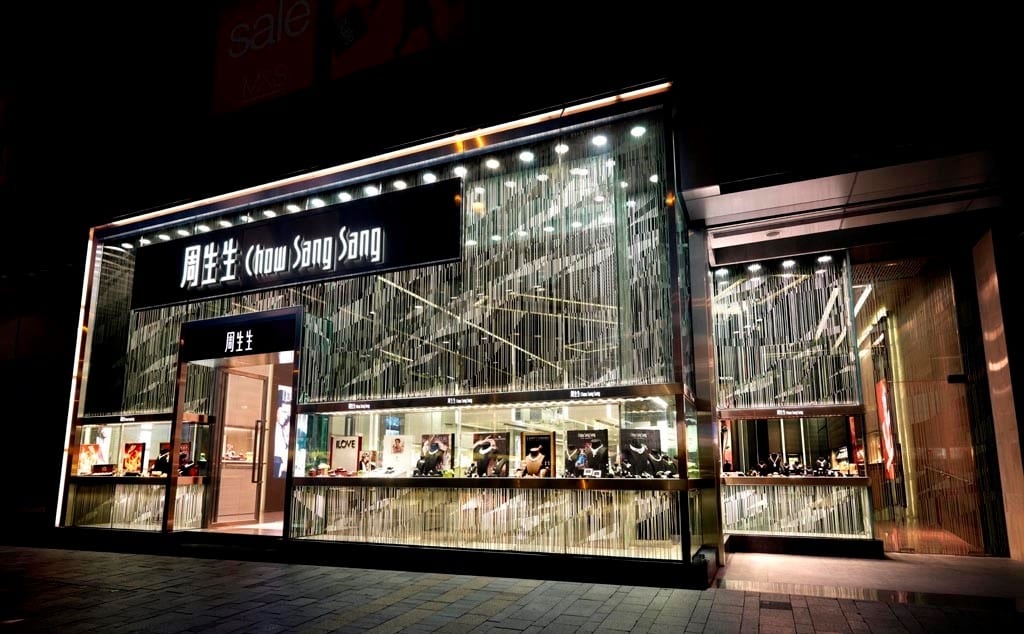
    Hong Kong’s renowned luxury jewellery brand, Chow Sang Sang, has announced its foray into the North American market. This expansion is made possible through a strategic partnership with Nuvei, an international payments company.

    Genevieve Chow, the Chief Brands Officer at Chow Sang Sang, shed light on the decision to collaborate with Nuvei. She explained that the company was chosen for its localised, secure and seamless payment system. “As we embark on our international expansion, particularly targeting North America, it’s crucial for us to have a payments partner that upholds our commitment to excellence,” she said.

    Nuvei’s platform is set to provide Chow Sang Sang with opportunities to penetrate into 50 markets. It also extends support for over 150 currencies and 720 alternative payment methods. This comprehensive system directly connects to global card networks, enhancing the approval rates and minimising payment friction.

    “Nuvei’s cutting-edge technology, local expertise, and global reach equip us to provide the premium experience our customers anticipate, both online and in-store,” Chow further stated.

    Nuvei’s recent attainment of a Money Services Operator (MSO) license in Hong Kong strengthens its position. The license enables Nuvei to offer local acquiring and settlement services in the market. This significant move supports Nuvei’s broader expansion goals in the Asia-Pacific region, including Greater China, Japan, Singapore and Australia.

    Phil Fayer, CEO of Nuvei, expressed his outlook on the partnership with Chow Sang Sang. He said, “Luxury brands like Chow Sang Sang are destined for global growth. With our MSO license and the expanding footprint in the APAC region, we’re excited to support the region’s most promising companies with payment technology designed for scalability.”

    Chow Sang Sang is a significant player in the luxury jewellery market, operating over 900 self-run stores spread across Mainland China, Hong Kong, Macau, and Taiwan. Its portfolio includes notable brands such as Chow Sang Sang, Promessa, MintyGreen, and Emphasis.

    Questions & Answers

    What is the significance of Chow Sang Sang’s partnership with Nuvei?
    The partnership enables Chow Sang Sang to expand its operations into North America, backed by Nuvei’s seamless and secure payment system.

    What advantages does Nuvei’s platform offer to Chow Sang Sang?
    Nuvei’s platform provides access to 50 markets, supports over 150 currencies and 720 alternative payment methods, and directly connects with global card networks, improving approval rates and reducing payment friction.

    What does Nuvei’s recent acquisition of a MSO license mean for the company?
    The MSO license empowers Nuvei to offer local acquiring and settlement services in the Hong Kong market, supporting its broader expansion in the Asia-Pacific region.

  • Chinese Tea Giant Chayanyuese Debuts In North American Market With Unique Beverage And Snack Line

    Chinese Tea Giant Chayanyuese Debuts In North American Market With Unique Beverage And Snack Line

    Chayanyuese, a renowned Chinese tea brand, has announced its expansion into the North American market via various e-commerce platforms. The Changsha-based tea company has launched an exclusive online store on Shopify while simultaneously opening official outlets on Amazon, TikTok Shop, and Walmart.

    Chayanyuese’s initial product assortment comprises approximately 40 items. Included in this range are intriguing snacks such as Jasmine Green Tea Flavored Potato Sticks, as well as an array of tea sets and brewing paraphernalia.

    Chayanyuese was established in 2013 and has since become a household name in China, operating more than 900 stores across the country. The company manages these outlets under its primary and subsidiary brands, which include names such as Yuanyang Coffee, Gudemoning, and Xiaoshenxian Tea House.

    The company’s unique tea beverages and snack offerings have gained significant popularity nationwide, resulting in stores being opened in major Chinese cities such as Changsha, Wuhan, and Chongqing.

    Questions & Answers

    Which e-commerce platforms is Chayanyuese using for its North American expansion?
    Chayanyuese has launched its North American venture using a dedicated online store on Shopify, in addition to official storefronts on Amazon, TikTok Shop, and Walmart.

    What types of products is Chayanyuese offering initially to the North American market?
    The brand’s initial product line includes about 40 items, featuring snacks like Jasmine Green Tea Flavored Potato Sticks and a variety of tea sets and brewing utensils.

    Where does Chayanyuese operate its stores in China?
    Chayanyuese operates over 900 stores across China, including in major cities such as Changsha, Wuhan, and Chongqing.

  • A&W Singapore makes a Huge Comeback

    A&W Singapore makes a Huge Comeback

    American fast food chain A&W Singapore is making a comeback this week at Jewel Changi.

    The chain made its original debut in the city back in 1966 with an outlet at Dunearn Road, burt closed all five outlets in 2003, exiting the market.

    After the Jewel Changi return, a second outlet will be opened by June, and a third next year, however the locations have yet to be revealed.

    “After opening here, we wanted to be able to scale [at] such a speed it would ease the crowd at the first outlet,” said Kelvin Tan, A&W International’s director of marketing and communication.

    A&W Singapore also intends to apply for halal certification to cater to the big Muslim market in Singapore.

    “The Muslim community formed a very big chunk of our business (in the past) and I think right now we will continue to respect and recognise that this particular market is very important to us,” Tan said.

    And directly by A&W Restaurants, A&W Singapore’s menu also incorporates regional favourites such as the “golden aroma chicken” from A&W’s Malaysian and Indonesian outlets, and the “waffle sundae” from A&W outlets in Thailand.

  • Guess announces new CEO

    Guess announces new CEO

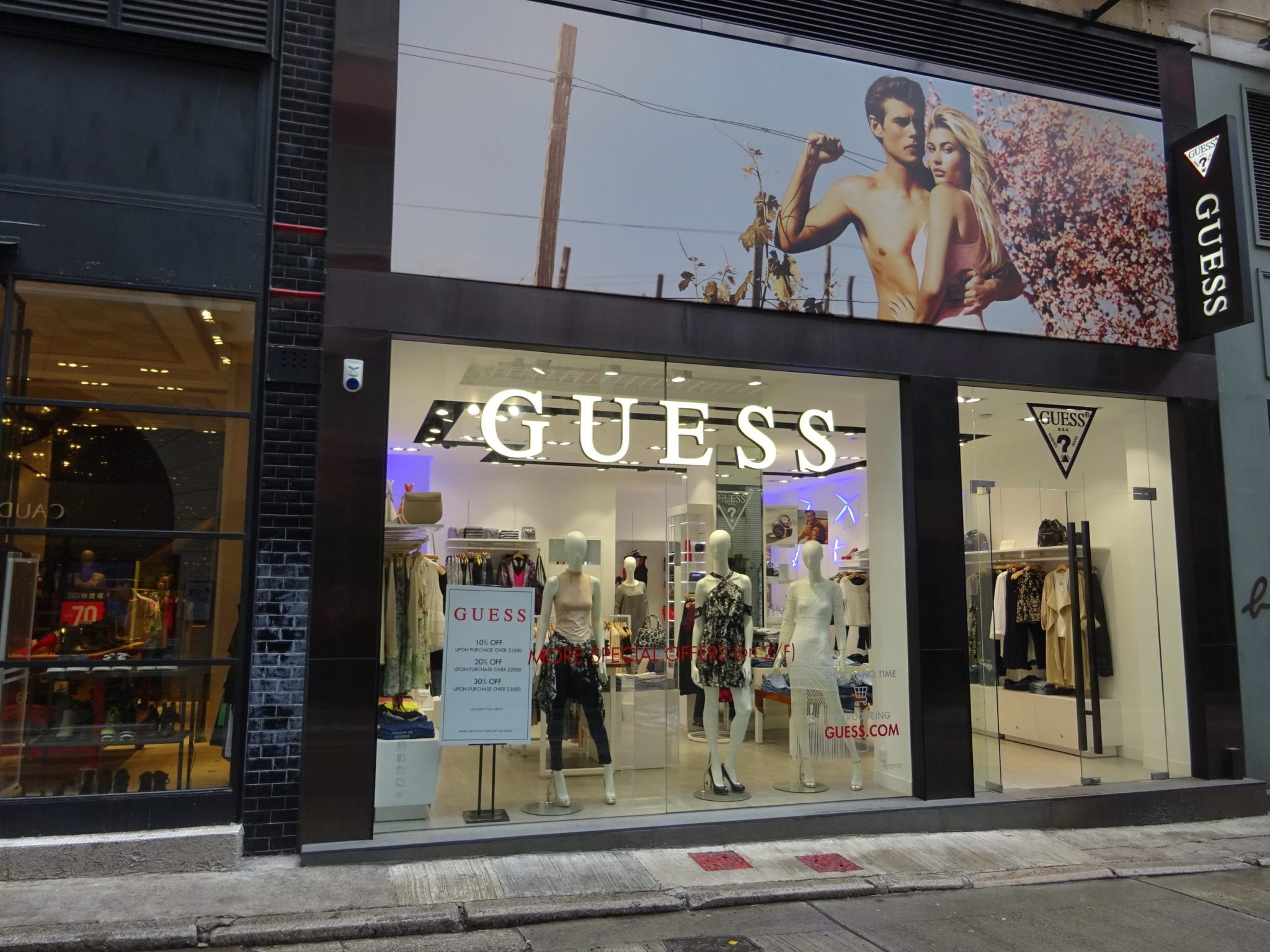
    Iconic American fashion brand Guess Inc. announced that its chief executive officer and director, Victor Herrero, is leaving the company effective February 2, 2019. Carlos Alberini, who served as Guess’s president and chief operating officer more than ten years ago, will replace Herrero.

    “On behalf of the Board of Directors, I want to thank Victor for his contributions during his tenure and wish him well in his endeavors,” said Maurice Marciano, chairman of the board.

    Alberini has been appointed as the new CEO and a Director of the company, “effective upon his separation from his current employer,” said Guess in a press release detailing the new hire on January 28.

    Alberini served as COO for the Californian company from 2000 to 2010. He was co-CEO of Restoration Hardware until 2014, and a director on the board of Restoration Hardware from 2010 until present.

    More recently, Alberini has been the Chairman and CEO of Lucky Brand, a role he took on from 2014.

    “I am very excited to have Carlos coming back as CEO at Guess. He was instrumental in building the international business in Europe and Asia during his 10-year tenure with the company,” said Maurice Marciano.

    The company also announced that Marciano has agreed to remain as Chief Creative Officer. His employment will be “at will”, according to Guess.
    During the transition, Marciano will be acting as interim Chief Executive Officer.

    In 2017-2018 financial year, Guess witnessed a steady growth track in Asia, notably in China.

    In March last year, the brand said it planned to open 60 stores in Asia, after also opening its first subsidiary in Singapore.

    In same financial year, the group said it improved its gross margin in Asia by 470 base points, with sales up 40 percent.

  • SsangYong launches Rexton Sports in Latin America

    SsangYong launches Rexton Sports in Latin America

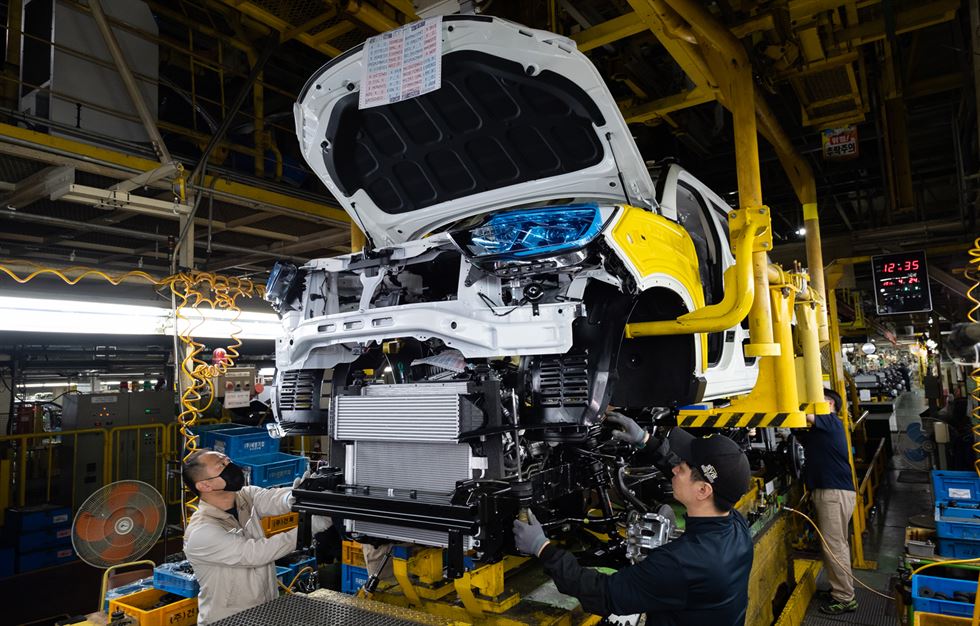
    SsangYong Motor, the Korean unit of Indian carmaker Mahindra & Mahindra, said Wednesday it has launched the Rexton Sports sport-utility vehicle (SUV) in Latin American markets to boost sales. SsangYong Motor launched the Rexton Sports SUV in Chile in September, Ecuador in October and Paraguay in November, following its launch in Europe in the second and third quarters.

    The carmaker plans to introduce the car in Africa and Middle Eastern markets in early 2019.

  • Global stocks are bouncing after Trump made a conciliatory move in the trade war

    Global stocks are bouncing after Trump made a conciliatory move in the trade war

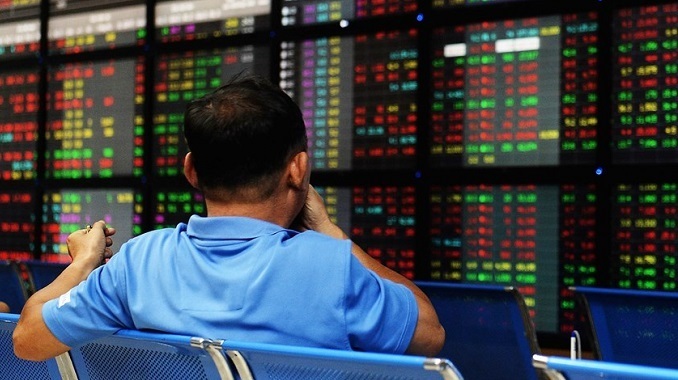
    Stocks in both Europe and the Americas are bouncing on Wednesday after President Donald Trump made a move that looks likely to deescalate the trade war developing between his adminstration and the rest of the world.

    Earlier, Trump announced the details of a plan to crack down on Chinese investment in US technology companies, and the final results were weaker than expected.

    The news buoyed investors, who have previously been nervous about the possibly devastating consequences a trade war could have on the global economy.

    Major share indexes in both Europe and North America are significantly higher on Wednesday as a result of the announcement, with the USA’s benchmark Dow Jones Industrial Average up by almost 250 points.

    While Trump’s climb down has soothed Western markets, things in Asia overnight were not pretty, with the earlier escalation of trade tensions having a significant negative impact on Chinese markets, with stocks in the world’s second largest economy suffering major losses.

    China’s benchmark share index, the Shanghai Composite, dropped 1.1% on Wednesday — leaving it nursing losses of 22% from its most recent high, extending the bear market it entered at the beginning of the week. Bear markets are characterised by a fall of 20% or more from a high.  

    Negative sentiment in Asia overnight also saw Hong Kong’s Hang Seng drop 1.7%, and the Shenzhen Composite fall 1.8%.

    For China, there is an ongoing double whammy of bad news. As well as Chinese stocks falling into a bear market, the country is also witnessing a major slide in the price of its currency, the yuan, which overnight fell to its lowest level in more than six months.

    The USD/CNH, or the US dollar versus the offshore traded yuan, hit a high of 6.6105 earlier, leaving it at the highest level since December 20 last year.

    An increase indicates the US dollar is strengthening against the yuan.

    Along with escalating trade tensions between the United States and China, the yuan has been under pressure in recent months from a softening in Chinese economic data as well as divergent monetary policy settings between the PBOC and US Federal Reserve.

  • Fliggy, American Airlines Partnership to Benefit Chinese Travelers

    Fliggy, American Airlines Partnership to Benefit Chinese Travelers

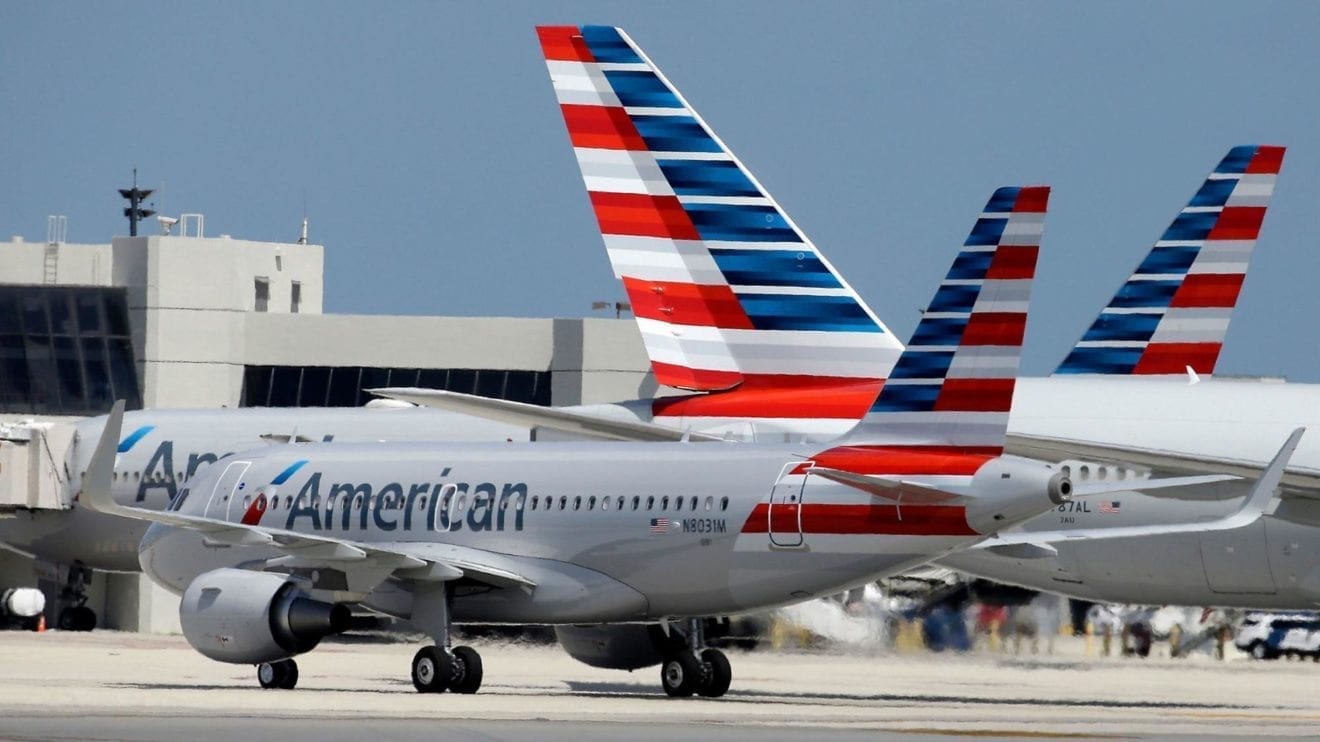
    The world’s largest airline, American Airlines, and Alibaba Group-owned Fliggy on Tuesday announced a strategic partnership that will bring travel perks to millions of the online travel platform’s Chinese customers.

    Starting next month, Fliggy members can register to enjoy select benefits from AA’s loyalty program, AAdvantage, depending on the level of their membership with Fliggy. For example, Fliggy F1 members will earn preferred boarding when taking an economy class flight, while those with Fliggy’s F2 and F3 memberships will receive certain perks equivalent to AAdvantage’s Gold and Platinum status, respectively.

    Moreover, AA plans to launch a flagship store on Fliggy, joining other airline stalwarts such as Cathay Pacific, Singapore Airlines, and Lufthansa to capture the booming travel demand by Chinese consumers.

    Future plans for the partnership also include the implementation of Alipay, the mobile payment system of Alibaba’s related company, Ant Financial, as a form of payment, said both companies in a joint statement.

    As part of Alibaba Group, Fliggy has access to more than 500 million mobile monthly active users on Alibaba’s China retail marketplaces. This means that by partnering with Alibaba airlines can gain valuable insights into the Chinese market, allowing them to better customize their services for Chinese customers, said Fliggy Vice President Jerry Hu.

    “This is why more than 70 well-known domestic and foreign airlines have chosen to establish flagship stores on Fliggy,” he said.

    Alison Taylor, senior vice president of Global Sales and Distribution at American Airlines, said the company is committed to China and is offering Chinese customers more flights to more destinations between North America and Asia.

    “This partnership changes the way loyalty programs in China interact with one another and provides more flight options for Fliggy users between these two critical business and leisure destinations,” she said.

    According to a forecast by investment bank CLSA, Chinese outbound tourism is expected to hit 200 million people by 2020 from 135 million seen in 2016. Spending by Chinese overseas travelers is also projected to reach $429 billion in 2021 compared with $261 billion in 2016, the firm said in a report.

    Founded in 1930, AA offers 6,700 flights each day to 350 destination in 50 countries and regions. The Texas-headquartered company is also a founding member of the Oneworld Alliance, whose members and members-elect offer nearly 14,250 flights daily to 1,000 destinations in 150 countries.


  • Shiru Cafe will be launched in the US

    Shiru Cafe will be launched in the US

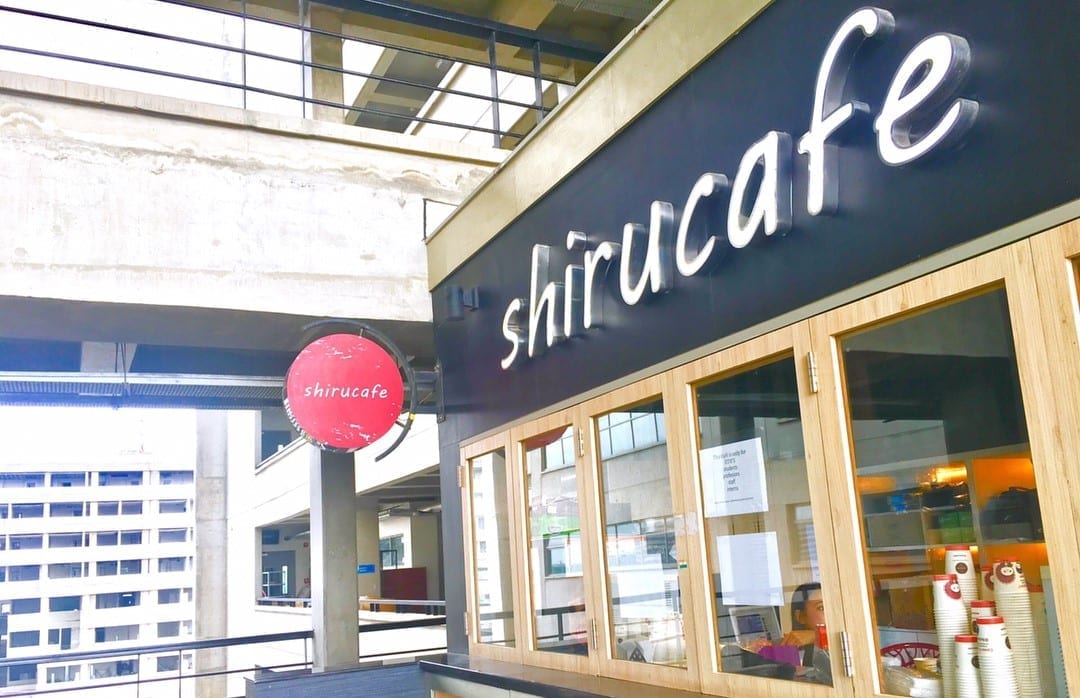
    Japan’s Shiru Cafe concept is about to launch in the US, on a university campus in Providence.

    It is being introduced by Enrission America, a cafe company that specialises in free coffee for university students.

    Following the opening on the Brown campus, other branches will be launched at Harvard University, Yale University, Princeton University and Amherst College.

    Especially for university students, Shiru Cafes are financed primarily through the sponsorship of companies that aim to improve student life. Students and staff members all receive free coffee, tea and juice while being provided with sponsors’ promotional materials. The cafes provide study spaces equipped with electrical outlets and free Wi-Fi internet access.

    Sponsorship allows companies to advertise on paper coffee cups, on digital displays in the cafes and on the cafe’s website. Company representatives can also meet and interact with students in the cafes, as well as run recruitment activities.

    Enrission America has opened more than 20 Shiru Cafes around the world. “It is an essential part of our vision,” says CEO Yusuke Kakimoto.

    Enrission, based in Kyoto, was founded in 2013 and is firmly established in India and Japan with support from 130 companies including Microsoft JP and PWC JP.

  • Lin Jia Convenience Store Debuts in Times Square

    Lin Jia Convenience Store Debuts in Times Square

    Lin Jia Convenience Store, the dark horse in China’s retail market, has shown remarkable growth recently, thanks to the retailer’s particular focus on excellence in customer service and innovation. The Chinese shop recently debuted on the large billboard overlooking New York’s Times Square, giving the world a glimpse of what a Chinese retailer looks like.

    Lin Jia Convenience Store, the dark horse in China’s retail market, debuts on the large billboard overlooking New York’sTimes Square

    The chosen theme “We are not just a neighbor, we are a family friend” clearly conveys Lin Jia Convenience Store’s brand philosophy of bringing the world to each shopper’s doorstep. The famous crossroads in the heart of New York City, one of the planet’s most popular destinations, has been drawing tourists from the four corners of the globe for many decades.

    In a globalized era, the world’s most well-known intersection has become a platform where leading companies can showcase their strength and where Chinese brands can announce their global expansion plans and successes.

    Catering to a wide range of demands and providing the most shopper-centric housekeeping services to help customers effortlessly maintain their preferred lifestyle

    As part of its commitment to becoming the most conscientious lifestyle service provider for shoppers, Lin Jia has paid utmost attention to both the range of services offered and the quality of those services. The store sells a wide range of fresh and instant foods, snacks, imported products and daily necessities, 24 hours a day, 7 days a week, catering to the whims of even the most demanding consumer.

    The range and variety of foods are designed to please every shopper, regardless of preferences or dietary restrictions. The store also provides a variety of user-friendly services, including laundry, printing, free charging booths for phones and tablets, free Wi-Fi, Lakala Kiosks for offline e-payments, self-service government lottery ticket kiosks and free toilets.

    As part of being the most customer-centric lifestyle products and services retailer, Lin Jia remains open all night. Providing products and services for customers round the clock is in line with the underlying meaning of its management concept encapsulated in the tag line “Lin Jia, Life+” and the basic guarantee underlying every product and service that is offered. The retailer provides the shopper with a quiet and comfortable shopping environment.

    Leading the industry trend, differentiating itself from the competition and accelerating brand development

    As the standard of living in China improves, the pace of day-to-day life accelerates, and expectations that shoppers have of their retailers continue to climb. In the face of this trend and ongoing industry competition, it becomes ever more important for convenience stores to provide a full range of services, while introducing innovations and differentiating themselves from the crowd.

    Lin Jia has already distinguished itself among its peers in the world of retail, by having continually enhanced and continuing to further enhance the quality of its services as well as bring in new innovations, delivering a constantly improving shopping experience to each and every person who enters the store.

    Innovative services create the best shopping experience

    Unlike other convenience stores, in terms of the interior layout Lin Jia Convenience Store installed highly directional speakers for announcements to ensure a quiet in-store environment and fully sealed off the kitchens to avoid having the smell of food being cooked wafting through the sales aisles, assuring the shopper of an end-to-end pleasant shopping experience during every minute spent within the store.

    At the same time, services offered by Lin Jia, including laundry, recharging stations for tablets and cell phones as well as online shopping with 30-minute delivery, maximizes the convenience of modern day living. In effect, Lin Jia has succeeded in filling in for the family housekeeper, with the same kind of personal touch and level of care.

    Lin Jia Convenience Store, a newly emerging force in the convenience retail sector, is committed to strictly adhering to the best practices that are expected of any top-notch retailer, enhancing branding through the excellence of its products and services, and serving as a guide to consumers for identifying the best services and products to support a quality life style.

    The retailer’s appearance in New York’s Times Square shows that China’s convenience stores are ready to take their place on the international stage as they prepare to enter markets beyond the borders of the home country.

  • Alibaba’s chairman tells US businesses: ‘You can sell almost anything’ online in China

    Alibaba’s chairman tells US businesses: ‘You can sell almost anything’ online in China

    Jack Ma, chairman of China’s dominant e-commerce company, says Alibaba can help U.S. businesses sell to the more than 500 million consumers expected to make up China’s middle class by 2025.

    Alibaba Group doesn’t want to compete with Amazon.com Inc. for sales inside the United States—rather, the Chinese e-commerce giant wants to help small and medium-sized U.S. businesses sell online in China, Alibaba executive chairman Jack Ma said today in Chicago.

    “We are the e-commerce enabler,” Ma says. “We do not buy and sell like Amazon because we think that SMB’s already know how to sell easily and effectively. We help others do e-commerce, find customers, help with payment and help with logistics.”

    Ma is making a tour of the U.S., following a similar one to Europe last week, seeking to introduce a company that is mainly known in the West for its record-breaking $25 billion stock offering on the New York Stock Exchange in September.

    Ma spoke today with Kenneth Chenault, CEO of American Express, at the Chicago Millennium Knickerbocker Hotel today. No partnership between American Express and Alibaba was announced, although Ma did say “[Alibaba] should leverage and work with global companies like American Express.”

    Ma explained that Alibaba is already helping small U.S. businesses sell to China, and he emphasized the opportunity represented by China’s growing middle class, which he said will number more than 500 million by 2025, Ma said. In 2014, the value of purchases consumers and businesses made on Alibaba’s sites totaled $390 billion. And the 10 million mostly Chinese small and midsized business that sell on Alibaba’s marketplaces, particularly the Taobao and Tmall retail shopping portals, accounted for 95% of those transactions, Ma said. In the next five years, Ma predicts Alibaba’s transaction volume will reach $1 trillion. In 10 years, he hopes 40% of sales will come from businesses outside of China.

    “When you have 120 million people shopping on our site every day, you can sell almost anything,” he said.

    Because China does not have the extensive bricks-and-mortar retail infrastructure of the United States, Chinese consumers rapidly moved to shopping online, Ma said. E-commerce is expected to make up 24.2% of Chinese total consumption by 2020, Alibaba says. As an example of the opportunities open to foreign companies, Ma pointed out that Chinese consumers bought 300,000 “German lake crabs” in one day last year on Alibaba’s site. Farmers from the Pacific Northwest sold 600 tons of cherries through Alibaba last year, after selling 180 tons in 2013, Ma wrote in a column published this week in the Wall Street Journal.

    Ma said that Chinese consumers love American products, and that imports represent a big part of the continued growth of not just Alibaba but also China. His trip to the U.S. follows a recent visit to Europe, in the hopes of enticing foreign companies to sell on Alibaba sites. Ma said his goal is to and turn Alibaba into the largest import platform in the world.

    “In the next 20 years, China will grow to be the largest importer country in the world,” Ma says. “But, Chinese resources like the water, soil and air could never support such a huge demand. I think if China keeps exporting we will never see the blue sky in China. We have to leverage global resources to serve the 1.3 billion people.”

    While Ma downplayed suggestions Alibaba intends to compete with U.S. e-retailers, it has been investing in the United States. That includes taking stakes in Snapchat, a mobile image sharing app; TangoMe Inc., a video call app maker; Quixey Inc., a mobile search provider; and ride-hailing service Lyft Inc.

    Last year, the company also launched 11Main.com, a shopping portal for boutique U.S. retailers.