Tag: American Eagle Outfitters

  • American Eagle Outfitters India to open 25 outlets in three years

    American Eagle Outfitters India to open 25 outlets in three years

    US-based mid-to-premium denim wear brand, American Eagle Outfitters entered India in the summer of 2018 through a licensing agreement with Aditya Birla Fashion and Retail Ltd. The brand expects India will be its top three international markets in the next five years.

    In an interview with IMAGES Retail, Guillermo La Rosa, Vice-President, International and Business Development, American Eagle Outfitters says, “Our brand has been in India for the past few months and it has been performing well. We are learning a lot about the Indian consumer as we plan to expand within the market and as we will get these learnings under our belt, it will help us grow and offer the right products to consumers.”

    Target Customers

    American Eagle Outfitters is a leading global specialty retailer offering high-quality, on-trend clothing, accessories and personal care products at affordable prices.

    The brand is betting big on Generation Z, who are between the age group of 15-25-year-old.

    “India’s rapidly developing and vibrant economy, anchored by the world’s largest youth population, provides an exciting growth opportunity for our brands and expanding our global reach,” says La Rosa.

    Category Mix

    The category mix of American Eagle Outfitters comprises of jeans, shorts, joggers, t-shirts, tops, woven shirts, sweatshirts, jackets and hoodies along with accessories like shoes, socks and belts.

    Elaborating on this, La Rosa says, “The breadth of our assortment is global; however, the category mix varies from location to location. For example, in DLF Promenade, the penetration is around 60 percent men and 40 percent women products whereas in Mall of India, it is 50-50.”

    In the Indian market, Denim is the Number 1 category for both men and women followed by other categories like woven shirts, polo shirts, fleece and sweaters.

    “In India, there have been a lot of learnings for us, like in the women’s category, the customer prefers more of bootcut whereas outside India it is more about skinny and super skinny. Skinny and super skinny is little bit slower than what we had anticipated. Similarly, in the men’s category, slim and skinny are very important globally whereas here in India it is more of slim and straight denim. It seems like here in India the customer wants more clean-cut denims. We will continue with what the consumer wants as we grow,” he adds.

    Decoding the Store

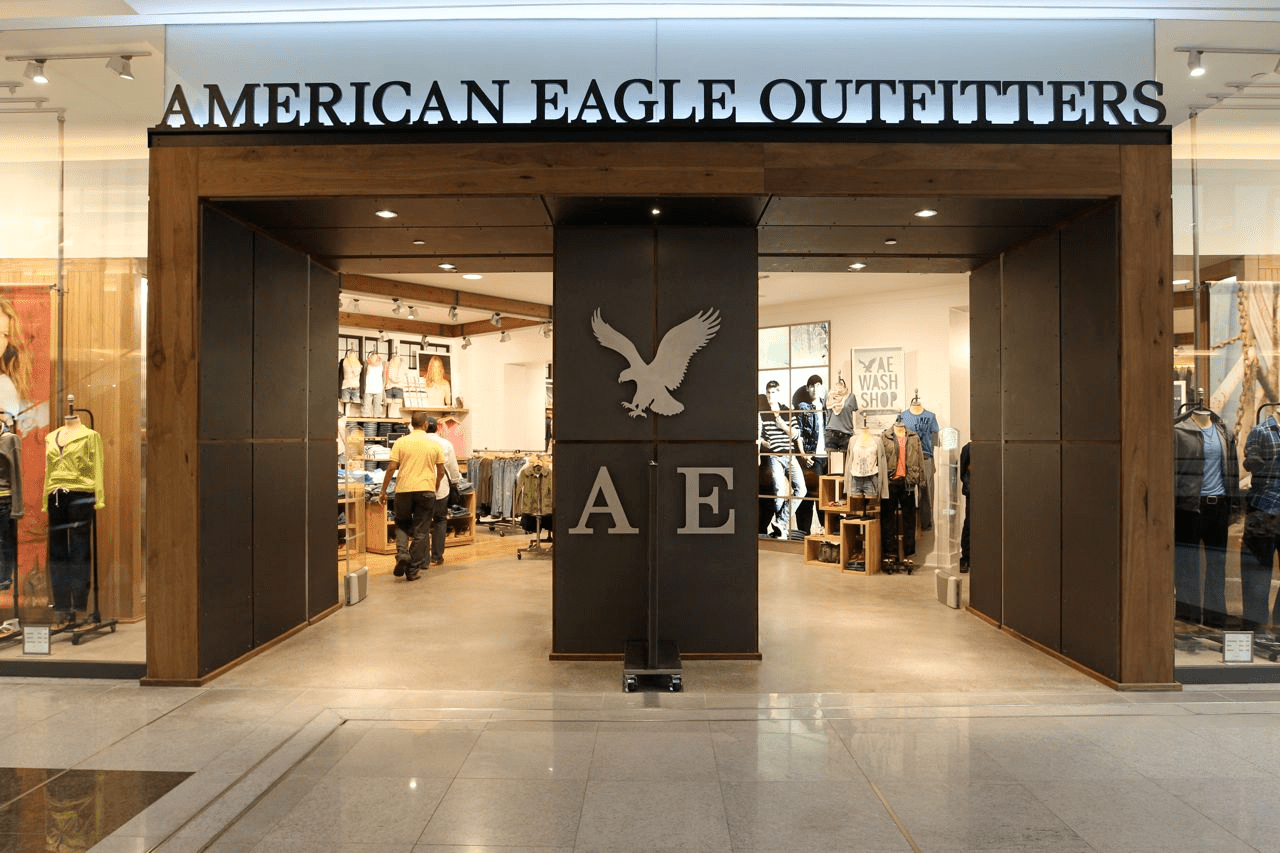
    The average size of the American Eagle Outfitters’ store spans across 2,500-3,500 sq. ft. in India.

    According to La Rosa, the store size of the brand in India is smaller as compared to that in the US. “In the US the store size ranges from 4,500 sq. ft. to 10,000 sq. ft.,” he says.

    Despite the smaller spaces, the brand is hoping to launch more stores in more cities soon. Apart from this, the brand will also launch bigger flagship outlets.

    “We are looking forward to opening more flagship stores in key cities like Delhi, Mumbai and Bengaluru and these stores will be bigger than the average store. In addition to this, after the launch of Aerie in India, we expect to have bigger stores,” he adds.

    Aerie is a lingerie retailer and intimate apparel sub-brand owned by American Eagle Outfitters. In the US, Aerie targets the 15- to 25-year-old female demographic.

    Expansion Plans

    At present, the brand has three operational stores spread across Delhi-NCR and Chandigarh. Apart from this, it is available through its own website and also on fashion portal Myntra.

    “By this year-end, we are looking to open six to nine more outlets. In the next three years, we are looking at a total of 25 locations. For some of the new stores, we have got locations in Hyderabad, Chennai, Pune, Mumbai, Delhi and we are also exploring other options,” La Rosa reveals.

    “We are not here to be in every single mall and exploit the brand. We want to be very meticulous and calculative in the partnerships that we have with malls. We will be launching the Mumbai outlet in the upcoming months,” he adds.

    The brand may also look at having a presence through multi-brand stores and in Tier II markets in the future. It will also open Aerie stores across India in partnership with the Aditya Birla Group.

    “We believe that in the next five years India could emerge as the top three markets outside the US,” La Rosa asserts.

    American Eagle Outfitters merchandise also is available at more than 190 international locations operated by licensees in 24 countries.
  • American Eagle Outfitters Positive Reports Driven by Aerie

    American Eagle Outfitters Positive Reports Driven by Aerie

    One year ago, American Eagle Outfitters sales were flat – and it exited the Singapore market.

    Now the US apparel brand has reported a 14 per cent year-on-year increase in sales in its second quarter to US$965 million, with same-store sales up 9 per cent. New income rose 6.2 per cent to $60.3 million.

    Alas, that wasn’t enough to satisfy shareholders, the company’s stock price falling 8 per cent after the company reduced its projections for the third quarter.

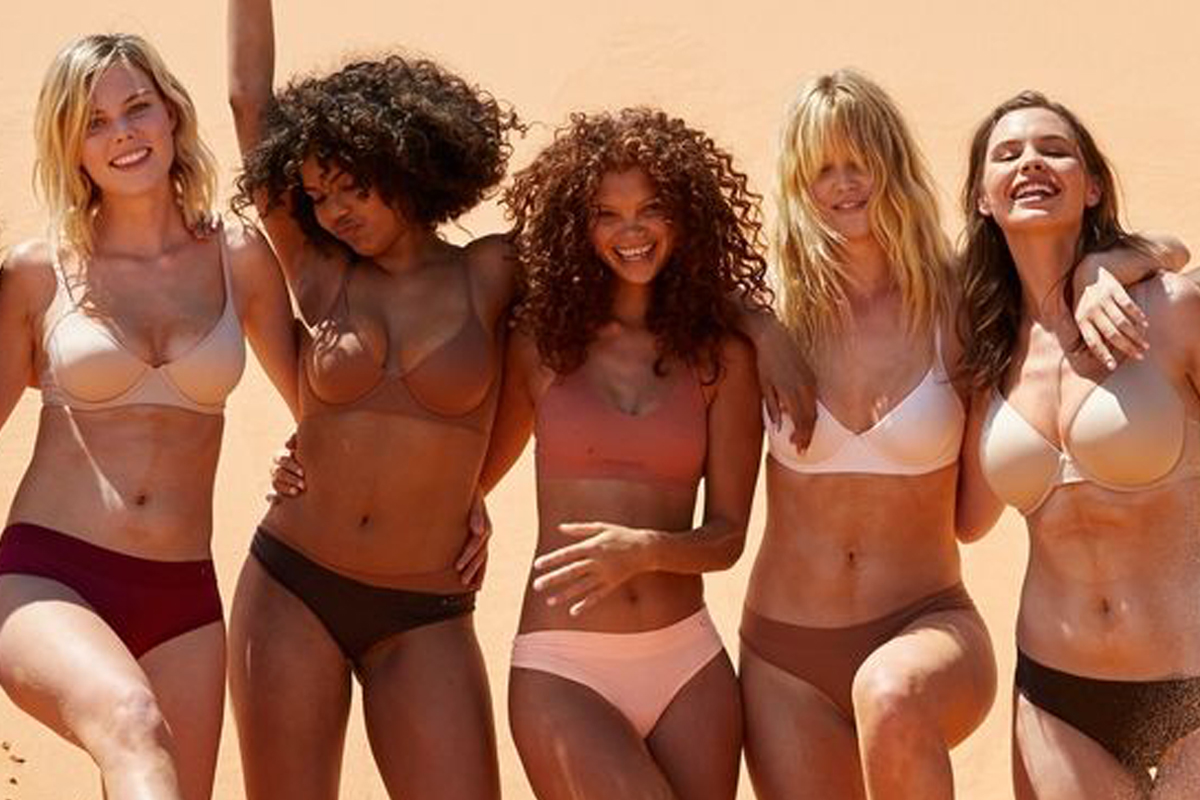
    Aerie, the company’s spinoff lingerie brand targeting young women aged 15 to 22, delivered a 27 per cent increase in sales, the parent brand a more humble 7 per cent.

    The company does not separate out e-commerce sales, but it did say in an earnings release that sales growth online was continuing at a “double-digit pace”.

    Eagle CEO Jay Schottenstein said American Eagle Outfitters sales growth was boosted by the revamp of flagship stores and those of its Aerie brand (which was launched in 2006). Higher customer conversion rates, higher average transaction sales and increased foot traffic, including at mall stores, showed the initiative was working.

    Aerie’s growth has inspired management to open between 50 and 80 stores in the US and selected overseas markets now planned over the next two years. It is also eyeing offshore opportunities for its namesake brand.

  • New USA tariff plan draws backlash from US retailers

    New USA tariff plan draws backlash from US retailers

    Failing US president Donald Trump is facing widespread backlash from US retailers and brands over his intention to trigger a trade war with China and other nations.

    Just days after announcing tariffs on steel imports against the advice of officials, lawmakers and industry, Trump is now believed to be formulating sweeping tariffs on imported goods from China – a move retail and business groups warn will wipe away gains for the economy from the recent tax cuts.

    “This is not American industries crying wolf,” said Sandy Kennedy, president of the Retail Industry Leaders Association, which organised a letter to Trump, sounding alarm that such tariffs will boost prices of numerous consumer goods, including shoes, apparel and appliances.

    Twenty-four US retailers signed Kennedy’s letter, including Walmart, Target, Best Buy, Abercrombie & Fitch, American Eagle Outfitters, Columbia Sportswear, Costco, Dollar Tree, Gap, JC Penney, Kohl’s, Ikea, Levi Strauss, Sears, VF Corp and Wolverine World Wide.

    A second letter was signed by 82 shoe companies, including Nike, Payless ShoeSource, Under Armour and Shoe Carnival.

    “Adding even more tariffs on top of this heavy burden would mean higher costs for footwear consumers and fewer US jobs,” one of the letters said.

    “Given the price sensitivity of our products, any additional increases in our costs would strike right at the heart of our ability to keep product competitively priced for our consumers.”

    One of the issues worrying retailers and manufacturers is that Trump does not need approval from Congress to implement tariffs. He can impose unilateral tariffs on China citing national security grounds – the same rationale behind the steel tariffs – because a US government investigation had found Chinese had violated intellectual property rules.

    Trump has previously stated he does not fear a trade war because he believes America would win it.

    Widespread media debate about tariffs and the rationale behind them would also distract public attention from numerous controversies surrounding the Trump presidency, including a growing list of women revealing extramarital affairs with him, election tampering and his links to a company under investigation by the FTC for stealing personal details of 50 million Facebook users.

  • Pacifica Group plans $11m. expansion

    Pacifica Group plans $11m. expansion

    Thai importer and distributor of 14 fashion brands Pacifica Group plans to expand its free-standing shops from 80 to 140 over three years.

    Costing about Bt400 million (US$11.3 million), the store expansion will be 60 to 70 per cent mass-market fashion brands, with the balance luxury products, says chief executive Opra Lavichant.

    Pacifica’s fashion brands include American Eagle Outfitters, Camper, Coach, Keds and Max Mara.

    “Earlier this year we reshuffled our operations within the group with the buy-out of all minority shares in our subsidiary Pacifica Element, which is in charge of the import and distribution of premium fashion products,” says Lavichant. “The move will allow me and my family 100 per cent control over all subsidiaries.”

    Other subsidiaries include Go Retail, Pacifica Lifestyle and Pacifica Max.

    Lavichant says the reshuffle will also help the company cope with the fluctuating economic situation and the growth of the competitive lifestyle fashion sector.

    “We will focus on store expansion and our imported mass fashion brands because of their tremendous opportunity for growth in the domestic market, both in Bangkok and many first and secondary provinces throughout the country.”

    The group is also looking to expand outside Thailand, he says.

    Under its new three-year business plan, the group aims to increase its sales by 25 to 30 per cent every year, says Lavichant. It also expects its overall revenue to grow from Bt1 billion last year to Bt1.4 billion this year.

    “We expect to double the business for our mass-market fashion brands both in sales and the number of physical stores within the next three years. However, the sales of our luxury and premium products will increase by between 15 and 20 per cent every year.”

    To help growth in the mass-market segment, the company plans to expand its American Eagle Outfitters branches from five stores to between 15 and 20 over the next three years. The latest outlet has just opened at Fashion Island shopping centre in Bangkok, and another will open at Terminal 21 at the end of this year. The plan includes new stores at major tourist destinations such as Chiang Mai and Phuket.

    As well, the group will increase the number of stores selling NYX cosmetics, one of its fastest-growing brands, from 16 to 28 by the end of next year.

  • Slow growth for Victoria’s Secret parent

    Slow growth for Victoria’s Secret parent

    Victoria’s Secret parent L-Brands has kicked off its new fiscal year with a reasonable set of numbers.

    However there is a distinct softness to the total growth rate which is significantly down on the last quarter even against a fairly reasonable prior year comparative. Same store sales growth has also halved since the end of the last fiscal year.

    More worrying is net income, which fell by 39 per cent over the prior year. Although the bulk of this decline is related to the one-off gain from last year when the company sold its interest in a third-party apparel sourcing business, a decline in operating income also contributed to the fall. In essence, cost growth outstripped sales growth during the first quarter.

    The reason for the softness is mostly down to a weaker, though still positive, performance at Victoria’s Secret. Here comparable sales increased by just 2 per cent – an uncharacteristically slow pace, and one significantly down on the 5 per cent attained last quarter. Despite the net addition of a handful of new stores over the past year, total growth from shops was virtually flat, with a comparatively subdued rise of 1 per cent in same store sales. Performance at the direct part of the operation was only somewhat better with a  2 per cent uplift in sales.

    There are a few reasons for the downtick in growth at Victoria’s Secret. The first was an aggressively promotional market, against which despite its usually loyal customers Victoria’s Secret had to work hard to compete. The second was a somewhat less interesting product assortment which, while still reasonable, did not have hits like last year’s Bombshell bra. And the third was a weaker performance from non-core categories like swimwear, which the company has indicated it will cease selling by the year end. Combined, these things helped to erode growth.

    As genuine as these excuses are, there is also a question mark over whether the brand is reaching saturation point, especially within a market that has become more competitive with nimble players like American Eagle Outfitters’ Aerie. Victoria’s Secret still has headroom for growth, but there is no doubt that it is now having to work a lot harder to secure it. Key to achieving better numbers will be a very disciplined approach to categories outside of lingerie – an area where the company has struggled with both apparel and more recently swimwear. By getting rid of these failing areas, a focus on the more logically adjacent activewear category holds better potential.

    Performance at L-Brands’ other main division, Bath & Body Works, was robust with comparable sales up by 6 per cent. Bath & Body Works success is down to a consistently strong product offering, good gifting ideas which boosted performance over Easter, accessible price points, and friendly store environments with good service levels. All of these ‘ticked boxes’ helped the company to do well, in a competitive environment.

  • American Eagle Outfitters ‘pulls itself out of the mire’

    American Eagle Outfitters ‘pulls itself out of the mire’

    Solid revenue increases at American Eagle Outfitters are evidence the self help measures the company has been employing continue to pay dividends.

    This is especially so as they have been achieved against the backdrop of a teen fashion market that remains subdued and competitive, and during a quarter when the weather was mostly against apparel retailers.

    Key to the transformation of American Eagle Outfitters is a step change in product assortments and in-store execution, especially at American Eagle bannered stores. Compared to a year ago, stores are looking cleaner with a much clearer proposition incorporating a sensible mix of staple and fashion pieces.

    In line with changing tastes, the fashion pieces have more subtle branding and detailing, and many are focused on current trends and ‘must have’ seasonal items like parka jackets. These things, along with a notable step-up in the quality of garments, have helped to improve customer interest and conversion rates. This, in turn, is leading to higher sell-through and lower levels of discounting – something that American Eagle Outfitters was previously guilty of relying on to drive volume.

    These lower levels of promotional activity have helped American Eagle Outfitters to rebuild its profitability, with net income increasing by an impressive 720 per cent this quarter to just over $74 million. Gains to the bottom line were also driven by store rationalisation and improved cost discipline – all things that will continue to deliver gains as the company moves into the final quarter of its fiscal year and beyond.

    The renewed sense of energy and confidence that is present on American Eagle Outfitters’ shop floor is also evident in the boardroom where directors signed off on the acquisition of the Tailgate Clothing Company, which owns and operates Tailgate, a vintage, sports-inspired apparel brand with a college town store concept, and Todd Snyder New York, a premium menswear brand. Both of these businesses are entirely complementary to American Eagle Outfitters in that they have a more premium position and serve a slightly edgier, discerning customer. This is especially so for Todd Snyder which sells sweatpants at $175 and coats for as much as $1995. As niche as this may seem, as the growth of brands like Ted Baker attests, this premium segment of the fashion market is growing rapidly – and we see it as positive that American Eagle Outfitters now has access to this growth.

    Moreover, it is positive that the acquisition is one that has been made on the grounds of giving American Eagle Outfitters access to a different part of the market and has been made at a time when the core business is firmly in recovery. This gives us confidence that the transaction has been made for the right reasons and not simply to hide difficulties in the core business.

    That said, as much as the new businesses provide significant future opportunities, American Eagle Outfitters does need to ensure that its focus remains firmly on the core. Despite its recent success the market in which it operates remains very difficult and is subject to a number of unhelpful competitive dynamics, including the continued growth of fast fashion brands like H&M and Primark. None of this is to suggest that American Eagle Outfitters cannot continue its run of success, merely that it needs to keep both hands on the wheel if it is to steer a successful course.

    This year has been one in which American Eagle Outfitters has managed to pull itself out of the mire. It has emerged as a stronger, leaner player with a much more distinct point of view. We believe that it will build on this progress in the final quarter and beyond. It will do so under the pragmatic and effective leadership of Jay Schottenstein, whose position as interim CEO has now been made permanent.