Retail News CRM

Tag: amidst

  • Cathay Pacific Airways Sees Skyrocketing Profits on the Horizon Amidst Rising Global Demand

    Cathay Pacific Airways Sees Skyrocketing Profits on the Horizon Amidst Rising Global Demand

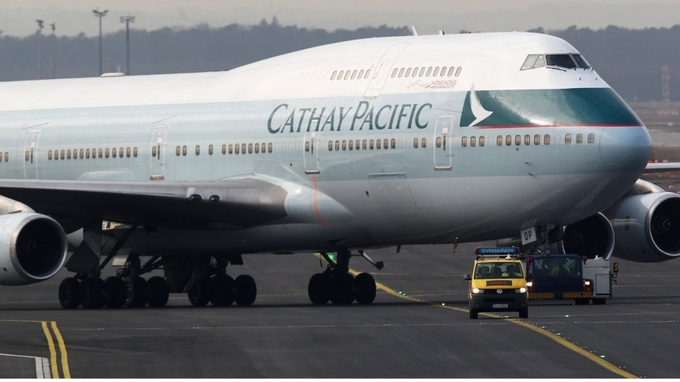
    Cathay Pacific Airways, the third most highly ranked airline globally last year, has announced its potential to realize a profit surge of up to 76% for the first half of this year. This surge, driven by robust passenger and cargo demand, is in comparison with the corresponding period last year.

    Financial Forecasts and Market Performance

    On Wednesday, the airline group projected a profit ranging from HKD6 billion to HKD6.5 billion ($765.39 million to $829.12 million) for the six months concluding on June 30. This projection marks a significant jump from HKD3.7 billion recorded during the same period last year. These estimations integrate a one-off gain of around HKD1.4 billion, attributable to the airline’s partial dilution of its stake in Air China.

    Without this one-off item, the sound underlying performance is reliant on robust demand within both passenger and cargo operations. This prediction shows resilience, as the wider aviation industry contends with a drastic surge in fuel costs. The International Air Transport Association (IATA) had projected that airlines’ fuel expenditures would skyrocket to $350 billion this year from $252 billion in 2025, driven by average jet fuel prices of $152 per barrel—nearly 70% higher than 2025 levels. Despite this, Cathay has acknowledged this hurdle whilst also reporting stronger earnings.

    Shares of Cathay, listed in Hong Kong, climbed more than 3% in the afternoon session after experiencing a slight dip in the morning. This rise was attributed to the optimistic profit prediction, which outperformed some analysts’ forecasts.

    Operational Performance

    The cargo division of Cathay, in June, transported 9% more cargo than the previous year, resulting in a 9% increase in total tonnage for the first half of the year. Lavinia Lau, Chief Customer and Commercial Officer, attributed this growth to semiconductor and pharmaceutical shipments which fuelled their specialist product lines, Cathay Expert and Cathay Pharma.

    On the passenger front, Cathay Pacific recorded a 12% increase in passenger numbers in June year-on-year, coupled with a 6% rise in available seat kilometers. For the first half of the year, passenger numbers swelled by 17%.

    Despite June traditionally being a more relaxed month, load factors remained stable, partially boosted by rerouted traffic via Hong Kong amidst the ongoing Middle East conflict. Demand in premium cabins also sustained strong corporate and premium leisure travel. “The outlook for the summer peak remains encouraging, particularly across our long-haul network,” Lau stated.

    HK Express, the group’s budget unit, experienced a slight dip with passenger numbers falling by 4% in June after the carrier reduced capacity to counterbalance higher fuel costs. However, Lau stated that bookings for July were trending ahead of the previous year.

    The group’s complete interim results are anticipated to be released in August. Cathay Pacific Airways clinched the third spot in 2025’s Skytrax’s ranking of the world’s best airlines, only surpassed by Qatar Airways and Singapore Airlines.

    Questions & Answers

    What is Cathay Pacific’s projected profit for the first half of this year?
    Cathay Pacific predicts a profit ranging from HKD6 billion to HKD6.5 billion ($765.39 million to $829.12 million) for the first half of this year.

    What contributed to Cathay Pacific’s robust performance?
    The airline attributed its sound performance to strong demand across both its passenger and cargo operations, along with a one-time gain from partially diluting its stake in Air China.

    Despite a dip in June, how is HK Express, Cathay Pacific’s budget unit, performing in July?
    July bookings for HK Express are currently outpacing those from last year, despite a 4% drop in passenger numbers in June.
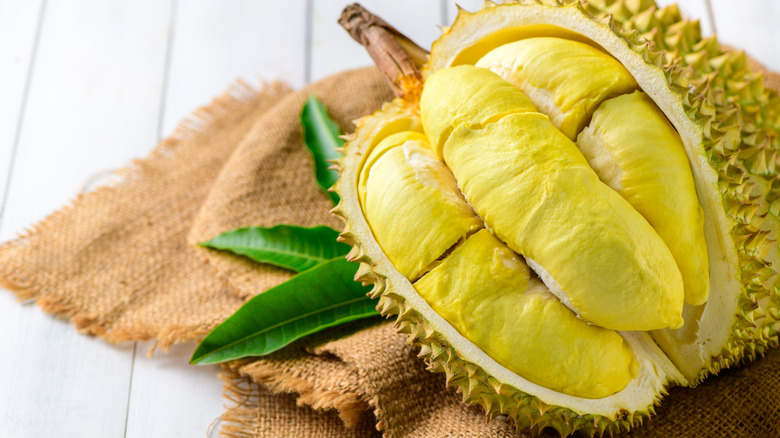

  • Thailand Rolls Out Plans to Promote 300,000 Tons of Southern Durian amidst Oversupply Concerns

    Thailand Rolls Out Plans to Promote 300,000 Tons of Southern Durian amidst Oversupply Concerns

    Thailand is working to stimulate the consumption and distribution of 300,000 metric tons of southern durian due to an oversupply caused by a decline in exports to China, primarily related to quality issues. The director-general of the Department of Internal Trade, Wittayakorn Maneenetr, revealed that the durian production in southern Thailand is expected to reach 752,515 tons this year, marking an increase of 30% compared to the last season. Around 35% of the produce has already hit the market, with almost 489,199 tons remaining undistributed.

    According to Maneenetr, the early-season price drop is linked to China’s temporary halt in orders due to the quality concerns associated with unripe durians, and the growing competition from foreign suppliers and domestic production from Thailand’s eastern and northeastern regions.

    Market Stabilization Measures

    To balance out prices, the department has stepped in with initiatives like advance purchases and consumer-targeted promotional campaigns. Currently, Southern Monthong durians are priced at 85-105 baht (US$2.5-3.1) per kilogram for AB grade, 60-80 baht for C grade, and 40-55 baht for D grade.

    The designed plan to distribute 300,000 tons of southern durian involves selling 3,700 tons through advance purchase contracts, 9,000 tons via consumption promotion campaigns, and 281,000 tons through off-farm distribution networks. Additional measures encompass establishing direct sales outlets, subsidizing postal delivery costs, and encouraging processing initiatives.

    Under its medium-term strategy, the Ministry of Commerce is aiming to engage tourists through consumption campaigns, collaborate with food brands to create durian-based menus, and organize field trips for foreign ambassadors to the major durian-producing provinces, including Chumphon, Surat Thani, and Nakhon Si Thammarat.

    Despite the seasonal challenges, the overall durian exports from Thailand remain strong. From the start of the year until July 5, Thailand has exported 908,047.46 tons of durian in 55,831 shipments, which generated more than 104.19 billion baht.

    Questions & Answers

    What were the main reasons for the drop in durian exports to China?
    The decline in exports was primarily due to quality issues associated with unripe durians, leading to a temporary suspension of orders from China.

    What are the prices for different grades of Southern Monthong durians?
    AB grade durians are priced at 85-105 baht per kilogram, C grade durians at 60-80 baht, and D grade durians at 40-55 baht.

    What strategies are being implemented to boost durian consumption and distribution?
    Strategies include advance purchases, consumption promotion campaigns, setting up direct sales outlets, subsidizing postal delivery costs, and supporting processing initiatives. Furthermore, there are plans to engage tourists and collaborate with food brands to create durian-based menus.

  • Vietnam Gold Prices Hit Two-Week Downtrend Amidst Global Market Shifts

    Vietnam Gold Prices Hit Two-Week Downtrend Amidst Global Market Shifts

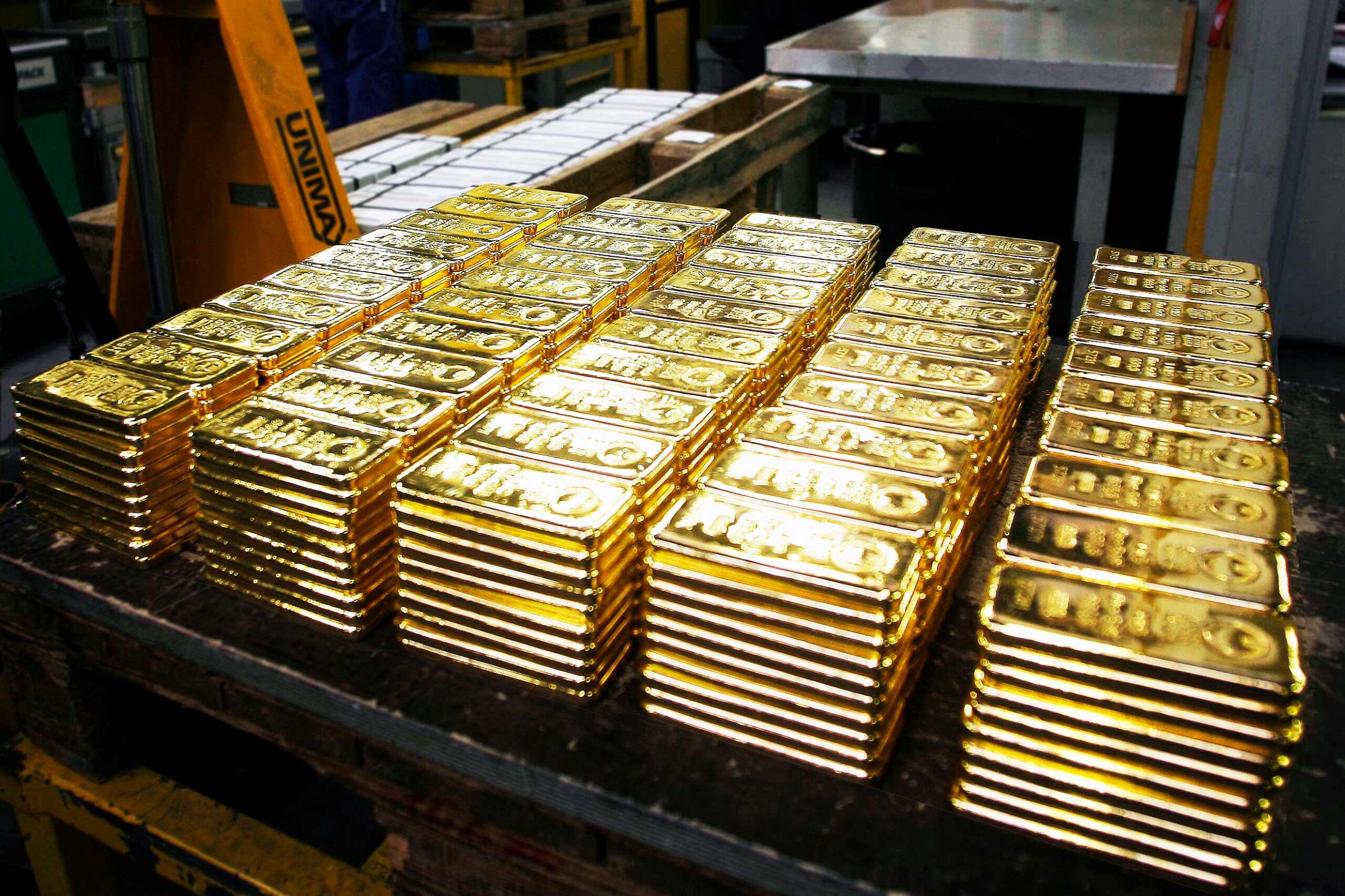
    On Tuesday, Vietnam witnessed its lowest gold prices since the start of July, resulting from a decline in worldwide prices due to escalating tensions in the Middle East. The price of a gold bar from the Saigon Jewelry Company fell 0.88%, to VND147.1 million (equivalent to US$5,604.76) per tael. In Vietnam, a tael is a unit of weight equivalent to 37.5 grams or 1.2 ounces.

    Gold Market Trends

    The price of gold rings also saw a decrease, falling by 0.54% to VND146 million per tael. The drop in gold prices this year has amounted to a 3.7% decrease overall.

    On the worldwide stage, after experiencing a 3% drop on Monday, gold prices made a minor recovery. This was following an announcement by U.S. President Donald Trump that he was re-establishing a naval blockade on Iran. This action led to a rise in oil markets, renewed fears about inflation, and the potential for the longevity of higher U.S. interest rates. As a result, spot gold increased by 0.28% to $4,011.10 per ounce.

    Expert Insights

    Market analyst at Forex.com, Fawad Razaqzada, commented on the situation, explaining that the rally in oil prices was a result of the conflict in the Middle East and suggested policy tightening by the Federal Reserve. He also noted that these developments spelled bad news for assets like gold, which yield no interest.

    Razaqzada further speculated, “If oil prices continue to surge, gold prices might experience a downfall, potentially dropping to the $3,800 level initially. There is also a chance they could drop to $3,500 over time if the selling pressure intensifies.”

    Questions & Answers

    What caused the drop in Vietnam’s gold prices?
    The decrease was primarily due to a dip in global gold prices, spurred by increased tensions in the Middle East.

    How has the global gold market reacted to recent events?
    After a 3% plunge on Monday, global gold prices have slightly recovered following the US President’s decision to reinstate a naval blockade on Iran.

    What impact could rising oil prices have on the gold market?
    According to market analysts, if oil prices continue to surge, gold prices could potentially drop significantly, possibly down to $3,500 over time if the selling pressure increases.

  • Vietnam’s Economy Skyrockets: UOB Predicts Record-Breaking 8.5% Growth Amidst AI Boom

    Vietnam’s Economy Skyrockets: UOB Predicts Record-Breaking 8.5% Growth Amidst AI Boom

    United Overseas Bank (UOB), a leading financial institution based in Singapore, has increased its prediction concerning Vietnam’s GDP growth for the current year. Previously, the bank estimated a 7% increase; however, based on the country’s stronger-than-anticipated economic performance in the first six months, moderating energy costs, and the influence of artificial intelligence, UOB has revised its forecast to an 8.5% growth rate.

    Encouraging Economic Performance

    This revised prediction follows the announcement that Vietnam’s economy expanded by 8.18% in the first half of the year. This growth rate, which surpassed UOB’s initial projections, is the highest in Southeast Asia. The robust economic performance is attributed to widespread growth across various sectors, including industrial, construction, services, and agriculture.

    Manufacturing emerged as a key driver of this growth, bolstered by a global surge in demand for artificial intelligence, as stated by UOB. The bank also noted an impressive 61% upswing in foreign direct investment (FDI) during the first six months, reaching a total of US$34.7 billion. This significant increase strengthens the prediction that 2026 could set a record for Vietnam in terms of attracting FDI.

    Demonstrating Economic Resilience

    Despite the impacts of political tensions in the Middle East, Vietnam’s economy has displayed remarkable resilience which is expected to provide a solid foundation for economic growth in the second half of the year. UOB’s GDP growth prediction is currently one of the most optimistic among international organizations.

    In fact, the Asian Development Bank recently released a report forecasting Vietnam as the fastest-growing economy in Southeast Asia this year with a projected growth rate of 7.2%. Vietnam itself is aiming for a minimum growth rate of 10% this year and has outlined a plan that necessitates an 11.9% growth rate in the second half of the year.

    UOB will continue to observe global economic developments, particularly the impending U.S. tariffs expected to be implemented in late July. These tariffs could potentially add more strain on global trade and impact Vietnam’s economic growth trajectory.

    Despite general weakness among Asian currencies in June, the Vietnamese dong demonstrated notable resilience. UOB maintains its outlook that the dong will remain relatively stable, potentially strengthening against the dollar to 26,500 in the third quarter and 26,400 in the fourth.

    Questions & Answers

    What factors led UOB to increase its GDP growth prediction for Vietnam?
    This decision was influenced by Vietnam’s stronger-than-expected economic performance in the first half of the year, moderating energy prices, and the impact of artificial intelligence.

    Which sector was identified as a primary driver of Vietnam’s economic growth?
    Manufacturing has emerged as a key contributor to Vietnam’s economic growth, supported by surging global demand for artificial intelligence.

    What is the projected stability of the Vietnamese dong in the near future?
    UOB maintains that the Vietnamese dong will remain relatively stable, potentially strengthening against the dollar to 26,500 in the third quarter and 26,400 in the fourth.

  • Uniqlo Owner Fast Retailing Reports Stellar 45.7% Profit Boost Amidst Global Challenges

    Uniqlo Owner Fast Retailing Reports Stellar 45.7% Profit Boost Amidst Global Challenges

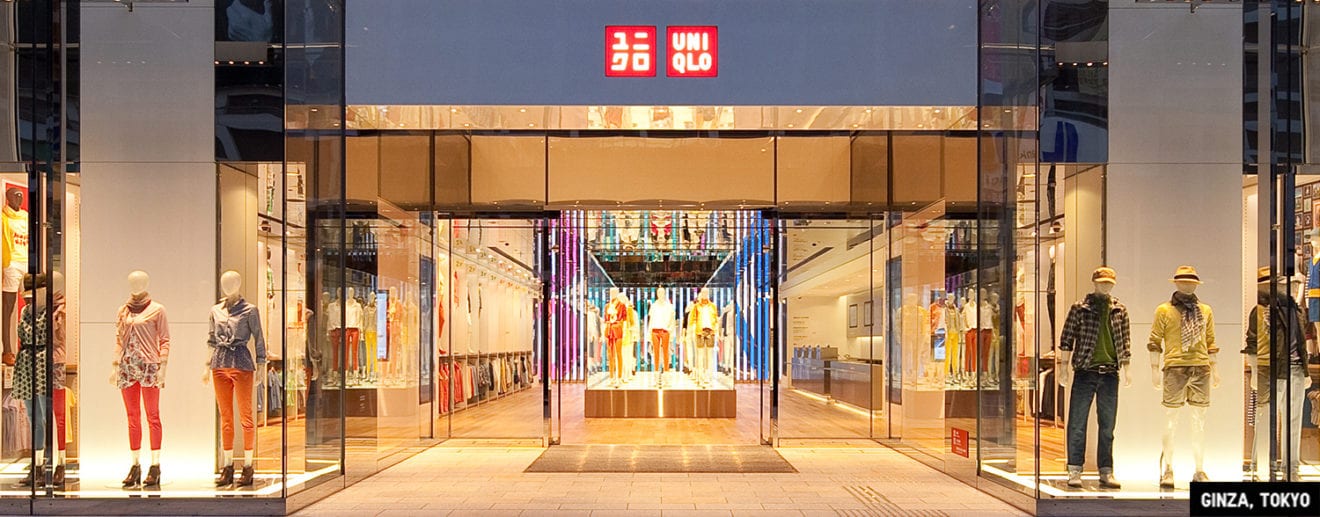
    Fast Retailing, the Japanese firm that owns the popular clothing brand Uniqlo, reported a 45.7% quarterly profit surge, despite facing challenges from the Iran war’s impact on supply chains and logistics. Achieving this milestone puts the company on track for its fifth consecutive year of record earnings.

    Over the three months through May, Fast Retailing’s operating profit reached 213.79 billion yen (US$1.32 billion), a substantial increase compared to 146.74 billion yen during the same period in the previous year. This figure significantly surpassed the average estimate of seven analysts, which stood at 177.73 billion yen. As a result of this positive performance, Fast Retailing raised its full-year operating profit forecast from 700 billion yen to 730 billion yen.

    Uniqlo’s Global Appeal and Challenges

    Fast Retailing’s success is a key indicator of consumer spending trends in Japan and mainland China, with nearly 900 stores in these regions. Starting as a single store in Hiroshima, western Japan, in 1984, the company now operates more than 2,500 Uniqlo stores worldwide, with its products primarily manufactured in Asian hubs.

    In recent times, the brand has seen rapid expansion in Europe and North America as it seeks growth beyond China, its largest overseas market. However, this expansion has come with challenges. In Japan, sales have been bolstered by a tourism boom and a weak yen, but growth in China has slowed, leading to store closures and restructuring.

    The ongoing Middle East conflict and changing weather patterns have also posed challenges for Fast Retailing, along with other global fashion retailers. Supply and logistic disruptions, as well as weather impact on clothing demand, have become significant concerns.

    Fast Retailing’s CFO, Takeshi Okazaki, highlighted these issues earlier this year, indicating that the Iran war had complicated air freight from production bases in Southeast Asia, and that sustained oil price increases could affect the costs of synthetic fibers.

    Questions & Answers

    What was Fast Retailing’s operating profit for the three months through May?
    The company’s operating profit was 213.79 billion yen (US$1.32 billion) during this period.

    How has Fast Retailing’s expansion into Europe and North America impacted the company?
    While the expansion has opened up new markets for Fast Retailing, it has also presented challenges such as coping with the effects of the Middle East conflict on supplies and logistics, and adapting to changing weather patterns impacting clothing demand.

    What factors have affected Uniqlo’s growth in China?
    The growth of Uniqlo in China has been affected by weak consumer sentiment, which led to store closures and restructuring.

  • Singha Beer Heiress Withdraws Ungrateful Child Suit Amidst Family Scandal

    Singha Beer Heiress Withdraws Ungrateful Child Suit Amidst Family Scandal

    On Wednesday, a mother from one of Thailand’s wealthiest families officially withdrew the lawsuit she lodged against her son under the “ungrateful child law.” The litigation stemmed from accusations her son, Siranudh “Psi” Scott, made against his older brother of sexual abuse. The mother, Jeeranuch Bhirombhakdi, is part of the billionaire family that founded Thailand’s Singha beer empire.

    The Ungrateful Child Law and Its Implications

    The “ungrateful child law,” invoked by Jeeranuch in February, provides parents the right to revoke gifts if their children are deemed ungrateful, abusive, neglectful in their later years or if they cause significant reputational damage. Triggered by the lawsuit, Siranudh disclosed in May that he had suffered sexual abuse at the hands of his elder brother, Sunit, and his babysitter.

    Jeeranuch contended that Siranudh’s accusations tarnished the family’s reputation. As a result, she sought to reclaim land valued in the millions that his late grandfather had bequeathed him. Despite the case withdrawal, Siranudh reported to journalists outside the courtroom, “Even though they withdrew the case, my life is still shattered.”

    Family Dispute Publicized

    Approximately 20 of Siranudh’s advocates assembled near the court, bearing paper flowers and photographs of him. Siranudh expressed that he could not consider the lawsuit withdrawal a victory, as the case should never have been initiated. He insisted, “I’ve never been ungrateful to anyone.”

    Parnthep Pourpongpan, Siranudh’s representative, informed reporters that Jeeranuch’s filing suggested resolution within the family due to the dispute’s familial nature. In a Friday-dated statement, Jeeranuch declared her willingness to converse, provided it was conducted with “love and genuine goodwill.” Jeeranuch also indicated her readiness to “respect and accept” the judicial process concerning the issue between her sons. She expressed her hope that “the truth will come to light and fairness will be served to both of my children.”

    Denying the allegations against him, Sunit admitted to roughhousing between the siblings. Singha’s parent company, Boonrawd Brewery, terminated Sunit’s executive role in May. According to Forbes, the Bhirombhakdi family ranks as Thailand’s 15th richest, with a net worth of approximately US$1.75 billion.

    Questions & Answers

    What is the “ungrateful child law”?
    The “ungrateful child law” is a measure that allows parents to revoke gifts to their children if they are deemed ungrateful, physically abusive, neglectful in old age, or responsible for serious reputational harm.

    Why did Jeeranuch Bhirombhakdi file a lawsuit against her son, Siranudh?
    Jeeranuch filed the lawsuit under the “ungrateful child law” after Siranudh accused his older brother of sexual abuse, which she claimed had damaged the family’s reputation.

    What happened to Sunit, the elder brother accused of sexual abuse?
    Sunit denied the allegations against him and was subsequently dismissed from his executive role at the family’s business, Boonrawd Brewery.

  • Durian Glut Crisis: Malaysias Fruit Boom Backfires Amidst Price Plunge and Oversupply

    Durian Glut Crisis: Malaysias Fruit Boom Backfires Amidst Price Plunge and Oversupply

    Over the years, durian growers in Malaysia have been increasing production levels to meet the rising demand from China. This surge in demand has resulted in an abundance of the fruit, causing a significant drop in prices.

    Malaysia, renowned for its prized Musang King durian — often referred to as the “Hermès of durians” — has seen a rapid increase in its export of the fruit over the past decade, particularly to China. This growing demand prompted numerous farmers to join the industry. Consequently, durian plantation areas in the Southeast Asian nation increased from just over 163,000 acres in 2016 to more than 227,000 acres by 2024. Simultaneously, the annual yield nearly doubled, reaching over 568,000 tons.

    According to Lu Yuee Thing, owner of several durian farms near Raub, also known as Malaysia’s durian capital, many people had replaced their rubber trees or oil palms with durian trees in the past. These trees are now starting to bear fruit, leading to an oversupply in the market, especially during the harvest seasons in producing states like Kedah, Penang, Perak, Selangor, Johor, and Pahang. This oversupply has caused prices to plummet, with Musang King retailing for as low as RM9 (US$2.2) per kilogram — a 90% decrease from the usual RM90-100.

    This situation has been exacerbated by fruit that doesn’t meet export standards and is therefore redirected to the local market. The oversupply of durians has proven advantageous for deal-seekers across Malaysia and its neighboring country, Singapore, but it is a major setback for growers.

    Impact on Durian Growers

    Durian farmers and sellers are feeling the strain due to the price drop. Han Sing Keng, a durian farmer and seller in Johor, has had to rely on other crops, such as bananas, to compensate for the lost profits from durian. Han expresses that the pressure from the market is overwhelming for him and believes that the inexpensive, widely available fruit may be substandard in quality.

    The Federal Agricultural Marketing Authority (FAMA) in Malaysia has stepped in to aid growers by buying durians directly from them. FAMA plans to purchase 1,000 tons worth RM7 million through 42 operational centers. Additionally, businesses and entrepreneurs supported by the agency have bought another 1,199 tons valued at RM3.28 million.

    Planning for the Future

    The challenge now is to ensure that demand keeps up with the rising production. This requires both expansion into new export markets and growing new businesses within the domestic market. FAMA has begun processing excess fruit into pulp, which is supplied to manufacturers of cakes, ice cream, and other food products.

    Additionally, Malaysia, as one of the world’s largest durian exporters, is collaborating with Thailand and Chinese customs authorities to develop a land transport route for durian shipments to China, expected to reduce logistics costs.

    Lastly, Malaysia’s trade promotion agency, Matrade, announced plans to increase durian exports to China to $229 million by 2030.

    Questions & Answers

    What has caused the oversupply of durians in Malaysia?
    The oversupply is due to increased production levels, with a significant number of trees planted in previous years now beginning to bear fruit.

    How has the oversupply affected the price of durians?
    The oversupply has led to a significant drop in the price of durians. The Musang King, for example, is now retailing for as low as RM9 (US$2.2) per kilogram.

    What measures are being taken to manage the oversupply situation?
    The Federal Agricultural Marketing Authority (FAMA) is buying durians directly from farmers. In addition, efforts are being made to increase demand by expanding into new export markets and creating new businesses within the domestic market.

  • Fuel Frenzy: Indonesia Suffers Sudden 32% Surge in Popular Gasoline Prices Amidst Middle East conflict

    Fuel Frenzy: Indonesia Suffers Sudden 32% Surge in Popular Gasoline Prices Amidst Middle East conflict

    In response to the ongoing conflict in the Middle East, Indonesian public corporation Pertamina has substantially elevated its fuel prices, marking the first rise since hostilities commenced. The price of 92-octane gasoline, popularly referred to as Pertamax and frequently used by Indonesia’s middle class, rose from Rp12,300 per liter to Rp16,250. This represents a substantial 32.1% increase.

    Pertamax Green, a 95-octane fuel variant mixed with ethanol, underwent a similar increase, with the price rising from Rp12,900 to Rp17,000 per liter, registering a 31.8% increment. It’s noteworthy that Pertamax fuels typically do not receive subsidies, and it remained unclear if Pertamina would receive compensation for managing to keep the prices constant since the conflict erupted.

    Financial Implications and Public Reaction

    The decision to implement these price increases was made following Bank Indonesia’s surprising move to increase interest rates for the second time within a month. This move was intended to bolster the nation’s economic health, especially considering that budget data from last week revealed a 208% surge in fuel, power, and fertilizer subsidies from the previous year.

    Finance Minister Purbaya Yudhi Sadewa opined that the inflationary impact of these price hikes would probably be minimal, given that these fuels are not typically used for public transportation. However, the annual headline inflation rate had already spiked to a record eight-month high of 3.08% in May.

    Radhika Rao, a senior economist at DBS Bank, stated that the fuels impacted by these changes represent approximately 7% of domestic fuel sales and 7.5% of energy usage in the transportation sector in 2023. She suggested that due to these changes, both monetary and fiscal policies should adopt a defensive approach to bolster the economy.

    The sudden increase in fuel prices came as a shock to many, with Masgal Carta, a resident of Bandung, West Java, expressing his concern over the financial strain that this could impose. He noted, “My earnings have remained static, but the prices of basic commodities have begun to rise, and now the cost of fuel, our primary mode of transportation to work, has also increased unexpectedly.”

    However, the price of the subsidized 90-octane fuel, known as Pertalite, remained unchanged, as confirmed by Pertamina.

    Questions & Answers

    What are the new prices for Pertamax and Pertamax Green fuels?
    The price of Pertamax fuel has risen to Rp16,250 per liter, while Pertamax Green now costs Rp17,000 per liter.

    What is the projected inflationary impact of these price increases?
    Finance Minister Purbaya Yudhi Sadewa believes that the inflationary impact of these price increases will be kept in check as these fuels are not typically used in public transportation.

    How have the price hikes affected everyday consumers?
    The sudden price increase has contributed to the financial pressure on consumers, with some expressing shock and concern over the possible tightening of their personal budgets.

  • Vietnams Gold Plunge Continues Amidst Rising Inflation Concerns and Middle East Tensions

    Vietnams Gold Plunge Continues Amidst Rising Inflation Concerns and Middle East Tensions

    The price of gold in Vietnam continued to decline on Monday, with reductions seen throughout the day following an initial drop of nearly 1% earlier in the day. Saigon Jewelry Company, a prominent gold retailer, noted a further 0.42% decrease in its gold bar price from the morning, ultimately tallying a total loss of 1.37% for the day. The quoted price of gold per tael (equivalent to 37.5 grams or 1.2 ounces) fell to VND165.2 million, equivalent to US$6,276.26.

    Local Rates Versus Global Prices

    In comparison, local gold prices in Vietnam exceed international gold rates by approximately VND17 million per tael. The price of a gold ring also saw a similar decrease, falling to VND164.7 million per tael.

    Internationally, gold prices fell by 1% on Monday in response to escalating geopolitical tensions. The refusal of President Donald Trump to accept Iran’s recent peace proposal to end ongoing conflicts in the Middle East has raised fears of inflation and a continued period of high interest rates. This sentiment has been reflected in the gold market, with spot gold falling to $4,667.99 per ounce following a 2% increase last week. Concurrently, U.S. gold futures for June delivery saw a drop of 1.1%, hitting $4,677.80.

    Market Reactions and Predictions

    Market observers note the significant impact of these geopolitical developments on inflation risks and market expectations. Bybit’s Chief Market Analyst, Han Tan, highlighted that the stalled peace negotiations have weighed heavily on the market’s psyche, maintaining high interest rate expectations and amplifying pressure on non-yielding gold. Since the conflict’s inception in late February, gold has seen a decline of more than 11%.

    Tan further suggested that gold could face additional downward pressure if the U.S. Consumer Price Index (CPI) forecast for the following day proves hotter than anticipated. This situation could necessitate the Federal Reserve maintaining elevated benchmark rates for an extended duration.

    Questions & Answers

    Why did Vietnam’s gold prices drop on Monday?
    The gold prices in Vietnam dropped due to international gold prices falling by 1% in response to increasing geopolitical tensions and the current conflict in the Middle East.

    What are the implications of high inflation and interest rates on the gold market?
    High inflation and interest rates put pressure on non-yielding bullion, causing its price to drop. The gold market has seen a decline of more than 11% since the conflict began in late February.

    What could cause further downward pressure on gold prices?
    If the U.S. Consumer Price Index forecast proves hotter than anticipated, the Federal Reserve may need to maintain elevated benchmark rates for a longer period. This scenario could exert additional downward pressure on gold prices.

  • US Dollar Clinches Marginal Victory Over Vietnamese Dong Amidst Divided Federal Reserve

    US Dollar Clinches Marginal Victory Over Vietnamese Dong Amidst Divided Federal Reserve

    On Tuesday morning, the U.S. dollar saw marginal gains against the Vietnamese dong. Vietcombank’s transactions reflected a 0.008% rise in the value of the dollar, selling at VND26,349.

    The U.S. Dollar on the Black Market

    Interestingly, on the black market, the dollar experienced a more significant increase of 0.14%, selling at VND27,840.

    Global Scene

    Globally, the U.S. dollar was trading close to a three-month high on Tuesday. The Federal Reserve’s evident division has led traders to restrain their expectations for interest rate cuts.

    In particular, the Australian dollar experienced fluctuations following the central bank’s cautious stance on inflation risks. After an immediate slip of 0.3%, it managed to recover some of its losses, closing at $0.6529, a 0.17% decrease for the day.

    The Dollar Index

    The dollar index, which juxtaposes the U.S. currency against a basket of six other currencies, also experienced a slight uptick of 0.1%, standing at 99.99.

    Questions & Answers

    What was the selling rate of the U.S. dollar against the Vietnamese dong on Tuesday?
    The U.S. dollar was sold at VND26,349, reflecting a 0.008% gain against the Vietnamese dong.

    What was the performance of the U.S. dollar on the black market?
    On the black market, the U.S. dollar rose 0.14% to VND27,840 against the Vietnamese dong.

    How did the Australian dollar perform after the central bank’s policy decision?
    The Australian dollar experienced a slip of 0.3% immediately after the policy decision, but it managed to recover and closed at $0.6529, a 0.17% decrease for the day.