Tag: Amore Pacific

  • Amore Pacific launches Etude House

    Amore Pacific launches Etude House

    Amorepacific Group, the largest global beauty company headquartered in Korea, has launched Etude House in India.

    Etude House has become the third Amorepacific brand introduced to India after Innisfree and Laneige. The brand made its debut on the Indian market on April 30th exclusively through beauty retailer Nykaa.

    Amorepacific plans to expand e-commerce channels to increase reach with millennial customers in the territory, communicating with Indian consumers through Instagram.

    “The Indian beauty market is growing by nearly 10 per cent every year, and this fast growth is driven by millennial customers with increasing disposable incomes and growing interests in global beauty,” said Amorepacific’s group strategy unit head Lee Chang-kyoo. “We see tremendous potential in India to support our goal of strengthening the experience of Asian beauty in the region.”

    “With the launch of Etude House in India, we seek to offer the best beauty experience to our Indian customers – with products that are backed by over 70 years of studies in natural ingredients and world-class innovative technology. This year, we plan to boost our brand operations through online channels.”

    Nykaa chief business officer Nihir Parikh added: “Over the last two years, Nykaa brought Korean beauty to India, introducing customers to their unique innovations and ingredients. The category has been a great success with our customers, who are keen to experience such global trends.”

  • Cebu Pacific Expands Horizons to Australia

    Cebu Pacific Expands Horizons to Australia

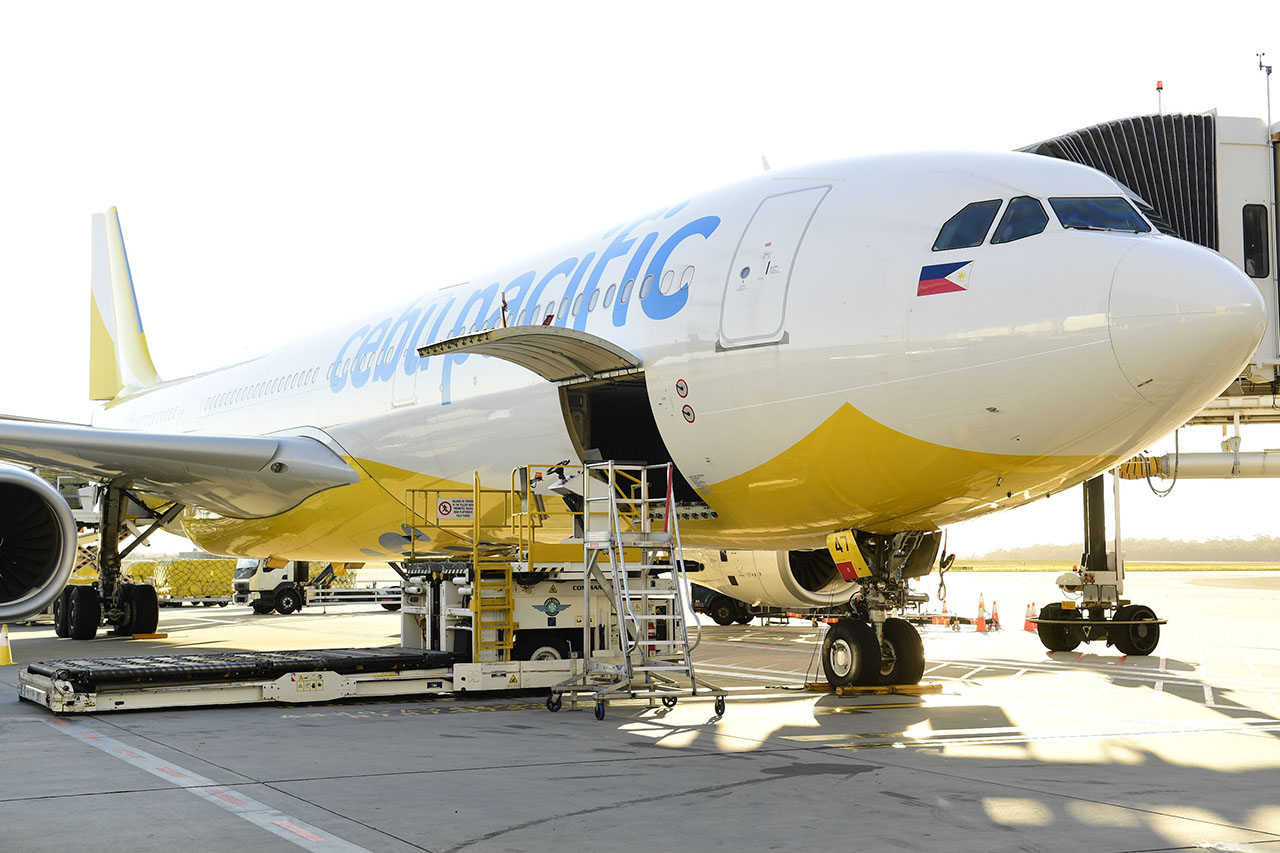
    Australian cities such as Perth and Cairns, as well as destinations in Japan and India, are on the radar for Philippines budget carrier Cebu Pacific as it expands its fleet of Airbus A321neos. Cebu, which already flies direct to Sydney and Melbourne from Manila, is stepping up its re-fleeting program and took delivery of the first of 32 A321neos at the end of January.

    It expects at least five more of the longer-range, fuel-efficient planes during 2019 to support its expansion plans.

    Cebu is known for packing seats into its bigger Airbus A330s and has followed that strategy with the smaller plane.

    The budget carrier has opted for the Airbus Cabin Flex fuselage modifications to give the A321neo 236 ergonomically-designed Recaro seats, slightly below the 244-seat Airbus maximum.

    It expects and Pratt & Whitney  GTF-powered planes to achieve a 20 percent savings in fuel costs as well as other advantages such as a significantly reduced noise footprint and lower maintenance requirements.

    The January delivery brought the total size of its fleet to 72 aircraft, including 43 Airbus A320s and A321s, eight A330s and 20 ATR turboprops.

    While the airline also has mid- and long-term plans for widebody aircraft, its primary focus is currently on the neos.  It is looking to grow its fleet to 83 aircraft in 2022, with 27 of those neos.

    “This year, we’re taking in 12 new aircraft, (the) bulk of it will be the A321neo,’’ Cebu vice president Lance Gokongwei told AirlineRatings.

    “We are continuously studying new routes and destinations, especially with the A321neo that has Northern Japan, India, and other cities in Australia like Perth and Cairns within its capabilities, but plans are not concrete for now.

    “While the A321neo will give us the capability to possibly service a direct route from the Philippines to Perth, we will make announcements on new routes and destinations in due time.”

    Cebu is the Philippines’ biggest carrier by passengers carried and claims a roughly 50 percent market share in terms of domestic travel and cargo.

    Competitor Philippine Airlines (PAL) is also expanding and received a boost in January when Japan’s All Nippon Airways announced it would invest $US95 million to a 9.5 percent stake in the Filipino carrier. PAL is already using the A321neo to service Brisbane.

    However, Cebu is unfazed by the deal and Gokongwei says it is good for the Philippines aviation industry.

    Gokongwei said the two had been partners for many years, including on code-sharing flights, and the investment was something Cebu had factored into its strategy.

    The low-cost carrier was also looking at tapping opportunities in Japan after establishing an office there in 2018.

    “As for the Philippines, we firmly believe that despite the massive growth in Philippine aviation over the past 20 years, there is still much room for expansion,” Gokongwei said.

    “Less than 50 percent of the Philippine population have traveled via air, as compared with Malaysia or Singapore.

    “People here are used to taking the bus and the boat–whereas air travel can be exponentially convenient and not as expensive as it used to be.”

    The airline executive sais there was still “much room”’ to develop Clark International Airport, the former US air base, as a secondary domestic hub.

    “There is also strong demand for inbound flights from North Asia into Cebu, which we have turned into our beach hub as we fly to key island destinations from there, ‘ he added.

    A key to Cebu’s low-cost model is the ability to offer fares that are up to 40 percent lower than those of its competitors, partly through its investment in new and more efficient aircraft and technology.

    But it isn’t all smooth sailing: net income for the airline’s first nine months of 2018 fell 36 percent to 2.78 billion pesos as it grappled with higher fuel costs and a weakening currency.

    “Despite challenges brought on by volatile fuel prices and the foreign exchange of the Philippine Peso, Cebu Pacific has managed to keep sound fundamentals,’’ Gokongwei said.

    “Revenues have been growing by 12 percent annually for the past eight years and we have maintained healthy operating margins.”

  • Espoir Thailand debuts through Eveandboy

    Espoir Thailand debuts through Eveandboy

    Amorepacific-owned makeup brand eSpoir has launched in Thailand via cosmetics retailer chain Eveandboy.

    Nearly 130 eSpoir products are available at Eveandboy stores at Siam Square One shopping mall and at Terminal 21 near Asoke Station.

    The highest-profile eSpoir products include Dewy Face Glow moisturiser with hyaluronic acid, No Wear Lipstick, and Pro Tailor Foundation Be Silk / Be Glow.

    The South Korean brand will launch in eight more Eveandboy stores and an online mall to build a strong presence in the Thailand beauty market and expand channels.

    Amorepacific says it plans further expansion into other Asean countries.

  • Korea now fifth-biggest beauty exporter to EU

    Korea now fifth-biggest beauty exporter to EU


    Korea is now one of the top beauty product exporters to the European Union, surpassing Japan to take the No. 5 spot in terms of value.

    According to a report released by the International Trade Association on 5 June, Korea exported 135 million euros (US$158 million) of beauty products to the EU last year, pushing Japan down to the No. 6 spot.

    The United States took the top spot last year, with 1.2 billion euros of exports to the EU. China came in second with 630 million euros, followed by Switzerland with 574 million euros and Canada with 137 million.

    Although it placed fifth overall, Korea actually recorded the highest year-on-year increase among the top five, at 46.8 percent. The report added that the 135 million euros was a 10-fold increase compared to 2010.

    A major contributor to the rise in popularity of Korean beauty goods across Europe is the growing trend for eco-friendly or vegan lifestyle. The analysis, from Korea International Trade Association’s (KITA) Brussels office, pointed out that Korean brands managed to cater to these changing tastes as they heavily promote the use of natural ingredients like ginseng, green tea and aloe plants.

    This was backed by a survey conducted by Cosmetics Europe in April last year: 52 percent of respondents answered that a product’s effect on the environment was a major factor they considered when making beauty purchases.

    The analysis said that there is a growing perception in Europe that Korean beauty products are good quality. Korean brands also offer products that are otherwise hard to find from European brands, like sheet masks and cushion foundations.

    For companies that aim to launch businesses in Europe, KITA advised that it’s necessary to verify that product ingredients are not animal-tested, as such testing was banned by the European Union in 2013.

    “Several European companies said Korean brands have to work more to increase awareness and particularly make sure to emphasize that they are Korean, as a lot of European consumers know that animal-testing is mandatory for beauty products in China,” said the report.

  • South Korean cosmetics to seduce Europe

    South Korean cosmetics to seduce Europe

    South Korean cosmetics brands, wildly successful at home and across Asia, now have their eye on the European beauty market where their penetration is, for now, only skin-deep.

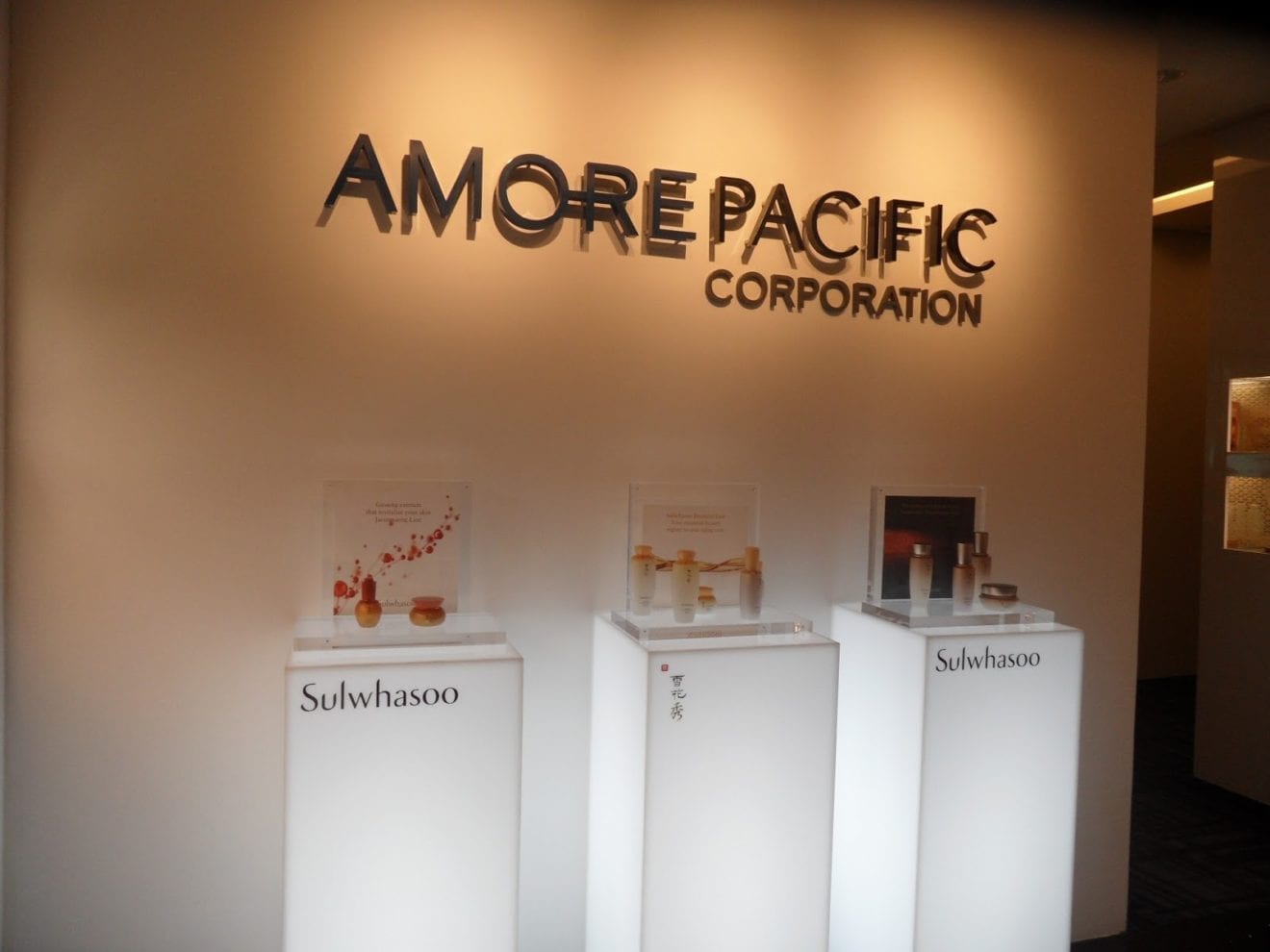
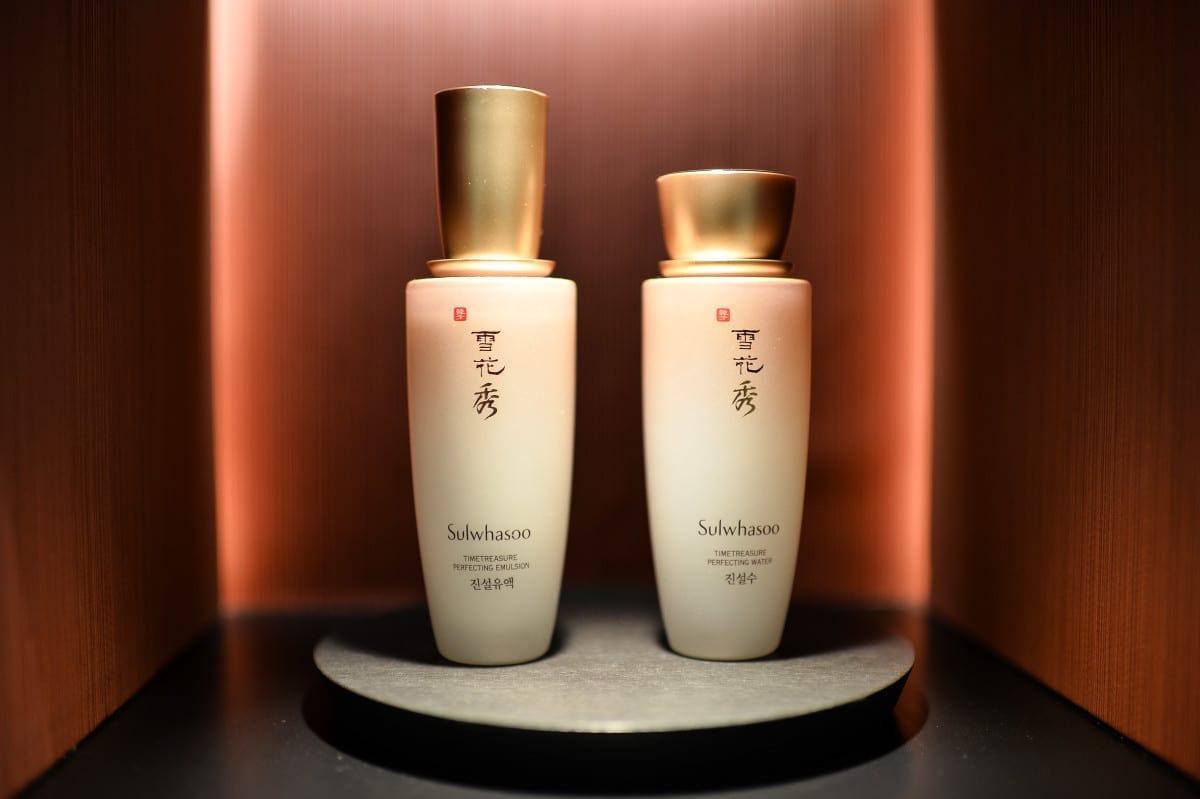
    Picking luxury goods powerhouse France as its bridgehead to seduce European consumers, South Korea’s leading cosmetics firm Amore Pacific launched its top brand Sulwhasoo at the upmarket Galeries Lafayette department store a few months ago.

    Britain is the next planned stop for Amore next year, when the company also plans to launch its other flagship brand, Laneige.

    The Korean industry has a solid reputation for innovation and a particular knack for blending natural far eastern ingredients – such as green tea, ginseng root or even snail slime – into beauty products.

    Hallyu, the “Korean Wave” of pop culture sweeping Asia since the 1990s, has given cosmetics sales a big lift, with young fans wanting to make up just like their K-Drama or K-Pop idols, or even become K-Beauty ambassadors for big brands.
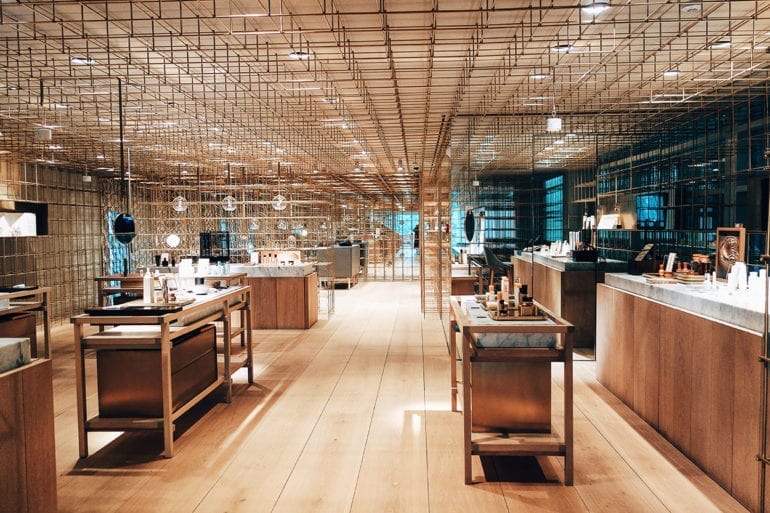
    Amore Pacific, which had sales of around US$5.6 billion last year, is still heavily reliant on its domestic market, which accounts for two-thirds of its revenues.

    Its European and North American operations pale by comparison, generating combined sales of less than US$100 million.

    “The company’s aim today is to widen its geographical presence beyond Asia,” Thierry Maman, head of Amore Pacific Europe, told AFP.

    Tensions with Chinese clients after South Korea allowed the United States to install a missile shield added urgency to the group’s ongoing drive towards “globalisation”, said Maman, who was a manager at French luxury conglomerate LVMH before joining Amore.

    One of the challenges for European expansion is that the Korean Wave of pop culture has not really taken off there.

    The Hallyu association can even be a bit of a drawback, says Laura Koeppler, who co-manages the Korean Smooch online store which sells avant-garde cosmetics made in Seoul to European customers.

    Koeppler said early Korean cosmetics imports to Europe rode a wave of enthusiasm for Kawai, meaning “cute” in Japanese, including TonyMoly and Skin79 which makes face masks in the shape of a panda.

    “Consumers thought that that is what South Korea is about,” she told AFP.

    Koeppler said that, actually “there is real skill” in K-Beauty, which has come up with game-changing products such as BB creams, good at covering imperfections, CC Creams, which improve complexion, and so-called “cushions”, which blend skincare and make-up ingredients into a single product.

    Merging traditional Asian ingredients with ultra-high tech components is another hallmark of Korean cosmetics making.

    South Korean beauty and skincare require different “application rituals” than those Europeans are used to, said Thierry Maman.

    “There is a need for guidance” for European consumers wanting to work Korean products into their routine.

    “The priority for western brands is the effectiveness and the quantity of active ingredients that they manage to incorporate” in a beauty product, he said.

    But in Asia “the smell, the touch and the pleasure that a cream brings” are just as important, according to Maman.

    A number of Western beauty companies have copied South Korean cosmetics inventions, industry experts say.

    But sometimes they simply buy into local companies for fast Asian market exposure, such as when Unilever picked up South Korea’s Carver, LVMH bought a stake in CLIO Cosmetics and Estee Lauder invested in Dr. Jar+ and DTRT.

    These acquisitions “show that western beauty giants acknowledge K-Beauty players as a fast and effective instrument to capture China and emerging Asian markets. Private equity firms will continue to drive such deals, attracting the appetite of western beauty giants”, said Sunny Um, Asian beauty sector analyst at the Euromonitor research firm.

    L’Oreal, the world’s biggest beauty products company, could be next on the takeover trail.

    “We are looking at all acquisition opportunities in South Korea,” L’Oreal’s chief executive, Jean-Paul Agon, said recently.
  • Takashimaya Singapore to sell Hera soon

    Takashimaya Singapore to sell Hera soon

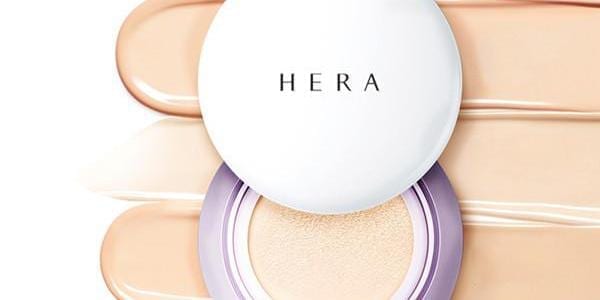
    Korean beauty company Amore Pacific is to introduce its makeup and skincare brand Hera in Singapore with a counter at Takashimaya.

    Launching in April, the counter will offer not only Hera’s full range, but also its Homme line.

    Hera has been one of the main sponsors for Seoul Fashion Week in the past few years, and is fronted by Korean actress Gianna Jun of My Sassy Girl.

    Singapore is only the second country outside Korea after China to have Hera, as reported, , and a standalone store is planned for the third quarter of this year.

  • Politics could add to forces working against Korean cosmetics industry

    Politics could add to forces working against Korean cosmetics industry

    Last week the Korean government announced plan to impose duty free limits to stop third party sales of cosmetics in China, and now, in an unrelated move, the China government’s threats to retaliate over Korea’s deployment of new military defence technology seems to be adding to investor fears.

    Korea has taken a decision to deploy a Terminal High Altitude Area Defence (THAAD) battery, which some experts believe is one of the reasons why investors a dumping shares in Korean companies, a sector that is heavily reliant on exports to China.

    Raising the bar on visas and sanitary regulations

    In the first move, perceived to be a retaliatory step by China authorities, officials recently closed a visa agency catering to Koreans, something that will make it harder for Korean companies to obtain multiple entry visas for doing business in China.

    On top of this, the China trade authorities have also stepped up sanitary regulations governing Korean beauty products, a move that is also likely to put a damper on exports of certain products and make the whole process more difficult.

    “Cosmetics and entertainment stocks have plummeted as China has begun taking steps against Korean companies and individuals doing business on the mainland,” said Daniel Cho, head of research at Daishin Securities, speaking to the Korean Times.

    “The recent decline was largely engineered by the potential THAAD backlash.”

    Those duty free regulations

    Simultaneously, speculation has been growing about the impact of proposed duty free regulations, which are being drawn up to protect the industry, but some experts say this has already had an impact on investors and the value of shares in the country’s big beauty players.

    Last week the Korean customs authorities notified all Korean duty-free retail operators, which include three major operators, that each customer would be limited to buy no more than 50 cosmetic and fragrance products.

    The main objective behind the clamp down is to cut out on the emerging market for cosmetics then be sold on to third-party brokers, and then resold on to other retail channels.

    News of the limit was leaked on the previous Friday and when the Korean Stock Exchange re-opened for trading on Monday, stock prices dropped significantly, with Amore Pacific share prices falling over 2% and LG Household & Health falling 6%.

    In the last few years the rise and rise of Korean cosmetics companies has been attributed to a huge appetite from the China market, but with prices of the products being much higher in China, consumers have taken to shopping holidays in Korea to stock up.

    China drives duty-free cosmetics sales

    Sales of Korean cosmetics have been boosted by chic advertising campaigns, Korean pop and a product innovation pipeline that boasts some of the most cutting edge products available anywhere in the world.

    A large part of this success has been the huge influx of tourism from China, many of whom are going on ‘shopping holidays’ with the main aim of buying up their favourite Korean cosmetic products at a cheaper price than they would pay in China.

    Current figures show that cosmetics make up the lion’s share of Korea’s largest duty free retail chain, Lotte, accounting for 58.9% of sales in the first quarter of this year, and that 70.8% of the company’s overall sales came from Chinese visitors. This up from 63.3% compared to the previous year.

  • K-beauty spreads worldwide

    K-beauty spreads worldwide

    The ‘K-beauty’ market is expanding its sphere of influence beyond Asia, and reaching out to other global markets.

    According to Aju News, a Korean newspaper, Korean cosmetics brands are exploring new markets worldwide. As the global interest in K-pop and K-dramas is rising, women all over the world are now looking at K-cosmetics.

    Amore Pacific has been eyeing the international market since the 1990s. After establishing factories in France and China, the company continued to expand its influence worldwide, with products now being sold in the U.S., Malaysia, Indonesia, Vietnam, Canada, Thailand, the Philippines, Singapore, Myanmar, and Japan, generating global sales of 1.26 trillion won.

    Able C&C’s cosmetics brand Missha is following the lead, spreading K-beauty all over the world. Missha stores can now be found in Brazil, Germany, Mexico, Venezuela, Turkey and Spain. The Brazilian market in particular is expected to generate strong sales growth, as reports show that the local cosmetics market is the fourth largest in the world.

    LG Household & Health Care’s The Face Shop is focusing on the Middle Eastern market, opening 55 stores in five countries – Jordan, Saudi Arabia, UAE, Oman and Armenia.

    Cosmetics brands are using a number of different marketing strategies to aggressively target overseas markets.

    In areas where natural ingredients and safety are important, such as Europe and the US, businesses are attracting customers with their ‘natural’ brands. Some brands promote elements of Korean tradition to attract western consumers. Many are ‘blending in’ with the locals through collaboration with local businesses.

    To boost overseas expansion, the Korea Trade Promotion Corporation (Kotra) is taking steps to boost sales of Korean cosmetics through American and Chinese online shopping sites.

    Kotra will host a ‘K-beauty summit’ to help Korean cosmetics brands export their products. The agency’s ‘online export incubating program’ will be introduced, and is expected to help businesses sell their products through Amazon.

    Kotra is also seeking to secure new trading opportunities in China in collaboration with the online shopping site TaoBao, operated by Chinese eCommerce behemoth Alibaba. The two parties plan to host a K-beauty expo in China during the first half of the year.

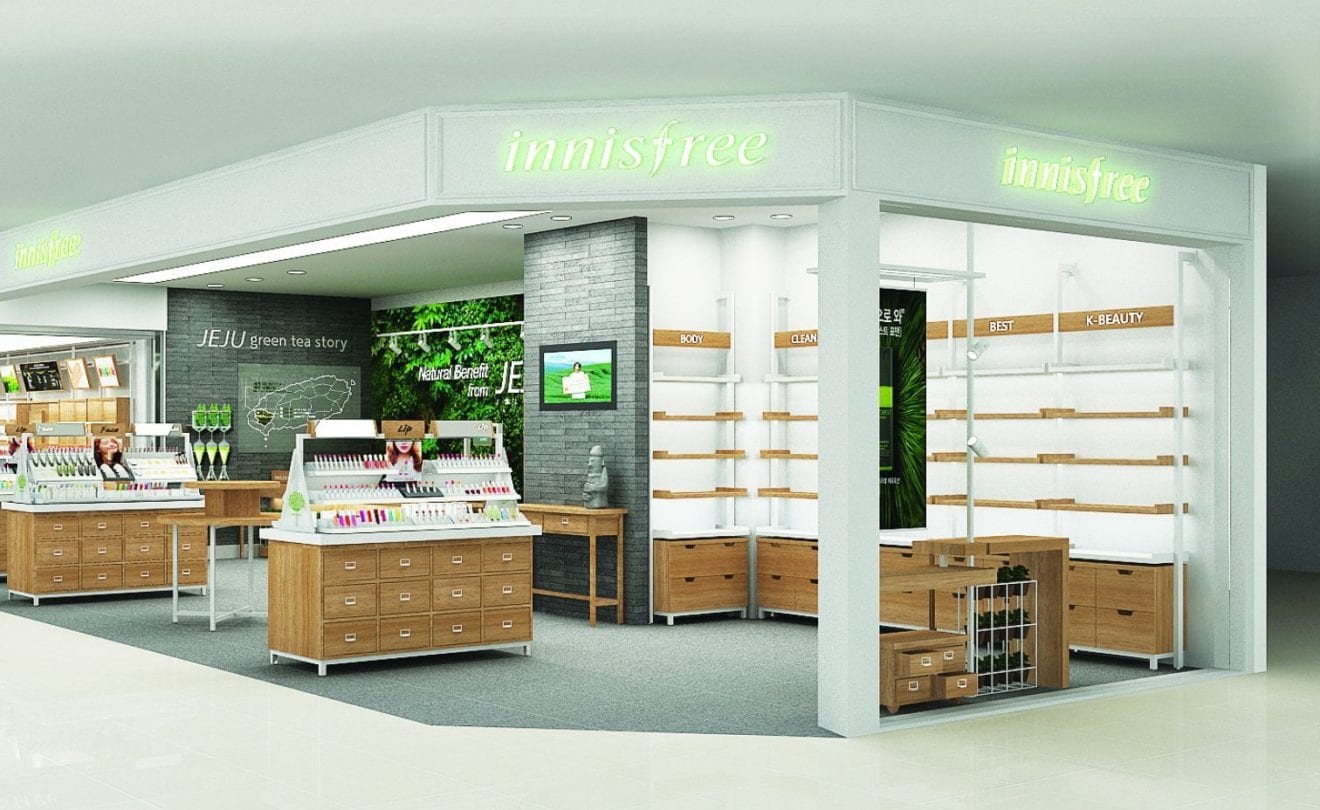
    Innisfree store in Shanghi

    The cooperation with TaoBao is only the start, as Kotra is also planning to work with other online shopping portals such as JD.com.

    Officials at Kotra emphasise the importance of making inroads in the American and Chinese markets to prolong the popularity of the K-beauty trend. They expect to draw the attention of young consumers who are sensitive to fashion and style trends and familiar with online shopping.

  • Korean department stores struggle

    Korean department stores struggle

    Chinese travellers have emerged as one of the few bright spots for Korean department stores suffering from dull domestic consumption.

    The arrival of a new demographic of consumers has prompted an all-out fight to attract deep-pocketed clients, industry officials told Yonhap.

    Sales at department stores inched down 0.4 per cent on-year to 29.22 trillion won (US$23.69 billion) in 2015, Statistics Korea showed, mostly attributable to the Middle East Respiratory Syndrome (Mers) outbreak and rapidly rising online marketplaces.

    While consumption among locals has steadily slowed over the past years, major department stores in downtown Seoul saw growing sales among Chinese nationals.

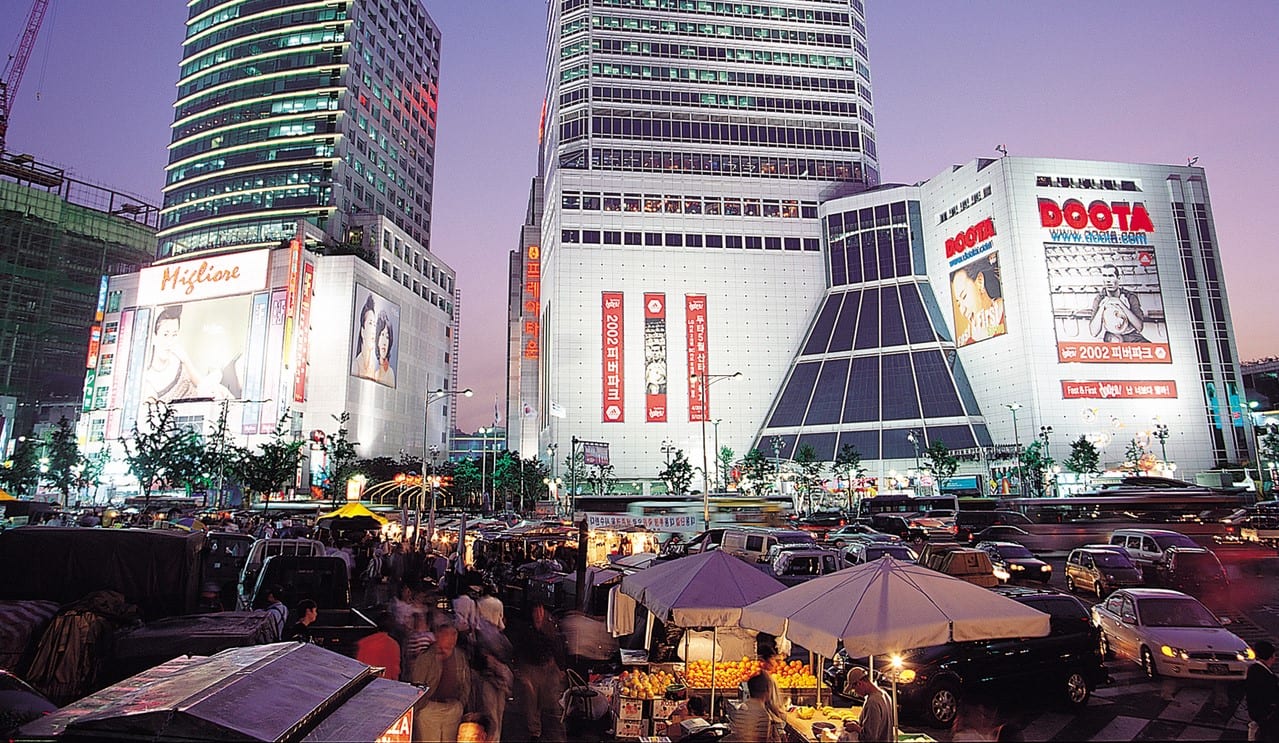
    At Lotte Department Store in the famous shopping district of Myeongdong, sales by Chinese customers accounted for 18.1 per cent of the total, rising 6.8 per cent from a year ago.

    At the nearby Shinsegae Department Store, sales by Chinese customers rose 21.8 per cent in 2015 from a year ago, though the pace slowed from 131 per cent in 2014 and 87 per cent in 2013 in the wake of the Mers outbreak. The store did not release exact sales figures.

    Foreign luxury watch and jewellery brands topped their shopping list, while leading Korean fashion and cosmetic brands were also picked up by Chinese travellers.

    Among them, the Seoul-based luxury bag manufacturer MCM was the second-most selling brand by the Chinese, while sunglass brand Gentle Monster and Amore Pacific’s high-end cosmetic lineSulhwasoo were named as popular items.

    “While the Chinese mostly preferred foreign luxury brands and local cosmetic brands, a wider range of Korean products have been selling among Chinese customers,” said Park Young-hwan, a marketing official at Lotte Department Store.

    In response to the changing consumption trends, Korean department stores have launched a variety of promotional events through social networking services and invited China’s popular bloggers to embrace rich Chinese customers.

    Some stores have even assigned assistants for VIP customers to provide guidance while they shop. Others have offered limousines and pick-up services.

  • Massive Innisfree China store planned

    Massive Innisfree China store planned

    Innisfree, the Korean natural cosmetics brand owned by Amore Pacific, is to open its largest store yet, in China.

    Amore Pacific announced Innisfree China will open an 827 sqm flagship store in Shanghai.

    This is the largest store among all of Innisfree’s retail locations, and reportedly the largest cosmetics store in China.

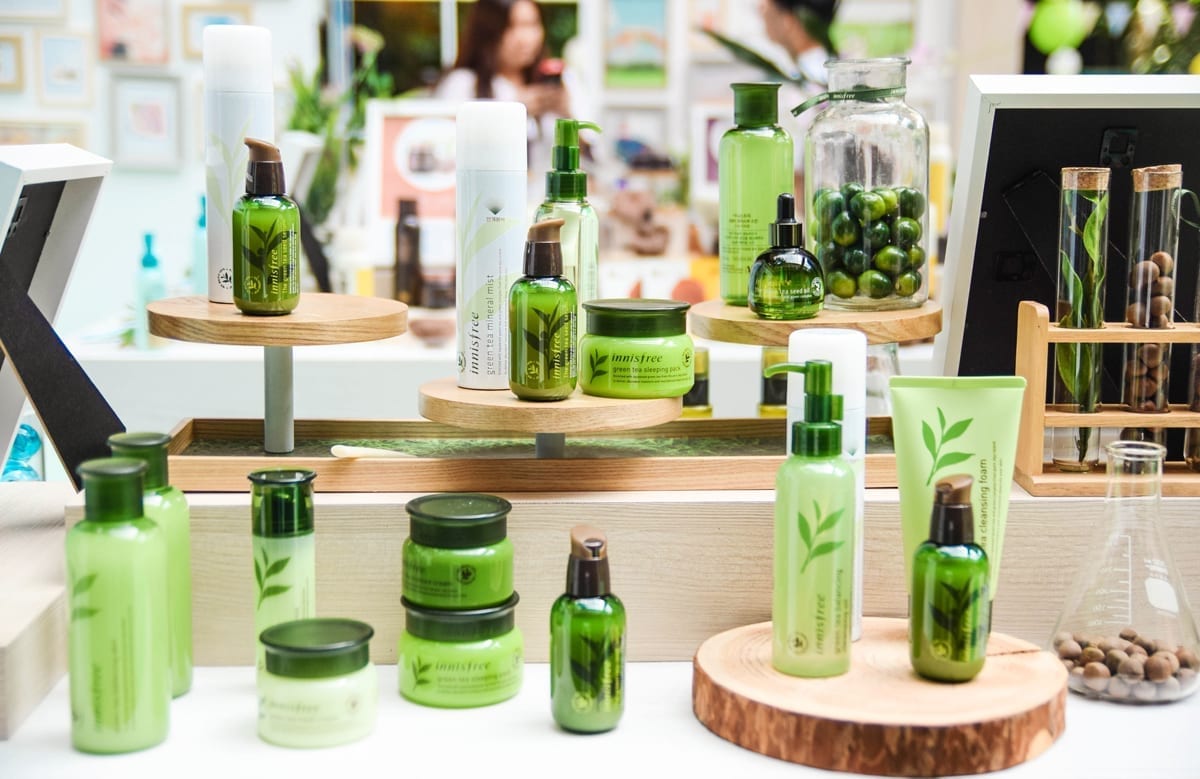
    Since Amore Pacific launched an online store in April 2012, it has been operating 200 offline stores all over China, including in Shanghai, Beijing and Shenyang. Innisfree’s ‘Green Tea Seed Serum’ and ‘Volcanic Ash Pore Mask’ are its highest-selling products.

    Management of Amore Pacific said Innisfree is popular among picky Chinese consumers in their 20s and 30s.

    “We think that the concept of our products made from natural ingredients found on Jeju Island, and the trust in Amore Pacific is an attraction to Chinese consumers.”