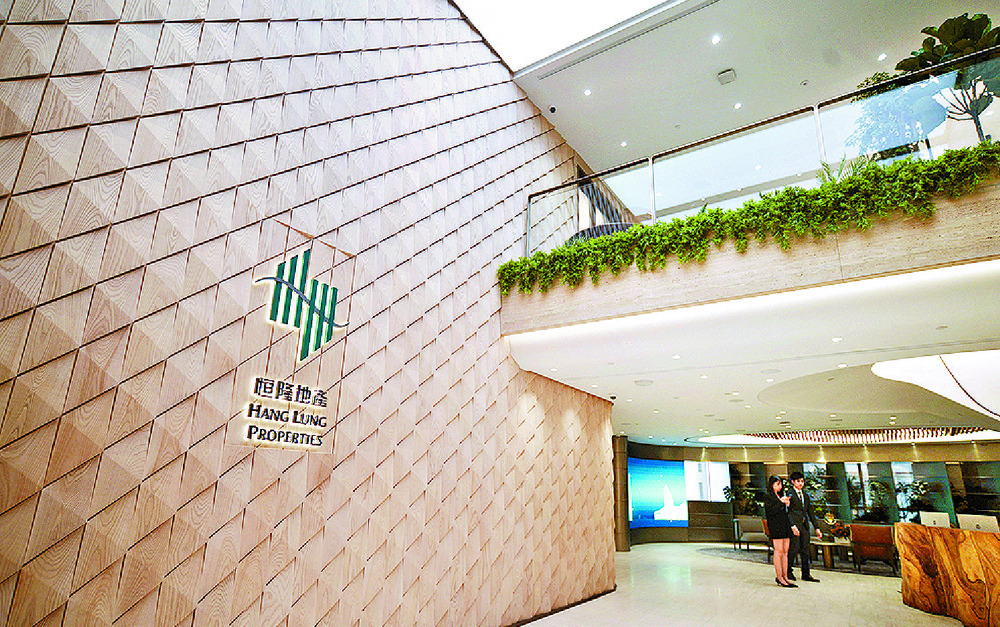
Tag: Amoy Plaza

  • Hang Lung Properties Posts Single-Digit Sales Growth in July

    Hang Lung Properties Posts Single-Digit Sales Growth in July

    Hang Lung Properties recorded single-digit sales growth across its Hong Kong shopping centres in July. A pipeline of tenant openings is scheduled for the fourth quarter.

    Chief executive Weber Lo Wai-pak expects the market recovery to gather pace over the next 18 months as newly leased shop units complete fit-out works.

    Carving Up Flagship Floorplates in Causeway Bay

    Leasing demand in Causeway Bay is shifting to smaller formats rather than single-tenant megastores. At Fashion Walk, the landlord broke up the four-level, 4,274-square-metre space at Hang Lung Centre. Swedish fast-fashion retailer H&M previously occupied the site, exiting in late February when its lease expired.

    Local pharmacy operator Lung Fung Group took over the ground floor. Mainland Chinese womenswear label W. Management leased the first and second floors. Upper levels are being converted into food and beverage concepts.

    Hong Kong shopping malls need to focus on getting the fundamentals right and offering the public new products and activities.

    Adriel Chan, chair of Hang Lung Properties, said fresh brand commitments show sustained confidence in local commercial real estate. Chief executive Weber Lo Wai-pak confirmed foot traffic responds when operators refresh tenant rosters and run targeted events.

    Kowloon Bay Footbridge Drives Neighborhood Traffic

    Decentralised retail assets are generating faster occupancy gains than prime tourist high streets. At Amoy Plaza in Kowloon Bay, retail occupancy reached close to 100 per cent. The gains followed the launch of the developer-funded Amoy Footbridge, which connects the mall to residential blocks at Amoy Gardens.

    Pedestrian counts at Amoy Plaza climbed by a single-digit percentage after the bridge opened. The upgrade drew more than 20 new food and beverage tenants to the second floor alone. That gave the landlord room to lift rents on upcoming renewals.

    Landlords Pivot to Defensive Everyday Retail

    The tenant shift inside Hang Lung Centre reflects a structural change across Hong Kong retail property. Landlords can no longer rely on Western fast-fashion chains to anchor multi-storey flagships at peak rents. Instead, they subdivide big boxes between domestic healthcare retailers, regional food concepts, and mainland fashion brands catering directly to residents.

    Subdividing protects baseline rental yields, but it compresses operating margins. Landlords must fund conversion works and manage higher tenant turnover. The primary risk sits in consumer spending leakage to Shenzhen, where cheaper dining and leisure draw local shoppers across the border on weekends.

    Cautious leasing has marked the territory since border restrictions lifted in 2023. Luxury demand remained uneven through early 2026. Everyday retail hubs and neighbourhood malls maintained stable footfall.

    Retailers and property investors are tracking fourth-quarter trading numbers across Causeway Bay and Kowloon Bay. The figures will show whether renovated spaces deliver projected rental revisions into 2027.
  • Hang Lung posts strong result

    Hang Lung posts strong result

    Hong Kong listed Chinese mall owner Hang Lung Group has reported a three per cent rise in turnover in the first half of 2015.

    The group said revenue reached HK$4.893 billion, with rental turnover up eight per cent to HK$4.148 billion. Property sales income decreased 17 per cent to HK$745 million due to the sale of fewer residential units.

    Overall operating profit of the group increased by three per cent to HK$3.725 billion.

    In Mainland China the group says it has benefited from increased investment in the Chinese market by luxury brands.

    “Our seven shopping malls in mainland China collectively posted an 11 per cent rental income growth to HK$1.684 billion,” the company said in its stock exchange filing.

    That portfolio comprises two malls each in Shanghai and Shenyang, and one each in Jinan, Wuxi and Tianjin. The two malls in Shanghai, Plaza 66 and Grand Gateway 66, contributed nine per cent more in rents to HK$1.059 billion and were almost fully let.

    “The young malls outside Shanghai cumulatively contributed 16 per cent more in rents year-on-year mainly attributable to contribution from the Riverside 66 shopping mall in Tianjin which commenced operation last September. All the young malls are going through different stages of gestation period with ongoing tenants or trade adjustments. Their occupancy rates ranged from 80 per cent to 90 per cent.”

    In Hong Kong, rental turnover of our diversified Hong Kong leasing portfolio rose seven per cent to HK$1.816 billion against the backdrop of declining overall retail sales in the local market.

    “All business segments of our portfolio recorded growth with total profit rose seven per cent to HK$1.556 billion. The resulting leasing margin was 86 per cent.”

    Positive rental reversions of Hang Lung’s Hong Kong commercial portfolio generated six per cent more in rents to HK$1.040 billion.

    “All the malls, which are situated in prime locations of Hong Kong, were virtually fully let. Grand Plaza in Mongkok and Amoy Plaza in Kowloon East both enjoyed a 13 per cent rental growth. The Causeway Bay commercial portfolio posted a five per cent rental income growth, despite Hang Lung Centre has been closed for renovation by H&M since January 2015.

    “The properties in Central collected seven per cent more in rents. The Peak Galleria at the

    Peak contributed extra five per cent leasing income to the Group. Kornhill Plaza, our regional mall in Hong Kong East, posted a stable rental growth of four per cent during the period.”

    Hang Lung said final preparations are underway for the opening of its shopping mall at Olympia 66 in Dalian towards the end of the year. This new mall comprises almost 222,000 sqm of retail area and 1200 car parks.