Tag: Ampol

  • Pryme Snacks Launches Wagyu Jerky Across Coles Nationwide

    Pryme Snacks Launches Wagyu Jerky Across Coles Nationwide

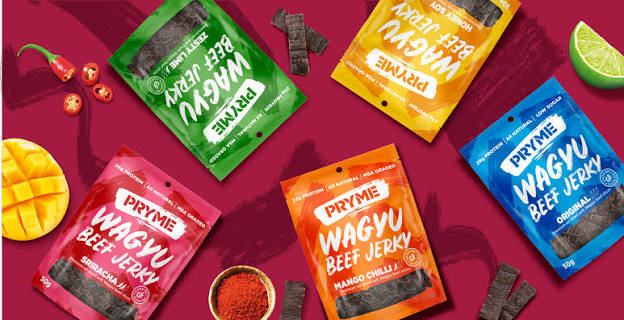
    Pryme Snacks launched its Wagyu jerky across all Coles supermarkets nationwide in October 2026, marking the brand’s largest grocery distribution milestone to date.

    National shelf space across major grocers

    Co-founder Eylon Levy said the Coles agreement transitions the company into a brand with national reach across major retail channels.

    Gaining direct access to major grocery aisles shifts the company from niche distribution to mass consumer volume. Securing national distribution at Coles requires maintaining consistent supply across state distribution centres, testing the company’s manufacturing capacity.

    Expansion through transport and forecourt channels

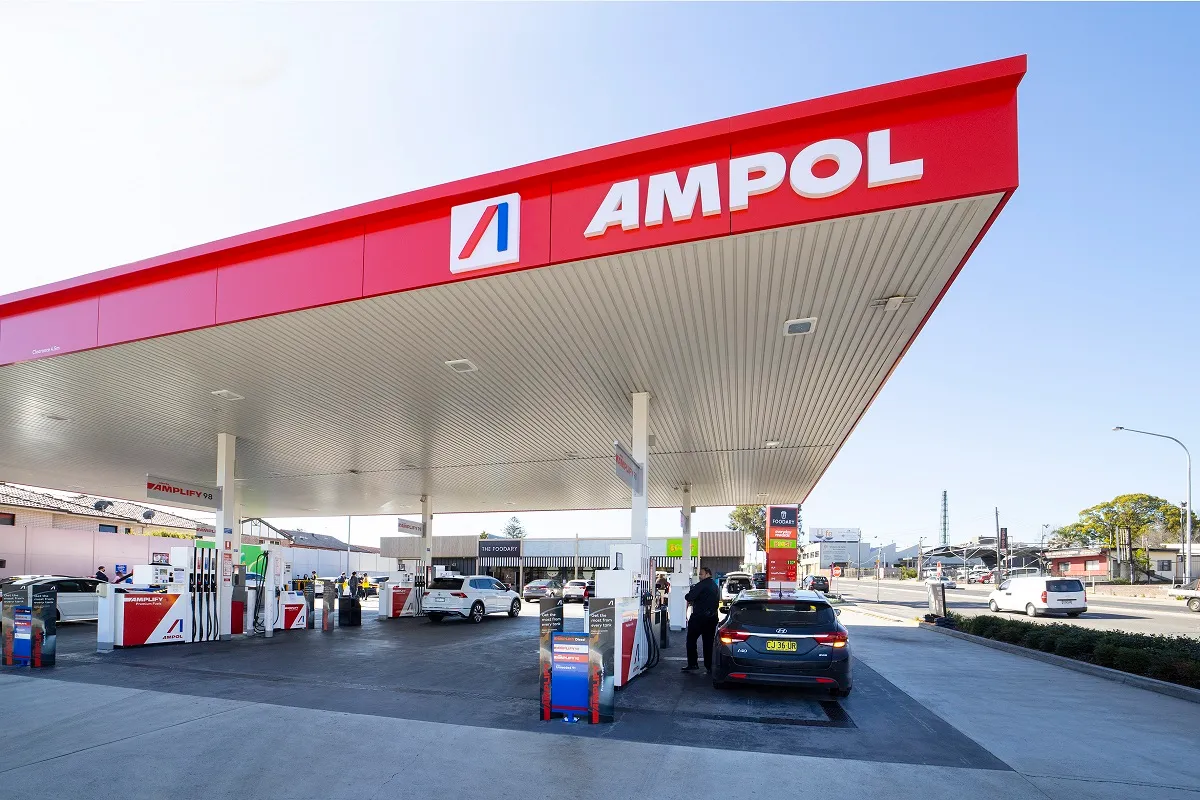
    The Coles rollout follows a series of retail partnerships secured over the past eighteen months. Pryme Snacks gained entry into forecourt retail through an expansion into Ampol service stations in April.

    Travel retail followed four months later. By August, the company placed its jerky into WHSmith outlets across Australian domestic and international airport terminals, capturing impulse purchases from commuter traffic.

    Competition in premium protein snacking

    Meat snacks face heavy competition in Australian grocery aisles, where legacy brands dominate traditional beef jerky fixtures. Premium lines such as wagyu jerky target shoppers seeking higher-grade protein options, commanding higher price points than standard dried meat products.

    Supermarket placement gives independent snack brands high product visibility, but sustaining shelf allocation requires rapid stock turnover. Coles regularly reviews category sales rates, putting pressure on emerging producers to drive consumer uptake without eroding margin through heavy discounting.

    Distribution track record across Australia

    Pryme Snacks began building its wholesale footprint last year through distribution agreements with Metcash, which supplies independent grocers and the IGA network. That base provided the logistics foundation required before pitching national supermarket chains.

    With Coles stores now stocked, inventory turnover rates over the final trading quarter will determine whether the brand secures permanent ranged space and shelf extensions across the category.
  • Soul Origin to Double Store Network to 400 Locations over 10 Years

    Soul Origin to Double Store Network to 400 Locations over 10 Years

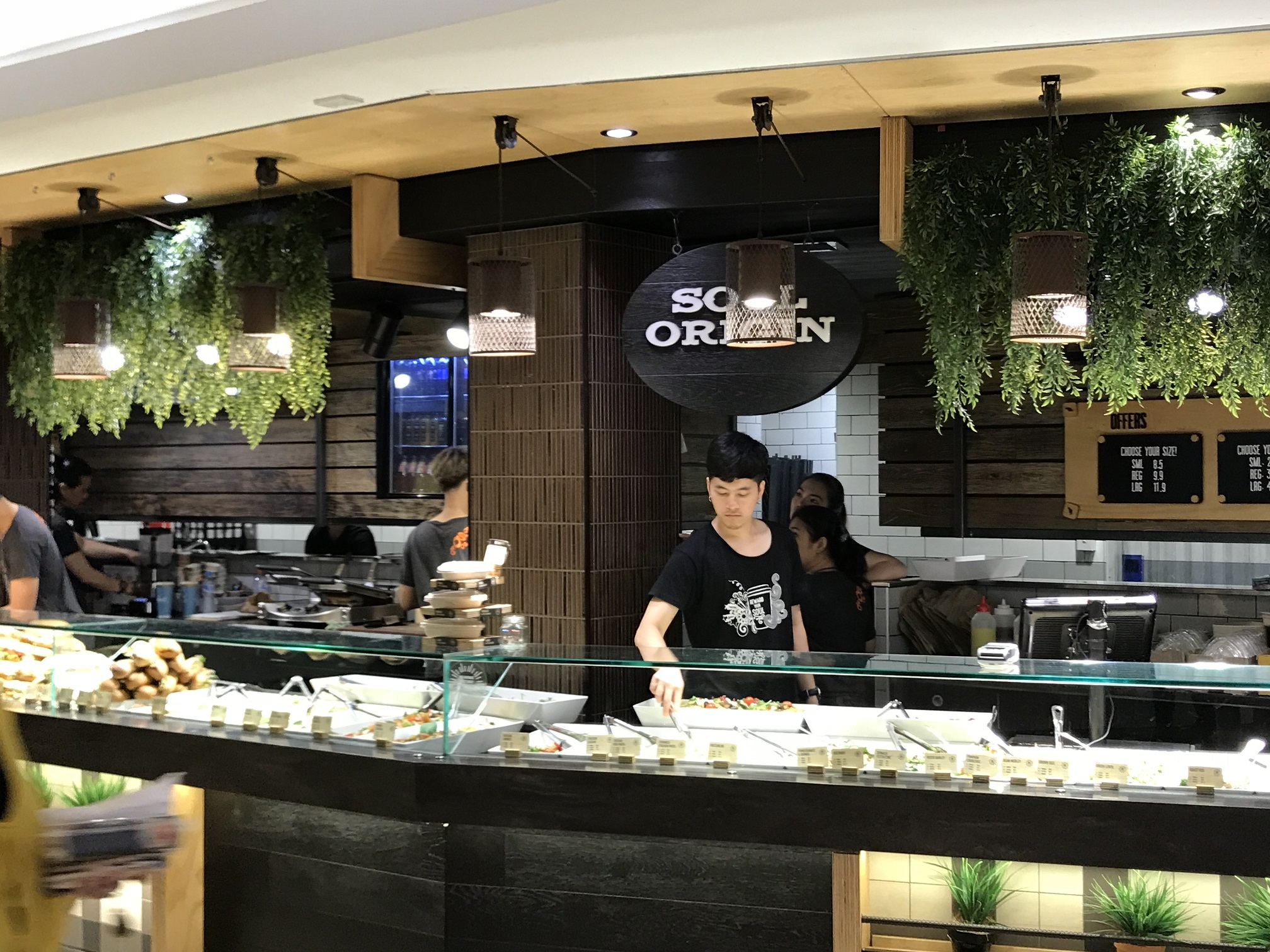
    Fast-casual chain Soul Origin plans to more than double its store network to approximately 400 locations globally over the next 10 years.

    The company, which marks its 15th anniversary this year, has grown into a network of 178 locations with around 22 million customer visits each year. Opening 15 to 20 stores annually across Australia, New Zealand and additional international markets will drive the expansion.

    Shifting Out of the Food Court

    Alongside continued growth in shopping centres, Soul Origin will add more regional, drive-through, airport, hospital, university and service-centre locations. Six new stores are scheduled to open before Christmas, including a new company-owned flagship at Sydney International Airport.

    Highway retailing forms a central pillar of the push. Soul Origin operates a hybrid service-centre format in partnership with fuel retailer Ampol, with two additional co-located sites scheduled to open before the end of the year. The business is scouting further roadside and regional plots across New South Wales, Queensland and Victoria.

    Trans-Tasman Growth and Extended Trading

    New Zealand represents the immediate cross-border priority. The company currently runs four stores across the country and has mapped out approximately 10 additional openings there over the next two years.

    Longer operating hours in roadside and transit hubs require a wider menu. Kitchens across the network are rolling out hot dinner items, matcha drinks and expanded iced beverage selections. Soul Origin is also taking side dishes and add-ons first tested in its drive-through prototypes and adding them to traditional metro counters.

    Franchise Pressures and Highway Formats

    Transitioning from enclosed shopping mall food courts into roadside and transit locations alters the underlying store economics. Food court units rely on captive foot traffic with heavy daytime peaks, whereas highway service centres and airport terminals demand split-shift staffing, higher capital expenditure for kitchen fit-outs and steady evening volume to recover rent.

    Competing quick-service operators across Australia and the wider region have pursued identical fuel-convenience partnerships to escape rising mall occupancy costs. For Soul Origin, sustaining average transaction values during afternoon and dinner trading will determine whether these extended-hour formats generate acceptable returns for franchise partners.

    Management Transition at Fifteen Years

    The expansion plan arrives as the company marks 15 years since its founding as a single family-run food outlet. Current chief financial officer George Gebran will step into the chief executive role on October 1 to manage the operational expansion.

    Co-founder and current managing director Hao Quach will step down from day-to-day management on the same date. Quach will remain with the business to focus on long-term strategy, market entry and corporate development.

    Network development will center on the delivery of the six pre-Christmas openings, the performance of the new Sydney Airport terminal site, and the execution of the 10-store pipeline planned for New Zealand through 2028.

  • Viva Energy Convenience Earnings Jump 86% in First Half

    Viva Energy Convenience Earnings Jump 86% in First Half

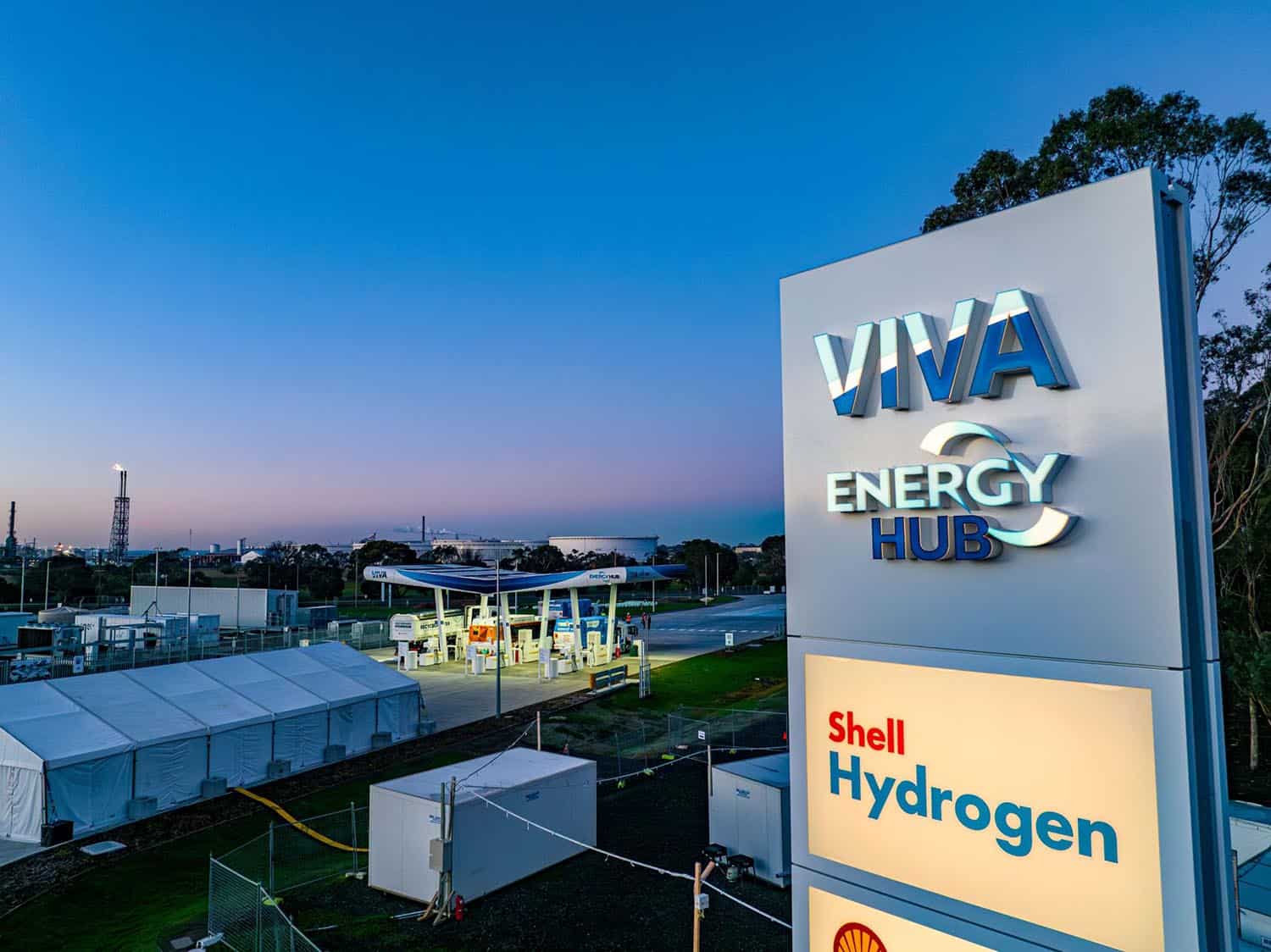
    Viva Energy lifted adjusted EBITDA in its convenience and mobility division by 86.4 per cent to $774.4 million in the first half ending June 30.

    The convenience and mobility arm contributed $138.7 million to underlying group earnings, supported by higher retail fuel margins and stronger customer footfall across its Australian service stations. Group EBITDA rose 154 per cent to $774.4 million, landing inside the company’s previously stated guidance range.

    Liberty Integration Adds Volume

    Acquisition volume drove a substantial share of the division’s gains. Viva Energy integrated the Liberty Convenience network in March, adding retail fuel throughput and boosting non-fuel convenience sales across company-operated sites.

    The group’s performance mirrors a broader trend across Asia-Pacific fuel retailing, where operators such as rival Ampol are pivoting heavily toward convenience store merchandising to offset volatile refining margins. Forecourt retailers across the region are redesigning site formats to capture higher-margin grocery and ready-to-eat food sales from commuter traffic.

    Network Optimization Continues

    Management continues to roll out convenience upgrades across the company’s retail footprint. The operational focus shifts to second-half store conversion targets and margin retention across the integrated Liberty and Shell-branded network.

  • Ampol Convenience Earnings Rise 12% to $299 Million in First Half

    Ampol Convenience Earnings Rise 12% to $299 Million in First Half

    Ampol Limited lifted its convenience division earnings 12 per cent in the first half of 2026, riding out global oil market volatility linked to Middle East tensions. Adjusted earnings before interest, tax, depreciation and amortisation for the retail network reached $299 million on a replacement-cost basis.

    Earnings before interest and tax in convenience climbed to $204.5 million for the six months ended June 30. Across the wider group, underlying net profit after tax on a replacement-cost basis reached $857.2 million.

    Volume Gains on the Forecourt

    Convenience fuel sales volumes rose 2.4 per cent during the half. Growth centered on base-grade petrol and standard diesel, helped by steady product availability across company-controlled forecourts while wholesale supply chains faced regional shipping constraints.

    Higher pump throughput carried additional foot traffic into store aisles. The shift toward value-oriented base fuels reflects tighter household budgets across Australian metro and regional markets, where motorists continue to trade down from premium fuel grades.

    Shifting Margins Across the Network

    Forecourt operators across Australia and Southeast Asia face a tricky balancing act between volatile wholesale procurement costs and sticky retail shop margins. Competitors such as Viva Energy and standard supermarket-aligned fuel sites have stepped up food and drink promotions to offset lower margins on refined fuel imports.

    Ampol relies on its domestic refining and supply infrastructure to keep supply steady when geopolitical shocks disrupt trade routes. The focus turns to whether retail shop baskets can hold their value into the second half as motorists watch day-to-day spending at the register.

  • Eg Group Eyes Billion-dollar Divestment Of Australian Service Station Network

    Eg Group Eyes Billion-dollar Divestment Of Australian Service Station Network

    EG Group Plans to Divest Australian Service Station Network

    UK-based EG Group is planning to divest its EG Ampol service station network in Australia. Ampol, EG Group’s wholesale supplier, is considered the most likely purchaser.

    EG Group acquired 540 fuel convenience sites from Woolworths in April 2019 for $1.73 billion. The company is now reportedly looking to sell its Australian division to mitigate losses and withdraw from the marketplace.

    Insiders report that EG Group and its advisors are in confidential discussions with prospective buyers regarding a sale valued at over $1 billion.

    Ampol as the Probable Buyer

    Ampol, EG Group’s wholesale supplier, has surfaced as the possible buyer, given that the service station chain bears its name. Ampol has been delivering fuel to the business under a long-standing commercial agreement dating back to the time when Woolworths was the proprietor.

    Over the years, Ampol has made several acquisitions, including Milemaker in Melbourne, Gull NZ, SeaOil and Z-Energy in New Zealand.

    EG Ampol’s Performance

    As of the end of the previous year, EG Ampol had 517 locations. Its annual sales had fallen 6.4% to $4.24 billion.

    EG Group has shut down marginally profitable or loss-making sites. The retail fuel volumes industry-wide have also witnessed a decline as more drivers shift towards hybrid or electric vehicles.

    Another significant player in the sector is Viva Energy, which acquired fuel and convenience store chain operator OTR Group for $1.22 billion last year.

    Questions & Answers

    What is EG Group planning for its EG Ampol service station network?
    EG Group is reported to be planning to sell its EG Ampol service station network in Australia.

    Who is the most likely purchaser of this network?
    Ampol, EG Group’s wholesale supplier, is considered the most likely purchaser of the network.

    What has been the impact on the retail fuel volumes industry-wide?
    The retail fuel volumes have declined across the industry as more motorists shift towards hybrid or electric vehicles.

  • Snickers unveils Creamy Peanut Butter bar in Australia

    Snickers unveils Creamy Peanut Butter bar in Australia

    Snickers has released its limited-edition Snickers Creamy Peanut Butter bar in Australia for the first time.

    The Snickers Creamy Peanut Butter bar is made with real peanut butter, silky smooth caramel and fresh ground peanuts, enrobed in the rich Snickers chocolate.

    Mars Wrigley Australia Marketing Director Ben Hill says the variation has been a smash hit overseas, and he’s excited for Australians to finally get their hands on the product.

    “We know how much our customers love the classic Snickers bar, with its satisfying layers of nougat, caramel, and the signature peanut crunch,” he says.

    “Now, thanks to this innovation in texture, our fans can get Snickers satisfaction in both crunchy and smooth – something that is sure to delight peanut butter fans of all kinds.”

    Snickers Creamy Peanut Butter is available in a 36g twin pack for RRP $2 from leading retailers including Woolworths, Coles, Metcash, 7 Eleven, Coles Express, BP, Ampol, ALDI and Big W.