Tag: Announces

  • Singapore Announces $230 Boost in Living Support Vouchers Amid Rising Mid-East Conflict Costs

    Singapore Announces $230 Boost in Living Support Vouchers Amid Rising Mid-East Conflict Costs

    In response to escalating costs associated with the Middle East conflict, the government of Singapore has announced its intention to provide each household with an additional allotment of Community Development Council (CDC) vouchers, valued at SGD 300 (USD 230). This additional distribution, set for January of next year, supplements the SGD 500 in CDC vouchers that were disbursed recently.

    Voucher Distribution and Utility Rebates

    Fifty percent of these vouchers can be utilized at select local merchants and food stalls, with the remainder to be used at participating supermarkets. The validity of these vouchers extends until December 31, 2027. Alongside these vouchers, eligible households can anticipate double the usual amount in U-Save utility rebates in October of this year and in January of the next. These rebates will range from SGD 110 to SGD 190.

    These additional vouchers and rebates are part of a SGD 900 million assistance package designed to alleviate the burden of heightened energy costs linked to the Middle East conflict. This package represents the second round of support measures initiated by the government in response to the conflict, following an initial SGD 1 billion package launched in April. The first package expedited the delivery of CDC vouchers and provided SGD 200 in cash to workers in the platform industry, private-hire car drivers, and taxi drivers. It also increased a cash assistance program called the Cost-of-Living Special Payment, enabling eligible Singaporean adults to receive SGD 400 to SGD 600 in September.

    Economic Forecast and Support Measures

    Despite a stronger than anticipated performance from Singapore’s economy, which saw a 6.3% growth in the first quarter and an estimated 5.7% growth in the second quarter, the government continues to listen to sectors of the economy indicating the need for ongoing assistance. Predicting the future is challenging given the considerable uncertainty over the coming months, and it remains unclear whether current economic conditions will deteriorate or if strong economic performance will continue.

    Implemented in 2020 and subsequently expanded, the CDC vouchers have been distributed annually to assist households in managing increasing living costs and to support businesses. Senior Minister of State for Trade and Industry, Low Yen Ling, reported that between January and July 28, households have spent about SGD 1.03 billion worth of CDC vouchers and SG60 vouchers which were distributed last year to celebrate Singapore’s 60th anniversary.

    Questions & Answers

    What is the purpose of the Community Development Council (CDC) vouchers?
    The CDC vouchers were introduced by the Singapore government to help households manage rising living costs and to support local businesses.

    Who are the recipients of the CDC vouchers and the U-Save utility rebates?
    Every household in Singapore is eligible to receive the CDC vouchers. The U-Save utility rebates are given to specific households that meet certain criteria.

    How can the CDC vouchers be used?
    Half of these vouchers can be used at eligible local merchants and food stalls, and the remaining half can be spent at participating supermarkets.
  • Onitsuka Tiger to Roar Solo: Asics Announces Spin-off for Enhanced Global Competitiveness

    Onitsuka Tiger to Roar Solo: Asics Announces Spin-off for Enhanced Global Competitiveness

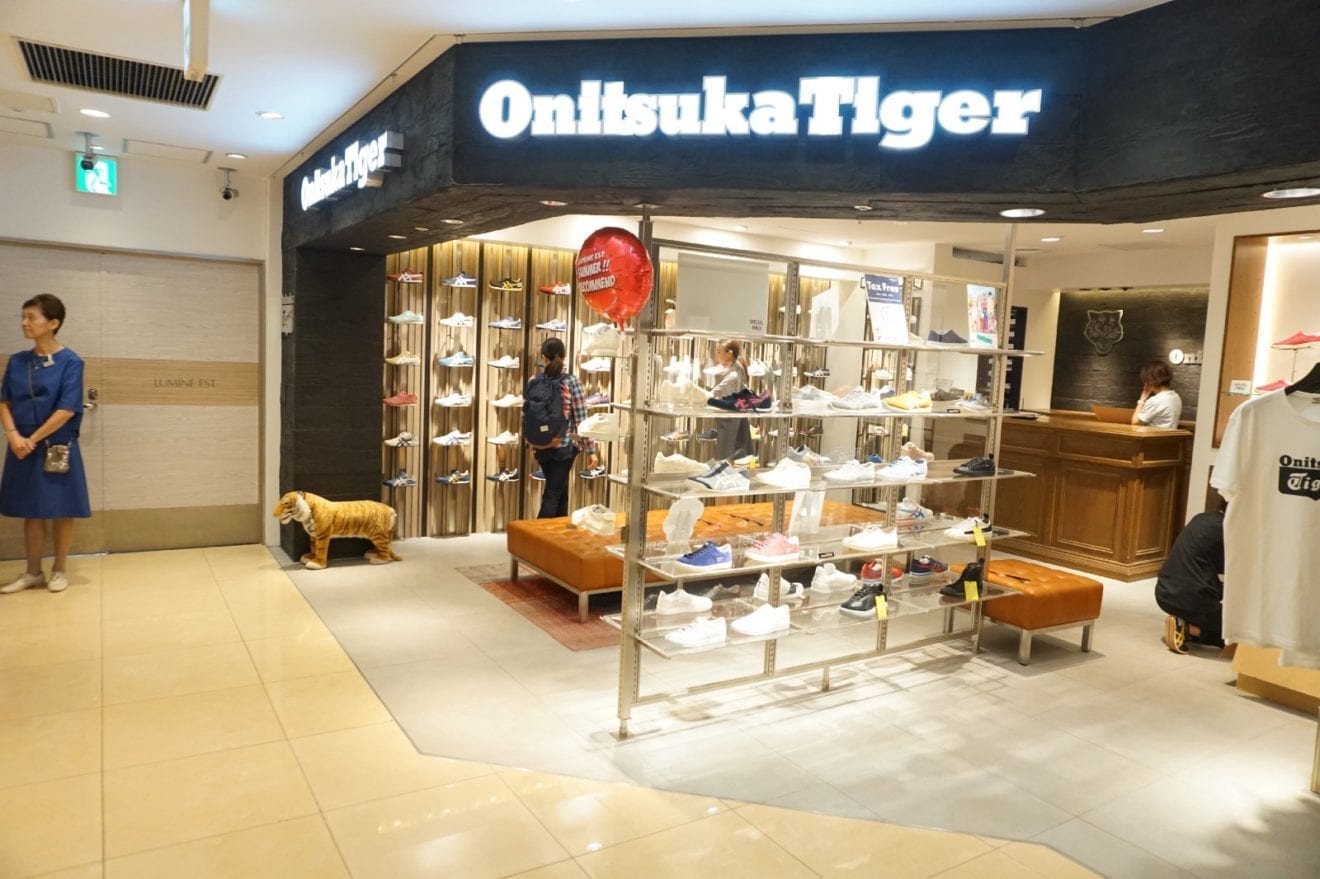
    In a strategic move to bolster its global standing, Asics Corporation has announced plans to bifurcate its Onitsuka Tiger business into an independent, wholly owned subsidiary, effective from January 1. This segment will transition to a newly conceived entity, OT Group Corp, through a company division. While Onitsuka Tiger will be afforded greater independence, it will simultaneously remain an integral part of the Asics Group.

    Onitsuka Tiger: A Legacy of Growth and Innovation

    This decision stems from the consistent, robust growth exhibited by Onitsuka Tiger, underpinned by its upscale positioning, international proliferation, and product development exploration. As a core element of Asics’ internal organizational structure, the brand has prioritized broadening its lattice of directly operated stores while reinforcing its status as a luxury lifestyle brand.

    Asics asserts that this restructured arrangement is set to facilitate expeditious decision-making and an adaptive response to fluctuating market conditions and consumer predilections. Concurrently, it will augment the brand’s worth and competitive edge in the international fashion and lifestyle sphere.

    Onitsuka Tiger, originally established as a sports shoe brand by Kihachiro Onitsuka in 1949, was rejuvenated as a fashion label in 2002. Since its revival, it has metamorphosed into a globally recognized lifestyle brand, seamlessly marrying Japanese tradition with contemporary design elements.

    Questions & Answers

    **What is the primary reason for Asics splitting the Onitsuka Tiger business?**
    Asics is aiming to boost the brand’s global competitiveness by enabling faster decision-making, improving its response to changing market conditions and consumer trends, and enhancing its value and competitiveness.

    **How does Asics plan on maintaining its relationship with Onitsuka Tiger post-split?**
    The Onitsuka Tiger brand will operate as an independent, wholly owned subsidiary under the newly formed OT Group Corp but will continue to be a part of the Asics Group.

    **What has been the trajectory of the Onitsuka Tiger brand since its inception?**
    Onitsuka Tiger was initially a sports shoe brand founded in 1949. In 2002, it was resurrected as a fashion label and has since evolved into a global lifestyle brand that artfully blends Japanese heritage with modern design.

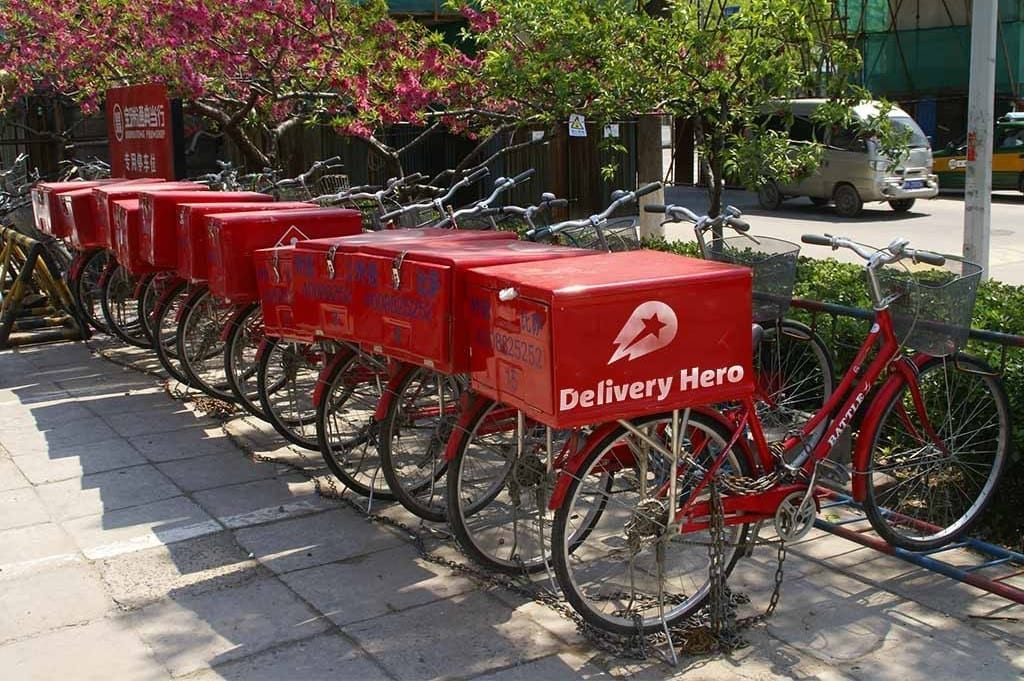
  • Delivery Hero Initiates CEO Successor Hunt as Niklas Ostberg Announces Resignation

    Delivery Hero Initiates CEO Successor Hunt as Niklas Ostberg Announces Resignation

    Niklas Ostberg, the founder and CEO of Delivery Hero, is set to step down from his leadership role after a notable 15-year tenure at the helm of the global food delivery enterprise. As a result, the company has launched a search to find a suitable successor to fill Ostberg’s shoes.

    Ostberg will continue to manage the operations and lead the team until his successor is officially appointed, with the deadline for this set for March 31st of next year. The transition is likely to be finalized by the end of the year, ensuring a smooth transfer of responsibilities.

    Delivery Hero: Entering a New Era

    According to the company, this succession plan comes just as Delivery Hero is on the brink of stepping into a new phase that’s characterized by strategic development and a renewed focus on operations.

    Ostberg feels confident that this transition comes at an appropriate time. He stated, “This is the right moment to begin handing the company over to its next chapter.” He elaborated on the company’s future direction, pointing out the strategic review announced in December, which has paved the way for deeper market penetration, increased customer engagement, and enhancements to the consumer offering under the Everyday App strategy.

    Founded in 2011, Delivery Hero has grown to operate in over 60 markets worldwide, with multiple brands, including Foodpanda, Glovo, and Talabat under its umbrella.

    In a significant development earlier this year, Grab agreed to purchase Delivery Hero’s Foodpanda delivery business in Taiwan for a whopping US$600 million in cash. This marks the first major expansion of the Singapore-based super app beyond the boundaries of Southeast Asia.

    Questions & Answers

    Who is expected to replace Niklas Ostberg as CEO of Delivery Hero?
    A replacement for Niklas Ostberg has not been announced as yet. The company is currently in the process of finding a suitable successor.

    What is the future strategy of Delivery Hero as announced in their December review?
    The future strategy of Delivery Hero includes penetrating deeper into their markets, increasing customer touchpoints, and improving the consumer offering under the Everyday App strategy.

    What is the significance of Grab’s acquisition of Delivery Hero’s Foodpanda in Taiwan?
    Grab’s acquisition of Foodpanda in Taiwan marks the first major expansion of the Singapore-based super app beyond Southeast Asia. This could potentially lead to further expansion and growth for Grab in the future.

  • KK Mart Announces Massive IPO: A Game-Changer in the Malaysian Convenience Store Industry

    KK Mart Announces Massive IPO: A Game-Changer in the Malaysian Convenience Store Industry

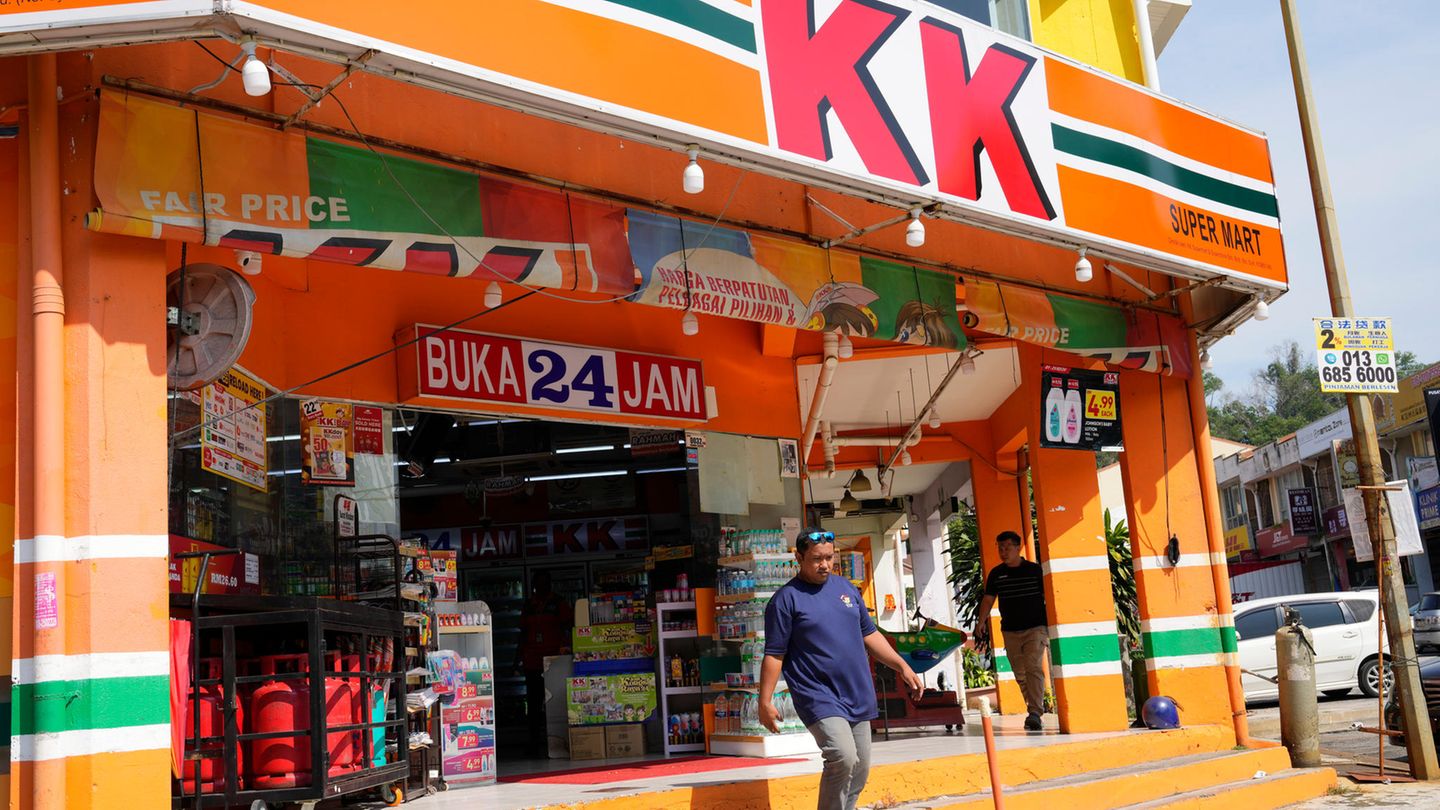
    KK Mart Retail Bhd, the parent company running the KK Super Mart and KK Mart convenience store chain, has revealed plans for an initial public offering (IPO) on Bursa Malaysia. The news came as the company filed a draft prospectus with the Securities Commission Malaysia earlier this week.

    Details of the IPO

    Although the prospectus does not provide specific details about the IPO price, overall fundraising size or listing schedule, it does confirm that the IPO will involve up to 840 million shares. This sum includes the sale of as many as 630 million existing shares, along with the issuing of 210 million new shares.

    Current Operations

    At present, KK Mart operates 996 convenience stores throughout Malaysia. The stores provide customers with everyday essentials and services, such as bill payments and mobile top-ups.

    Use of IPO Proceeds

    The funds raised from the new shares will be allocated to various areas of the business. These include expanding store operations and distribution centers, investing in the digital sphere and IT capabilities, repaying bank loans, and covering the expenses associated with listing.

    The Maybank Investment Bank will serve in multiple roles for this offering, including as the principal advisor, the sole bookrunner, underwriter, and placement agent.

    Questions & Answers

    What is the expected IPO price and total fundraising size for KK Mart Retail Bhd?
    As of now, the company has not disclosed any specific details about the IPO price or the total fundraising size.

    How many convenience stores does KK Mart currently operate?
    KK Mart currently operates 996 convenience stores across Malaysia.

    How will the proceeds from the new shares be used?
    The proceeds from the new shares will be used for expanding store operations and distribution centers, investing in digital and IT capabilities, repaying bank loans, and covering listing-related expenses.

  • Heineken CEO Dolf van den Brink Announces Exit, Readies Company for Next Chapter of Growth

    Heineken CEO Dolf van den Brink Announces Exit, Readies Company for Next Chapter of Growth

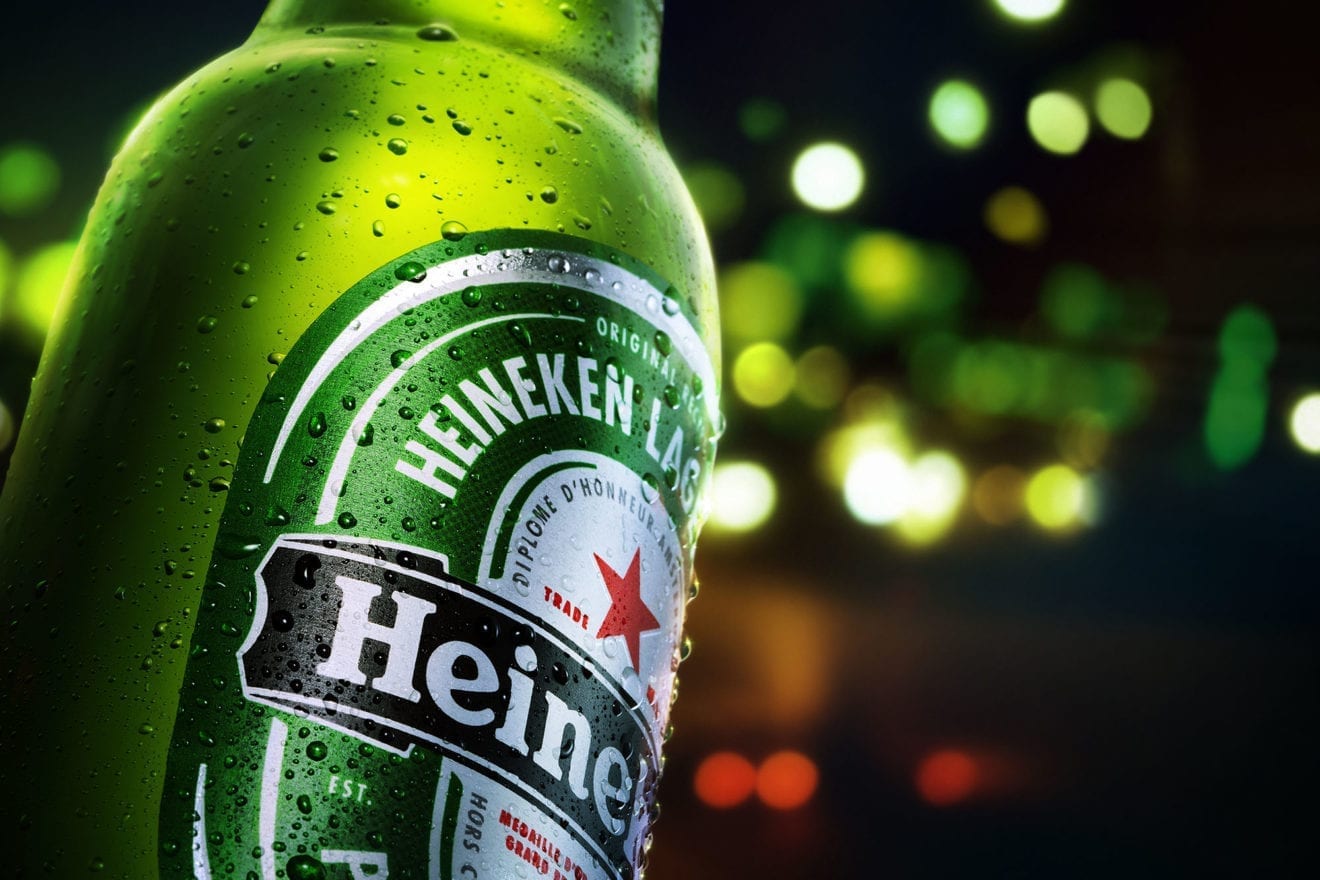
    Heineken’s chief executive officer, Dolf van den Brink, has announced that he will be relinquishing his position on May 31, putting an end to his near six-year tenure as the leader of the renowned Dutch brewer.

    Career Overview of an Esteemed Leader

    Van den Brink boasts of a remarkable history with Heineken, spanning more than 28 years. During his time with the company, he climbed the corporate ladder to spearhead the organization through a global expansion phase and a crucial strategic reorientation. His forthcoming departure aligns with Heineken’s ongoing implementation of its EverGreen Strategy 2030, which concentrates on sustainability, premiumisation, and digital transformation across principal markets. Van den Brink has committed to continue providing guidance in an advisory capacity for eight months to ensure a seamless transition of leadership.

    In a statement on his LinkedIn account, van den Brink expressed his gratitude, saying, “Having the opportunity to lead Heineken has been the most significant honour of my professional life, and this decision was undoubtedly one of the most difficult I’ve had to make. Over the last six years, we have instigated a substantial transformation of the business and successfully delivered EverGreen 2025, all the while navigating a challenging external landscape. Having recently introduced the bold EverGreen 2030 strategy, I believe it’s the right time for a leadership shift to further actualize this vision.”

    Commendation and Succession Planning

    Peter Wennink, the chair of Heineken’s Supervisory Board, lauded van den Brink’s leadership and announced that the board is now initiating a global search for his replacement. Wennink stated, “The next phase will be centered around bringing this strategy to life through disciplined execution of our strategic growth ambitions. With this in mind, the Supervisory Board agrees it is the appropriate time to commence the succession process to secure robust leadership for the future.”

    However, Heineken has not yet disclosed a timeline for the appointment of its new CEO.

    In October, Heineken revealed a refreshed five-year plan that aims to drive growth with fewer resources by focusing on core brands and markets. Under this strategy, Heineken anticipates a mid-single-digit annual organic net revenue growth through 2030.

    Questions & Answers

    What is Dolf van den Brink’s tenure period with Heineken?
    Van den Brink has been with Heineken for more than 28 years, serving as CEO for nearly six years.

    What is the EverGreen Strategy 2030?
    The EverGreen Strategy 2030 is Heineken’s plan focusing on sustainability, premiumisation, and digital transformation across key markets.

    What does Heineken’s updated five-year plan entail?
    Heineken’s updated five-year plan targets growth with fewer resources by concentrating on key brands and markets, expecting a mid-single-digit annual organic net revenue growth through 2030.

  • Samsung Challenges Apple’s Dominance: Unveils Project Moohan, Its First XR Headset

    Samsung Challenges Apple’s Dominance: Unveils Project Moohan, Its First XR Headset

    Samsung has officially entered the extended reality (XR) market with the announcement of its “Worlds Wide Open” Virtual Galaxy Event. The event, which will live-stream on October 21st at 10 p.m. ET, will reveal “Project Moohan,” the company’s first XR headset.

    A New Entrant in the XR Arena

    Samsung’s “Project Moohan” is the first device to be officially unveiled as a product of the collaboration between Samsung, Google, and Qualcomm in the XR space. The headset is built on the new Android XR platform and marks the dawn of “multi-modal AI.” The design of the product has been kept under wraps until its official reveal at the event. To create excitement among customers, Samsung is offering a $100 reservation credit on its official website.

    Why This is a Significant Development

    The XR space has been primarily dominated by Apple’s expensive Vision Pro, which is priced at $3,499. However, due to its high cost and closed ecosystem, there has been a significant gap in the market for a rival product. The Samsung-Google-Qualcomm alliance is set to fill this gap, leading to a classic Android vs. iOS competition in spatial computing. The open platform of the new product encourages developers to create a variety of apps, potentially leading to faster innovation and increased consumer choice. For those seeking an alternative to Apple’s XR vision, Samsung’s “Project Moohan” could be the ideal solution.

    The Battle for the XR Market is On

    The launch of “Project Moohan” brings a much-needed heavyweight competitor to challenge Apple in the XR space and potentially drive down prices. While Apple’s Vision Pro is a remarkable piece of technology, its high price tag makes it inaccessible for most people. The alliance between the tech giants has the potential to offer a compelling alternative that is more affordable. The hope is that “Project Moohan” will be released at a more consumer-friendly price point. If Samsung can deliver a premium experience without the high cost, it could be the device that finally brings XR into the mainstream, promoting an open ecosystem over Apple’s polished, closed one.

    Questions & Answers

    What is “Project Moohan”?
    “Project Moohan” is Samsung’s first XR headset, unveiled at the “Worlds Wide Open” Virtual Galaxy Event.

    Who is involved in the creation of “Project Moohan”?
    The headset is a product of the collaboration between Samsung, Google, and Qualcomm.

    How does “Project Moohan” compare to Apple’s Vision Pro?
    Unlike the expensive and closed ecosystem of Apple’s Vision Pro, “Project Moohan” operates on an open platform, encouraging faster innovation and increased consumer choice due to its more affordable price point.

  • Audi Slashes Prices Across Range In India Following Gst 2.0 Implementation

    Audi Slashes Prices Across Range In India Following Gst 2.0 Implementation

    In response to the newly implemented Goods and Services Tax (GST) 2.0 regime, Audi India has released an updated price listing for its various models. The reductions, varying from Rs 2.6 lakh to a substantial Rs 7.8 lakh depending on the model, intend to make Audi’s luxury cars and SUVs more affordable. As a result, they hope to stimulate customer demand just in time for the upcoming holiday season. For the precise cost of their chosen model, customers are encouraged to visit their local Audi dealership or the official website.

    Audi Q3, Q5, and Q7: More Affordable Than Ever

    There have been notable price drops across the Audi range. The Audi Q3, originally on the market at a starting price of Rs 46,14,000 (ex-showroom), now has a new starting price of Rs 4,307,000 (ex-showroom). The Audi Q5 has also seen a significant decrease in price, with a reduction of up to Rs 4.55 lakh. This adjustment lowers the starting price to Rs 63.75 lakh (ex-showroom), a significant discount from the previous Rs 68.30 lakh (ex-showroom).

    Even Audi’s Q7 model has become more affordable, thanks to the new pricing. The earlier price tag of Rs 92.29 lakh (ex-showroom) is now reduced to a more wallet-friendly Rs 86.14 lakh (ex-showroom). Furthermore, the Audi Q8, the brand’s flagship SUV, has also been reduced by up to Rs 7.83 lakh. This cuts the previous price from Rs 1,17,49,000 (ex-showroom) to its current starting price of Rs 1,09,66,000 (ex-showroom).

    Discounts for Audi A4 and A6 Models

    The price changes also affect the Audi A4 and A6 models. These popular vehicles have received price reductions of up to Rs 2.64 lakh and Rs 3.64 lakh, respectively. The adjusted starting price for the Audi A4 is now at Rs 46,25,000, while the A6 starts from Rs 63.74 lakh (ex-showroom).

    Questions & Answers

    What are the new starting prices for the Audi Q3 and Q5?
    The Audi Q3 now has a starting price of Rs 4,307,000 (ex-showroom), while the Audi Q5 starts at Rs 63.75 lakh (ex-showroom).

    How much has the price been reduced for the Audi A4 and A6?
    The Audi A4 and A6 have seen price reductions of up to Rs 2.64 lakh and Rs 3.64 lakh respectively.

    What impact is the GST 2.0 regime expected to have on Audi sales?
    With price reductions across Audi’s range of models, the company anticipates these changes will drive customer demand, particularly ahead of the festive season.