Tag: annual

  • GrapeCo and Mondelēz Triumph at Woolworths New Zealand’s Annual Supplier Awards: Celebrating Innovation and Sustainability

    GrapeCo and Mondelēz Triumph at Woolworths New Zealand’s Annual Supplier Awards: Celebrating Innovation and Sustainability

    Woolworths New Zealand recently honoured its partners and innovators in the food and grocery industry, handing out 20 awards at its annual Supplier Awards event at the Auckland War Memorial Museum. GrapeCo and Mondelēz were the illustrious recipients of the ‘Supplier of the Year’ titles.

    Supplier Excellence and Innovation

    The awards, which included 54 finalists, celebrated the ingenuity and collaborative efforts within the industry.

    GrapeCo, a grape supplier for Woolworths NZ, was awarded the ‘Fresh Supreme Supplier’ title for its novel grape varieties and its commitment to sustainability.

    Pieter De Wet, commercial director for Woolworths New Zealand, commended GrapeCo’s environmentally-friendly practice of testing reusable crates which could potentially eliminate more than 60 tonnes of packaging from the Woolworths supply chain.

    “GrapeCo’s dedication extends beyond the norm. Their impactful strategic partnership and their innovation makes them the worthy recipients of our ‘Fresh Supreme Supplier of the Year’ award,” De Wet stated.

    Mondelēz: Packaged Food Supreme Supplier of the Year

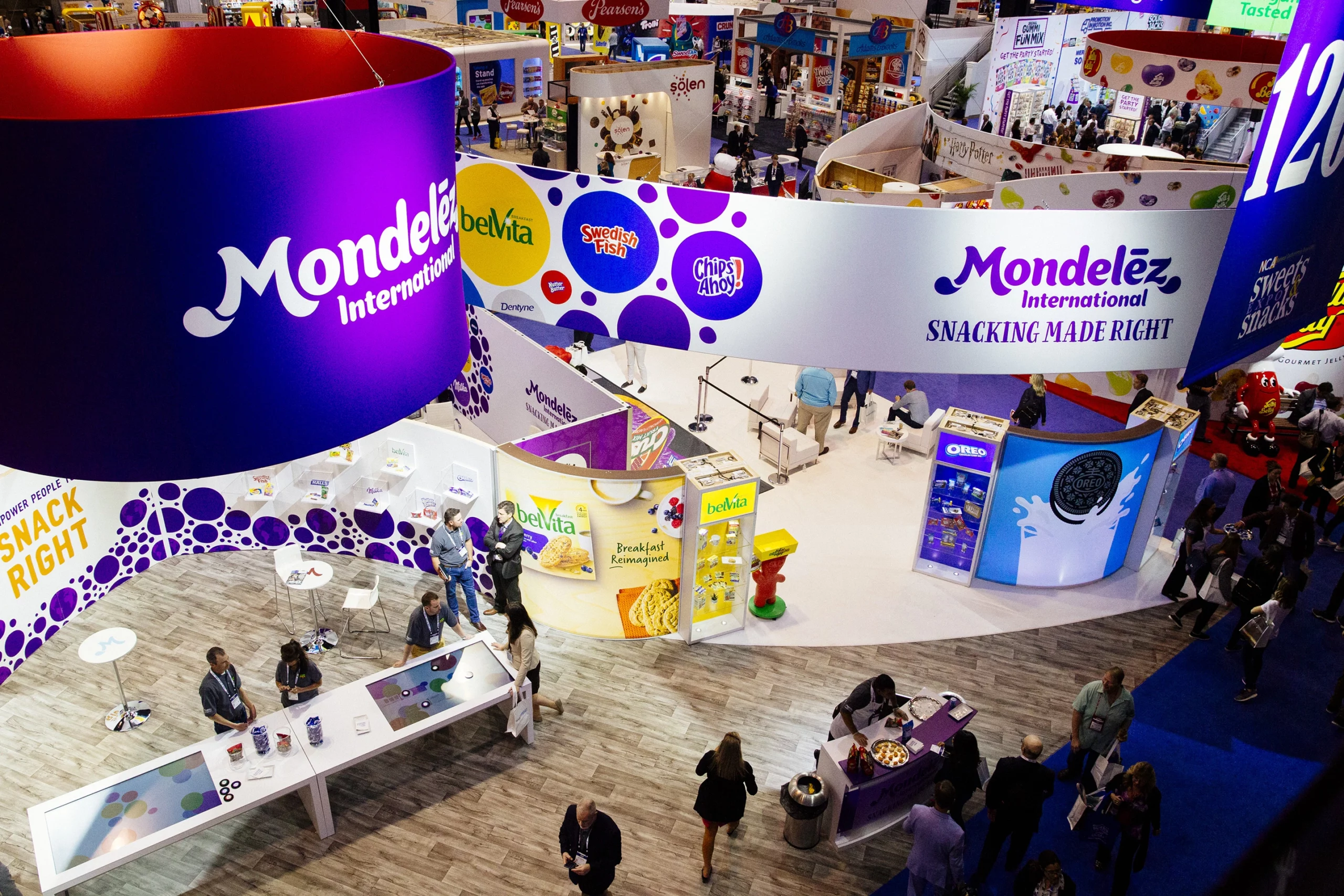
    Snack manufacturer Mondelēz was named the ‘Packaged Food Supreme Supplier of the Year’. This accolade represents Mondelēz’s resilience, innovation, and their significant contribution to growth in the industry.

    “Mondelēz has truly distinguished itself this year with exceptional performance and strategic ingenuity,” De Wet said. “Their consistent high performance over the past three years, along with their long-term leadership, makes them the rightful winners of the Supreme Award.”

    Other award recipients included Breadcraft Wairarapa, MaxFoods, Fonterra, Darren Lobb – Hellers, Vitaco, Hancocks, Simplot, Mondelez New Zealand, Amanda Collier (Suntory Oceania), Taryn Aspeling (Heinz Watties), Essity Australasia, Body Science (BSc), and Harriet Butler (Scalzo).

    Questions & Answers

    Who were the ‘Supplier of the Year’ winners at the Woolworths New Zealand Supplier Awards?
    The winners of the ‘Supplier of the Year’ titles were grape supplier GrapeCo and snack manufacturer Mondelēz.

    Why was GrapeCo awarded the ‘Fresh Supreme Supplier’ title?
    GrapeCo was awarded for its introduction of new grape varieties and its commitment to sustainability, specifically for testing reusable crates which could potentially reduce packaging by over 60 tonnes.

    What contributed to Mondelēz being named the ‘Packaged Food Supreme Supplier of the Year’?
    Mondelēz was recognized for its resilience, innovation, and significant contribution to growth within the food and grocery industry.


  • Coopers Brewery Defies Downturn: Annual Beer Sales Soar Despite National Decline

    Coopers Brewery Defies Downturn: Annual Beer Sales Soar Despite National Decline

    Coopers Brewery, a family-owned independent brewing company, has experienced a slight rise in its annual beer sales, outperforming the overall market that has seen a downturn.

    Annual Sales Report

    In the 2024-25 fiscal year, Coopers Brewery reported total beer sales of 80.6 million litres, marking a growth of 2.4% compared to the preceding year. This contrasts the 0.9% contraction witnessed within the national beer market during the same period.

    Growth in Keg and Packaged Beer Sales

    Sales of kegs, which account for approximately 12.4% of Coopers’ total beer sales, saw a substantial increase of 5.9%. Additionally, the sales of packaged beers also saw a modest uptick of 1.8%.

    Product-Specific Sales Performance

    Sales of malted barley and wheat saw an increase of 3.4%. However, there was a 17% drop in DIY brewing product volumes, a result of reduced consumer demand and restricted space on supermarket shelves.

    Statement from the Managing Director

    Michael Shearer, the Managing Director of the brewery, noted that the figures indicate a resilient performance throughout their beer portfolio. He highlighted considerable consumer demand for Dry 3.5 and Australian Lager, both relative newcomers to their range. Traditional ale products also continued their growth trajectory at 1.2%, while Stout saw a resurgence with a 3.3% rise compared to the previous year.

    Shearer admitted that cost-of-living pressures have made consumers more selective in their purchasing decisions. However, he was optimistic about achieving another year of solid sales growth in a challenging market, expressing it as a testament to the team and their craft.

    Regional Growth and Profit

    Over the course of the year, the company saw sales growth across all states and territories. SA emerged as the largest market in terms of sales volume, while Queensland experienced the most substantial growth at 4.8%.

    International beer exports, excluding New Zealand, which make up around 1% of total sales, fell by 22.3%. Conversely, sales to New Zealand grew by 2.6%.

    In terms of profitability, Coopers Brewery witnessed a decrease in pre-tax profits, which fell from $32.8 million in the previous year to $22.5 million. This shift reflects the investment in a new $70 million visitor center and its associated costs.

    The Visitor Center

    The company described the visitor centre as a generational investment and an integral part of its long-term strategy. In addition to housing a restaurant, the facility also includes a microbrewery and a whisky distillery. Since its inauguration in August of the previous year, the centre has welcomed approximately 60,000 visitors.

    Questions & Answers

    What contributed to the decrease in Coopers Brewery’s pre-tax profits?
    The pre-tax profit decrease reflected the brewery’s investment in a new $70 million visitor centre and its associated costs.

    What sales growth was seen across different product ranges at Coopers Brewery?
    Keg sales rose by 5.9% and packaged beer sales increased by 1.8%. Malted barley and wheat sales grew by 3.4%, but DIY brewing product volumes fell by 17%.

    Which areas experienced the most growth in terms of beer sales for Coopers Brewery?
    In terms of sales volume, SA was the largest market. However, Queensland recorded the highest growth rate at 4.8%.

  • Sigma Healthcare Resets Merger Synergy Target With Chemist Warehouse Amidst Significant Revenue Surge

    Sigma Healthcare Resets Merger Synergy Target With Chemist Warehouse Amidst Significant Revenue Surge

    Sigma Healthcare has revised its merger synergy target with Chemist Warehouse, following a significant increase in both its top and bottom line results last year.

    New Merger Synergy Targets

    Sigma Healthcare has now set its synergy target for the merger at $100 million per annum, a substantial increase from the previous target of $60 million. The company aims to attain this goal within a span of four years.

    The last fiscal year ending June 30 saw an 82.2 per cent surge in revenue to $6 billion. Chemist Warehouse reported a 14 per cent increase in retail network sales, and a notable 11.3 per cent rise in like-for-like sales across the Australian network.

    Brand Expansion and Financial Performance

    Over the past year, Sigma increased its portfolio of proprietary and exclusive brand products, with a notable release of 269 products in the Wagner generics range last November. The sales of proprietary and exclusive label products saw an increase of over 20 per cent.

    When it comes to the bottom line, statutory earnings before interest, taxes, depreciation, and amortization (EBITDA) increased by 33.6 per cent to $824 million, while the net profit after tax (NPAT) reported a slight decline of 2.1 per cent to $530 million. However, normalized EBITDA saw a rise of 41.4 per cent to $884 million, and NPAT also increased by 40.1 per cent to $579 million.

    By June 30, the net debt stood at $752 million, significantly lower than the initial net debt range of $1 billion to $1.3 billion as indicated in the merger prospectus.

    Anticipated Growth and Future Plans

    Sigma CEO and MD, Vikesh Ramsunder, stated that the merger with Chemist Warehouse has resulted in a more robust, integrated healthcare business with enhanced scale, capability, and market reach. He emphasized that the FY25 results highlight the group’s momentum and potential for sustained growth.

    As part of its plan for the new fiscal year, Sigma intends to continue the expansion of Chemist Warehouse stores both domestically and internationally at a steady pace. It also plans to introduce new proprietary and exclusive label products to enhance margins.

    Sigma also announced the closure of distribution centres in South Guildford, WA, and Port Adelaide, SA, with services being moved to existing centres in Canning Vale and Pooraka. The company also plans to gradually close brick-and-mortar Chemist Warehouse stores in China over the next few years, focusing on achieving profitable growth, with the Chinese market being serviced through online channels thereafter.

    Questions & Answers

    What is the new merger synergy target set by Sigma Healthcare?
    The new merger synergy target set by Sigma Healthcare is $100 million per annum, up from the previous target of $60 million.

    What are Sigma Healthcare’s plans for the new fiscal year?
    Sigma plans to expand Chemist Warehouse stores in Australia and internationally, launch new proprietary and exclusive label products, and shift services from closing distribution centres to existing ones.

    What is Sigma Healthcare’s strategy for the Chinese market?
    Sigma Healthcare plans to gradually close Chemist Warehouse physical stores in China over the next few years, focusing on servicing the Chinese market through online channels.

  • Lovisa Reports Record Sales And Profit Growth Amid Accelerated Global Expansion

    Lovisa Reports Record Sales And Profit Growth Amid Accelerated Global Expansion

    Lovisa, the popular jewelry chain, reported significant growth in its sales and profit in the past fiscal year, alongside an accelerated expansion program.

    Revenue and Sales Growth

    Lovisa’s revenue for the fiscal year, ending June 29, experienced a 14.2% surge, reaching A$798.1 million. This increase was primarily due to the persistent expansion of the store network. During the year, Lovisa launched 162 new stores, wrapping up the year with a total of 1,031 stores across over 50 markets. A noteworthy milestone was the opening of its first store in Zambia and the establishment of three new franchise markets in Ivory Coast, the Republic of Congo, and Panama.

    Comparable store sales also saw a growth of 1.7%, showing a marked improvement in the second half of the year, following a relatively stagnant first half.

    Profit Increase

    Lovisa also reported a significant rise in its earnings and net profit. Earnings before interest tax saw a hike of 8.2%, reaching $138.7 million while the net profit after tax rose by 4.8%, amounting to $86.3 million.

    Lovisa’s global CEO, John Cheston, remarked on the company’s consistent performance, highlighting its impressive gross margin performance and the acceleration of store rollouts in the second half of the fiscal year. Cheston expressed his eagerness to continue prioritizing affordable, high-quality fashion jewelry.

    Outlook for the New Fiscal Year

    In the initial eight weeks of the new fiscal year, Lovisa reported a 28% total sales increase and a 5.6% rise in comparable sales, along with the addition of 10 new stores. The company intends to keep expanding both its physical and digital store networks, with strategic plans to foster growth in both existing and new markets.

    Questions & Answers

    What contributed to Lovisa’s significant growth in the past fiscal year?
    Lovisa’s growth was primarily driven by the continued expansion of its store network, with 162 new stores opened during the year.

    What were the earnings and net profit for Lovisa in the last fiscal year?
    The earnings before interest tax rose 8.2% to $138.7 million and the net profit after tax increased by 4.8% to $86.3 million.

    What are Lovisa’s plans for the new fiscal year?
    Lovisa plans to continue expanding its physical and digital store networks, with strategies in place to drive growth in existing and new markets.