Tag: Anta Sports

  • Anta Sports Completes 1.51 Billion Euro Puma Stake Buyout

    Anta Sports Completes 1.51 Billion Euro Puma Stake Buyout

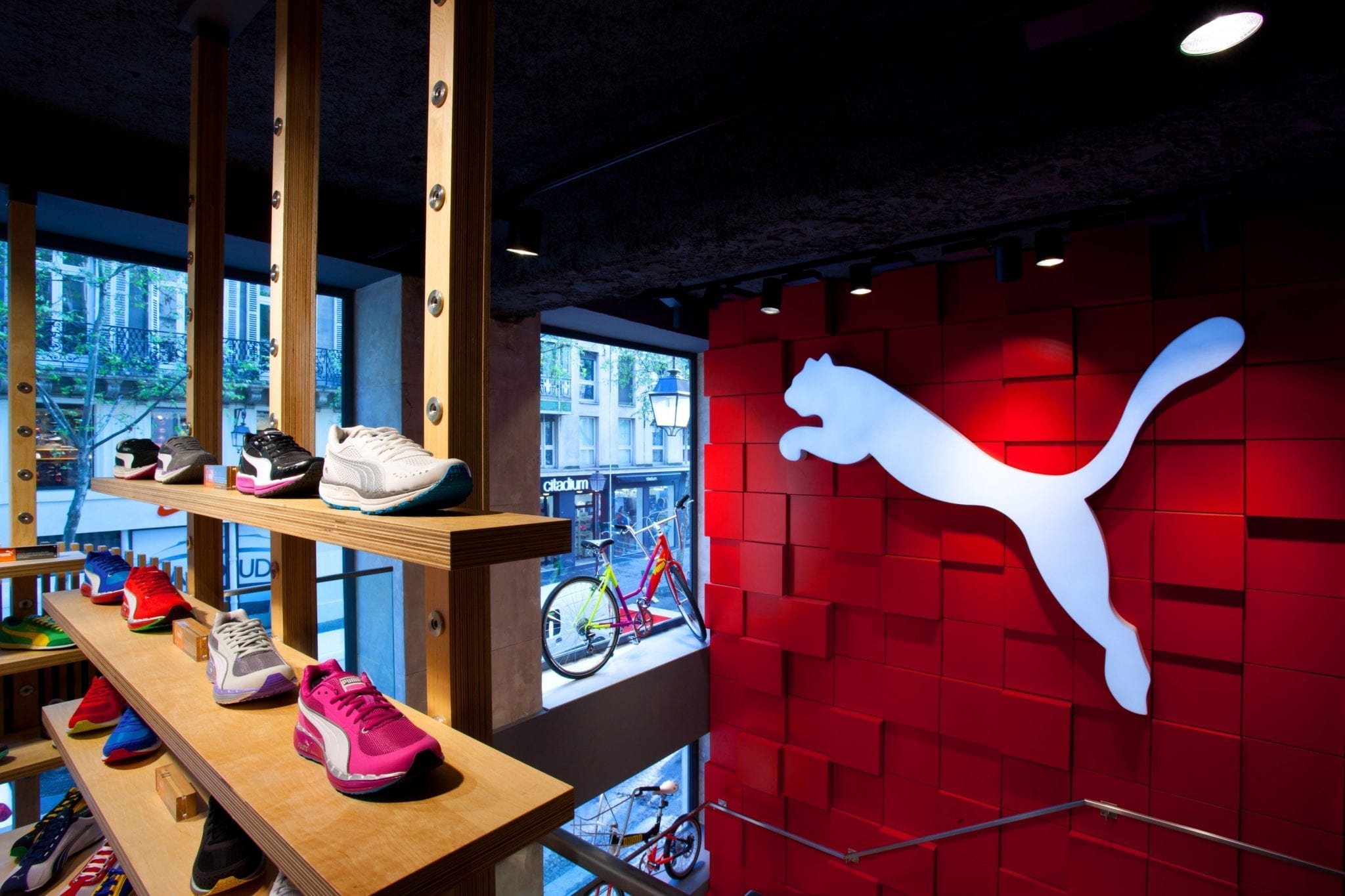
    Anta Sports completed its 1.51 billion euro purchase of a 29.06 per cent stake in Puma. The transaction makes the Chinese sportswear group the German brand’s largest shareholder.

    The cash deal, valued at approximately US$1.7 billion, closed after clearing regulatory scrutiny and customary closing conditions.

    Terms of the Artémis buyout

    Shares came directly from Artémis, the private investment arm run by the French billionaire Pinault family. Artémis had held the stake since French luxury group Kering distributed Puma shares to its investors in 2018.

    Funding came in full from existing cash balances and committed credit lines. The transaction transfers European sportswear equity directly into Chinese corporate hands.

    Expanding the global portfolio

    Buying established Western sports brands gives Anta immediate scale without building new labels from scratch. The group already controls a multi-brand stable spanning Fila’s Greater China rights, Arc’teryx parent Amer Sports, Descente and Kolon Sport.

    Securing the largest block in Puma provides direct exposure to global football, running and lifestyle distribution channels across Europe, the Americas and Southeast Asia. The acquisition gives the Chinese group international scale to challenge Nike and Adidas on neutral turf.

    Channel power and China retail

    For Puma, the transaction opens deeper supply-chain and distribution access across Mainland China’s lower-tier cities, where Anta commands thousands of monobrand franchise doors. Puma has struggled against domestic substitution and consumer trading-down across East Asia over recent quarters.

    Operational risk sits in management alignment. Anta typically allows acquired international brands to operate with independent design teams while overhauling back-end sourcing and regional retail networks.

    Governance and board representation

    Initial proposals to acquire the cornerstone block from Artémis were submitted earlier this year. The closing concludes months of antitrust reviews across key operating jurisdictions.

    Shareholder meetings are next. Anta is expected to propose representatives for supervisory board seats to formalise its oversight of the German apparel group.
  • Anta Sports Lifts First-Half Revenue 12.9% to $6.1 Billion

    Anta Sports Lifts First-Half Revenue 12.9% to $6.1 Billion

    Anta Sports lifted first-half revenue 12.9 per cent to RMB43.51 billion ($6.1 billion) for fiscal 2026. Strong demand across the company’s outdoor portfolio drove the top-line gain.

    Revenue at the core Anta brand rose 4.8 per cent year on year to RMB17.77 billion ($2.64 billion). Sportswear line Fila added RMB15.05 billion ($2.24 billion), a 6.1 per cent increase over the six-month period.

    Outdoor labels outpace core brands

    Specialty outdoor and niche sports apparel carried the bulk of the group’s sales growth. The division covering Descente, Kolon Sport, Jack Wolfskin and female activewear label Maia Active surged 44.2 per cent to RMB10.69 billion ($1.59 billion).

    Spending on product development increased alongside the broader business. Anta allocated approximately RMB1.11 billion ($164.95 million) to research and development during the half.

    Chairman Ding Shizhong said the company will keep investing in product innovation, brand equity and regional retail upgrades. It also plans to build global management capabilities.

    Leadership reset at the flagship unit

    The financial update follows an executive change at the group’s main commercial division. Anta brand chief executive Xu Yang stepped down in July, citing personal family reasons. Directors placed co-chief executive Lai Shixian in charge of the flagship label on an interim basis.

    Market trends show a broader split in Chinese sportswear retail. Mainstream sneaker and apparel sales face stiffer price competition and saturated footprints. Meanwhile, premium outdoor lines continue to capture higher consumer spending in tier-one and tier-two cities.

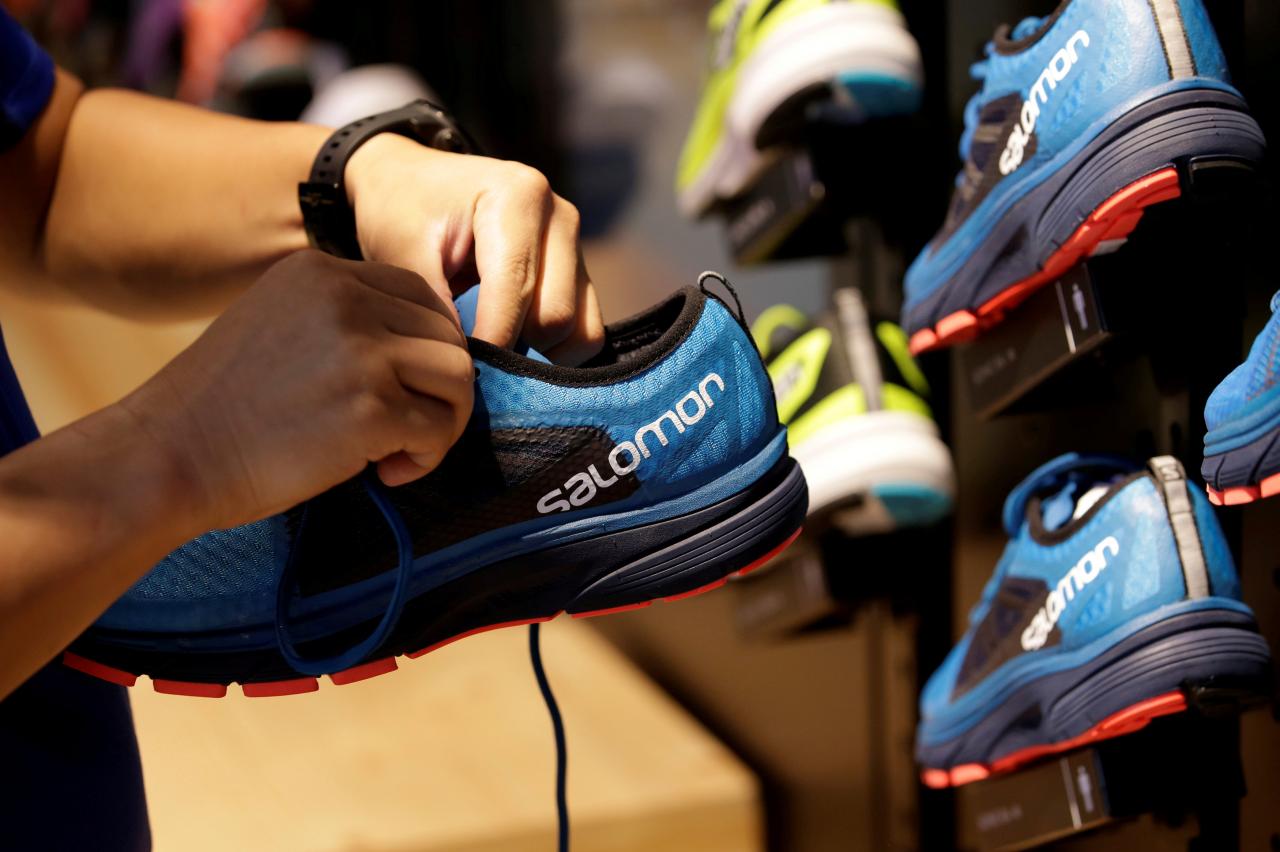
    Beyond its directly run portfolio, Anta remains the controlling shareholder in Amer Sports, owner of Arc’teryx, Salomon, Wilson and Atomic. Focus now turns to how quickly interim chief Lai Shixian adjusts retail distribution for the core Anta brand ahead of the winter selling season.

  • Chinese Giant Anta Sports Eyes Takeover Bid for Struggling German Brand Puma

    Chinese Giant Anta Sports Eyes Takeover Bid for Struggling German Brand Puma

    Anta Sports Products, a prominent Chinese sportswear manufacturer, is reportedly considering the acquisition of German sportswear brand, Puma. It’s understood that Anta, listed on the Hong Kong stock exchange, is currently working with an adviser to examine the feasibility of a bid for Puma. If the proposition proves profitable, Anta may collaborate with a private equity firm to proceed with an offer.

    Potential Competitors in the Bid

    Alongside Anta, other possible contenders for the acquisition include the Chinese sportswear group Li Ning and the Japanese sportswear company Asics. Li Ning has reportedly been engaging with banks to discuss financing for a potential bid, giving an early indication of the company’s interest in Puma. As for Asics, there’s speculation that it could also show interest in the German sportswear brand.

    When approached for comments on the acquisition, Anta Sports, Puma, and Asics didn’t offer immediate responses. On the other hand, Li-Ning provided a statement indicating that the company had not yet participated in any significant discussions or assessments relating to the transaction mentioned. The company further stated that its main focus remains on the expansion and evolution of its brand.

    Shareholder’s Stand

    Artemis, the private holding firm that has the biggest share in Puma and also controls Kering, the owner of Gucci, has stated that it’s exploring all options for its 29% stake. Information from a source previously revealed that Artemis had no intentions of selling their shares at the market value as of September.

    Puma’s current market valuation stands at 2.52 billion euros, equivalent to $2.92 billion. The Pinault family that manages Artemis obtained its stake in Puma in 2018 from Kering when the luxury conglomerate transitioned into a pure luxury player focusing on brands like Gucci and Saint Laurent.

    Strategy Shift

    In October, Puma’s new CEO, Arthur Hoeld, announced that the brand would decrease discounts, enhance marketing, and trim its product range. This strategy change was part of Puma’s turnaround plan following a dip in demand for its products and the impact of US tariffs on imports. The plan also included cutting 900 corporate jobs.

    The competitive sportswear market has seen Puma’s share price fall by half since the beginning of this year, losing ground to its competitors.

    Questions & Answers

    Who are the potential bidders for the acquisition of Puma?
    Anta Sports Products, Li Ning, and Asics are the potential contenders for the acquisition of Puma.

    What is Puma’s current market valuation?
    Puma’s current market valuation is approximately 2.52 billion euros or $2.92 billion.

    What is Puma’s new strategy under CEO Arthur Hoeld?
    Puma’s new strategy involves decreasing discounts, enhancing marketing, reducing its product range, and eliminating 900 corporate jobs as part of its turnaround plan.

  • Chinese Sportswear Giant, Anta Group, Targets 1000 Stores In Southeast Asia By 2025

    Chinese Sportswear Giant, Anta Group, Targets 1000 Stores In Southeast Asia By 2025

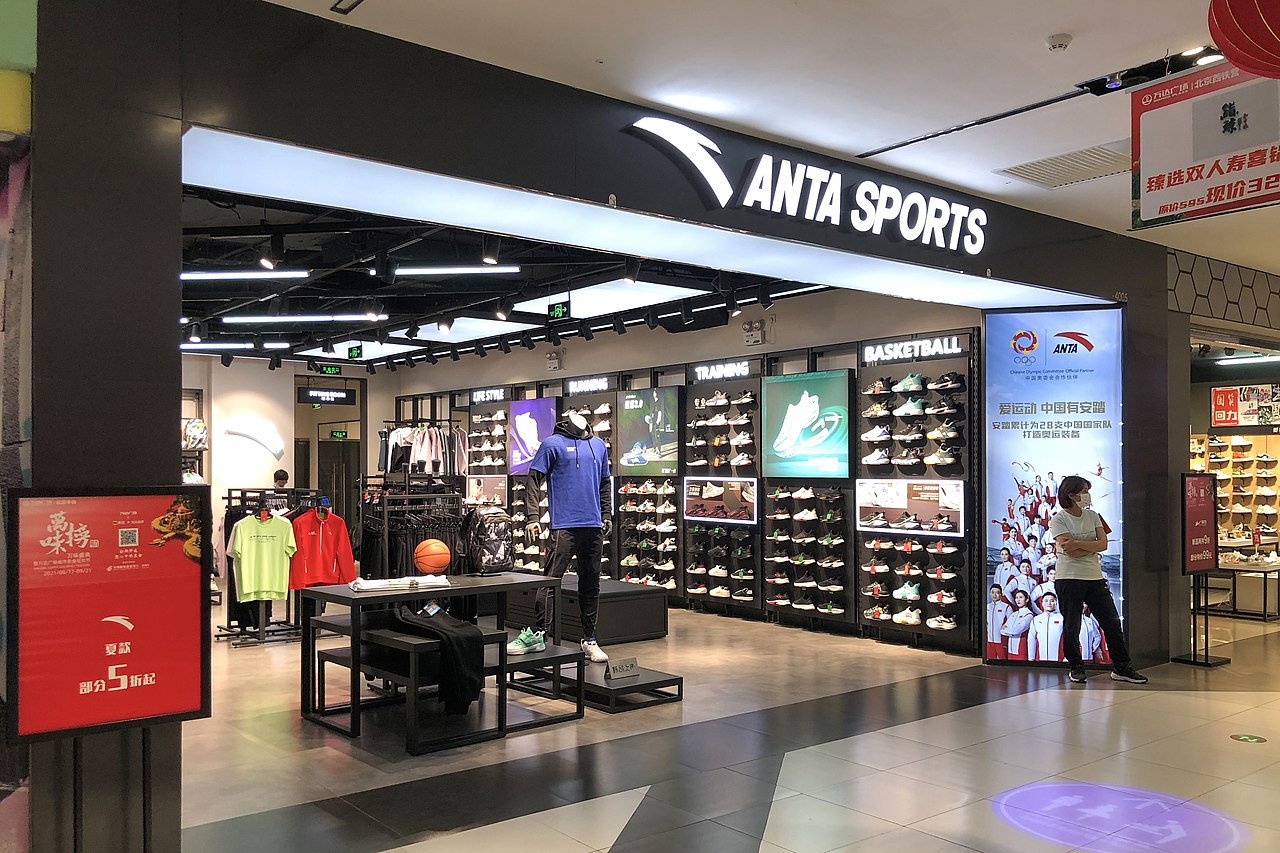
    Anta Group, a Chinese sportswear company, has announced its goal to reach a total of 1,000 stores in Southeast Asia within the next three years. Currently, the group operates almost 13,000 stores globally, including more than 200 in Southeast Asia. These stores are spread out over various countries including the Philippines, Singapore, Malaysia, and Vietnam. The ambitious expansion plan will see the group quadruple its retail presence in Southeast Asia.

    Speaking at the 2025 Asia New Vision Forum

    The announcement was made by Will Wang, Vice President of Anta Group and Chairman and President of Anta SEA, during the 2025 Asia New Vision Forum held in Singapore. The forum assembled a panel of executives from various Southeast Asian industries to discuss strategies for creating strong connections between brands and consumers at a regional and global level.

    Wang stressed the critical role of Southeast Asia in Anta’s global expansion strategy, revealing that the brand’s retail sales in the region have nearly doubled in the first half of this year compared to the same period last year. Wang attributed this success to Anta’s high-value products, localization and digitalization strategies, and the effective implementation of its “Brand+Retail” business model.

    In his speech, Wang underscored the importance of staying true to the brand’s DNA while achieving localization in each market. He stated, “It’s not just about selling products in Southeast Asia; it’s about delivering brand value and high-quality service to local consumers with standardized excellence. Our team is confident we will achieve our 1,000-store target for the Anta brand in the next three years.”

    Anta’s Global Growth Strategy

    For Anta, Southeast Asia is not only a significant market but also a strategic starting point for its global growth. The region’s expansion into neighboring markets, combined with the growth of both its offline and online businesses, has fueled a significant increase in the brand’s overseas revenue. In the first half of this year alone, Anta’s overseas revenue grew by more than 150% year-over-year.

    Anta Group’s international retail network extends to crucial markets such as the UAE, Saudi Arabia, Egypt, Kenya, and North America, all achieved through strategic partnerships. Most recently, the group opened its first flagship store in the United States, located in Beverly Hills, California.

    Questions & Answers

    What is Anta Group’s expansion target in Southeast Asia?
    Anta Group aims to open 1,000 stores in Southeast Asia within the next three years.

    What factors have contributed to Anta Group’s success in Southeast Asia?
    The success of Anta Group in Southeast Asia can be attributed to their high-value products, effective localization and digitalization strategies, and the implementation of their “Brand+Retail” business model.

    Where has Anta Group recently opened its first flagship store in the United States?
    Anta Group recently opened its first flagship store in the United States in Beverly Hills, California.

  • Finland’s Amer Sports gets US$5.3 billion bid interest from China’s Anta

    Finland’s Amer Sports gets US$5.3 billion bid interest from China’s Anta

    China’s Anta Sports has lodged a US$5.3 billion bid for Amer Sports, which owns Salomon, Wilson, Arc’teryx, Suunto, Peak Performance and Precor, among other brands.

    Anta Sports has teamed with Hong Kong-headquartered private-equity group FountainVest partners in the bid, offering a 40 per cent premium over the target company’s share price before the bid was disclosed.

    Amer Sports appeared somewhat taken aback by the bid, issuing a statement saying it was “not engaged in any negotiations with the consortium and has made no decisions in respect of the Indication of Interest”. The company noted the bid was conditional on 90 per cent shareholder approval, board approval, financing and other conditions.

    “Amer Sports will release further information at an appropriate time if an agreement is reached with the consortium in respect of a transaction or any negotiations are terminated or abandoned.”

    Anta Sports, listed on the Hong Kong stock exchange, was founded in 1991 as a manufacturing supplier to the footwear industry. Since then it has grown to become China’s largest domestic sportswear brand and industry analysts estimate it is the world’s third largest by market capitalisation after Nike and Adidas. Besides its own Anta-branded goods, it owns the rights to Fila in greater China and in 2016 formed a joint venture with Descente Japan and Itochu, which has resulted in the opening of 85 Descente stores in China and early last year another joint venture with South Korea’s Kolon Sport led to a network of 189 stores. Childrenswear business Kingkow followed last September, which now numbers 63 stores in Mainland China, Hong Kong, Macau and the US.

    Sales last year grew 25.1 per cent to RMB16.69 billion (US$2.43 billion), following increases on 20 per cent in 2016 and 25 per cent in 2015. In the six months to June 30, year-on-year sales soared 44 per cent and profit by 34 per cent.

    As of June, the company had 9650 retail stores in Mainland China.

    In February, chairman and CEO Ding Shizhong said the company was actively seeking to buy “high-end international sportswear brands” with strong growth potential.

    Amer Sports opportunity

    Amer Sports posted sales last year of €2.69 billion ($3.12 billion) with 43 per cent of its revenue coming from Europe, Middle East and Africa and just 14 per cent from Asia. Sales in China have expanded from 1 per cent of total turnover in 2010 to 6 per cent this year and the company is eyeing 10 per cent within several years.

    The company has recently been targeting growth in Mainland China and Anta Sports’ obvious market knowledge and footprint in the country would significantly boost those opportunities.

    Amer’s fastest-growing division is softgoods, headed by the Salomon and Arc’Teryx brands.

  • Nike is world’s most valuable apparel brand, says Brand Finance Top 50

    Nike is world’s most valuable apparel brand, says Brand Finance Top 50

    Despite losing popularity with American teenagers and a drop in brand value of 41 per cent, Nike is still way out in front in the Brand Finance Top 50 list of the most valuable apparel brands in the world.

    In the list, just been release by the independent brand valuation and strategy consultancy, Nike’s main competitor Adidas was fourth behind H&M and Zara with an increase in brand value of 41 per cent.

    In the realm of luxury brands, Hermes overtook Louis Vuitton, jumping two spots from 7th to 5th from last year. Luxury brands including Cartier, Gucci, Hermes and LV had strong growth in value as more consumers in emerging markets buy into the market.

    Japan’s Uniqlo was the only Asian brand in the top 10, with Hong Kong jeweller Chow Tai Fook and China’s Anta Sports taking up the 13th and 33rd spots respectively.

    These are the top 50 most-valuable apparel brands in the world this year:

      1. Nike (brand value, US$2.8 billion)
      2. H&M ($1.8 billion)
      3. Zara ($1.7 billion)
      4. Adidas ($1.4 billion)
      5. Hermes ($11.3 billion)
      6. Louis Vuitton ($10.4 billion)
      7. Cartier ($9.8 billion)
      8. Gucci ($8.5 billion
      9. Uniqlo ($8 billion)
      10. Rolex ($6.3 billion)
      11. Coach ($6.1 billion); 12. Victoria’s Secret ($6.1 billion); 13. Chow Tai Fook ($5 billion); 14. Tiffany & Co ($4.6 billion); 15. Burberry ($4.5 billion);16. Christian Dior ($4 billion); 17. Polo Ralph Lauren ($4 billion); 18. Prada ($3.8 billion); 19. Under Armour ($3.7 billion); 20. Armani ($3.5 billion)
      12. Puma ($3.3 billion); 22. Ray-Ban ($3.2 billion); 23. Omega ($3.1 billion); 24. The North Face ($3.1 billion); 25. Pandora ($3 billion); 26. Michael Kors ($2.7 billion); 27. Tommy Hilfiger ($2.6 billion); 28. Anta ($2.6 billion); 29. Old Navy ($2.3 billion); 30. Bulgari ($2.2 billion)
      13. Bershka ($2.2 billion); 32. Calvin Klein ($2.2 billion); 33. Levi’s ($2.2 billion); 34. Primark/Penneys ($2.1 billion); 35. Moncler ($2 billion); 36. Boss ($2 billion) 37. Gap ($2 billion); 38. Ferragamo ($1.9 billion); 39. Saint Laurent ($1.8 billion); 40. Bottega Veneta ($1.8 billion)
      14. Valentino ($1.8 billion); 42. Skechers ($1.6 billion); 43. Swatch ($1.6 billion); 44. Tag Heuer ($1.5 billion); 45. Timberland ($1.4 billion); 46. Massimo Dutti ($1.3 billion); 47. Reebok ($1.3 billion); 48. Woolworths ($1.2 billion); 49. Stradivarius ($1.2 billion); 50. Pull and Bear ($1.2 billion).