Tag: antenna

  • Nokia and Optus deploys Australia’s first integrated antenna

    Nokia and Optus deploys Australia’s first integrated antenna

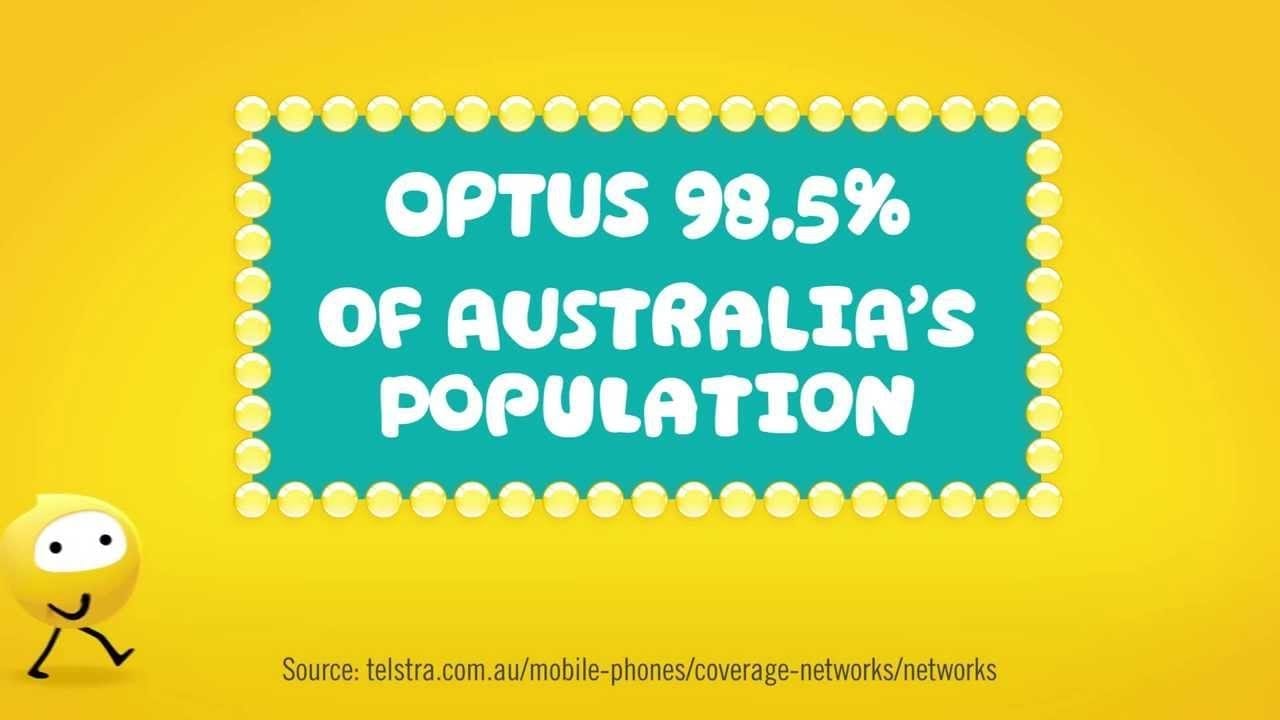
    Nokia announced the deployment of Australia’s first Interleaved Passive Active Antenna (IPAA) in collaboration with Optus. Together, Nokia and Optus deployed the first IPAA in Yeerongpilly, Brisbane. The solution helps ease site-related challenges which accelerate the introduction of 5G services across the country.

    As operators look to rollout 5G, finding space on existing towers and rooftops for new massive MIMO active antenna equipment poses a significant deployment challenge for operators. Long delays in acquiring permission for site upgrades; the potential strengthening of the supporting structures and potentially higher rental payments to landlords, can in combination seriously delay operators, such as Optus, in getting 5G services to their customers.

    Nokia’s IPAA solution was developed in collaboration with CommScope. It will allow Optus and other operators to upgrade existing sites to 5G by simply replacing their existing antennas with a similar-sized unit that supports all legacy technologies as well as 5G massive MIMO active antenna, all in a single compact solution. By utilizing this solution, Optus can overcome many deployment challenges that can typically hinder the introduction of 5G.

    Lambo Kanagaratnam, Managing Director of Networks at Optus, said: “We’re committed to keeping our customers connected and at the forefront of 5G. By partnering with global technology leaders like Nokia, we continue to bring the best global innovations to our customers. The introduction of the IPAA into our network infrastructure will help us speed up the deployment of our 5G network by addressing space and structural capacity constraints.”

    Rob Joyce, Chief Technology Officer of Australia and New Zealand at Nokia, said: “We’re delighted to be partnering with Optus to bring our unique IPAA solution into play in the Australian market. The IPAA is an advanced technical solution to tackle the problems of finding space on towers and rooftops for 5G upgrades. Operators can now simply replace an existing antenna with Nokia’s IPAA solution to upgrade the site and at the same time, introduce 5G; it couldn’t be simpler.”
  • Huawei announces a breakthrough in 5G antenna design

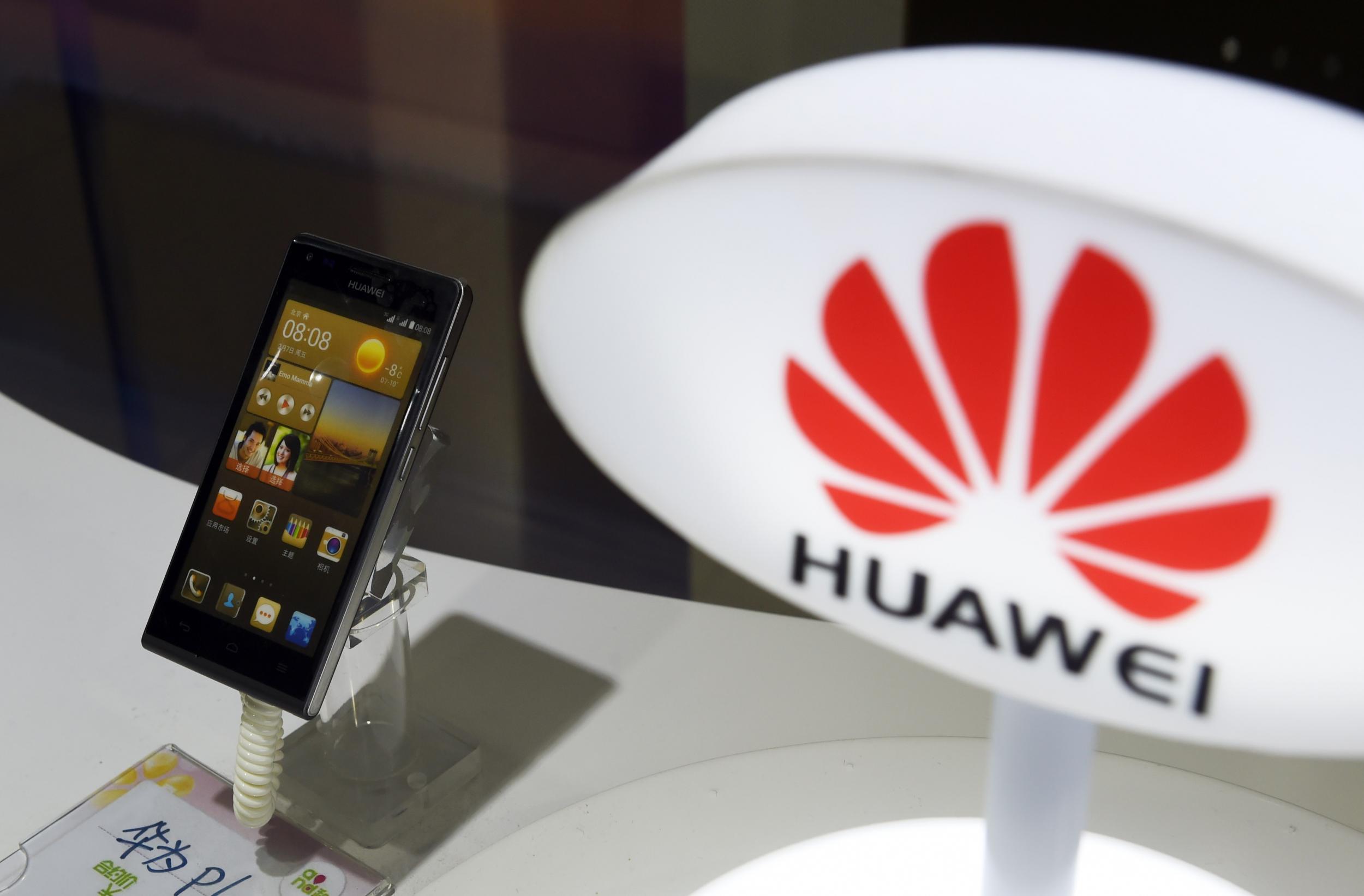
    Huawei announces a breakthrough in 5G antenna design

    While many of you know Huawei as the world’s second-largest smartphone manufacturer, it is also the leading provider of networking equipment on the planet. And no matter what you think of the company and its perceived ties to the communist Chinese government, Huawei does produce some outstanding handsets. Its networking gear is said to be 12 to 18 months ahead of the competition which includes companies like Nokia and Ericsson, and this technological superiority comes at a cheaper price.

    Over the weekend, Huawei announced a breakthrough in the design of 5G antennas. Called CableFree, the new design improves the capabilities of 5G base station antennas. With 5G, new bands have been introduced and more antenna connections are used. The new design improves high-band coverage for 5G. According to the company, “…high-band coverage is essential for ensuring 5G experience consistency. CableFree improves antenna radiation efficiency by approximately 20%, boosting high-quality coverage of the 5G era.”

    To support the higher capacity and additional antenna connections used for 5G, the antennas deployed must be able to work with 1 KW of power; previous generations of wireless connectivity required only 500 to 600 Watts. CableFree increases the antenna power capacity by more than 80% to meet these requirements. CableFree also reduces the weight of the antennas making them easier to install. A six-band antenna using CableFree is over 22 pounds lighter and by keeping the weight of multi-band antennas under 110 pounds, a crane is not required during installation. This not only saves time, but it also saves money as well.

    CableFree reduces the use of screws and soldering points by 80% reducing the chance of passive intermodulation, or signal distortion and interference caused by large metal objects. The reduction in the use of these components makes it easier to automate the production of antennas while keeping their quality consistent. Zhang Jiayi, President of Huawei Antenna Business Unit, said: “Antennas are crucial for 5G networks. Higher performance and integration are the main trends of antenna innovation in the 5G era. CableFree breaks the antenna design bottleneck, representing an inevitable trend of the antenna industry. Huawei always innovates based on customer requirements for 5G target networks to help customers build efficient and high-performance networks and achieve business success in the 5G era.”

    Huawei says that CableFree “features a number of revolutionary technologies and techniques” that will increase the integration of an antenna improving its performance. CableFree has been used with Huawei’s Munich Pro, Golden Mini, and London Pro series antennas, as well as 32T32R Massive MIMO products. MIMO (multiple-input and multiple-output) allows for multiple signals to be simultaneously sent over the same radio channel. This creates extra data-carrying capacity allowing signals to be sent at faster data rates.

    The bottom line is that Huawei says CableFree will help its customers build efficient and high-performance 5G networks to help their businesses succeed. While this all sounds promising, recently Huawei has had a slight set back. Conservative party members in the U.K. are asking for Huawei’s networking gear to be removed from 5G networks in the region due to national security threats. Reportedly, this would be done using a three-year plan that results in the removal of Huawei from 5G networks in the U.K. and all other networks by 2023. The Trump administration had been pressuring allies not to use the company’s gear in their 5G networks and while Japan and Australia heeded the warning, Germany and the U.K. originally did not. This past January the U.K. agreed to use Huawei’s parts for its 5G networks after Prime Minister Boris Johnson said that he felt that he had no choice. Originally, a U.K. spokesman said that Huawei’s parts would not be allowed near “sensitive functions.”

  • Docomo, Ericsson complete 5G glass antenna trial

    Docomo, Ericsson complete 5G glass antenna trial

    Japanese operator NTT Docomo and glass solution provider AGC Group have collaborated with Ericsson to complete what the companies believe to be the world’s first trial of 5G communications using a glass-embedded antenna.

    The trial used an antenna embedded in synthetic fused silica glass to transmit and receive 28-GHz 5G radio signals.

    Validation testing used a vehicle fitted with multiple antennas and traveling about 30 km/h. Using the antenna, the companies achieved downlink speeds averaging 1.3Gbps within a 100 meter range, and maxing out at 3.8Gbps at 400 MHz.

    The glass antenna prototype has the potential to overcome challenges associated with high-band 5G spectrum being unable to adequately penetrate windows, the companies said.

    It could potentially be attached to window surfaces in buildings, vehicles and railway cars to enable stable, high-speed 5G communications under challenging indoor and in-vehicle conditions.

  • Vodafone’s reveal keeps the pressure on Huawei

    Vodafone’s reveal keeps the pressure on Huawei

    In this week’s news is yet another story about Huawei and security as European telecommunications operator and regulators continue to scrutinize the gear in advance of 5G deployments. This one is historical though. Apparently Vodafone found security flaws in Huawei gear its Italian unit bought back in 2011 and 2012.

    In the technical sense, this is hardly a surprise. Vulnerabilities and patches are an ongoing part of pretty much all software development, and in this case the problem came with the telnet protocol. There was a day when telnet was a thing for everyone, but these days it’s more a diagnostic thing. According to Vodafone, the flaw would not have been accessible via the internet and was quickly patched. All vendors have processes to handle exactly this sort of thing, and all have done so many times. So the fact that it happened eight years ago in this case is news today only because it was Huawei.

    But the pressure to block Huawei from 5G deployments continues unabated. The contention is that because China requires all its companies to help its national security apparatus and Huawei (like every major Chinese company) has deep ties to that apparatus. On the one hand, it’s easy to envision spies doing this sort of thing. On the other hand, it’s very hard to imagine such deliberate vulnerabilities remaining undetected for long in a suspicious world.

    The most recent development came a few days ago when KPN decided Huawei gear was fine for radios and antennas, but not when it comes to the gear in its core 5G network. They’ve got a deal in place, but with an exit clause in case regulators or lawmakers act to ban Huawei entirely. That seems to have emerged as the consensus response of European telcos to all this pressure, a way to keep Huawei in the mix while still mollifying critics and covering themselves legally.

  • Hyundai Develops Smartphone Based Digital Key

    Hyundai Develops Smartphone Based Digital Key

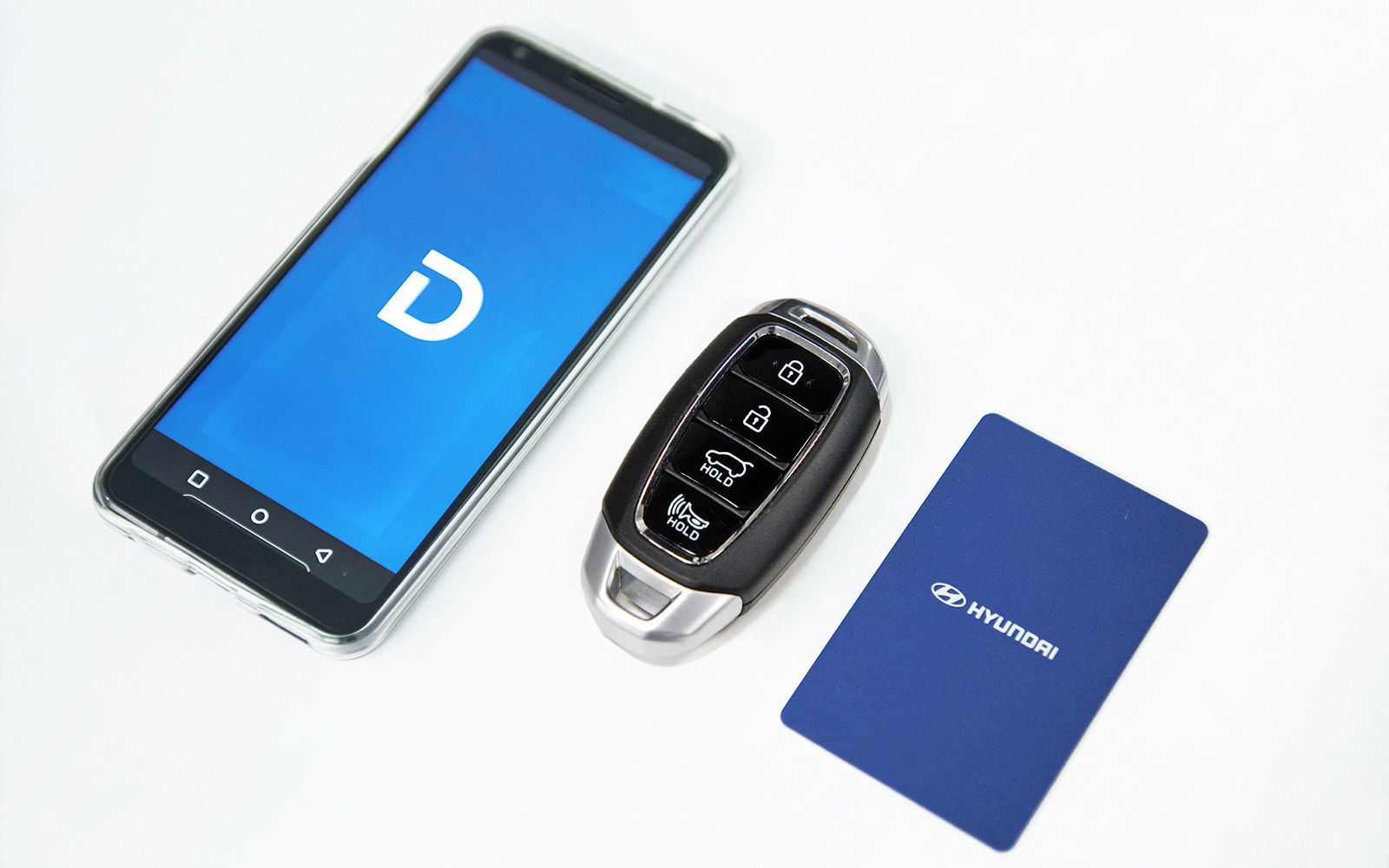
    Hyundai Motor Group announced the development of a Digital Key, which allows users to unlock and start a vehicle via their smartphone. Replacing a traditional physical key, the new Digital Key can be downloaded via an app and can be used by up to four authorised people. The Digital Key can be downloaded via a cell phone application and Near Field Communication (NFC) technology detects the presence of an authorized Digital Key-enabled cellphone in close proximity to the vehicle door. NFC is a form of Radio Frequency Identification (RFID), which boasts a high level of security. The NFC wireless data communication takes place only when the device and the reader are placed several centimetres apart.

    The NFC antenna for entry identification is located in the handles of the driver and front passenger’s doors, whilst one for starting the engine is located within the wireless charging pad. After unlocking the vehicle, the user can start the engine by placing the smartphone on the wireless charging pad in the centre console and pressing an engine Start/Stop button on the dashboard.

    The user’s preferred vehicle settings are stored in the vehicle. When the key is recognized those settings are adjusted automatically – including the position of mirrors, seats and the steering wheel, as well as controls for the audio, video and navigation (AVN) systems and head-up display.Hyundai’s Digital Key can be used to control selected vehicle systems remotely via their smartphone. Using Bluetooth Low Energy (BLE) communication, users can lock and unlock the vehicle, activate the alarm and start the engine. In addition, once the vehicles with autonomous parking features are commercialized, such features are also expected to be remotely controlled.

    The level of access to different vehicle functions can be tailored to each user, for a defined period. The vehicle owner can pre-set the duration of vehicle use or limit the use to only certain features when renting the vehicle. For instance, it can even be used to enable a courier to open the trunk to deliver a parcel.

    For cases such as using a valet service or visiting a repair shop, where handing over a digital key is not feasible, conventional smart key and card type key are also provided. Hyundai Motor Group aims to gradually implement the technology in its new production vehicles, starting later this year.