Tag: API

  • Malaysian Telcos Unite to Launch Federated API, Boosting Digital Security for Consumers

    Malaysian Telcos Unite to Launch Federated API, Boosting Digital Security for Consumers

    In a significant move to enhance online security and combat the rampant issue of digital identity theft, Malaysia’s telecommunication giants have united under the GSMA Open Gateway initiative. During the recent Digital Nation Summit in Kuala Lumpur, key players including CelcomDigi, Maxis, U Mobile, Telekom Malaysia, and YTL Communications unveiled their federated network service, setting a new standard for security in the digital landscape.

    A Smart Solution for Verification

    This collaborative initiative aims to empower enterprise developers, such as banks and online retailers, by providing them with federated access to the Number Verification API. This API, one of the GSMA Open Gateway offerings and built upon the international Camara standard, revolutionizes identity verification processes. It enables businesses to authenticate mobile users by matching their phone numbers with real-time network data, presenting a far more secure alternative to traditional SMS one-time passwords. It’s like swapping your old lock for a biometric safe—only better.

    Voices of Leadership

    CelcomDigi’s Acting CEO, Albern Murty, champions this collaboration as a pivotal leap for Malaysia’s digital ecosystem. “This collaboration is a technological milestone that represents how Malaysia’s operators can collectively lead in shaping a trusted and inclusive digital future,” he stated. Murty emphasized the importance of creating a seamless environment that not only protects consumers from scams but also fosters innovation throughout the ASEAN region.

    Maxis CEO Goh Seow Eng echoed this sentiment, highlighting their experience with the Number Verification API in combatting digital fraud, through initiatives like their Mobile Identity solution for Malaysian enterprises. “We are committed to this industry-wide collaboration to accelerate API-driven innovation, creating a more seamless mobile experience and building a more secure digital Malaysia for everyone,” he affirmed.

    U Mobile’s Chief Information Officer, Neil Tomkinson, pointed out that the multi-party engagement in this initiative is key to enhancing online safety: “Information sharing, along with strategic policy enforcement, will definitely enhance customer experience and safety online,” he asserted.

    Developers Rejoice: A Unified Approach

    The federated model introduced by this initiative allows developers to create digital services that operate across all participating telecom operators while each retains control over its own data and revenue streams. This is a welcome change from the current need for developers to integrate independently with each operator’s APIs, simplifying the development process significantly.

    Endorsing a Secure Future

    Amar Huzaimi Md Deris, TM Group CEO, remarked on the initiative as a vital step towards safeguarding businesses and consumers from digital fraud while propelling growth in the digital economy. He described the collaboration as essential for providing trusted and sovereign digital solutions.

    YTL Communications CEO Wing K. Lee added that their commitment to building a trusted digital economy will be bolstered through the GSMA Open Gateway programme. He highlighted their investment in AI Cloud infrastructure and innovative technologies as crucial for fostering an inclusive and secure digital ecosystem.

    Regional Impact and Challenges Ahead

    Julian Gorman, GSMA Head for Asia-Pacific, praised the Malaysian initiative, noting that standardized access to mobile network capabilities is vital for combating online crime. His remarks come on the heels of a similar collaboration in Indonesia, where key operators have also adopted a unified API protocol.

    This announcement coincided with new GSMA research outlining a rising consumer apprehension towards scams and fraud in Southeast Asia. Gorman cautioned that unless action is taken to address these issues, trust in digital services could be severely compromised. He called for a unified front consisting of governments, banks, and technology stakeholders to align on security protocols and enhance public awareness.

    Questions & Answers

    What is the purpose of the GSMA Open Gateway initiative in Malaysia?
    The GSMA Open Gateway initiative aims to strengthen online security by providing a federated network service that helps businesses identify mobile users, enhancing protection against digital fraud and identity theft.

    How does the Number Verification API work?
    The Number Verification API allows businesses to verify the identity of mobile users by matching their phone numbers with real-time data from the network, offering a more secure alternative to SMS one-time passwords.

    What benefits does the federated model offer developers?
    The federated model enables developers to create digital services that work seamlessly across participating operators without having to integrate separately with each operator’s APIs, making the development process more efficient.

  • Maxis Teams Up with Aduna to Transform Network API Innovation in Retail Sector

    Maxis Teams Up with Aduna to Transform Network API Innovation in Retail Sector

    In a significant move to stimulate digital innovation across Malaysia, Maxis has entered into a partnership with Aduna and Ericsson aimed at promoting standardized network application programming interfaces (APIs). This collaboration was unveiled through a memorandum of understanding (MoU) at the GSMA Digital Nation Summit held recently in Singapore. The initiative promises to give developers and businesses streamlined access to Aduna’s extensive platform of common network APIs, empowering Malaysian enterprises to harness Maxis’s robust connectivity and network capabilities to explore new opportunities and roll out next-generation services.

    Accelerating API-Driven Solutions

    Through this partnership, Maxis, Aduna, and Ericsson are poised to accelerate the development and deployment of API-driven solutions, significantly cutting down the time required to introduce new features and services. The initial focus is on high-impact APIs, including number verification, SIM swapping, customer identity verification (KYC), and location verification. These innovative tools are crucial for combating digital fraud and enhancing online transaction security, particularly benefiting sectors such as financial services and e-commerce, which increasingly rely on e-wallet solutions and expansive digital infrastructures.

    A Universal Link for Innovation

    Furthermore, the advent of network APIs is paving the way for unprecedented opportunities across various sectors, acting as a universal link for software and applications to interact seamlessly. With enhanced accessibility and integration, businesses can deploy solutions rapidly that operate efficiently across different mobile networks and markets, thereby benefitting a myriad of industries and their end users. It’s like seamlessly blending different ingredients into a perfect digital dish—tasty and efficient.

    Voices from the Leaders

    Prateek Pashine, Chief Enterprise Business Officer of Maxis, emphasized the company’s mission: “Our mission is to equip businesses with the tools they need to innovate for tomorrow, today. APIs play a critical role in the modern digital economy, and Maxis is committed to leveraging them to unlock greater value for businesses. Through this partnership with Aduna, we can enable the development of more secure, user-centric services backed by seamless access to advanced network APIs.”

    Meanwhile, Anthony Bartolo, CEO of Aduna, highlighted the broader impact of this collaboration: “Aduna is committed to building a global ecosystem that accelerates the next wave of digital innovation. Our platform enhances connectivity, allowing for seamless collaboration between developers, enterprises, and telecom providers to drive innovation. We are thrilled to partner with Maxis, a leader whose commitment to digital empowerment is clear. This collaboration will bring our unified network APIs to one of Southeast Asia’s most dynamic digital economies, providing businesses in Malaysia with access to powerful and scalable solutions.”

    Championing Open Standards

    This partnership is a testament to Maxis’s dedication to supporting global open standards and protocols, fully aligning with the GSMA Open Gateway framework and the CAMARA Project. In 2024, Maxis took a pioneering role as an early supporter of the Bridge Alliance API Exchange (BAEx) initiative, designed to aggregate telecom APIs across the Asia Pacific region while facilitating API adoption. The initiative provides developers and businesses seamless access to a variety of telecom assets. Additionally, Maxis has been involved in the world’s first international federation of telecom APIs, working alongside telecom companies from Malaysia, Thailand, and Singapore, to provide enterprises with real-time telecom network data for enhanced authentication and fraud prevention.

    This initiative underscores Maxis’s commitment to being a key player in Malaysia’s digital evolution. By advocating for the adoption of open, interconnected APIs, Maxis is not just leading the charge in Malaysia’s digital transformation; they are also creating sustainable value for customers, partners, and an entire ecosystem of industries.

    Questions & Answers

    What are the key benefits of the partnership between Maxis, Aduna, and Ericsson?
    The partnership aims to accelerate the development and deployment of API solutions, enabling quicker launches of new features and enhanced security against digital fraud, particularly in financial services and e-commerce.

    What types of APIs will the collaboration initially focus on?
    The initial focus will be on high-impact APIs including number verification, SIM swaps, customer identity verification (KYC), and location verification, critical for securing online transactions.

    How does this partnership align with Maxis’s broader goals?
    This collaboration aligns with Maxis’s commitment to global open standards and the GSMA Open Gateway framework, supporting Malaysia’s digital transformation by promoting accessible and innovative API solutions.

  • API launches online B2B hub for pharmacies to source products

    API launches online B2B hub for pharmacies to source products

    Australian Pharmaceutical Industries (API) has launched an online B2B hub – MyAPI – for its wholesale pharmacy customers.

    API is a wholly-owned subsidiary of Wesfarmers Health and has more than 4000 wholesale pharmacy customers.

    According to the company, the platform offers “enhanced functionality and an elevated experience,” allowing pharmacies to research products, place orders, identify stock on hand, obtain pricing and deals, and manage their accounts.

    It also facilitates stock returns, backorder management, houses key documents and provides customer support and communications.

    “By investing in technology like MyAPI, we’re ensuring pharmacy owners have 24/7 access to critical products and essential information at their fingertips,” said Doug Swan, executive GM of wholesale and pharmacy services at Wesfarmers Health.

    “This means more convenience and flexibility, and empowers them to serve their communities with confidence knowing they have what patients need, when they need it.”

    In addition to the main features, the e-hub also supports compliance with Community Service Obligations for pharmaceutical wholesalers, including the timely delivery of Pharmaceutical Benefits Scheme items within 24 hours.

  • Console Connect Partners With Master Concept to Deliver Cloud Networking Solutions to Businesses Across APAC

    Console Connect Partners With Master Concept to Deliver Cloud Networking Solutions to Businesses Across APAC

    Console Connect by PCCW Global has today entered into a distribution agreement with Master Concept, an award-winning cloud technology advisor, to deliver agile cloud networking solutions to businesses across the Asia Pacific region.

    Master Concept provides cloud strategy, implementation and integration support, as well as training and platform enhancements to thousands of businesses across Asia Pacific. By integrating the Console Connect Software Defined Interconnection® platform within its cloud solutions portfolio, Master Concept can deliver further value to major cloud platforms and SaaS providers worldwide with higher levels of network security and performance for its enterprise customers.

    Through a single management portal, Master Concept can provision a range of cloud connectivity services for its customers, including direct Layer 2 connections to hyper-scale cloud providers, such as AWS, Google Cloud and Microsoft Azure, and Layer 3 mesh connectivity between and among different cloud providers and cloud regions.

    The platform, which can be integrated via API, is underpinned by PCCW Global’s high-performance network, offering comprehensive end-to-end SLAs that make it suitable for accessing mission-critical and latency-sensitive applications and workloads.

    Mr Michael Glynn, Senior Vice President, Digital Automated Innovation, PCCW Global, said, “Secure and flexible connectivity is fundamental to any cloud transformation project. We are excited to be working alongside Master Concept to enhance their cloud solutions portfolio and make it easier for enterprises to connect to the cloud across Asia Pacific and worldwide.”

    Mr Dennis Wong, Director and Co-founder, Master Concept, said, “Through Console Connect, we have been able to quickly bring new cloud connectivity solutions to market and help our enterprise customers get closer to the cloud. We look forward to growing our collaboration further through the new PartnerConnect program.”

    Mr Derek Chan, Director and Co-founder, Master Concept, said, “We are delighted to be one of the launch partners for Console Connect’s new global PartnerConnect program which enables Master Concept to deliver secure and agile cloud capabilities to our enterprise customers.”

    Console Connect’s PartnerConnect program is designed to drive revenue growth and customer success through the Console Connect Network-as-a-Service (NaaS) platform. The program helps managed services providers, systems integrators, value added resellers, and application providers extend their service portfolio, and securely connect their customers, clouds, and applications worldwide.

  • API doubts Sigma plans

    API doubts Sigma plans

    The proposed merger between the owners of the Priceline and Amcal pharmacy chains is off after Sigma Healthcare rebuffed an approach by its rival.

    Amcal owner Sigma, which is restructuring after losing a contract to supply Chemist Warehouse, said on Wednesday that October’s cash-and-scrip approach by Australian Pharmaceuticals Industries had undervalued its long-term prospects.

    Instead of responding with an increased offer, API questioned Sigma’s plans and said it would now decide what to do with the 12.85 per cent stake it bought late last year.

    “The Sigma Board has chose a path to restructure its significantly downsized business, rather than pursue a merger to create a future that benefits consumers, pharmacists and both sets of shareholders,” API said.

    Sigma said it agreed the tie-up could save the combined company $60 million a year through supply chain consolidation, but that a business review completed last month found $100 million in potential savings through cost-cutting as a stand-alone company.

    It also said that a decline in API’s share price also meant the offer was worth 12 per cent less than when it was made in October.

    The offer was worth about $727 million when it was made public in December.

    API countered by saying the cost savings that Sigma was citing were uncertain and unclear, and would mostly be offset by revenue lost by Chemist Warehouse’s decision to take its business elsewhere.

    It also pointed out its offer represented a 41.8 per cent premium to the average price of Sigma shares in the month before the offer was announced.

    “API notes that very little information has been provided by Sigma in relation to its intended restructure,” API said.

    Sigma shares slumped on the development, dropping 14 per cent to 52.5 cents by 1423 AEDT, their lowest since before the merger proposal was made public.

    API shares were down 3.57 per cent, at $1.35.

    Sigma is the owner of franchise brands Amcal, Chemist King, Discount Drugs and Guardian.

    API owns the Priceline, Soul Pattinson and Pharmacist Advice brands.

  • PayMaya Philippines, JCB team up to widen JCB cards acceptance in the Philippines

    PayMaya Philippines, JCB team up to widen JCB cards acceptance in the Philippines

    PayMaya, the Philippines’ pioneering financial services provider, and JCB International Co., Ltd. (JCBI), the international operations subsidiary of JCB Co., Ltd., have forged a new partnership for JCB Merchant Acquiring and Card Issuing business in the Philippines. The partnership deals with the acceptance of JCB cards at online merchants that use PayMaya Checkout as the payment gateway. PayMaya and JCBI also plan to issue co-branded cards in the future.

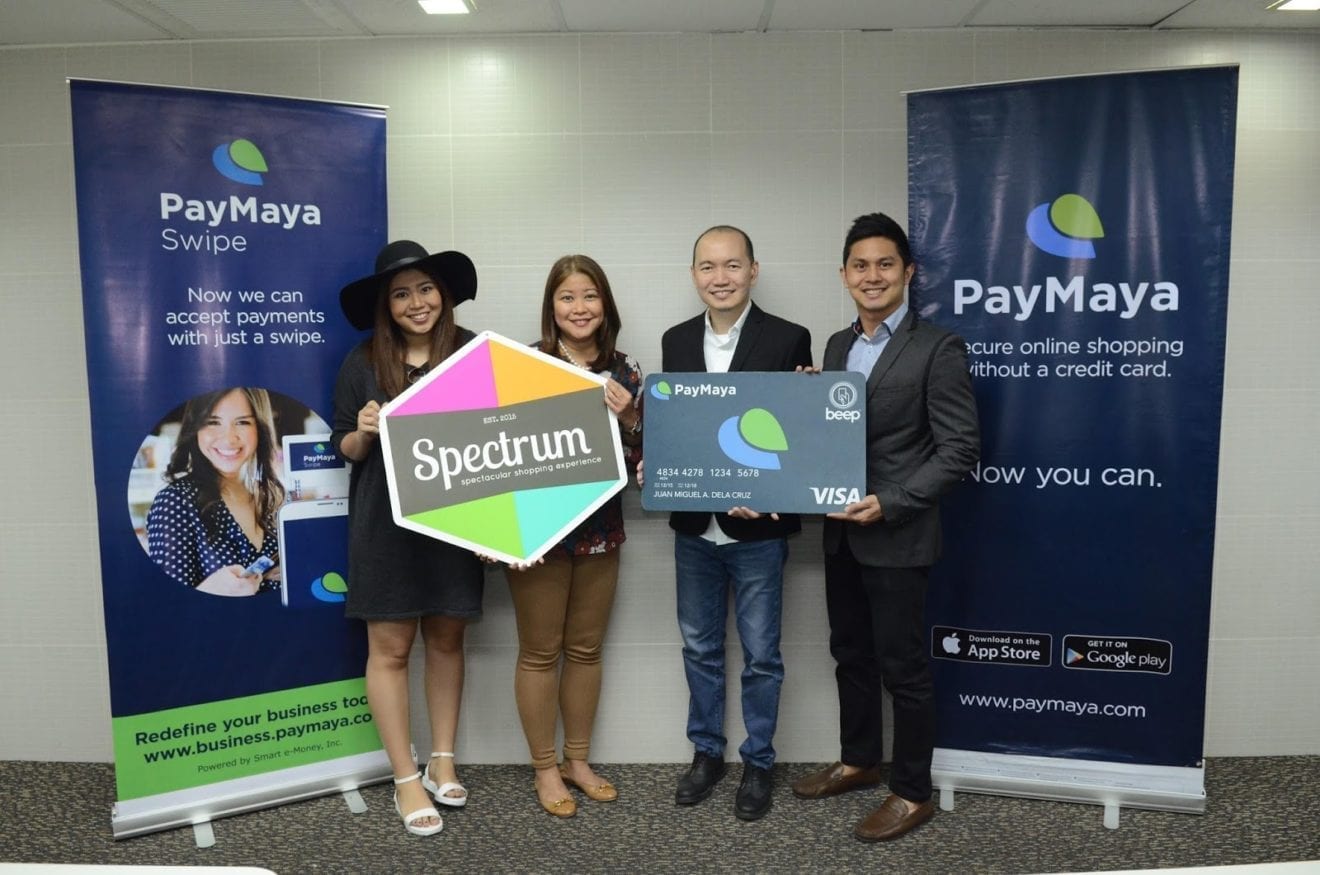
    PayMaya Business is focused on delivering solutions that power businesses of all types and sizes to accept all kinds of payments. The services PayMaya Business provides are PayMaya Checkout, a system that enables online shops to accept card payments, PayMaya Swipe, a mobile point-of-sale device that can simply be attached to any mobile device so merchants can accept card payments, and PayMaya Touch, a payment solution which allows businesses to accept swipe, dip, and contactless card payments.

    The partnership will benefit all JCB cardmembers in the Philippines and overseas. JCB is a pioneer in the Japanese payment card industry with over 70M cardmembers and 95M in total worldwide. JCB cardmembers will be able to use their JCB cards at online merchants that use PayMaya Checkout as their payment gateway.

    In 2017, JCB cardmembers will also be able to transact in big retail outlets in the Philippines but also in micro- and small-medium enterprises including local boutiques, food carts, and community stores which offer a unique shopping experience through PayMaya Swipe and Touch. These outlets prefer more affordable and easier payment acceptance solution like PayMaya Swipe, Checkout, and Touch.

    Kimihisa Imada, Deputy President of JCBI, said, “The Philippines is one of the most important markets for JCB’s global business expansion and we are pleased to welcome our new partner to the JCB network. I am certain that this partnership with PayMaya will bring more benefits and convenience to all JCB card members, especially in the e-commerce space. We are also looking forward to exploring further business opportunities such as ‘PayMaya-JCB Card’ issuance soon.”

    “At PayMaya, we strive to shape the future of commerce and drive local business growth through digital payment innovations. We are strengthening this commitment by collaborating with strategic partners such as JCBI, which help us enable merchants to accept payments from more consumers here and abroad. We are thrilled to see the progression of our alliance with JCBI as we continue our mission in redefining the payment landscape in the Philippines,” said Orlando Vea, President and CEO of Voyager Innovations and PayMaya Philippines.

    The JCB “Uniquely Yours” Experience

    JCB is a major global payment brand and a leading payment card issuer and acquirer in Japan. JCB launched its card business in Japan in 1961 and began expanding worldwide in 1981. Its acceptance network includes about 31 million merchants and over a million cash advance locations in 190 countries and territories. JCB cards are now issued in 21 countries and territories, with more than 95 million card members. As part of its international growth strategy, JCB has formed alliances with hundreds of leading banks and financial institutions globally to increase merchant coverage and cardmember base. As a comprehensive payment solution provider, JCB commits to provide responsive and high-quality service and products to all customers worldwide.

    The unique benefits of PayMaya Business

    PayMaya handles the requirements of merchants in enabling their online and card payment acceptance–no need to talk to banks, expert programmers, or payment aggregators separately.

    For online payment, PayMaya Checkout API is easy to integrate in websites or apps. The process involves three simple steps: integration to sandbox environment, testing, and production.

    PayMaya provides simple pricing and fast settlements. Merchants are not required to settle monthly fees or present bank statements. They will only pay for the transactions they make. The package comes with access to a dashboard of transaction reports for sales performance tracking.

    The Philippine Airline’s mobile website and its recently launched online boutique, and the online gadget store Kimstore are powered by PayMaya Checkout.