Tag: app

  • Apple’s healthcare unit needs to see a doctor

    Apple’s healthcare unit needs to see a doctor

    Earlier this year, Apple CEO Tim Cook said healthcare would be “Apple’s greatest contribution to mankind.” It appears that Apple is having problems with this unit after a number of members have left the team. Citing eight sources said to be familiar with the situation, CNBC says that there is tension in the company’s healthcare division and the group is essentially without direction after a series of changes at the top of the unit.

    The report says that while some employees have done well, others feel stifled and closed in, unable to get the team to work on their ideas. Part of the problem is getting the unit to agree on a direction to take. Half of the eight sources say that employees wanted Apple to take on some of the larger problems that the healthcare system faces today such as medical devices, telemedicine, health payments and the treatments of chronic disease. Apple, notes the report, has instead focused on creating features for its devices that focus on wellness and prevention for healthy people. The latter end of the healthcare industry is considered to be less risky and less regulated. Despite the issues inside the group, all eight sources agreed that healthcare remains a “strategic priority” for the company.

    Apple’s healthcare features are found mainly on the Apple Watch. The heart rate monitor has saved a number of lives, and the Series 4 model added an electrocardiogram (ECG) sensor that looks for abnormal heartbeats. The latter has also been a lifesaver and other watches, like the Samsung Galaxy Watch Active 2, also is equipped with an ECG feature. We do have to point out that it will remain disabled on the Galaxy Watch Active 2 until it receives FDA approval, expected sometime during the first half of next year. Apple’s Chief Operating Officer Jeff Williams is in charge of the healthcare team, and reportedly it was his idea to add sensors and algorithms to the Apple Watch once it became apparent that the device would not be a big seller as a fashion accessory.

    The company is reportedly working on a way for diabetics to measure their blood glucose levels using the Apple Watch, without having to draw blood. Currently, diabetics who depend on insulin prick themselves to draw a small drop of blood that is tested on a glucometer. This is a huge market because a new test strip is required for each test and insulin-dependent diabetics need to test themselves three or more times a day. If Apple can develop such a technology, it could take Apple’s healthcare initiative and the Apple Watch into uncharted territory. The Apple Watch happens to be the world’s top-selling smartwatch and anchors a wearables unit that saw revenue for the fiscal third quarter soar from $3.73 billion in 2018 to $5.53 billion this year. That was a 48.3% year-over-year gain.

    Earlier this year, Apple sent out a survey to check on the morale of employees in its healthcare unit. When the survey indicated that employees were not happy, Williams spoke with a number of employees to let them know that he was still committed to the business. But the executive also wears many hats at Apple and as COO he is responsible for overseeing Apple’s operations and its vast supply chain. Thus, the healthcare group might not have his full attention at times.

    Some of the sources say that Apple needs to be less secretive with its work in the $3.5 trillion healthcare industry. The company is traditionally tight-lipped about its projects, but that doesn’t fly in the world of medicine where clinical studies and published research play a big role.

  • Hermes launches app to enhance delivery experience

    Hermes launches app to enhance delivery experience

    Hermes has rolled out a new app, which, according to the delivery company, enables retailers to deliver an enhanced experience to its customers. The app provides online shoppers with increased visibility over their shipments, as well as more choice and control over how they receive their parcels.

    The Hermes app, which is available on both iOS and Android platforms, allows users to track and/or divert their parcels in real time via their smartphones, as well as receive notifications on the current progress of their deliveries.

    Currently, consumers have the option to re-route their deliveries to a neighbor or a safe place while the parcel is in transit. Further options, such as diverting mail to a ParcelShop or a locker, are set to be added later in 2019.

    Returns can also be carried out more conveniently using the app. Users can book a return via the app and then a relevant QR code and order number is sent to them.

    The app will also be vital to the roll-out of Hermes Play later this year, which enables the sender of a parcel to connect with its recipient through a personal video message.

    The sender will be able to record and upload a file via the app, which can be accessed by scanning a 2D barcode upon delivery.

    Meanwhile, SMEs and consumers looking to send parcels will be able to use the app to book deliveries. Users can navigate the menus to pick a recipient from their address book, and generate the shipping labels, before arranging a courier collection or dropping off at a ParcelShop.

    Chris Ashworth, CIO at Hermes, said, “Our dedicated team of innovators and specialist developers are continuing to shape the future of home deliveries by creating a wave of new and exciting products. This app provides a foundation for many of these new features, which are designed to drive a greater customer experience for our retail clients.”

  • Remote-Based App Exposed Thousands Of Vehicles To Hackers

    Remote-Based App Exposed Thousands Of Vehicles To Hackers

    A hacker who goes by the handle Jmaxxz has exposed a series of vulnerabilities in a remote-based automobile app that may have exposed around 60,000 cars to hackers.

    In a talk at the Defcon hacker conference in Las Vegas on Saturday, Jmaxxz identified several issues in a system called “MyCar” — developed by Canadian company Automobility, Wired reported.

    Based on a scan of MyCar’s exposed database, Jmaxxz estimates that there were roughly 60,000 cars left open to theft by security bugs, with enough exposed data for a hacker to even choose the make and model of the car they wanted to steal.

    MyCar’s devices and apps connect to radio-based remote start devices like Fortin, CodeAlarm and Flashlogic using GPS and a cellular connection to extend their range using an Internet connection.

    Jmaxxz claims that the danger of these glitches are beyond theft or remote alarm-triggering pranks. Remotely starting a car without the owner’s knowledge could lead to dangerous carbon monoxide leaks which could be fatally dangerous.

    Addressing the matter, MyCar’s parent company has said that all the resources at their disposal have been used to promptly address the situation, the report added.

  • Singapore Airlines launches new mobile app

    Singapore Airlines launches new mobile app

    Singapore Airlines has launched a new mobile app for Android and iOS smartphones.

    The app, based on a ground-up rebuild and all-new underlying technical architecture, is designed to significantly enhance booking and check-in flows, and improve transaction time by up to 60%.

    In addition to significant improvements in existing functions, the new app introduces several entirely new features, including:

    • ‘Capture & Discover’ – a new search function that uses image recognition as well as speech and natural language processing to identify user intent, match it to a Singapore Airlines destination, and present relevant destination content and fair deals.

    • ‘Translation Assistant’ – a feature that uses real-time language translation by voice to help travelers communicate better when they are overseas.

    • ‘Measure Your Baggage’ – to help travelers determine if the size of their bag is within cabin baggage limitations.

    Amongst the many improvements in existing functionality, real-time information such as boarding gate details, the destination’s weather, and currency, and baggage belt information have been added to the “My Trips” function.

    The new app also sees enhancements such as a newly designed KrisFlyer account dashboard and the introduction of an ‘Inbox’ feature, which stores push notifications as well as KrisFlyer messages for easy reference.

    “Singapore Airlines has been investing heavily to enhance our digital capabilities. With new user interface designs and insourcing of developer and customer experience talent, we are working to provide faster and more customer-centric products and services to improve the customer experience,” said Senior Vice President Sales and Marketing, Mr Campbell Wilson. “The launch of our new app follows many other digital innovation initiatives, such as KrisPay, the world’s first blockchain-based airline loyalty digital wallet, and the progressive redesign of our website and its underlying architecture. Improvements to our mobile app will not stop here and we will continue to invest our efforts to add value to our customers’ experience.”

    The new app will be available for download progressively, following the beta launch that began in October 2018. For Android users, the new app is being released by countries progressively between July and September 2019, while iOS users may download the new app from the App Store in September 2019. The beta version will continue to be available for download in the meantime.

  • My Audi Connect App Introduced In India

    My Audi Connect App Introduced In India

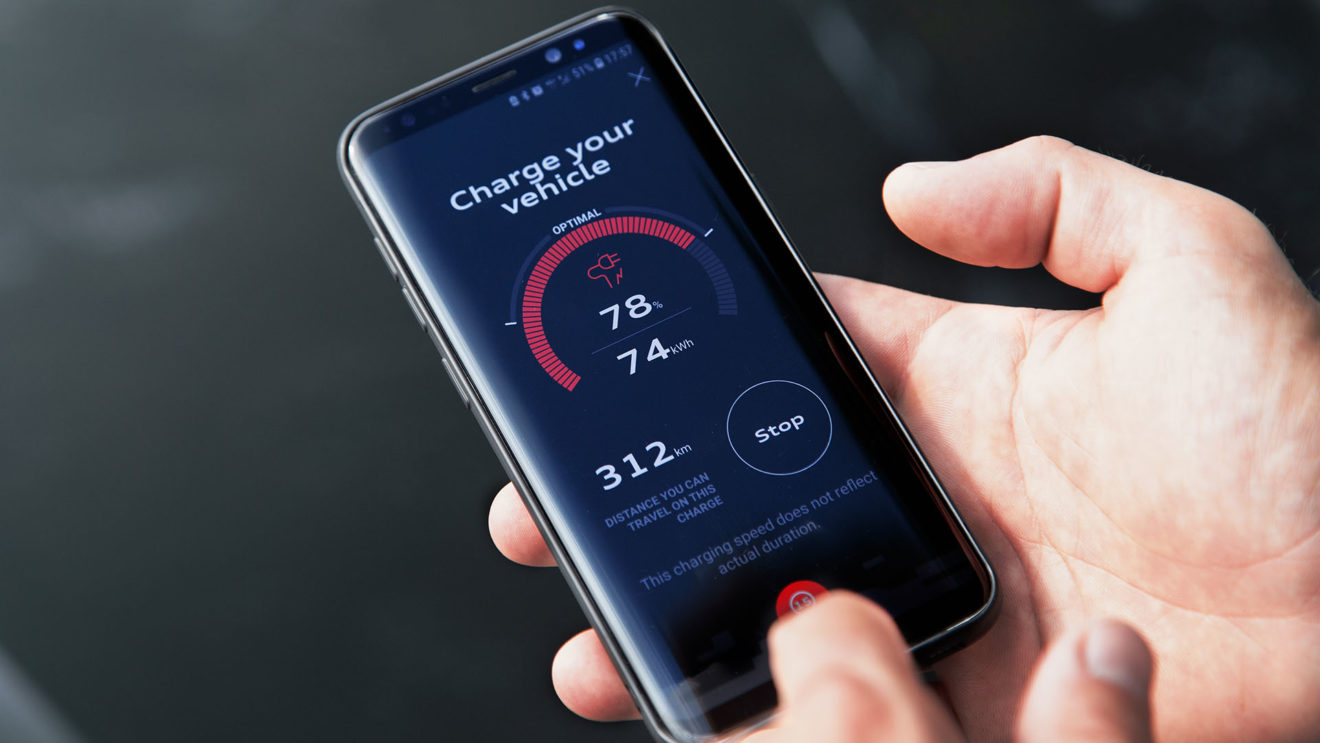
    There is no denying the fact that connected cars are the future and whoever gets it first in the segment, definitely has the exclusivity advantage to an extent. In the luxury car market, its Audi which have come up with a new connected app that not only helps you access your car 24×7 but also offers a range of exciting features. However, Audi customers will need to shell out ₹ 19,999 more for the package. The app represents the digital connection between the owner, vehicle and infrastructure and provides real-time information about the vehicle which can be accessed from any part of the world as long as you have an active internet connection.

    The My Audi app is broadly divided into five categories- Safety and Security, Driver’s Behaviour, Lifestyle, Geo-Location and Utility. Under the safety and security slug, you get features like SOS emergency alert to contacts and medical help, roadside assistance, curfew alerts which basically is geofencing and sets the boundary outside which the car isn’t allowed to go and disturbance alert which alerts your whenever someone is trying to access your car without your permission. The Driver’s behavior category offers features like Trip Analysis, Head Braking, Hard Acceleration, sharp turns and idling alert (just in case your vehicle is on for a long time and the driver is misusing the AC or other features). The lifestyle segment brings to you various music and media apps along with a very elite kind of feature called concierge desk which gives you a plethora of dine and wine options among other leisure activities. The geolocation feature is again a very useful one primarily because of its car finder and tow alert feature along with live location service. Last but not the least, the utility category offers features like service booking, vehicle history, vehicle’s health and virtual document storage which Audi says won’t be used for scanning personal information of any customer.

    Though these services come at a cost in most of Audi cars, the company says that the flagship models will get them as standard. Existing Audi customers who have purchased their cars after 2011 can also avail these services as it will be compatible with those models. However, the idea is also to cater and attract entry-level luxury car buyers who may find these features even more lucrative as it will add value to their lifestyle.

  • Google makes a subtle but important change to the Search app

    Google makes a subtle but important change to the Search app

    A look at the updated version of the Google Search app reveals that Google is phasing out its Voice Search feature in favor of the Google Assistant. Voice Search could be found in the Google Search app and on the app’s widget. The iconic microphone icon, when tapped, would allow the user to verbally request a search. But now, Google wants its virtual digital assistant to take over all voice searches.

    A subtle change can be found in the Google Search app (aka the Google app) in version 10.24 or 10.28 beta. The microphone icon once found on the right-hand side of the search bar has been replaced with the Google Assistant icon. In addition, the old search bar included the words “Say Hey Google” while the updated version now reads “Ask any question.”

    Google Assistant is at the heart of the Google ecosystem. It is considered to be the best digital assistant among the top four, a group that also includes Amazon’s Alexa, Apple’s Siri and Microsoft’s Cortana. According to Google, there are now over 1 million actions that Google Assistant can handle. And with Assistant available on all of the Google Home smart speakers and the Nest Hub smart displays, replacing Voice Search with Google Assistant is a way for the company to bring all of its apps and devices in sync with each other.

    Google hasn’t finished rolling this update out to everyone yet, but it is easy to check to see if it has hit your phone. Simply open the Google Search app and check out which icon is in the search bar.

    The first virtual assistant found on a smartphone was Siri, which debuted with the Apple iPhone 4s on October 4, 2011. Apple had acquired the technology when it purchased Siri Inc. in 2010. At the time, Siri was a concierge app in the Apple App Store and its developers planned to offer it for Android and BlackBerry devices. Even though Apple had a head start in this space, some of the company’s former employees said last year that Apple lost its vision for Siri the day after it was first introduced on the iPhone 4s; that was the day that Steve Jobs died.

    Meanwhile, several tests have shown that Google Assistant recognizes questions and gives appropriate responses better than Siri. An extensive test was conducted last year of the four major digital assistants by venture capital firm Loup Ventures and its analyst Gene Munster. The test showed that Google Assistant answered correctly or performed the correct actions better than its rivals in all five categories that were being tested (Local, Commerce, Navigation, Information and Command). Siri finished last in three of the categories and only got 12% of navigation queries correctly. Alexa finished second in four of the categories while Cortana finished third in three of the classifications.

    The aforementioned test was conducted on smart speakers. So a few months later, Loup put the assistants through the paces again, but this time it used different smartphones. Google Assistant on a Pixel XL understood all 800 of the questions asked. Siri misunderstood 11 queries while Alexa and Cortana missed 13 and 19, respectively. Google Assistant won four out of the five categories (Local, Commerce, Navigation and Information) while finishing second in one of them. Siri placed second in four categories, topping Google Assistant in Command. Alexa was all over the place with a second-place finish (Information), three third-place finishes (Local-tie, Commerce, Information, Command) and wound up last in one category (Navigation). Cortana was ranked last in three categories (Commerce, Information, Command), and finished third twice (Local-tie, Navigation).

  • Outlook for iOS update finally brings iCloud support

    Outlook for iOS update finally brings iCloud support

    Besides the usual monthly Office mobile updates that Microsoft reveals at the beginning of each month, the company releases additional updates that usually include bug fixes or minor improvements to already existing features.

    However, the latest Outlook for iOS update brings a completely new feature that will work with other apps like SharePoint, Google Drive, and Dropbox. Support for iCloud is now being added to Outlook on iOS devices, a long-overdue feature that will allow users to find specific files.

    Working alongside OneDrive, SharePoint, Google Drive, Dropbox and Box, Outlook for iOS lets those who own account on any of those services to easily find, attach or preview files, a more than welcome improvement that many people have been asked for months.

    The latest update adds some bug fixes and improvements as well, in addition to iCloud support, so expect your Outlook app to perform slightly better after the update.

  • Apac consumers embracing shopping apps

    Apac consumers embracing shopping apps

    Users of shopping apps users are becoming increasingly purchase-happy in what is poised to be mobile commerce’s biggest year so far, according to a recent study by Liftoff.

    The report by the mobile-app marketing and retargeting platform also uncovers key insights into Asia Pacific (Apac) mobile shopping behaviour, suggesting the rise of “Mobile Window Shopping” in the region, which is underpinned by the low costs of installing shopping apps and acquiring new users.

    Analysing more than 90.9 billion ad impressions across four global zones, 13.6 million installs and 3.9 million registration and purchase events between April 2018 and April this year, the report identified several trends relevant to the Apac region.

    In Apac, users are clearly open to exploring retail apps, with registration rates skyrocketing and acquisition costs dropping year-on-year. But the data points to a surprising new trend – “Mobile Window Shopping”. While users install and register in retail apps with ease, the joint report shows a sizeable drop-off at the all-important purchase stage. Apac’s cost-per-first-purchase comes in at US$31.26 (up 13.3 per cent year-on-year), coupled with a low 10.1 per cent conversion rate.

    This could point to a larger retail trend: the demand for a more user-friendly shopping experience. While price tends to dominate purchasing decisions, factors such as having personal engagements with retailers and concerns on whether the retailers can capably fulfill orders are also seen as crucial by mobile shoppers.

    “For marketers looking to boost purchase rates, the key is to utilise the data they have, understand potential drop-off points and to segment and target properly,” said Adjust co-founder and CEO Christian Henschel. “Brands can then create and deliver the perfect user interaction strategies for their marketing initiatives. This personalisation is key to winning over fickle consumers and building long-term loyalty.”

    Southeast Asia’s largest country – Indonesia – presents a dynamic landscape for marketers operating in APAC; especially in terms of the number of users that can be acquired. However, turning those acquisitions into actual purchases will likely depend on how convenient the mobile app shopping experience is. The cost of an application installment is just US$1.65, but this is paired with somewhat meagre conversion rates. Another concern for marketers and retailers is that retention rates of shopping apps in Indonesia trail behind other markets studied in the region, the prime reasons being consumers having a low learning curve, lack of patience with the app onboarding process and failing to understand the long-term value of installing an app.

    “The shopping app market in Asia is growing dynamically and at an all-time-high, yet based on our findings, the number of purchases made through such apps are not as high as they could be; despite the general trend of consumers moving their browsing from store windows to the phones’ screens,” said, Liftoff VP marketing Dennis Mink.

    “Indonesia is a microcosm of the behaviors and concerns of the region’s shoppers. So, finding the right message and conveying it in the right context to the consumer can help remove these roadblocks, thereby improving retention and interest.”

  • Upcoming free app for the Apple iPad might turn you into the next Michelangelo

    Upcoming free app for the Apple iPad might turn you into the next Michelangelo

    Adobe announced that its drawing and painting app for the iPad originally called “Project Gemini,” will be known as Adobe Fresco when it launches later this year. Fresco is an old technique used for hundreds of years that involves painting on wet plaster. It requires the artist to complete the painting before the plaster dries. That type of “spontaneous creativity” is at the center of Adobe Fresco. The app will first be available for iPads with Apple Pencil support, which means that users can unleash their creativity wherever they are. Eventually, Fresco will be offered for other stylus supporting touchscreen devices.

    The app uses Adobe’s AI-based Sensei platform for the Live Brushes feature. This allows users to “paint” on the app using watercolors and oils and experience the same response as a painter would in real life. Adobe says that those using the app can even paint with virtual water to dilute colors. The company has gone to the trouble of determining how certain paint pigments interact on different types of surfaces and has recreated these experiences for the Adobe Fresco app.

    Brushes used in Photoshop can also be employed in Adobe Fresco and users have access to digital brushes from the artist and digital brush creator Kyle Webster. The app is equipped with vector brushes to allow the artist to “create clean, crisp, and infinitely scaleable lines and shapes.” And users will be able to create their own brushes thanks to Adobe Capture.

    “Drawing is fundamental to developing creative literacy. It is most people’s first connection to creativity, and every great painting, sculpture, film, or building began with a drawing. And today, more than ever, it’s essential for everyone to develop creative literacy. As artificial intelligence takes over more and more repetitive and mundane tasks, creativity is the unique human quality that sets each of us apart and helps us succeed.

    Connecting brain and hand through drawing unlocks creative magic. To forge that connection, a digital generation needs a digital tool, which is why we’re developing a powerful and sophisticated drawing and painting application.”-Adobe

    While Fresco will have professional features like layers, masking, and selection, Adobe points out that the app has what it calls a “streamlined” interface that even children can use. And Fresco users will be able to move their project between the app and Photoshop seamlessly. The art can also be exported to PDF where it can be edited using Adobe Illustrator.

    Whether you’re a professional artist or just sketch for a hobby, Adobe Fresco is all about creating. The app will be free and if you’re an iPad user, you can submit a request to try the beta version of the app by registering here.

  • New era for users of Android’s Messages app starts later this month

    New era for users of Android’s Messages app starts later this month

    Instead of continuing to wait for carriers worldwide to get together to support the global rollout of Rich Communication Services (RCS), Google is taking the next generation of Android messaging into its own hands. Starting later this month in the U.K. and France, Android users will be able to opt into Google’s own RCS Chat services. Eventually, this will be offered in more countries later this year, and with Google taking care of this directly; eventually, we could see RCS made available for all Android handsets.

    The platform developed to replace short message service (SMS) on Android phones does away with the 160 character limit on texts and supports group messages. It also will show a user that a text he sent has been read (the so-called “read receipt”) and will show when someone who is part of a chat is in the middle of typing a message. The RCS platform also allows users to engage in a video chat without the necessity of installing a third party app like Duo and supports the sharing of large files.

    What RCS doesn’t have that some other messaging apps do is end-to-end encryption. This is a key security and privacy feature offered on third-party titles available for Android like WhatsApp and Telegram. But Google is working on it and Sanaz Ahari, one of the Googlers in charge of Android’s Messages app says, “We fundamentally believe that communication, especially messaging, is highly personal and users have a right to privacy for their communications. And we’re fully committed to finding a solution for our users.” Ahari adds that the goal is “a great, simple user experience that just works for every Android user.”

    Google, at least at first, will offer RCS to those Messages users who opt-in for the service when it is available in their market. When that happens, users will open the Android Messages app and will receive a prompt asking them if they’d like to sign up for RCS Chat, which is Google’s name for the SMS replacement. On new Android phones, Messages will remain the default messaging app and once the app is opened, users will be asked if they’d like to opt-in to RCS Chat. This is different than the way Apple automatically has iOS users opt-in to Messages. While Google will indeed offer RCS Chat to all Android users, they will still get to make their own choice whether to accept it.

    In Apple’s Messages, if the user sees iMessage in the text field, he knows that he is conversing with another iOS user. If he sees text message in the same field, the conversation he is having is most likely with an Android user. Google will do something similar; if you see Chat on the app, it means that the person on the other end of the message also has RCS. And as we pointed out, RCS does not have end-to-end encryption; the messages are encrypted en route from the sender to recipient, but if your RCS provider is asked by law enforcement for a copy of your RCS based conversation, the information can be delivered to them. However, once a message is received by the recipient, it is removed from Google’s servers. Drew Rowny, the product lead for the Android Messages app says “From a data retention point of view, we delete the message from our RCS backend service the moment we deliver it to an end user. If we keep it, it’s just to deliver it when that person comes online.”

    Android users should feel better about the timeline for receiving RCS now that Google is handling the rollout itself. This means that carriers’ approval is not needed. And the faster that RCS is rolled out, the quicker Android users can enjoy it.

  • New Facebook Portal devices are launching this year

    New Facebook Portal devices are launching this year

    New versions of Facebook’s Portal home smart speakers are coming out this year, while the first-gen models that launched in November 2018 will be making their way outside of the US. The Portal product lineup is the social network’s attempt to grab a piece of the smart home speaker market, where competition from Amazon and Google is stiff. Facebook’s take on the gadget is very camera-centric and allows users to make encrypted video calls through Messenger, while Portal’s camera follows them around.

    At the Code Conference in Scottsdale, Arizona, Facebook’s Vice President of AR/VR, Andrew “Boz” Bosworth, announced that the next-gen Portal speakers are coming “this fall.” There will be “new form factors” available as well, Bosworth said, though he didn’t elaborate on what this means, exactly. “Hardware is coming to the home, and we want to make sure that human connection, connection between two people, is a first-party experience on that hardware,” Bosworth added.

    Since one of the product’s differentiating features is the camera tracking, it’s not going anywhere, but the new models might make it even more prominent. According to rumors over the past months, Facebook may be working on a considerably smaller device than the first-gen Portals—pretty much just a camera—that can be attached to TV sets. This will also make the device cheaper and allow people to use their TVs as smart displays.

    The success of Facebook Portal was questioned ever since the company announced it. On the heels of some big privacy scandals over the past couple of years, having doubts over a Facebook-branded tracking camera isn’t all that far fetched. However, at the conference in Scottsdale, the company reassured that the first generation of Portal smart speakers sold “very well,” although the claim wasn’t backed by official numbers.

  • Farfetch opens flagship on JD.com China

    Farfetch opens flagship on JD.com China

    Farfetch China has opened a flagship store on JD, one of its strategic investors.

    The move follows Farfetch China’s purchase of Toplife announced in February and gives the global luxury-fashion technology platform access to more than 300 million customers in Mainland China.

    According to a statement, Farfetch now has a ‘Level 1’ entry point on the JD app, providing customers with instant access to more than 3000 brands via Farfetch’s network of more than 1000 luxury brand and boutique partners.

    “The partnership builds on the existing successful relationship between Farfetch and JD, started in July 2017,” said Farfetch China MD Judy Liu.

    Since then, the fashion platform has built its China presence by sharing JD’s logistics capabilities and its insights into the behaviour of Chinese luxury consumers.

    “Brands crave ever-better access to the Chinese market, and we are thrilled to deliver this for them,” said Liu.

    “This is an important expansion of our strategic partnership with JD, which strengthens the Farfetch China business as part of our truly global offering. Being able to offer the full suite of Farfetch’s technology and logistics platform to brands wanting to reach high-end Chinese consumers is a major competitive advantage as we seek to continue to grow market share in the rapidly expanding online luxury market.”

  • Spotify brings its lightweight Stations app

    Spotify brings its lightweight Stations app

    Spotify users in the United States will have one more alternative app that will allow them to listen to their favorite radio station starting today. Suggestively named Stations, Spotify’s lightweight app was originally launched in Australia last year.

    Although it’s still considered an experiment, Stations is aimed at users to prefer a more streamlined music experience. It’s worth mentioning that while the app was initially available to Android users only, Spotify released an iOS version last month.

    Starting today, Stations is available in the United States on both Android and iOS platforms. If you’re not a premium Spotify customer, you’ll hear ads in Stations, but if you pay for the music streaming service, you’ll get special features and ad-free listening.

    Also, Stations allows users to filter music by genre, decade, activity and more, but the more the app is used, the more in-depth options users will have at their disposal. Of course, the option to customize your own playlists is available as well.

    If you’re living in the US and give the app a try, you can now download Spotify Stations for free via App Store and Google Play Store.

  • Apple’s new Reminders app dark theme leaks out

    Apple’s new Reminders app dark theme leaks out

    Google slowly introduced us to the systemwide dark mode in Android Q by painting its own apps in morbid colors on a piecemeal basis. It brushed over the Phone app, Contacts, Calendar, Keep notes, you name it.

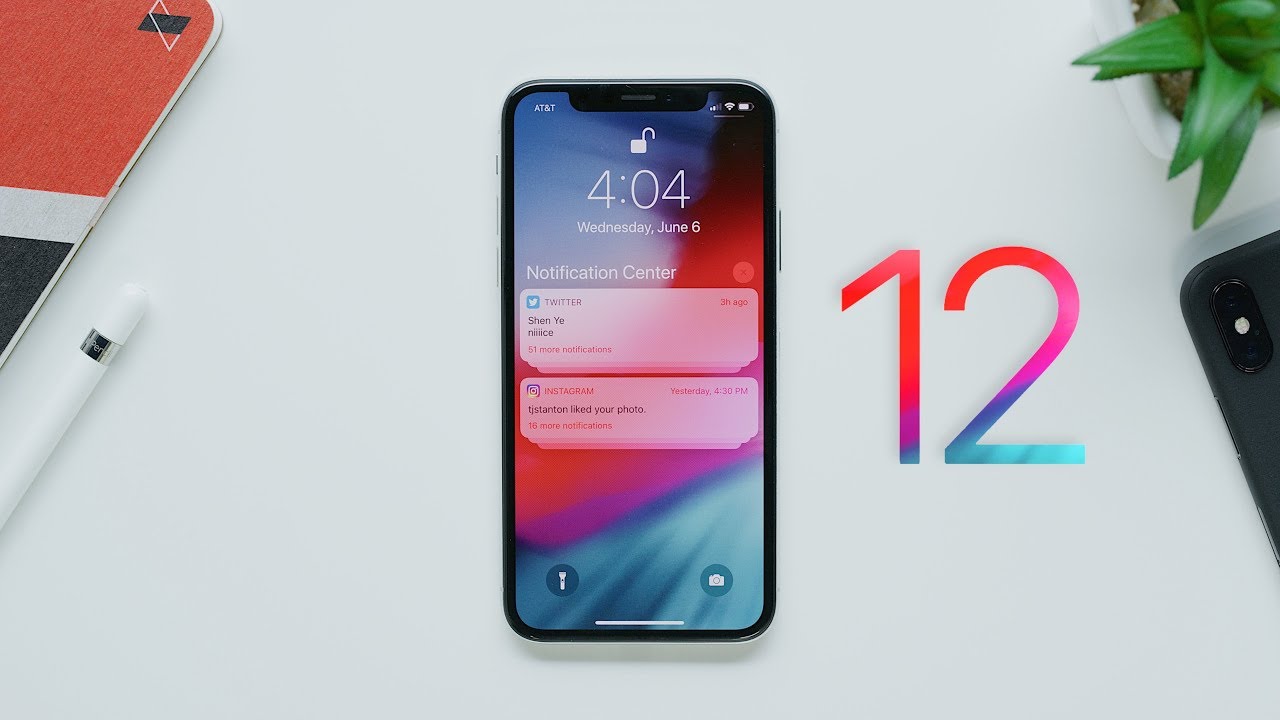
    Apple, however, will be going all out with the iOS 13 dark mode, it seems, theming the launcher, toggles and system settings, as well as its stock apps. While we already rendered what dark mode would look like on iOS, based on some leaked info, we now have a real preview of one Apple default app’s dark theme.

    The difference with the current rendering of the Reminder app is pretty striking, yet in sync with the dark theming that has been sweeping the industry lately, and now Apple is following suit with its own take on the matter. Gawk at what’s about to be unveiled just a few short hours from now.

    Apple’s Worldwide Developers Conference (WWDC) 2019 takes place June 3-7 in San Jose, and starts with a keynote later this morning at 10 AM Pacific Time where a bunch of new software updates – iOS 13, watchOS 6 and tvOS 13 – are to be introduced.

  • Alibaba’s 618 Mid-year Shopping Festival targets Specific China Regions

    Alibaba’s 618 Mid-year Shopping Festival targets Specific China Regions

    Alibaba Group has launched this year’s 618 Mid-year Shopping Festival from Taobao and Tmall, allowing brands and merchants to tap into China’s less-developed regions with 1.5 million new products and multiple promotions.

    This year’s festival aims to engage customers in emerging cities, counties and villages across China. To do so, Taobao and Tmall are boosting promotional resources to elevate excitement and help brands reach this rapidly growing market. Altogether, more than 200,000 brands and retailers will participate in the shopping event.

    The shopping event officially started on June 1 and will continue though June 18. Within the first hour, from midnight to 1am, gross merchandise volume (GMV) exceeded that of the first 10 hours last year. And at 11.23am, less than 12 hours after the start, total GMV surpassed last year’s full-day figure.

    Branded products are so far proving extremely popular. Top brands like Apple, Xiaomi, Haier, Aux, Midea, L ‘Oreal, Lancome, Nike and Adidas each notched more than RMB100 million in sales in the first hour. Among them, Apple sold over RMB100 million worth of products in two minutes and 45 seconds, while Midea and Nike both hit that mark in four minutes.

    “In addition to rising discretionary spending, consumers in China’s less-developed regions are becoming more-sophisticated shoppers who are looking for lifestyle upgrades,” said president of Taobao and Tmall Jiang Fan. “This increased consumption potential could mean bright prospects for our merchants. People in these areas might have less access to physical shopping facilities than those in big cities, and this year we are working closely with our partners to address their needs and offer them the same good quality products on our platforms with innovative and fun programs.”

    The number of people living in smaller cities and rural areas accounts for nearly 70 per cent of China’s total population, according to Chinese market-research firm Analysys. These consumers are catching up with first- and second-tier markets in valuing quality over price. Tmall’s figures also show that more than half of the sales generated on its Luxury Pavilion comes from customers outside China’s first- and second-tier cities.

    In view of this trend, Taobao and Tmall are leveraging Alibaba Group’s ecosystem and technology and an array of marketing channels and tools to build momentum from early June. Key initiatives to offer opportunities in fast-growing markets and enhance customer engagement include:

    Tmall product debuts – About 1.5 million products will debut on Tmall during the festival with customers enjoying heavyweight promotional offers on these items. Many were developed by brands on an accelerated cycle, thanks to consumer insights provided by Tmall. In addition to deals on the 1.5 million new products, brands are offering millions of other products at a discount. All products are available to consumers nationwide, but brands are paying special attention to the needs and desires of customers in lower-tier Chinese cities.

    Flash Sales – Alibaba’s flash sales channel, Juhuasuan, allows brands to offer deep discounts to reach new customers in fast-growing markets. Juhuasuan will organise dozens of 618-themed group-selling campaigns featuring must-buy items recommended by brands. Statistics show that Juhuasuan is a tried-and-true channel for brands to attract first-time buyers. Since last year, 80 per cent of the transactions for branded goods through Juhuasuan were from new customers, and nearly half were from lower-tier cities.

    Taobao Livestreaming – Few marketing tools have proved more effective than livestreaming for brands to introduce and recommend 618 products to potential consumers in less-developed regions. Last year, sales generated by Taobao Livestreaming exceeded RMB100 billion. This year, US brands, including Stadium Goods, the streetwear and sneaker resale store backed by LVMH Luxury Ventures; Korean beauty brands, like Laneige and Innisfree; and Japanese cosmetics brands Shiseido will host livestreams for 618.

    Daily Deals – This channel on the Taobao app provides special offerings directly from manufacturers and is highly popular among consumers from less-developed areas in China. Equipped with insights from consumer preferences and behaviors, manufacturers are able to adjust their production processes on a real time basis to meet consumer demands. These manufacturers will introduce 100,000 promotional items for the 618 celebration.

    With a reach of 654 million annual active consumers in China, strong technical support and in-depth market knowledge, Alibaba’s ecosystem is offering a strong growth potential for brands.

    Alibaba Group’s annual results this year reflect that growth potential, with more than 70 per cent of the more than 100 million new active users added during the year ended March 31, 2019 coming from less-developed cities.