Tag: apparel manufacturing

  • Popees Baby Care Approves 511 Crore Rupee Reverse Takeover to Fund Retail Expansion

    Popees Baby Care Approves 511 Crore Rupee Reverse Takeover to Fund Retail Expansion

    Popees Baby Care India will acquire a 99.31 per cent stake in Popees Baby Care Products through a 511.33 crore rupee share-swap deal. The transaction folds the unlisted operating business into the Bombay Stock Exchange-listed entity, clearing the path to tap equity markets for retail expansion.

    Under the terms agreed by the board on October 24, 2026, the listed firm will issue up to 2.60 crore equity shares and 98.53 lakh fully convertible warrants, aggregating approximately 511.33 crore rupees. Stock exchange filings show the warrants must be converted into equity shares within 18 months of allotment, ultimately lifting promoter ownership in the listed vehicle to 69.63 per cent.

    How the Swap Consolidation Works

    The transaction acts as a reverse merger for the Kerala-based manufacturer. The listed shell, formerly known as Hari Govind International, had not carried on active commercial operations for years while searching for a new corporate purpose. Folding the operating assets into this vehicle allows the company to bypass the procedural lag of a fresh initial public offering.

    Popees Baby Care Products generated 161.93 crore rupees in revenue from operations during the financial year ending March 2026, up 19.7 per cent from 135.30 crore rupees in the prior fiscal year. To accommodate the massive influx of swap shares, the board also approved an expansion of the company’s authorised share capital from 10.25 crore rupees to 47 crore rupees.

    The swap values the operating business at a sharp premium to the listed shell’s historical trading levels. Shares of Popees Baby Care India traded at 106.30 rupees on November 5, leaving the pre-deal listed equity with a market capitalisation of roughly 95.35 crore rupees. By pegging the preferential issue price at 142.44 rupees, management is betting that public investors will back the company’s retail trajectory once the manufacturing assets appear on the consolidated balance sheet.

    Capital Allocation and Mall Competition

    Securing direct access to the stock market shifts the financial reality for Popees. Kidswear and infant supplies in India remain brutally competitive, with department store chains, value apparel retailers, and well-funded digital aggregators battling for shelf space in tier-one and tier-two cities. Operating purely as a private regional brand limited the company’s borrowing use and balance sheet flexibility.

    For retail landlords and franchise partners, the restructuring indicates that Popees now has equity currency to guarantee store leases and shop fittings. Yet executing a rapid retail rollout carries steep operational friction. Opening hundreds of company-owned or franchised doors risks inventory bloat if regional tastes outside southern India do not match the brand’s traditional Kerala customer base.

    Where the Stores Go

    Popees currently operates 116 exclusive brand outlets, cutting the ribbon on its latest location in Irinjalakuda while pushing north with an outpost in Chandigarh. Management wants a network of 1,000 retail stores within the next four years, alongside an entry into Gulf Cooperation Council markets where the southern Indian diaspora offers an established consumer base.

    Manufacturing infrastructure already exists to supply this store pipeline. Founded in 2003, the company runs three production units across Kerala, Karnataka, and Tamil Nadu, with an installed capacity of roughly nine lakh clothing and product sets per month. Its lineup covers newborn apparel, diapers, wipes, toiletries, infant essentials, maternity garments, and footwear, meaning immediate capital expenditure can flow toward store fit-outs rather than new factories.

    “This proposed share-swap transaction marks an important milestone in Popees’ growth journey. With a diversified product portfolio, manufacturing capabilities across three states and a brand built over more than two decades, we are well positioned to reach more families across India.”

    The Regulatory Pipeline

    The deal represents the final structural step in a corporate overhaul initiated earlier in October 2026. Board members initially cleared a preliminary preferential issue outline on October 8 before modifying the issuance structure on October 24 to fix the exact warrant and share tranches.

    Shareholders will vote on the proposed acquisition and the capital increase at an extraordinary general meeting scheduled for November 18, 2026, with an alternate procedural filing designating December 12 for the formal investor ballot ahead of final stock exchange clearances.


  • Beximco Plans British and Chinese Deal to Reopen Shuttered Bangladesh Garment Plants

    Beximco Plans British and Chinese Deal to Reopen Shuttered Bangladesh Garment Plants

    Beximco Group is seeking government approval for a foreign leasing deal to reopen its shuttered apparel plants in Gazipur, backed by British and Chinese investors.

    The five-year agreement brings British investment firm Charter HCP and Chinese operator Besting into the industrial park. Factory restarts are targeted for April 2027.

    How the factory leasing structure works

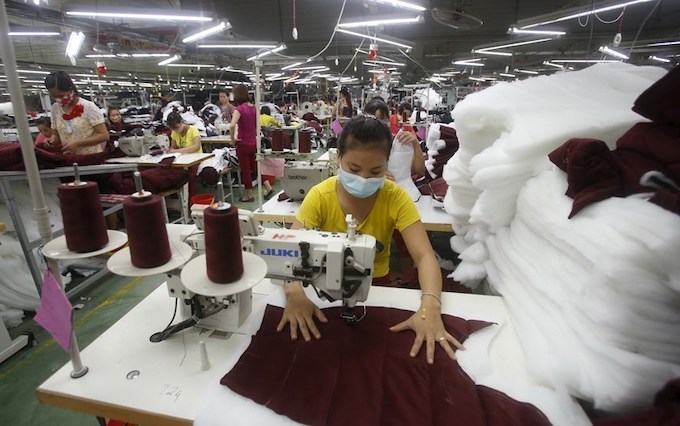
    Under the proposed plan, foreign backers will run Prefix Fashions, a specialized garment unit inside Beximco Industrial Park. Production will focus on outer garments, with export jackets accounting for roughly 90 percent of output. The first phase will restore approximately 2,500 manufacturing jobs.

    Revival Global, the asset manager for the investor group, designed a mechanism to ringfence cash flows and shield operations from Beximco’s domestic liabilities. Export proceeds will flow directly into bank accounts held by secured creditors. This prevents Beximco management from touching operational funds before paying debt obligations and working capital expenses, according to company executives.

    Phased expansion across Gazipur industrial park

    Prefix Fashions is the initial test case for a broader revival strategy. If operations and finances hold up, the consortium plans to reopen the remaining 15 shuttered apparel units in stages.

    A full rollout could rehire more than 30,000 garment workers across the complex. Beximco previously ranked among the largest private sector employers in Bangladesh. It operated vertically integrated facilities spanning spinning, weaving, denim washing and garment assembly before operations stopped.

    Supply chain shifts across South Asia

    Regional apparel sourcing faces severe turbulence. International fashion brands have spent recent months shifting purchase orders across South Asia to avoid production bottlenecks and delivery delays.

    Neighboring production hubs face their own bottlenecks. In India’s knitwear center of Tiruppur, roughly 460 dyeing facilities halted operations in October to protest raw material shortages and dye price spikes of up to 100 percent. The closures disrupted fabric supplies for export houses. Large-scale capacity in Bangladesh offers global buyers a hedge against regional limits, but confidence hinges on whether foreign management can insulate factory floors from political disruption.

    The collapse following political upheaval

    Beximco’s factory network shut down after the political collapse of the Awami League administration in Dhaka. The arrest of Beximco co-founder Salman F. Rahman, private industry adviser to former Prime Minister Sheikh Hasina, froze bank credit lines. That cut off working capital across the conglomerate’s textile, pharmaceutical and ceramics divisions.

    Plant closures in Gazipur displaced roughly 40,000 garment workers, triggering protests over unpaid wages and leaving multi-million-dollar export contracts unfulfilled. Local lenders took possession of assets. Foreign partnership leases remain the only viable route to restart production without direct government bailouts.

    Government regulators and creditor banks are reviewing the lease documentation for Prefix Fashions. State approval will determine whether maintenance teams can enter the Gazipur facility ahead of the planned April 2027 commercial restart.

  • Cin Cin Targets Stores in New York and Miami as US Demand Grows

    Cin Cin Targets Stores in New York and Miami as US Demand Grows

    Australian resortwear label Cin Cin is preparing to open standalone stores in the United States, targeting New York and Miami in October 2026 to capture its largest online buying demographic.

    The brand, founded by Louise Lazarus and Geo Moriarty, manufactures its retro-styled swimwear and apparel lines in Bali, Indonesia, where both founders are based and where the company operates physical storefronts.

    Bali manufacturing footprint

    Lazarus and Moriarty built the label around 1970s bohemian prints and saturated palettes, placing product development and garment production directly in Indonesia. Operating local stores in Bali gave the business an immediate testing ground with international holidaymakers before scaling wholesale and direct-to-consumer digital channels overseas.

    Direct control over Indonesian workshop capacity allows the company to turn around seasonal collections faster than competitors who outsource offshore without an on-the-ground presence. Keeping operations in Southeast Asia while selling into high-spending Western markets maintains strong unit economics for premium resortwear.

    The direct-to-consumer export corridor

    Cin Cin follows a proven path carved by Australian apparel exporters, including Monday Swimwear, PE Nation and Silk Laundry, that built international volume by pivoting early toward US shoppers. North American consumers continue to show heavy demand for southern-hemisphere lifestyle branding, particularly in coastal and warm-weather metropolitan hubs.

    Maintaining that momentum requires transition from pure-play e-commerce and multi-brand stockists into owned brick-and-mortar units. High freight rates and cross-border return friction frequently cap international digital growth, making localized storefronts essential to defend margins.

    “Our dream would be to open in New York or Miami, as our largest customer bases are there.”

    Margin pressures in physical expansion

    Leasing prime retail space in Manhattan or South Beach carries high fixed overheads and substantial upfront fit-out commitments. For independent resort labels, winter trading in non-sunbelt cities presents cash-flow risks that require disciplined inventory management across contrasting hemispheres.

    Retail property landlords in both New York and Miami are demanding solid balance sheets and proven trading histories from foreign direct-to-consumer entrants. Cin Cin will need to balance the costs of long-term commercial leases against seasonal wholesale partnerships with department stores and specialty boutiques.

    Next steps in retail rollout

    The label previously prioritized building out its retail base across tourist hubs in Bali alongside global e-commerce fulfillment. That dual structure generated the cash reserves needed to finance initial overseas market research and site scouting.

    Cin Cin is now reviewing retail real estate options and wholesale distribution schedules across North America for upcoming seasonal drops, with site selection in Florida and New York serving as the benchmark for its physical rollout.

  • Rajby Textiles Opens 500,000-Piece Denim Plant in Karachi

    Rajby Textiles Opens 500,000-Piece Denim Plant in Karachi

    Rajby Textiles Pvt. Ltd. Opened a garment manufacturing facility in Karachi, adding initial capacity for 500,000 finished denim pieces per month.

    A planned second phase will double output to 1 million pieces monthly, fed directly by the company’s existing mill that weaves 3.2 million meters of denim fabric each month.

    Automation on the Factory Floor

    The Karachi unit incorporates automated spreaders, pocket setters, automatic hemmers and loop attachers to accelerate assembly times and maintain stitch uniformity across bulk production runs. Finishing operations rely on Jeanologia ozone systems, laser distressing equipment and industrial washers engineered for lower resource consumption.

    Integrating garment assembly with on-site fabric milling removes transit delays between raw material production and cut-and-sew operations. The shift turns Rajby into a fully vertical supplier for international apparel labels seeking shorter order lead times in South Asia.

    “For over 50 years, [Rajby Textiles](https://wwd.com/sourcing-journal/sj-denim/adriano-goldschmied-relaunches-house-of-gold-rajby-textiles-filippo-donati-1238822229/) has built its reputation on manufacturing excellence, quality, and continuous innovation,” said Daniyal Saleem, CEO at Rajby Textiles. “With this new garment facility, we are bringing that same commitment to the finished product. By combining modern automation with sustainable technologies, we are offering our global brand partners an integrated, responsible, and agile supply chain.”

    Shifting Pressure to Vertical Hubs

    Global clothing retailers continue to consolidate their vendor rosters, favoring South Asian manufacturers that control spinning, weaving and sewing under a single corporate umbrella. Fragmented supply chains that ship yardage between disparate subcontractors face rising freight expenses and compliance penalties from European and North American buyers.

    Pakistani denim exporters are racing to match integrated rivals in Bangladesh and India by adding downstream stitching operations. The risk sits in execution: running high-speed garment lines demands tighter labor coordination and rapid turnaround on seasonal design changes than bulk fabric production ever required.

    Environmental Targets and Water Treatment

    To align the new sewing floor with brand sourcing rules, Rajby is upgrading its wastewater infrastructure. The company is retrofitting its effluent treatment plant with moving bed biofilm reactor biological and tertiary systems to meet the Zero Discharge of Hazardous Chemicals Progressive standard.

    Plant managers have scheduled installation of a wastewater recycling system designed to reclaim 30 per cent of process water by 2027. The company calculates that initial threshold will save volume equal to the daily water consumption of 17,280 people.

    Power Generation and Waste Milestones

    Rooftop solar generation will supply 800 kilowatt-hours of power directly to the apparel unit, cutting site-level emissions by 25 per cent. Management set an interim target to reduce total greenhouse gas emissions across the garment division by 50 per cent by 2030.

    The apparel plant builds on earlier energy systems installed at the fabric mill, which uses biomass boilers and waste heat recovery units to generate 95 per cent of its industrial steam from renewable inputs. The broader roadmap calls for achieving 100 per cent wastewater recycling and zero manufacturing waste sent to landfill across the Karachi complex by 2030.

  • Australian Adaptive Apparel Brand Jam the Label Closes Down

    Australian Adaptive Apparel Brand Jam the Label Closes Down

    Australian adaptive apparel brand Jam The Label will shut down operations after founders Emma Clegg and Molly Rogers declared the business commercially unviable. The company ceased all new product manufacturing following seven years of running an inclusive clothing line that shipped internationally from Australia.

    Former disability support workers Clegg and Rogers founded the business in 2019 to design functional, stylish clothing for people with disabilities. Growth was supported partly through participant purchases via Australia’s National Disability Insurance Scheme (NDIS), alongside appearances on mainstream runway circuits and fashion festivals. Both founders confirmed they will no longer produce inventory as they shift focus to their families following recent births.

    Market Education Burden on Independent Labels

    Specialist apparel brands across Asia-Pacific face heavy acquisition costs when attempting to build niche categories without department store distribution. Jam The Label carried the entire financial weight of consumer education, fit development and specialized manufacturing runs without institutional equity backing.

    Mainstream apparel retailers across the region have largely treated adaptive clothing as occasional capsule lines rather than permanent departments. That leaves independent operators to absorb high fabric minimums and complex design iterations on thin cash buffers. For suppliers and investors, the closure shows that government support schemes alone cannot substitute for high-volume retail distribution.

    The Limits of Specialized Retail Models

    Clegg and Rogers pointed directly to the commercial mismatch between independent brand resources and the demands of market creation. The sector was not ready to sustain a dedicated direct-to-consumer label without broader retail infrastructure.

    “We have put our heart and soul into Jam, but it is tough for small businesses to carry a clothing category and educate a whole market,” the founders said in a joint statement.

    The label gained regional visibility in 2021 and 2022 by securing runway slots at major Australian fashion weeks, demonstrating demand for accessible fasteners and seated-fit tailoring. Those appearances expanded international order volumes but did not lower production costs enough to offset rising operational overheads.

    Clearance of Remaining Production Batches

    Jam The Label will sell through its remaining stock online before formally winding down its corporate entity. Wholesale accounts and disability sector advocates will watch whether larger apparel groups acquire the brand’s technical fit patterns or leave the Australian adaptive apparel space to generalist overseas platforms.

  • LC Waikiki Starts Production at New Apparel Plant in Aleppo

    LC Waikiki Starts Production at New Apparel Plant in Aleppo

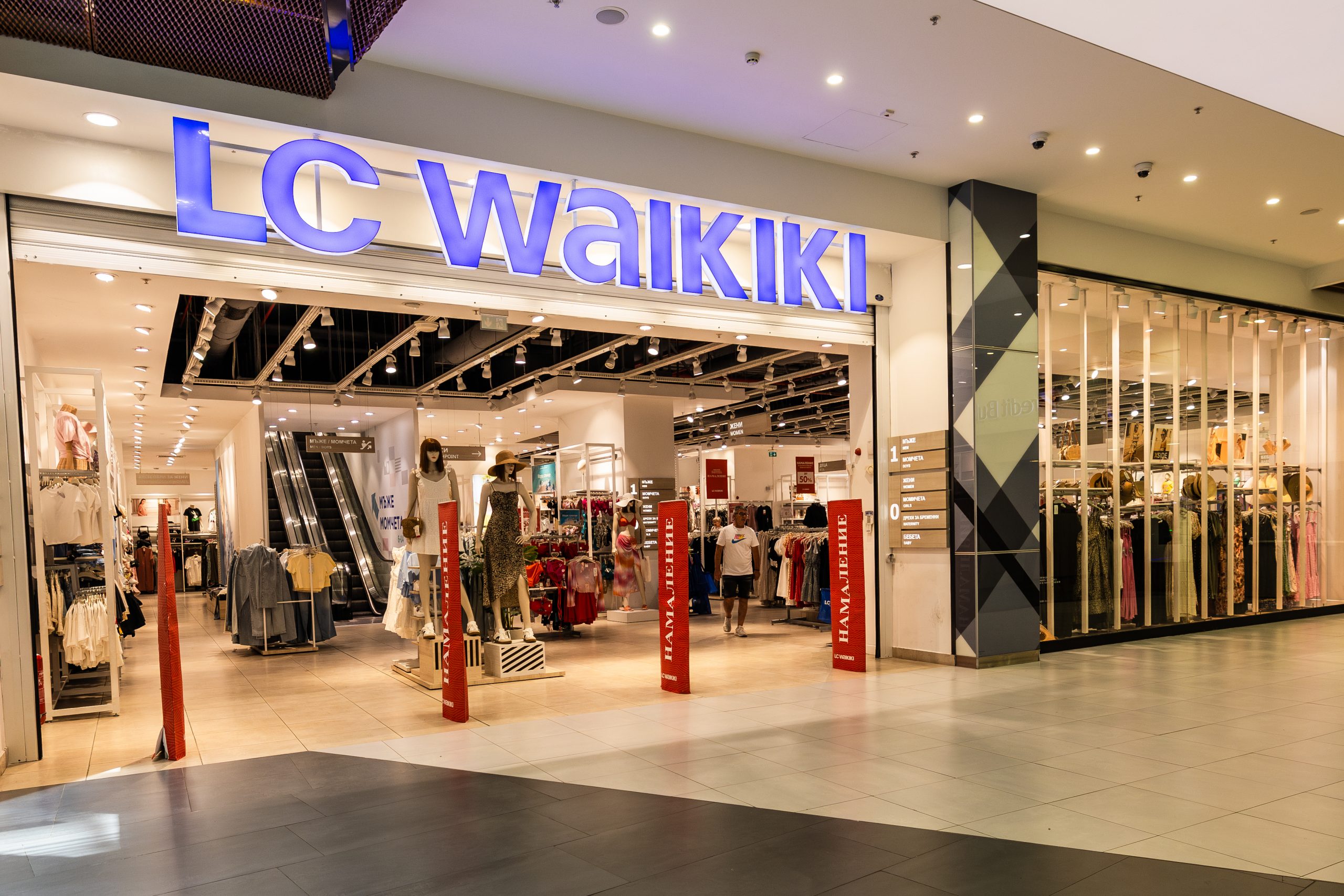
    Turkish apparel retailer LC Waikiki has started production at a new manufacturing facility in Aleppo, Syria, initially hiring 150 workers.

    The company plans to expand the plant’s workforce to 1,000 staff over the next three years.

    Scaling up in Al-Rai

    Operations at the facility in Al-Rai Industrial City began in June. The site establishes direct garment assembly capacity just south of the Turkish border.

    Other Turkish manufacturers are now preparing similar cross-border production arrangements in the industrial zone. Lower wage bases and proximity to established Turkish textile supply chains make northern Syrian border zones an emerging manufacturing corridor.

    Cross-border textile shifts

    Apparel groups based in Turkey have faced rising domestic labor and energy expenses, prompting brands to explore assembly hubs across nearby borders. The move mirrors how Asian garment manufacturers established cross-border supply networks between higher-cost domestic hubs and lower-wage neighboring markets.

    The Aleppo facility provides an operational test for cross-border logistics and labor stability in the region. The primary milestone to watch is whether LC Waikiki reaches its 1,000-worker employment target within the three-year window.