Tag: apparel retail

  • Indian AI Fashion Discovery App Slayd Raises $156,400 in Pre-Seed Funding

    Indian AI Fashion Discovery App Slayd Raises $156,400 in Pre-Seed Funding

    Gurugram-based fashion tech startup Slayd raised $156,400 in a pre-seed funding round with venture investor AJVC to expand its team and private-label apparel business. The capital deployment backs a platform that aggregates and catalogues inventory from more than 300 apparel brands and marketplaces into algorithmic discovery feeds for young shoppers across India.

    The company reports a user base of more than 200,000 shoppers who browse themed collections generated through automated multi-site indexing. Capital from the round will fund recruitment across engineering and product teams while providing inventory financing for its proprietary clothing line, Slayd Originals.

    Algorithmic Aggregation Across Marketplaces

    Founded in 2025, the platform relies on proprietary software to track consumer interest across digital retail channels, sorting individual garments into curated feeds that allow cross-platform purchasing. By pulling listings from hundreds of merchants into a single browsing interface, the startup acts as an intelligence and discovery layer above fragmented apparel marketplaces.

    Consumer behaviour among India’s Gen Z demographic increasingly fragments across fast-fashion direct-to-consumer portals, vertical marketplaces, and social commerce apps. Consolidating thousands of stock keeping units by style archetype and visual theme addresses product discovery friction, though converting browsing volume into sustained direct commerce remains challenging.

    Building Out Private Labels

    Proceeds will accelerate Slayd Originals, the startup’s in-house apparel brand created to capture higher product margins from the demand patterns revealed on its discovery app. AJVC, whose portfolio includes Midcase, Bubble Me, and Trufides, provided the funding to support both the technical infrastructure and the brand launch.

    Running an in-house label alongside a third-party discovery engine shifts a technology business into inventory exposure, logistics operations, and supply chain management. Pure discovery platforms in South Asia historically struggle with thin affiliate take rates, prompting operators to monetize through private-label manufacturing where gross margins can offset digital acquisition expenses.

    Market Pressures in Indian E-Commerce

    Competition across India’s digital fashion sector remains fierce. Incumbents command extensive warehouse networks, deep vendor discounting terms, and express logistics links that small venture-backed startups cannot easily match on fulfilment speed.

    Platform differentiation for Slayd rests entirely on the speed of trend identification and software curation. Building an audience of 200,000 accounts provides early data on search patterns, but operating a hybrid discovery and retail model requires managing working capital carefully against fast product turnover cycles.

    Expansion of the Slayd Originals catalogue will test whether the platform’s predictive analytics can translate style interest into recurring retail transactions across tier-one and tier-two Indian cities. The company has not set a formal date for its next institutional fundraising cycle as it begins deploying its initial pre-seed capital.
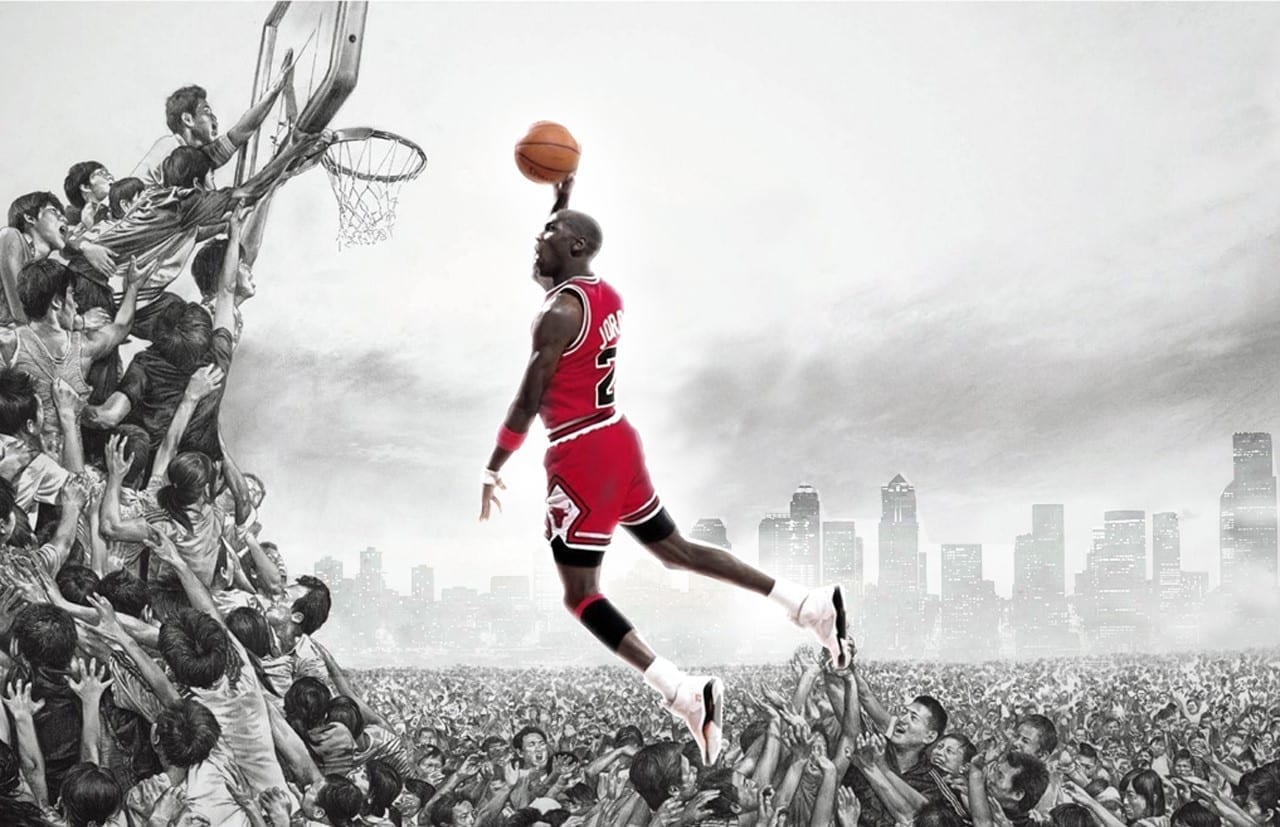

  • Jordan Brand Unveils Three Air Jordan 11S for Space Jam 30Th Anniversary

    Jordan Brand Unveils Three Air Jordan 11S for Space Jam 30Th Anniversary

    Jordan Brand will release three separate versions of the Air Jordan 11 starting November 5, 2026, anchoring a wider retail collection to mark the 30th anniversary of Space Jam.

    Adult pairs of the core retro will retail for $235 when they reach global store shelves on December 12, 2026, leading the brand’s crucial year-end release window.

    The collection revives the original 1996 movie partnership between Michael Jordan and Warner Bros. With both historical retros and redesigned footwear iterations. The headline retro recreates the traditional black patent leather cut with mesh uppers, incorporating Varsity Royal blue Jumpman embroidery on the lateral collar and tongue. It also restores the Jumpman Jam tongue script and features stitched number 23 branding on the heel, departing from the screen-printed numbers used in previous commercial runs.

    New builds and technical fabrications

    Two new designs sit alongside the classic silhouette. The Green Screen edition discards traditional patent leather for tonal green nubuck across the mudguard, paired with Tirrenina suede covering the midsole and inner lining. Designers added a translucent green outsole over bright orange pods that reference Bugs Bunny, packaging the model in a custom green box with film iconography.

    A third model, titled Magic Ball, targets female consumers with sizing extending up to a men’s 12.5. The upper uses a four-way color-shifting finish modeled on the glowing basketball from the film, accented by metal Jumpman hardware and specialized box art featuring the antagonist Monstars.

    “Knowing that it’s the 30th anniversary, knowing where the state of the footwear business is right now, we know we have to continue to deliver the best in class around our most coveted product,” Harvey said. “Especially with \[the significance\] of the [Air Jordan 11](https://wwd.com/tag/air-jordan-11/) in the holiday season. We can’t just release the OG and expect that 15-year-old kid to think that’s cool anymore. So we have to step into creative worlds where they are and bridge those generations.”

    Apparel lines and exclusive runs

    Terrance Harvey, Jordan global expert for Streetwear Footwear Product Management Icons, oversaw the line’s conceptual development. Alongside the footwear, the brand produced graphic heavy sportswear led by a varsity jacket decorated with sports card patches and a glossy long-sleeve Lola Bunny jersey. A separate laser-etched patent leather version of the sneaker was restricted to an internal run of 30 pairs for friends and family of Jordan Brand and Warner Bros.

    Internal teams rejected earlier concept work that borrowed Galaxy print materials from the Nike Air Foamposite One line, choosing instead to focus strictly on original movie elements. Initial proposals for 12 character-specific colorways and a design referencing Jordan’s water bottle were similarly shelved during product testing.

    Retail implications across Asian markets

    For multibrand retailers and franchise operators across Tokyo, Seoul, and Shanghai, the Air Jordan 11 remains the most dependable single-day revenue driver of the fourth quarter. Expanding the release from a single retro into a three-shoe package gives retailers more inventory depth, but it also tests whether younger consumers outside North America share the same nostalgia for 1990s cinema tie-ins.

    Jordan Brand faces rising competition across Asian department stores and specialty boutiques from technical running labels and domestic sportswear manufacturers. By layering experimental textiles and unisex sizing onto its most valuable legacy silhouette, the company is attempting to protect its allocation sell-through rates while guarding premium price tiers above the $200 mark.

    Decade-long retro cadence

    The mainline Space Jam shoe last appeared in December 2016 for the movie’s 20th anniversary, which featured Concord purple accents and number 45 stitched on the heel counter. The upcoming release returns to the blue detailing first introduced during the sneaker’s initial public retail launch in 2000.

    Retail rollout begins November 5 with initial apparel and select footwear drops on the Nike digital ecosystem, before the Air Jordan 11 Retro Space Jam arrives at partner retailers worldwide on December 12.

  • Manchester City Scandal Puts $1 Billion Asian Merchandise Sales at Risk

    Manchester City Scandal Puts $1 Billion Asian Merchandise Sales at Risk

    Manchester City and the English Premier League face potential retail fallout across Asia, where massive fan followings support merchandise sales that could reach US$1 billion or more.

    A financial cheating scandal spanning English and European football threatens to dent the club’s commercial appeal over the coming months as ripple effects spread through the sport.

    The Value of Regional Fan Spending

    English top-flight clubs have spent years building direct retail pipelines in major Asian commercial centres. Licensing partnerships, local flagship outlets and regional e-commerce channels turn overseas fan followings into steady merchandise cash flows. Manchester City sits at the centre of that commercial network, driving jersey sales and co-branded retail deals across East and Southeast Asia.

    Financial compliance allegations now place that commercial apparatus under direct pressure. When sporting integrity comes into question, consumer sentiment can shift rapidly among neutral and casual buyers who account for a substantial share of non-domestic kit purchases.

    Commercial Exposure for Retail Partners

    Distributors, regional department stores and sportswear stockists face the immediate inventory risk. Retailers that allocate floor space and working capital to club-branded collections cannot easily redirect stock if reputation damage dampens consumer appetite.

    Rival European teams already competing for regional shelf space stand to benefit if retail buyers reallocate seasonal inventory budgets toward clubs with cleaner brand profiles. A prolonged inquiry leaves Asian retail partners holding commercial risk they cannot control.

    The Regulatory Background

    The development follows protracted investigations into Manchester City’s financial reporting by English and European football authorities. Scrutiny centres on alleged breaches of competition and financial regulations spanning multiple seasons of domestic dominance.

    Club executives have defended their financial conduct as formal hearings proceed. The commercial fallout, however, moves faster than regulatory tribunals, leaving consumer brands and Asian retail partners to weigh the immediate sales exposure.

    What to Watch Next

    Retail buyers in Asia are now tracking club apparel pre-orders and sell-through rates as the legal proceedings advance. The final determination from English football authorities will set whether official merchandise volumes hold or face a sharp contraction across regional distribution networks.

  • Myer Slips to $276.5 Million Annual Loss on Heavy Store and Brand Write-Downs

    Myer Slips to $276.5 Million Annual Loss on Heavy Store and Brand Write-Downs

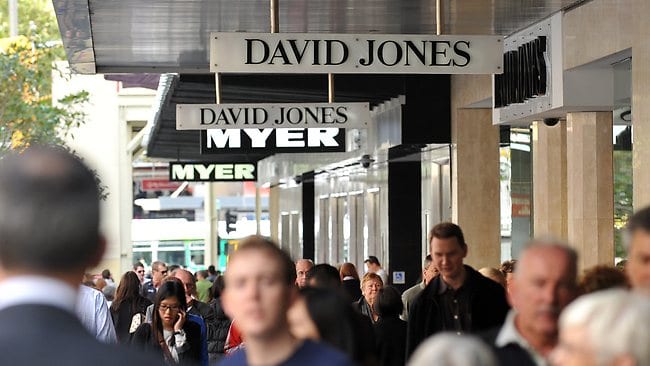
    Australian department store operator Myer posted a statutory net loss of $276.5 million for the financial year to July 25. Heavy write-downs across its store network and brand assets drove the result.

    Total sales edged up 0.7 per cent to $4.1 billion, crossing the four-billion-dollar mark. Weak discretionary spending squeezed margins across the department store sector.

    This statutory deficit is the second-largest in company history, behind only a $486 million loss in 2018. A post-tax, non-cash impairment of $279.6 million hit goodwill, brand intangibles and store asset valuations across the group. Underlying net profit after tax fell roughly 3 per cent to $42.5 million.

    Impairments Bite Across Apparel Portfolio

    Book valuations fell across Myer’s physical retail footprint and apparel labels as performance split sharply between categories. Weaker demand hit apparel businesses, including specialty fashion label Portmans. Core fashion, cosmetics and loyalty-driven sales held steadier.

    Trading deteriorated sharply during the second half. Three Reserve Bank of Australia interest rate increases and higher household bills thinned retail traffic across shopping centres.

    The second half of FY26 was characterised by a volatile and significantly more challenging macroeconomic and retail environment than 1H26 or FY25.

    Trading Headwinds Spread to Fiscal 2027

    Demand weakened notably through June and July, leaving store footfall volatile heading into the new fiscal year. August trading stayed soft as shoppers continued to trim non-essential purchases.

    Regional peers across Asia-Pacific face similar pressures as inflationary shocks exhaust household savings. Landlords and concession partners must now contend with an anchor tenant focused on store rationalisation and tighter capital allocation rather than floor space expansion.

    Stock management carries the primary near-term risk. Department store models carry substantial working capital commitments. Prolonged discounting to clear sluggish apparel stock will compress underlying gross margins further if volume fails to rebound.

    Board Reshuffle and Strategic Pivot

    Top shareholder Solomon Lew takes a seat on the Myer board in September. Lew returns to the boardroom decades after past shareholder disputes, bringing direct oversight of the retailer’s operational turnaround.

    Myer previously responded to footfall declines by building out digital channels, expanding customer loyalty incentives and refreshing designer concessions. Those investments preserved top-line sales above $4 billion. However, escalating store lease costs and inflationary overheads eroded net profitability.

    Executives are counting on key discount peaks to stabilise earnings this half. Promotional activity leans heavily toward Black Friday clearance events, Christmas gift pop-ups and end-of-year trading.

    Attention now turns to the group’s early trading update ahead of the crucial November discount period for signs of a consumer recovery.

  • Nearly Six in 10 Australian Shoppers No Longer Buy at Full Price

    Nearly Six in 10 Australian Shoppers No Longer Buy at Full Price

    Nearly six in 10 Australian shoppers no longer buy goods at full price, according to a KPMG report released in September 2026. The retail sector is being forced to adapt as consumers learn to wait out price cycles rather than simply weather a cost-of-living downturn.

    This shift has turned sale events into planned buying exercises rather than spontaneous sprees. Rachael Hockaday, managing director of retail performance agency Haeday, told Inside Retail that consumers are increasingly planning ahead.

    Shifting Consumer Timelines

    Consumer price discipline has eroded standard trading periods across the sector. Hockaday said shoppers now arrive at major sales events with a clear idea of what they want and the specific price they are willing to pay.

    “Sales become the time to buy, often with planning in between so they’re prepared,” Hockaday said.

    Margin Pressure Across Supply Chains

    Waiting penalises inventory holders who stock seasonal merchandise. Holding stock past scheduled markdown cycles inflates warehousing costs. It also forces deeper clearance discounts later in the product lifecycle.

    Suppliers and brand owners see their wholesale margins squeezed. Retail buyers demand larger vendor allowances and promotional funding to protect their gross margin targets when baseline shelf prices drop.

    Operational Risks for Landlords and Brands

    Lease structures built on turnover rent clauses face direct exposure to these tighter margins. Volume now concentrates heavily in discounted periods. Top-line revenue may hold, but net merchant profitability shrinks.

    Lower-cost international direct-to-consumer platforms gain an edge over domestic multi-brand stockists under these conditions. Domestic retailers carry heavy store fleet costs. They must compete directly with offshore digital operators running agile, on-demand supply chains.

    Discount Cycles Ahead

    Persistent cost-of-living pressures across major cities have entrenched this cautious buying behaviour. Consumers who adopted promotional tracking tools out of necessity have retained those habits as standard routines.

    Retail operators head into the final calendar quarter with inventory adjusted for heavy discounting. Upcoming peak sales in apparel, footwear, and consumer electronics will test whether full-price trading can recover in the next financial year.

  • Frasers Group Extends 65-Cent Takeover Bid for Accent Group to January 2027

    Frasers Group Extends 65-Cent Takeover Bid for Accent Group to January 2027

    Frasers Group extended its hostile on-market takeover bid for Australia’s Accent Group on Friday. Shareholders now have until January 29, 2027 to accept the cash offer of 65 cents per share.

    The London-listed retail conglomerate already controls 22.9 per cent of Accent. It wants to buy every remaining share listed on the Australian Securities Exchange.

    Under the revised schedule announced through broker Barrenjoey Markets, the acceptance deadline shifts from September 30 to 4:00pm Sydney time on January 29. All other financial terms remain unchanged at 65 cents per ordinary share.

    Board Resistance and Turnaround Friction

    Accent’s board has urged shareholders to reject the approach from the start. Directors labelled the 65-cent valuation insufficient and opportunistic. They warned investors that tendering stock forfeits future dividend streams and upside from the retailer’s 2030 strategic growth plan.

    Frasers argues that current leadership broke the business model. Christopher Wootton, a director at Frasers, stated that the group has significant concerns regarding Accent’s strategic direction and performance under chairman Lawrence Myers and the incumbent executive team.

    Ashley’s group has also demanded that Myers step down from the board. Frasers backs the footwear and apparel brands across Accent’s network, but it insists the business needs hands-on operational restructuring rather than standalone turnaround promises.

    Earnings Pressure Across the Australian Footwear Network

    Trading numbers have put Accent under heavy scrutiny. The Melbourne-headquartered retailer recorded $1.64 billion in sales for fiscal 2026, but finished the financial year with a net loss of $13.8 million.

    This playbook matches the standard Frasers takeover blueprint across the Asia-Pacific retail market. The company builds a blocking minority stake, waits for margin compression or losses, and tables a low-premium cash bid to squeeze institutional holders.

    For Australian retail landlords and rival apparel chains, prolonged ownership battles create operational paralysis. Store network optimisation, lease renewals, and capital expenditure decisions slow down while executives defend against board spills and creeping takeovers.

    Timeline of the On-Market Pursuit

    The takeover fight started on June 15, 2026, when Frasers lodged its initial bidder’s statement on the ASX after amassing its 22.9 per cent holding. A supplementary bidder’s statement followed on August 10 to address technical offer disclosures.

    Barrenjoey Markets registered the extension notice with the ASX on September 18. The revision keeps the offer active through holiday trading and forces Accent’s board to defend its interim performance numbers in the middle of the takeover window.

    Shareholders face a four-month wait until the January 29, 2027 closing bell. Market attention now turns to whether Frasers lifts its 65-cent price or attempts a formal boardroom challenge at the upcoming annual general meeting.

  • Indian Retailers Plan Price Hikes as Government Adds 0.4% UPI Fee

    Indian Retailers Plan Price Hikes as Government Adds 0.4% UPI Fee

    Indian retailers and apparel makers plan to raise consumer prices. The hikes follow New Delhi’s introduction of a 0.4 per cent levy on Unified Payments Interface transactions over ₹2,000.

    Merchant payments face the transaction charge starting October 15. The timing hits directly ahead of peak festive shopping, when average basket sizes routinely exceed that threshold.

    Official rules cap the merchant discount rate at ₹300 for single purchases worth ₹75,000 and above. Government guidelines bar stores from adding a visible UPI surcharge at checkout. Instead, chains and fashion brands are absorbing the charge by lifting base prices or paring back seasonal promotions.

    Thresholds and Caps on Digital Checkouts

    New Delhi finalized the fee structure across September 14 and 15 to build revenue for the zero-cost digital payments network. Bulk holiday purchasing routinely pushes apparel and lifestyle baskets well above the ₹2,000 trigger point. Suppliers have already started notifying multi-brand stockists about lower discount allowances to protect margins.

    Store operators across multiple categories already face higher logistics expenses from earlier West Asia trade disruptions alongside sticky input inflation, said Kumar Rajagopalan, chief executive of the Retailers Association of India. The payment charge leaves little room to maintain holiday discounting.

    Margin Pressures on Festive Inventories

    Absorbing a 40-basis-point fee across thousands of daily registers creates an immediate profit drag for organized chains. Pure-play apparel brands cannot take the hit without adjusting terminal pricing, as fabric costs already compress gross margins. Mid-market apparel and electronics sellers carry the highest risk. They face consumer pushback if shelf prices rise while online discounters fight for volume.

    Santosh Katariya, president of the Clothing Manufacturers Association of India, noted that the timing complicates inventory clearance during a window meant to revive consumer demand.

    “could not have come at a more challenging time, as the period is critical for merchants, retailers and consumer-facing businesses, many of whom are already working hard to revive demand and improve margins.”

    Reversal of Cashless Gains

    Cashless compliance risks slowing across tier-2 and tier-3 cities where digital adoption remains cost-sensitive. Independent retailers operating on net margins below 3 per cent face an incentive to steer high-value billing back toward physical cash to bypass the fee entirely.

    Years of state-mandated zero-MDR rules turned UPI into India’s dominant consumer payment method. That policy built massive merchant volume. However, it left commercial banks and payment gateway providers lobbying for transactional cost recovery on large settlements.

    Retailers are now updating price lists and watching checkout counters ahead of the October 15 enforcement deadline. Early receipts during the Diwali shopping rush will test whether consumers tolerate the higher tags.

  • Cue Clothing Enters Voluntary Administration 17 Months After Hilco Capital Takeover

    Cue Clothing Enters Voluntary Administration 17 Months After Hilco Capital Takeover

    Australian womenswear retailer Cue Clothing Co collapsed into voluntary administration and receivership on Tuesday, 17 months after private equity firm Hilco Capital acquired the business.

    The insolvency puts both the flagship Cue label and sister brand Veronika Maine under external control after nearly six decades of continuous trade in Australia and New Zealand.

    Staff received notice of the administration on Tuesday afternoon. Hilco Capital bought the business from the founding Levis family in April 2025 for an undisclosed sum, aiming to restructure operations across its standalone retail boutiques and department store concessions.

    Private Equity Turnaround Stalls

    Hilco stepped into Cue with a track record of distressed retail interventions in Britain and Australasia. The firm sought to stabilise operating margins while keeping local store footprints intact, yet cost pressures across domestic mall tenancies and softened discretionary apparel spending eroded working capital.

    Mid-market fashion labels across the Asia-Pacific region face intense margin compression. Fast-fashion platforms operating cross-border logistics out of southern China have captured younger demographics, while premium international labels squeeze traditional domestic department store brands out of top-tier foot traffic corridors.

    Landlords and Concessions Face Exposure

    Shopping centre landlords across Sydney, Melbourne and Brisbane face immediate lease renegotiations as administrators assess store profitability. Department store chains hosting Cue and Veronika Maine concession pads must now review floor allocations ahead of peak holiday trade.

    Supply chain partners across domestic cut-and-sew contractors and regional fabric mills face payment freezes under the administration process. Cue long differentiated its brand identity through local Australian manufacturing quotas, an operational model carrying higher unit production costs than peers relying entirely on offshore contract manufacturing.

    From Family Ownership to Receivership

    The Levis family established Cue in Sydney in 1968, guiding the label through multiple economic cycles, tariff reductions and the arrival of global apparel giants. The family retained full ownership until agreeing to the April 2025 sale to Hilco Capital.

    Appointed administrators will now run an urgent financial assessment of store operations while soliciting expressions of interest for brand assets and inventory before convening the first statutory meeting of creditors.

  • Country Road Group Returns to Profit on Disciplined Inventory Management

    Country Road Group Returns to Profit on Disciplined Inventory Management

    Country Road Group posted an operating profit of $2.3 million for the year ended June 28, rebounding from a loss in the prior year. Earnings before interest and tax climbed 113 per cent as the Australian apparel group trimmed inventory by 14 per cent and curbed promotional discounting.

    Total sales edged up 1 per cent across the portfolio, while comparable sales rose 1.5 per cent. Gross profit increased 3 per cent over the twelve-month period.

    Brand splits and inventory cuts

    Repositioning efforts drove the bulk of the gains across the group’s standalone menswear and womenswear banners. Witchery recorded comparable sales growth of 9.5 per cent, and Politix delivered a 10.2 per cent increase in comparable sales.

    Stock levels dropped 14 per cent as management focused on inventory turnover rather than clearance sales to support margins. Chief executive Steven Cook said the retailer focused on tighter cost control and establishing clearer product positioning across individual labels to support sustainable expansion.

    Fashion groups across the region have spent the past year paring back stock purchases to protect margins against sluggish discretionary spending, swapping aggressive discounting cycles for smaller, targeted product drops.

    Leadership shifts into FY27

    Flagship brand Country Road recorded sales improvements in the second half of the financial year following management adjustments. Trenery tightened its product assortments, while accessories brand Mimco began initial restructuring for its next operational phase.

    The group enters the 2027 financial year tracking whether the reconstituted leadership team at the Country Road banner can sustain full-price sales momentum in a cautious retail market.

  • Lululemon Opens 1,220-Square-Metre Harajuku Flagship in Tokyo

    Lululemon Opens 1,220-Square-Metre Harajuku Flagship in Tokyo

    Lululemon has opened a 1,220-square-metre flagship store in Tokyo’s Harajuku district, its largest retail location across the Asia-Pacific region. The multi-level site serves as the brand’s first global flagship in Japan, built to anchor its wider expansion beyond traditional yoga apparel.

    The store design incorporates a sculptural logo centrepiece built with Japanese furniture maker Karimoku and Torafu Architects. It features commissioned artworks referencing Meiji Shrine, Yoyogi Park and Ura-Harajuku, alongside the company’s first in-store personalisation services in Japan and traditional Furoshiki gift wrapping options.

    Local Design and Product Mix

    Assortments in the Harajuku store focus heavily on category diversification, stocking lines for running, training, golf, tennis and commuting. Apparel includes dedicated Asia Fit cuts tailored specifically to regional sizing preferences, moving the brand deeper into everyday activewear.

    Elliot Harris, Lululemon’s senior vice president and general manager for Asia Pacific, noted that Japanese consumers demand high standards of craftsmanship, longevity and product education. The flagship operates as a community venue hosting running events like the Hatsu Run and sessions with local brand ambassadors.

    Betting on Japanese Sports Apparel

    While many apparel chains across East Asia trim physical square footage to cut overhead, premium athletic labels are taking the opposite route in Tier 1 retail hubs. Japan’s sports apparel market is projected to expand into a US$15 billion sector by 2032, driven by sustained local participation in fitness, running and outdoor movement.

    RetailNews Asia views the Harajuku opening as a direct play for brand equity in a market where shoppers still place heavy value on physical store service before buying online. Large-format spaces allow athletic brands to justify premium price points by bundling experiential marketing with technical product demonstrations.

    Lululemon is monitoring foot traffic and conversion metrics at the Harajuku site as it evaluates flagship store formats for other key metropolitan markets across Asia Pacific.