Retail News CRM

Tag: appartment

  • Jakarta Set to Welcome Four New Serviced Apartments by 2027: A Boost for Urban Living!

    Jakarta Set to Welcome Four New Serviced Apartments by 2027: A Boost for Urban Living!

    Jakarta’s serviced apartment market is on the cusp of transformation, driven by the recent inauguration of the Swissôtel Living Jakarta Mega Kuningan by Accor, which has unveiled 240 new units. As reported by Colliers, this addition propels the total supply of serviced apartments in the city to about 7,000 units as of the second quarter of 2025.

    Future Growth and New Projects

    Looking ahead, the landscape is set to expand further with four new projects anticipated to be completed by 2027. Two developments by Ascott are slated for rollout in the latter half of 2025, while additional offerings from Ascott and Fraser are currently under construction and expected to come online by 2027. Together, these initiatives promise to introduce approximately 730 fresh units into the competitive market.

    Occupancy Trends and Market Dynamics

    However, the current occupancy rate paints a less rosy picture. As of Q2 2025, occupancy has dipped to 55.6%, a decline attributed largely to the effects of a prolonged Eid holiday and school breaks, which disrupted the traditional leasing cycle typically seen from February to April. While the holidays may have sparked a brief surge in short-term stays, many tenants opted to hold off on long-term leasing decisions, waiting for the return to normal post-holiday routines. Looking forward, experts anticipate a rebound in leasing activity as the second half of 2025 approaches.

    Shifts in Tenant Preferences

    The introduction of new apartment projects is expected to invigorate the market, offering prospective tenants a range of modern and diverse leasing options. Notably, preferences are shifting among tenants, with a growing interest in pet-friendly accommodations emerging as a prominent trend, particularly among young professionals and long-term residents. This evolution in consumer demand is prompting operators to rethink and enhance their offerings, ensuring they align with the shifting expectations of the market.

    Questions & Answers

    What recent development has influenced Jakarta’s serviced apartment market?
    The opening of the Swissôtel Living Jakarta Mega Kuningan by Accor has added 240 new units, raising the total supply to approximately 7,000 units as of Q2 2025.

    How is the occupancy rate in Jakarta’s serviced apartment sector trending?
    As of Q2 2025, the occupancy rate stands at 55.6%, reflecting a downward trend primarily due to the extended Eid holiday and school breaks.

    What key tenant preference is shaping the future of Jakarta’s rental landscape?
    There is a noticeable increase in demand for pet-friendly accommodations, particularly among young professionals and long-term residents, prompting property operators to adjust their offerings accordingly.
  • Challenges Facing Vietnam: The Urgent Need for Retirement Homes for an Aging Population

    Challenges Facing Vietnam: The Urgent Need for Retirement Homes for an Aging Population

    Vietnam is on the cusp of a demographic shift, with 16.1 million citizens aged 60 and above, representing 16% of the population. By 2038, this figure is expected to climb to 20%, and further to 25% by 2050, according to projections. As the nation grapples with an aging populace, experts suggest a significant opportunity lies in elderly care—a sector ripe for investment within real estate and services.

    Current Landscape of Elderly Care Facilities

    However, the reality is stark: the availability of assisted living facilities in Vietnam is limited. Data from the Vietnam Association of Realtors (VARS) indicates that the country hosts only a few dozen such facilities, both public and private. These establishments primarily offer basic care, lacking crucial services like medical treatment, nutrition plans, and engaging communal activities. In Ho Chi Minh City, the numbers tell a familiar tale—just seven public and 13 private facilities operate, and while six of these offer free services funded by donations, the overall capacity remains constrained.

    Investment Interest Despite Challenges

    In light of these challenges, some major developers are stepping up to the plate, expressing interest in constructing and managing retirement homes. However, they must navigate hurdles including the need for expansive land, substantial long-term investment, and a workforce skilled in healthcare and social services. Notably, the profit margins in this sector are generally lower compared to conventional residential housing.

    For instance, Vingroup is collaborating with Japan’s Well Group to develop a luxury retirement facility in Hanoi, while Sun Group has unveiled plans for the Sun Urban City project in Ha Nam Ward, which will integrate a hospital, senior living amenities, and community gathering spaces. Additionally, Tran Anh Group has earmarked over 20 hectares in Long An Province for a premium retirement home, and Novaland along with VinaLiving are advancing projects in Phan Thiet and Quy Nhon.

    Barriers to Growth

    Yet, it’s not all smooth sailing. A local real estate developer highlights the significant barrier posed by the absence of a comprehensive legal framework guiding the development of retirement housing. Coupled with the reality of low elderly incomes in Vietnam—where the average monthly pension was around VND6.2 million (approximately US$230) at the end of last year—there are substantial obstacles to navigate. Basic elderly care in major cities starts at VND10 million ($380) monthly, with premium packages priced between VND16-22 million ($610-830).

    The upward trend in expenses, which grow at 10-15% annually, starkly contrasts with a yearly increase in pensions limited to 5-7%. Unlike many developed countries, where insurance or government supports senior care costs, in Vietnam the responsibility largely falls on families. As VARS IRE pointedly states, “As long as costs are higher than incomes, demand alone will not be enough to encourage investment.”

    Seeking Solutions Through Policy Change

    Pham Thi Mien, deputy director of VARS IRE, emphasizes the need for stability in policies and regulations to alleviate investor concerns over cash flow and profitability. “Senior housing must be profitable to be sustainable; otherwise, it will encounter the same issues as social housing,” she warns.

    Nguyen Van Dinh, vice chairman of VARS, reiterates this sentiment, stating that the lack of government support for retirement homes makes investors wary. He asserts that the aging population creates ripe opportunities for those willing to enter the market early. Experts advocate for government intervention through land provisions, credit facilities, tax incentives, and an improved legal framework for senior housing.

    Proposals include launching adult daycare centers in populated areas, where seniors can spend their daytime under supervision. These centers would offer basic services, foster community interaction, and address both medical and emotional needs. At a recent conference, Party General Secretary To Lam noted that while adult daycare centers represent a fitting response to the needs of Vietnam’s aging demographic, progress has been sluggish. He encouraged greater involvement from the private sector, reminding attendees that many seniors are often left alone during the day while their families are occupied with work or school obligations.

    Questions & Answers

    What is the current percentage of Vietnam’s population aged 60 and above?
    Currently, 16.1 million people, or 16% of Vietnam’s population, are aged 60 and older. This figure is projected to rise to 20% by 2038 and 25% by 2050.

    What challenges do developers face when investing in elderly care facilities in Vietnam?
    Developers contend with various hurdles, including the need for ample land, significant long-term investment, a skilled workforce in healthcare and social services, and a lack of a reliable legal framework.

    How do costs of elderly care compare to available pensions in Vietnam?
    Basic elderly care costs at least VND10 million ($380) monthly, while the average pension was just VND6.2 million ($230), creating a significant mismatch that discourages investment in the sector.

  • Taylor Swift’s New York Real Estate Expansion: Discover the Price Tag Behind Her Lavish Investment!

    Taylor Swift’s New York Real Estate Expansion: Discover the Price Tag Behind Her Lavish Investment!

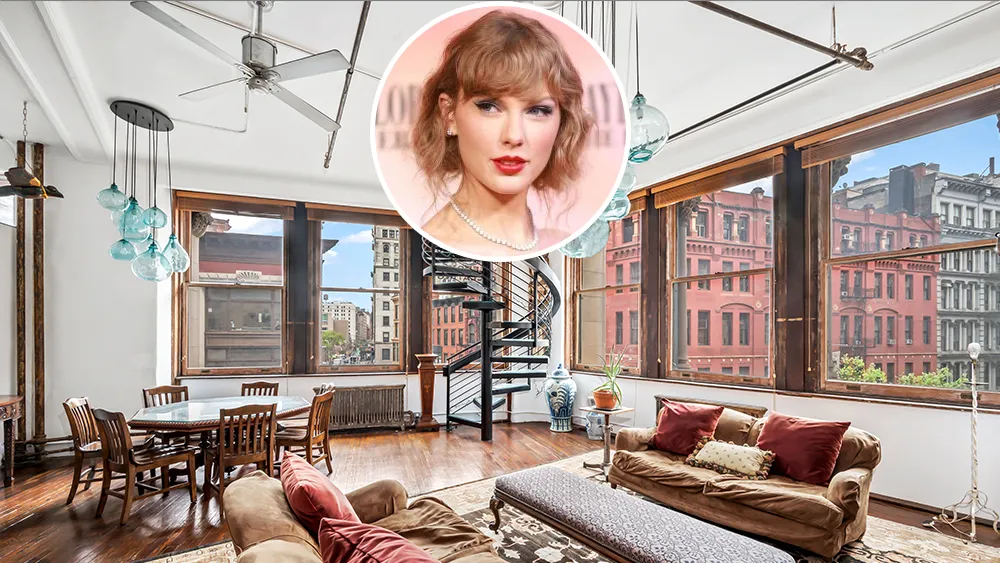
    As American pop icon Taylor Swift continues to secure her place in the music industry, she has also quietly expanded her real estate portfolio in New York City into a remarkable compound that reflects her commitment to privacy and luxury. The singer has reportedly invested nearly $48 million over the past decade, transforming her properties into a haven in the bustling Tribeca neighborhood.

    A Glimpse into Taylor’s Luxurious Abode

    Swift initially purchased two penthouse units in 2014 from filmmaker Peter Jackson for a lavish $19.95 million. This impressive home boasts ten bedrooms and ten bathrooms, complemented by a billiards room that could easily host the ultimate afterparty.

    Expanding the Empire

    Adding to her impressive collection, Swift acquired a neighboring townhouse in 2017 for $18 million, a fully renovated gem featuring a home theater, gym, guest suite, and a terrace created by distinguished architect Leopoldo Rosati. In 2018, she rounded off her holdings with a $9.75 million apartment in the Sugar Loaf building, which encompasses three bedrooms and spans an expansive 3,500 square feet.

    A Personal Approach to Design

    Real estate agent Andrew Azoulay suggested that the townhouse could function as a private garage, seamlessly connecting to the Sugar Loaf apartment for discreet entry and exit, so Swift could glide past neighbors without breaking a sweat.

    The Bigger Picture in Tribeca

    Though Swift’s purchases are among the priciest recent transactions in the neighborhood, real estate expert Noble Black asserted her presence has not drastically changed the Tribeca real estate landscape. He points out that her luxurious acquisitions stack up against other high-profile listings, such as a $34 million penthouse at 111 Murray Street, and another at 67 Franklin Street that went under contract for $12 million in late 2024.

    Wealth Beyond Comparison

    Swift’s real estate investments appear modest compared to her estimated net worth of $1.6 billion, as reported by Forbes. In October 2023, she became the first musician to break into the billionaire club, propelled by staggering earnings from her Eras Tour and the soaring value of her music catalog.

    Questions & Answers

    What properties has Taylor Swift purchased in New York City?
    Taylor Swift has purchased two penthouse units for $19.95 million, a townhouse for $18 million, and an apartment in the Sugar Loaf building for $9.75 million, totaling nearly $48 million in investments.

    How does Swift’s real estate presence affect the Tribeca market?
    While Swift’s properties are among the highest-end sales recently, real estate expert Noble Black suggests her presence hasn’t significantly impacted the overall real estate landscape in Tribeca.

    What is Taylor Swift’s estimated net worth?
    As of October 2023, Swift’s net worth is estimated at $1.6 billion, making her the first musician to enter the billionaire club.

  • PM Calls for Housing Market Cooldown as Apartment Prices Surge Past $3,700 per Square Meter

    PM Calls for Housing Market Cooldown as Apartment Prices Surge Past $3,700 per Square Meter

    Prime Minister Pham Minh Chinh is demanding clarity from government agencies on the soaring price of housing, which has now reached a staggering level that few can afford.

    In a recent government meeting, Chinh highlighted the overwhelming dominance of high-end properties in major urban centers, stressing the urgent need for accountability in the housing market

    He questioned whether “the real estate market is being manipulated,” emphasizing the necessity to combat practices such as “hoarding and price gouging.” Chinh’s concerns resonate deeply: with apartment prices soaring to between VND70 million and VND100 million (approximately US$2,650-3,790) per square meter, many people are left grappling with the harsh reality of unaffordable housing.

    The Prime Minister underscored the critical need for increasing supply to ensure a more balanced housing market, particularly by bolstering the availability of social housing targeted at low- and middle-income families. He characterized this initiative as a pivotal policy that “must be carried out,” pointing out that the pursuit of economic growth should not come at the cost of social equity and stability.

    “Developing the low-income housing segment could stimulate growth across other sectors of the economy,” he asserted. The Prime Minister further articulated that boosting housing supply would also indirectly facilitate the nation’s economic aspirations, projecting a growth rate of 8.3-8.5% for this year along with double-digit growth in the subsequent years.

    The urgency of these measures is reflected in the current market data. Deputy Minister of Construction Nguyen Van Sinh revealed that the average apartment price in Hanoi has reached VND80 million per square meter, marking a 5.6% increase this year. Prices for townhouses and villas are even higher, ranging from VND100 million to VND200 million. Meanwhile, in Ho Chi Minh City, apartment prices average VND89 million, with townhouse values soaring to between VND230 million and VND300 million.

    As the Prime Minister calls for action, one can’t help but wonder: will the Vietnamese housing market soon resemble a high-stakes game of Monopoly, where only the privileged few hold the keys to the best properties?

    Questions & Answers

    What specific measures is the Vietnamese government considering to address housing affordability?
    Prime Minister Pham Minh Chinh emphasizes the need to increase supply, particularly focusing on developing social housing for low- and middle-income families, to tackle the crisis of rising housing prices.

    What are the current average apartment prices in major Vietnamese cities?
    As of now, the average apartment price in Hanoi stands at VND80 million per square meter, while in Ho Chi Minh City, it is about VND89 million per square meter.

    How does Prime Minister Chinh link housing policy to economic growth?
    He points out that expanding the low-income housing segment can stimulate growth across other sectors, contributing to an economic growth projection of 8.3-8.5% this year and beyond.

  • HCMC Apartments Now Matching Prices of Single-Family Homes: A New Era in Urban Living!

    HCMC Apartments Now Matching Prices of Single-Family Homes: A New Era in Urban Living!

    In a striking trend unfolding in Ho Chi Minh City, property prices are pushing boundaries, with luxury apartments now competing directly with traditional single-family homes. An 85-square-meter unit at The Metropole in An Khanh has hit the market at VND130-180 million (US$4,925-6,820) per square meter, while an 80-square-meter house in the nearby Thao Dien Ward is priced at VND150 million per square meter. The rapid pace of the city’s real estate market is leaving many bewildered—who knew living in a unit could feel as exclusive as a stand-alone home?

    Other areas of the city are witnessing similar trends. Apartments in developments like The Privé, Eaton Park, and Lumière Midtown command prices ranging from VND130–250 million, which is notably higher than the VND110–200 million average for landed houses within a two-kilometer radius. In fact, newly launched apartments across various districts are entering the market at price points that match or even exceed those of townhouses.

    Market Data Shows Dramatic Changes

    Recent listings on real estate platform Batdongsan reveal that in the second quarter, the prices of private homes within Vietnam’s largest city spanned from VND87 million to VND200 million per square meter, with apartments only slightly cheaper at VND68-200 million. Remarkably, apartment prices are accelerating at a faster rate than those for houses, with a reported increase of 18–40% year-to-date, as opposed to the 8–20% rise for private homes.

    Price Increases Confirmed by Experts

    According to data from property consultancy CBRE, single-family homes in the second quarter now cost between VND160–300 million per square meter, reflecting a 9% increase, while apartments surged by 29%, reaching VND82–220 million per square meter. A report by the Ministry of Construction further supported this trend, indicating that private houses rose by 2–5% to VND110–305 million per square meter, while the average apartment price skyrocketed to VND89 million per square meter, marking a staggering 39% increase.

    Demand Dynamics Shift

    Commenting on the rapid escalation of apartment prices, Tran Khanh Quang, CEO of Viet An Hoa Real Estate Company, noted that while single-family homes historically held the advantage due to their long-term ownership potential and land appreciation, factors like high prices, scarce supply, and tightened credit policies are altering the landscape. Owing to rising housing needs, he observed an increasing demand for apartments, indicating a profound shift in consumer preference that favors integrated amenities over standalone homes.

    A Fresh Perspective on Housing Value

    Real estate analyst Le Quoc Kien pointed out that homes used to be priced at double that of apartments, largely attributed to land value and depreciation rates. However, the allure of narrow, alleys-based townhouses with subpar infrastructure is waning, as modern apartments equipped with desirable features increasingly attract young buyers seeking both residence and investment opportunities.

    Vo Hong Thang, deputy CEO of DKRA Group, remarked that the phenomenon of apartment prices exceeding those of townhouses is noteworthy yet not entirely surprising. He cautioned that this imbalance is partly due to a market skew towards mid and high-priced apartments, with affordable options becoming nearly nonexistent. With each new project setting a higher benchmark, he warned, “At this rate, apartments could entirely eclipse townhouses in price.”

    Questions & Answers

    How are apartment prices in Ho Chi Minh City changing?
    Apartment prices have surged significantly in recent months, often surpassing levels traditionally reserved for single-family homes, as seen in several developments around the city.

    What factors are driving the preference for apartments over houses?
    Many consumers are drawn to apartments due to their integrated amenities, newer facilities, and a shift in housing needs, as well as adverse factors affecting traditional home ownership like limited supply and high costs.

    Is the trend of rising apartment prices likely to continue?
    Analysts suggest that with growing demand and limited affordable housing options, the trend of increasing apartment prices is expected to persist, potentially leading to a complete price inversion against traditional townhouses.

  • South Korea Takes Action: New Restrictions on Foreign Homebuyers Aim to Stabilize Soaring Property Prices

    South Korea Takes Action: New Restrictions on Foreign Homebuyers Aim to Stabilize Soaring Property Prices

    In a bid to temper the escalating housing market, the South Korean government has stepped in, targeting particularly the vibrant skyline of Seoul and surrounding regions. The surge in property purchases by foreign buyers, especially from mainland China and Hong Kong, is significantly inflating the prices of middle and high-end homes, according to a report from the South China Morning Post.

    Data reveals a staggering rise in acquisitions: as of May, 96,955 properties have shifted hands to buyers from these territories, marking a dramatic 78.5% increase since 2020. These transactions encompass residential units, commercial spaces, and land, highlighting a trend that has not gone unnoticed by local officials.

    “We anticipate the ban will contribute to market cooling, price stabilisation, and improved access for local buyers, to some extent, as domestic buyers face strict mortgage caps, whereas foreign buyers often circumvent these through overseas financing,” commented JoAnn Hong, senior director for research and consultancy at Savills Korea.

    This new wave of restrictions, implemented recently, represents the government’s latest effort to tackle rampant speculation in the housing sector, an issue that has become politically charged for President Lee Jae-myung, who promised to alleviate living costs upon assuming office in June.

    Prior to this regulatory shift by the Ministry of Land, Infrastructure and Transport, South Korea had emerged as the ninth most sought-after destination for Chinese property investors, as reported by real estate broker Juwai IQI.

    Data indicates that foreign buyers constituted approximately 20% of residential transactions in the middle and upscale segments, particularly in and around the Seoul metropolitan area, which encompasses Incheon and Gyeonggi province. Notably, there has been a significant uptick in foreign investments in high-end properties since 2022, according to Savills’ findings.

    By the end of last year, foreigners owned just over 100,000 homes in South Korea, with Chinese nationals accounting for more than 56% of this figure. In Seoul, the influence is even more striking, with about 70% of foreign buyers hailing from China.

    This influx of Chinese investors has been a notable driver in the prime districts, frequently purchasing properties with cash or via offshore financing, thereby intensifying pressure on the upper end of the real estate market.

    The newly instituted rules stipulate that foreign buyers must now comply with a residency requirement, mandating that they reside in any property purchased. Specifically, the land ministry’s policy dictates that foreigners obtain prior approval and, once granted, must move into their new home within four months and remain there for at least two years.

    Despite these changes, skepticism lingers among experts regarding the potential effectiveness of the policy in striking a blow against soaring housing prices. Christine Li, head of research for Asia-Pacific at Knight Frank, expressed reservations, noting that foreign investment alone has had minimal impact on overall real estate prices in South Korea, particularly in Seoul.

    “The extraordinary price growth seen over the past five years was overwhelmingly driven by domestic factors,” Li said. “Foreign transactions are too small in scale to meaningfully influence overall pricing trends, though their activity can feel more visible in a handful of high-end districts.”

    Li added that demand will likely remain robust in Seoul despite the constraints, with supply shortages keeping upward pressure on prices. In a striking twist, Seoul has topped global rankings for prime residential price growth among 46 cities, boasting a staggering 25.2% annual increase, as highlighted in a recent Knight Frank study. This suggests that the city’s property prices are set to continue their upward trajectory in the foreseeable future.

    Questions & Answers

    What measures is the South Korean government taking to regulate foreign property purchases?
    The South Korean government has implemented new restrictions that require foreign buyers to obtain prior approval before purchasing property. Additionally, they must live in the property for at least two years after moving in within four months of purchase.

    How significant is the impact of foreign buyers on the South Korean housing market?
    While foreign buyers account for about 20% of residential transactions in upscale segments, experts suggest that the overall impact on housing prices is minimal, as domestic factors are the primary drivers of price fluctuations.

    What recent trends have been observed in Seoul’s real estate market?
    Seoul has witnessed a dramatic increase in property prices, with a 25.2% annual growth rate making it the top city globally for prime residential price increases, largely fueled by domestic demand and ongoing supply shortages.

  • Hanoi Homeowner Transforms Compact Apartment Into Bubble Tea-inspired Oasis

    Hanoi Homeowner Transforms Compact Apartment Into Bubble Tea-inspired Oasis

    A homeowner in Hanoi has transformed her compact apartment into a tranquil oasis, investing VND160 million (approximately US$6,000) in renovations. Embracing a color scheme reminiscent of bubble tea, she has artfully combined soothing shades of beige and brown, creating an inviting atmosphere that seamlessly blends work and relaxation.

    A Thoughtful Renovation

    Designed and constructed by TG Architects, the apartment has been thoughtfully reimagined to maximize space and functionality while maintaining an aesthetic that encourages calm. The selection of warm, neutral tones not only enhances the ambiance but also evokes a sense of comfort, perfect for both busy workdays and restful evenings.

    Craftsmanship Meets Creativity

    Photography by Humi Studio captures the transformation beautifully, showcasing the harmonious flow of the space. This clever design choice, reminiscent of popular Asian bubble tea drinks, showcases how color can breathe new life into a space, like adding a sprinkle of joy to an otherwise mundane day. It’s proof that even small spaces can hold big dreams when approached with creativity and flair.

    A Harmonious Blend of Life and Work

    The renovation reflects a growing trend among urban dwellers in Asia, where living spaces are becoming multifunctional as people seek to balance their personal and professional lives within the same four walls. The deliberate choice of colors and materials serves not just a visual purpose but also addresses the psychological needs of the homeowner, fostering a serene environment ideally suited for productivity and peace alike.

    Questions & Answers

    What inspired the color choices in the renovation?
    The homeowner drew inspiration from the calming colors associated with bubble tea, opting for beige and brown to create a gentle and inviting atmosphere.

    Who was responsible for the design and construction of the apartment?
    The transformation was guided by TG Architects, who expertly blended function and aesthetics to reimagine the living space.

    What trends does this renovation reflect in urban living spaces?
    The renovation highlights a larger trend in Asia where homeowners are seeking multifunctional spaces that accommodate both work and leisure within their homes.

  • New Zealand Eases Property Ownership Rules for Foreign Investors: What It Means for the Market

    New Zealand Eases Property Ownership Rules for Foreign Investors: What It Means for the Market

    In a significant policy shift, New Zealand is set to open its doors to affluent foreign property investors, marking the end of a seven-year ban. This ban was initially implemented by the center-left government of former Prime Minister Jacinda Ardern in 2018 to combat skyrocketing housing prices attributed to a surge in immigration and a pronounced lack of housing availability.

    While Australians and Singaporeans were exempt from the restrictions due to existing trade agreements, the newly unveiled regulations allow holders of the Active Investor Plus residency visa to purchase or build homes valued at NZ$5 million (approximately USD$2.95 million). This change is set to take effect by the end of the year and aims to strike a balance between those desiring to restrict foreign ownership and the ambition to attract wealthy investors.

    Prime Minister Christopher Luxon reported that since the visa’s launch in April, over 300 applications have been submitted, all requiring a minimum investment of NZ$5 million within three years. “The price threshold methodically navigates a path between those who do not want foreign ownership opened up and the desire to lure high-net-worth investors,” he explained.

    Interestingly, New Zealand’s geographical remoteness — once seen as a disadvantage — has transformed it into a coveted retreat for ultra-rich individuals seeking an exclusive escape. The tale of billionaire Peter Thiel, founder of Paypal and a U.S. President Donald Trump supporter, illustrates this allure. After becoming a citizen in 2011, Thiel planned an extravagant private estate but became embroiled in controversy when it emerged he had only spent a mere 12 days in the country.

    Despite a 30% surge in property prices in various regions during the pandemic, values have since declined over the past two years. Nonetheless, the housing supply remains constrained, leaving many New Zealanders struggling to secure home ownership.

    Questions & Answers

    What prompted New Zealand to relax its restrictions on foreign property ownership?
    The relaxation stems from a desire to attract wealthy foreign investors, balancing the interests of New Zealanders who support restrictions on foreign ownership with the potential economic benefits of attracting high-net-worth individuals.

    How much must foreign investors invest to qualify for the Active Investor Plus residency visa?
    Foreign investors need to invest at least NZ$5 million (roughly USD$2.95 million) over a span of three years to qualify for the visa, which allows them to purchase or build property in New Zealand.

    What has been the trend in New Zealand’s housing market recently?
    Following a significant price increase of over 30% during the pandemic, housing prices have fallen over the past two years, but the country continues to struggle with tight housing supply, making home ownership elusive for many locals.

  • Sydney Set for a Housing Surge: 2,554 New Apartments to be Completed by 2025

    Sydney Set for a Housing Surge: 2,554 New Apartments to be Completed by 2025

    The apartment market in Sydney’s inner precincts is undergoing a notable slowdown in completions, according to a recent report from JLL. A total of 804 apartments have been completed in the first quarter of this year, and projections indicate that 1,750 more apartments are under construction, scheduled for completion in 2025. If all these projects meet their deadlines, the total number of apartment completions for 2025 could reach 2,554, reflecting a 13% decline compared to 2024 levels.

    Amid these figures, some positive trends emerge. Sydney’s apartment market is experiencing an upward trajectory in both capital values and rental prices. The median unit price has surged by 2.6% year-on-year, now standing at AUD 799,990. Similarly, rents for two-bedroom units have jumped 7.7%, reaching AUD 700 per week. One might say the rental market is dancing to a lively tune, driven by formidable demand and limited supply.

    This strong performance in rents mirrors the pressing demand and constricted supply dynamics within the rental market. However, even with low vacancy rates, affordability challenges are starting to dampen the pace of rent increases.

    Looking ahead, the interplay of supply constraints and growing demand is poised to continue influencing both rents and property prices. Nevertheless, the persistent affordability issues prevalent in capital cities—where soaring detached house prices are beyond the reach of many—are likely to redirect demand toward more affordable housing options. As potential buyers seek lower entry points for homeownership, units may see their rents and prices rise at a pace that moderately outstrips that of detached houses.

    In the ever-evolving landscape of Sydney’s real estate, the struggle between affordability and demand unfolds, painting an intricate picture that both investors and residents must navigate.

    Questions & Answers

    What trends are emerging in Sydney’s apartment market?
    Sydney’s apartment market is witnessing an increase in both capital values and rental prices, with a median unit price of AUD 799,990 and a rise in two-bedroom rents to AUD 700 per week.

    How does the current completion rate compare to last year?
    The completion rate for apartments this year is projected to decline by 13% compared to the previous year, with 2,554 units expected to be completed if current projects stay on track.

    What factors are influencing the rental market in Sydney?
    The rental market is being influenced by strong demand and limited supply, though affordability constraints are starting to limit the pace of rent increases despite low vacancy rates.

  • Expat community flocks to Tay Ho for real estate opportunities

    Expat community flocks to Tay Ho for real estate opportunities

    Tay Ho has become an increasingly popular residential area among foreigners in Hanoi as the infrastructure and social amenities continue to flourish alongside a diverse range of convenient services.

    In Ho Chi Minh City, the areas of Phu My Hung and Thao Dien long ago emerged as cultural melting pots that attract both locals and expats from all over the world. However, in Hanoi, neighborhoods with a foreign presence are generally scattered and divided into separate communities.

    For instance, Keangnam-Me Tri is the hub of the Korean community, while Dao Tan-Kim Ma attracts many Japanese expats. Meanwhile, the Quang Ba area in Tay Ho is a gathering place for Western tourists, workers, experts and diplomats.

    In recent years, foreign residents have gradually gravitated towards the Tay Ho area. This area has received comprehensive investments in infrastructure and transportation. The neighborhood is rapidly developing with the emergence of international schools, hospitals, commercial centers, restaurants, and cafes, transforming it into a bustling hub of convenient amenities.

    In the near future, after the launch of major projects, such as the Samsung R&D office building, the Lotte Mall complex, and the 5-star Shilla Hotel, this neighborhood will become even more vibrant and dynamic.

    The growing appeal of this area among successful foreign residents and young Vietnamese will form an elite community, which will drive the potential for real estate rentals in the future. This will pave the way for developing upscale real estate products tailored to the needs of well-to-do people, such as SOHO Heritage West Lake.

    SOHO Heritage West Lake sits on Lac Long Quan Street, just a few minutes’ walk from the West Lake and the Lotte Mall, offering easy connectivity to the city center and the airport. It only takes 10 minutes to reach the Hanoi Old Quarter in Hoan Kiem District or 20 minutes to get to Noi Bai International Airport.

    The project features 202 SOHO (Small Office, Home Office) units designed for flexible use, with effortless switching between living and working spaces. This work-life blended lifestyle has gained popularity in foreign countries and has only recently made its way to Vietnam, and it is especially suitable for new-generation entrepreneurs who want to integrate their personal and professional lives.

    With modern designs and the availability of top international-branded products, each SOHO Heritage West Lake unit is a luxurious living and working space that meets the needs of both well-heeled Vietnamese and foreign experts.

    SOHO Heritage West Lake also owns 30 top-notch facilities, including a sky gym, a rooftop four-season swimming pool, and a well-designed commercial service area. The developer of SOHO Heritage West Lake has also collaborated with Toong, the leading coworking space chain in Indochina, to create an advanced coworking space spanning over 900m2 on the 5th and 6th floors of the building.

    These facilities not only provide a comfortable and convenient life for all, but also serve as a link connecting an exclusive community of entrepreneurs to expand their relationships.

    This project is backed by CapitaLand Development – a leading real estate developer in Asia. In 2021, CapitaLand Development (Vietnam) received the Outstanding Sustainable Developer Award at the PropertyGuru Vietnam 2021 awards for its innovative residential projects and constructing environmentally sustainable green buildings.

    Find more information about the SOHO Heritage West Lake Tower of the Heritage West Lake project at:

  • Taxing housing necessary but challenging

    Taxing housing necessary but challenging

    Experts say that taxing housing will help make the real estate market more transparent and prevent speculation, but it is necessary to digitize data, ensure fairness, and avoid overlapping taxes.

    The government plans to enact a new law on real estate taxation in place of the Law on Agricultural Land Use and the Law on Non-Agricultural Land Use, and separating houses and land for tax purposes.

    There is currently a very low tax on lands and, unusually for any country, none on houses.

    The Government is on course to submit the bill to the National Assembly for comments in October 2024 and approval in May 2025.

    Several experts said they agree that taxing houses and lands is necessary in the context that the property market is opaque and plagued by speculation, lack of systematization and ineffective management.

    Le Hoang Chau, chairman of the Ho Chi Minh City Real Estate Association, said taxing housing and land would help make the real estate market fairer and more transparent.

    Nguyen Van Duoc, general director of Trong Tin Accounting and Tax Consulting Company, supported an increase in the tax rates on lands but warned it is necessary to safeguard the interests of the public and not adversely affect the market.

    “Taxing houses and other construction is also reasonable. Many countries around the world have done it for a long time.”

    Nguyen Mac Hoai Nam, general director of Nam Phat Investment Consulting Company, said tax policies often have a direct and almost immediate impact on investment behavior, speculation and buying and selling of properties.

    He explained that taxing houses and lands would enable authorities to monitor the market closely, increasing its transparency and making policymaking and management more efficient.

    But analysts also warned there would be many challenges in doing this.

    Duoc pointed out that taxing depends on databases and the capability of management agencies.

    Chau said to tax houses and other properties, it is necessary to reduce land-use fees to avoid excessive taxation.

    The land-use fee is collected once and not annually and accounts for 10% of the value of an apartment and 30% of a townhouse.

    In the case of villas, it accounts for 50%.

    If land-use fees remain high, the addition of property tax would make the burden excessive, he said, pointing out that developed countries collect house and land taxes annually.

    Nam suggested starting taxes on housing and land at moderate rates and then gradually increasing them so that people could get used to it.

    “It is also necessary to consider lowering the land-use fee.”

    First, government agencies need to get comprehensive data on housing and lands and come up with a convincing valuation method for the taxes.

    The data should be collated in time to ensure the new law is passed by mid-2025.

    Huynh The Du, a lecturer in public policy at Fulbright University Vietnam, said the database cannot be completed anytime soon.

    The country has over 27 million households living in more than 2.5 billion square meters of housing, but data on their prices is scant and many houses have not been traded for decades, he pointed out.

    In any case, the prices registered during transactions are much lower than market rates, he further pointed out.

    Dang Hung Vo, a former deputy minister of natural resources and environment, said the government should not rush to tax houses and apartments, but focus on taxing lands.

    This is more feasible because the country has an established land management system, he said.

    Urban residential lands are managed relatively well, and so taxing them is easy and efficient, he said.

    Meanwhile, it is necessary to perfect the system for assessing land prices to ensure they are close to market rates.

    “This is the first step before thinking about taxing houses.”

    It is difficult and complicated to tax housing due to the lack of an effective management system, he said.

    Analysts said local governments should collect the housing tax for investing in infrastructure and utilities like bridges and roads and planting trees.

  • New high-end apartment supply up 120 pct

    New high-end apartment supply up 120 pct

    In the first six months, 7,040 new high-end housing units were launched in HCMC, up 123 percent year-on-year, accounting for 59 percent of new supply.

    Mid-range supply rose 295 percent to 4,908 units, accounting for 49 percent of new supply, while no new affordable unit was launched, according to a report by the Ho Chi Minh City Department of Construction.

    This shows an imbalance in the HCMC real estate market where developers focus on the high-profit, high-end and luxury market while ignoring the affordable segment, boasting strong demand.

    The HCMC Real Estate Association (HoREA) predicts the imbalance would cause negative consequences in housing security.

    HCMC plans to increase its residential area per capita to 21.04 square meters by the end of the year, up nearly 2 percent from now. To do this, it needs an additional eight million square meters.