Retail News CRM

Tag: apple card

  • Apple Card Savings Account is here: Impressive 4.15% Interest Rate

    Apple Card Savings Account is here: Impressive 4.15% Interest Rate

    Starting today, you can open an Apple Card Savings account with an annual percentage yield (APY) of 4.15%.

    We have been hearing rumors about this Apple Card Savings account recently, but now it’s finally official in a blog post on the Apple Newsroom.

    The main benefit of this account is the high APY. At 4.15%, Apple says this rate is 10 times the national average. The account operates in partnership with Golden Sachs.

    It’s also good to know that the Apple Card Savings account comes with no fess, minimum deposits, or minimum balance requirements.

    Apple Card holders can get between 2% and 3% cash back on purchases made via Apple Pay, and 1% cash back on transactions made with the physical card. So these Daily Cash balances will immediately go into the Savings account, so you can start earning interest.
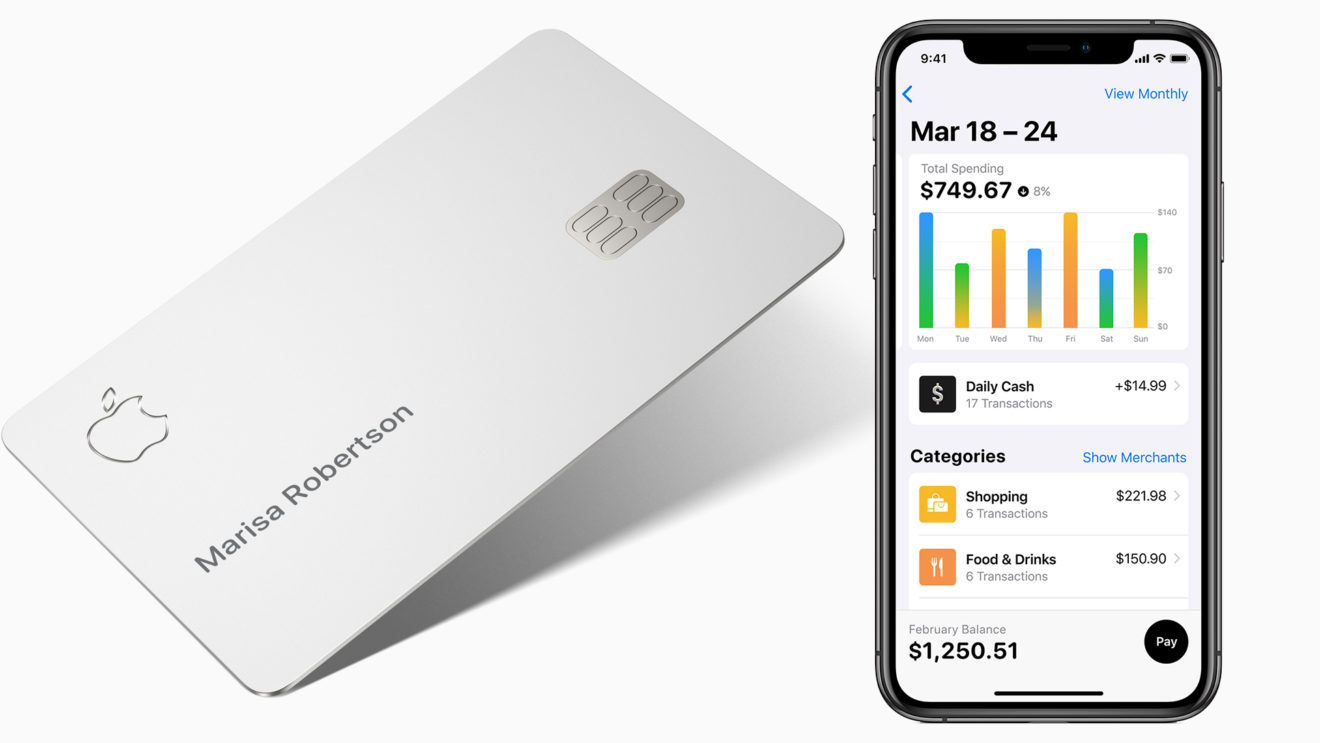
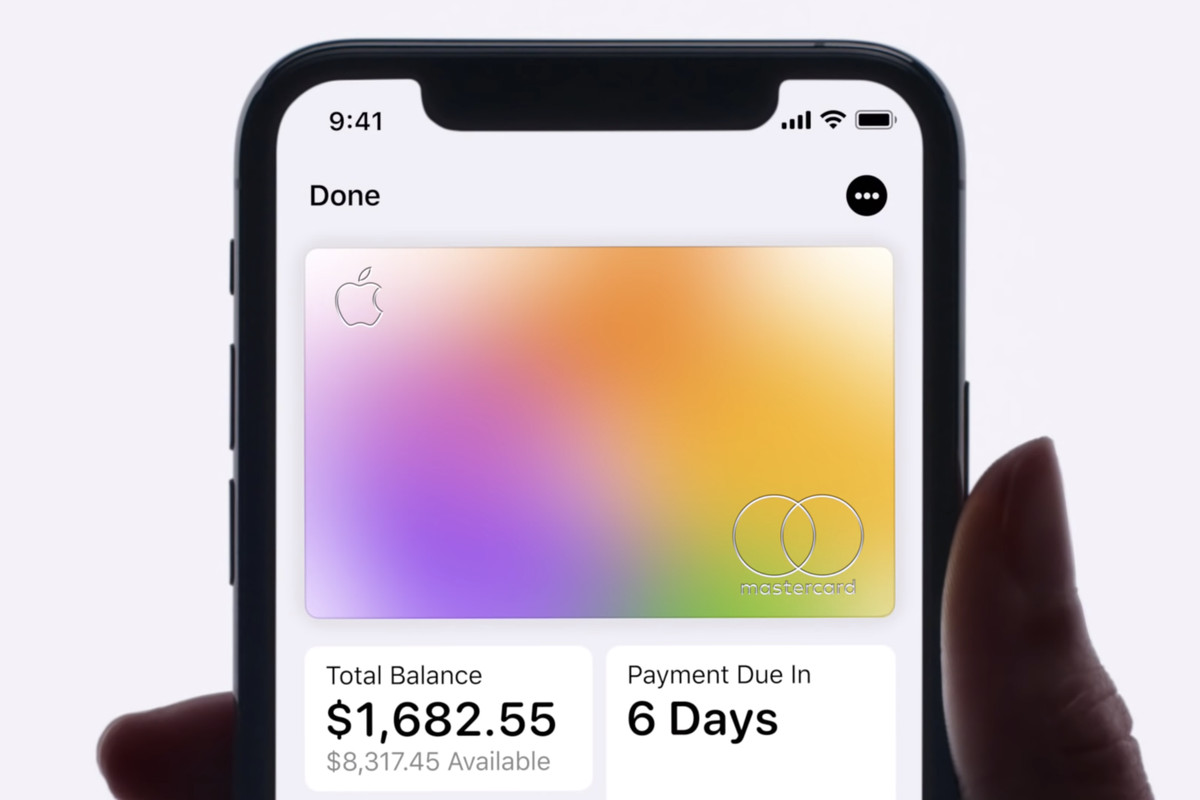
    Users also gets a neat dashboard right in the Wallet app, where they can track account balance and interest earned over time.
    Here is how you open a savings account in the Apple Wallet app:
    • Tap on the Apple Card
    • Tap on the circle with three dots at the top of the screen
    • Tap Daily Cash
    • Select Set Up Savings.
  • Apple waives interest for Apple Card users amid COVID-19 pandemic

    Apple waives interest for Apple Card users amid COVID-19 pandemic

    Other than the very obvious health concerns caused by COVID-19, the ongoing pandemic is also causing much economic trouble. Apple introduced a customer assistance program for Apple Card users to help offset financial concerns.

    Many Apple Card users on Reddit have reportedly received an email about the new customer assistance program. Under this program, cardholders can skip their March payments without any additional interest.

    Apple hasn’t explicitly stated any eligibility requirements, so it looks like all Apple Card holders are eligible. They can enroll in this program in at least two ways: firstly, Apple evidently provides a direct link in their email announcing the program, which can be used to enroll.

    The other method is just as simple, with cardholders able to enroll through text by iMessaging the Apple Card Support line the following text: “I would like to enroll in the Customer Assistance Program”. The support number can be found in Apple’s support page for the credit card.

    Clearly, Apple is taking the COVID-19 outbreak very seriously, closing all Apple Stores outside of China for the time being as well as regulating App Store entries related to the virus. This latest offer is a kind gesture to its customers during a difficult time.

  • Apple Card users are getting a major iPhone-related perk

    Apple Card users are getting a major iPhone-related perk

    Apple announced earlier today that’s it’s adding another benefit to the Apple Card starting this week, which is aimed to appeal to iPhone users. During its earnings call, Apple revealed a new program for Apple Card users that will allow them to buy or upgrade to a new iPhone much easier.

    Thanks to the new program, Apple Card owners will receive interest-free, 24-month financing on iPhone purchases. The new perk can be combined with the three percent cashback Apple Card users are getting on purchases from the company’s stores.

    The same offer is available through the iPhone Upgrade Program, so if you don’t have an Apple Card, that’s where you should look if you want to buy a new iPhone without having to pay for it upfront.

    The third option for Apple fans who just want to upgrade to a new iPhone is to take advantage of the company’s trade-in program, which will allow them to pay a lot less for a brand new model. And it looks like this is one of the options that many customers are taking advantage of, as CFO Luca Maestri said on the call. The number of iPhone trade-ins is more than five times higher than last year.

    The move is most likely another important step that brings Apple closer to the launch of the so-called “iPhone subscription,” which has been speculated for many years now. Tim Cook’s most recent comments certainly confirm Apple is considering such a service:

    We’re cognizant that there are lots of users out there that want a sort of a recurring payment like that and the receipt of new products on some sort of standard kind of basis, and we’re committed to make that easier to do than perhaps it is today.

    Although an “Apple Prime” doesn’t exist yet, Tim Cook’s statements suggest that if enough people are willing to pay every month for the privilege of having the latest iPhone, such a subscription service will eventually be made available.

  • Apple Card terms specify that iPhone holders can’t jailbreak their phone

    Apple Card terms specify that iPhone holders can’t jailbreak their phone

    Back in March, Apple introduced the Apple Card. The virtual card sits in the iOS Wallet app, although an actual physical card can be ordered. For privacy reasons that card will not include the account number, but will have the user’s name on the card. Apple Card users will face no fees. That’s right, say goodbye to Late fees, Annual fees, International fees, and Over-limit fees. Card users will get back 2% of the value of transactions made outside of the Apple ecosystem and 3% of those purchases made from the App Store, Apple Store, and other Apple properties. Transactions paid for with the physical card will get 1% back. These rebates will be computed daily and made available each day.

    The card is expected to launch sometime this month and investment banking firm Goldman Sachs is Apple’s partner for this project. Goldman Sachs has posted the Apple Card Customer Agreement and this reveals some interesting things. First of all, depending on the card user’s credit ratings, the annual interest on the card will range from 13.24% to 24.24%. Future changes will be based on any rate hike or cut made to the Prime Rate. This is the rate that banks charge their best customers for loans.

    To be eligible for an Apple Card, you must have an Apple ID that is associated with a valid iCloud account. There must be an active email address connected to the Apple ID, with Apple’s two-factor authentication turned on. And those iPhone users who “jailbreak” their phone to remove iOS software restrictions are at risk of having the account closed. In addition, the Apple Card cannot be used to buy casino chips, lottery tickets, and cryptocurrencies. In other words, you can’t use the Apple Card to buy Bitcoins. This is probably not devastating news for the majority of consumers looking to open an Apple Card account.

    “If you make unauthorized modifications to your Eligible Device, such as by disabling hardware or software controls (for example, through a process sometimes referred to as “jailbreaking”), your Eligible Device may no longer be eligible to access or manage your account. You acknowledge that use of a modified Eligible Device in connection with your Account is expressly prohibited, constitutes a violation of this Agreement, and could result in ours denying or limiting your access to or closing your Account as well as any other remedies available to us under this Agreement”-Apple Card user agreement.

    So if you own a jailbroken iOS device, you’re not allowed to use it to apply for the card. And if you have an iPhone that you used to obtain a card, you cannot jailbreak it. Pretty simple rules. In fact, all of the terms and conditions of the Apple Card can be found on the Goldman Sachs website.

    The Apple Card will be another business in Apple’s Services unit. After the iPhone, this segment is the second-largest in terms of revenue for the company, and it is the tech giant’s second most profitable division. Apple is aiming to hit $50 billion in annual revenue by next year for the Services group, double the $25 billion the unit grossed in 2016. For Apple’s fiscal third-quarter covering April through June, the company reported record Services revenue of $11.5 billion. The reason why this business is so important to Apple is that it is less dependent on iPhone shipments and is more dependent on the global active number of iPhones. At the beginning of this year, that number was approximately 900 million. Other businesses under the Services umbrella include the App Store, iCloud, Apple Music, Apple TV+, Apple News+, Apple Arcade (once it launches), AppleCare, Apple Pay and more.

  • Apple Card expected to be launched in August

    Apple Card expected to be launched in August

    When Apple announced its card back in March, the company said it will be available at some point this “summer,” but didn’t commit to a certain date. Now that Apple added support for Apple Card in the latest iOS 12.4 update, we can expect the card to be made available very soon.

    Apple and Goldman Sachs Group have reached an agreement for the launch of the Apple Card in the first half of August, a person familiar with both companies claims.

    According to people familiar with the matter, the Apple Card was a complex project that “involved the mixing of two very different corporate cultures as the companies split up responsibilities for the project and worked together on the new technology.”

    To use the new Apple Card, iPhone users will have to sign up for the card using the Wallet app, which has been recently added support for this specific feature.

    It’s worth mentioning that the Apple Card uses a cash-back rewards structure instead of points, which means users will get 1% on purchases made with the physical card, 2% for Apple Pay transactions and 3% for purchases of Apple products and services.

    Keep in mind that while the Apple Card has been designed to be used mainly via Apple Pay, the Cupertino-based company said users will be offered physical cards for merchants that don’t accept Apple Pay.

  • Apple introduces Apple Card: Daily Cash, no fees

    Apple introduces Apple Card: Daily Cash, no fees

    Apple has announced a brand new service: Apple Card. Starting this summer in the US, users will be able to sign up for a real Apple credit card that’s going to reside within the Wallet app. Requesting a virtual Apple Card living in your iPhone will be very easy, as you’ll be able to do it straight from your device. Issuing a new Apple Card shouldn’t take more than a few minutes. Once issued, your Apple Card should be right there in your Wallet app.
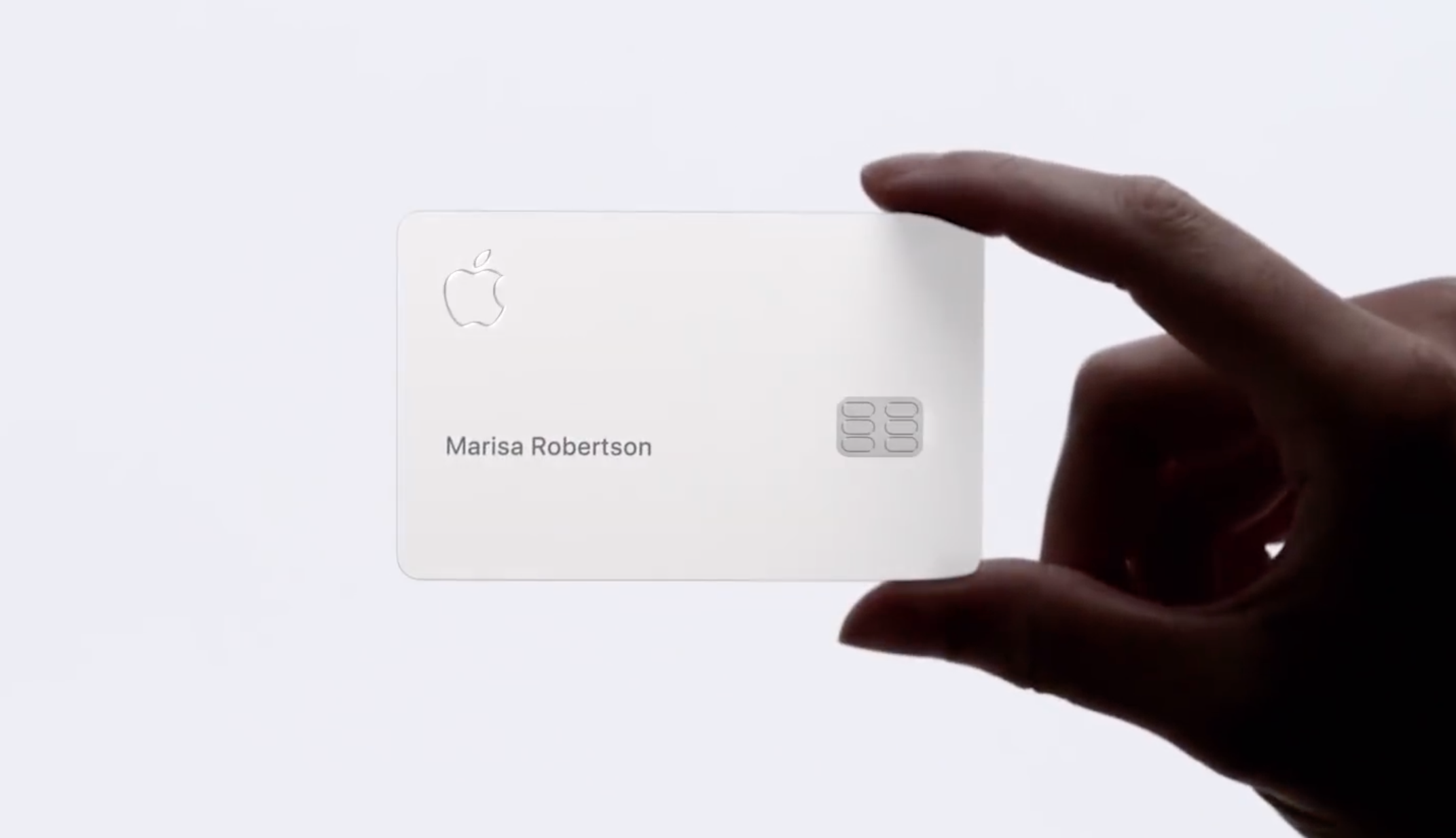
    What’s even cooler is that users will also be able to request a physical credit card, which will be made of titanium and have the user’s name laser-etched. No card numbers, CVV, or expiration dates will be printed on the card, making it that much more secure.
    Apple is creating Apple Card in partnership with Goldman Sachs. As it’ll be using the Mastercard payment network, the card will be accepted worldwide. Card support is going to be handled by Apple directly in a delightful new way: through Apple Messages. Just text Apple with your questions or requests, and the company will respond right there, in Messages. Apple Card will be available this summer in the US. Unfortunately, the company isn’t revealing any details regarding a future international rollout of the service.

    Daily Cash

    With Card, Apple is introducing a welcome new take on the cash back program. It’s called Daily Cash for a reason: you’ll be receiving your cash back amount daily, and you’ll be free to spend it again through Apple Pay, put it towards your Apple Card balance, or send it to family or friends through Apple Messages.
    Customers will be receiving Daily Cash to the tune of 2% on all of their Apple Card payments outside of Apple’s ecosystem. When it comes to Apple’s own stores, like Apple Stores, iTunes or the App Store, the Daily Cash amount will be 3%. And for purchases made using the physical Apple Card, the Daily Cash amount will be 1% of the purchase value.

    Apple helping you have a better financial culture

    Apple is building a number of new features around Apple Card, designed to help you have a better understanding of your spending. For starters, it’ll help you track your purchases more easily by using machine learning and Apple Maps in order to ‘translate’ the names of merchants in your purchases log. You are probably familiar with how merchant names often appear fairly cryptic when you view then through your bank’s web portal or mobile app; with Apple Card, Apple will make sure to have them all clearly labeled so that you’ll immediately know which transaction was made with whom.
    Color coding will also help with the organization of your transactions: products from distinct categories such as Food and Drinks or Shopping and Entertainment will be assigned a different color so that you can immediately find the ones you’re looking for. This, in tandem with the new weekly and monthly spending summaries, Apple hopes will give you a better vantage point over your overall expenditures.
    What’s more, Apple Card will include a tool to help users pay less interest by making their options more transparent. It’ll be suggesting a range of payment options and a handy calculator that estimates the interest cost on different amounts, so that each users can pick the option that suits their budget the best.

    Physical Apple credit card made of titanium

    Apple knows that for customers to fully embrace its payment service, it needs to be universally accepted. So, to let you deal with those merchants that don’t support Apple Pay yet, the company is creating a real, physical credit card with the signature Apple minimalist design. The company hasn’t released some of the technicalities, such as if it’s going to charge you for issuing such a card, but at least we know how it’s going to look like.
    No card numbers, expiration dates, or CVV numbers will be present on the card, making for an extremely clean look, with only the Apple logo and the holder’s name laser-etched onto the titanium piece. Your card’s numbers are, of course, still available: you’ll just have to look them up in the Wallet app on your iPhone.
    Thy physical Apple Card seems like a very appropriate product for international users, where Apple Pay support is still widely lacking, but the company seemingly has no immediate plans to launch Apple Card in markets other than the US at this time.