Tag: applepay

  • Apple Pay and iPhone NFC restrictions can get Apple fined by the EU

    Apple Pay and iPhone NFC restrictions can get Apple fined by the EU

    Antitrust investigations from the European Commission on tech giants such as Apple, Google, and Facebook have been going strong in the past couple of years, and tech giants have already faced fines from the EC on some dubbed ‘anticompetitive’ behaviors.

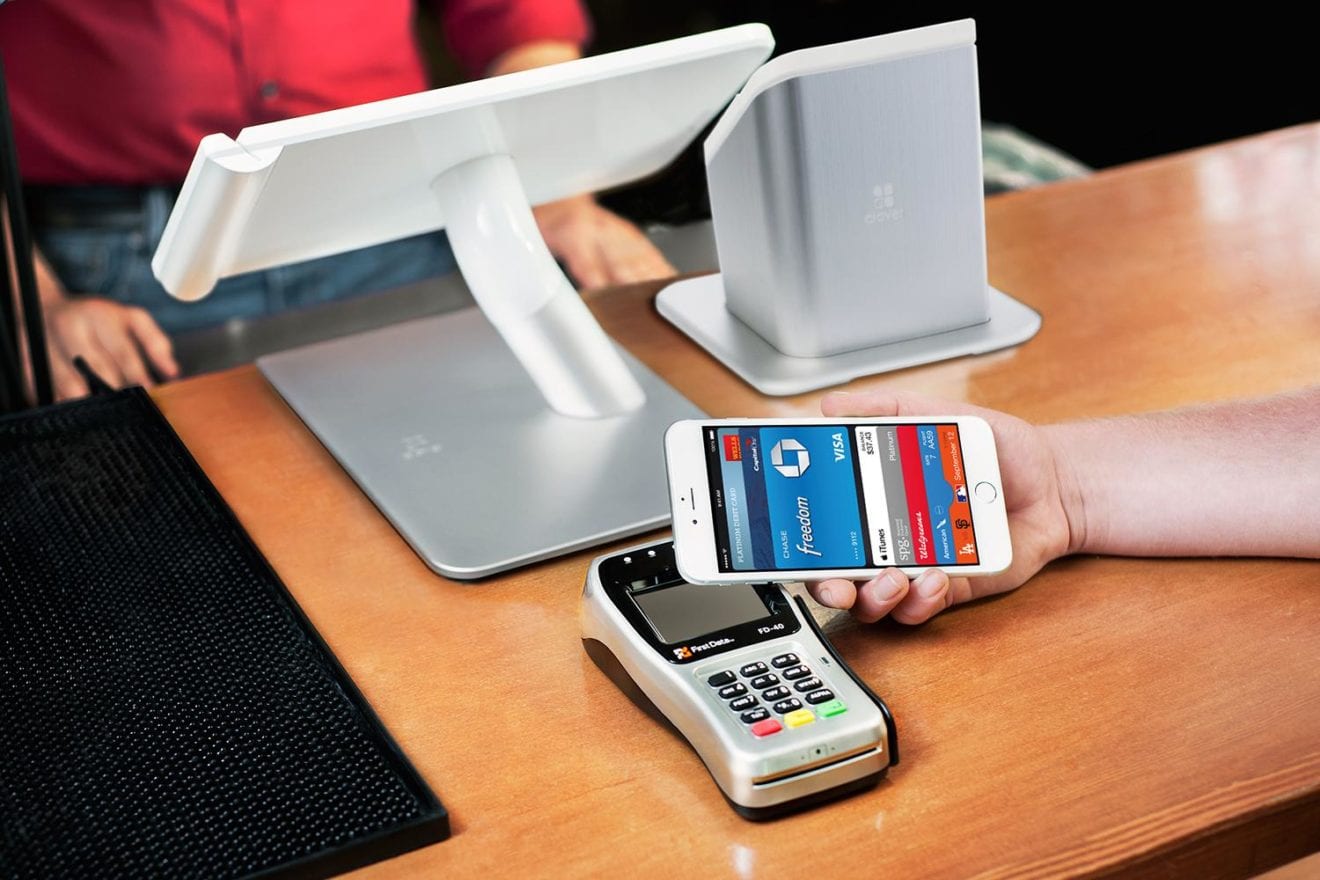
    Fines for anticompetitive behavior with Apple Pay and NFC against Apple are being finalized. The investigation has been going on since last year when the EC antitrust regulators have focused on Apple Pay and the iPhone’s NFC chip that makes contactless payments possible and began to scrutinize the practice. What the commission started investigating, in the beginning, was whether Apple unfairly locked out other contactless payment services by restricting the use of the NFC chip inside iPhones.

    The report from the EC states that Apple will get charged for “anti-competitive practices related to its NFC chip technology”, but the exact details are still unclear. It is possible these charges could force Apple to “open up its mobile payment system to rivals”.

    The EU competition enforcer is currently drafting a statement of objections that will express the concerns. The document is expected to be sent to Apple next year.

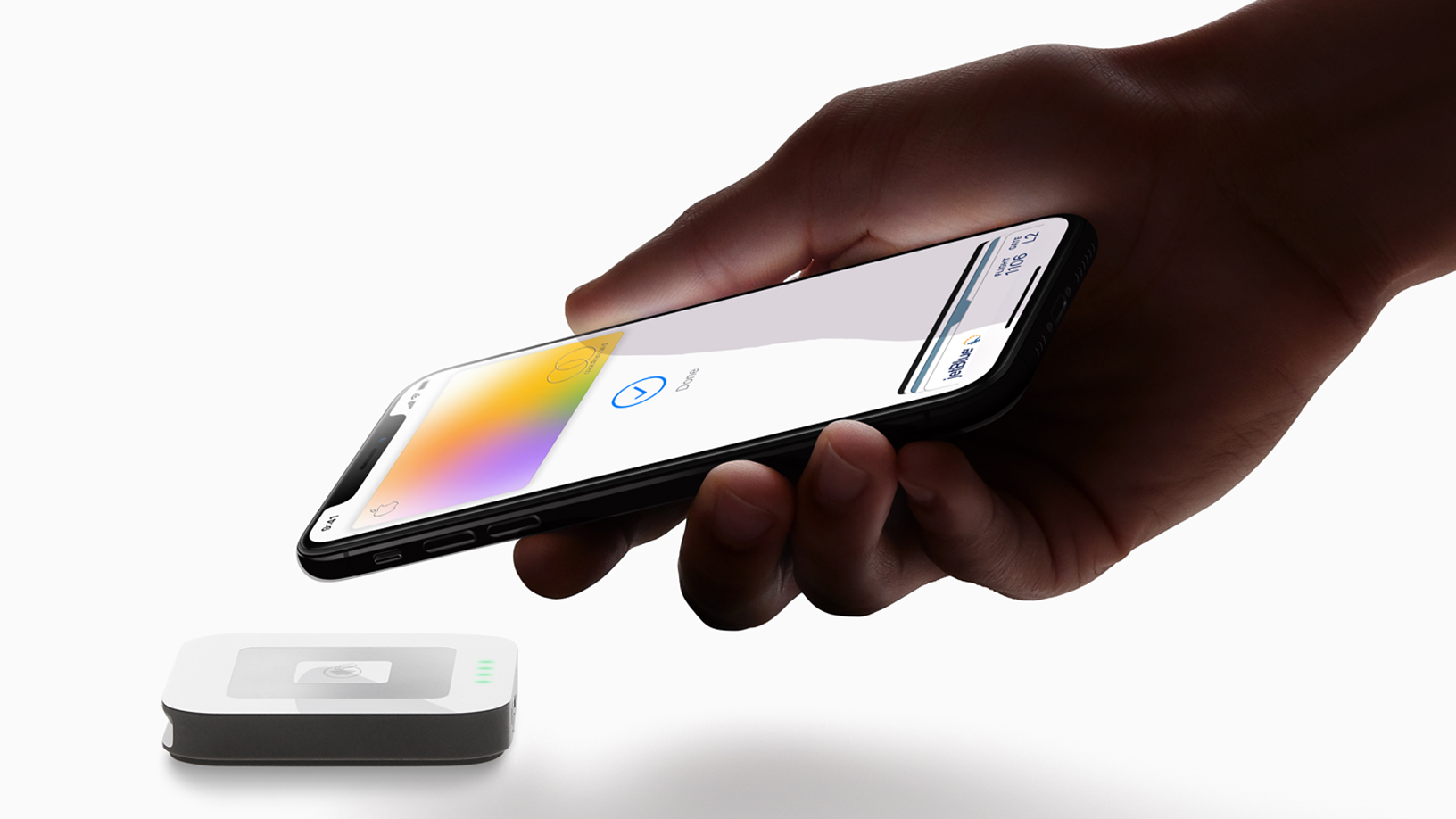
    Apple has been opening up access to the NFC chip in iPhones in recent years; however, third-party contactless payment systems have had a hard time in comparison to Apple Pay integration with iOS, so this could have been an issue for antitrust regulators. The way that the NFC chip in an iPhone works seems to give an advantage to Apple Pay which antitrust regulators do not like. For example, when an iPhone comes near to an NFC reader, the Wallet and Apple Pay interface is immediately automatically shown, something third-party systems cannot do on the iPhone.

    Earlier this year, the European Commission concluded in another investigation (this one is a preliminary conclusion at the moment, not a final decision, so keep that in mind) that Apple is indeed in breach of anti-competitive laws. More precisely, the investigation here was about Apple Music and music streaming services, and whether Apple was favoring its own solution on iPhones and thus making it harder for third-party music streaming services to compete.

    This anti-competitive behavior was related to the high commission fees that Apple imposed on third-party apps in the App Store and that the company does not allow app developers to tell users there are other payment methods… sounds familiar? Maybe yes, as this is the same complaint game maker Epic Games had against Apple and why the popular Fortnite game is no longer to be found on the App Store, for more than a year now.

    The aforementioned preliminary conclusion does not impose any fines or regulations yet, as it is not final. The next step is for the commission to review the case with Apple.In this case, after the period of reviewing it with Apple, the commission will decide whether to proceed with formal charges. If found in breach of competition law, the EC can force Apple to change the rules of the App Store or pay a fine for past offenses, which can go up to 10% of annual revenue.

    It is not only Apple that the EC is investigating for breaching competitive laws. Under investigation are also other tech giants such as Google, and even Amazon (for anti-competitiveness in the smart home market). The EC is also investigating the voice assistants on devices from Apple, Google, and Amazon, for the same issues.

  • ApplePay will now allow users to make purchases using Bitcoin

    ApplePay will now allow users to make purchases using Bitcoin

    Bitcoin is still the most famous cryptocurrency. And at Friday’s close, each Bitcoin was valued at close to $48,000, more than double the valuation of the digital currency about a year ago. Not only can you buy more with your Bitcoins, but you can also find it easier to spend thanks to the Apple Pay mobile payment service. The BitPay wallet app’s Prepaid Mastercard can be added to the Apple Wallet and Apple Pay can help Bitcoin owners spend the cryptocurrency online, through apps or in a store.

    The BitPay wallet app not only works with Bitcoin, but will also work with Ether, Bitcoin Cash and as well as the dollar-pegged stable coins USD Coin, Gemini Dollar, Paxos Standard and Binance USD. The stable coins are based on a 1:1 ratio with the U.S. Dollar. For every Gemini Dollar in circulation, there is a corresponding U.S. Dollar held by the State Street Bank and Trust Company.

    There are plans in the work to add support for the BitPay Wallet by the end of next month with other mobile payment services Google Pay and Samsung Pay. This will allow Android users to more easily spend Bitcoins and other cryptocurrencies including the aforementioned names that are pegged to the U.S. Dollar.

    To add your BitPaycard to Apple Wallet, you need to have the latest version of the BitPay app. The latter, which can help you securely store, spend, and manage Bitcoin, can be installed from the App Store and the Google Play Store. BitPay CEO Stephen Pair (both of him) said, “We have thousands of BitPay Wallet app customers using the BitPay Card. Adding Apple Pay and soon Google and Samsung Pay makes it easy and convenient to use the BitPay Card in more places.”

    Apple should do even more when it comes to digital currencies; should Apple add a cryptocurrency exchange it could generate over $40 billion. RBC analyst Mitch Steves believes that this would allow Apple’s shares to rise 25%. RBC noted that “Square takes in $1.6 billion a quarter through bitcoin-trading revenue from its roughly 30 million active users. Apple has an install base of about 1.5 billion people, signaling that it could make up to $40 billion a year from a Wallet-based crypto exchange.” The report adds that “if Apple went down this path, the USA would likely acquire the most crypto assets from a global perspective. If the USA owns the most crypto assets (be it Bitcoin or other assets), it would not make logical sense in our view to ban it. In addition, with Apple’s secure and world-class software, the USA would be able to have confidence in user information and balances if needed in the future.”

    Apple’s big move comes right after Tesla CEO Elon Musk showed interest in cryptocurrency Dogecoin. Tesla says that it soon will accept Bitcoins as payment toward the purchase of a Tesla vehicle. RBC’s Steves notes that the combination of Apple’s interest in Bitcoin and Apple’s popularity in the tech world can help the U.S. become the technological leader in cryptocurrencies for as long as the next 20 years.

    Thanks to the Blockchain technology, the method used to keep track of Bitcoin transactions, using the cryptocurrency is secure. Data on transactions is kept inside blocks and when a block is full, it is chained to the previous one. If someone wants to steal Bitcoin and hacks into the Blockchain to alter the information in one the blocks, it can’t be done without all members of the Blockchain spotting the changes. There are smartphones that can store and verify cryptocurrency transactions such as the HTC Exodus 1s.

  • OCBC Bank first in Singapore to enable instant digital card issuance and provisioning on Apple Pay

    OCBC Bank first in Singapore to enable instant digital card issuance and provisioning on Apple Pay

    OCBC Bank customers have a new, speedy way of resolving a common issue when shopping or dining: Not having the right credit card to enjoy the best discount, rebate or reward.

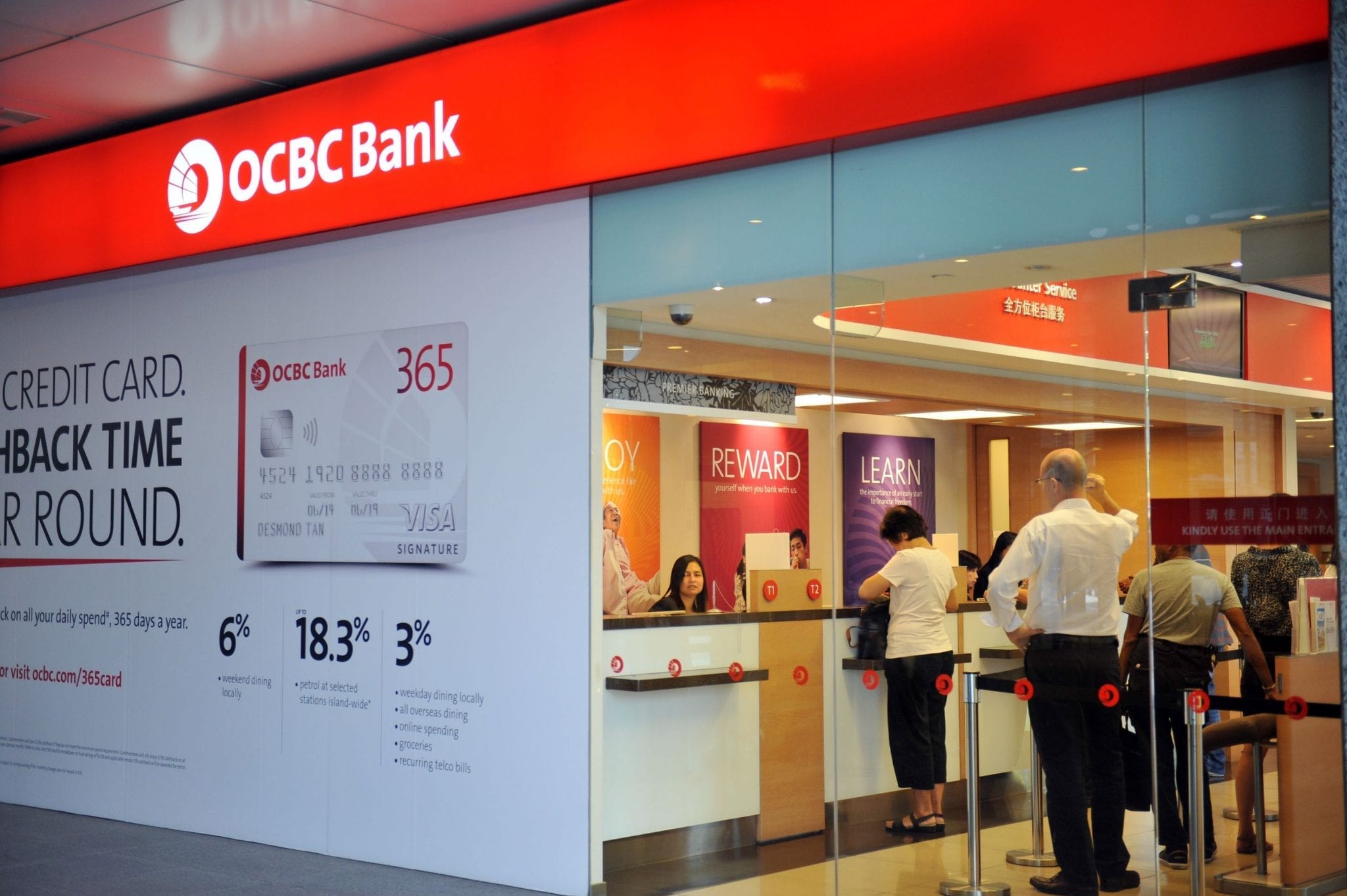
    Since last month, OCBC Bank became the first bank to enable customers to transact at merchants that accept Apple Pay within minutes of applying for a new VISA credit or debit card. Any OCBC Bank customer – even if you do not yet own an OCBC Bank card – can apply for a card online and have your application approved almost immediately. There is no need to then wait for the physical plastic to arrive in your mailbox: The card can be accessed and provisioned (that is, added to) Apple Pay instantly via the OCBC Mobile Banking app.

    VISA cards make up almost 80 per cent of the OCBC Bank cards currently provisioned to Apple Pay. Instant provisioning of cards for use with Apple Pay has been enabled for OCBC Bank VISA credit cards – including the 365, FRANK, Voyage, Robinsons Group, Plus! VISA and NTUC Plus! cards – as well as the Yes! debit card.

    Mr Aditya Gupta, OCBC Bank’s Head of E-Business Singapore, said: “This is the new digital – instant, embedded and frictionless access to banking products and services. Our customers can now receive their new card digitally and provision it to their Apple Wallet to start paying with it straight away – all from within our mobile banking app and within a few minutes. We believe this is a huge level-up in customer experience and will further accelerate our digital card applications and cashless payments market leadership drive.”

    Leader in payments and digital banking

    OCBC Bank is one of the top credit card issuers in Singapore and the market leader in contactless payments; one in every two VISA contactless transactions, including Apple Pay, is made with an OCBC Bank card. Monthly mobile wallet payments have doubled since 2016, while the number of credit cards provisioned to mobile wallets has increased sevenfold. 60 per cent of OCBC Bank cards provisioned to mobile wallets are on Apple Pay. Mobile wallet usage is especially popular for lifestyle transactions including groceries, transport such as private hire cars, food deliveries and fast food.

    Mr Vincent Tan, OCBC Bank’s Head of Credit Cards, said: “When we first introduced mobile payments to our customers in 2016, the future of payments looked exciting then – and it has definitely proven itself to be so. One in every two VISA contactless transactions is made with an OCBC Bank card so we have clear leadership in the mobile and contactless payment space. More OCBC customers, even those who are not currently our cardholders, can now benefit from our suite of credit cards within minutes of applying for one. With our instant digital card issuance, they can immediately provision their new cards to Apple Pay via our mobile banking app, and start to enjoy our cards’ rewards and rebates.”

    OCBC Bank has constantly worked towards making banking seamless and embedded in our customers’ natural behaviour and interactions. OCBC Bank led the way in Singapore in launching voice-powered conversational banking for retail customers in February 2018, which allows customers to ask Siri to check their bank balances, credit card overview and make e-payments. It was the first bank in Singapore to introduce biometric authentication to access bank account details with OCBC OneTouch in March 2015, and OCBC OneLook in November 2017 on the OCBC Mobile Banking app, leveraging fingerprint and facial recognition technology. OCBC Bank then offered customers the convenience of banking on their wrist, launching its mobile banking app for Apple Watch in March 2016. In November 2016, OCBC Bank enhanced its OCBC Pay Anyone e-payments service by enabling customers to send money via OCBC Pay Anyone directly within Apple’s iMessage on iPhones, and via any app on Android devices using the OCBC Keyboard in August 2017.
  • M1 will launch Apple Pay in Singapore

    M1 will launch Apple Pay in Singapore

    The operator will allow its customers to use the mobile payment service to make purchases at M1 Shop outlets and branches.

    Apple has meanwhile revealed it has extended the reach of Apple Pay to include holders of credit and debit cards issued by five banks in the country – DBS Bank, OCBC Bank, POSB Bank, United Overseas Bank (UOB) and Standard Chartered Bank.

    The five banks combined account for more than 80% of credit and debit cards issued in the country.

    Apple Pay, which launched last month in Singapore, was previously only available to holders of credit cards issued by American Express in the nation.

    The service is currently available in six markets – Australia, Canada, China, United States, United Kingdom and Singapore, with planned launches for Hong Kong and Spain this year.

    The service can be used on Apple’s iPhone SE, iPhone 6s, iPhone 6s Plus, iPhone6, iPhone 6 Plus and Apple Watch devices for payments at physical retail outlets.

    Banks are likely hoping Apple Pay transactions will increase adoption of contactless payments and eat into a chunk of the small payments pie currently dominated by cash transactions.

    OCBC Bank Singapore is offering its credit and debit card customers a 3% rebate for Apple Pay transactions island-wide in the first month of activation, with a cap of up to S$15 ($11).

    UOB is meanwhile aiming to lift the S$100 transaction limit for contactless payments at all its POS terminals island by the end of next year. The limit has been removed from 2,000 of the bank’s 10,000 terminals so far.

    Figures from a recent MasterCard study have revealed an appetite for digital wallets among consumers in the Asia Pacific, with 19.5% using such wallets, a two-fold increase from two years ago.

  • Contactless mobile payments growing

    Contactless mobile payments growing

    The number of contactless payments made via mobile handsets will reach 148 million globally this year, according to a study conducted by Juniper Research.

    Samsung and Apple will account for approximately 70 per cent of new customers.

    The study showed consumers have been receptive to this payment method, predominantly because of their strategic placement. When Apple Pay was introduced in China, nearly 40 million payment cards were registered to the service in 24 hours in mid-February.

    Nearly one in five point-of-sale terminals in the US are now contactless-capable, with the report finding this will see smartphones be the number one driver of contactless payments in the US. The report also revealed banks and leading “over the top” players will deploy Host Card Emulation-based (HCE) models.

    “The combination of HCE and tokenisation is extremely attractive to banks. HCE means that they are not dependent on a mobile operator to enable the service; tokenisation reduces the burden on the issuer and allows them to use their existing infrastructure,” research co-author, Dr. Windsor Holden said.

    The study also found that NFC sticker-based solutions can be ‘risky,’ stating that in closed-loop solutions, ‘there’s a chance thieves could simply use all the money in the wallet at participating retail outlets.’

  • Google Wallet partners up to battle Apple Pay

    Google Wallet partners up to battle Apple Pay

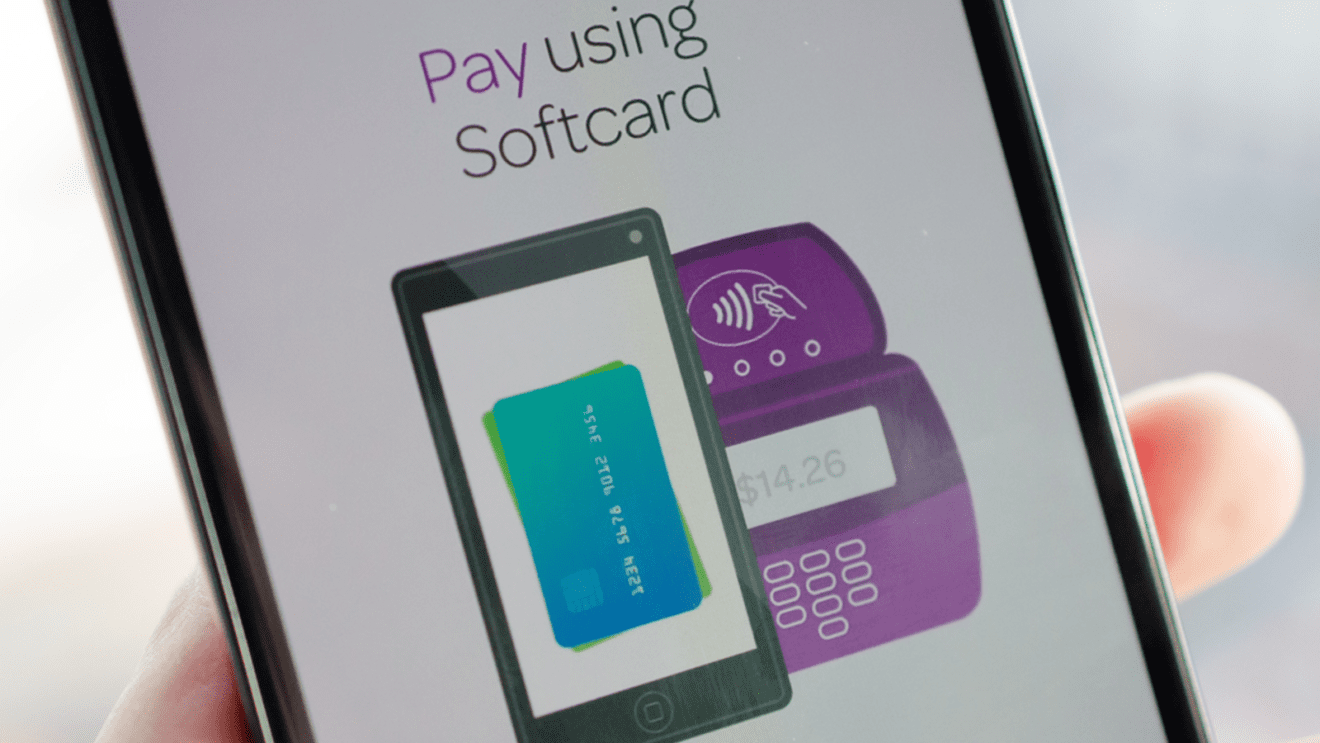
    Google said on Monday it was teaming up with the mobile phone payment firm Softcard to ramp up its efforts to counter Apple Pay in the emerging sector.

    The California tech giant announced Google Wallet would become a pre-installed “tap to pay” app on Android smartphones sold in the US market by AT&T, T-Mobile and Verizon, as part of the deal with the carriers’ mobile payments company Softcard.

    The aim is “to help more Android users get the benefits of tap and pay,” said Google Payments vice president Ariel Bardin.

    “We’re also acquiring some exciting technology and intellectual property from Softcard to make Google Wallet better.”

    The move gives Google and its large base of Android smartphones a stronger position to challenge Apple Pay, the mobile payments system introduced on the latest iPhones last year.

    A statement from Softcard — which was founded by the three carriers last year in a push for mobile payments — said the deal with Google would “bring together leading technologies to advance mobile wallets.”

    “For now, Softcard customers can continue to tap and pay with the app,” the statement said.

    “Today’s announcement is a positive step forward for the mobile payments industry and wireless consumers.”

    Bryan Yeager, analyst at the research firm eMarketer, said the deal “will help get Google Wallet in front of more potential users, but the mobile payments space in the US will continue to be competitive and fragmented for at least the next few years.”

    Yeager noted that Samsung’s announcement last week that it was buying digital wallet firm LoopPay “shows that deal activity doesn’t necessarily equate to market consolidation.”

    LoopPay technology is compatible with approximately 90 percent of retail terminals to let customers tap their phones for payment with registered credit cards, according to Samsung.

    LoopPay has been built into smartphone cases as well as into fobs, or dongles, and transmits credit card data using magnetic fields to point-of-sale terminals to effectuate transactions.