Retail News CRM

Tag: Apples

  • Apple’s Key Supplier Tata Boosts Security Measures Amid Dark Web Data Leak Investigation

    Apple’s Key Supplier Tata Boosts Security Measures Amid Dark Web Data Leak Investigation

    Tata Electronics, a primary supplier for tech giant Apple in India, has increased its internal security measures following a potential leak of confidential client files on the dark web, according to a source from Tata and two industry representatives.

    In response to the incident, Tata has engaged an international consultant to perform a forensic audit. The company has also reported the incident to the Indian government and its customer base. The source from Tata chose to remain anonymous due to the sensitive nature of the situation.

    The cybercrime group known as World Leaks claimed responsibility for uploading over 200,000 files onto the dark web. These files allegedly include design documents for components used by both Apple and Tesla, another of Tata’s clients. The authenticity of the data remains unverified.

    Tata acknowledged the occurrence of a “cybersecurity incident” but assured that its operations were not affected, without providing further details.

    In addition to Apple and Tesla, the leaked data is believed to include at least 16 files and folders from Taiwan Semiconductor Manufacturing Co (TSMC) and 23 from Qualcomm. Both companies supply parts for iPhones.

    Increased Security Measures

    Following the breach, Tata Electronics strengthened security protocols across all its facilities and offices. Remote access to sensitive internal tools, such as those used for placing purchase orders, was limited to a select group of employees. Prior to the incident, these tools were more accessible. The updated protocols apply across Tata Electronics and are not limited to specific factories.

    The investigation into the breach continues, with Apple’s security team reportedly collaborating closely with Tata. The security enhancements include stricter regulations for accessing Tata’s official network from outside the company’s premises.

    Implications for Tata and its Clients

    Tata Electronics, led by former Intel and Applied Materials executive Randhir Thakur, is a critical part of Apple’s strategy to expand iPhone production outside China. However, the breach poses a significant setback to Apple’s supply chain. Tata is also facing scrutiny over alleged farmland contamination near one of its iPhone parts plants in India.

    World Leaks claimed to have published more than 204,341 files containing Tata Electronics data, amounting to over 630.4 gigabytes. The exposed documents include purported “product reliability test” details of a TSMC component and mechanical specifications for a power management integrated circuit from Qualcomm.

    Despite the challenges, India is expected to manufacture 26% of the world’s iPhones by 2026, a significant increase from the 6% it produced four years ago, as reported by research firm Counterpoint.

    Questions & Answers

    How has Tata Electronics responded to the data breach?
    Tata Electronics has increased internal security measures, limited remote access to sensitive systems, and engaged an international consultant for a forensic audit.

    What does the leaked data purportedly contain?
    The data allegedly contains design documents from Apple and Tesla, and files from Taiwan Semiconductor Manufacturing Co and Qualcomm.

    What are the potential impacts of the breach on Tata and its clients?
    The breach could interrupt Apple’s supply chain and increase scrutiny on Tata, which is already facing allegations of farmland contamination in India.
  • Apple’s Leap of Faith: Intel Chip Deal Sparks Debate on Future of U.S. Chipmaking Industry

    Apple’s Leap of Faith: Intel Chip Deal Sparks Debate on Future of U.S. Chipmaking Industry

    Apple’s transition to Intel chips, as reported last week, displays a strategic move driven by necessity and ambition. However, industry experts suggest this is not a straightforward transition, as advanced Intel chips typically require two to three years to manufacture. Moreover, the translation of this shift into tangible benefits may take even longer due to the extensive and meticulous production process.

    This potential deal, which has not yet been officially confirmed by either party, could present a mutually beneficial opportunity. Intel has been striving to reestablish its reputation as a credible contract chipmaker, while Apple seeks additional manufacturing capacity. This comes in light of Apple’s current supplier, TSMC, grappling with increased Artificial Intelligence (AI) chip demand led by companies such as Nvidia.

    Supply issues have impacted iPhone sales, as Apple CEO Tim Cook noted in April. The prospective agreement with Intel aligns with the U.S strategy to bolster domestic chip manufacturing, using tariffs and incentives. Intel, holding a 10% stake in the company and having received a $5 billion investment from Nvidia on the request of President Donald Trump, is considered a critical player in this initiative.

    However, Malcolm Penn, CEO of chip research firm Future Horizons, offers a cautious perspective. “The very best-case scenario would see the first chips produced within two to three years. Designing an SoC (system on chip) of this complexity takes two years, with an additional four months needed for production cycle time to ramp up,” he explained. Penn underscores that this estimation is contingent on Intel’s technology being fully developed and its design tools sufficiently reliable for Apple to rely on. He termed the deal as “a shotgun wedding,” due to the high degree of faith and commercial risk involved.

    Intel’s Prospects with Apple

    Despite being late to the AI boom, Intel has made tentative strides, securing Tesla as a customer in April and potentially entering a significant partnership with Apple. Experts are split over which Intel manufacturing process Apple will select.

    While some predict Apple will follow Tesla onto Intel’s forthcoming 14A process, others foresee Apple prioritizing reliability over cutting-edge gains, potentially favoring 18A-P, a refined version of Intel’s most advanced process, or a reliable, older node such as Intel 3.

    Bob O’Donnell, an analyst at TECHnalysis Research, believes Apple might opt for Intel’s 14A process technology, expected to be available by 2028 or 2029. He notes that if this comes to fruition, it would mark a pivotal development for Intel’s foundry business and U.S-based semiconductor manufacturing more broadly.

    Turning Apple’s Vision into Reality

    Daniel Newman, CEO of tech research firm Futurum Group, suggests that the mass production of Apple-designed chips may not commence until late 2027 or early 2028. It is anticipated that initial efforts will concentrate on less critical components used in MacBook Air or certain iPad Pro models.

    Apple might adopt a cautious approach, initially testing Intel with lower-end products before entrusting them with their most essential chips, as per analysts. Intel, which has faced challenges with the timeline and quality of its chips, will need to meet Apple’s high yield expectations—a standard that TSMC has accustomed Apple to.

    Paul Meeks, head of tech research at Freedom Capital Markets, voices skepticism. “Investors are betting on flawless execution by Intel, a company that hasn’t delivered for about 20 years. While Intel seems to have made progress with its latest manufacturing process, we should all at least modestly discount a perfect outcome,” he warned.

    Questions & Answers

    What is the predicted timeline for the production of Intel chips for Apple?
    The best-case scenario predicts that the first chips could be produced within two to three years. However, the mass production of Apple-designed chips may not start until late 2027 or early 2028.

    What factors could impact this timeline?
    The timeline depends largely on whether Intel’s technology is fully developed and its design tools reliable enough for Apple to depend on. It is also contingent on Intel meeting Apple’s high yield expectations.

    What could be the implications of this shift for Apple and for U.S. semiconductor manufacturing?
    The shift could potentially provide Apple with the additional manufacturing capacity it seeks and help Intel rebuild its credibility as a contract chipmaker. If successful, it could also mark a significant development for U.S-based semiconductor manufacturing.

  • Apple’s Digital ID Revolution: Now, Use Your iPhone for TSA Checkpoints!

    Apple’s Digital ID Revolution: Now, Use Your iPhone for TSA Checkpoints!

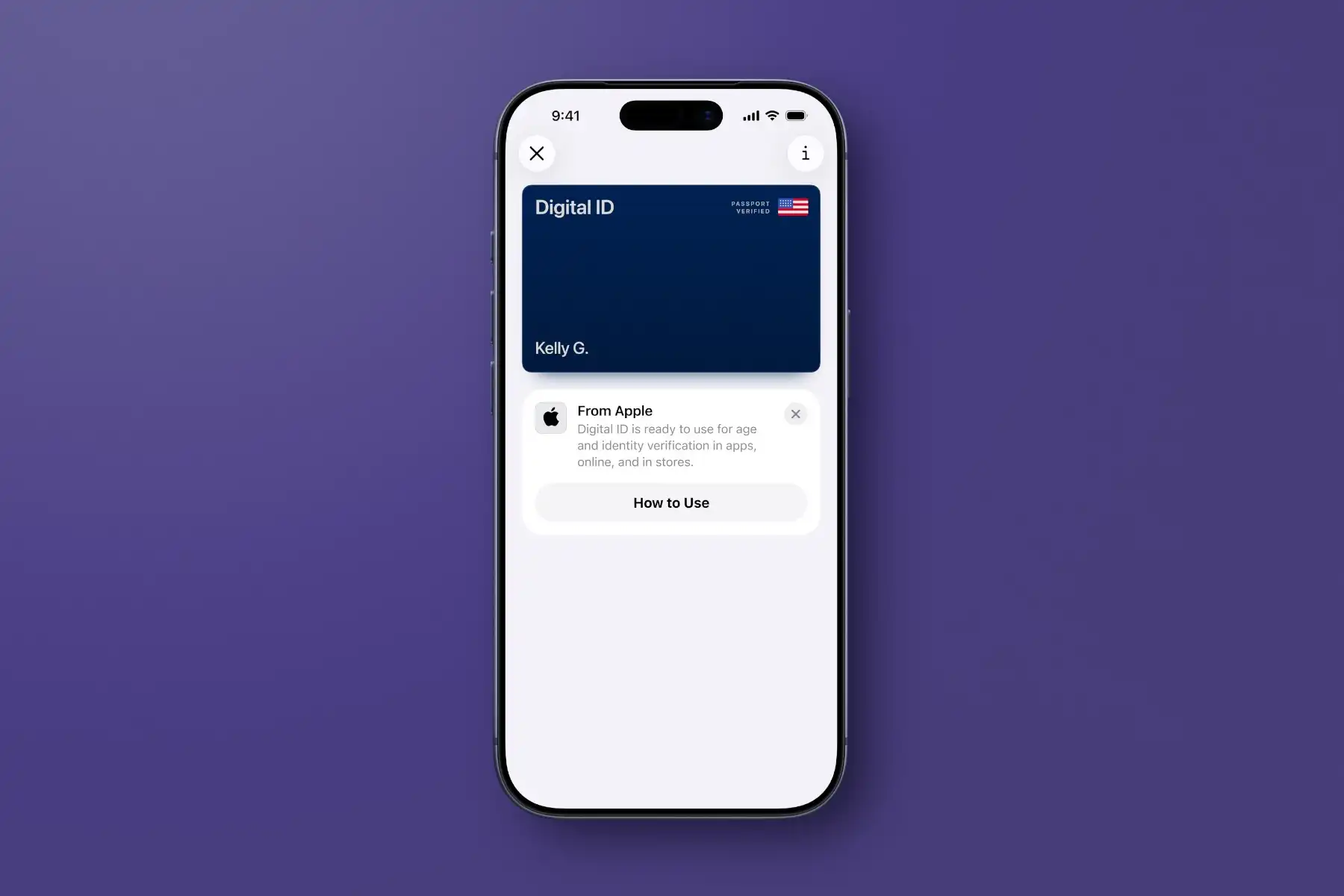
    Apple has unveiled a new Digital ID feature for its Apple Wallet, initially announced at WWDC 2025. The feature facilitates the creation of a Digital ID in the Apple Wallet application using details from users’ US passports.

    US Passport Integration with Apple Wallet

    Apple device owners in the United States, particularly those with iPhones and Apple Watches, now have the ability to add a digital copy of their US passports to their gadgets. The so-called Digital ID can be utilized for identification purposes at selected TSA checkpoints across the US airports for domestic travel.

    The process of creating and presenting a Digital ID based on a US passport requires the following:

    – An iPhone 11 or later with iOS 26.1 or later, or an Apple Watch Series 6 or later with watchOS 26.1 or later
    – Active Face ID or Touch ID and Bluetooth
    – An Apple Account with active two-factor authentication
    – A valid and unexpired US passport
    – A device with its region set to the United States

    Creating a Digital ID is quite simple. It involves opening the Wallet application on your iPhone, tapping the plus sign at the top-right corner, and selecting Driver’s License or ID Cards. From this point, you then select Digital ID and follow the on-screen instructions for setup and verification.

    During the setup, users will be required to scan their physical passport’s photo page using their iPhone, then use the device to read the passport’s chip to verify the authenticity of the data. Additional verification entails taking a selfie and performing a series of facial and head movements.

    Where Can the Digital ID be Used?

    The Digital ID feature can be utilized at over 250 TSA checkpoints in various US airports. However, its usage is currently limited to domestic travel. The feature cannot be used for international travel or border crossings. Apple has stated that the Digital ID is not intended to replace the physical passport. While TSA has a comprehensive list of states supporting mobile IDs, it still advises travelers to carry their physical ID.

    Eventually, Apple plans to expand the usage of the Digital ID to businesses and organizations for identity and age verification purposes, both in-person and online.

    Presenting a Digital ID in person is similar to presenting other IDs in the Wallet. Users need to double-click the side button on their iPhone, select Digital ID, and hold the iPhone near a scanner. They then review the requested information and authenticate with Face ID or Touch ID.

    Apple ensures that all Digital ID data is encrypted and stored on-device, assuring users that neither when nor where the ID data is presented, nor what data is shared can be accessed by the company.

    Expansion and Future of Digital ID

    The Digital ID feature builds upon the existing ID features in the Apple Wallet. Users in 12 US states and Puerto Rico have the option of adding their driver’s license to the Wallet. The feature is also available for Japan’s My Number Card, marking its first international expansion.

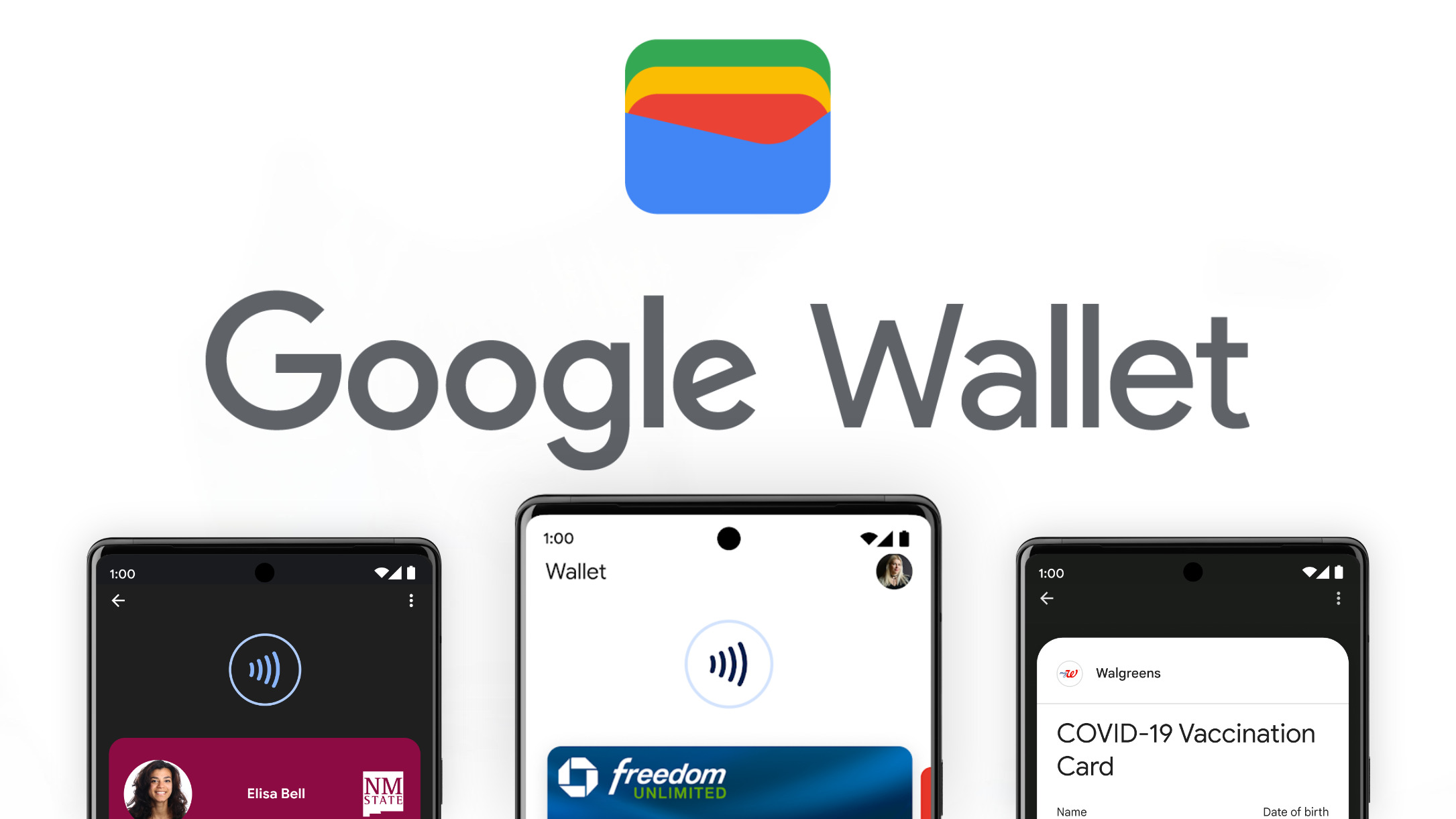
    Unlike Google Wallet, which supports state IDs in a few states and features an ID Pass for both US and UK passports, Apple’s Digital ID doesn’t aim for a total replacement of the physical document.

    As Apple moves towards making physical wallets obsolete, the company has introduced a way to store all details about users’ payment cards along with their digital versions in the Wallet, negating the need for carrying physical cards. The application can also accommodate loyalty cards, tickets, passes, and more.

    Once the Digital ID feature gets broader support, including acceptance at event venues, physical stores, and websites with adult content, physical wallets may become a thing of the past.

    Questions & Answers

    What is the new Digital ID feature in Apple Wallet?
    The Digital ID is a new feature in the Apple Wallet that allows users to create a digital version of their US passport for identification purposes.

    What are the requirements for creating a Digital ID?
    To create a Digital ID, you need an iPhone 11 or later running iOS 26.1 or later, or an Apple Watch Series 6 or later running watchOS 26.1 or later, active Face ID or Touch ID and Bluetooth, an Apple Account with active two-factor authentication, a valid and unexpired US passport, and a device with its region set to the United States.

    Where can I use my Digital ID?
    The Digital ID can be used at over 250 TSA checkpoints in various US airports for domestic travel. In the future, the Digital ID will be accepted at businesses and organizations for identity and age verification, both in person and online.

  • Apple’s iPhone Sales Skyrocket, Setting Record Revenues for Q4 2025 and Optimistic Outlook for 2026

    Apple’s iPhone Sales Skyrocket, Setting Record Revenues for Q4 2025 and Optimistic Outlook for 2026

    Apple has unveiled its fiscal results for the fourth quarter of 2025, alongside its complete annual figures for the same year. The primary focus of interest is the iPhone’s performance during this period. From July to September, iPhone sales raked in a revenue of $49.03 billion, marking a 6.1% increase from the $46.22 billion generated in the fiscal fourth quarter of the preceding year. Although this figure fell short of Wall Street’s projections for the quarter, it established a new record for iPhone revenue in the company’s fiscal Q4.

    Expectations for Record iPhone Revenue

    Apple CEO, Tim Cook, announced that the company anticipates the iPhone to generate record revenue for the current quarter (fiscal Q1 2026) as well. In the fiscal year of 2025, iPhone sales reached $209.59 billion, a 4.2% jump from the $201.18 billion generated in 2024.

    The iPhone 17 range has been off to a positive start. Despite a reduction in production of the iPhone Air, the remaining three models—iPhone 17, iPhone 17 Pro, and iPhone 17 Pro Max—are reportedly outperforming their iPhone 16 counterparts in terms of sales.

    Performance of Other Products and Services

    The iPad demonstrated a stable fiscal Q4, generating $6.95 billion in revenue. Throughout the fiscal year 2025, the iPad’s revenue amounted to $28.02 billion, reflecting a modest year-on-year growth of 5%. Apple’s second-largest business segment after the iPhone is its Services division, which saw a robust fiscal Q4 with revenue amounting to $28.75 billion, an impressive annual growth of 15.1%. The Services unit generated revenue of $109.16 billion for Apple during the fiscal year 2025, marking a 13.5% increase year-over-year.

    The Services unit holds significant value for Apple as its success is not solely dependent on new iPhone sales. With 1.56 billion active iPhone units globally, the Services unit remains a critical component of the company’s operations.

    The company’s Wearables, Home, and Accessories division, which includes products like the Apple Watch, AirPods, and HomePods, reported Q4 sales of $9.01 billion. Despite a slight dip from last year’s Q4 revenue of $9.04 billion, the division generated $35.69 billion in revenue during fiscal 2025, down 3.6% from the previous year’s figures.

    Regional Performance and Earnings Per Share

    Apple saw increased revenue in nearly every region during the fiscal year 2025, with growth in the Americas, Europe, Japan, and the rest of Asia Pacific. However, sales in Greater China were slightly lower during the fiscal Q4.

    In the fiscal Q4, Apple reported a record $102.47 billion in revenue, a 7.9% increase from the previous year’s Q4 revenue of $94.93 billion. Throughout fiscal 2025, revenue reached a record $416.16 billion, a 6.4% increase compared to the $391.04 billion accumulated in fiscal 2024. The net earnings for fiscal Q4 were $27.47 billion, or $1.85 per share, a significant 90.7% increase from the previous year’s $14.74 billion or 97 cents per share.

    For the entire fiscal year 2025, net earnings amounted to $112.01 billion, or $7.49 per diluted share, compared to fiscal 2024’s $93.74 billion, or $6.08 per diluted share. This indicates a year-over-year net profit increase of 23.2% for Apple in fiscal 2025.

    Questions & Answers

    How did the iPhone perform in terms of revenue during the fiscal fourth quarter of 2025?
    The iPhone generated a revenue of $49.03 billion in the fiscal fourth quarter of 2025, a 6.1% increase from the $46.22 billion generated during the same quarter of the previous year.

    What are the expectations for iPhone revenue in the fiscal Q1 of 2026?
    Apple CEO, Tim Cook, expects the iPhone to generate record-breaking revenue in the fiscal first quarter of 2026.

    How did Apple’s other products and services perform in the fiscal year 2025?
    Apple’s iPad generated a stable fiscal fourth quarter revenue of $6.95 billion and $28.02 billion for the entire fiscal year, marking a 5% year-on-year increase. The Services unit showed a robust fiscal Q4 with revenue of $28.75 billion, a 15.1% year-on-year increase, and $109.16 billion for the entire fiscal year, a 13.5% increase year-over-year. The Wearables, Home, and Accessories division reported Q4 sales of $9.01 billion, and $35.69 billion for the fiscal year 2025, down 3.6% from the previous year.

  • Google Wallet Enhances Travel Experience With Real-time Updates And Card Integration

    Google Wallet Enhances Travel Experience With Real-time Updates And Card Integration

    Google Wallet is set to become more convenient for globetrotters as it integrates Android 16’s latest feature, “Live Updates”. This innovative function will make flight and train status readily accessible, delivering this crucial information precisely when it’s needed.

    Travel Upgrade for Google Wallet

    Google Wallet is undergoing not just a visual transformation with its Material 3 redesign, but also a functional enhancement. The new “Live Updates” feature, initially showcased at the I/O 2025 keynote for Maps and Uber Eats, is now branching out to Google Wallet. This will cover real-time updates for flights, train journeys, and events.

    Imagine a dynamic update system where static notifications are replaced with live progress bars tracking your flight duration or immediate alerts about gate changes. These updates will be constantly available on your display, your lockscreen, or discreetly tucked into your status bar.

    These developments were revealed in the release notes for Google Play services version 25.41. The rollout process is expected to be gradual, and it may take several weeks or even months for this feature to appear on your device.

    Additional Updates on Google Wallet

    Google Wallet is also introducing two minor but useful updates. Firstly, older phone models that operate on Android 12 or earlier will now receive notifications when a loyalty pass is imported from Gmail. Secondly, users will find it convenient to directly add credit or debit cards from their bank’s app, without needing the actual plastic card.

    While these updates may appear to be Google’s attempt at keeping up with its competitors, they are undeniably important. Apple Wallet, for instance, has been lauded for its real-time integration of live updates such as flight delays or gate changes directly on the lock screen. Google Wallet is now gearing up to match Apple Wallet’s “Live Activities”, shifting from a digital wallet that merely holds cards and passes to a proactive travel assistant.

    Improving User Experience

    These updates, although overdue, are a welcome change. The ability to have real-time updates directly on the lock screen eliminates the stress associated with travel, such as keeping track of gate changes or flight schedules.

    Moreover, the integration of bank cards is a significant improvement. The added convenience of not having to scramble for a physical card when adding it to the phone enhances the user experience. This smart, integrated feature enhances the overall cohesion of the Android ecosystem.

    Questions & Answers

    What is the new feature in Google Wallet?
    The new feature in Google Wallet is the integration of Android 16’s “Live Updates”, which provides real-time updates for flights, train journeys, and events.

    What are the other updates in Google Wallet?
    Google Wallet’s other updates include notifications for loyalty pass imports from Gmail for older Android versions, and the ability to add credit or debit cards directly from the bank’s app.

    How does the new update enhance the user experience?
    The new update enhances the user experience by providing live updates directly on the lock screen, eliminating the stress of travel. Additionally, the integration of bank cards removes the need for a physical card when adding it to Google Wallet.

  • Apple’s Siri Upgrade Faces Delays And Doubts: Can It Compete In The Ai Race?

    Apple’s Siri Upgrade Faces Delays And Doubts: Can It Compete In The Ai Race?

    Anticipation and Concerns over the New Siri

    The unveiling of Apple Intelligence at the Worldwide Developers Conference in 2024 has left iPhone users anticipating an enhanced Siri digital assistant. Despite a number of delays, the upgraded Siri is set to launch early next year, unless unforeseen issues arise. However, there are doubts about whether the upgraded Siri will meet expectations.

    According to industry expert Mark Gurman’s Power On newsletter, there are already internal concerns at Apple regarding the performance of the new Siri. This comes as an unwelcome surprise, especially as competitors like the Galaxy S25 and Pixel 10, bolstered by Google’s Gemini, are making significant strides in AI.

    Chinese competitors, such as Xiaomi, are also outperforming Apple. They leverage heavily modified versions of contemporary AI models and are faring considerably better than the iPhone 17.

    Potential Impact of Further Delays

    Apple has already experienced significant delays in releasing the new Siri. The company’s current AI features lack the sophistication of their rivals, and this could potentially affect iPhone sales negatively. The iPhone 17 might face challenges in the impending months if these delays persist.

    Strategies to address these challenges have been numerous. Considerations have been made towards acquiring a third-party company like Perplexity AI, or even seeking assistance from Google. Presently, many Apple Intelligence features depend on OpenAI’s ChatGPT. However, efforts to replace it with Siri have not been successful.

    It is now crucial for Apple to make a decision. They can either allocate more resources to perfecting Siri, or allow another entity to take over the project. Apple’s delay in committing to AI advancements is now beginning to have consequences.

    The Urgency of Siri’s Release

    Regardless of the challenges, it is crucial for the new Siri to be released as scheduled next year. Apple cannot afford the luxury of time to achieve parity with Google’s Gemini, and it must rectify the perception that it lacks a clear strategy for Siri.

    Siri has been a subject of criticism for years before Apple decided to make improvements. The least the company can do now is to release the enhanced version that already exists, and then continue to refine and enhance it.

    Questions & Answers

    What is the current situation with the new Siri from Apple?
    There are internal concerns within Apple about the performance of the new Siri. The company has already faced numerous delays in its release, and it’s crucial for the new Siri to be launched next year to maintain competitiveness.

    How does Siri compare to its competitors?
    Competitors like the Galaxy S25, Pixel 10, and even Chinese brand Xiaomi are reportedly outperforming Siri. These competitors leverage advanced AI technologies, such as Google’s Gemini, and heavily modified versions of modern AI models, giving them an edge over Siri.

    What strategies is Apple considering to improve Siri?
    Apple is considering a number of strategies to enhance Siri, including potentially acquiring a third-party company such as Perplexity AI or seeking assistance from Google. Currently, many of Apple’s Intelligence features rely on OpenAI’s ChatGPT, and their attempts to replace it with Siri have not been successful.

  • Apple’s First Foldable Iphone: Predicted Lower Hinge Costs May Impact Retail Price

    Apple’s First Foldable Iphone: Predicted Lower Hinge Costs May Impact Retail Price

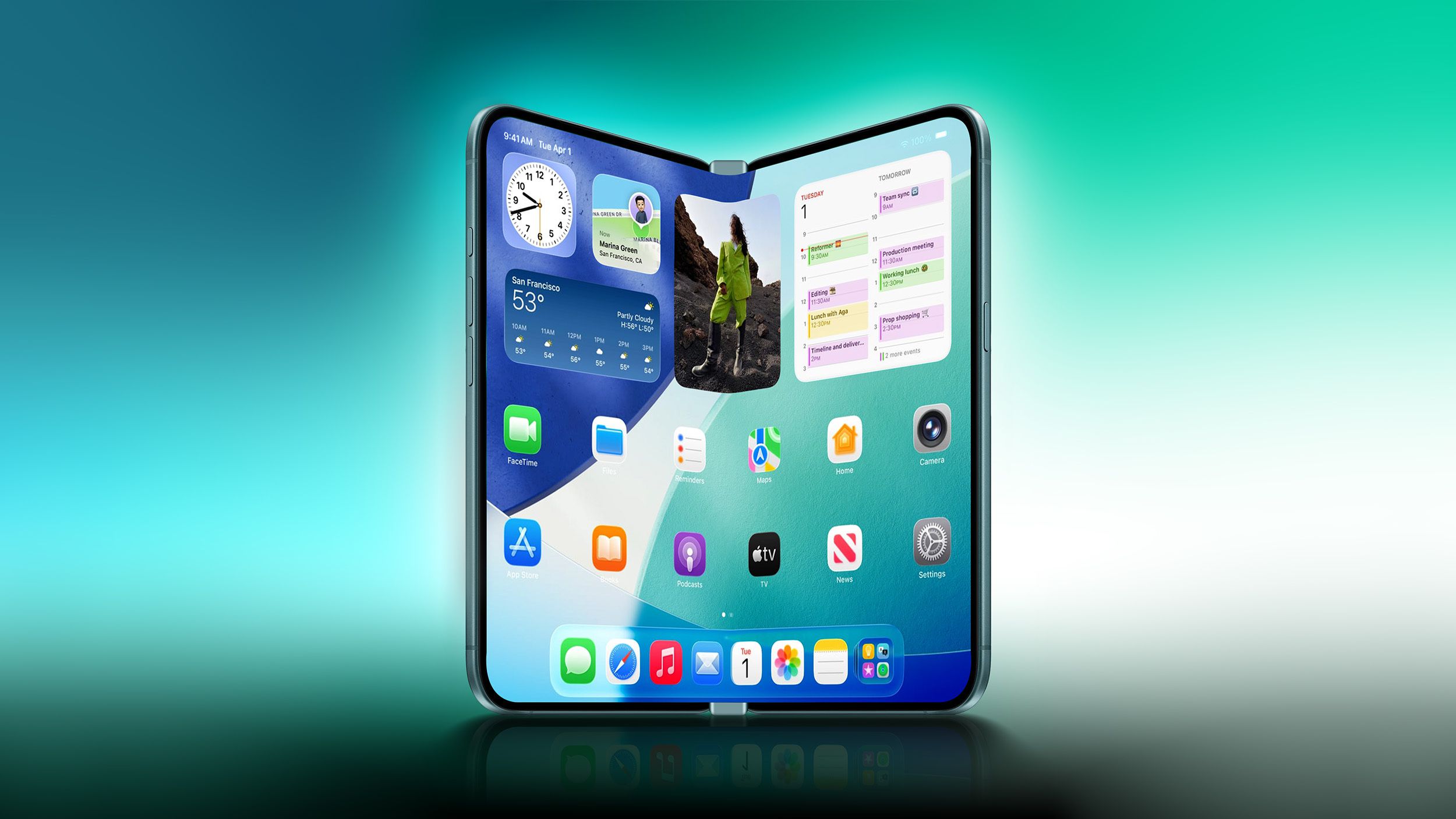
    Apple is reportedly developing its first foldable iPhone, a topic that has been garnering significant interest in recent months. The latest inside information comes from industry analyst Ming-Chi Kuo, who has offered some insight into the potential cost of the phone’s integral component, the hinge.

    Predictions on Hinge Cost for the Foldable iPhone

    Ming-Chi Kuo suggests that the hinge for Apple’s foldable iPhone might be more cost-effective than currently expected, potentially by $20 to $40. The hinge is a crucial component in a foldable phone as it supports the flexible display, enabling it to open and close.

    Creating the ideal hinge for such devices can be challenging, often leading to high production costs. However, Kuo proposes that Apple’s choice of hinge design could reduce these costs significantly.

    Kuo predicts that when the hinge enters mass production, the average cost could be around $70 to $80 per piece. This estimation is considerably lower than the current market expectation of $100 to $120 or even more.

    Partnership for Hinge Production

    It is reported that the task of producing the hinge will be shared between two companies. Foxconn, a long-standing partner in Apple’s supply chain, and Shin Zu Shing are expected to jointly undertake the manufacturing process.

    This partnership is believed to have secured a significant portion of hinge orders from Apple, accounting for around 65% of the total. The remaining orders are anticipated to be fulfilled by Amphenol.

    There are rumors of a potential third manufacturer, Luxshare, joining the production chain. However, this is contingent on the success of the initial foldable iPhone and may not occur until after 2027.

    Expectations for the Foldable iPhone

    Earlier speculations suggested that the foldable iPhone might feature a frame composed of titanium and aluminum, enabling the phone to be both thin and robust. This contradicts Kuo’s previous assertions that stainless steel might be used.

    The launch of the first foldable iPhone is currently projected for late 2026. It remains uncertain whether the potential lower cost of hinge production might lead to a reduction in the retail price of the foldable iPhone. Apple considers various factors when pricing its products, and this approach will likely apply to the new foldable iPhone as well. Current estimates suggest the foldable iPhone could cost around $2,000 to $2,500.

    Questions & Answers

    What is the estimated cost for the hinge of the foldable iPhone?
    The estimated cost of the hinge, when it enters mass production, is around $70 to $80 per piece. This is considerably lower than the current market expectation of $100 to $120 or more.

    Which companies are rumored to produce the hinge for the foldable iPhone?
    Foxconn and Shin Zu Shing are expected to jointly produce the hinge, securing about 65% of the total orders from Apple. The remaining orders are likely to be fulfilled by Amphenol. There is also speculation about a third manufacturer, Luxshare, joining the production later.

    When is the foldable iPhone expected to be launched?
    The launch of the first foldable iPhone is currently projected for late 2026.

  • Apple To Revolutionize Mixed Reality With Next-gen Vision Pro 2: New Chip, Enhanced Performance

    Apple To Revolutionize Mixed Reality With Next-gen Vision Pro 2: New Chip, Enhanced Performance

    Apple’s Vision Pro, rather than relying solely on one chip for power, utilizes both the M2 and the R1 chips. In a recent development, reports suggest that Apple plans to incorporate the R2 chip in the next iteration of its premium Mixed Reality (MR) headset, adding a new feature to the device’s already impressive specifications.

    Delayed Announcement

    The successor to the Vision Pro was initially anticipated to be unveiled this month, along with the iPhone 17 series. To the disappointment of many MR aficionados, this did not occur, as the event was exclusively dedicated to the launch of the newly redesigned phones. Many speculate that the delay in the headset’s announcement is due to the incorporation of the R2 chip, pushing the launch to next year.

    Towards A More Capable Headset

    The new R2 chip is said to be created using TSMC’s 2 nm process, a significant advancement from the R1 chip. Combined with the M4 processor — speculated to be part of the new headset — the Vision Pro 2 promises to deliver significantly enhanced performance. The R-series chips are designed to work in sync with the M-series processor, managing the input from the headset’s numerous sensors and cameras. This functionality made the Vision Pro a feature-packed device, a contributing factor to its steep price tag of $3,499.

    The 2 nm R2 chip is expected to process these inputs even quicker, thereby enabling the new Vision Pro to support more complex applications. However, this improvement might not be noticeable for an average user. The general performance will be significantly improved, but not necessarily in a discernible manner.

    Staying Relevant in the XR Industry

    The new Vision Pro headset is primarily intended to ensure Apple’s relevance in the Extended Reality (XR) industry. The key ambition for the company is the development of AR smart glasses, with the aim to outpace Meta in the market. Recently, the new Meta Ray-Ban Display smart glasses were unveiled. While these glasses don’t offer true AR, they mark the company’s entry into the AR market, reminding Apple to reiterate its commitment to XR devices.

    Questions & Answers

    What significant changes are expected in the successor to the Apple Vision Pro?
    The successor is expected to incorporate the R2 chip, which is a significant enhancement from the R1 chip used in the current model.

    What is the speculated release date for the successor to the Vision Pro?
    The release is projected to be delayed till next year, due to the proposed incorporation of the new R2 chip.

    Why is Apple developing the new Vision Pro headset?
    The new Vision Pro headset is primarily a measure to maintain Apple’s presence and relevance in the rapidly growing Extended Reality (XR) industry.

  • Iphone 17 Air: Apple’s Technological Experiment Or The Gateway To Slimmer Future?

    Iphone 17 Air: Apple’s Technological Experiment Or The Gateway To Slimmer Future?

    The upcoming Tuesday holds significant excitement for technology enthusiasts and Apple aficionados as the tech giant is all set to disclose its latest iPhone models. While iPhone 17 Air seems to be the anticipated highlight of the event, a stark comparison is emerging between this new ultra-slim iPhone and the initial version of MacBook Air released back in 2008.

    The Comparison

    The first MacBook Air, launched over a decade ago, was a pricey offering with subpar power and average battery life. It was an odd addition to Apple’s lineup, positioned between the more affordable yet potent MacBook and the superior MacBook Pro. A similar narrative is being speculated for the iPhone 17 Air, which is likely to be noticeably slimmer but could compromise on crucial elements such as battery life and camera quality, particularly the availability of a single rear camera in a market dominated by dual or triple camera setups.

    The New ‘Air’ Model

    The new “Air” variant is anticipated to be positioned between the standard iPhone 17, which will offer superior battery life and additional cameras, and the iPhone 17 Pro, which is expected to outshine in all meaningful aspects. While thinness is touted as the unique selling proposition, it doesn’t hold the same appeal as it once did when laptops were noticeably bulky. Current smartphones are far from being cumbersome, and as evidenced by the underwhelming sales of Samsung’s comparably slim S25 Edge, consumers are not overly keen on sacrificing power for a slimmer form.

    Outlook

    Similar to the first MacBook Air, the iPhone 17 Air is unlikely to become an instant success, but rather a technological experiment for Apple. As a tech preview, it will be a platform to test new engineering designs, battery technologies, and manufacturing processes that could later percolate through the entire lineup. This device is predicted to set the course for a slimmer future for all iPhones and may also lay the foundation for a foldable device. Despite its visionary glimpse into the future, the iPhone 17 Air may not deliver the best return on investment, with better value expected from the iPhone 17 or the iPhone 17 Pro.

    Questions & Answers

    What is the expected position of the iPhone 17 Air in Apple’s lineup?
    The iPhone 17 Air is anticipated to be positioned between the standard iPhone 17 and the superior iPhone 17 Pro.

    What compromises are expected with the iPhone 17 Air?
    The iPhone 17 Air is suspected to compromise on crucial aspects such as battery life and camera performance, in favor of a slimmer form.

    What could be the primary purpose of the iPhone 17 Air in Apple’s lineup?
    The iPhone 17 Air will likely serve as a technology preview, allowing Apple to test new engineering designs, battery technologies, and manufacturing processes.