Tag: appliances

  • IKEA, A.O. Smith and Moen Reshape China Footprints as Direct Retail Retreats

    IKEA, A.O. Smith and Moen Reshape China Footprints as Direct Retail Retreats

    IKEA China, water-heating brand A.O. Smith, and Fortune Brands, the parent company of Moen, have carried out sweeping operational shifts across China in 2026. IKEA announced in January that it would close seven shopping malls to focus on urban small formats, A.O. Smith agreed in late October to transfer an 81 per cent controlling stake in its local business, and Moen confirmed in early November that it will exit regional commercial operations.

    The moves dismantle traditional consumer-facing retail setups across three distinct home improvement sectors. A.O. Smith’s transaction with private equity firm CPE Yuanfeng carries a 400 million US dollar valuation, while Moen’s parent Fortune Brands is winding down local commercial sales desks through 2027.

    Multinational suppliers are moving away from capital-heavy suburban flagships and company-run showrooms to curb direct commercial overhead. Operators are shifting toward neighborhood boutique stores, long-term brand licensing, or converting mainland production sites entirely into export back offices.

    IKEA Shrinks Store Formats and Accelerates Digital Pilots

    IKEA dismantled part of its traditional suburban destination model in January 2026, closing large retail properties including sites in Baoshan, Shanghai and Panyu, Guangzhou. The Swedish furniture group is replacing them with urban small-format stores ranging between 1,500 and 4,000 square meters.

    The company opened four small-format outlets during the 2026 fiscal year in Dongguan, Changying, Changping, and Tongzhou in Beijing. These downsized urban formats generated roughly 7 million visits, while IKEA’s digital sales reached 29.7 per cent of total China revenue in fiscal 2026.

    Online expansion has supported the network reduction. IKEA established flagship digital channels on Tmall in 2020, opened an official storefront on JD.com in August 2025, and tested an instant retail delivery network through JD.com across nine cities in January 2026. Subsequent rollouts included a Taobao flash shopping trial in July 2026 and a live-commerce storefront on Douyin in October 2026, paired with its proprietary website and WeChat mini-programs.

    Fortune Brands Cuts Asian Sales to Feed North American Supply

    Fortune Brands confirmed an internal directive in early November 2026 to shutter local commercial selling operations for its Moen plumbing and fittings brand across Asia. The group will terminate most of its Asian regional sales and marketing jobs by the end of the second quarter of 2027.

    Remaining commercial cuts will finish by the end of 2027. The brand owner will not close its regional industrial base, choosing instead to retain its manufacturing and logistics facility in Changshu, its research and development centre in Guangzhou, and its regional procurement divisions.

    Those operational assets will shift exclusively to supplying products for Moen’s core North American market. Fortune Brands reported group sales of 1.1137 billion US dollars during the third quarter of 2026, down 3.1 per cent year-on-year, or 2.4 per cent lower when stripping out the Chinese market, prompting headquarters to eliminate low-margin Asian retail overhead.

    A.O. Smith Converts Direct Sales to Private Equity Licensing

    Water-heating and appliance manufacturer A.O. Smith took a separate path to strip out operating risk, agreeing on October 27 to sell 81 per cent of its China business to private equity firm CPE Yuanfeng for 400 million US dollars. Including the net present value of long-term brand licensing, the total valuation tops 500 million US dollars.

    Headquarters retreated after successive sales contractions. Revenue from A.O. Smith’s China operations slid 12.9 per cent year-on-year in 2025 to 690 million US dollars, dropping its contribution to total group turnover down to 18 per cent. Local-currency sales in the Chinese market fell a further 17 per cent in the third quarter of 2026.

    The Shift to Refurbishment and Maintenance Operations

    The simultaneous retreats expose how the end of China’s residential construction boom broke the economics of traditional home retail. Suburban big-box stores and company-owned showroom networks relied on new homeowners buying complete packages of plumbing, water heaters and flat-pack furniture. Today, residential property demand centers on partial renovations, product replacements and aging apartment upgrades.

    Operating single large suburban warehouses carrying high floor-space lease costs makes little financial sense when consumer visits skew toward replacement parts and minor cosmetic changes. Running direct dealership tiers also leaves multinational headquarters exposed to regional receivables and inventory burdens that local buyout funds can manage more aggressively.

    Earlier earnings from global home appliance and fixture suppliers showed steady margin compression in mainland retail channels as domestic competitors captured entry-level and mid-tier renovation budgets. That margin erosion pushed boards to choose between funding complex store overhauls or transferring direct retail execution to domestic distributors.

    The next phase of the transition rests on network execution. IKEA plans to open more than 10 additional small-format urban stores across Beijing and Shenzhen over the next two years, while A.O. Smith and CPE Yuanfeng must resolve distributor terms ahead of their planned mid-2027 closing date.
  • Samsung Australia Survey Finds 72% of Consumers Bulk Cook to Ease Bills and Stress

    Samsung Australia Survey Finds 72% of Consumers Bulk Cook to Ease Bills and Stress

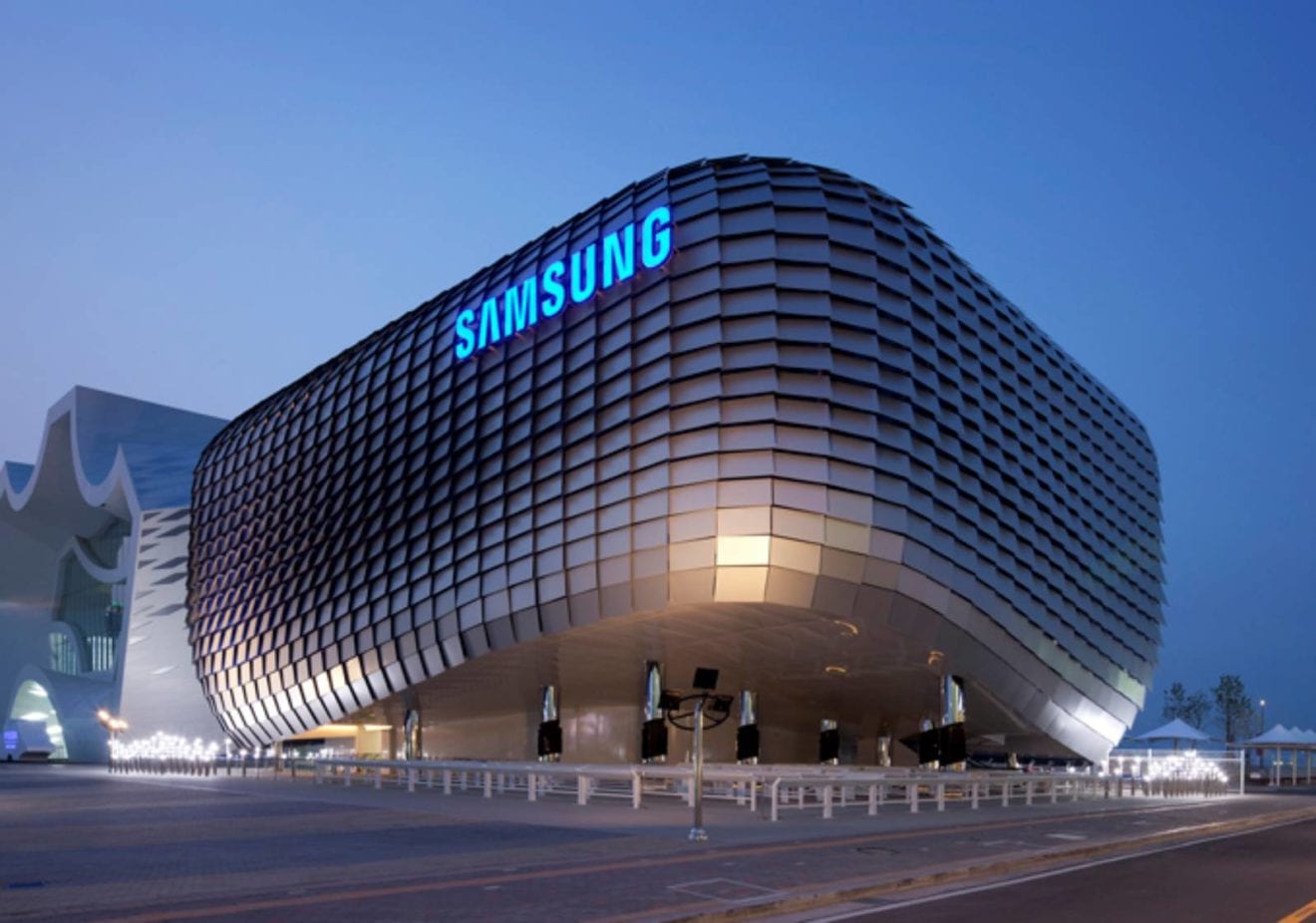
    Samsung Australia reported that approximately 72 per cent of surveyed consumers are using bulk cooking to ease grocery bills and stress, pushing demand toward larger refrigeration units across the country.

    A third of respondents, or 34 per cent, stated their existing refrigerator is too small to store batch-prepared food.

    Data collected by research firm PureProfile across a nationally representative sample of 1,008 Australian adults in February 2026 showed that 62 per cent prepared meals in bulk specifically to save money. Another 69 per cent said batch cooking reduced their overall weekly grocery spend, while 59 per cent claimed that bulk cooking helps meet health and nutrition goals. The practice carries over beyond winter, with 56 per cent planning weekend meal prep through spring.

    Refrigeration Limits Drive White Goods Replacements

    Household space constraints are creating clear friction points inside domestic kitchens. Roughly 24 per cent of respondents admitted to stacking food containers unsafely to fit prepared meals into existing shelves. That behavior jumped to 45 per cent among shoppers aged 18 to 24, and reached 43 per cent among those aged 25 to 29.

    For consumer electronics retailers, this bottleneck directly alters what buyers look for on the sales floor. Category tracking from WorldPanel ComTech in February 2026 found that internal volume and energy efficiency have become the two primary features Australians seek when shopping for replacement refrigerators. Consumers are bypassing basic top-mount configurations in favor of wide-format French-door platforms that fit standard kitchen cavities while maximizing usable depth.

    Hardware Margins Shift Toward Smart Connected Units

    Appliance vendors across Asia-Pacific are positioning premium, connected models to capture these replacements rather than competing purely on shelf dimensions. Samsung is pitching its screen-equipped Family Hub units, which integrate internal tracking and automated menu building via its SmartThings application to counter food spoilage. White goods makers face a consumer base managing tighter grocery allowances, making energy efficiency ratings a decisive commercial factor alongside interior literage.

    French-door refrigerators are incredibly popular amongst Australians who rely on bulk cooking to stay on top of bills and schedules because they benefit from large internal capacities, flexible shelving, and in-built beverage centres that give easy access to ice and water, all while fitting into most standard refrigerator kitchen cavities.

    Retailers operating in Australia stand to gain if shoppers trade up to larger formats ahead of annual promotional discount cycles. The risk for manufacturers lies in price sensitivity. While shoppers want larger capacities to economize on food, high interest rates and housing costs constrain disposable cash for discretionary premium upgrades.

    Retail Channel Alignment Ahead of Clearance Periods

    Appliance brands spent the past two years navigating softening consumer durables demand as post-pandemic replacement cycles slowed across developed Asia-Pacific territories. To reignite volume, brands have linked connected home software to tangible cost reductions, such as power monitoring and grocery budgeting tools. Earlier in 2026, Finder named Samsung’s refrigeration range as top value and most recommended in its annual consumer satisfaction review.

    Attention now turns to retailer floor allocations during fourth-quarter promotional clearances, where appliance manufacturers will test whether capacity upgrades translate into sustained retail register sales.

  • Beko Expands Singer Bangladesh Operations as Bilateral Trade Eyes $2 Billion

    Beko Expands Singer Bangladesh Operations as Bilateral Trade Eyes $2 Billion

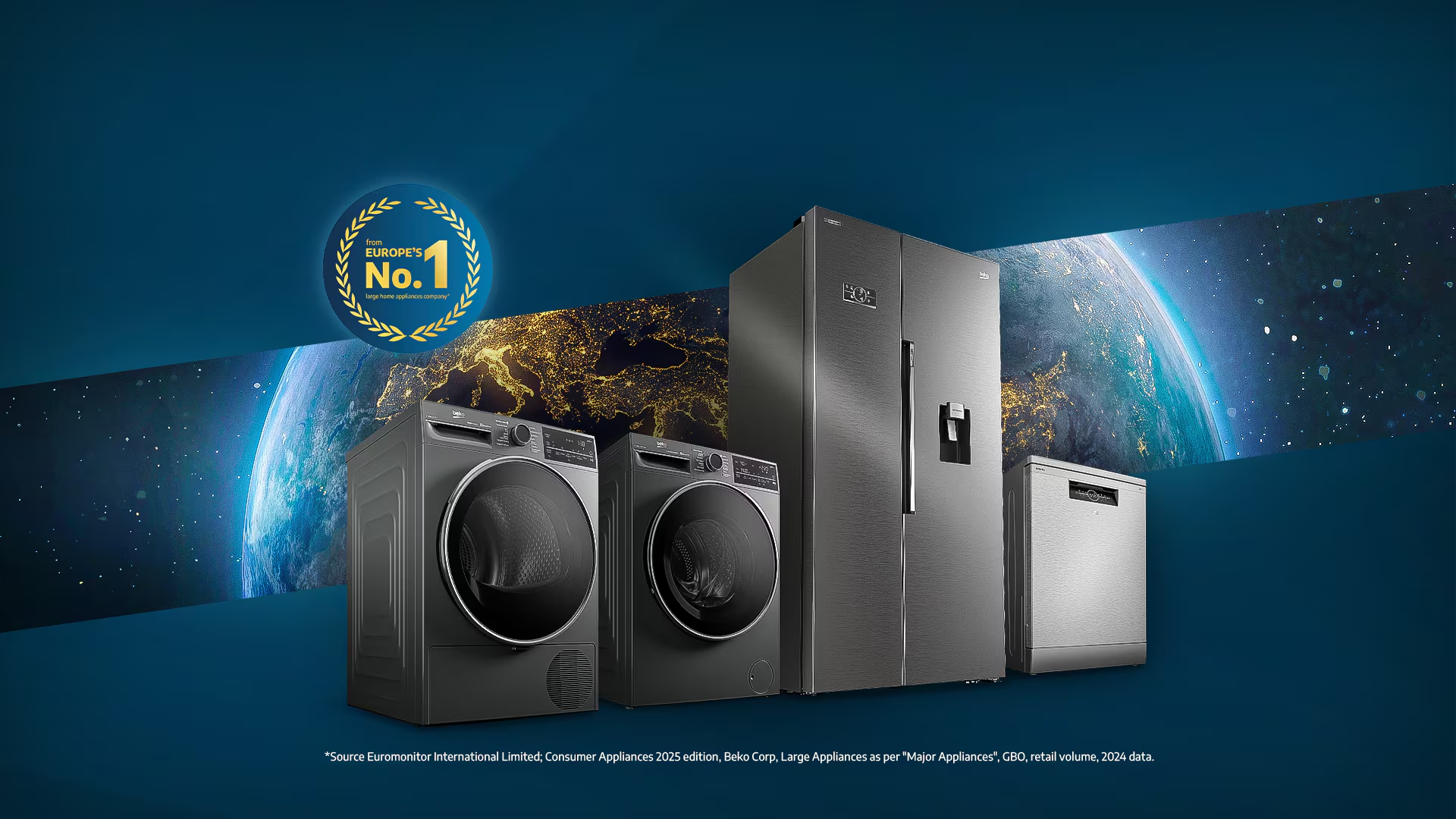
    Beko and parent group Koç Holding sent top leadership to inspect manufacturing plants and retail sites across Bangladesh, anchoring expansion plans around a $2 billion bilateral trade target.

    The push follows bilateral trade between Türkiye and Bangladesh touching approximately $1.36 billion in 2025.

    Executive Delegation in Narayanganj

    Polat Şen, president of the consumer durables group at Koç Holding, toured Beko’s manufacturing facility in Narayanganj alongside Zafer Üstüner, chief commercial officer for Asia, Russia and South Africa at Beko and chief executive of Arçelik Hitachi. Nihat Bayız, chief production and technology officer at Beko, joined the group to review technical operations.

    Singer Bangladesh managing director and chief executive MHM Fairoz hosted the delegation across the production plant, Singer | Beko concept stores, and the company’s newly relocated corporate headquarters. The fresh corporate base adopts Beko’s standardized workplace format.

    Retail Footprint and Factory Upgrades

    The operational overhaul spans direct production capacity and front-facing shop floors. Singer Bangladesh opened concept stores designed to merge consumer appliances with digital retail experiences, replacing older, single-line retail formats that dominated suburban trade.

    Local manufacturing in Narayanganj provides Beko with direct assembly lines inside the country, avoiding stiff import duties on fully built consumer durables. Producing locally lets the group price refrigerators, washing machines and televisions against regional competitors while insulating supply chains from freight bottlenecks.

    Market Competition and Commercial Risks

    RetailNews Asia views the appliance build-out as a calculated attempt to break domestic market leaders’ tight grip on Bangladeshi households. Domestic competitors maintain an extensive dealer network and integrated supply chain across secondary cities, giving them cost advantages that foreign brands struggle to meet without domestic fabrication.

    Suppliers and floor operators face margin pressures as consumer spending in South Asia adjusts to currency fluctuations and shifting energy tariffs. Beko’s commitment assumes middle-income appliance demand will outrun inflation risks, though financing terms for high-ticket white goods remain sensitive to local interest rates.

    Industrial Trajectory and Trade Targets

    Koç Holding operates Singer Bangladesh through its consumer durables flagship to secure a distribution base with deep brand recall. The subsequent deployment of modern concept shops and the Narayanganj factory build on capital allocation designed to convert Singer from an assembler of imported kits into an integrated appliance maker.

    Government trade planners are steering trade flows toward the $2 billion threshold, leaning on industrial equipment, electronics and textiles to clear the remaining trade gap. Factory output volumes from Narayanganj and the pace of concept store rollouts across major districts determine whether Singer Bangladesh holds off domestic champions through the next fiscal cycle.

  • 32,000 Exhibitors Show AI Appliances at Canton Fair

    32,000 Exhibitors Show AI Appliances at Canton Fair

    Chinese manufacturers introduced artificial intelligence-enabled kitchen gear and service robots at the Canton Fair in Guangzhou. The push defends overseas sales against rising factory costs.

    The biannual trade expo drew 32,000 exhibitors and an estimated 310,000 buyers. AI-related shipments generated 38 per cent of China’s total exports in the first half of the year.

    Smart hardware on the trade floor

    Exhibitors used the 70th year of the fair to display consumer appliances designed to automate kitchen tasks. Shaoyang-based Topim Intelligent Manufacturing showed an air fryer that uses an internal camera and image recognition to identify food items. It executes cooking cycles without manual programming. The unit is unreleased, but the company reported early order interest from buyers in the Middle East.

    Commercial coffee equipment supplier Gemilai demonstrated an espresso machine fitted with a touchscreen recipe interface. The system lets cafe staff run precise extraction settings automatically. That replaces manual calibration steps found on traditional European units. Gemilai is distributing compact versions of the format tailored for cafe operators in Southeast Asia.

    Hangzhou robotics firm Rotunbot presented a 185-kilogram spherical security robot designed for facility and police patrols. The hardware drew queues outside the fair’s dedicated service robot pavilion. Organizers first introduced the pavilion in April.

    Margin pressure at the factory gate

    Producers face a widening gap between production expenses and consumer pricing. China’s producer price index climbed 5 per cent year on year in September, driven by higher energy and raw material costs. The consumer price index rose just 0.9 per cent over the same period. That left manufacturers unable to pass wholesale increases to domestic shoppers.

    Export pricing faces equal resistance from international retail buyers. Scale manufacturer Guangdong Winburg Technology kept wholesale prices for bathroom scales at roughly $7.20 per unit despite rising component bills. Price increases risk immediate order losses. Rival domestic suppliers compete for the same international procurement contracts.

    Western trade barriers and regulatory friction

    Adding software, cameras, and connectivity to everyday hardware introduces regulatory hurdles in Western markets. United States regulators have restricted imports of specific Chinese robotics categories. Buyers in Europe face shifting trade policy as European Union officials negotiate to narrow the bloc’s trade deficit with Beijing.

    It seems like AI applications are still in an experimental stage. It’s unclear whether AI will make the coffee taste better.

    Higher-value hardware anchors China’s trade balance. Data from Citi shows AI-related categories, including semiconductors, smartphones, and power equipment, doubled their share of national exports from 20 per cent in 2025 to 38 per cent in the first half of the year.

    The diplomatic calendar ahead

    Premier Li Qiang opened the Guangzhou exhibition by calling on trading partners to lower trade barriers and balance bilateral exchanges. The appeal followed high-level trade discussions in Beijing. There, European Union and Chinese envoys agreed to stabilize commercial ties ahead of a European summit on trade deficits.

    A temporary trade truce agreed between Chinese President Xi Jinping and United States President Donald Trump runs through Jan. 10. The two heads of state are scheduled to hold direct talks in Shenzhen in November. Those discussions will set the immediate operating terms for manufacturers exhibiting through the fair’s close on Nov. 4.

  • LG Electronics Expands US Signature Appliance Line to 10 Categories and Wider Retail

    LG Electronics Expands US Signature Appliance Line to 10 Categories and Wider Retail

    LG Electronics has expanded its luxury appliance line to 10 kitchen and laundry categories in the United States. It is also shifting distribution from flagship showrooms into mainstream retail stores.

    The South Korean group used the tenth anniversary of its LG Signature label to push built-in ovens, cooktops and hoods across nationwide distributor networks.

    North America head Kwak Do-young unveiled the range at the Guggenheim Museum in New York on October 8. Products are tailored for flush kitchen installations. The expanded catalogue adds wall ovens, range hoods, cooktops and ranges to the brand’s established refrigerator and laundry lines.

    Kitchen Lineup and Built-In Push

    Three design treatments make up the new kitchen collection. One design pairs metallic surfaces with gold accents, while another offers custom colour panels. A flush-mount version sits flat against adjoining cabinetry without protruding hardware.

    Built-in units represent the highest-margin segment of the North American major appliances market. By broadening from standalone refrigerators and washing machines into integrated cooking suites, the manufacturer aims to capture complete kitchen renovations rather than single replacement purchases.

    Camera Sensors and Cooking Controls

    Software features in the cooking appliances focus on visual monitoring. The oven range includes an internal camera system that identifies ingredients, suggests cooking programs and tracks surface browning to alert users during cooking cycles.

    Independent testing gave an early boost to the laundry lineup. The Signature WM9900HSA washing machine scored 87 points in Consumer Reports testing, the top score among more than 100 evaluated models. That placed the washer and dryer set on the organization’s 15 best laundry sets of 2026.

    “We will continue to offer North American consumers differentiated experiences through a premium lineup that combines sophisticated design with AI-powered convenience,” Kwak said.

    Shift from Flagship Stores to Mass Retail

    Where American shoppers buy the hardware forms the core of the operational shift. LG previously restricted Signature displays to dedicated brand galleries and specialty showrooms to protect brand prestige.

    Floor displays and sales will now roll out into standard retail branches run by major national distributors. Placing luxury cooking packages directly alongside mass-market units gives retail store staff higher-ticket floor models to pitch to affluent remodelers.

    Premium Competition in North America

    This retail change brings LG into closer direct competition with European luxury specialists such as Miele, Bosch’s Thermador and Sub-Zero, which dominate North American designer kitchen channels. Samsung Electronics has pursued a similar path with its Dacor acquisition and Bespoke lines. That has forced Asian electronics manufacturers to fight over premium floor space in American stores.

    Retail channel discipline presents a major risk for the Seoul-based manufacturer. Expanding into broad retail chains increases floor traffic. However, it requires distributor floor staff to master complex built-in installation specifications that kitchen designers typically manage.

    LG introduced the Signature sub-brand in the United States in 2016. It initially focused on high-priced OLED televisions, glass-door refrigerators and twin-tub washing machines before adding cooking appliances.

    Distributors across North America will begin stocking the expanded 10-category kitchen portfolio during the fourth quarter. Retail display installations will continue through the first half of 2027.

  • Indian AC Volumes Surge over 25% Ahead of Festive Season

    Indian AC Volumes Surge over 25% Ahead of Festive Season

    Indian consumer demand accelerated during the July-September quarter, with air conditioner shipment volumes surging more than 25 per cent year-on-year, according to manufacturers.

    Sales of refrigerators and washing machines grew 13 to 14 per cent, while departmental store chain Lifestyle and market researcher Bizom tracked strong momentum across apparel and consumer goods.

    Volume gains outpace price rises

    Godrej Enterprises Group business head Kamal Nandi said festival demand expanded in double digits across Independence Day, Onam and Ganesh Chaturthi, noting that retail channels held over a month of stock at earlier prices to absorb recent hikes.

    Branded apparel revenue climbed more than 12 per cent during the three-month stretch. Early discount events, including Independence Day promotions in August along with regional festivals such as Onam and Ganesh Chaturthi, generated double-digit retail turnover across regional hubs.

    Department stores see tier-two traction

    Department store operators recorded steady foot traffic, led by non-metro locations where discretionary purchasing held up better than in the largest cities. Retailers cleared previous seasonal lines without heavy discounting, entering the festive calendar with lean inventory.

    “The July-September quarter was good with early double-digit sales growth and strong single-digit same-store growth,” said Devarajan Iyer, CEO at departmental store chain Lifestyle.

    Lifestyle reported that inventory levels of older lines remained restricted, allowing fresh merchandise to command full retail margins across department store networks.

    Grocery baskets show mixed momentum

    Fast-moving consumer goods recorded a value expansion of roughly 9 per cent through the quarter, according to data from retail analytics provider Bizom. Packaged food categories outpaced home care and personal hygiene products by a wide margin.

    Beverages, packaged groceries, confectionery, dairy products and commodities posted value gains between 10.8 per cent and 16.4 per cent from June through September. Personal care and household goods moved at a single-digit rate, showing that shoppers prioritized immediate food consumption over non-perishable refills.

    Macro tailwinds and monsoon risks

    Macroeconomic indicators provided support for consumption, with Indian gross domestic product expanding 7.8 per cent during the fiscal first quarter. Industrial output climbed 8 per cent year-on-year in August, improving on the 7.4 per cent recorded in July.

    A 13 per cent overall monsoon deficit across 15 states and union territories presents the primary risk factor for agricultural income and late-season rural demand. Consumer goods companies are now tracking whether rural sales channels match urban momentum as Diwali distribution cycles close out in October.

  • India Consumer Durables Market Eyes 50,000 Crore Rupee Localisation Prize

    India Consumer Durables Market Eyes 50,000 Crore Rupee Localisation Prize

    Indian appliance makers face a 50,000 crore rupee domestic component opportunity as the national consumer durables market heads toward 3.25 lakh crore rupees by 2030. Annual retail demand across white goods is expanding at 8 to 10 per cent. Boston Consulting Group and the Confederation of Indian Industry outline the shift in a joint sector assessment, showing that captured domestic value addition can lift from 50 to 55 per cent today up to 70 per cent within four years.

    Failure to deepen supply networks will leave billions of dollars in component procurement exposed to overseas vendor bases. Localisation rates currently show wide divergence across product lines, running between 25 per cent and 70 per cent depending on technical complexity. Televisions and air conditioners sit at the bottom of domestic component sourcing, while refrigerators and washing machines source higher proportions within national borders.

    The Component Choke Point

    Assembly lines in India have multiplied rapidly, but critical sub-assemblies remain reliant on foreign suppliers. Display panels for flat screens, inverter compressors for split air conditioners, specialised insulation chemicals for refrigeration and precision motors for laundry equipment require heavy upfront capital. Manufacturers struggle to bridge gaps in proprietary technology access and production volume needed to match East Asian factory gate costs.

    Suppliers building domestic capacity require clear volume commitments from major appliance brands before installing expensive tooling. Without guaranteed off-take agreements, domestic tier-one and tier-two suppliers face margin erosion against subsidised imported parts. RetailNews Asia sees this bottleneck directly impacting product pricing on showroom floors across major metropolitan retail chains.

    Closing the Regional Penetration Gap

    Indian household ownership of large appliances sits between 20 and 90 percentage points below regional Asian averages. Urbanisation, electrification and smaller nuclear family setups continue to fuel baseline purchases across tier-two and tier-three cities. Broadened consumer credit and non-banking finance options have turned discretionary appliance purchases into monthly instalment payments for entry-level buyers.

    Premiumisation trends are also lifting average selling prices in major retail outlets. Consumers replacing decade-old cooling and refrigeration equipment increasingly opt for connected, energy-efficient units. That structural upgrade cycle creates steady floor demand for durable goods retailers, insulating retail networks from short-term inflationary dips.

    Export Limits and Global Trade Shares

    India accounts for less than 1 per cent of global consumer durables trade, according to the BCG-CII findings. Outbound shipments remain restricted to immediate regional buyers across SAARC territories and parts of the United Arab Emirates. Expanding beyond regional hubs requires meeting tougher international energy efficiency norms and reliability metrics.

    Competitiveness on the export stage hinges on port logistics speed and comprehensive domestic testing laboratories. Component suppliers that establish scale exclusively for the domestic market will struggle against global contract manufacturing conglomerates. Integrating local assembly directly with global distribution channels represents the primary operational hurdle for Indian original equipment manufacturers.

    Ecosystem Infrastructure and Technology Scaling

    Capturing the targeted value shift requires advanced testing infrastructure alongside long-term corporate research partnerships. The joint study calls for broader application of artificial intelligence across plant floors to sharpen manufacturing yield rates and streamline component logistics across fragmented domestic transport corridors.

    “Capturing that opportunity will require a globally competitive ecosystem,” said BCG Managing Director and Partner Mehak Dhir, pointing to deeper component manufacturing and scale requirements. State programmes and capital expenditure cycles over the next 24 months will reveal whether domestic component makers secure the orders needed to substitute major imported assemblies by 2030.

  • Thailand Water Heater Sales Face 10% Drop as Property Market Slows

    Thailand Water Heater Sales Face 10% Drop as Property Market Slows

    Thailand’s water heater market will shrink by 10 per cent this year. Weak consumer spending and a property glut have stalled home equipment purchases.

    The drop follows a 2025 market valuation of 3.3 billion baht. Regional appliance makers must now lean harder on overseas shipments and replacement fittings. High household debt and tighter urban budgets have pushed shoppers to delay non-essential bathroom upgrades. Meanwhile, an oversupply of unsold homes across Bangkok and neighbouring provinces has choked off bulk orders from residential developers.

    Property Slump Curbs Domestic Demand

    Stiebel Eltron Asia runs three production facilities in Thailand and targets 1.4 billion baht in sales revenue this year despite the slump. Domestic sales make up 77 per cent of that target. Exports provide 21 per cent, while original equipment manufacturing accounts for the remaining 2 per cent. The German manufacturer aims for 2 per cent annual revenue growth by redirecting commercial teams toward home renovations, online retail and new product launches.

    Rising costs have compounded the domestic slowdown. Industrial copper prices climbed alongside electricity tariffs tied to Middle East tensions, driving up per-unit manufacturing costs at local assembly plants. Retail suppliers across Southeast Asia face similar margin squeezes. In response, hardware distributors are trimming inventory holding times and demanding faster stock turnarounds from brand owners.

    Export Buffer Across Southeast Asia

    Foreign markets offer vital relief for factories based in Thailand. Stiebel Eltron ships appliances across the Asia-Pacific region, led by volume shipments to Indonesia, Vietnam and the Philippines. Expanding distribution agreements across ASEAN helps protect regional production lines when domestic housing absorption stalls.

    Competitors in Southeast Asia have taken a similar approach. They balance domestic factory capacity against export demand to keep plant utilisation rates high. Weak Thai consumer credit drove the shift. Brands that once relied on Bangkok condominium handovers must now compete directly for retail shelf space and e-commerce baskets in faster-growing developing markets.

    Weather Takes a Back Seat to Debt

    Climate patterns are also playing a role. In August, the Thai Meteorological Department warned that developing El Nino patterns would drive temperatures above normal through November. Hotter weather traditionally dampens water heater adoption in tropical markets. Even so, factory chiefs view macroeconomics as the real drag on consumer behaviour.

    “In general, I worry more about the economy than the weather,” said Roland Hoehn, chief executive of Stiebel Eltron Asia.

    Manufacturers are now rolling out revised product catalogues for the final quarter, testing whether renovation demand can deliver the 1.4 billion baht revenue benchmark before year-end.

  • Powtek Brings 2 Million Unit Factory Output to European Trade Shows

    Powtek Brings 2 Million Unit Factory Output to European Trade Shows

    POWTEK Group presented three appliance brands at trade shows in Warsaw and Istanbul. The show follows the commissioning of a production facility that lifts its capacity to 2 million units per year.

    The export drive relies on 12 automated assembly lines. These lines produce heating, hot water and kitchen appliances for clients across more than 50 international markets.

    Splitting Brands Across European Trade Hubs

    Commercial pitches were divided by product category across two simultaneous industry events. In Warsaw, Poland, POWTEK deployed its Kaltec label at Heating Tech Expo 2026 to present customized heating, ventilation and air-conditioning equipment directly to European contractors and commercial buyers. In Istanbul, Turkey, the group staged its Morrtop and X-Crafter lines at the Zuchex International Home and Kitchenware Exhibition to pitch domestic kitchen appliances to retail distributors.

    Kaltec operates an established regional base through its Spanish subsidiary, Kaltec-Confort S.L.U., a member of Spain’s HVAC industry body FEGECA. That local standing gives the brand direct access to Spanish wholesale channels. Most Asian original equipment manufacturers reach these accounts only through third-party intermediaries.

    Manufacturing Capacity and Channel Pressure

    For European retail buyers and regional HVAC distributors, the shift from standard contract manufacturing to distinct branded lines alters pricing for mid-tier appliances. White-label suppliers that build specialized sub-brands can sell directly to regional distributors below the prices of legacy European brand owners. That puts gross margin pressure on domestic incumbents in Southern and Eastern Europe.

    Direct trade show participation also exposes the Asian producer to tighter European regulatory scrutiny. The new manufacturing plant operates under ISO 9001 quality management and ISO 14001 environmental certifications, meeting basic compliance thresholds required by European Union retail buyers. Even so, the group still faces the challenge of building consumer brand recognition outside its original equipment manufacturing contracts.

    Building Out the European Distribution Footprint

    Founded in 2003, POWTEK built its business as an original equipment and design manufacturer of domestic water heaters and small kitchen appliances. It later launched proprietary brands for export markets.

    “Europe and international markets have long been important to POWTEK’s business development,” said Michael Chan, Chief Executive Officer of POWTEK. “By bringing different brands to specialized exhibitions, we aim to demonstrate the Group’s capabilities in product development, R&D and manufacturing while exploring long-term cooperation with more international partners.”

    POWTEK is now negotiating commercial supply agreements with distributor networks across Central and Eastern Europe. Initial deliveries from the 12-line factory will roll out across the coming trade cycle.

  • Brita Marks 60 Years with Launch of Limited Edition Glass Jug

    Brita Marks 60 Years with Launch of Limited Edition Glass Jug

    Brita is marking 60 years in September 2026 by expanding beyond traditional water filter jugs into a broader hydration category spanning smart bottles, tap solutions, and dispensers.

    The German brand, founded in 1966, is rolling out the Brita 60th Anniversary Limited Edition Glass Jug alongside carbonators and integrated appliance filtration to connect with modern shoppers.

    Nadine Miller, marketing director of Brita ANZ, said the brand’s ‘Drink better. Do better.’ campaign reflects an effort to place hydration at the intersection of homewares, wellness, technology, and lifestyle.

    Expanding Beyond the Plastic Filter Jug

    Countertop jugs with replaceable cartridges built the modern filtration category, but growth in developed retail markets requires higher-ticket hardware. Department stores and specialty homewares chains in the Asia-Pacific region have increasingly given prime shelf space to premium glass carafes and integrated carbonation dispensers over utilitarian white plastic pitchers. Brita is responding by pushing higher-margin glass designs and tap fittings into its existing retail footprint.

    Retailers face inventory trade-offs when shifting from simple replacement cartridges to multi-format hydration systems. Cartridges generate reliable repeat footfall, whereas hardware installations demand more display space and shopper education. If consumers treat filtration as an occasional lifestyle purchase rather than a daily consumable habit, replenishment velocity across mass-merchant channels risks slowing down.

    Recycling Metrics and Shelf Space Competition

    Sustainability claims are now central to how hydration products compete against bottled water in major supermarkets. Brita tracks its environmental footprint using an internal metric called Planet Contribution, which balances single-use plastic bottles avoided against the company’s carbon output. In Australia, the business runs a national take-back scheme with TerraCycle to collect and recycle used Maxtra Pro cartridges and soft-plastic packaging wrappers.

    Heinz Hankammer founded the company in Germany in 1966, building filters by hand before releasing the AquaDeMat car-battery demineraliser in 1967. Brita introduced its first consumer household filter jug in 1970 and launched its first industrial cartridge recycling programme in 1992. Those core filter mechanics remain the foundation of the business, even as the exterior form shifts toward glass and plumbed appliances.

    Retail buyers across Australia will evaluate sell-through rates for the 60th Anniversary Limited Edition Glass Jug over the coming holiday quarter as Brita tests consumer appetite for premium materials against standard plastic SKUs.

  • Indian Appliance Makers Swap Copper for Aluminium to Defend Shrinking Margins

    Indian Appliance Makers Swap Copper for Aluminium to Defend Shrinking Margins

    Electronics and appliance manufacturers across India are replacing copper with aluminium and expanding domestic component sourcing after input inflation squeezed industry operating margins into single digits.

    Producers have already raised retail prices on air conditioners, refrigerators, and washing machines by 10 to 12 percent across three rounds since January, while absorbing an additional 7 to 10 percent to protect sales volumes.

    Value Engineering and Sourcing Shifts

    Surging copper prices, which rose roughly 45 percent year on year, have forced appliance brands to redesign motors, connecting pipes, and coils. Replacing copper with aluminium, steel, or alternative alloys saves between 2 and 6 percent of final manufacturing costs. Strong buying from artificial intelligence data centres and electric vehicle producers has tied up global copper output months in advance.

    Memory component prices have also doubled or tripled on heavy AI infrastructure demand, driving price hikes of 20 to 40 percent on smartphones, laptops, and televisions. Indian consumer electronics manufacturers import between 30 and 40 percent of their inputs, leaving factory gates exposed to higher freight rates and currency depreciation.

    Supply chain snarls have caused direct revenue losses. Crompton Greaves Consumer Electricals missed out on nearly Rs 200 crore in sales during the previous quarter because of material shortages. At contract manufacturer PG Electroplast, the cost to build 500,000 air conditioners climbed from Rs 700 crore last year to Rs 940 crore.

    Local Manufacturing Expansion

    Brands are countering these cost pressures by shifting away from overseas suppliers. LG Electronics India now sources a key moulding resin domestically after importing its entire requirement until March, while engineering teams adjust product designs to trim material volume per unit. Voltas and Bajaj Electricals have rolled out similar value engineering programs across their appliance lineups.

    Cost restructuring of this scale reflects a broader defensive pivot across Asian consumer hardware manufacturing. When consumer demand resists further retail price hikes, brands must either cut bill-of-materials costs or surrender volume in price-sensitive suburban and rural markets.

    PG Electroplast plans to commission domestic production of air conditioner compressors between December and January, alongside a separate manufacturing line with an annual capacity of two million units.

  • Lumio Solar Raises US$900,000 for Plug-and-Play Solar Appliances

    Lumio Solar Raises US$900,000 for Plug-and-Play Solar Appliances

    Lumio Solar raised US$900,000 in pre-seed funding in August 2026 to build a distribution and service network for solar-powered appliances across the Philippines.

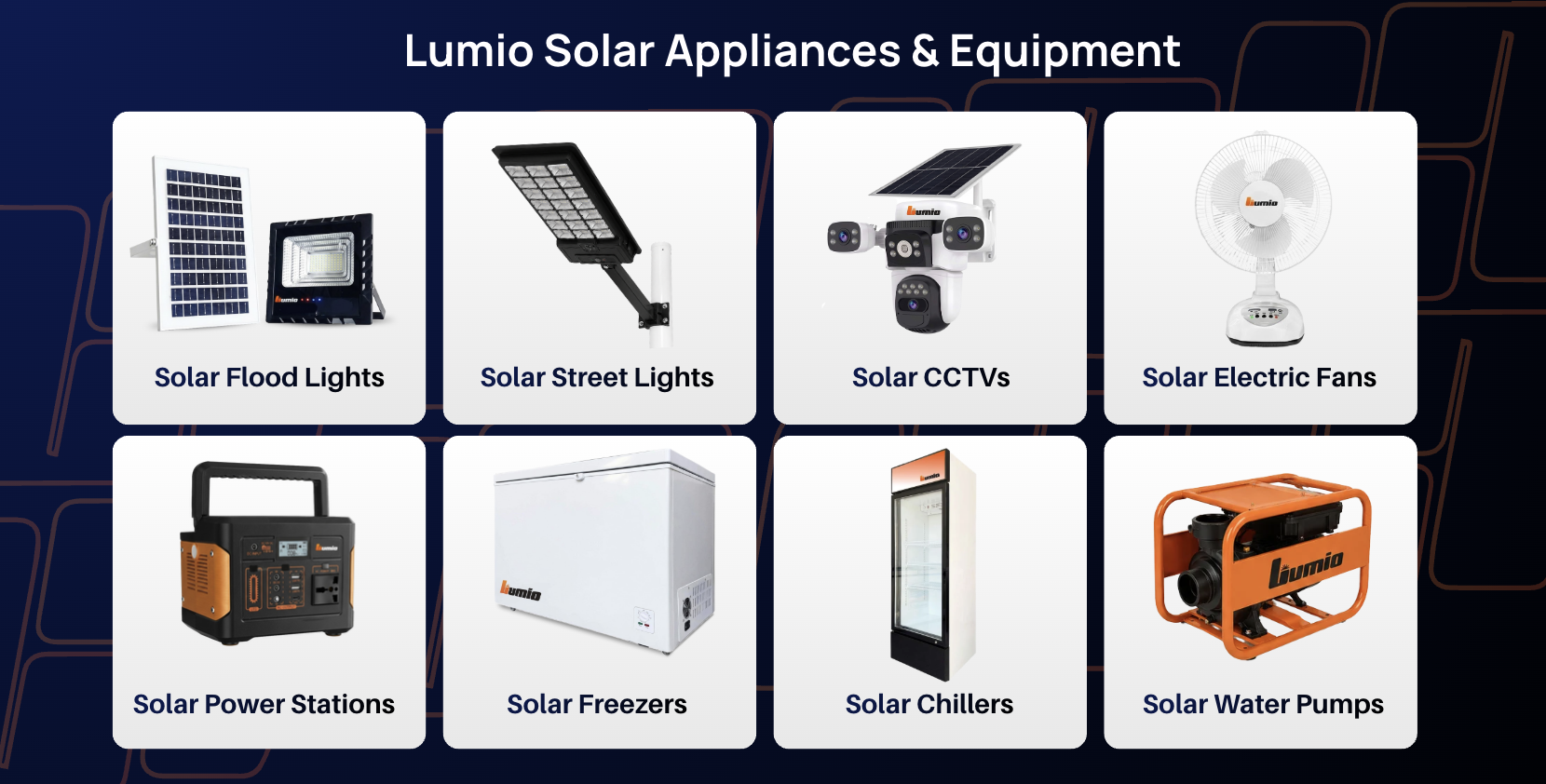
    The investment round was led by 100×100, the Southeast Asia climate venture builder formerly known as Wavemaker Impact, to back the Pampanga-based startup’s rollout of solar fans, lights, freezers, and portable power stations.

    Replacing Rooftop Panels with Standalone Units

    Lumio sells appliances that generate and store their own electricity without requiring roof installation, property ownership, or utility permits. The company targets households, micro, small and medium enterprises, and agribusinesses that are often priced out of rooftop solar. According to Lumio, its equipment cuts operating costs between 10 per cent and 90 per cent compared to standard alternatives while reducing electricity-related emissions by at least 50 per cent.

    Rey Sunglao, founder and chief executive officer of Lumio Solar, leads the venture after more than two decades in Philippine retail and commercial operations, including senior roles at SM Malls Online. Capital from the funding round will go toward widening the startup’s product range, strengthening regional hubs, and establishing localized after-sales repair points.

    The Retail Distribution Hurdle

    The operational test for Lumio lies in logistics and servicing rather than basic hardware manufacturing. Portable power stations from global brands like EcoFlow, Bluetti, and Jackery already sell across Southeast Asia, but they target affluent consumers and outdoor enthusiasts through digital storefronts. Lumio is attempting a traditional retail route, placing inventory and technician support into secondary cities and agricultural areas where power grids remain unstable and diesel generators drive up overhead.

    For independent shopkeepers and food vendors in provincial markets, energy costs represent a daily margin calculation. Commercial rooftop installers such as Solar Philippines, Buskowitz Energy, and Solaric focus heavily on large commercial roofs, industrial compounds, and high-income residential properties. By shrinking the hardware transaction to the size of a single chest freezer or shop fan, Lumio avoids long financing approvals, though it assumes the operational burden of warranty claims and replacement parts across an archipelago.

    Expanding from Central Luzon

    High retail power tariffs in the Philippines have accelerated private generation projects, with national solar capacity projected to expand 17.4 per cent annually through 2050. Lead investor 100×100 launched a US$100 million second fund in 2026 to back 50 climate enterprises across Southeast Asia and India, targeting scalable businesses in high-emission sectors.

    Initial commercial rollouts will concentrate on Central Luzon and Metro Manila before expanding into provincial hubs in the Visayas and Mindanao, where Lumio plans to deploy its first batch of regional service centers.

  • Philippine retailer AllHome to list in October

    Philippine retailer AllHome to list in October

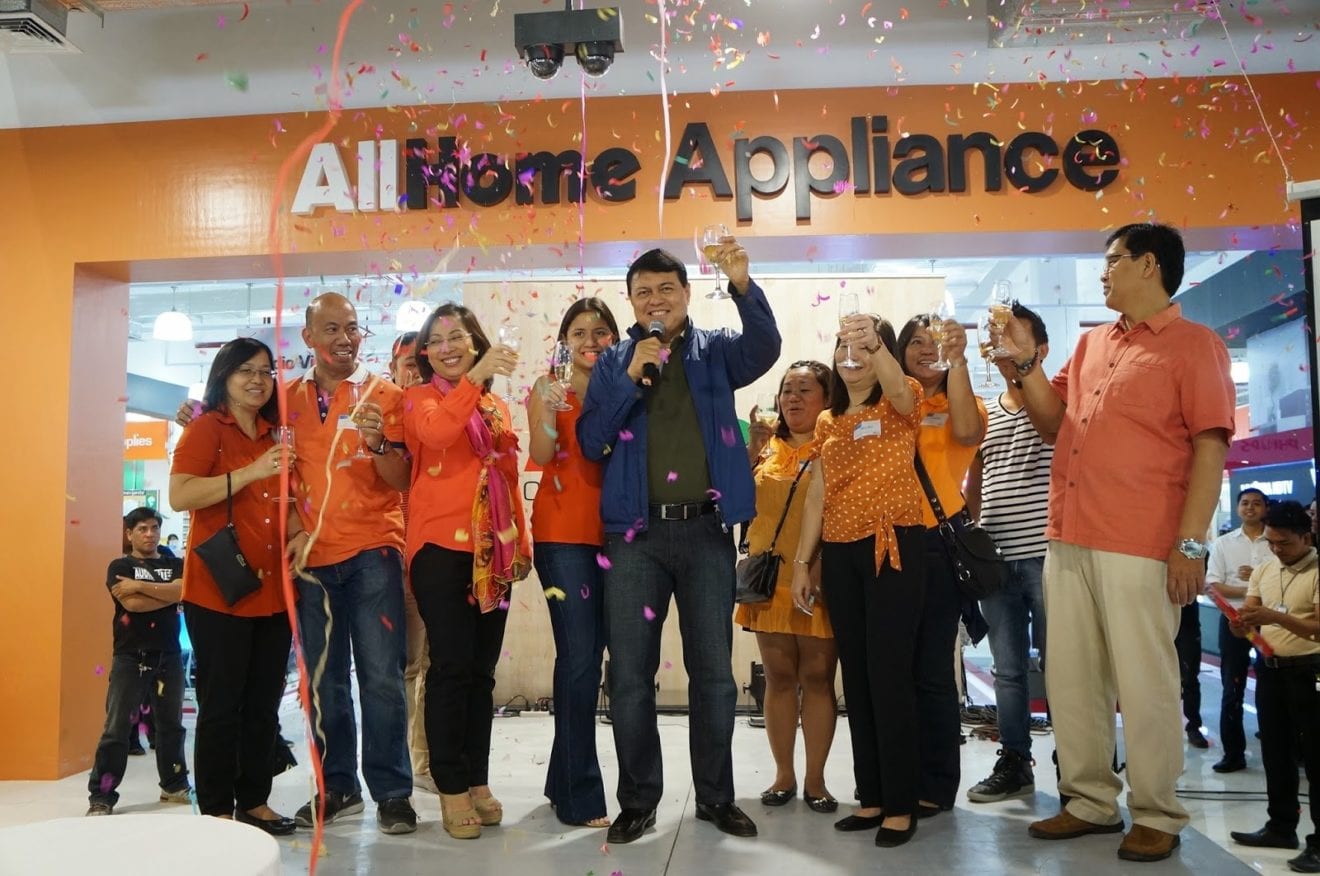
    AllHome Corp, the Philippines home-furnishings retailer, is looking to raise up to US$348 million in an IPO.

    AllHome operates 25 large one-stop homewares and home-improvement stores, most of them in the nation’s capital city, Manila. The partial float would value the company at between $827 million and $1 billion, according to Reuters.

    The shares will be listed on the stock exchange on October 10.

    Robert Ramos, senior VP and trust officer at Eastwest Bank said that AllHome has a market advantage of already being entrenched in the category.

    The company is likely to face competition when Ikea makes its debut in the Philippines in the Mall of Asia next year.

  • Noel Leeming launches safety plans

    Noel Leeming launches safety plans

    Technology and appliance retailer Noel Leeming has announced it is now offering enhanced purchase protection for the life cycle of its products.

    The new Noel Leeming Protection service plan offers customers the ability to lock-in accidental damage cover, theft protection, automatic replacement and blockage cover for items under $500, just to name a few.

    “This means that customers can now be covered for most eventualities that can affect the use of their technology and appliances, providing peace of mind that they won’t be without their item for long,” the retailer said.

    Customers can buy the plan as an add-on to their technology or appliance purchase either online or through one of Noel Leeming’s 77 retail stores.

    Tim Edwards, Noel Leeming CEO, said being able to offer customers a full suite of add-ons to their purchase is a great way to enhance customer confidence in their decision-making.

    “We’ve noticed that consumers nowadays are interested in a more holistic solution, looking for protection programs that better support the way they use their technology and appliances,” Edwards said.

    “We’re confident that this product goes over and above any competitor’s offer, is market-leading, and a New Zealand first in consumer purchase protection.”

    Edwards said feedback from customers has been overwhelmingly positive since the product offering was introduced.

    Hemaka Perera, director for Southeast Asia at Assurant, said the new Noel Leeming Protection offering has been built with the customer in mind and goes over and above the industry standard.

    “We are thrilled to partner with Noel Leeming in offering a new product that sets the standard for product protection,” Perera said.

  • JB Hi-Fi reports record profits, sales in FY19

    JB Hi-Fi reports record profits, sales in FY19

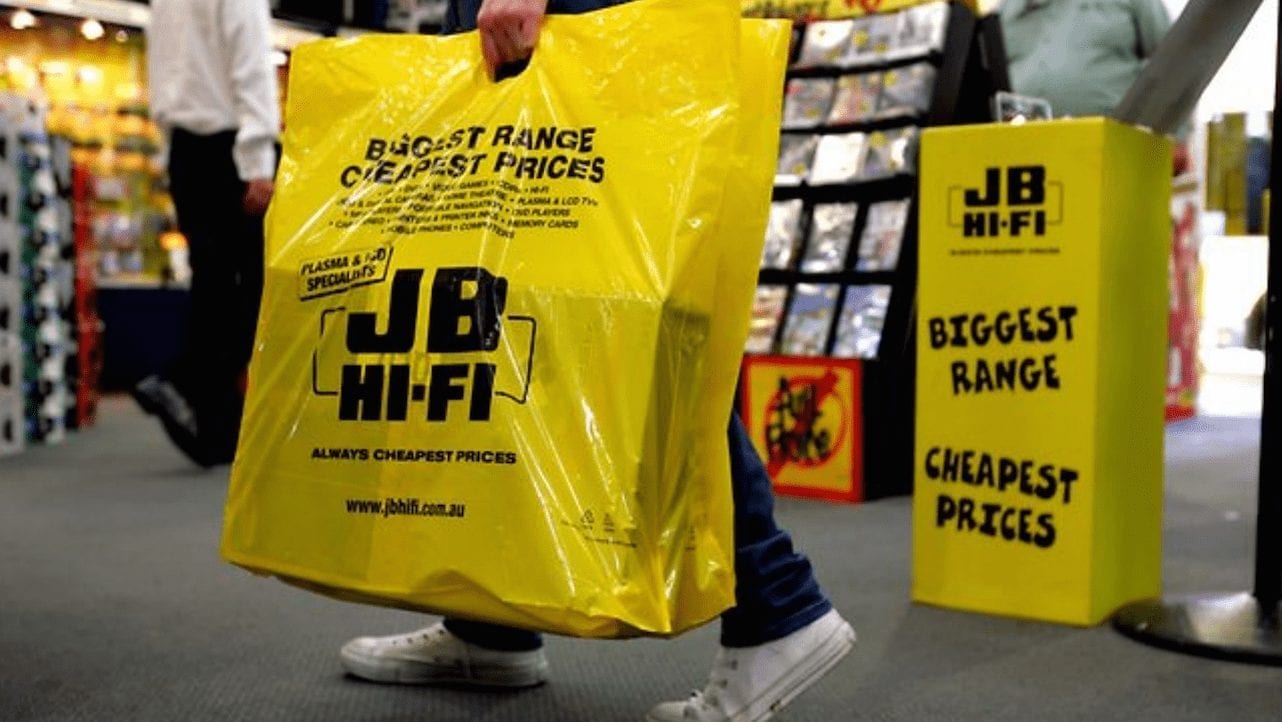
    JB Hi-Fi has seen record profit and sales for the 2019 financial year, leveraging strong communications, fitness and games hardware sales to deliver growth across all channels of the business.

    Net profit for the year grew 7.1 percent to $249.8 million, compared to the $233.2 million seen last year, while total group sales grew 3.5 percent to $7.1 billion – up from $6.9 billion in FY18.

    JB Hi-Fi Group chief executive Richard Murray said the group was pleased with the result, and that the success of the JB Hi-Fi brand during a difficult second half in Australia proves it has the right business model.

    “It was a solid result for JB Hi-Fi Australia, and a particularly pleasing finish for FY19 with strong sales in the key tax time promotional period,” Murray said.

    Comparable sales grew 2.8 percent, while total sales grew 4.1 percent to $4.73 billion – driven by communications, audio, fitness, games hardware and connected technology.

    However, the company’s media segment underperformed. Sales in the category fell 7.3 percent compared to FY18, with a double-digit decrease in movies and music sales offset by strong growth in the gaming software segment.

    Murray noted during an investor call that while store roll-outs had slowed, physical locations remain key to its growth, even as it expands the online channel, which grew 23 percent in FY19 and now makes up 5.5 percent of total sales.

    The New Zealand business also saw strong growth online, with 38.3 percent growth in online sales to NZ$13.3 million, or 5.6 percent of total sales. Comparable sales grew 8.2 percent, while total sales grew 2 percent to NZ$236.2 million.

    According to Murray, this result is evidence that JB Hi-Fi’s offer is resonating with New Zealand customers, and proves that hiring New Zealand managing director Cherie Kerrison to lead the international business was the right call.

    As for the recently acquired The Good Guys brand, total sales grew 2.2 percent to $2.15 billion, with comparable sales up 0.9 percent, while online sales grew 3.7 percent to $130.9 million.

    “In a competitive environment, we remained focused on sales and market share whilst stabilizing gross margins and continuing to evolve the business,” Murray said.

    JB Hi-Fi Group will continue to invest in The Good Guys brand while seeking to maintain and enhance it, said Murray.

    One such initiative will be to take learnings from JB Hi-Fi’s telecommunications category and use it to launch a similar offering in The Good Guys.

    Looking to the next 12 months, the retail group expects total sales for FY20 to reach $7.25 billion – with JB Hi-Fi Australia to contribute $4.84 billion, JB Hi-Fi New Zealand NZ$240 million, and The Good Guys $2.18 billion.

    Murray notes that while the business continues to see variability in the overall retail channel, JB Hi-Fi enters the new financial year confidence in its ability to execute and grow market share.