
Tag: Asda

  • Walmart US’s online sales soars by 50 per cent

    Walmart US’s online sales soars by 50 per cent

    Walmart’s online sales in the US soared 50 per cent during the latest quarter, described as a stellar rate of increase which shows Walmart is growing its digital market share at pace.

    The world’s largest brick and mortar retailer recorded a revenue rise of 4.2 per cent, which equates to a US$5 billion increase in sales over the three months. Walmart US led the way with a 4.3 per cent increase in revenue and a 2.7 per cent increase in comp-store sales.

    GlobalData Retail MD Neil Saunders described that result as “impressive” and underscoring the company’s determination to not only defend its leading position but to extend it.

    That most of the online growth came from the core Walmart.com operation rather than from new additions, highlights the success of initiatives such as free two-day shipping and an expanded online selection, which now encompasses over 70 million products, said Saunders.

    “From GlobalData Retail’s figures, it is clear that Walmart is not only getting existing customers to spend more online but is also attracting new shoppers.

    “With a solid e-commerce base, Walmart is now looking to deepen its offer and experience in a select number of categories. This is one of the reasons it has struck deals with partners like Lord & Taylor in fashion and is building relationships with premium brands like KitchenAid and Bose.

    Walmart’s longer-term aim is clear: it wants to become the go-to online destination for both everyday and specialty items. The push into higher-end products should also help to bolster online margins.”

    Strong traffic

    However, although online has been a success story for Walmart, the second reason for its US growth is the performance of stores. Traffic held up well across the US, with price cuts helping to keep customers loyal, especially in categories like grocery. Some modest improvements to store layout and design have also aided conversion rates, particularly in non-food categories.

    “For a retailer of its size and scale, Walmart’s ability to keep its stores growing is impressive,” said Saunders.

    While he cautioned that some of the US sales success could be attributed to post-hurricane spending and recent acquisitions, the core business is performing well, with a broad pickup in both customer traffic and spending across all of Walmart’s channels.

    Sales outside the US also picked up. He said the Mexican operation is benefitting from investments in e-commerce, including an expanded online offer. Revenue in Canada has increased, mainly thanks to sharper pricing and expansion of the number of locations offering grocery pickup.

    In the UK, Asda posted its second consecutive quarter of comparable growth. “While this result comes off the back of a long run of weak performance and does not yet constitute a return to sustainable growth, we believe the investments made in price, offer, and service are starting to pay dividends.”

    Saunders said the latest results show Walmart is a retailer on the front foot.

    “Admittedly, the investments it is making in price and e-commerce are taking their toll on the bottom line, but they are also positioning the company for significant future success.”
  • Sainsbury’s management ‘playing the long game’

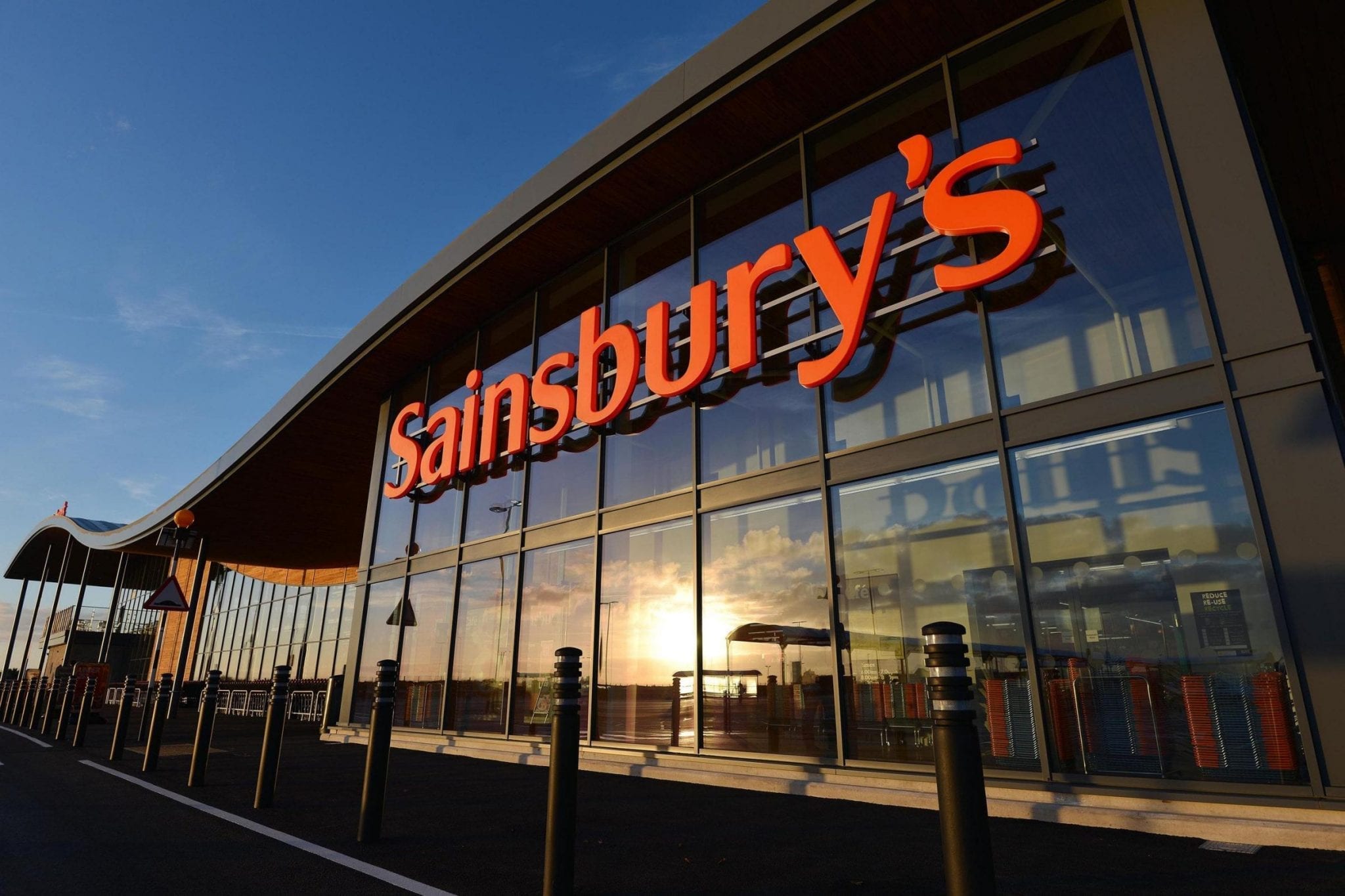
    Sainsbury’s management ‘playing the long game’

    Sainsbury’s management appeared unphased after emerging as the underperforming grocer of the UK top four this quarter. Should investors be worried? In the short term, Sainsbury’s may struggle, but they have solid long term prospects.

    Margins have dropped to 1.9 per cent and like-for-like sales increased by only 1.6 per cent which is poor when it is reportedly passing on inflation of 1.7 per cent. All the other major supermarkets performed above expectations, even the floundering ASDA moved into positive like-for-likes after 12 consecutive quarters of negative growth.

    The theme within the food retail sector has been one of anticipating inflation, moving to offset the impact on margins with cost savings programmes and range manipulation, along with efficiency targets. This has resulted in relatively stable margins for the majority of the grocers, alongside impressive cost reduction, and the best sales growth for five years. Sainsbury’s is therefore the anomaly here.

    This can mean one of two things: Sainsbury’s is struggling more than the other grocers to weather the storm; or Sainsbury’s is less short-term focused than the other grocers and thus playing the long game.

    Muted sales growth and a lack of evidence for the momentum from the first quarter continuing into the second (Q1 like-for-likes were 2.3 per cent and Q2 0.6 per cent) is problematic for Sainsbury’s, and with its positioning as a more premium grocer, consumers trading down in store and to cheaper competitors is more pertinent. However, they are still growing and the poor weather has a strong effect this quarter due to its high proportion of fresh food.

    If we look at the factors eating into Sainsbury’s profit, we can see that it comes from (in order of size) price investment, input cost inflation, and Argos losses (Argos posted a loss in the first-half year, making most of its profit over the festive period). Ignoring Argos losses, the contributors to margin decline are therefore factors which all other supermarkets are experiencing.

    The other grocers implemented strict cost saving programmes and margin targets in the run-up to Brexit. Tesco, for example, expects 3.5-4 per cent operating margin by 2019/20 and is seeking to achieve £1.5 billion of cost savings in its turnaround period. Morrisons is in full transformation mode with a number of efficiency savings still to take advantage of, and Asda is potentially recovering from a dismal three years. However, as much as many of these changes were needed, there is the risk that the other grocers are damaging their prospects in the long term by maintaining momentum in the short term. Lower investment and more short cuts, refurbishment, aggressive consolidation, a lack of development, and focus on cash flow might hamper the chances of long term growth. Short term gains may cause long term pain.

    Sainsbury’s did not suffer to the same extent as the other grocers from the onslaught of the discounters, and thus has less to turnaround from. Therefore, as it survived through one difficult period, we think that its lack of action is actually a tactic. Sainsbury’s is highly focused on adapting to consumer consumption trends – its product innovation and range consolidation is unrivalled, same day delivery is being extended, and space repurposing has been successful with Argos. In addition, in the first half of 2017/18 it chose to absorb much of the cost inflation without offsetting it against efficiency savings, thus dragging on margins, and allegedly this level of investment is unlikely to happen again.

    Fundamentally, Sainsbury’s needs to improve its growth in the third quarter to avoid losing market share, but one bad quarter hasn’t prompted them to “chase unprofitable volume” as Mike Coupe put it. We have confidence that Sainsbury’s is adapting to the consumer the best out of all of the supermarkets, but the problem is that its niche is slightly more upmarket than the others of the big four, and thus in a time of critical uncertainty, without offsetting, margins are going to take a temporary hit.

    Sainsbury’s management know the company is well placed to chase the consumer and develop with demand, and thus we think that this strategy of allowing margin decline (within reason) is actually more of a tactical long term play, than disguising short term panic.