Tag: asia pacific

  • JD Sports Sales Dip Globally as Asia Pacific Delivers 10.7% Organic Growth

    JD Sports Sales Dip Globally as Asia Pacific Delivers 10.7% Organic Growth

    JD Sports lifted organic sales in Asia Pacific by 10.7 per cent in the six months to August 1. It was the retailer’s sole expanding region globally.

    Total group revenue dipped 0.7 per cent to $11.1 billion (£5.89 billion) during the half-year period. Weaker consumer spending across larger Western markets weighed on the top line.

    Asia Pacific Leads Organic Revenue

    North America generated the largest share of group receipts. However, regional demand slowed compared with previous reporting periods. Asia Pacific bucked that trend with double-digit organic expansion while other divisions contracted.

    Brick-and-mortar shopping drove the regional gain. The company opened six stores across Asia Pacific in the half-year, lifting same-store receipts through event-driven sports merchandise sales.

    “We remained focused on ‘controlling the controllables’ – progressing our strategy at pace while maintaining tight cost and capital discipline,” said Régis Schultz, chief executive of JD Sports.

    Store Expansion and Footfall Dynamics

    Stores remain central to the JD Sports operating model, generating 79 per cent of group turnover during the period. Organic e-commerce sales rose 5.2 per cent.

    For landlords across Asia, the numbers confirm steady footfall demand for multi-brand athletic anchors. Standalone mono-brand stores face margin volatility. In contrast, multi-brand formats draw wider traffic by consolidating footwear lines under one roof.

    Local wage pressure and fit-out inflation still threaten store expansion. Managing occupancy costs across prime retail hubs will determine whether new sites generate positive returns on capital over the next cycle.

    Product Mix Shifts to Apparel

    Category diversification provided extra sales insulation. Apparel and accessories climbed to 36 per cent of total group sales. Demand grew for technical running gear and newly introduced shoe silhouettes.

    A push into higher-margin apparel gives the retailer flexibility against footwear supply bottlenecks from major athletic brands. Regional rivals have also built up non-footwear inventory to defend transaction values against cautious discretionary spending.

    Earnings Rebound and Regional Headwinds

    Group pre-tax profit rose nearly 75 per cent to $454 million, up from $260 million a year earlier. The prior-year figure had absorbed a $307 million one-off charge that suppressed net earnings.

    World Cup demand lifted regional merchandise sales, helping offset softer retail sentiment in Australia and New Zealand. The next test comes in the second half, when tournament sales cycles fade and the retailer must sustain full-price sell-through rates across its Asia-Pacific stores.


  • China Migrant Worker Reforms Could Unlock US$95 Billion in Spending

    China Migrant Worker Reforms Could Unlock US$95 Billion in Spending

    Improving living conditions for China’s 131 million urban migrant workers could release US$95 billion annually in consumer spending, according to research released on Thursday by HSBC. That spending lift equals roughly 0.5 per cent of China’s gross domestic product.

    The bank found that the country’s broader consumption revival rests far less on high-income earners and more on easing the financial strain on urban migrant families. Mainland cities housed 130.9 million migrant workers last year, a number that expands to roughly 170 million when including dependents.

    The Savings Gap

    Precautionary financial habits keep those households from spending. Migrant workers in Chinese cities save an average of 54 per cent of their income, compared with a 36 per cent savings rate among registered urban residents. High healthcare costs, housing instability, and limited access to public services drive that defensive cash accumulation.

    Similar patterns constrain younger demographics. New workforce entrants, including recent university graduates, display elevated savings rates that restrict discretionary retail sales and leisure outlays across metropolitan centers.

    Asia Drives Consumer Expansion

    The demographic rebalancing forms part of a wider regional transformation. HSBC projects the global economy will add 1.2 billion middle- and high-income consumers by 2050. Asia will generate 77 per cent of that expansion.

    India will deliver almost half of the total regional increase. China and neighboring Asian markets will account for the remainder, cementing Asia’s position as the primary driver of worldwide consumer demand over the next two decades.

    The Shift for Retailers

    For brands and retail operators across mainland China, the findings point toward a necessary realignment. Growth will depend on mass-market volume and entry-level household goods rather than premium luxury lines that cater to top-tier wealth.

    Previous policy measures focused on subsidies and targeted tax relief for established urban households, which produced modest gains in discretionary spending. Broadening social safety nets and residency access would direct liquidity straight to essential retail categories, daily groceries, and consumer durables.

    Mainland provincial governments are now setting updated targets for municipal residency access and basic medical coverage transfers through the end of the year.

  • Orang Tua Group Apologises For Quran Recitation-For-Liquor Promotion In Indonesia

    Orang Tua Group Apologises For Quran Recitation-For-Liquor Promotion In Indonesia

    Indonesian consumer goods conglomerate Orang Tua Group (OT Group) has issued a public apology after a promotion at a Jakarta music event sparked widespread condemnation. The promotion reportedly offered alcoholic beverages as prizes to individuals who could recite a chapter from the Quran, leading to protests and the initiation of a police investigation.

    Handoko, OT Group Operations Director, conveyed the company’s sincere apologies to the Muslim community on Friday. His statement was made in front of hundreds of protesters from the local community organisation Forum Betawi Rempug (FBR), who had gathered outside the company’s office in Rawa Buaya, West Jakarta.

    “I sincerely apologise, especially to Muslims, over the alleged religious blasphemy,” Handoko stated to the assembled protesters. He also confirmed that law enforcement agencies are currently handling the case and urged all parties to await the conclusion of the legal proceedings.

    Questions & Answers

    Which company issued the apology and what is its primary business?
    Orang Tua Group (OT Group), a consumer goods company based in Indonesia, issued the apology. Its primary business involves manufacturing and distributing various consumer products.

    What specifically caused the controversy and led to the apology?
    The controversy arose from a promotion at a music event in Jakarta where alcohol was reportedly offered as a prize for participants who could recite a chapter from the Quran. This promotion was perceived as religious blasphemy.

    What immediate actions has Orang Tua Group taken in response to the protests?
    OT Group Operations Director Handoko publicly apologised to Muslims in front of protesters. He also confirmed that the case is now under investigation by law enforcement, and the company urges all parties to await the legal outcome.

  • Asia’s Fox Nuts Market Set for Strong Growth, Driven by Healthy Snacking and Online Retail

    Asia’s Fox Nuts Market Set for Strong Growth, Driven by Healthy Snacking and Online Retail

    The global market for fox nuts, also known as makhana, is on a significant upward trajectory, with Asia Pacific leading the expansion. Valued at USD 183.4 million in 2025, the market is projected to reach USD 404.95 million by 2034, growing at a compound annual rate of 9.2% from 2026. Asia Pacific alone accounted for 59.28% of the market share in 2025, highlighting its crucial role in this burgeoning industry.

    Fox nuts, derived from the aquatic plant Euryale ferox, are gaining traction as a nutritious snack. They are rich in protein, antioxidants, minerals, and dietary fiber, and are naturally gluten-free. This nutritional profile makes them popular among health-conscious consumers seeking clean-label and plant-based food alternatives. The demand is further fueled by a growing shift toward healthy snacking, a preference for low-calorie and nutrient-dense options, and the rise of plant-based diets. Flavored, ready-to-eat makhana products are expanding their reach through supermarkets, convenience stores, and e-commerce platforms, particularly in Asia Pacific and North America.

    Innovation And Investment Drive Market Expansion

    Innovations in flavor and product development are key to the fox nuts market’s growth. Manufacturers are developing gourmet fusion snacks, incorporating global flavors like peri-peri, cheese, and chocolate, moving fox nuts from a traditional snack to a premium functional food. This appeals to urban consumers and is leading to expanded product portfolios and increased visibility in modern retail and online channels. For instance, India’s government initiatives, such as the PLI scheme for millet and superfood processing, are encouraging further innovation in fox nut-based products.

    Beyond gourmet offerings, there is a growing demand for fox nuts as a clean-energy snack for work and travel. Their light, fiber-rich, and convenient nature makes them ideal for on-the-go consumption, transitioning them into a mainstream daily snack. Portion-controlled packs and nutrient-enhanced variants are being introduced to cater to busy urban lifestyles. These trends align with health-focused public initiatives, like India’s POSHAN Abhiyaan, which promotes healthier snacking habits.

    Significant investment and funding are also bolstering the market. In 2025, the Government of India allocated USD 54.4 million (INR 476.03 Crore) for a six-year program to modernize the fox nuts ecosystem, focusing on cultivation, processing, value addition, and market development. An additional USD 11.4 million (INR 100 Crore) was invested in the National Makhana Board Initiative to develop processing clusters and improve supply chain infrastructure in Bihar, which accounts for over 80% of India’s makhana production. Private companies like Farmley also secured USD 40 million in Series C funding in May 2025 to scale their packaged fox nuts portfolio and expand distribution.

    Opportunities And Challenges For Retailers

    The increasing demand for convenient and nutritious food presents a strong opportunity for fox nuts in meal replacement formats and functional snacking. Brands are developing fox nut-based protein blends and breakfast mixes, targeting fitness enthusiasts and wellness-focused consumers. This aligns with a global trend of consumers seeking healthy snacks that offer satiety and clean-label nutrition. The global interest in plant-based and minimally processed foods, particularly in North America and Europe, also creates export opportunities for premium fox nut products through health food retailers.

    Despite the positive outlook, the industry faces challenges in standardizing puffing efficiency without compromising texture quality. Much of the processing still relies on manual labor, leading to inconsistencies and higher operational costs. Post-harvest, fox nuts are highly susceptible to moisture reabsorption, which can degrade quality and shorten shelf life, especially in humid regions. Ensuring export compliance with global food safety certifications also remains a hurdle for market players aiming for international expansion. RetailNews Asia has observed similar challenges in scaling artisanal food production across the region, where traditional methods often clash with modern industrial demands and international quality standards.

  • Nestlé Targets GLP-1 Drug Users with AI-Driven Nutritional Products, Expands Asia Offerings

    Nestlé Targets GLP-1 Drug Users with AI-Driven Nutritional Products, Expands Asia Offerings

    Nestlé is strategically adapting to the growing market of GLP-1 weight-loss drug users, turning a potential threat to packaged food sales into a new business avenue. The company is employing artificial intelligence and advanced nutritional science to create products designed for millions of consumers globally who use medications such as Ozempic and Wegovy.

    The rapid uptake of drugs from pharmaceutical giants like Novo Nordisk and Eli Lilly has raised concerns among investors about a potential long-term decrease in demand for traditional packaged foods, snacks, and beverages. However, Nestlé views this shift as an opportunity to cater to the specific needs of these consumers, particularly in managing the side effects of rapid weight loss.

    Addressing Side Effects With Targeted Nutrition

    Chief technology officer Stefan Palzer noted that Nestlé is well-positioned to serve this emerging market. The company is using AI and other technologies to analyse clinical research, pinpoint optimal nutrient combinations, and develop products specifically for GLP-1 users. Presentation materials highlighted side effects such as muscle loss and the reduction of facial fat, known as “Ozempic face,” indicating areas where Nestlé’s products can offer support.

    With an estimated 16 million Americans currently using GLP-1 medicines, a number expected to grow significantly, Nestlé’s response includes accelerating research and product development through AI. Its scientists are focusing on the consequences of rapid weight loss, developing items to help consumers manage muscle health, hydration, and overall nutritional intake.

    For example, Nestlé has incorporated collagen protein into products under its Vital Proteins brand to address concerns about skin, hair, and nail health. The company has also patented combinations of proprietary ingredients aimed at reducing the increased hunger some consumers experience after discontinuing GLP-1 treatments. In the United States, Nestlé introduced Boost Advanced Nutrition Shake, containing 35g of protein for muscle health. Crucially for the Asian market, Nestlé has launched Milo PRO High Protein, a higher-protein version of its popular malt drink, in Asia and Australia.

    AI’s Role in Product Innovation

    Artificial intelligence is becoming integral to Nestlé’s product development cycle. The company has created internal systems to sift through scientific literature, simulate consumer behaviour, identify market trends, and assist product developers in navigating a vast database of approximately 120,000 recipes.

    One such tool, an internal platform named Food Genie, helps scientists and developers predict product performance and identify opportunities for reformulation. Palzer explained that AI thrives on data, which a large company like Nestlé possesses in abundance. Nestlé is experimenting with AI-driven consumer simulations to forecast how shoppers will react to new products and health claims before they reach retail shelves. The company is also using AI to monitor social media for emerging consumer trends, helping to distinguish fleeting fads from lasting market shifts.

    Despite Nestlé’s efforts, some nutrition experts, such as Amanda Avery, associate professor in nutrition and dietetics at the University of Nottingham, question the significant advantages of specialized products over whole, fresh foods. Avery pointed out that meat, fish, eggs, dairy, beans, nuts, and pulses remain relatively inexpensive sources of protein and nutrients. However, she acknowledged that marketing often influences consumer choices, suggesting that Nestlé’s targeted products are likely to find a receptive audience.

  • Pacific Bluefin Tuna Quota Sees 25% Increase

    Pacific Bluefin Tuna Quota Sees 25% Increase

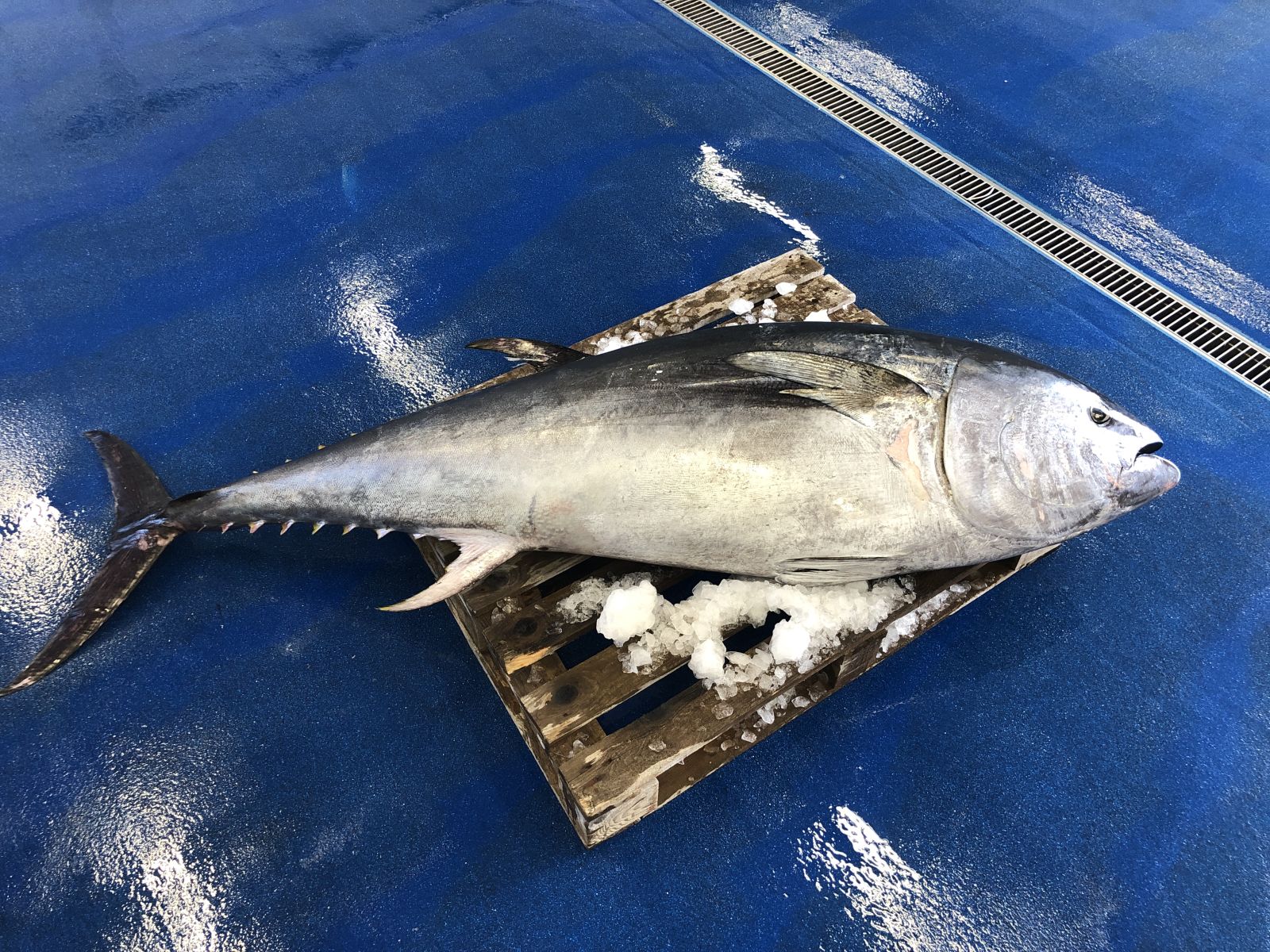
    International delegates have approved a 25% increase in the catch quota for Pacific bluefin tuna weighing at least 30 kilograms. This agreement, reached during an online conference on Tuesday, August 18, 2026, will primarily affect fishing in the Central and Western Pacific regions.

    The decision follows Japan’s persistent efforts to expand the quota, a proposal that faced initial resistance from Mexico. After bilateral discussions, Mexico eventually endorsed the plan, paving the way for the new limits.

    Quota Adjustments Detailed

    Under the new agreement, the annual quota for large bluefin tuna in the Central and Western Pacific will rise to 14,836 tons for fiscal years 2027 and 2028. This marks a significant increase from the current 11,869 tons. Conversely, the quota for smaller tuna, weighing less than 30 kilograms, will see a 6% reduction, settling at 4,823 tons.

    The Eastern Pacific, an area closer to Mexico, will also experience a minor increase in its catch quota, moving from 7,581 tons to 7,740 tons. These changes reflect a delicate balance between sustainable fishing practices and the economic demands of the fishing industry.

    Impact on Asian Markets and Retail

    Japanese fishers have reported robust catches in their operating areas, often facing challenges in adhering to previous quota caps. The expanded limit addresses their calls for greater flexibility, which previously led to scaling back operations or releasing perfectly good catches to comply with regulations. This adjustment could lead to more stable supply chains and potentially impact prices for tuna in Japanese and other Asian retail and food service markets, where bluefin tuna is a highly sought-after delicacy.

    The agreement underscores the ongoing efforts to manage global fish stocks, balancing conservation with economic realities for countries reliant on the seafood industry.