
Tag: Asian Games

  • Asian Games Revenue Jumps 20% in Nagoya as Digital Viewership Surges

    Asian Games Revenue Jumps 20% in Nagoya as Digital Viewership Surges

    The Olympic Council of Asia posted a near 20 per cent revenue increase for the Aichi-Nagoya Asian Games on October 4. Strong digital viewership and high broadcast demand drove the gain. Returns beat the previous total recorded in Hangzhou three years earlier.

    Those financial gains arrived alongside severe logistical strain across central Japan. Participant numbers swelled to 17,000. Late entries added 2,000 more athletes and officials than organisers had planned for.

    Digital Viewership and Commercial Returns

    Streaming platforms and television networks across key regional markets drove commercial growth. High-profile cricket and hockey fixtures between India and Pakistan generated massive broadcast spikes. That surge helped the Olympic Council of Asia outpace its Hangzhou baseline.

    Networks and sponsors captured higher viewership without the host prefecture committing to heavy new construction. Athletes still delivered. The council pointed to 54 world records, 11 junior world records, and 89 continental records set across venues as proof that operational friction did not hurt performance.

    Scrambling for Beds and Transport

    Organisers decided against building a dedicated Athletes’ Village. Instead, they placed teams across private hotels, modular container units, and a chartered cruise ship. Bottlenecks hit immediately once athlete numbers passed 15,000 in the final entry window.

    Satoshi Murate, secretary general of the organising committee, apologised after local transit lines and room allocations stalled. The delays drew complaints over cramped quarters and undersized beds. Tayyab Ikram, chairman of the Games Coordination Committee and head of the International Hockey Federation, stated that future events require sustainable innovation without degrading basic standards for participants.

    Avoiding Permanent Venue Debts

    City and prefectural leaders in Aichi and Nagoya mapped the tournament footprint to prevent debt and unused venues. Moving aquatic events to the Tokyo Aquatics Centre and relying on temporary housing kept local balance sheets clear of structural deficits.

    Husain Al-Musallam, director general of the Olympic Council of Asia, defended the decentralised model during a news conference on the closing day of competition.

    “We are happy to see that there is no big financial burden in the organizing committee, and there is no white elephant staying in Nagoya or any place.”

    Broadcast Markets and Regional Reach

    Digital rights and regional broadcast reach in South and East Asia now drive the commercial value of multi-sport Asian tournaments. Physical operations buckled under capacity spikes, but advertiser demand for marquee fixtures held firm.

    Attention turns to the final financial accounting from the Aichi-Nagoya organising committee to determine whether operational cost overruns cut into the headline revenue gain.
  • Hong Kong Malls Target Double-Digit Tenant Sales Growth During Asian Games

    Hong Kong Malls Target Double-Digit Tenant Sales Growth During Asian Games

    Sino Group expects foot traffic and tenant sales to rise across four Hong Kong shopping centres during its Asian Games campaign. The landlord projects double-digit revenue growth for selected merchants.

    This campaign follows its World Cup promotions earlier this year. That effort lifted customer visits across three flagship properties by 10 to 15 per cent and produced double-digit sales gains.

    Hong Kong commercial landlords are combining live tournament screenings with athlete exhibits and interactive activities to hold shoppers on-site. The drive coincides with the Asian Games in Nagoya, Japan. Preliminary events have begun there ahead of Saturday’s official opening.

    Shifting Formats From Football to Multi-Sport Events

    Operational demands differ from single-tournament campaigns. Football matches draw concentrated crowds during tight viewing windows. Multi-sport competitions spread visits across varied demographics and longer daylight hours.

    Bella Chhoa, chief commercial officer at Sino Group, noted that the Asian Games and the World Cup generate different footfall dynamics across retail floors. “The competitive schedule, viewing patterns and customer journeys are therefore fundamentally different,” Chhoa said.

    Landlords want to turn those longer viewing cycles into sales. They are targeting dining, athleisure and electronics purchases while visitors remain inside the complexes.

    Defending Domestic Spending Against Shenzhen Outflows

    Mall operators in Hong Kong face sustained pressure as residents travel to Shenzhen, take overseas holidays, or spend online. Retailers must adapt. Atriums are becoming event spaces rather than simple transaction floors.

    Conversion remains the chief commercial risk for landlords. Strong footfall during live broadcasts does not automatically translate into fashion and merchandise sales. That puts heavy pressure on food and beverage tenants to capture event spending.

    Consultants view this shift as a permanent operational requirement rather than a short-term marketing tactic. Roy Ng, head of research at property consultancy Newmark, stated that spending patterns have moved permanently toward experience-led activities. Malls must refresh event formats continuously beyond sports.

    Tracking Event Returns Across Key Portfolios

    Recent sports programming builds on earlier retail entertainment formats across Hong Kong malls. Operators used gaming tournaments and interactive pop-ups over the past year to stem cross-border outflows.

    Operators will track tenant turnover and dwell times throughout the multi-week Nagoya competition. Those metrics will show whether multi-sport programming matches the sales conversion rates of single-sport international tournaments.

  • Indonesia revising 2018 Asian Games mascot after criticism

    Indonesia revising 2018 Asian Games mascot after criticism

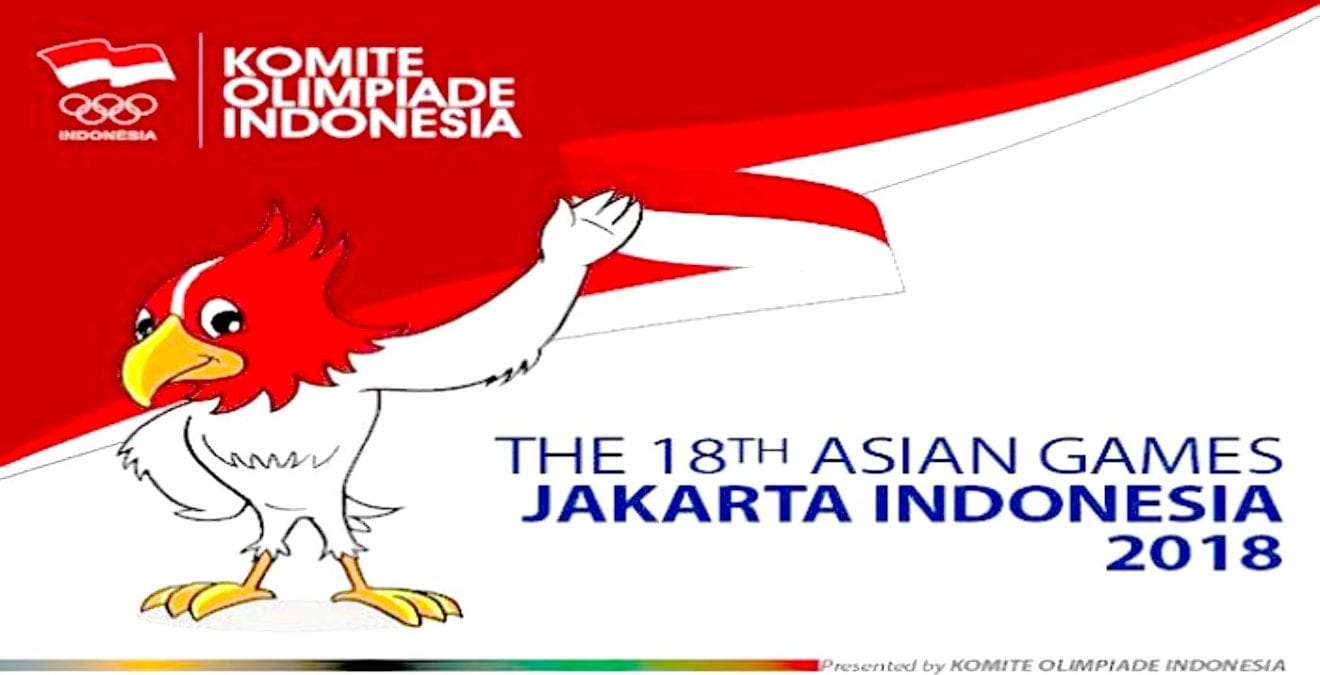
    Indonesia is revising the mascot for the 2018 Asian Games after criticism that the newly unveiled bird-of-paradise looks more like a chicken.

    Gatot Dewa Broto, a senior official at the Ministry of Youth and Sport, said today that the revision should be finalised over the next two to four months.

    The mascot, called Drawa, was launched December 27 and is named after Cendrawasih, the local name of an iconic bird which is only found in Indonesia’s eastern most Papua province, New Guinea, and eastern Australia.

    However, many online critics have said the design makes it look more like a chicken than a bird-of-paradise, while others have said the mascot is out of date or just not suitable for such a major event.