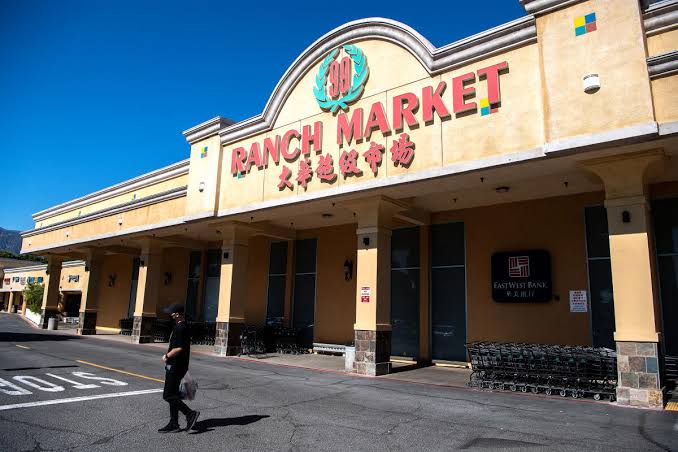
Tawa Supermarket Inc. Will close two 99 Ranch Market stores in California by December 5, cutting 103 jobs as Asian supermarket operators battle for grocery share across the state.
The company scheduled the closure of its Chino location in San Bernardino County for November 15, eliminating 49 roles. Its Rose Pavilion shopping center store in Pleasanton will close three weeks later on December 5, ending 16 years of trading and affecting 54 staff.
Worker Adjustment and Retraining Notification filings submitted to California authorities confirmed the job losses across both sites. Management posted a notice to customers at the Pleasanton store confirming the departure after more than a decade and a half of operations. The company operates alternative branches across both the Tri-Valley and Chino Hills areas.
Pruning Older Outlets
Tawa Supermarket characterized the closures as a push to streamline operations and reallocate resources rather than a withdrawal from California. The grocer built its business selling imported pantry staples, specialty produce and live seafood to Chinese and broader Pan-Asian communities.
The two closures expose the financial pressures facing legacy ethnic grocers operating out of older suburban strip centers. Rising labor expenses, utility costs and lease renewals force operators to defend margins by cutting overlapping sites. Where density permits, consolidation allows grocers to push foot traffic toward larger, modernized formats.
Rival Chains Target Northern California
Pan-Asian supermarket chains from Japan and South Korea are expanding rapidly across the same suburban pockets. Korean operator H Mart entered Dublin, adjacent to Pleasanton, in March. Tokyo Central, the Japanese retail banner, took over a 40,000-square-foot site in Emeryville in January.
T&T Supermarket pushed into San Jose in June, adding fresh capacity to Northern California. Independent Japanese operator Osaka Marketplace is preparing a store and food hall development in Pleasant Hill. These newer formats rely on extensive prepared-food counters, experiential food halls and modern supply chains to draw younger, higher-spending Asian American households.
Pressure on Traditional Footprints
The influx of capital into Asian specialty retail alters commercial leasing dynamics. Landlords who once relied on 99 Ranch as the sole regional draw for ethnic food concepts now court competing banners capable of anchoring entire power centers. The older Pleasanton unit faced immediate overlap once rival operators opened larger destinations within short driving distances.
Suppliers serving Pan-Asian food networks across the Pacific must also adjust to shifting delivery routes. While wholesale orders remain intact across the metropolitan region, distribution shifts from older strip mall loading docks to larger consolidation hubs designed for rapid inventory turns.
Pipeline Developments
The retreat from Pleasanton follows months of aggressive positioning by regional rivals across Alameda and Santa Clara counties. H Mart is currently working on plans for a 100,000-square-foot supermarket in Fremont, an asset projected to become its largest grocery store in the United States. Execution of that Fremont project will test whether the East Bay market can absorb another mega-scale Asian retail footprint.