
Tag: asian markets

  • Asian Markets Gain as JGB Yields Slide Ahead of US Jobs Data

    Asian Markets Gain as JGB Yields Slide Ahead of US Jobs Data

    Asian stocks and government bonds climbed on Thursday as investors recalibrated interest rate expectations ahead of crucial United States labour data.

    MSCI’s broadest index of Asia-Pacific shares outside Japan rose 0.5 per cent, tracking modest overnight gains on Wall Street as benchmark sovereign borrowing costs pulled back across major economies.

    Japanese government bonds led the fixed-income recovery ahead of a Ministry of Finance auction of super-long debt. The yield on 30-year Japanese government bonds dropped 10 basis points to 4.065 per cent, retreating from near-record highs, while benchmark 10-year US Treasury yields dipped 0.99 basis point to 4.784 per cent.

    Bond Yields Ease Across the Region

    Relief across regional debt markets followed remarks from Federal Reserve Bank of New York President John Williams, who noted that elevated long-term yields reflect economic resilience while policymakers assess upcoming data. Traders using the CME Group FedWatch tool now price a roughly two-in-three probability of a 25-basis-point rate increase this month, up from 37 per cent a week earlier.

    Economic data from Tokyo offered fresh evidence of domestic momentum. Japan’s services sector expanded in August at its fastest pace in five months, supporting expectations that the Bank of Japan retains room to raise borrowing costs further.

    For retailers and consumer operators across Asia, the pause in yield expansion offers short-term relief on commercial debt and capital expenditure plans. Persistent rate differentials and elevated debt costs have weighed on cross-border expansion financing throughout the region this quarter.

    Currency and Commodity Shifts

    Currency trading remained steady, with the dollar index slipping 0.05 per cent to 99.54. The Japanese yen held its ground at 158.59 per dollar after surging 0.9 per cent in the prior session, while the euro edged up to $1.1589.

    Energy markets softened slightly despite geopolitical friction between the United States and Iran. Brent crude fell 0.44 per cent to $95.21 a barrel and US crude dropped 0.3 per cent to $90.74 a barrel, while spot gold gained 0.32 per cent to trade at $4,400.47 an ounce.

    Market attention turns next to Friday’s US nonfarm payrolls report and an upcoming address by Federal Reserve Governor Christopher Waller.
  • Asian Stocks Soar as US Treasury Intervention Calms Bond Market Fears

    Asian Stocks Soar as US Treasury Intervention Calms Bond Market Fears

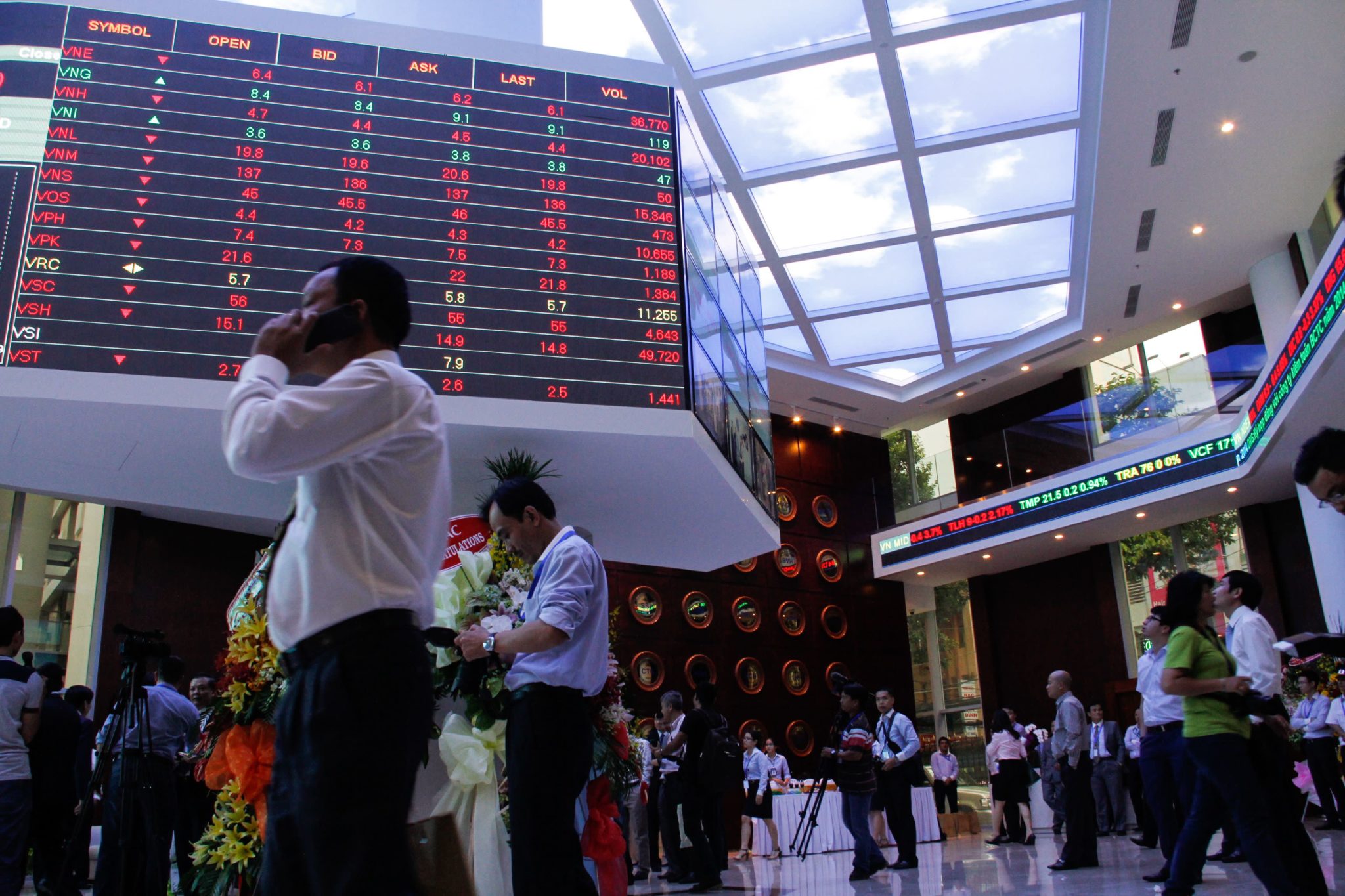
    Asian stock markets rallied strongly on Thursday after the US Treasury intervened to calm fears over rising bond yields. The announcement that the Treasury would significantly increase its long-term bond issuance provided a much-needed boost to investor confidence, leading to a rebound in equities across the region.

    This intervention comes after weeks of heightened concern over US bond yields, which had climbed to near two-decade highs. The prospect of sustained high inflation, increased government borrowing, and potential further interest rate hikes by the Federal Reserve had pushed yields on 10- and 30-year US Treasuries to unsustainable levels, sparking a sell-off in riskier assets, including Asian stocks.

    Yield Concerns Eased By Treasury Move

    The US Treasury’s unexpected decision to “at least double” the amount of long-term bonds it issues is a clear signal to the market that authorities are uncomfortable with the recent spike in borrowing costs. This move is intended to inject liquidity and bring down yields, which had seen the 30-year US Treasury yield reach its highest point since June 2007 earlier in the week. The immediate effect was a reversal of losses in US equities and a decline in the dollar against other major currencies.

    For Asian markets, the impact was immediate and positive. Technology firms, which often rely on significant debt for capital expenditure, particularly in areas like artificial intelligence, had been hit hard by rising yield concerns. Seoul’s Kospi index led the charge, jumping over six percent at one point. South Korean chipmaker SK hynix saw its shares rocket more than 12 percent, partly bolstered by its recent US$29 billion share buyback announcement, with Samsung also climbing almost nine percent. Elsewhere, Tokyo, Hong Kong, Shanghai, Sydney, Wellington, and Manila also reported strong gains. RetailNews Asia has observed that stability in financial markets is crucial for regional consumer brands planning expansions or significant capital investments, as it directly influences their cost of funding and investor sentiment.

    Future Outlook For Rates And Oil

    Despite the current relief, market observers question how long the fall in yields will last. Key factors that could reignite pressure on the long end of the Treasury curve include persistently high oil prices and ongoing concerns about US government borrowing. Crude prices have been on an upward trend for the past two weeks, fueled by fading hopes for a US-Iran deal regarding the Strait of Hormuz, with tensions in the region remaining high.

    Investors are also closely watching the US Federal Reserve’s stance on interest rates. Minutes from the Fed’s July meeting indicated that many policymakers believe further rate hikes might be necessary if inflation does not sufficiently decline. Three of the twelve voting members of the Federal Open Market Committee advocated for an immediate rate increase, noting robust economic activity driven largely by the AI industry. Attention now turns to the upcoming annual meeting of central bankers in Jackson Hole, Wyoming, next week, where Fed boss Kevin Warsh is expected to provide further clarity on the central bank’s rate strategy.