Tag: asua

  • Asahi Beverages buys premium mixer brand Strangelove

    Asahi Beverages buys premium mixer brand Strangelove

    Founded by mates James Bruce and Stafford Fox in 2013, the adult soft drink, premium mixer and mineral water business “set out to revolutionise the Australian soft drink market with eclectic, sophisticated flavours and local ingredients”.

    StrangeLove claims that it has more than doubled in volume and revenue in the last two years. The brand is now stocked by many of Australia’s “best” restaurants, high-end grocers and, more recently, premium Woolworths stores.

    Asahi Beverages Group CEO Robert Iervasi says it’s clear Australians want more sophisticated and lower-sugar soft drinks, fuelling demand for StrangeLove’s products in recent years.

    “We are really excited about the impact that StrangeLove is going to have in restaurants, cafes, hotels and pubs,” he says.

    “We expect StrangeLove to really shake things-up in the on-premise premium mixer and adult soft drink space, with a high-quality, Australian-made brand.

    “This deal will also strengthen our offer to retailers, which are dedicating more shelf-space to premium non-alcohol beverages. StrangeLove complements our leading portfolio of beverages, and we are absolutely thrilled to add StrangeLove to the Asahi Beverages family.”

    Mr Bruce says the deal represents an amazing opportunity to speed up StrangeLove’s mission to revolutionise the adult soft drink market with more imaginative and high-quality beverages.

    “With their FMCG-expertise and long-standing customer relationships in retail, hospitality and beyond, Asahi Beverages will help grow StrangeLove in a way we couldn’t on our own,” he says. “They share our absolute commitment to quality and we’ve been impressed by how they’ve supported their other craft partners to retain their unique identity and foster innovation.

    “The StrangeLove management team and I will remain in our roles at the business, and we’re excited and committed to its long-term growth. This means the acquisition won’t affect day-to-day operations and nothing will change for our customers and consumers.

    “We’ll continue to challenge the status quo with imaginative, innovative and adult flavours, using real ingredients sourced, where possible, from local farmers and producers.”

  • AirAsia X to resume flights between Kuala Lumpur and Sydney

    AirAsia X to resume flights between Kuala Lumpur and Sydney

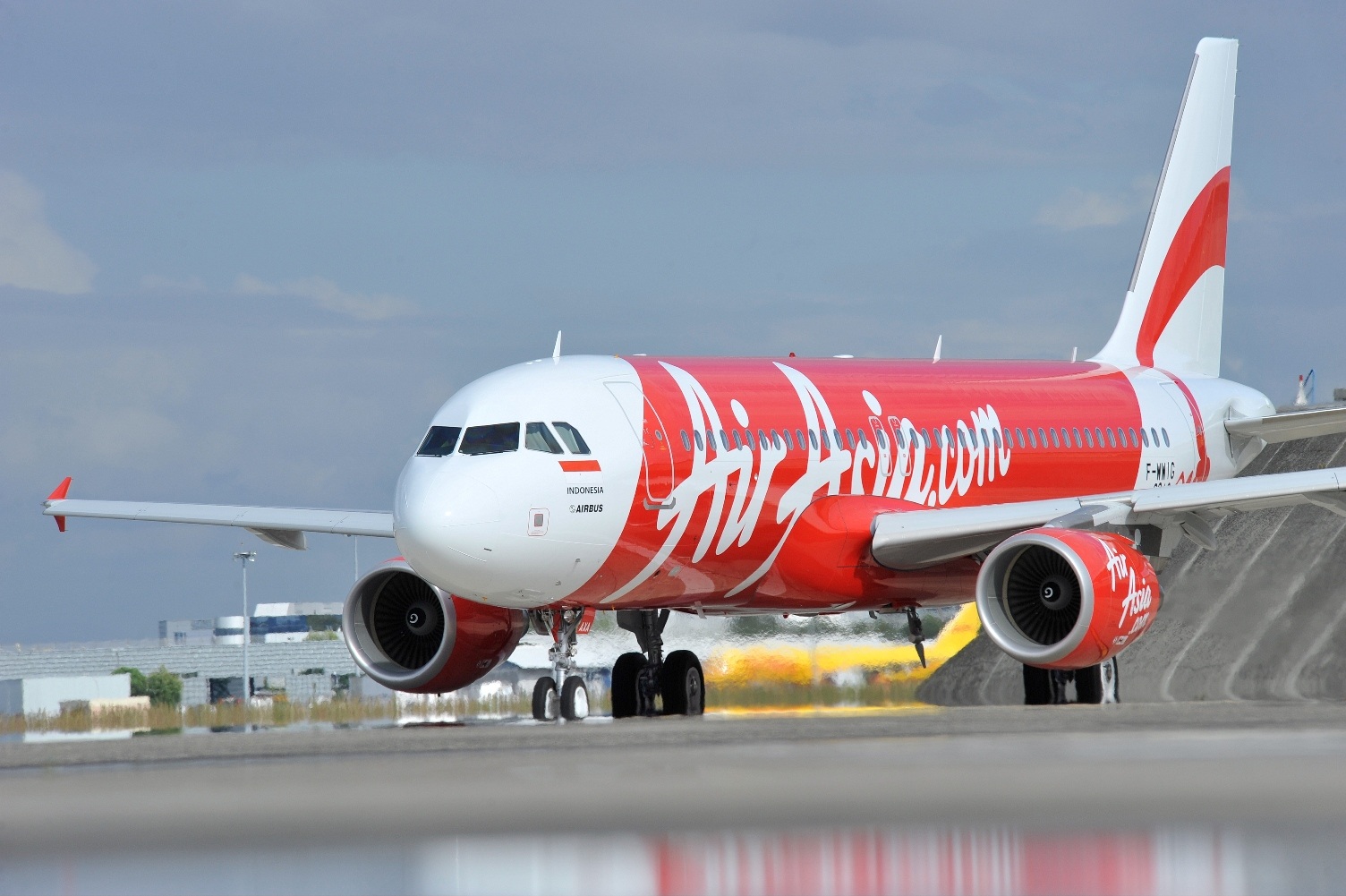
    AirAsia X (AAX) has unveiled plans to resume flights between Kuala Lumpur and Sydney on Feb 14. Flights will initially be operated weekly on Mondays from Kuala Lumpur to Sydney, returning on Tuesdays. Flight D7 228 is scheduled to depart from Kuala Lumpur at 19:25, arriving in Sydney at 06:30. The return leg, flight D7 229, is slated to leave Sydney at 08:30 and arrive back in Kuala Lumpur at 14:15.

    “Following our travel downtime over the last two years, and the recent completion of our restructuring process, we are thrilled to be able to relaunch and commence our gradual return to the skies. This would not have been possible without the overwhelming support from our guests and creditors and we thank them for their patience and understanding,” said Benyamin Ismail, CEO of AirAsia X. “Without any domestic routes AAX has been significantly affected by the pandemic. We now see light at the end of this long tunnel and we are working hard to operate again in all of our key markets, as one of the world’s leading low-cost medium-haul operators. Starting with flights to and from Sydney, we will progressively continue to honor outstanding bookings and Credit Accounts for our guests and creditors in other markets as soon as possible.”

    The airline has confirmed that it will prioritize full redemptions for customers affected by the restructuring. AAX customers can reinstate their flight booking and utilize their credit account to book the flights.

    Captain Suresh Kumar Bangah, COO of AirAsia X, said, “We have been very active on all-cargo flights throughout the pandemic and this has been a lifeline for us. For the first time, we are adding on passengers to supplement cargo revenue in our push to be a major combination carrier in this part of the world. Whilst take-up will be gradual, it can only get better in the coming months as more people return to the skies. We are ready for that pent-up demand.”

  • Gojek Vietnam GM reveals ambitions after launch of car service

    Gojek Vietnam GM reveals ambitions after launch of car service

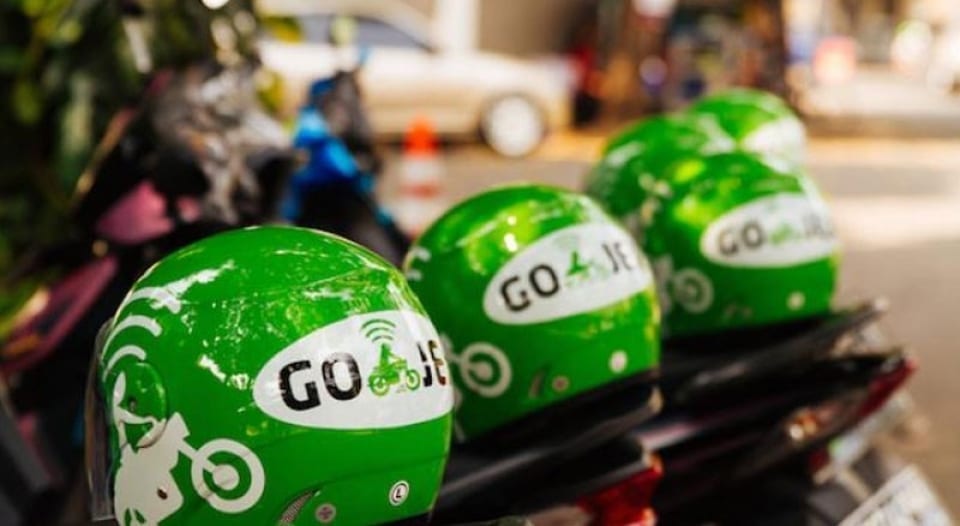
    Launched amid the Covid-19 pandemic, GoCar is one of two big products Gojek planned to introduce this year to complete its golden triangle in Vietnam, including transportation, food delivery and payment.

    Phung Tuan Duc, Gojek Vietnam GM shared stories behind the launch of car service during the Nguy – Co talk show hosted by Thai Van Linh.

  • Canoo Reveals Renders Of Manufacturing Campus In Oklahoma, USA

    Canoo Reveals Renders Of Manufacturing Campus In Oklahoma, USA

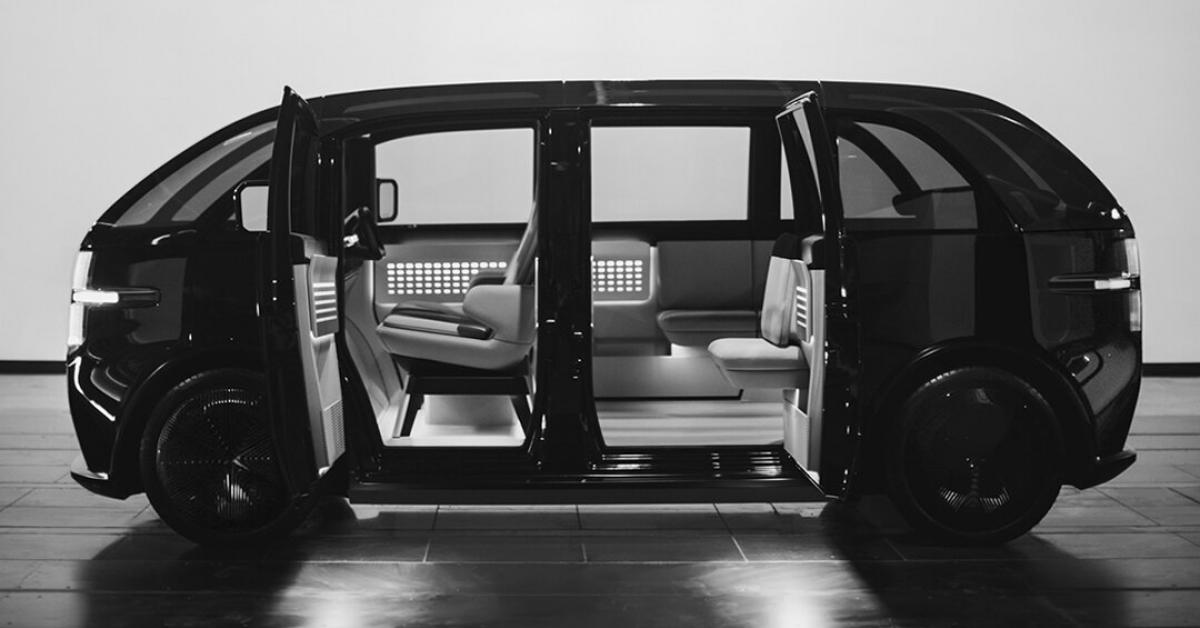
    Canoo, the electric car startup which went public recently via a SPAC merger has shared renders of its manufacturing campus that will be built in Oklahoma. Canoo calls it the mega micro-factory and it is scheduled to be opened up in 2023. In the Tulsa region, it is expected to create more than 2000 jobs. Canoo recently lost both its co-founders, with one, Ulrich Kranz, who led the development of BMW’s i3 and i8 electric cars and then moved to Faraday Future has joined Apple. In fact, Canoo was of great interest to Apple with the company interested in its skateboard. But Apple being Apple wanted to acquire Canoo while the team at Canoo wanted to retain its independence.

    “Oklahoma has always been a pioneer in the energy industry, and this partnership with Canoo shows that our state is an innovation leader in electric vehicle technology,” said Governor Stitt.

    “We are thrilled to partner with Canoo and Chairman & CEO Tony Aquila to provide high-paying jobs for Oklahomans and position America as the global leader for vehicle manufacturing for decades to come,” he added.

    It is developing an all-purpose delivery van and a modular pickup truck. It has a 400-acre campus which will be Tulsa. In a tweet, Canoo shared a 55-second video showcasing the concept design of the campus that it will start building soon.

    As per the tweet, it is right now in a design phase and remains on track to be up by 2023. It expects the facility to be over 1 million square feet. It plans on beginning production and delivery of its first vehicles by Q4 2022 with the help of a third-party manufacturer.

    “We invested millions of dollars to find the right location for our manufacturing facility. We’re proud to be American-made and to bring more than 2,000 jobs to Oklahoma,” said Tony Aquila, Investor, Chairman & CEO, Canoo, Inc.

  • Volkswagen Multivan Revealed For European Markets

    Volkswagen Multivan Revealed For European Markets

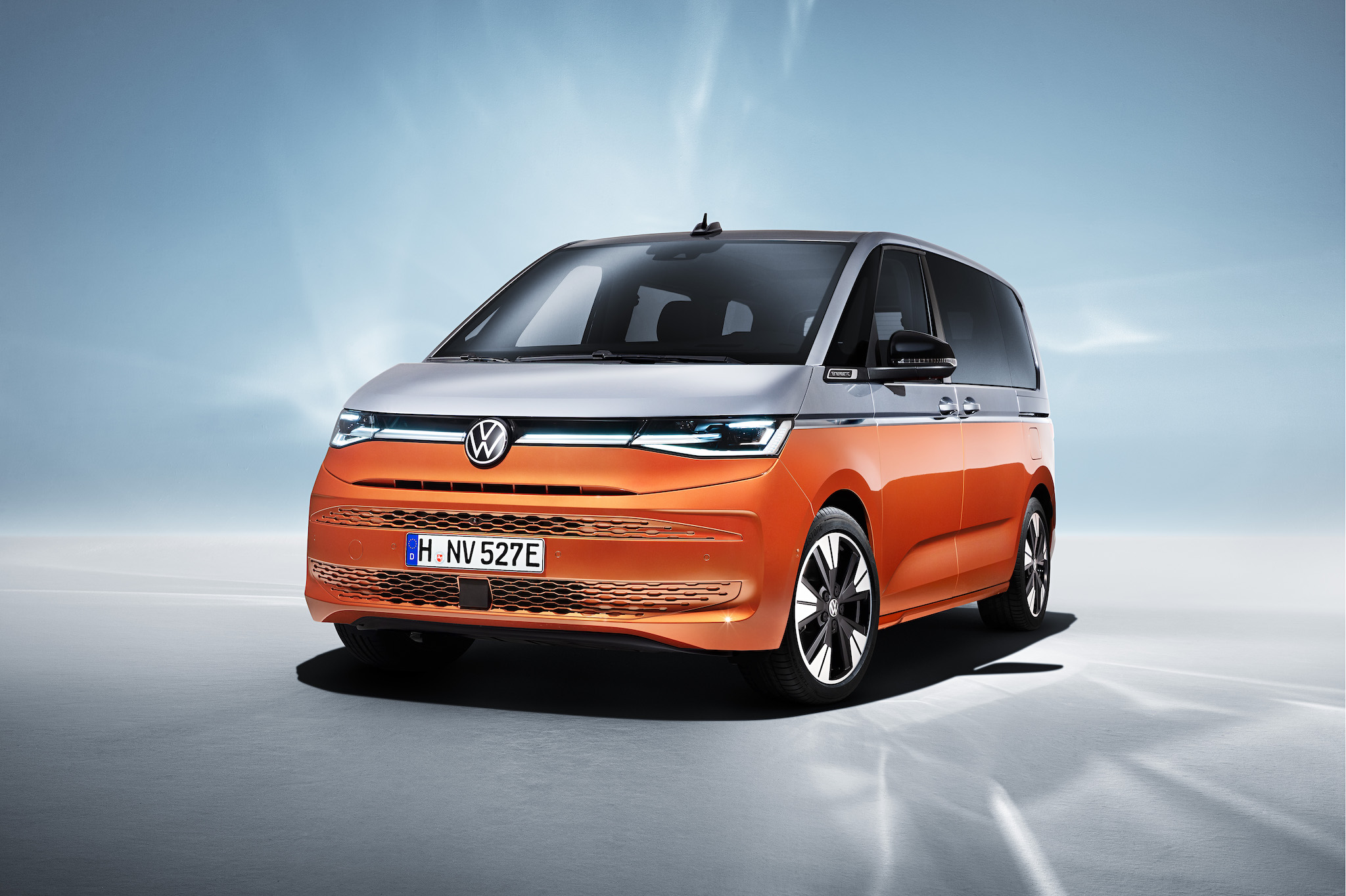
    Volkswagen Commercial Vehicles has revealed the all-new Multivan, which is a replacement to the Caravelle and will be targeted for the European markets. The Multivan is no longer built on the Transporter platform (on which the Caravelle was based) but is now based on the Volkswagen Group’s MQB platform, which just goes to show you the flexibility of this platform, which spawns everything from a Polo to now the Multivan.

    The Multivan has an all-new exterior design that pays homage to the DNA of its predecessors, dating back to the 1985 Transporter T3, with a horizontal design line and full-width grille and headlights, to give it a modern and dynamic look. The A-pillars have been remodeled to improve visibility, while unique front and rear light signatures give it a fresh look. The front air intakes, painted in the same color as the vehicle, have been reduced, paying tribute to the heritage of the rear air-cooled engines of the first three generations.

    The Multivan measures 1,941mm wide, 4,973mm long, up to 1,903mm high, and with a wheelbase of 3,124mm. A longer version, measuring 5,173mm is also available. Overall, it means the new generation has a longer wheelbase and wider, lower profile, all designed to improve aerodynamics, lower fuel consumption and increase range. The model is available with wheels up to 19 inches, and in three specifications: “Multivan”, “Life”, and “Style”.

    Optional is a panoramic glass roof, with LowE laminated safety glass to reduce incoming thermal radiation by 44 percent, as well as an electrically operated rear hatch and power sliding doors, which can be operated via gesture control for ease of entry.

    The Multivan is fitted with LED headlights as standard but can be upgraded to interactive IQ.LIGHT – LED matrix headlights, which offer a permanent full beam, without blinding oncoming drivers and dynamic cornering to provide precise illumination during bends. The IQ.LIGHT system also features an illuminated LED lateral bar in the radiator grille as a further element of the daytime running lights.

    Inside, the new Multivan is more flexible and spacious than ever, with a new modular, lightweight seating system and an innovative table. With space for up to seven seats, the rear five seats, which are up to 25 percent lighter, can be moved and removed to suit, while the second row can be moved 180-degrees to create a conference-style seating configuration. The full-width bench seat for the third row has been replaced by individual seats to allow single seats to be removed for complete flexibility.

    An innovative multi-function table has been designed for the new Multivan. Using the central track, it can be moved between any of the seating rows, and for the first time can be used as a centre console between the front seats. The table, which is completely removable, features adjustable height, three cup holders, and a storage bin.

    Enabling the flexible seating and table track system is the completely flat floor from front to rear seats with no center console, made possible by the removal of the traditional handbrake. Instead, the parking brake is activated electronically by button, or automatically. The new Multivan is offered only with an automatic DSG gearbox controlled via shift-by-wire technology, meaning the gearstick has been removed to further increase occupant space, with controls ergonomically integrated into the instrument panel.

    In base version the Multivan offers 469 liters of luggage space behind the third row of seats, extending to 1,844 liters (1,850 litres with panoramic glass roof) behind the second row. The full cargo capacity up to the front seats is 3,672, extending to a maximum 4,053 liters in the longer version fitted with the panoramic glass roof.

    The cockpit area has been completely redesigned alongside a new multi-function steering wheel. All key features in the new Multivan are now on one line of sight, with a secondary line for other functions to make operation as intuitive as possible. Touch controls provide direct access to settings such as air-conditioning, seat heating, and audio volume.

    On the central console are the 10.25-inch ‘Digital Cockpit’ display and the 10.0-inch infotainment touchscreen. Centrally arranged between the two on a high-gloss black surface are the new, minimalist shift-by-wire DSG controls. Integrated next to this are two USB-C sockets as standard and a tray for optional inductive smartphone charging. For the first time on a Volkswagen Commercial Vehicles model, a head-up display is available.

    The standard infotainment system is called ‘Ready 2 Discover’, which includes an integrated eSIM to deliver online safety and convenience features. We Connect can be used free of charge for an unlimited period, with services such as breakdown assistance, vehicle status, and parked position.

    We Connect Plus, available free for three years, provides extra services such as the ability to lock and unlock the vehicle or control the optional auxiliary heater remotely via smartphone. In combination with the more advanced, optional Discover Media and Discover Pro navigation systems, We Connect Plus includes further navigation-related services, such as online map updating and traffic information. We Connect Plus also provides additional services for the eHybrid, such as allowing owners to pre-set the vehicle inside temperature and to manage the charging process via smartphone.

    All infotainment systems can be combined with a Harmon Kardon sound system developed specifically for the Multivan. In addition to 14 high-end loudspeakers behind precision laser-cut panels, a 16-channel Ethernet amplifier with 840 watts of music output, and four sound settings, the system uses the ‘Fraunhofer Sonamic Panorama Algorithm’, which is able to separate out the individual sources of a stereo recording and distribute them evenly across a U-shaped acoustic stage, to create the optimum sound.

    The Multivan features more than 34 drivers assist systems enhancing safety, comfort, and convenience. Standard is the Front Assist area monitoring system, which includes City Emergency Braking, Dynamic Road Sign Display, and the Lane Assist system.

    Other new systems include Car2X – allowing local communication with other vehicles and the highways infrastructure in order to provide warnings of any danger, side protection, crosswind assist, turn-off assist, which warns of any oncoming traffic when turning across a carriageway, and an exit warning system, which warns when opening a door of any bicycles or vehicles approaching from behind.

    The Multivan also debuts IQ.DRIVE Travel Assist, which allows semi-autonomous driving by combining the predictive Adaptive Cruise Control and Lane Assist to make long-distance journeys safer and easier.

    Also available on the new Multivan is Area View, a real 360-degree representation of the vehicle using four cameras, visible on the 10-inch infotainment display, to making parking and maneuvering as safe and easy as possible.

    Based on the Volkswagen Group’s MQB platform, the new Multivan, which has a towing capacity of up to 2,000kg, is available with three powertrains, including for the first time in a Volkswagen Commercial Vehicles model, a plug-in hybrid (PHEV) option.

    The new Multivan eHybrid combines a 1.4 TSI 147 bhp engine with an 85kW electric motor to produce a combined power output of 215 bhp, providing silent, zero-emission driving when in electric-only mode for short, urban trips while giving customers the flexibility to enjoy longer journeys. The eHybrid uses a bespoke six-speed DSG gearbox.

    The 13kWh lithium-ion battery is housed under the Multivan’s flat floor, saving interior space and lowering the vehicle’s centre of gravity to improve handling. The charging point is located on the right-hand side of the front wing.

    The front-wheel-drive Multivan is also available with two four-cylinder turbocharged petrol engines: a 1.5 TSI and a 2.0 TSI. A four-cylinder turbo diesel will be introduced next year. Be rest assured though that the Multivan will not come to India.
  • 2021 Mercedes-Benz C-Class Teased Ahead Of Global Debut

    2021 Mercedes-Benz C-Class Teased Ahead Of Global Debut

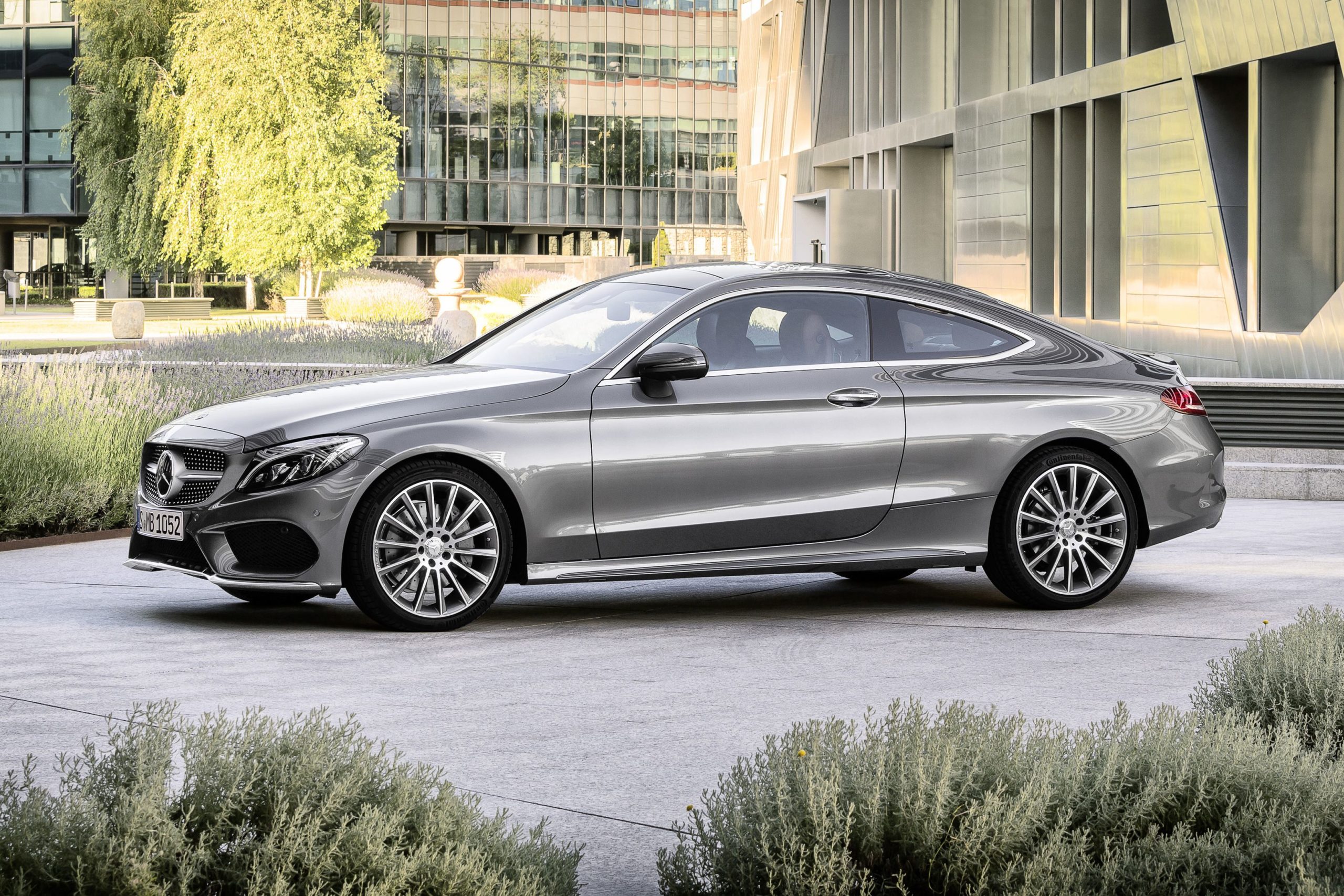
    The all-new Mercedes-Benz C-Class is all set to make its global debut on February 23 and the German carmaker has released a new teaser ahead of its arrival, showing us the silhouette of the new car. Interestingly, the teaser image also shows the silhouette of the C-Class Wagon which is not expected to come to our market but will be sold in the European markets. Now the 2021 Mercedes-Benz C-Class has been spotted testing multiple times and we have some idea of what all it will get and how it will look like.

    The changes made to the new C-Class are expected to give it more of a baby S-Class look where the design will draw inspiration from the flagship in the German carmaker’s range. The face on the new model looks a bit sharper sporting a slightly protruding nose while it also gets a new and bigger radiator grille. Then there are sleeker headlights while at the rear there are horizontal taillights, similar to those we saw in some of the newer models from the carmaker’s stable.

    Now we are not expecting the new C-Class to be a whole lot different from its predecessor but the makeover surely is expected to add a sense of freshness in its appearance. That said, some significant changes are expected on the inside of the new C-Class, starting with a new dashboard that will sport a neatly integrated touchscreen unit, instead of the tablet-like unit in the outgoing model.

    Now, similar changes are expected on the other models in the C-Class range as well, like the AMG C53 and C63 models, but we expect to see the sedan first. Under the hood of the C-Class sedan, we expect to see the new 2.0-liter, four-cylinder diesel, and petrol engines along with a mild-hybrid setup. The model is expected to arrive in 2022 in India while we are waiting for the new A-Class limousine to go on sale this year.

  • TikTok could be forced to stop operating in the U.S. following a hearing scheduled for next month

    TikTok could be forced to stop operating in the U.S. following a hearing scheduled for next month

    a U.S. judge said today that he will hold a hearing on November 4th-the day after election day-to decide whether the U.S. government can ban transactions with TikTok. The popular short-form video app is owned by ByteDance, a Chinese manufacturer that the Trump administration fears is passing on personal and corporate data to Beijing. An executive order signed by the president in August ordered ByteDance to divest itself of TikTok’s U.S. operations or have it removed from app stores in the states.

    At first, the president gave a thumbs up to a deal that would create a new company called TikTok Global that would be 80% owned by ByteDance and 20% owned by U.S. firms Oracle and Walmart. The plan was for TikTok Global to go public via an IPO. Since the president had earlier mused about the U.S. Treasury getting paid for the country’s participation in a TikTok deal, we wonder how the distribution of the shares would be handled with millions of dollars of possible profits at stake. Talks between all of the parties involved continuing.

    Meanwhile, a preliminary injunction issued by U.S. District Judge Carl Nichols on September 27th prevented the U.S. government from forcing the Apple App Store and Google Play Store from removing their listings for TikTok. The latter is not even close to being out of the woods in the states. First of all, the current injunction is temporary and another Trump-signed executive order against TikTok and ByteDance takes effect on November 12th. This order will shut down TikTok in the U.S. if there is no deal to divest the popular app by then. According to a schedule released by the court, no ruling on any legal matter before the court in relation to TikTok will be issued until late next month at the earliest.

    What’s holding up the deal are questions about majority ownership of the new company; additionally, China needs to approve the transaction and the country now bans the export of Chinese-made algorithms to other countries. TikTok uses such an algorithm to determine what video subscribers can see. This technology reportedly would not be included in any deal between ByteDance, Oracle, and Walmart.

    TikTok is beloved by many teens who use the app to create 15-second and 60-second videos of lip-synchs, dances, pranks, and more. During the pandemic, teens stuck inside their homes turned to the app to give them something to do. In the states, TikTok has 50 million active daily users and 100 million active monthly users; the latest data from app analytical firm Sensor Tower reveals that TikTok was the top-grossing app worldwide during the third quarter. It also was the most downloaded app on iOS and Android during the three months that ended in September. Consumer spending on the app rose 800% on an annual basis from July through September.

    As with most Chinese tech firms that operate some sort of business in the states, the U.S. government considers TikTok and it’s parent company to be national security threats because of their perceived close ties with the Communist Chinese government. There never has been any proof that these firms (such as Huawei and ZTE) have backdoors built into their products in order to obtain personal data. In the case of TikTok specifically, the fear is that 100 million Americans could be at risk of having this information sent to a server owned by the Communist Chinese government.

  • Driver Arrested For Sleeping While Tesla Was On Autopilot At 140 kmph

    Driver Arrested For Sleeping While Tesla Was On Autopilot At 140 kmph

    A Tesla driver in Alberta, Canada was arrested for sleeping while the car was cruising at 140 kmph on the Autopilot. “Alberta RCMP received a complaint of a car speeding on Highway 2 near Ponoka. The car appeared to be self-driving, traveling over 140 km/h with both front seats completely reclined & occupants appeared to be asleep,” posted the official RCMP twitter account.

    “The driver received a Dangerous Driving charge & summons for court,” tweeted the RCMP. In a more detailed report on its own website, it was revealed that the driver was a 20-year old whose license was suspended for fatigue. “Although manufacturers of new vehicles have built-in safeguards to prevent drivers from taking advantage of the new safety systems in vehicles, those systems are just that – supplemental safety systems,” Superintendent Gary Graham of Alberta RCMP Traffic Services stated in the RCMP report. It also noted that Tesla’s didn’t come equipped with self-driving systems and onus is still on the driver to drive the car.

    Tesla itself doesn’t allow its users to implement the Autopilot feature for full autonomous use. It also adds a number of safeguards such as reminders and requires the driver’s hand on the steering wheel frequently for staying enabled. That being said, many users have proven the ability to manipulate the system and the same has been pointed out by many on Twitter who noted that this was probably a prank.

    This comes at the backdrop of Tesla’s founder claiming that a big update for its autonomous capabilities is in the works thanks to the neural network it is running on the DOJO supercomputer. The latest Tesla’s run its FSD chips for its autopilot capability while the older ones are based on Nvidia’s semiconductors. Next week, Tesla is also slated to announce some big updates related to its battery tech at its battery day event.

  • Perry Ellis International founder launches buy-back

    Perry Ellis International founder launches buy-back

    The founder of Perry Ellis International is leading a US$437 million privatisation of the company.

    George Feldenkreis will buy all the outstanding common shares of the company not already owned by members of his family.

    “I believe that Perry Ellis’ ability to invest and innovate is limited by the short-term pressures of being a public company,” said Feldenkreis in a statement.

    “I am confident that as a private company, Perry Ellis will be best positioned to make investments in digital innovation, artificial intelligence and marketing, that support our long-term strategy to grow the company’s powerful global lifestyle brands, while expanding into higher-margin businesses and channels of distribution, including international, direct-to-consumer and licensing.”

    Once the purchase is complete, Feldenkreis will return to an active management role within the company, but oscar Feldenkreis will continue as CEO.

    “The completion of this transaction will enable Perry Ellis to preserve the integrity of its infrastructure and business units across the US and abroad. Our partners should benefit from our enhanced ability to make long term investments in brands, technology and innovation while continuing to remain focused on executing on our long-term growth strategy,” said Oscar Feldenkreis.

    Perry Ellis International manages a large portfolio of brands in fashion, fragrances and accessories, including Jag, John Henry, Jantzen, PGA Tour and Girlstar. The company was founded in 1967 and previously known as Supreme. It bought the Perry Ellis brand in 1999 and subsequently took on the name.

  • Geely’s Volvo to go all electric with new models from 2019

    Geely’s Volvo to go all electric with new models from 2019

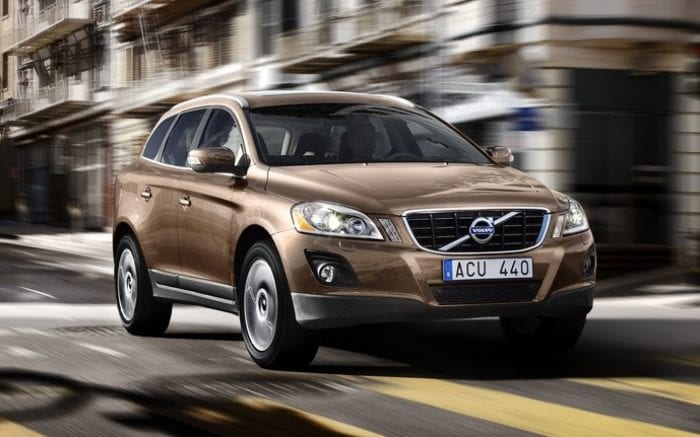
    Geely-owned Volvo Car Group said on Wednesday all new models launched from 2019 will be fully electric or hybrids, spelling the eventual end to nearly a century of Volvos powered solely by the internal combustion engine.

    The Gothenburg-based company will continue to produce pure combustion-engine Volvos from models launched before that date, but said it would introduce cars across its model line-up that ranged from fully electric cars to plug-in hybrids.

    Volvo’s plans make it the first major traditional automaker to set a date for the complete phase-out of combustion-engine-only models though electrification has long been a buzzword across the industry and Elon Musk’s Tesla Motors has been a pure-play battery carmaker from day one.

    “This announcement marks the end of the solely combustion engine-powered car,” Volvo Cars Chief Executive Hakan Samuelsson said in a statement.

    Five new models set to be launched in 2019 through 2021 – three of them Volvos and two Polestar-branded – will all be fully electric.

    “These five cars will be supplemented by a range of petrol and diesel plug in hybrid and mild hybrid 48-volt options on all models,” Volvo said.

    “This means that there will in future be no Volvo cars without an electric motor.”

    Volvo has invested heavily in new models and plants since being bought by Zhejiang Geely Holding Group from Ford Motor Co. in 2010, establishing a niche in a premium auto market dominated by larger rivals such as Daimler’s Mercedes-Benz and BMW.

    Part of its strategy has also been to embrace emerging technologies which allow higher performance electric vehicles as well as, eventually, self-driving cars.

    Only last month, Volvo said it would reshape its Polestar business into a standalone brand, focused on high-performance electric cars aimed at competing with Tesla and the Mercedes AMG division.

    Volvo has also taken steps towards an eventual listing, raising 5 billion crowns from Swedish institutional investors through the sale of newly issued preference shares last year, though the company has said no decision on an IPO has been made.