Retail News CRM

Tag: Athleisure

  • Global athleisure wear market expect strong growth numbers

    Global athleisure wear market expect strong growth numbers

    Consumer desire for a multifunctional wardrobe is set to continue driving the global athleisure wear market, according to data and analytics research group GlobalData.

    Over the last two years, the athleisure trend has risen as demand for comfort, performance and style has driven the need for a multifunctional wardrobe. 68 percent of consumers who purchased sports clothing for exercise also wore such items for eating out or shopping.

    The firm forecasts that the global athleisure wear market will rise 9 percent this year and will continue to outperform the total clothing and footwear market beyond their 2023 forecast period.

    “Over the next five years, the sportswear market will be one of the leading retail sectors,” said GlobalData principal retail analyst Honor Strachan. “Activewear brands are selling consumers a lifestyle, and fashion retailers are leveraging their style credentials to produce affordable fitness ranges to sell alongside core casual and formalwear collections.”

    In the UK, 20 percent of consumers purchased sports clothing specifically for leisure activities and free time, not to exercise in.

    “This willingness to pair sportswear with core wardrobe pieces has opened sportswear brands up to new audiences and allowed them to diversify into new product areas,” said Strachan, “boosting their share of the global clothing & footwear market.”

    While fashion trends and influencers have driven the success of the global athleisure wear market , the sustainability movement will continue to support the desire for a multifunctional wardrobe. Consumers are purchasing more consciously and reducing spend on fast fashion, playing into the hands of those retailers and brands that can showcase the versatility of their items, as well as the durability and quality.

    Moreover, increasing consumer appetite for comfort has also fuelled sales of activewear and trainers with brands utilizing their technical expertise in ensuring products offer freedom of movement, aid temperature and sweat control, shape the body and provide support. These qualities have filtered into consumers’ everyday wear and not just when they are at the gym.

    Adoption of the athleisure trend in much of Asia has been slower, so international and national brands are leveraging social media, third-party selling platforms and brand ambassadors to sell the appeal of having a sports and street-influenced wardrobe.

    “Chinese brand Li-Ning has exploited its credentials as a sports manufacturer to produce high fashion casualwear which can be worn for training or leisure,” concluded Strachan, “while Nike’s instore and online outfit styling provides inspiration on how to wear pieces for multiple uses encouraging consumers in China, Taiwan, South Korea, and Japan to incorporate sportswear into their everyday wardrobes.”

  • Athleisure trend boosts Yue Yuen sales in 2018

    Athleisure trend boosts Yue Yuen sales in 2018

    Yue Yuen Industrial, the world’s largest manufacturer of athletic, athleisure, casual and outdoor footwear, boosted revenue by 6.3 per cent last year.

    Yue Yuen makes shoes for a raft of brands, including Geox, Levi’s, Rockport, Carters and Pony. Its subsidiary Pou Sheng operates a network of some 5500 directly operated stores and 3000+ sub-distributor stores, predominantly on the mainland.

    For the year to December, the Group recorded revenue of US$9.695 billion, with gross profit up by 4 per cent to $2.446 billion. However, profit attributable to shareholders fell 40.9 per cent to $307.1 million, mainly due to operating deleverage within the manufacturing business, a reduction of the non-recurring gain for the year, and higher finance costs.

    Yue Yuen said revenue attributed to footwear manufacturing (including athletic shoes, casual/outdoor shoes and sports sandals) declined by 1.5 per cent to $5.39 billion, whereas the volume of shoes produced increased by 0.4 per cent to 326 million pairs. The average selling price decreased by 2 per cent to $16.53 per pair, compared with the previous year.

    The group’s athletic footwear category outperformed all other categories as a result of the global athleisure trend, accounting for 79.2 per cent of footwear manufacturing revenue last year. Casual and outdoor shoes accounted for 19.1 per cent of footwear manufacturing revenue.

    The group’s distribution sales are derived primarily from Pou Sheng, involving in retail operations for international sporting goods brands in the Greater China region. Last year, the revenue attributable to Pou Sheng grew by 23.3 per cent to $3.422 billion.

  • The shares of Lululemon athletica have risen 90% in 2018

    The shares of Lululemon athletica have risen 90% in 2018

    Over the past 12 months, shares of lululemon athletica have risen 90%. The most recent surge came after an upgrade on 2018 holiday season guidance, helping the athletic-wear stock rebound from a slump brought on by a broad stock market sell-off at the end of the year. Lululemon has enjoyed several tailwinds. Athleisure (that is, activewear and sports-inspired clothing for all situations) has continued to grow in popularity, and consumers have been generously spending — to the tune of 4.9% more on clothing alone in 2018, according to the U.S. Census Bureau. After a blockbuster run, though, Lululemon may have a difficult time repeating that same success in the new year.

    It is easy to see why shares of the clothing company have come roaring back. During the all-important holiday shopping season, management updated revenue guidance to between $1.14 billion and $1.15 billion, up from previous guidance of $1.12 billion. Earnings per share also got an upgrade to a range of $1.72 to $1.74, up from a range of $1.64 to $1.67.

    The results are impressive, but Lululemon has been measured by how it approaches expansion. Through the third quarter of 2018, there were 426 physical stores, up a net 22 from the start of the year. Instead of growing primarily by new openings, the company has instead benefited from a surge in same-store sales at existing stores — which increased 6% during the third quarter — as well as directing traffic to the online store. Direct-to-consumer sales were 25.3% of revenue in the third quarter, compared with 21.2% in the same period in 2017.

    Lululemon is not alone in the athleisure-wear category, though. Gap and its Old Navy and Athleta brands continue to grow their presence in sportswear, and the largest sports-only chain, Dick’s Sporting Goods, has also launched its own branded lines of clothing. Yet in spite of the competition, Lululemon has continued to resonate with new and existing buyers, both here in the states and abroad.

    The maker of stretchy pants and other sports-inspired clothing could nevertheless continue to run higher. After all, Lululemon has momentum on its side, both on the top and bottom lines. Even should sales growth take a breather, management has said it thinks gross profit margin on product sold could continue to expand, especially as a result of the emphasis on direct selling online and new higher-margin products such as coats and sweaters.

    On the other hand, there is reason for investors to give pause before jumping on the bandwagon. Even after earnings nearly doubled in 2018, the stock still trades at a premium, largely because share performance matched that of earnings. The trailing-12-month price-to-earnings (P/E) ratio currently sits at 52.5, a metric that only slightly improves to 43.2 when using free cash flow — a better measure of profitability, as it factors only for basic operating expenses and capital expenditures and excludes items such as depreciation and amortization.

    On a one-year forward basis, the P/E is currently at 40. Paying for decades’ worth of profits that haven’t yet been realized only makes sense if the bottom line continues to expand at breakneck speeds, and that’s what is implied in the rich valuation. Thus, there’s little room for error, and if there’s any slowdown at Lululemon, the stock could suffer losses at current levels.

    Of course, for those looking to the long term, Lululemon looks like a solid bet on the apparel industry of the future. Nevertheless, after renewed investor optimism over new fourth-quarter guidance, the stock is too rich for my taste.

  • Superdry forays into sports fashion category, to open 50 retail stores in 3 years.

    Superdry forays into sports fashion category, to open 50 retail stores in 3 years.

    Recognizing the immense scope in the lucrative fitness market that has hit the country, Superdry announces its venture into Sports category under the name SuperdrySport. The brand is all set to open its first exclusive Sport store in the country that will celebrate technical sports gear, athleisure, great design and outstanding craftsmanship at DLF promenade, Delhi.

    From technical gear to workout essentials, SuperdrySport has everything from active wear, athleisure and sportswear. With pieces engineered to enhance performance and aid- goal focused activity, to more fashion lead items made with sports fabrics but designed more to turn heads, there are items carefully mastered to suit whatever your ability. Geometry and pop grid structures are complimented with layered mesh weaves. The highly technical performance range is created with a distinct ‘win’ attitude featuring compression fits and engineered ventilation designs.

    The 1076sqft, brand-owned Delhi outlet located at this premium location retains the Superdry DNA of clean lines set against raw finishes yet takes a leap forward into the fresh brand of SuperdrySport by merging the future technology, lighting and finishes to enhance the experience of the customers. SuperdrySport stores will have the ability to evolve with seasonal change, product sales and popularity or gender demand allowing maximum traction from every square meter. It is sure to catch the eye of a millennial customer.

    Millennials are increasingly buying clothing that’s characterized by durability and utility, this shift has led to a surge of interest in brands offering innovative designs, new functionality and practical fashion.

    With many celebrities donning the athleisure look, the trend has reached Tier 2 & Tier 3 cities as well. Having understood this potential Superdry plans to open stores in these cities as well soon.

    The report published by Global Industry Analysts Inc., the global market for Sports and Fitness Clothing is projected to reach US $231.7 billion by 2024. The research also indicates that technological developments designed to improve comfort and performance has also led to the growth in sales of sports apparel. The report points out that the Asia-Pacific region is expected to be fastest growing region, with a CAGR of 6.9 percent over the forecast period. Sales came from emerging markets, such as India and Thailand, as well as the US, the world’s largest sportswear market.

  • Tracking the dynamics of India’s gym wear market

    Tracking the dynamics of India’s gym wear market

    Whether or not one shows dedication in maintaining their gym routine is debatable, but it is an undeniable fact that gyms are doing well when it comes to their membership registers being filled. India’s waking up to being healthy and this means tons of gym memberships. This also means that when one takes a gym membership, the very next thing they do is head off to stores that deal in gym wear. Or they just log on and buy gym clothes and accessories. The demand for gym and active wear is growing in India because of a desire to stay fit and healthy. IMAGES Business of Fashion takes a look at the market dynamics…

    Setting the context for the story, Pallavi Burman, Head – Marketing, HRX shares, “The Indian active wear industry is currently estimated at a whopping Rs. 8500 crore. It is expected to continue growing at CAGR 12 percent and touch expected sales of approximately 6X at Rs. 54,000 crores by 2020.”

    Burman attributes the reason for this to growing health and wellness trend in India along with an increase in the number of sporting clubs, increased interest in sporting activities like football, basketball, tennis, badminton and cricket, the Indian active wear industry is fast proliferating. She says, “More disposable income and general inclination towards fitness is rising and resulting in the growth of this industry.”

    Another major reason for an increase in demand for gym wear is having Bollywood celebrities being spotted in gym gear, especially the likes of Hrithik Roshan, Malaika Arora and Kareen Kapoor Khan. It isn’t uncommon to see Page 3 pictures of these celebrities in their gym wear. The glamour magazines often have pictures and articles of how celebrities are taking gym wear to the streets and this eventually does give a fillip to the demand for workout clothes in the country.

    Market Overview

    Perhaps the above well explains the emergence of active wear in the country. Where dedicated gym wear is opted for only by a handful few, those opting for working it out in the gym clubbing their active wear or sportswear as gym wear. No wonder then that brands in India too offer gym clothes under the category of ‘active wear’.

    Pallavi Burman decodes the difference between the often clubbed together categories of active wear, athleisure wear, sports / performance wear. “By definition, athleisure and active wear clothing are those which can be worn from studio to street. Sportswear or performance wear, however, is clothing which help athletes or sports persons enhance their performance specially items like shoes, technologies like compression, socks in some sports etc.”

    Nivida Kohli, Design Manager, Numero Uno shares her views, saying, “As of today each distinct category is reinventing itself. This is a phase where the consumer market is changing since there is a generic shift towards more flexible lifestyles. Once this change settles in, I believe there will be clearer newer distinct definitions for sportswear and athleisure.”

    However, a lot many online players have an exclusive category for gym wear and some have gone a step further to have their portals dedicated to offering nothing else but gym clothing.

    The emphasis is more on offering men’s gym wear than having something specialized for women and unfortunately in India, gym wear still consists of mostly leggings and sports brassieres, although bigger brands have started innovating for women as well now.

    Taking note of this gap, brand Mojostar in association with Bollywood actor Jacqueline Fernandes, recently launched their exclusive portal www.justf.in that is dedicated to women’s active / gym wear.

    Just F was launched after Jaqueline and CEO Mojostar, Abhishek Verma, realized the gap in the market for women’s gym / active wear.

    “Sportswear needn’t be super masculine, so we are introducing fusion elements, florals, and may even add lace to some designs,” says Jacqueline Fernandes in a media interview. She has actively participated in the designing of the brand and has ensured that little things are not given a miss like pockets in fitness wear, the positioning of the straps and hooks and the materials used for leggings.

    According to Abhishek Verma, the focus for the brand for now would be functionality and support. The brand is also going quite aggressive with their collection of sports bras.

    The research by the brand indicated that most of the international brands that are present in this category design their range keeping in mind the target audience of western countries, which don’t fit the average Indian woman. Another reason for launching Just F was to give Indian women appropriate exercise clothing at reasonable costs, especially since most international brands come with a hefty price tag.

    Growing Demand

    Pallavi Burman says that with Indians becoming more health conscious and image sensitive, their pursuit for fitness has increased. “The average age bracket for Indian fitness enthusiasts is 20-35 years, which makes for the majority population of young Indian students and professionals. This target set loves to experiment with their wardrobe. Office wardrobe has drastically changed – we don’t see dress pants and brogues and oxfords anymore. Jeans and trainers have smoothly replaced these items. Everything in today’s clothing spells comfort and chic,” she says as way of explanation of why there a fillip in the performance wear category in Indian retail has been noticed.

    She explicates that to be able to tap into this big chunk of the Indian population with available disposable income and the affinity for fitness, brands and minimalistic wardrobe brands have to focus hugely on active wear and the athleisure segment.

    Gym Wear Essentials in India

    According to Pallavi Burman, a pair of leggings and shorts for women and men respectively –usually a loose tee and a pair of decent walking shoes – constitute for basic gym wear in India.
    “But this isn’t enough if the exercise routine includes more than walking. While almost 50 percent of Indians still prefer traditional ways of staying active like walking and running, the other 50 percent are inclined to swimming, cycling and other sports and training means. For targeting this kind of segmentation one needs to delve deeper into sub categories.”

    What makes gym wear more intricate for women is the inclusion of a high-performance sports bra. Without a well-designed sports bra, the gym wear ensemble for women remains incomplete. Quite a few Indian brands that have taken note of this and the range available online as well as offline is exhaustive. It is interesting to see brands like Triumph launching exclusive brassieres for gym wear considering they are a premium lingerie wear brand. The option they have is bounce control certified by world renowned Research Group in Breast Health, the University of Portsmouth. Elaborating on the same, Jennifer Kapasi, Commercial Director, India & Sri Lanka, Triumph International shares, “Triaction by Triumph is a stylish, high-performance sportswear collection that gives modern women the freedom to train how and when they like. Boasting the best bounce control levels on the market, three versatile fits and superior comfort, Triaction supports women throughout the day—on the go from the gym or studio in complete style.”

    Innovative Fabric Play

    Anything that stretches and helps absorb sweat yet keeps the fabric dry is the most preferred fabric when it comes to performance wear. Reiterating the same, Pallavi Burman says, “The fabric we use is always stretchable “wicking” blend made up of polyester and lycra. We also use a breathable mesh fabric as design and utility elements and several other performance enhancing features like anti-microbial layering, UV protection, rapid dry etc.”

    When you go through the collection, what catches your attention is interesting mélanges for both men and women. She says, “Color blocking and coordinated sets are finding a big audience in this space now.”

    Adding in a safety feature to go along with their sportswear, Numero Uno uses reflective N1 ACTIVE prints that act as safety alerts along with digital and high-density prints for a futuristic fashion flare. Kohli further adds, “For our sportswear/active wear, we are using fabrics that have technically advanced finishes with features like Anti-Static, quick dry, moisture wicking, Windproof, water repellent, Anti-microbial, odour control, easy care etc.”

    Triumph has developed two series of specialized brassieres that use innovative fabrics for the woman on the go. Their Dynamic Lite series with 3D Powertech material is made from the innovative fabric Dynamic Lite, which offers flexibility that keeps its shape over time. It fuses three innovative fabrics in one, is a two-way stretch fabric, has a strong lightweight mesh and soft moisture management lining which are insightfully laminated together, allowing the bras to stay very light and adjustable to all body shapes. These features make the bra light and comfortable to wear with its functional unpadded fabric combination. This innovation received an honorable mention at the 2016 Red Dot Deign Awards.

    Elaborating on the second innovation, Jennifer Kapasi says, “Our Magic Motion series is made from the most comfortable fabrics. Powered by LYCRA sport technology, these bras have stay dry properties, bacteria-reducing fabric with moisture management mesh. Extremely elastic fabric using LYCRA, guarantees unique freedom of movement.”

    The next generation LYCRA® SPORT technology combines the proven stretch performance of LYCRA® fibre with demanding testing standards that measure fabric performance descriptors on a simplified 1-10 scale. The three indexes measure Power, Comfort and Energy (PCE™). Triumph has gone ahead to combine these indexes to create performance levels tailored to fit each garment’s end use.

    The range at Just F is made using polyester-spandex or polyester-cotton blend which well suits the Indian climate.

    Promoting Gym Wear

    Since gym wear is a part of the performance wear / active wear category, brands don’t actively engaging in marketing and promotion initiatives targeting gym goers. However, on the other hand, some brands like HRX go the extra mile to reach to their target audience right at the place they are at – i.e. the gym!

    Pallavi Burman reveals, “Ours is the first homegrown, successful fitness brand in the country. We have multiple partnerships for various verticals all-leading to and adding up to fitness. We have our active wear and athleisure collection exclusively available on Myntra, we have the signature HRX Work out available at all Cult gyms, we have HRX Athlete meal packs selling at Eat.fit and we have our Mi HRX fitness bands available with Xiaomi. Across the three partners we have active communication all around the year on Digital, TV, OOH and Cinemas. Needless to say Hrithik is the face of HRX and this is the biggest draw for building customer engagement.”

    On whether there is a genuine demand for gym / active wear in the country, especially by women, Jennifer Kapasi says, “Women who regularly work out and those who lead an active lifestyle desire sport specific garments designed to help optimize performance. They pay a lot of attention to the fabric when buying a sports bra. In general, they will tend to look for hi-tech fabrics with ‘moisture-wicking’ and ‘stay-dry’ features. One of the most important qualities women look for is a high percentage of Elastane which not only makes the bra comfortable to wear but also retains its shape after multiple uses.”

    To launch their Autumn/Winter ‘18 Triaction – a collection by Triumph – took a digital approach through the launch of an online campaign ‘Team Triaction’, featuring four inspiring women, undertaking a fitness challenges to test both mind and body.

    “Team Triaction is led by actress and fitness enthusiast Mandira Bedi. She is joined by celebrity fitness instructor and owner of a Pilates studio Namrata Purohit; popular yogi and influencer Yogasini (aka Radhika Bose); and lifestyle and beauty influencer Juhi Godambe. The campaign also included a weekly contest with four rounds for Instagram and Facebook fans,” states Jennifer Kapasi.

    Getting Future Ready

    While there are a lot of dedicated online portals for gym wear, it remains to be seen how these enterprises survive over a period of time with their niche offering. With fitness being seen as a goal on everybody’s to-do list, especially with the new year approaching, all the gyms will experience a full house and so the sale of gym wear eventually is going to go up, but it is completely upon these brands to maintain the tempo for after all.
  • Lululemon founder to join the takeover bid for Amer

    Lululemon founder to join the takeover bid for Amer

    Canadian founder of yoga-apparel retailer Lululemon Athletica Inc., Chip Wilson, is close to joining the Chinese investor group pursuing a takeover of Amer Sports Oyj. The billionaire is in talks to take around a 20 per cent stake as part of the consortium led by Anta Sports Products Ltd. The buyer group and Helsinki-based Amer could announce a takeover agreement as soon as the next few weeks, a anonymous source reported.

    Shares of Amer climbed by the most in almost three months.

    Chinese internet giant Tencent Holdings Ltd. has been discussing joining the Anta consortium with a stake of roughly 5 to 10 per cent.

    Anta said in September it had teamed up with Chinese buyout firm FountainVest Partners to make an indicative offer valuing Amer at about 4.7 billion euros (US$5.3 billion).

    Negotiations are reportedly ongoing, and precise terms could change. No final decisions have been made, and the talks could still be delayed or fall apart.

    A representative for the Chinese consortium said she couldn’t immediately comment. Wilson couldn’t immediately be reached. A spokeswoman for Tencent declined to comment, while a representative for Amer didn’t immediately respond to a request for comment.

    Shares of Amer surged as much as 9.7 per cent — the most since Sept. 11 — before trading up 7.2 per cent to 35.44 euros as of 1:26 p.m. in Helsinki.

    Wilson’s holding company Hold It All Inc., which manages his family’s investments and real estate, also has a private equity unit and a philanthropic arm. He stepped down from the board of Vancouver-based Lululemon in 2015, two years after resigning as chairman. Wilson has a net worth of about US$3.5 billion, according to the Bloomberg Billionaires Index.

    Anta, which has a market value of about US$12.5 billion, has been working to grow its business overseas amid a Chinese government push to expand in sports ranging from soccer to skiing. Amer’s portfolio of well-known sports brands, including Salomon ski equipment, could be an attractive prospect for Anta ahead of the upcoming Olympic Games in Asia.

  • Caelum Greene, the first multi-brand fashion store in Hong Kong

    Caelum Greene, the first multi-brand fashion store in Hong Kong

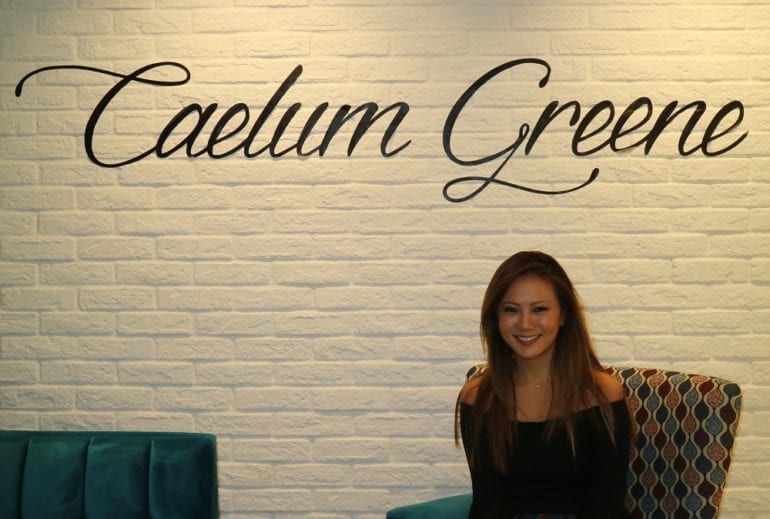
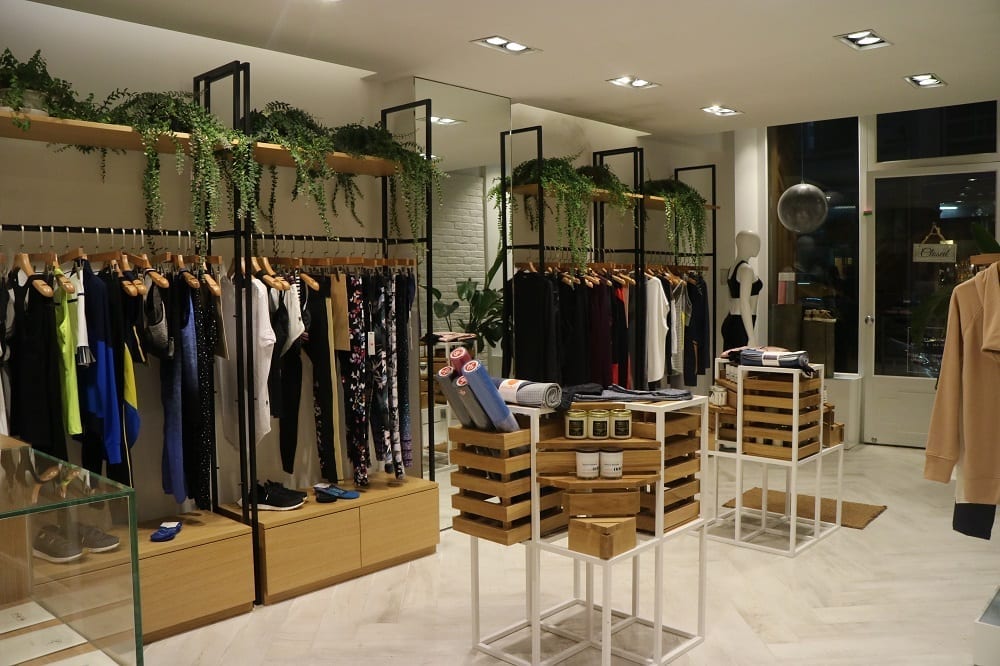
    Featuring mannequins stretched out in graceful yoga poses, Caelum Greene is hard to miss on Hollywood Road.

    Hong Kong’s first multi-brand athleisure and lifestyle fashion store soft-opened in June 2016, attracting a clientele of health-conscious customers who love looking and feeling good.

    After only 1 year of operations, Caelum Greene is launching its e-commerce site on 5 January 2018.

    Designed and curated for the modern-day mindful customer, the brands offered readily merge wellness with fashion. With two elegant yet cozy, eco-friendly locations in Hong Kong, Caelum Greene is looking to extend its ethos to a wider audience with its upcoming online presence.

    Serving as the bridge between the modern day gal and sustainably conscious designers, Caelum Greene’s online presence will continue to showcase its outstanding ethos and dedication to a better world.

    Caelum Greene carries brands offering versatile, high-quality fabrics made with the heart and mind. These include high-tech athleisure brands Daquini, MICHI, Monreal London, as well as fashion and lifestyle brands Tach Clothing and Filippa K. Caelum Greene is committed to actively giving back to the community, and its online experience will be no different.
    Continuing its partnership with Asia’s largest sustainable fashion NGO, Redress, Caelum Greene will donate a percentage of the online sales to the organization for every order placed. The aligned missions and collaboration will give clothing a second chance at life, filtering it through the system to be upcycled or recycled. The collaboration aims to prove that together, we can reduce waste in the fashion industry.

    Together, the online platform and brick-and-mortar stores will allow Caelum Greene to maximize its positive impact.

    Founder Charlotte Tsuei emphasizes that “it is important to me that wherever Caelum Greene goes, it brings positive and meaningful change to the community.”

    Charlotte Tsuei describes Caelum Greene as “an alternative to shopping more sustainably without compromising on style and quality.” The brands at Caelum Greene are carefully curated based on their style, quality, value, uniqueness and their core ethics similar to Caelum Greene. “We hope to able to move the needle, even just ever so slightly, towards a more sustainable future for fashion.”

  • Athleisure slowdown fails to dent Lululemon

    Athleisure slowdown fails to dent Lululemon

    Someone forgot to inform Lululemon there is a slowdown in the growth of the athleisure category.

    The Canadian company’s latest results stand in direct contrast to those of many other sporting retailers, with both total and comparable sales surging ahead by 13 per cent and 7 per cent, respectively. Online sales surged 30 per cent.

    The numbers are a testament to Lululemon’s brand strength, the credibility of its products, and to its constant focus on innovation. They have enabled the group to take share in a crowded, competitive marketplace where consumer demand is a little more muted than it once was.

    While the North American market is far from saturated, it is encouraging to see it pursue international growth. The brand is already a hit with younger Chinese shoppers with both new physical stores in China and the digital Tmall store performing well above expectations. Given the embryonic stage of development, there is significant headroom for future growth in China. The same argument applies, albeit to a lesser degree, in Europe.

    The latest results also underscore the fact that many of the problems faced by players like Dick’s or Foot Locker stem, not solely from the fact that athletic wear demand is more subdued, but because consumers are increasingly switching to buying directly from brands. Lululemon is proof that a well-configured, focused brand can secure customer loyalty far better than a retailer selling a diffuse range of different products with little coherence.

    Despite the great sales numbers, a slight disappointment comes from the bottom line, where operating margin and net income ($48.7 million) both fell. Some of this was down to asset impairment and resulting costs, but even when this is factored out the results were still weaker than the prior year. All that noted, the softer profit numbers are perfectly acceptable, mainly as they are a consequence of the various investments and initiatives Lululemon is undertaking to strengthen its position in the market Given these are bearing fruit, the long-term prognosis still looks good.

    Among these initiatives was Lululemon’s first global brand campaign, which launched in May, and helped to raise the profile of the company. Although the marketing focused on overtly yogic themes of breathing, letting go, self-discovery, and humility – the more general imagery resonated with a much wider audience. From our data, it is clear that Lululemon has successfully connected with new groups of customers as a result.

    Another area of success, partly but not solely driven by the marketing push, has been the number of men buying Lululemon product. Numbers have risen consistently over the past year or so, but we now see evidence that the trend is accelerating. Among Lululemon’s male shoppers, average spend is up as is the average number of products purchased. Some of this is the result of a much more comprehensive range of men’s product, especially beyond bottoms, which is the traditional entry product to the brand. The focus on performance materials and features has also proved very popular.

    In successfully pivoting from being a women’s brand to one that now appeals to both genders, Lululemon stands in marked contrast to Under Armour, which has seen only limited success in attracting women. This augurs well for the future as Lululemon has much more runway with male shoppers.

    Despite making much more effort with men, Lululemon has not lost its focus on womenswear. The complaint about bland product lines has now largely been fixed, with new colors, patterns, and styles helping to drive interest and purchases among many female shoppers. Equally, the continued investment in new fabrics and designs has encouraged upgrading and new purchases alike.

    Looking ahead, the balance of this year should be positive for sales. We are particularly encouraged about the holiday quarter as we think Lululemon will, once again, be a key gifting brand. While we caution that the restructuring of Ivivva and further investments may weigh down on the bottom line, this does not change the upward trajectory for Lululemon.

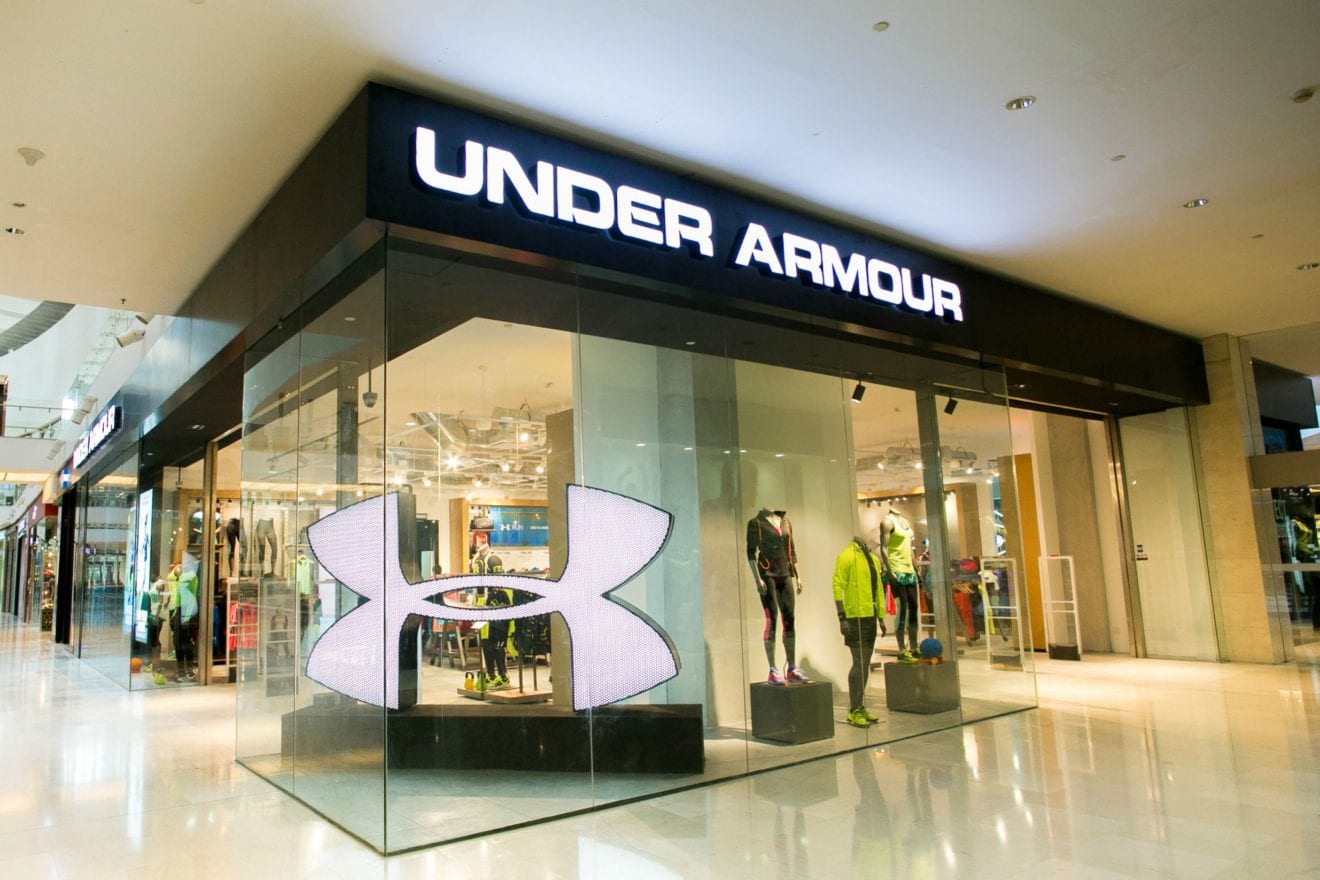
  • Under Armour China recruits star power

    Under Armour China recruits star power

    Star power is being used to connect fast-growing athleisure brand Under Armour with Chinese consumers.

    NBA All-Star Stephen Curry heads back to China next month for another promotional tour for sportswear brand Under Armour China (UA).

    As UA seeks to take market share away from rival Nike, the basketballer will be touring the greater China region, including Taiwan, from September 2 to 6.

    Under Armour CEO Kevin Plank plans to more than double the company’s annual revenue to $10 billion by 2020, identifying three key growth areas: channels, categories and geographies.

    “Our eCommerce in China has basically exploded for us,” he says, “so this is not just a bricks-and-mortar story.” He believes China may actually end up providing the script for the balance between digital and store sales.

    So far this year, UA has reported a 157 per cent increase over the same period last year from its eCommerce initiatives in China. In just 10 years, the company has grown its overseas business exponentially, to $454 million last year from $6 million in 2006.

    Probably trying to catch this wave, low-end Chinese sneaker manufacturer Tingfei Long Sporting Goods introduced its Uncle Martian apparel line in April with a logo similar to UA’s trademark intersecting arches. UA responded by saying it will pursue “all business and legal courses of action.”

    To thrive in China, brand recognition over knockoffs is key for UA, which is why it is sending spokesman Curry into play. Following his first tour two years ago, quarterly revenue in China grew three-fold (Nike had a 23 per cent gain).

    UA plans to open 120 stores in China, more than doubling its presence, by the end of this year. Adidas and Nike have between 8000 and 9000 stores in China already. Nike’s market share grew to 14.3 per cent last year from 11.2 per cent in 2011, while Adidas grew its market share to 13.8 per cent from 8.5 per cent over the same period, according to research company Euromonitor.