Tag: Auckland

  • Danone Launches YoPro High-Protein Yoghurt in New Zealand

    Danone Launches YoPro High-Protein Yoghurt in New Zealand

    Danone launched its high-protein yoghurt brand YoPro in New Zealand in September 2026. The rollout includes 15g and 20g protein formats manufactured at its Victorian processing site.

    An exclusive distribution deal with Foodstuffs North Island places the brand directly into the cooperative’s supermarket network.

    Protein formats and supply lines

    Standard YoPro pots and pouches contain 15g of protein per serve. The concentrated YoPro Perform line offers 20g per serve. Danone formulated both product tiers without added sugar or artificial sweeteners, targeting gym-goers and convenience shoppers seeking functional dairy.

    Supply ships across the Tasman from Danone’s manufacturing facility in Victoria’s Kiewa Valley. Using this established Australian base allows the dairy group to test New Zealand consumer demand without committing capital expenditure to local processing infrastructure.

    The exclusive grocery route

    The arrangement gives Danone immediate shelf space across high-volume banners including Pak’nSave and New World. For Foodstuffs, exclusive rights to an established Australian brand create a temporary point of difference against rival Woolworths New Zealand.

    Exclusivity deals carry operational trade-offs. Danone cuts its addressable market in half by bypassing Woolworths and South Island stores. That places the entire burden of brand adoption on a single cooperative’s promotional schedule.

    Battle for dairy shelf space

    This launch pits Danone against domestic dairy giants where Fonterra and boutique local processors dominate chilled cabinets. High-protein and low-sugar yoghurt has developed into a reliable growth pocket across Asia-Pacific dairy. It pulls consumers away from standard flavoured yoghurts that carry higher sugar loads.

    Danone spent several years building YoPro into a category leader in Australia before expanding the supply chain eastward. That playbook relies on heavy athletic marketing and high protein-to-calorie ratios to defend premium shelf pricing against private-label alternatives.

    Distribution now shifts to in-store execution across North Island supermarket chillers as Foodstuffs completes category resets for the spring retail cycle.

  • Woolworths to Shift 130 Support Roles from New Zealand to Australia

    Woolworths to Shift 130 Support Roles from New Zealand to Australia

    Woolworths plans to shift roughly 130 customer support roles from New Zealand to Australia as part of a restructuring across the Tasman.

    The proposal includes shuttering the retailer’s dedicated customer care centre in New Zealand to streamline operations across its grocery division.

    Cost Cuts and Centralisation

    Closing the customer care facility will save the business $4.1 million by the 2029 financial year. Woolworths plans to absorb these contact functions into its Australian network rather than maintaining separate customer support centres across both countries.

    Union officials pushed back immediately against the announcement. The Workers First Union condemned the proposal as “corporate greed”, warning that local staff are paying the price for trans-Tasman cost rationalisation.

    Regional Margin Pressure

    Supermarket operators across Australasia face persistent margin pressure from elevated operating costs and cautious consumer spending. Consolidating back-office and contact centre functions allows major grocers to trim overheads, mirroring broader retail trends across the region where administrative operations are pooled into single hubs.

    Consultation over the proposed customer care shutdown remains underway ahead of the company’s 2029 financial milestone.

  • Comvita Swings to NZ$7.7 Million Annual Profit on Honey Reset

    Comvita Swings to NZ$7.7 Million Annual Profit on Honey Reset

    New Zealand Manuka honey producer Comvita swung to a net profit after tax of NZ$7.7 million for fiscal 2026, rebounding from a NZ$104.8 million loss a year earlier.

    Operating profit reached NZ$14 million for the twelve months ended June 30, reversing a NZ$29 million operating deficit booked during the previous financial year.

    Margin Recovery and Cost Discipline

    Gross profit climbed 38.8 per cent to NZ$114.8 million across the period. That performance expanded the group gross margin to 53.9 per cent as efficiency measures took hold across manufacturing and inventory handling.

    The return to the black follows an intensive reset programme that targeted operational costs after heavy inventory impairments and market softness damaged earnings in fiscal 2025.

    Asia Demand and Export Execution

    Comvita built its business on premium functional food demand across Greater China, Southeast Asia and North America. Premium specialty honey brands in the region spent the past two years battling cautious consumer spending, cross-border channel resets and distributor destocking across East Asian department stores and cross-border platforms.

    Market attention now turns to export volume trends in Asian retail channels over the first half of fiscal 2027 to verify whether the margin gains hold up in core consumer accounts.

  • One New-Zealand and 2Degrees Form Joint Entity to Share Mobile RAN Infrastructure

    One New-Zealand and 2Degrees Form Joint Entity to Share Mobile RAN Infrastructure

    One New Zealand and rival operator 2degrees will merge their mobile radio access network infrastructure into a jointly owned venture, pooling physical assets across the country.

    The agreement consolidates towers, antennas and base station equipment from both carriers into a single operational entity while keeping retail operations and core networks separate.

    Pooling Capital and Network Sites

    Under the planned arrangement, the two carriers will run their shared radio access network (RAN) through the new entity to cut duplicate capital expenditure and accelerate the rollout of newer wireless standards. Combining site portfolios expands coverage reach and deepens network redundancy without requiring each carrier to build standalone duplicate towers across challenging topography.

    Shared infrastructure models have gained traction across Asia-Pacific as regional operators face elevated spectrum costs and heavy 5G capital requirements. In markets like Australia and Malaysia, regulators and telcos have turned to shared active networks and wholesale single networks to protect cash flow while meeting coverage mandates.

    Operational Focus and Regulatory Steps

    One NZ indicated the structural separation allows both operators to redirect capital toward customer-facing platforms, core network features and digital services rather than tower hardware. Both companies will continue to market their mobile plans independently and compete for subscriber share across consumer and enterprise segments.

    The transaction remains subject to formal regulatory reviews and commercial approvals in Wellington before the joint business begins operational integration.

  • The Warehouse Starts Turnaround Push Across 84 New Zealand Stores

    The Warehouse Starts Turnaround Push Across 84 New Zealand Stores

    The Warehouse rolled out a nationwide brand campaign across 84 stores in New Zealand on August 23, targeting market leadership through an operational turnaround.

    Created with advertising agency TBWA New Zealand, the campaign runs under the banner This Is Warehouse Country across television, digital channels, social media, outdoor billboards, and in-store displays.

    Rebuilding Market Position

    The push anchors a broader transformation program at the discount department store group. Content in the campaign draws on four decades of customer milestones and household memories to rebuild foot traffic and loyalty across the store network.

    Trading conditions across Australasia have forced discount operators to defend value credentials as supermarket chains and global online platforms squeeze general merchandise margins. The Warehouse previously relied on category expansion and price promotions to protect market share, but the latest shift centers on core brand equity.

    Execution Across Network

    All 84 branches are participating in the rollout, aligning physical merchandising with national broadcast assets. The group continues to recalibrate its wider store fleet and merchandising mix under the ongoing restructuring plan.

  • Normanby Fine Wine & Spirits debuts in Auckland with a twist on wine retail

    Normanby Fine Wine & Spirits debuts in Auckland with a twist on wine retail

    Auckland recently welcomed the latest innovation in wine retailing, the Normanby Fine Wine & Spirits experience-driven concept store. Situated in Mount Eden, the store ushers in a new era of retail, reimagining the traditional wine and spirits shopping experience with the introduction of fresh food and beverages.

    The store has been masterminded by seasoned wine connoisseur Liz Wheadon, who has infused the space with a unique hybrid appeal. It operates as a retail store, wine bar, and café, supplemented with a private tasting room and an art gallery interior.

    At Normanby Fine Wine & Spirits, customers can browse a selection of over 1300 wines, spirits, sakes, and craft beers. Many of the items in their collection are exclusive to Normanby, a testament to the strong industry relationships they’ve cultivated with producers over the years.

    Liz Wheadon, who also doubles as the director of wine at Webb’s, shared the inspiration behind the store. She emphasized that the vision was to design a place that hadn’t previously existed, where choosing and buying wine, spirits, and sake could be an enjoyable, approachable, and genuinely intriguing experience, regardless of a customer’s taste or budget. She further echoed the team’s enthusiasm for introducing this innovative approach to fine wine and spirits retail.

    The store has been tastefully designed, complete with art pieces and furniture, all curated by The Estate at Webb’s and available for purchase. During the day, the café serves coffee, pastries, and light meals. In the evenings, the wine bar offers pre-batched cocktails crafted by Theo Tjandra, a past mixologist at Panacea.

    The private tasting room, named La Cave, can accommodate up to 15 guests and can be booked for intimate events, custom experiences, and private celebrations.

    Looking ahead, the brand plans to extend the unique retail concept of Normanby Fine Wine & Spirits to various regional locations throughout New Zealand.

    Questions & Answers

    What does Normanby Fine Wine & Spirits offer customers?
    They offer a unique retail experience, selling fine wines, spirits, sake, and craft beers. The concept store doubles as a café serving light meals, coffee, and pastries during the day, and in the evening it becomes a wine bar offering pre-batched cocktails.

    What are some unique features of the Normanby Fine Wine & Spirits store?
    The store operates as a café and wine bar, in addition to being a retail store. It also houses a private tasting room and an art gallery interior, offering curated art and furniture for purchase.

    What are the brand’s future expansion plans?
    The brand plans to extend the retail concept to various regional locations across New Zealand, introducing the Normanby Fine Wine & Spirits experience to a wider audience.

  • Costco and DoorDash to deliver groceries to the doors of Aucklanders

    Costco and DoorDash to deliver groceries to the doors of Aucklanders

    Costco has teamed up with DoorDash to deliver its range of groceries and household essentials to homes in Auckland at bulk-saving rates.

    The partnership will enable Costco members and non-members to get everything from toilet paper to fresh fruits and vegetables or premium poultry and meat delivered to their homes.

    “We’re always looking for ways to make everyday shopping easier, and our partnership with Costco means Aucklanders can now get incredible value and quality delivered straight to their doorstep,” said DoorDash New Zealand GM Bradley Thomas.

    To launch the new partnership, New Zealand customers will receive NZ$20 off their first Costco order when they spend $150 or more.

  • AirAsia X adds three new routes

    AirAsia X adds three new routes

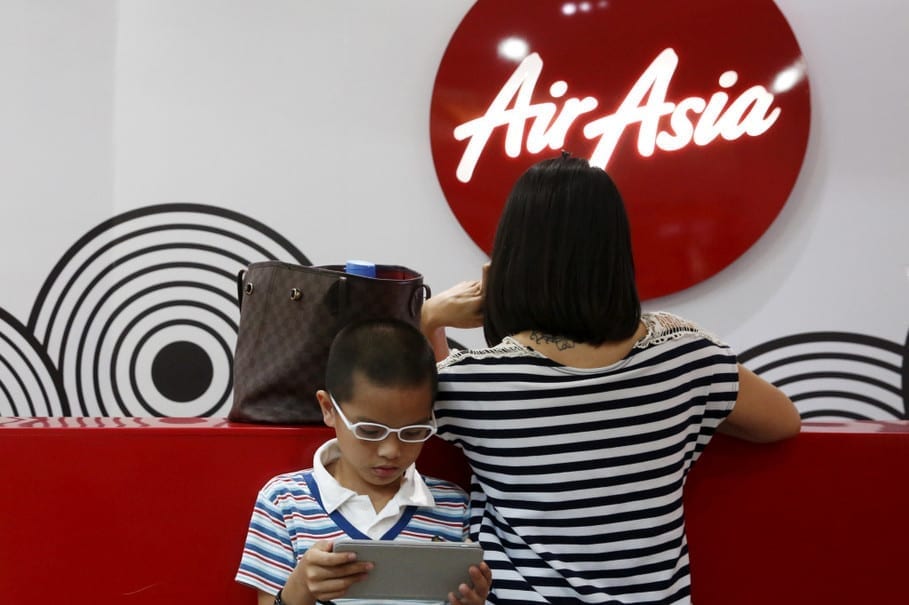
    AirAsia X confirms its latest services to Melbourne (Tullamarine), and Perth in Australia and Auckland in New Zealand will launch on 1 November 2022.

    The three new services boost the airline’s routes to 13. It is already serving  Sydney, New Delhi, Seoul, Tokyo, Sapporo, Osaka and Honolulu, as well as London, Dubai and Istanbul.

    AAX will recommence its services to Melbourne (Tullamarine), Perth and Auckland (via Sydney) with three weekly flights starting in November and gradually increasing to daily flights by the first quarter of 2023.

    On the AirAsia Super App and website, the starting fare to Perth is MYR 499, to Melbourne  MYR699 and Auckland MYR999 (inclusive one-way economy). Premium Flatbed fares start from MYR1,999 to Perth, MYR2,999 to Melbourne and MYR5,999 to Auckland.

    Guests flying to Kuala Lumpur can also enjoy all-in value fares one way from AUD209 from Perth, AUD359 from Melbourne, and NZD499 from Auckland in economy class.

    AAX also flies from Kuala Lumpur to Sydney with all-in fares from MYR899 (economy) and MYR2,799 (Premium Flatbed) one-way.

  • Auckland Airport to build outlet mall with 100+ stores

    Auckland Airport to build outlet mall with 100+ stores

    Auckland International Airport has posted an after-tax profit of $464.2m for the year to June 30, while also announcing plans to build a retail precinct with 100 stores that is expected to create 500 new jobs.

    Although its after-tax profit was up 139 percent on the previous year’s $194m profit, the airport made an underlying loss of $41.8m, its first full year underlying loss in history. The underlying loss was in line with the guidance the airport gave at the start of the year.

    The airport says underlying profit is how it measures its financial performance because it removes revaluation changes that can distort financial results or where one-off transactions, both positive and negative, can make it difficult to compare profits between years.

    The airport also recorded its lowest number of international arrivals and departures since 1972, with just 600,000 passengers, including transits, down 93 percent on the previous year.

    Total passenger numbers were 6.4 million, down 59 percent on the previous financial year.

    Shares in Auckland Airport closed at $7.10 on Wednesday. During New Zealand’s alert level 4 lockdown at the start of the Covid-19 pandemic, they dropped to about $5 per share.

    The new retail precinct would involve the development of a 23,000 square metre-plus outlet centre on undeveloped land at the north-eastern edge of the airport.

    “Premium and lifestyle brands” will be sold “at often heavily discounted prices”, the company said.

    The airport’s general manager of property and commercial Mark Thomson said there was a gap in the market for a purpose-built fashion outlet centre and the airport had been exploring the concept for several years.

    “It will be the first of its kind in New Zealand, offering an exciting new shopping experience for Kiwis and travellers arriving at and departing from the airport,” Thomson said.

    “Many New Zealanders will be familiar with visiting this type of bespoke fashion outlet shopping centre on trips overseas.”

    A start date for construction was not given.

    Thomson said development would be influenced by the strength of the retail market and the recovery of aviation.

    Auckland Airport chief executive Adrian Littlewood said the 2021 financial year had been a year like no other for the company, and it was giving permanent staff $1500 in airport shares to thank them for their efforts over the past year.

    “Covid-19 changed our business overnight bringing constant upheaval to almost every part of our operation,” Littlewood said.

    “But throughout all the uncertainty of the past 18 months, our team’s determination to get the job done and go the extra mile for New Zealand has never faltered.”

    The airport had taken steps to strengthen its financial position including reducing operating expenses, repaying $425m in US private placement borrowings, and getting bank approval to renew a $700m loan, he said.

    The airport last week said it would start work on a $1 billion-plus project to merge its domestic jet operations with its international terminal early next year as one of four anchor projects being advanced.

    Four major projects are still on hold including its expanded international airfield and taxiway capacity, new cargo precinct, new international arrivals area and a second runway.

    Auckland Airport held more conservative assumptions than those of the International Air Travel Association, which was forecasting global travel to fully recover and exceed pre-pandemic levels in 2023.

    Littlewood said a full recovery may take longer.

    “Our financial performance is strongly linked to passenger volumes, so our recovery will be greatly influenced by the return of domestic and international travel and changes in border settings.”

    There were encouraging signs with vaccination programs ramping up in New Zealand and around the world, he said.

    “But we expect to see further volatility in domestic and international travel in the short term, with the global aviation market gradually rebuilding in 2022.”

    Due to uncertainty in the market, Auckland Airport would not provide underlying earnings guidance for the 2022 financial year, Littlewood said.

    Investment in transport infrastructure projects and upgrades would continue and was expected to cost between $250m and $300m in the 2022 financial year.

  • Online supermarket concept Supie to launch in Auckland

    Online supermarket concept Supie to launch in Auckland

    Online supermarket Supie is set to open its virtual doors in Auckland next month, aiming to change the way Kiwis shop for groceries.

    The membership-based supermarket will house more than 2500 products sourced from local growers and food producers. Supie also offers sustainable delivery where all packaging is recyclable or reusable. The brand implements zero-waste ordering methods which ensure its customers receive the freshest produce.

    “The majority of the time, when you order your product is still in the ground,” the company says on its website.

    Founded by Sarah Balle, Supie is expected to compete directly with traditional supermarkets, providing a smart and more accessible solution for Kiwis during the post-Covid era.

    “We’re a small team of passionate Kiwis with big ambitions to make a true impact,” said Saral Balle. “We believe food is the most powerful force for change.”

  • H&M opening fourth retail store in Auckland

    H&M opening fourth retail store in Auckland

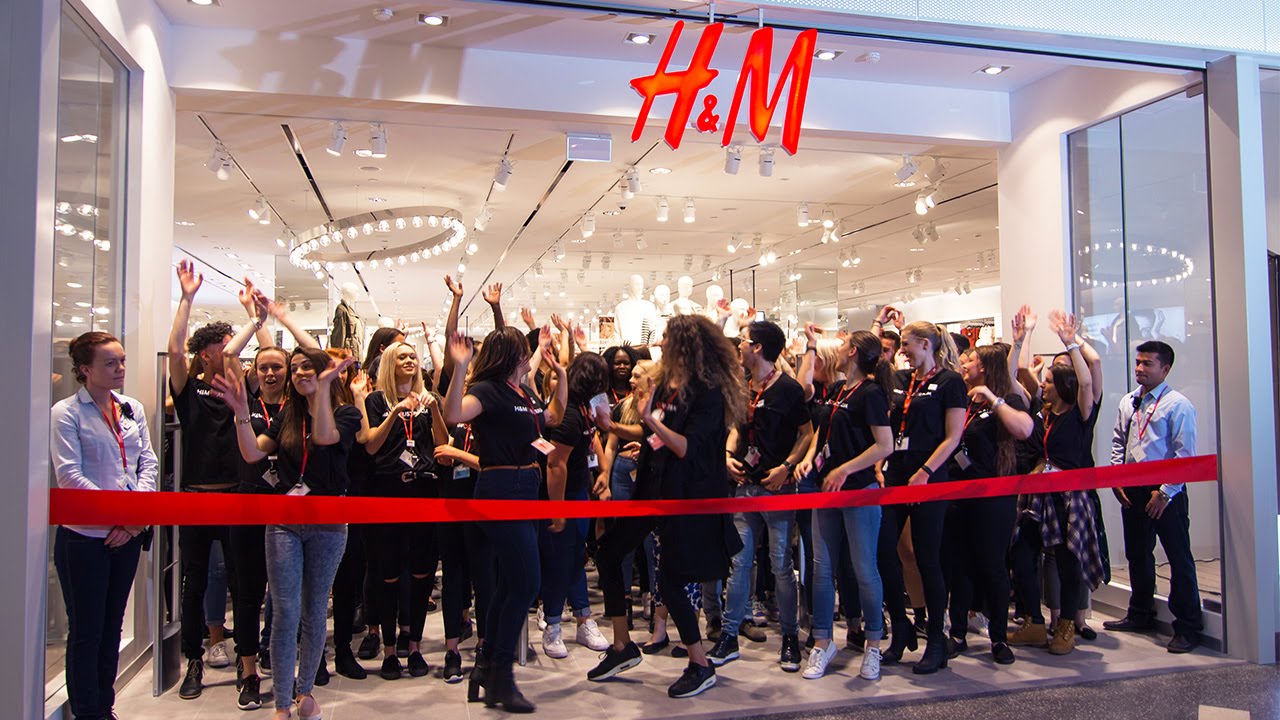
    Swedish fashion giant H&M announced it will open its fourth store in Auckland at Westfield Newmarket on December 12.

    The 2300sqm store, the retailer’s ninth store in New Zealand, will have two levels and will feature a range of apparel and accessories for men, women, youth, kids and baby, as well as the retailer’s home concept.

    “We are thrilled to be a part of the much-anticipated Westfield Newmarket.” said Daniel Lattemann, Country Sales manager for H&M New Zealand.

    Lettemann said they are also delighted to be able to finally offer a second Auckland location for their H&M home concept.

    “We have seen such a demand since launching the concept in our Commercial Bay store last year,” he said.

    According to H&M, recruitment for approximately 50 employees is underway.

    The fashion retailer, which entered the New Zealand market in 2016, now has seven stores nationwide located in Sylvia Park, Commercial Bay, and Botany Town Centre in Auckland, The Crossing in Christchurch, Queensgate in Wellington, Tauranga Crossing, and Chartwell Shopping Centre in Hamilton.

    The recently announced store opening is the eighth and is set to open in Westfield Riccarton on November 7, 2019.

  • Sephora confirms Auckland Flagship Opening This Year

    Sephora confirms Auckland Flagship Opening This Year

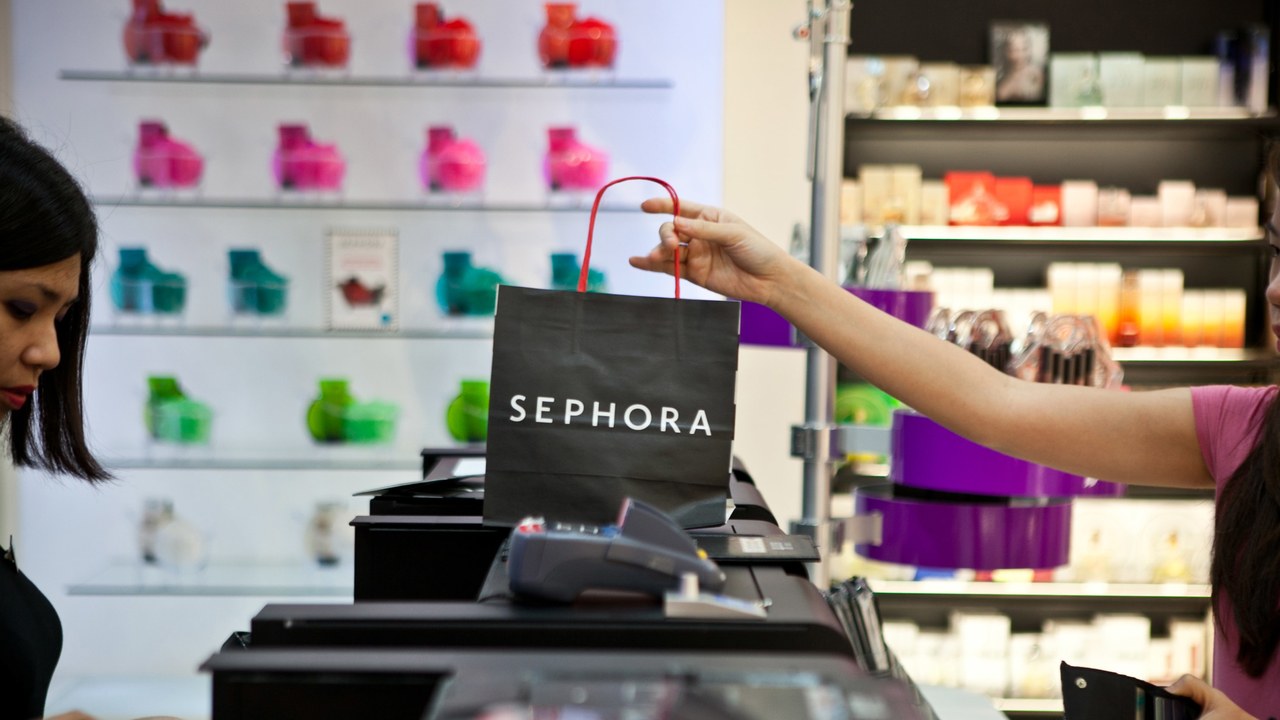
    Beauty retailer Sephora has confirmed long-standing rumors of an Auckland flagship set to open on Queen Street in 2019. While the retailer launched a local online offering in 2015, the bricks-and-mortar location will be Sephora’s first in New Zealand and is part of a larger push into Asia that will see Hong Kong and Korea added to the brand’s retail locations.

    “We believe that New Zealand will be a key market in building Sephora as the most loved beauty community in Asia, and the world,” said the president of Sephora Asia Benjamin Vuchot.

    “This expansion to a new market will allow Sephora to continue to amplify global beauty trends locally, elevate what our clients expect of the in-store experience and bring fresh, digital touch points to the retail environment to create a virtual, client-centric cycle.”

    Prior to its official announcement earlier this week, Sephora posted a series of job ads on Seek in April, looking for assistant store managers, category coordinators, stockroom managers and supervisors to fill out the Auckland flagship.

    The positions all indicated that prospective employees would need to be available for a recruitment event between May 7 and 8, pointing to an opening in the near future.

    Sephora interim general manager of Australia and New Zealand Pedro Coutinho said the store would be a beauty destination “like no other.”

    “We are so excited to introduce our renowned service offering, a suite of the most sought after beauty brands from around the world and a fun place for our clients to experience and explore their own beauty journey,” Coutinho said.

    “The Sephora client is the future – our customers are ahead of the trends, up to date with the latest brands and they want new products, now. We’ve listened to what our online clients want from Sephora, and this new Auckland location will help us deliver it.”

  • Easter spending up 4.6 per cent over Last Year

    Easter spending up 4.6 per cent over Last Year

    While nationwide spending was down year-on-year over the week to Easter Monday, the holiday period performed better compared to its 2018 counterpart, according to nationwide spending data from Paymark.

    The seven days to Monday, April 22, 2019, saw spending increase by 4.6 per cent compared to the Easter week in 2018, which ran to April 2. This is down slightly from the 4.9 per cent year-on-year spending increase in 2018.

    Gisborne saw the strongest growth at 14.6 per cent, followed by Marlborough at 13.3 per cent, when comparing Easter periods.

    Spending was also up across clothing and footwear stores (13.8 per cent), and liquor retailers (9.9 per cent).

    Compared to the exact same week in 2018, rather than last year’s East period, spending in the Canterbury region was down 7 per cent, with Kiwis spending a total of $125.1 million in the region over the week.

    Wellington brought in $106.2 million, a 5.9 per cent drop, while Auckland brought in $454.1 million – a 6 per cent drop compared to the same period in 2018.

    Auckland made up about a third of the spending in the country, with Paymark recording $1.19 billion spent over the week (0.8 per cent down on 2018), though the region was far outstripped in terms of overall growth.

    The Bay of Plenty saw spending grow to $92.9 million – a 14.5 per cent increase year over year. Gisborne enjoyed 19.6 per cent spending growth to $11.7 million, while Otago brought in $76.6 million, or an increase of 7.1 per cent.

    According to Paymark, grocery, fuel and hospitality providers, drove almost all of the spending increase.

    “This year these merchants recorded $43 million more spending (up 15.7 per cent) outside of the three largest Paymark regions,” Paymark said.

  • Sephora opening New Zealand Flagship Store

    Sephora opening New Zealand Flagship Store

    Sephora is looking to fill a number of retail roles in Auckland, suggesting the beauty retailer is looking to open its first bricks-and-mortar store in New Zealand in the near future.

    Listings for assistant store manager, category coordinator, stockroom manager, supervisor, beauty and studio artists and retail assistants have been uploaded to job site Seek over the last month, claiming the retailer is opening its first New Zealand flagship store this year.

    The most recent listing notes that job seekers should be available and flexible to attend a recruitment event between May 7 and 8, pointing to a relatively quick opening window.

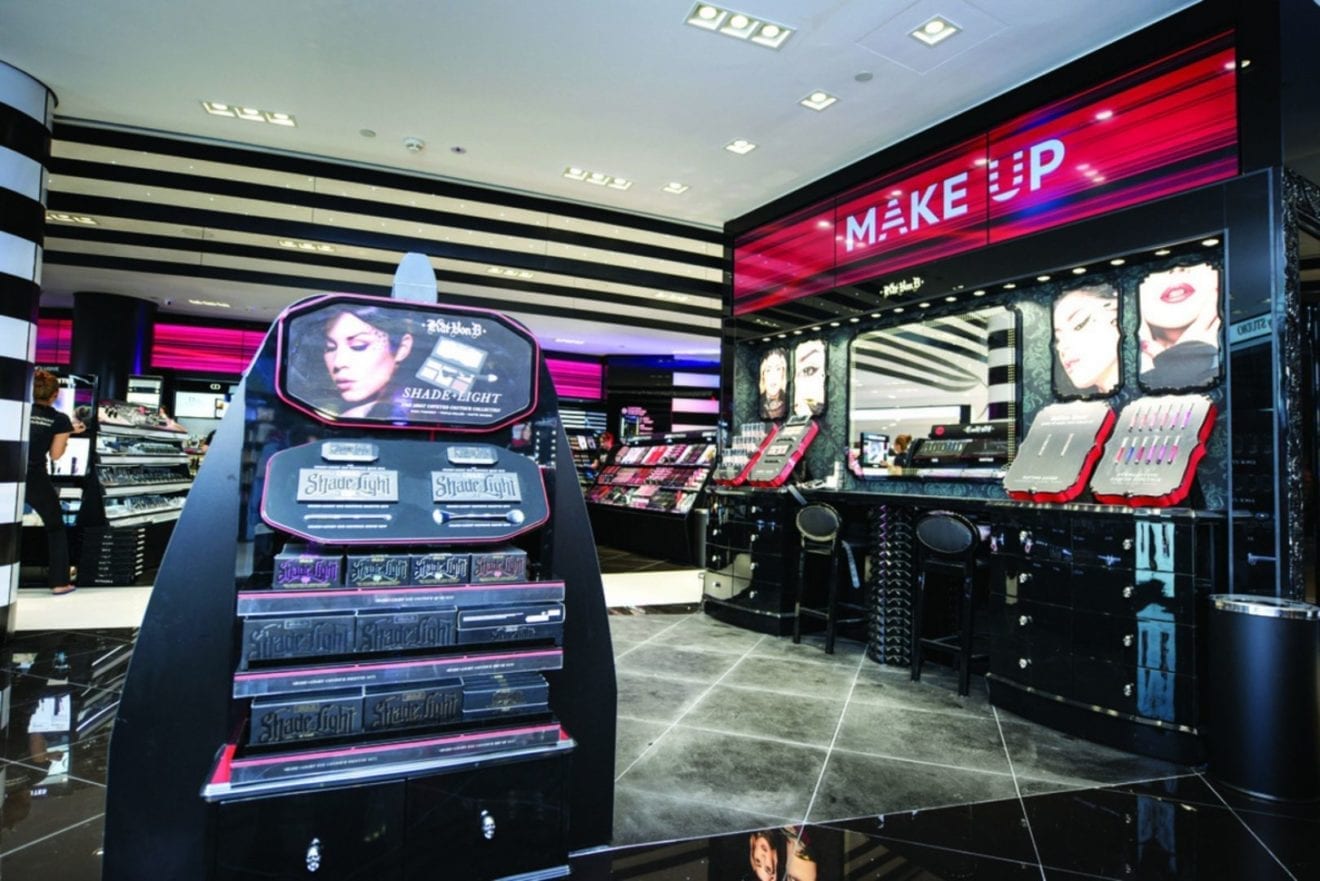
    The store will likely be located on Queen Street, Auckland, and is currently being fit out for the brand’s arrival. An internal elevator, lightning fixtures and elaborate signage are among the changes being made to the site.

    Sephora has been contacted for confirmation, but has not yet responded.

  • Kiwis confused about sustainability talks

    Kiwis confused about sustainability talks

    Despite the growing support for sustainable business practices in New Zealand, most Kiwis say the way businesses talk about their social and environmental commitments is confusing.

    That is the finding of the latest Colmar Brunton “Better Futures” survey, which asked 1000 consumers about their attitudes and behaviours around sustainability and environmental record.

    Eight-three per cent of respondents said the way businesses talked about their social and environmental commitments was confusing, which is 11 per cent more than the previous survey found.

    At the same time, there is still too much “greenwashing”, or companies jumping on the bandwagon to gain consumer support, without really being sustainable.

    “Those are two aspects of the same issue,” Francesca Lipscombe, New Zealand Ecolabelling Trust general manager, said.

    “On the one hand, companies get away with unsupported claims which may not breach the Fair Trading Act but they’re still misleading and unhelpful.

    “On the other hand, companies who are genuinely doing the right thing don’t promote their good works enough.”

    According to the survey, only two brands got more than 1 per cent recognition as being sustainable brand leaders: the Malcolm Rands-founded ecostore, named by 5 per cent of people, and Fonterra, which scored 3 per cent awareness.

    “New Zealand organisations do a much better job of communicating their sustainability efforts internally than they do of letting the public know,” Lipscombe said.

    At the same time, there is ample opportunity for sustainable brands to communicate their actions to consumers, since 86 per cent of Kiwis surveyed said it was important to work for a socially and environmentally responsible company, up from 72 per cent in 2018.

    “Even more tellingly, 90 per cent of respondents – up from 83 per cent last year – said they would stop buying a company’s products or services if they heard about the company being irresponsible or unethical,” said Lipscombe.

    Another strong finding from the survey was the emergence of plastic waste as the issue consumers are most concerned about.

    Nearly three-quarters (72 per cent) rated it the number one problem, compared with 63 per cent last year.

    The survey also found eight out of 10 Kiwis had dispensed with single-use plastic supermarket bags in favour of reusable options – a huge jump on last year’s figure – 30 per cent, while 85 per cent agreed that reducing disposable packaging in general was the right thing to do.