Tag: augmented reality

  • Tata Comms launches VR/AR prize for F1 racing

    Tata Comms launches VR/AR prize for F1 racing

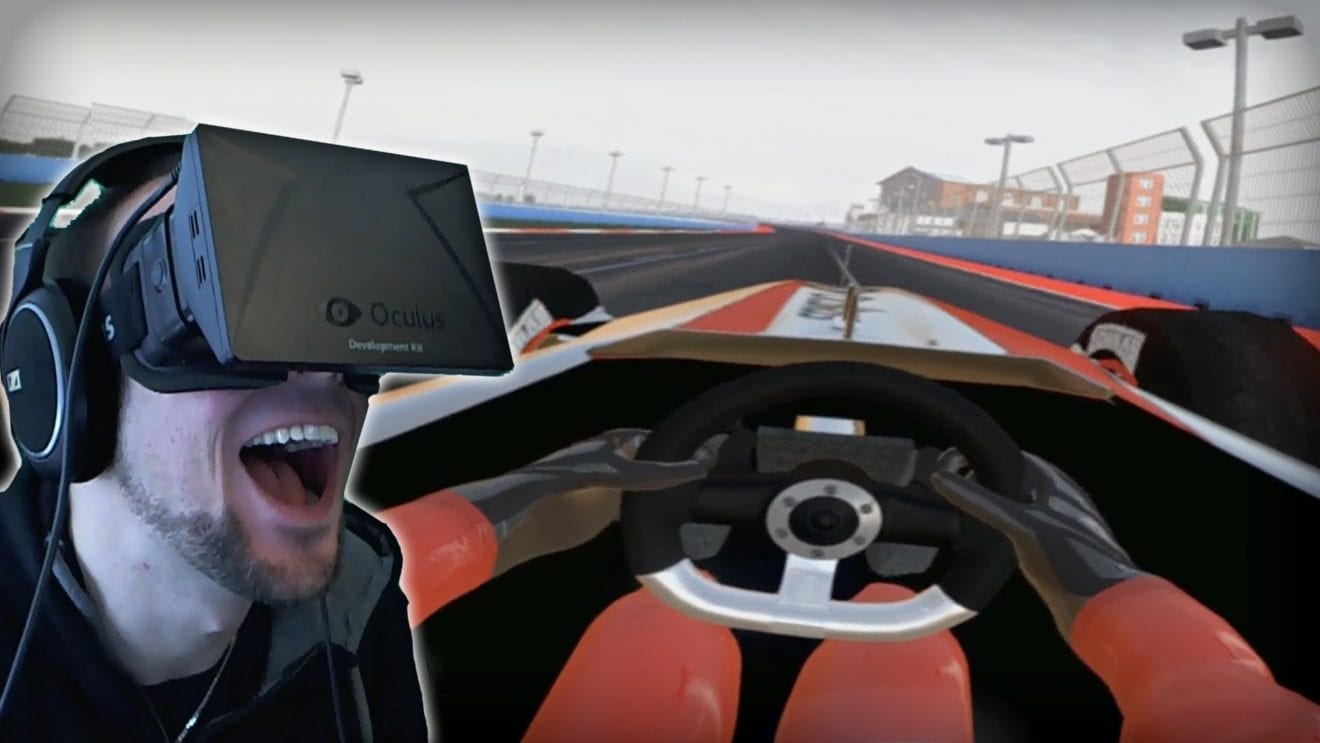
    Tata Communications has launched a new competition focused on how VR and AR technologies can make Formula 1 racing more immersive for fans.

    The 2016 F1 Connectivity Innovation Prize is also designed to help the teams work more effectively together in the run-up to and during each Grand Prix.

    The aim of the $50,000 prize is to inspire fans worldwide to harness their technical know-how and passion for F1 racing to drive innovation in the sport through two technology challenges.

    Tata Communications is the official connectivity provider of Formula 1, enabling the sport to seamlessly reach its tens of millions of fans across the globe.

    The first challenge, set by Formula One Management, calls on technology enthusiasts to develop a solution that uses VR and AR to enable fans at home to experience a Grand Prix virtually.

    The solution should allow fans who are not at the live event to immerse themselves into the world of F1 racing, from the pit lane and the Formula One Paddock Club, to the drivers’ parade and the starting grid formation.

    “We want to give as many fans as possible the opportunity to experience first-hand the thrill of a Grand Prix – and VR or AR could enable us to do just that,” said John Morrison, CTO of Formula One Management and one of the judges.

    “These technologies represent the next big innovation opportunity for the sport. In the not-too-distant future, they could enable fans to get virtually transported to a Grand Prix, complementing and enriching the race experience,” said Morrison.

    Julie Woods-Moss, Tata Communications’ CMO and CEO of its NextGen Business, said that in the last two years, the F1 Connectivity Innovation Prize has grown into a major platform for showcasing the huge potential of data and superfast connectivity in boosting F1 teams’ competitiveness, and in bringing fans closer to the sport.

    “We now invite fans from all over the world to share their ideas for how VR and AR could take fan engagement to the next level,” she said.
  • Isobar showcases latest VR and brainwave technologies at CES Asia

    Isobar showcases latest VR and brainwave technologies at CES Asia

    At CES Asia 2016, which opens today, Isobar will be showcasing BVRAIN and UMood, two marketing innovations from Isobar, which demonstrate the agency’s capabilities in leveraging new technologies to provide brands with innovative marketing solutions.

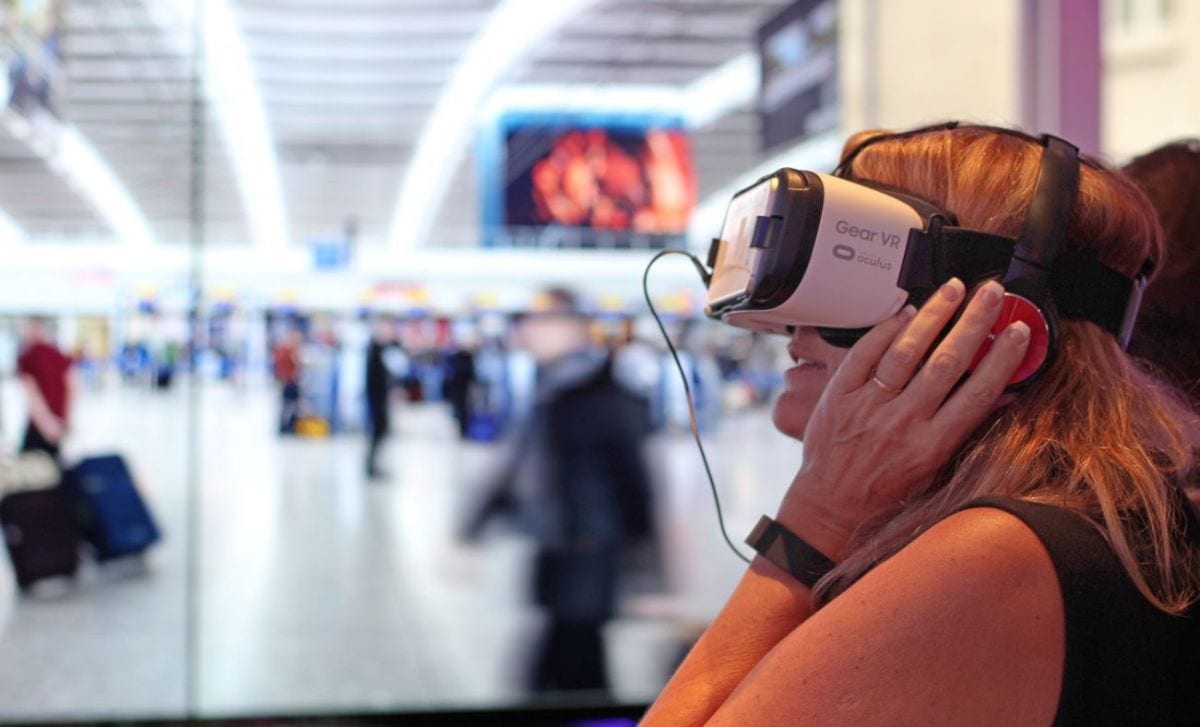
    BVRAIN are VR goggles that visualize the activity and emotions of the human brain. After a short scanning process, users are able to see a real-time abstraction of their brain in compelling and interactive 3D visuals. The system outputs emotional values based on the user’s brain activity. These values are also mapped onto the corresponding areas of the brain. 

    In addition to visualizing people’s minds, BVRAIN also allows for brain adaptive games and content. In a coin collecting VR game, users are able to see obstacles based on their brain activity. The entire journey will also be generated by their actual brainwaves, opening up a whole new area of adaptive gaming.

    BVRAIN is the brainchild of Isobar Shanghai’s NowLab. The first application of BVRAIN was launched for Coca Cola’s Innovation Center at Wanda Theaters in major cities across China in April 2016.

    NowLab is a new initiative by Isobar’s global network to accelerate innovation through technology. NowLab’s objective is to enable quicker application of world-class innovative technologies in clients’ brand marketing and create an innovative brand experience for consumers. Isobar’s NowLab project teams in 14 offices worldwide are currently collaborating on international product and technology development, striving to create innovative programs for clients and employees.

    Francis Lam, Head of NowLab and Chief Innovation & Technology Officer of Isobar China, commented: “Technology is a crucial component of today’s market innovation. Using an unprecedented approach to discover the potentials of technologies, NowLab is committed to providing innovative human-machine interfaces, multi-screen interactions and various indoor/outdoor environments when our clients and consumers need us the most, in order to deliver a variety of unique and realistic innovative solutions. By combining VR with brainwave technologies, BVRAIN can create innovative, experiential programs for brand communication.”

    UMood, a smart product selection system developed for UNIQLO by the Isobar Australia and Dentsu Science Jam, a Dentsu Aegis Network company, also debuted at the exhibition to provide visitor with a cutting-edge user experience which recently grabbed headlines in Australia and the region.

    UMood is the first of its kind product selection tool, which uses neuroscience to help match customers’ moods with the perfect T-shirt. Consumers wear a neuro headset to watch a series of images and videos on the screen. The headset uses neuro analysis, measuring their brainwave reactions to the stimulus, to determine the user’s mood and subsequently make product recommendations based on that mood.

    Sven Huberts, Managing Director for Isobar Asia Pacific, said: “We don’t believe in using technology for technology’s sake. When we are addressing a client’s business challenge, we are constantly looking for new ways to elevate the brand experience to deliver value to that particular challenge. UMood is a good example of what a Brand Commerce solution can look like, whereby you’re bringing points of inspiration and points of transaction ever closer together.”

    Following last year’s successful debut at CES Asia™, Dentsu Aegis Network has expanded its presence at CES Asia this year, attending the world’s top consumer electronics show. The three-day event will see the network present 12 consumer marketing innovative products, doubling its presence last year. These products are owned or co-created by Dentsu Aegis Network offices in Australia, China, India and Japan. These technologies are centered on the theme of “Empower the Extended Self”, by using latest digital technologies including VR, robotics, facial recognition and real-time emotion analyzers.

  • Alibaba taps VR to enhance shopping experience

    Alibaba taps VR to enhance shopping experience

    The global virtual reality market to grow at a rate of 96% by 2019, according to a new report made available by Research and Markets.

    VR is being adopted in a wide variety of applications ranging from healthcare, gaming devices, public entertainment, prototype creation to military exercises.

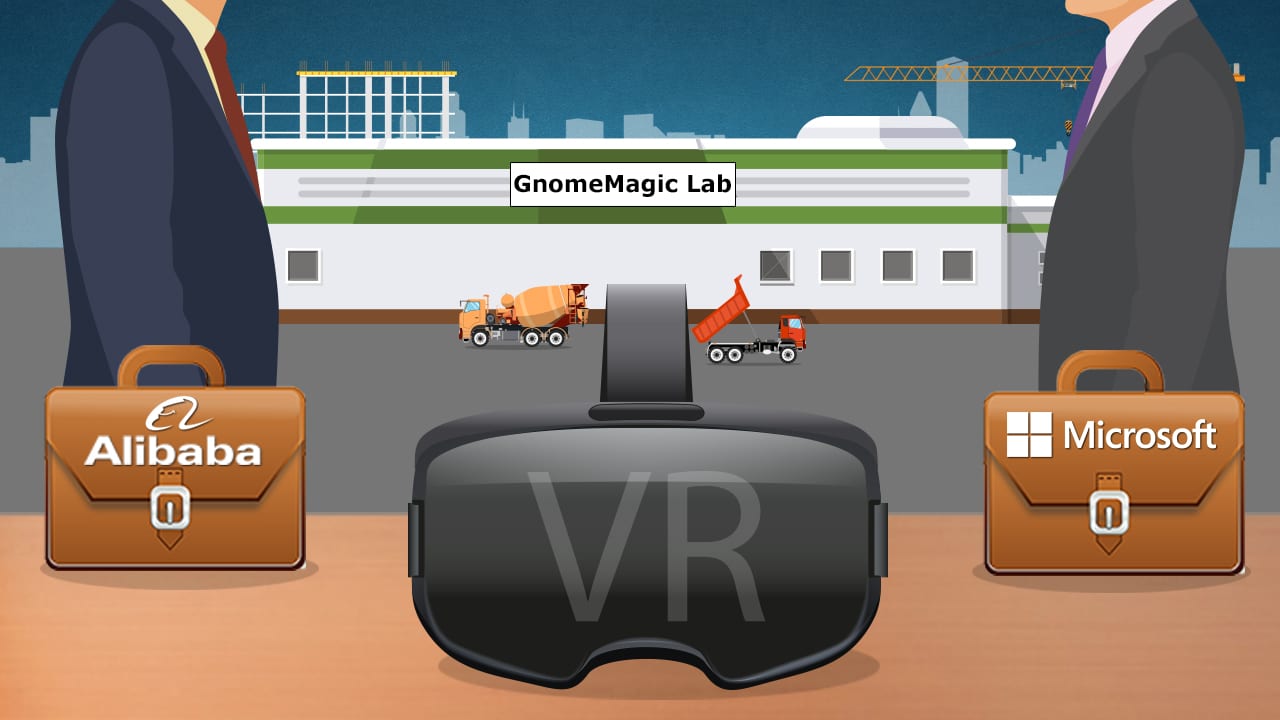
    Chinese e-commerce giant Alibaba has now set up a research lab as it looks to use VR to enhance the shopping experience for its 400 million users.

    The company is also exploring how VR technology can be applied to its other services, including online games and video streaming, according to reports.

    Head-mounted displays have created opportunities for VR in a number of applications. A head-mounted display consists of an image source, collimating optics, and a mechanism to mount the device on the head.

    The device is wearable, and projects images and information relative to the user’s line of sight in front of the user. A report on the HMD market predicts growth of 49% over the next five years.

    Virtual reality devices, which are compatible with smartphones, can help users by providing specific information about their requirement on-the-go, without pulling out their portable devices. This technology is expected to commercialize in 2016 and could be worth $2.30 million in 2016.

    Alibaba has already created three-dimensional visuals for hundreds of products and will issue standards for merchants to create VR-enabled shopping options. It is also said to be working on creating music and videos.