Tag: Auro

  • Tesla’s Price Cuts Promise More Pain For Money-Losing U.S. EV Startups

    Tesla’s Price Cuts Promise More Pain For Money-Losing U.S. EV Startups

    A price war in electric vehicles started by market leader Tesla Inc has made it much more difficult for money-losing U.S. startups like Rivian Automotive Inc and Lucid Group Inc to grab share in an industry competing for shrinking consumer wallets.

    Tesla’s move last week to slash prices globally on its EVs by as much as 20% could draw new buyers to electric cars in the industry, but also will force other automakers to respond with lower prices or risk getting left behind, analysts and investors said.

    Some startups may not be able to afford lower prices as they struggle with staggering raw material and production costs combined with far lower output than the Elon Musk-led Tesla, which delivered more than 1.3 million vehicles last year.

    Tesla’s move will “strengthen their … competitive advantage over other automakers,” CFRA Research analyst Garrett Nelson said.

    The struggles of most startups are a far cry from their initial public offerings over the past few years, when investors believed these companies would take over the EV market and echo the heady valuation Tesla has sported in the past.

    ‘GAME OF THRONES’ FOR EV STARTUPS

    Both Rivian and Lucid have yet to turn a profit. Together they delivered more than 24,000 cars last year, with Rivian spending more money on making each car than the selling price of that vehicle.

    The company’s cost of goods sold was about 2.7 times its revenue in the last reported quarter, while Lucid’s cost of revenue was about 2.5 times its sales.

    Still, Rivian had $13.8 billion in cash at the end of the third quarter – the most among the U.S. EV startups. Lucid had the second-highest cash reserves with $1.26 billion, and it raised another $1.52 billion in the fourth quarter.

    That gives the companies a sizeable production runway at a time peers Faraday Future and British EV startup Arrival have been seeking funding and have warned they might not be able to sustain operations through 2023.

    “It’s a ‘Game of Thrones’ battle for EV startups and they face some dire options over the next 12 to 18 months if they do not succeed in their financial targets,” said Wedbush Securities analyst Daniel Ives. “We would expect some … losers that face the prospect of consolidation or possibly worse on the horizon.”

    A clearer picture of their balance sheets is expected when these companies report fourth-quarter earnings.

    Rivian declined to comment, while Lucid did not respond to a request for comment.

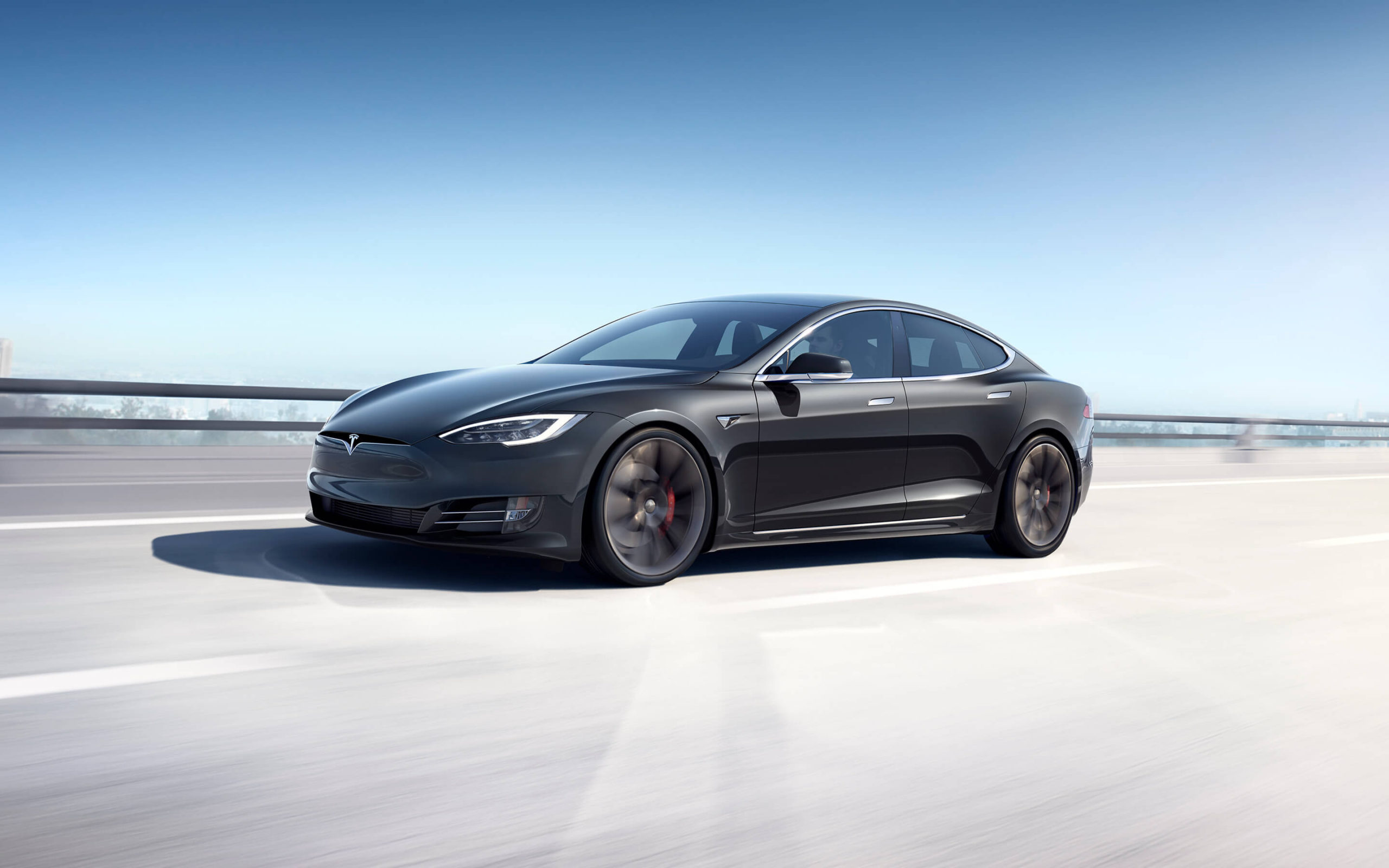
    Lucid aims to target the luxury and sport-luxury sedan segment of the EV market, with its cars starting at over $87,000, which is $8,000 less than the base version of Tesla’s Model S sedan after the January discounts.

    Lucid, headed by former Tesla executive Peter Rawlinson, has not announced plans for a mass-market car to rival Tesla’s Model 3 and Model Y, which start at about $44,000 and $53,000, respectively.

    Rivian sells its R1T pickup truck at a starting price of $73,000 while its R1S SUV starts at $78,000.

    The company, whose largest shareholder is Amazon.com Inc, does not plan on selling cheaper cars that it will build on a next-generation R2 platform before 2026. The platform will support higher volumes and be less expensive than the vehicles built on the R1 platform, Rivian says.

    Tesla’s price cuts come just months after contract manufacturer Magna Steyr began production of Fisker’s Ocean SUV, which starts at $37,499 and makes it more vulnerable, analysts said.

    Fisker declined to comment.

    Lordstown Motors, which in May sold a significant chunk of its assets to contract manufacturer Foxconn to raise funds, said its Endurance pickup targets the commercial fleet market only.
  • Ford Fiesta Production To End In June 2023

    Ford Fiesta Production To End In June 2023

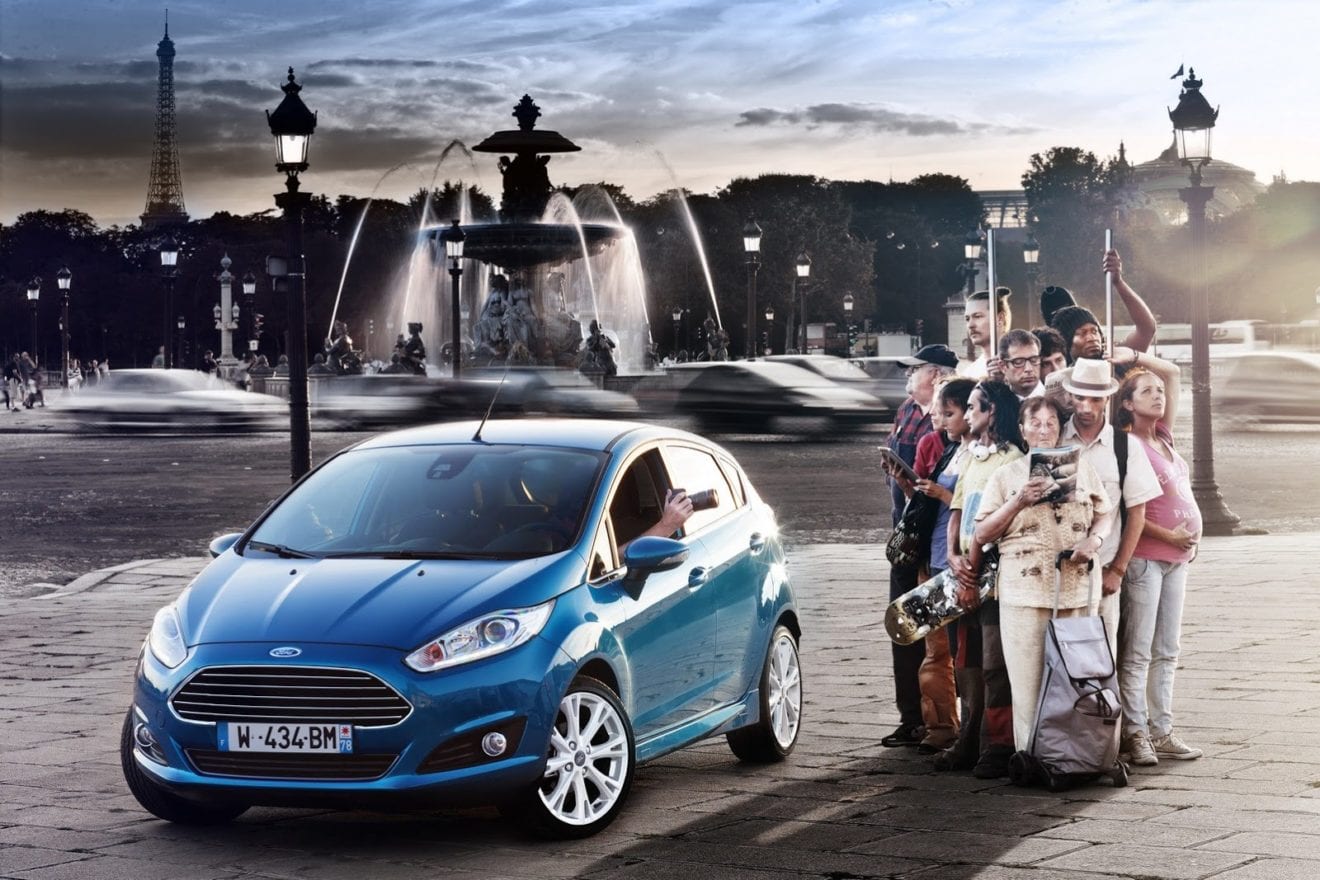
    There has already been speculation about it, now it’s official. After 47 years and over 18 million units, production of the Ford Fiesta will end in the summer of 2023, as electric vehicles are on the brand’s agenda in the future. Developed as the “Bobcat” project, the first Ford Fiesta was launched in 1976. Developed at a cost of billions, a plant was built especially for the small car in Valencia, Spain. Pony, Bambi, Metro or Sierra were discussed as alternative names, and Henry Ford II finally decided in favour of Fiesta.

    The seventh generation of the Ford Fiesta got a major facelift in 2021, but with the elimination of the three-door model a year later, it was already clear that the future would not look very rosy. Ford is now officially confirming that the Fiesta will end at the end of June 2023 at the Cologne plant. Until the end of production, only 5-door versions of the Fiesta will roll off the assembly line.

    All Ford Fiesta customer vehicles already ordered will be built and delivered. However, one cannot say exactly how long that will be, but one will ensure that Ford dealers are provided with the most up-to-date information that they can pass on to their customers. In addition, with the termination of Fiesta production, the production of combustion engines at the Cologne plant will also be phased out. The production volume of the 1.0-litre petrol engine, which is currently still being manufactured in the Cologne engine plant for other Ford locations, will be relocated to the engine plant in Craiova/Romania.

    The Ford Fiesta entered the Indian market back in 1999 as the Ford Ikon sedan in its fourth-generation avatar. It employed a powerful 1.6-litre petrol engine while later in its fifth generation, it was launched under the Fiesta moniker. It was joined by the Ford Fiesta S variant with a retuned suspension and a few other tweaks for responsive handling. Later when the sixth generation Ford Fiesta arrived, the car debuted the new 1.5-litre Ti-VCT engine along with improved safety features. However, due to poor reception, by 2015, Ford pulled the plug on the Fiesta sedan in India and missed out on receiving the Ford Fiesta hatchback altogether.

  • Amazon Will Be The First Customer For The RAM ProMaster EV

    Amazon Will Be The First Customer For The RAM ProMaster EV

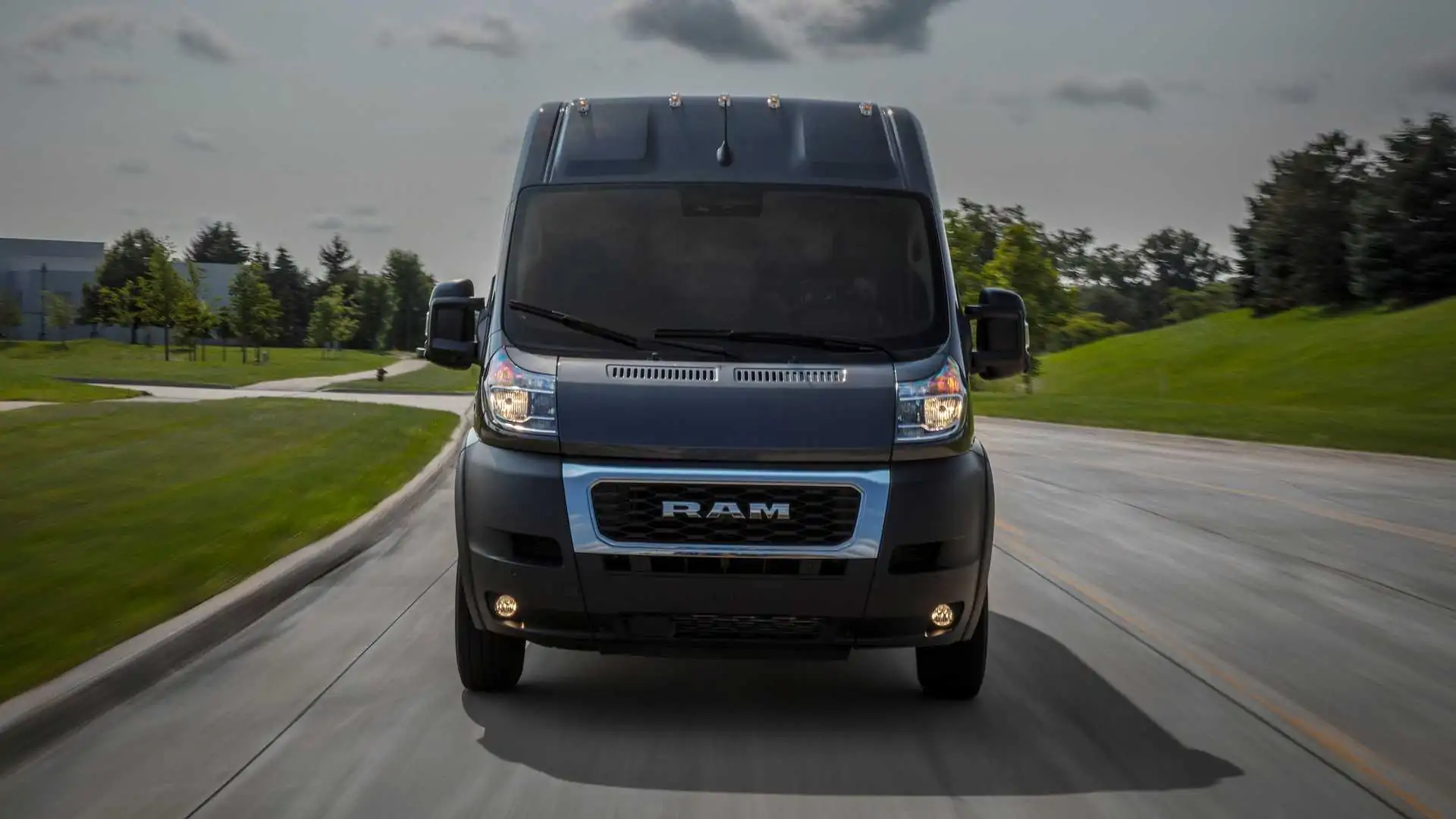
    Stellantis owned RAM is also slated to go EV first sometime by the end of the decade. Stellantis announced a bunch of partnerships at CES especially big ones with Amazon, but hidden within them was a footnote around RAM’s upcoming ProMaster electric van which will launch in 2023.  Amazon will become its first commercial customer. Notably, this news comes after it was revealed that Rivian’s exclusivity its for its order of 100,000 electric vans ends in 2023 and it will be free to sell its electric van to third parties. This is notable because Amazon is also a major investor in Rivian.

    Rivian expects to ship the first 10,000 units in 2022 and has already started delivering its electric van to Amazon which has already been spotted in the wild. Amazon reportedly has ordered thousands of ProMaster EVs as the e-commerce giant attempts to clean up its carbon footprint on the logistics side of its business.

    This is not the first time Stellantis has partnered with Amazon. Amazon in the past has had separate relationships with RAM, Fiat, Peugeot, and Citroen. Interestingly, Fiat and RAM are part of FCA which merged with PSA which includes Peugeot and Citroen to form Stellantis.

    The RAM ProMaster EV is being billed as a competitor to the Ford E-Transit. “We always knew that our ambitious sustainability goals in our last mile operations would require multiple electric delivery van providers. We continue to be excited about our relationship with Rivian, and this doesn’t change anything about our investment, collaboration, or order size and timing,” said an Amazon spokesperson.

    FCA was owned by Exor, the holding company of the Agnelli family which also owns Ferrari separately. After the merger with PSA, Exor continues to have a major holding in Stellantis with John Elkan being on its board. Ferrari in the last couple of years has become very close to Amazon for AWS.  Amazon is also working with Stellantis for AWS and STLA.

    In fact, Rivian, whose 20 percent stake is owned by Amazon has also released a statement on the deal – and said it is good for the industry. “Large fleets focused on electrification and carbon neutrality represent a win for the mission of both companies. Amazon’s scale is globally unprecedented, and we expect them to purchase vehicles from many providers – our own partnership with them is intact, thriving, and growing,” said Rivian on the announcement of the partnership between Amazon and RAM.

  • Honda Will Continue To Offer The Previous Gen City Alongside The New-Gen Model

    Honda Will Continue To Offer The Previous Gen City Alongside The New-Gen Model

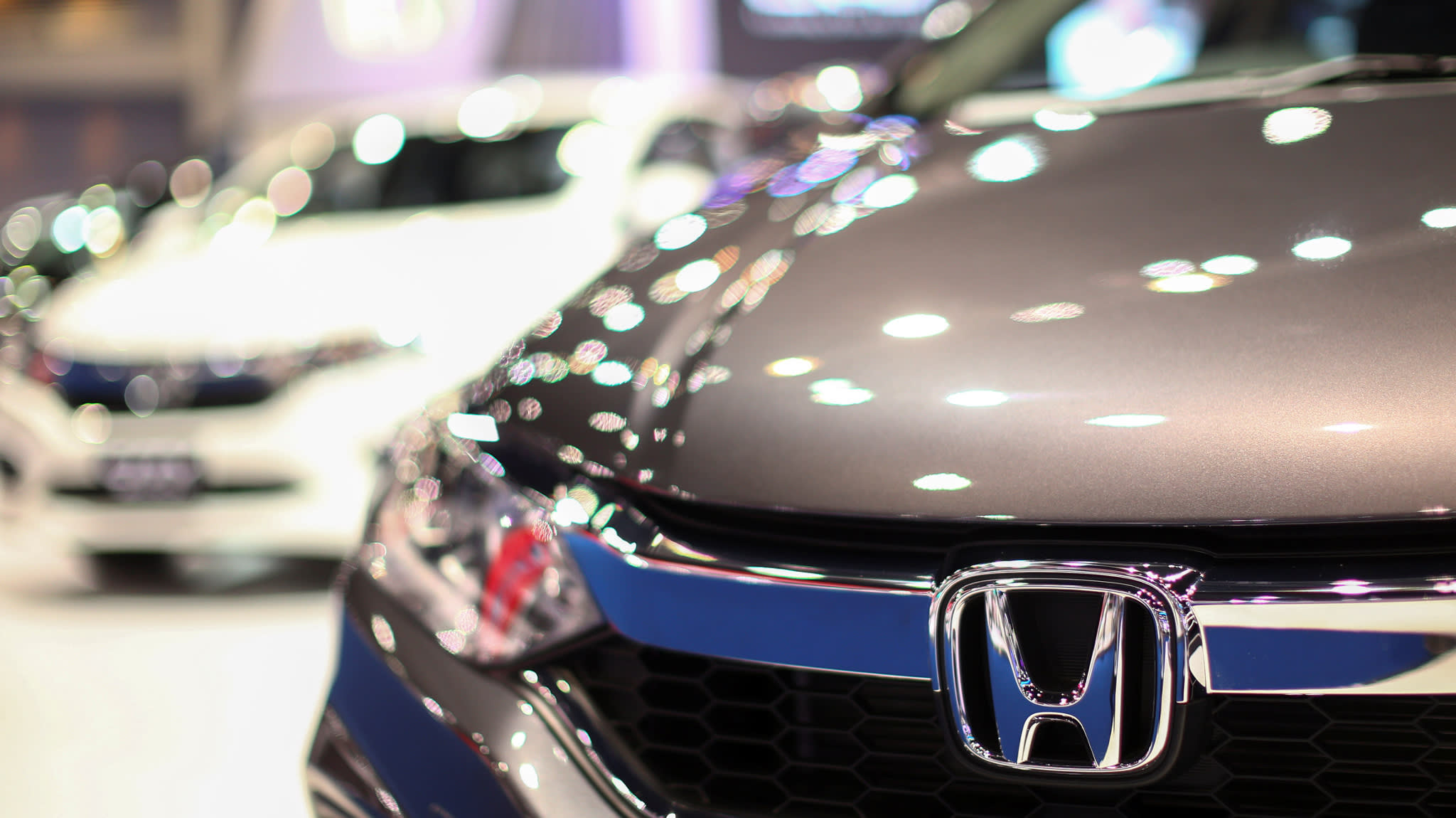
    The upcoming new-generation Honda City is all set to be launched in India in the coming weeks, and now we have information that the company will continue to sell the existing model alongside the new-gen Honda City. The previous-gen Honda City, is already BS6 compliant, which means the carmaker can continue to produce it in India, and by having both models, the company intends to offer a wider range of options for customers. It is the first time that the company will be adopting this strategy for a product in India. Now even though the existing model in the fourth generation of the Honda City in India, globally it is the sixth-gen model, and the same principle applies to the upcoming City as well.

    Speaking to us in the latest episode of Freewheeling with SVP, Rajesh Goel, Sr. Vice President & Director, Sales & Marketing, Honda Cars India said, “The current City, the fourth generation as we call it, is also BS6 certified, and we were selling the BS6 certified, current City before the lockdown happened. So, technically, we can keep producing it, and we intend to keep offering the fourth and the new fifth-generation City parallelly to offer a wider choice to the customers, across various price bands, and also, there has been a demand from various people. It happens with almost every generation of the City, as to ‘why do you need to discontinue this’. So, respecting the opinion, I think we intend to keep both the fourth and the fifth generation of the City together. So that customers depending on who likes what and what price point suits which customer, we have a great lot of options available to satisfy all our customers.”

    Now, this is not the first time that we have seen a carmaker simultaneously sell two different generations of a model in India. Maruti Suzuki has been selling the previous-gen Dzire for the fleet market, whereas, Hyundai India, too follows this strategy with the previous-gen Grand i10 and Xcent. So, when asked whether Honda too only plans to offer the lower variants of the older City to make to maintain a lower price point, Goel said, “I think City has been a car, which has been a highly desirable brand, and it has been kind of a benchmark, so to say. A car which everybody wants to drive in that segment and therefore most customers, of the City, in any generation have always preferred to own a kind of a loaded version. So, I do not, obviously intend to sell a bare version of the old City just to keep the price point low, that’s not the intent.”

    The current-generation Honda City is offered in seven variants and is powered by only a 1.5-litre i-VTEC petrol engine which is now BS6 compliant and is mated to a 5-speed manual gearbox as standard while a CVT automatic gearbox is optional. Rakesh Goel has confirmed that the car will continue to remain a petrol-only model, however, the new-generation City will be offered with both petrol and diesel engine options. While the petrol version of the new-gen Honda City will share its powertrain with the older model, the diesel version will get a new oil burner. Transmission options for the new Honda City are likely to include a 5-speed manual and a CVT automatic transmission.

  • Maruti Suzuki Ertiga Launched With The New 1.5-Litre Diesel

    Maruti Suzuki Ertiga Launched With The New 1.5-Litre Diesel

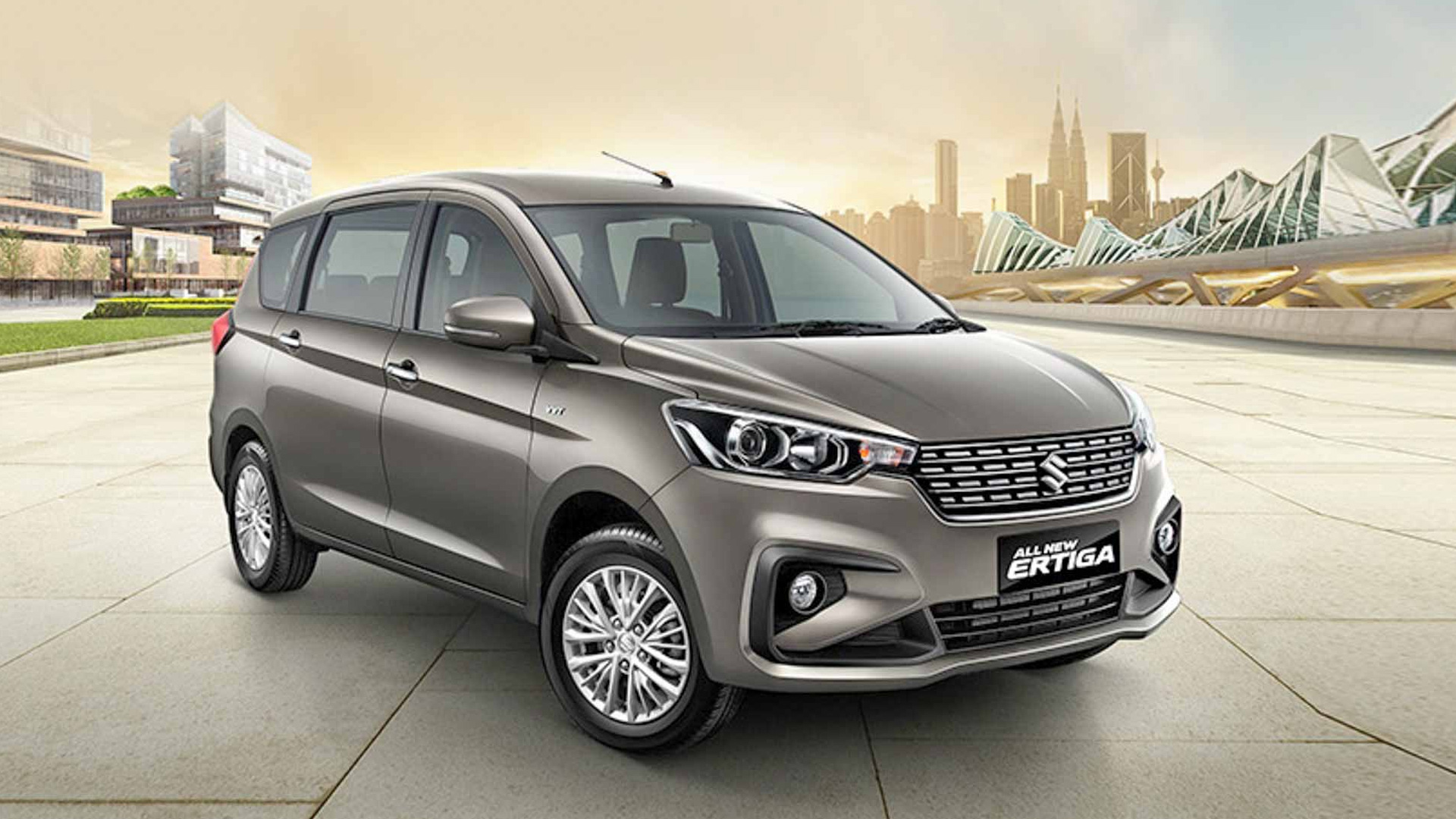
    Just days after announcing phasing out of diesel engines within a year, Maruti Suzuki has launched the 2019 Ertiga with its in-house developed 1.5-litre, DDiS 225 diesel engine. Maruti is offering the Ertiga 1.5 in three variants- VDI, ZDI and ZDI+ with prices starting at ₹ 9.86 lakh for the base trim and going up to ₹ 11.20 lakh for the top-end variant, all prices ex-showroom, Delhi. The DDiS 225 which will eventually replace the Fiat-sourced 1.3-litre DDiS 200 made its debut in the Maruti Suzuki Ciaz. At present, the 1.3-litre DDiS 200 engine will be offered alongside the new engine.

    It’s a 1498 cc, four-cylinder, turbocharged engine which churns out 94 bhp at 4000 rpm and 225 Nm of peak torque at 1500 – 2500 rpm. In fact, the DDiS 225 nomenclature alludes to the maximum torque the new engine puts out. Maruti has used Dual-Mass flywheel as a linkage between the engine and the transmission which helps to channelize the torque evenly, in-turn adding to the refinement. This engine in the Ertiga is mated only to a six-speed manual gearbox as standard and an automatic transmission is not on option as of now.

    The Maruti Suzuki Ertiga is India’s best-selling MPV and commands a market share of 39 per cent in its segment.

    The second-generation Maruti Suzuki Ertiga was launched last year in November and has been India’s best-selling MPV since then. It commands a market share of 39 per cent in the segment and Maruti Suzuki has sold over 40,000 units since its launch which is a year-on-year growth of a whopping 150 per cent in the November-April period.

    Maruti Suzuki in its last quarter financial result announcement had said that it will phase-out all its diesel models by April 2020 when the BS6 norms will kick-in, pertaining to the high transition cost. However, the company’s Chairman R C Bhargava did mention that the 1.5-litre engine may have future in bigger models if the market demand is there. After the Ertiga, we also expect the DDiS 225 engine to make its way in the S-Cross which is Maruti’s only model above four metres, yet to get the new 1.5-litre DDiS 225 diesel engine.

  • Filipino chocolate brand to open store in Tokyo

    Filipino chocolate brand to open store in Tokyo

    Filipino chocolate brand Auro is expanding to Japan.

    The first Auro Chocolate store will open on October 7 in Frenity House in Shibuya City, a special ward of Tokyo. The brand was discovered during a trip to the Philippines by the father of the founder of Japanese distributor Kotowari, which is now exclusively representing the brand in Japan.

    Co-founder Mark Ocampo said: “They discovered us through social media. He bought all these chocolates from the Philippines and took them to Japan. They tried all the chocolates they had and chose us.”

    Kotowari will manage the approximately 20-30sqm Auro store in addition to promoting the brand in local hotels and restaurants. The said the deciding factor in distributing the Auro brand is the direct relationship between the chocolatier and the cacao farmers who supply beans. Auro assists the farmers with business administration training and quality control, helping to improve their quality of life.