Tag: australian retail council

  • Australian Retail Spending Growth Slows to 4.9 per Cent Ahead of Peak Season

    Australian Retail Spending Growth Slows to 4.9 per Cent Ahead of Peak Season

    Australian retail spending grew 4.9 per cent in the year to September, slowing from 5.6 per cent in August as households cut back under persistent mortgage and living costs.

    Total retail trade reached $39.91 billion over the 12-month period, according to figures released by the Australian Retail Council. The drop in momentum comes just weeks before the critical Black Friday and Christmas trading window, which traditionally delivers the bulk of annual discretionary margins.

    Spending Splits Across Categories

    Pockets of non-discretionary and experiential spending held up while general merchandise stalled. Other retailing, covering pharmacies and cosmetics, climbed 8.1 per cent over the year, while cafes, restaurants, and takeaway food services rose 7.4 per cent.

    Discretionary categories showed sharp deceleration. Department stores and large online retailers recorded turnover growth of just 1.7 per cent, pointing to volume contraction once accounting for higher operating costs. Food retail turnover increased 3.3 per cent, running almost flat against the 3.2 per cent jump in food and non-alcoholic beverage prices measured in the September Consumer Price Index. The figure indicates that grocery growth reflected higher shelf prices rather than larger baskets.

    Margin Squeeze Ahead of Black Friday

    Weakening sentiment is already bleeding into register receipts across major shopping precincts. Consumer confidence fell sharply in September and slid again in October, leaving households with little appetite for full-price holiday shopping.

    The Reserve Bank of Australia compounded the pressure by lifting interest rates and downgrading its broader consumption forecasts. Central bank projections now anticipate consumption growth of 1.4 per cent for the years ending December and June, trimmed from an earlier 1.6 per cent forecast.

    “This weaker outlook, combined with yesterday’s interest rate increase, comes at a particularly difficult time for retailers, with Black Friday sales and the crucial Christmas trading period fast approaching,” said ARC chief economist Glenn Fahey.

    Price Restraint Limits Turnover Value

    Merchants face severe margin pressure as they discount stock to stimulate foot traffic. Clothing and footwear prices rose by just 0.4 per cent over the past year, while household equipment, furnishings, and services increased 0.8 per cent. Both categories trailed headline inflation of 4.3 per cent by a wide margin, demonstrating that stores swallowed cost increases rather than passing them on to shoppers.

    For regional supply chains and Asian consumer goods exporters exposed to the Australian market, these figures point to cautious reordering. Importers and local retail groups are keeping inventories tight to avoid forced clearance events in January.

    Attention now turns to preliminary November promotional volumes, where merchants will test whether heavy discounting can shake loose household savings before Christmas.
  • Australian Halloween Spend to Hit $510 Million as Shopper Numbers Drop

    Australian Halloween Spend to Hit $510 Million as Shopper Numbers Drop

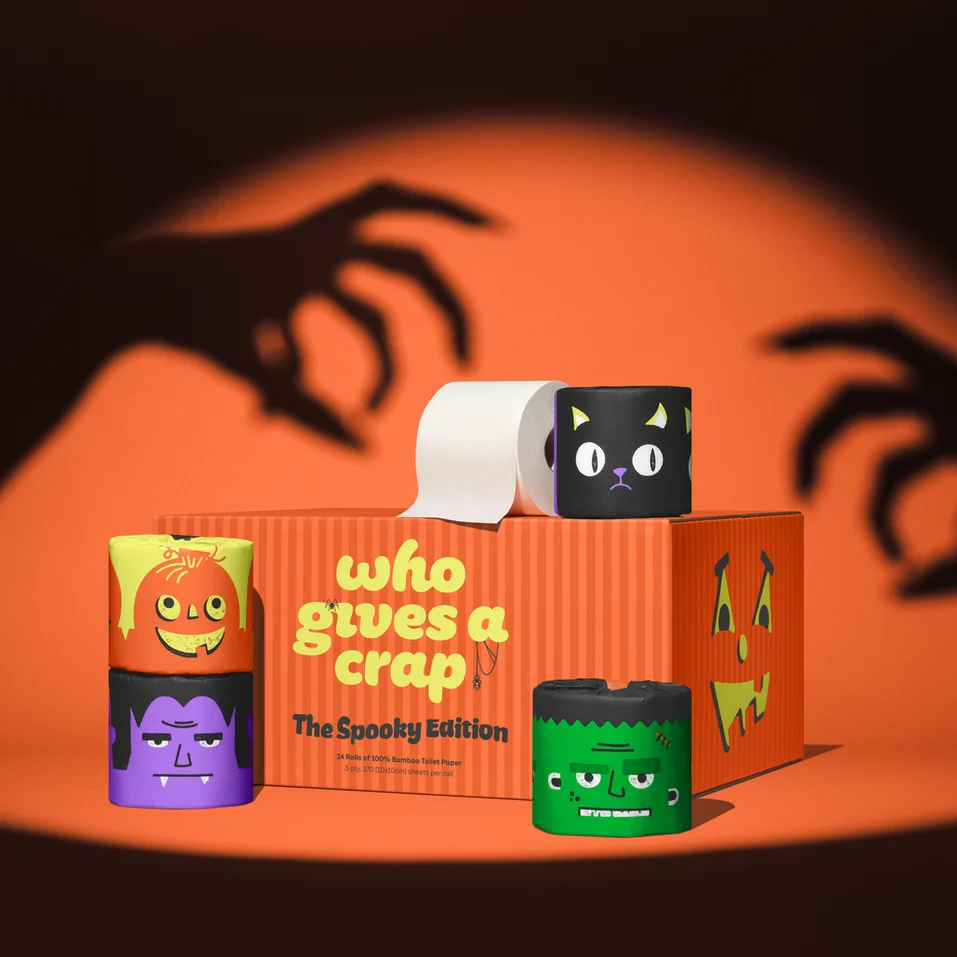
    Australians will spend 510 million Australian dollars on Halloween costumes, decorations and confectionery this year, according to joint research from the Australian Retail Council and Roy Morgan.

    Total spending will edge up 2 per cent from 500 million dollars last year, trailing domestic inflation even as individual celebrants plan to spend more cash per basket.

    Around 4.4 million Australians plan to celebrate Halloween personally or through their children, down by 400,000 from 2025. National participation dropped to 18 per cent compared to 21 per cent twelve months ago. Those who do take part plan to spend an average of 117 dollars each, a 13.6 per cent increase of 14 dollars on last year.

    Higher prices offset shrinking crowds

    The spending expansion reflects elevated retail prices rather than organic volume growth across checkout counters. Household budgets remain squeezed by sustained borrowing costs and elevated utility bills across metropolitan and regional centres. Among respondents planning to celebrate, 62 per cent said they will keep outlays flat, 22 per cent plan to reduce spending, and 16 per cent plan to spend more.

    Participation split across gender lines shows 2.4 million women and 2 million men planning to mark the event, with both groups shrinking by 200,000 participants compared to 2025.

    Fleur Brown, chief industry engagement officer at the Australian Retail Council, pointed to broader household financial strains. “Those taking part plan to spend more on average, but fewer Australians are joining in this year,” Brown said.

    Young adults drive costume spend

    Younger shoppers between 18 and 34 years old represent the largest demographic cohort participating in the event. This group will spend an average of 134 dollars per person, generating approximately 200 million dollars in gross retail sales.

    Older demographics pulled back sharply. Participation among consumers aged 65 and over dropped six percentage points to 15 per cent. Engagement among shoppers aged 35 to 49 remained steady at 20 per cent, anchored by primary school children and family neighbourhood activities.

    State breakdown and category demand

    Geographic breakdowns show distinct divergences in consumer willingness to spend across eastern seaboard states. Victoria leads the country with the highest projected average spend at 136 dollars per person. Queensland follows at 120 dollars, while New South Wales trails at 109 dollars per person. Together, these three states account for 410 million dollars of total seasonal turnover, up 20 million dollars from last year.

    Merchandise demand concentrates heavily in consumable goods and short-use apparel. Providing treats for trick-or-treaters ranks as the top activity, cited by 45 per cent of participants, followed by dressing in costumes at 44 per cent. Door-to-door trick-or-treating accounts for 40 per cent of consumer plans, while 35 per cent plan to buy home decorations.

    Retail margins ahead of peak season

    For supermarket chains, discount department stores and specialty party suppliers, Halloween operates as the primary operational test run before the critical November Black Friday sales and Christmas peak trade. A Saturday timing provides logistics networks and brick-and-mortar stores clear foot-traffic opportunities, but compressed basket counts raise margin risks for retailers carrying excess themed inventory.

    The benchmark data stems from an SMS survey of 5,237 Australians aged 18 and older conducted between September 29 and October 3, 2026, sampling 877 active Halloween consumers. Merchants now look to inventory sell-through rates across October 31 to gauge consumer price tolerance ahead of final pre-Christmas stock orders.

  • Australia Central Bank Raises Cash Rate to 4.6 per Cent in Fourth 2026 Hike

    Australia Central Bank Raises Cash Rate to 4.6 per Cent in Fourth 2026 Hike

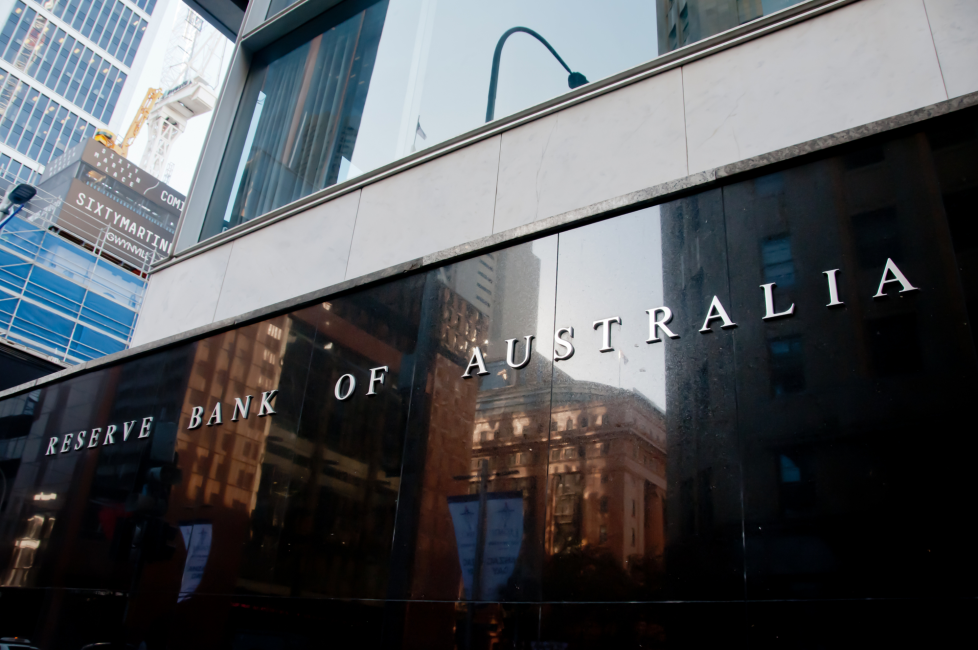
    The Reserve Bank of Australia lifted its cash rate target by 25 basis points to 4.6 per cent on Tuesday. The benchmark is now at its highest level since 2011.

    This is the central bank’s fourth rate hike of 2026, decided unanimously by its monetary policy committee. Higher borrowing costs take effect immediately across the banking sector. Household discretionary budgets across the country now face fresh pressure.

    Energy Costs and Inflation Drivers

    Persistent inflationary pressures and climbing global energy prices triggered the tightening, officials said. Several upside risks identified during the August meeting have now materialised. Conflict in the Middle East also pushed oil markets above baseline projections. The committee said its priority is stopping elevated inflation from becoming permanently embedded in price-setting behaviour.

    Market intelligence firm Circana warned that the rate rise will alter household buying habits immediately. Shoppers will reduce visit frequency and trade down to cheaper goods. They will also concentrate purchases around discount events.

    Tighter Margins Ahead of Peak Season

    Store operators and brand owners face this policy squeeze at a vulnerable time. Discretionary retail chains rely on the fourth quarter, particularly Black Friday and the weeks before Christmas, to generate cash flow and rebuild financial reserves. Higher debt servicing costs and elevated transport fuels directly erode retail operating margins.

    Passing cost increases to value-conscious shoppers is difficult. Merchants must absorb rising logistics and operational expenses through compressed margins, or risk losing transaction volume to cheaper rivals.

    Productivity and Regulatory Debate

    Industry groups are challenging the macroeconomic policy mix behind the repeated rate adjustments. Top-line retail turnover held up through mid-2026, according to the Australian Retail Council. Spending momentum is now showing signs of fatigue under concurrent rate and fuel increases.

    Lagging domestic efficiency is driving inflation rather than demand alone, the Business Council of Australia said. The group called for a 25 per cent cut in regulatory compliance costs. Returning productivity growth to historical averages would provide substantial long-term relief to household budgets.

    The Trajectory Leading to 4.6 Per Cent

    Tuesday’s adjustment follows three consecutive rate increases earlier in 2026, designed to cool domestic price pressures without triggering an outright contraction. Previous policy statements in August had assumed stabilizing energy import prices. Subsequent global supply disruptions invalidated that assumption.

    Analysts will now track fourth-quarter retail sales volumes and November promotional discounting data to determine whether consumer demand can withstand the 4.6 per cent benchmark.

  • 87% Of Australians Have AI Privacy Concerns, Report Finds

    87% Of Australians Have AI Privacy Concerns, Report Finds

    Eighty-seven per cent of Australians have concerns about privacy for artificial intelligence, according to Australian Retail Council research discussed at an industry roundtable in September 2026.

    The findings, highlighted by Diebold Nixdorf, show that only 5 per cent of Australians say they trust AI companies, presenting a live commercial risk for retailers integrating automation into everyday operations.

    Senior retail leaders at the gathering noted that while the technology for age verification, customer service, and loss prevention is ready, customer trust remains the primary barrier to adoption across Australian stores.

    Designing privacy into the checkout lane

    Automated age verification and theft detection represent the front line of store deployment. In international grocery markets, automated systems now approve most age-restricted purchases at self-checkout within seconds by processing visual data locally without retaining personal files.

    Hardware suppliers argue that keeping customer records off retail servers prevents chains from becoming targets for regulatory scrutiny. Similarly, loss prevention algorithms in newer self-checkouts prompt shoppers to scan missed items before store staff intervene, reducing confrontation at the register.

    Operating standards across store networks

    Supermarket operators across the Asia-Pacific region have accelerated camera-assisted checkout rollouts over the past three years to curb inventory shrink. Australian grocers that run uncoordinated systems across point-of-sale, payments, and security cameras risk alienating shoppers if privacy safeguards vary between store departments.

    For regional retail executives, deploying store AI without clear boundaries creates legal and operational liabilities. While Asian retailers in markets such as Singapore and Japan have integrated automated kiosks with high public compliance, Australian consumers push back when surveillance feels unchecked.

    Industry proposals for shared rules

    The push toward automation follows earlier disputes between major Australian supermarket chains and privacy regulators over facial recognition testing in retail aisles. Industry participants at the roundtable raised support for a retail-specific AI code of practice to set standard data retention limits across the sector.

    Diebold Nixdorf published the findings alongside its research report on self-service systems in Australia. Retailers now weigh whether to adopt voluntary operating rules or wait for formal regulatory guidelines on customer data capture at the till.