Tag: auto parts

  • Pakistan Used Car Imports Top 2,000 Units in October

    Pakistan Used Car Imports Top 2,000 Units in October

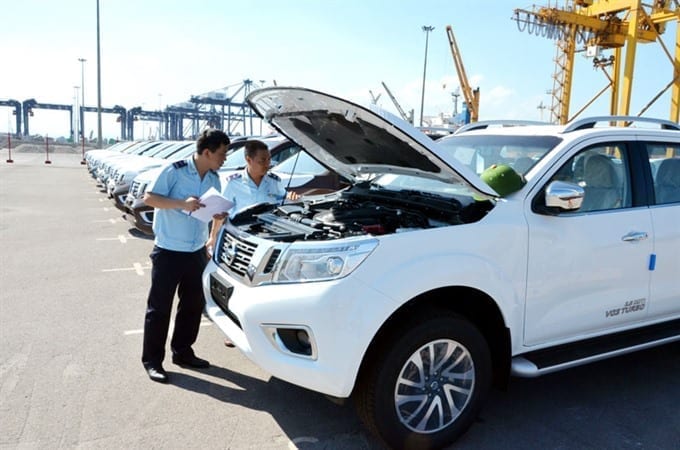
    More than 2,000 used vehicles entered Pakistan under the overseas gift scheme in October, defying state restrictions and accelerating an influx of foreign-built automobiles into the domestic market.

    The arrival volumes represent an aggressive rebound from May this year, when tighter customs oversight had temporarily squeezed monthly gift-scheme imports down to just seven units, according to former Pakistan Association of Automotive Parts and Accessories Manufacturers (PAAPAM) chairman Aamir Allawala.

    By September, shipments had expanded to 2,238 units before holding above the 2,000 mark through October. Domestic automotive parts vendors say these transactions bypass conventional banking channels, relying on payments to Japanese auction houses through informal hawala networks and cash settlement inside Pakistan.

    Surging Influx of Built-Up Vehicles

    Official trade data tracks the broader import trend. Inward shipments of completely built-up units, covering both new and second-hand passenger cars, jumped 40 per cent to $126 million during the first quarter of fiscal year 2026-27, compared with $90 million in the same three months of the prior fiscal year, according to the Pakistan Bureau of Statistics.

    Automakers entering the market account for part of the increase. Brands are bringing fully assembled vehicles into showrooms to test consumer appetite across major urban centers before committing capital to domestic assembly lines.

    The commercial friction deepened following the release of the government’s revised automotive policy in early November. Engineering groups say the framework shifts incentives toward finished imports and complete assembly kits, weakening the 1,200 local manufacturing firms that supply parts to domestic car plants.

    The Breakdown of Local Content

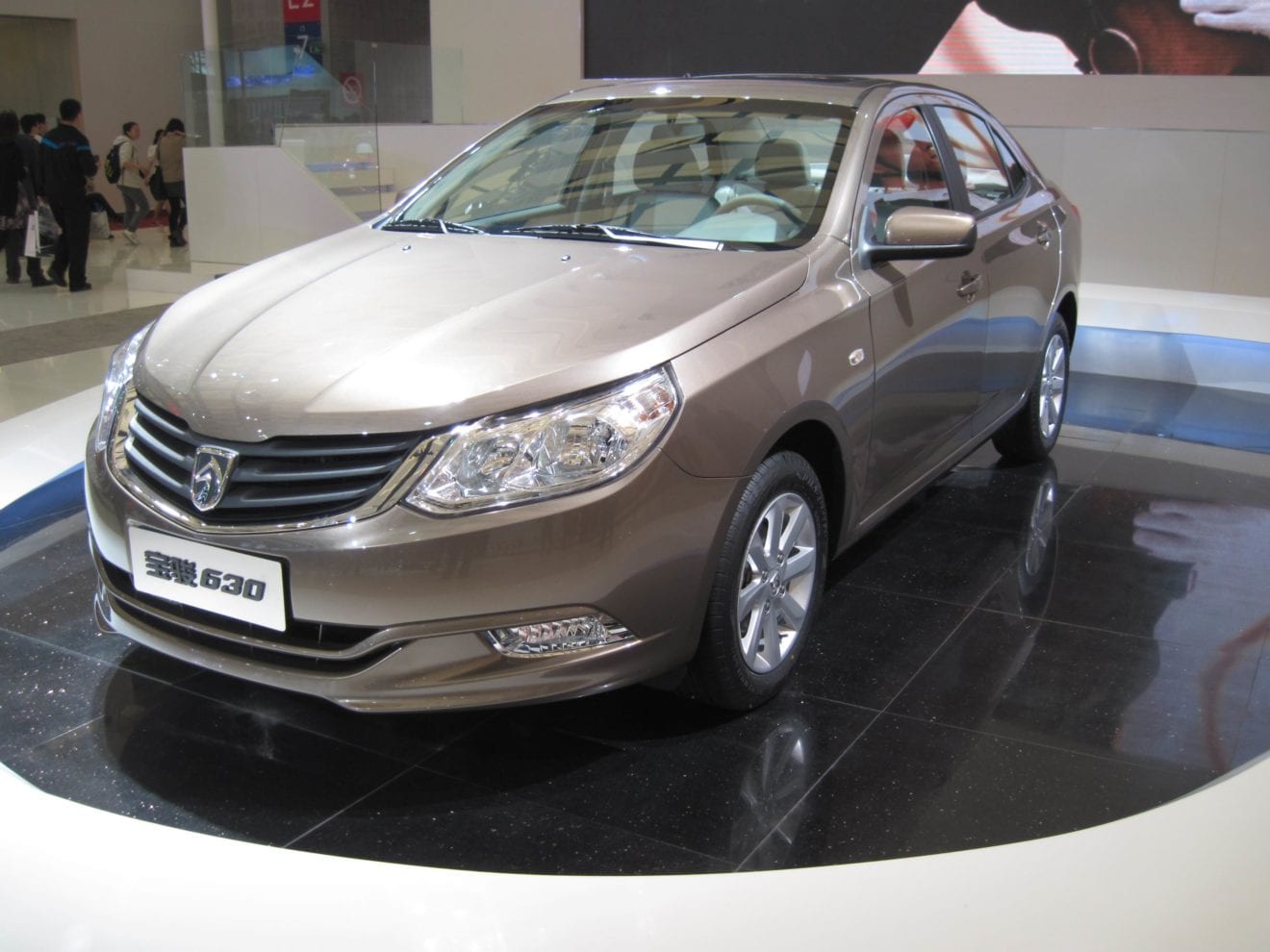
    The domestic parts footprint varies sharply across competing brands operating in Pakistan. Vehicles assembled from Japanese partners currently integrate between 50 per cent and 65 per cent locally produced components. Korean models carry 20 per cent to 25 per cent domestic content, while newly introduced Chinese vehicles operate with zero to 5 per cent local parts.

    Locally assembled vehicles typically absorb between Rs1.5 million and Rs2.5 million worth of parts produced by domestic engineering shops. The Pakistan Association of Automotive Parts and Accessories Manufacturers warned that lowering trade barriers will induce vehicle assemblers to import foreign components rather than procure them from local suppliers.

    The association said the domestic component manufacturing sector directly employs 300,000 workers and supports 1.5 million indirect jobs across the wider automotive value chain.

    Tariff Disparity with Regional Assembly Hubs

    Auto suppliers take particular issue with the proposed application of Pakistan’s National Tariff Policy to the vehicle sector. PAAPAM Chairman Abdul Rehman Aizaz pointed out that the draft auto policy sets duties on completely built-up units at 15 per cent, running counter to the protective tariff walls maintained by regional assembly hubs.

    India levies tariffs of 120 per cent on completely built-up vehicles, while Thailand applies an 80 per cent duty and Indonesia charges 52 per cent to protect domestic plants and supply networks.

    “All these vehicles are imported through payments to Japanese auction houses via hawala channels and unregulated domestic sales through cash transactions,”

    The revised policy also establishes a 5 per cent duty on fully imported small electric vehicles alongside reduced sales tax rates. Parts makers argue that while these tax cuts may lower retail prices for vehicle buyers by 5 per cent to 7 per cent, car purchasers represent barely 0.1 per cent of the national population.

    Shifting Rules from Consultation to Policy

    The standoff follows an abrupt pivot in industrial policy formulation between the middle and end of the calendar year. Component manufacturers stated they took part in formal consultative sessions with the Ministry of Industries through June 2026, agreeing on a localization-focused roadmap.

    That consensus dissolved when the final policy emerged in November with lower barriers for commercial imports, completely built-up electric cars, and 100 per cent completely knocked-down kits. Manufacturers say the resulting import bill will drain foreign exchange reserves at the State Bank of Pakistan while leaving revenue shortfalls at the Federal Board of Revenue.

    Industry groups are now pressing the Ministry of Industries to review the import rules and address the gift scheme trade, with assembly plants monitoring whether government customs enforcement stops the flow of Japanese auction arrivals.

  • Koito Targets 30% Cost Cut by Fiscal 2030

    Koito Targets 30% Cost Cut by Fiscal 2030

    Japanese automotive lamp leader Koito Manufacturing aims to reduce production costs by around 30 per cent by fiscal 2030, dismantling competitor hardware from China to isolate cost advantages.

    The Tokyo-based supplier counts Toyota and Lexus among its top vehicle lamp customers, leaving its core order book exposed to regional price competition.

    An internal warning from a company engineer shows the urgency of the initiative reported in November 2026, cautioning that “We’re going to lose” if the business fails to bring manufacturing expenses down.

    Tearing Down Rival Components

    Engineers at Koito are taking apart automotive lighting units built by Chinese rivals to inspect material choices, assembly stages and electronic architectures. The physical teardown program reflects a direct push to understand how mainland producers deliver functional vehicle headlights at substantially lower factory-gate prices.

    The pressure on traditional parts makers is acute. Internal assessments at the supplier indicate that failing to close the manufacturing cost gap against mainland alternatives will cost the group market share across global carmaker platforms.

    Pressure on Japanese Supply Chains

    Japanese original equipment manufacturers have relied on tier-one suppliers like Koito for decades to deliver proprietary optics and safety-critical lighting assemblies. That supplier ecosystem now faces electric vehicle assemblers in China who prioritize rapid model cycles and modular sourcing over multi-year component development.

    Cost parity has become a defensive necessity for established suppliers. As Japanese carmakers reassess their vehicle bill of materials to stay competitive against Chinese exports, tier-one margins face systematic re-engineering.

    The Timeline to Fiscal 2030

    Automakers operating in Asia are already trimming component costs by switching to localized supply chains and standardizing optical electronics across hybrid and battery-electric models. Koito must strip out nearly one-third of its manufacturing expenses within the decade while maintaining the defect thresholds demanded by premium brands such as Lexus.

    The benchmark to watch is Koito’s interim production milestones leading to fiscal 2030, which will determine whether redesigning components from the circuit board up can prevent contract losses to lower-cost Chinese rivals.

  • Toyota Thailand Extends Suspensions at 3 Plants to Oct 19

    Toyota Thailand Extends Suspensions at 3 Plants to Oct 19

    Toyota Motor Thailand has extended production suspensions at its Samrong, Ban Pho and Gateway plants, with operations now expected to resume between Oct 14 and 19 as flooding continues to disrupt parts deliveries.

    The company initially suspended output at the three facilities from Oct 5 to 10 after flooding affected deliveries across Samut Prakan, Chachoengsao and Chon Buri provinces.

    Staggered restarts across manufacturing hubs

    In a statement released on Friday, the carmaker said production at the Samrong plant was projected to resume on Oct 14, followed by Gateway on Oct 16 and Ban Pho on Oct 19.

    Under the revised schedule, the Samrong plant will attempt to restart operations on October 14. Gateway follows on October 16. Ban Pho remains closed until October 19.

    Every restart date depends on water levels receding and parts vendors restoring shipments, Toyota stated. Dealerships have begun notifying retail buyers about delayed vehicle handovers.

    Supplier gridlock hits automotive corridor

    Disruptions tested Thailand’s tightly integrated just-in-time automotive supply chain. Heavy rains inundated central industrial clusters in late September, submerging transit corridors rather than destroying plant machinery outright.

    Roughly 10 component manufacturers across the country halted production after rising waters blocked workers from commuting. Other vendors avoided direct flooding but could not move finished inventory over submerged provincial highways.

    Total industrial damage from the floods reached 6 billion baht, or roughly 178 million dollars, according to the Federation of Thai Industries. While major vehicle plants held enough safety inventory to assemble cars through October 12, those buffer stocks have run dry.

    Supply chain strain across regional rivals

    Toyota is not the only assembler managing parts shortfalls in the corridor. Rival manufacturers including Isuzu, Honda, Ford and Nissan faced delivery delays as regional logistics networks seized up.

    The country serves as the primary export base for Japanese carmakers supplying Southeast Asia, Australia and the Middle East. Prolonged plant closures risk pinching vehicle inventory across regional dealership networks heading into the fourth quarter.

    If tier-one suppliers cannot restore operations once roads clear, assemblers will face steep air-freight bills. They must fly replacement components in from Japan to keep assembly lines running.

    Monsoon pressures on industrial infrastructure

    Monsoon rainfall dumped nearly 300 millimetres of water over Bangkok in three days during late September, matching the capital’s typical monthly rainfall. Authorities declared disaster zones across 28 provinces as floodwaters spread southward through central manufacturing provinces.

    Government officials stepped in to inspect industrial parks, with Commerce Minister Suphajee Suthumpun visiting Toyota’s Samrong plant in Samut Prakan on October 7 to assess damage to transport links.

    Plant managers and suppliers now focus on clearing logistical bottlenecks before Samrong’s targeted October 14 restart date.

  • Auto parts market set to boom as vehicle population ages

    Auto parts market set to boom as vehicle population ages

    The average age of automobiles in Vietnam is 5.7 years, or near a major maintenance milestone and requiring many replacement parts, according to experts.

    Passenger cars usually have a warranty period of three to five years, and need a major overhaul after six to seven years of running.

    With cars aged nearly 6 years, the demand for components and parts for maintenance, repair and replacement purposes will increase sharply in the near future.

    At an auto parts show in Ho Chi Minh City in late June, Teoh Chee How, head of the Asia Pacific aftermarket division at ZF Aftermarket, a German seller of components and systems for cars, said: “In the next five years the number of new cars on the road will increase by 10%.”

    “The average age of vehicles is near the time of overhaul,” How said. “That is why we consider Vietnam to be a very promising auto parts market and well worth investment.”

    According to research by ZF Aftermarket, the total number of passenger cars in circulation in Vietnam is 2.5 million, and their average age is 5.7 years, compared with 12.5 years in the U.S. and 12 years in Europe.

    Markus Wittig, head of business line passenger cars at ZF Aftermarket, said the biggest challenge facing the Vietnamese auto parts market is the lack of in-depth, methodical support and diagnostic tools for workers at independent repair centers.

    The country’s annual automobile production capacity is 755,000, with foreign-owned plants manufacturing for 35% of them, according to the Ministry of Industry and Trade.

    Imports of components for production and repair are worth around US$5 billion a year.

  • Wuling to Build Factory in Indonesia

    Wuling to Build Factory in Indonesia

    Chinese-bases automotive company PT SAIC General Motor Wuling (SGMW) is preparing investment of US$700 million or around RP9.7 trillion to open up business in Indonesia.

    PT SGMW Motor Indonesia President Feiyun said the company is building its first factory in Indonesia. The factory is located in Greenland International Industrial Center, Cikarang, West Java, and is built on land of 600,000 square meters.

    “Besides factory, the company will also build supplier park,” said Xu Feiyun on Thursday, January 28, 2016.

    The factory is scheduled to begin the operation in 2017 and will become production basis to expand the company’s business to ASEAN countries. The first product that will be launched is multi-purposes vehicle (MPV). “We are optimistic that the people of Indonesian can accept our products,” said Feiyun.

    The factory is also planned to produce 150,000 vehicles per year so that Indonesia will become the main export basis of Wuling vehicles in Southeast Asia. Through this project, SGMW is expected to create 3,000 job fields.

    PT SGMW Motor Indonesia is a part of global expansion of SAIC, General Motors and Wuling Automobile in China. “We will utilize capital, technology and system from stakeholders, SAIC, General Motors and Wuling to give the best services,” said Xu Feiyun.