Tag: autoc

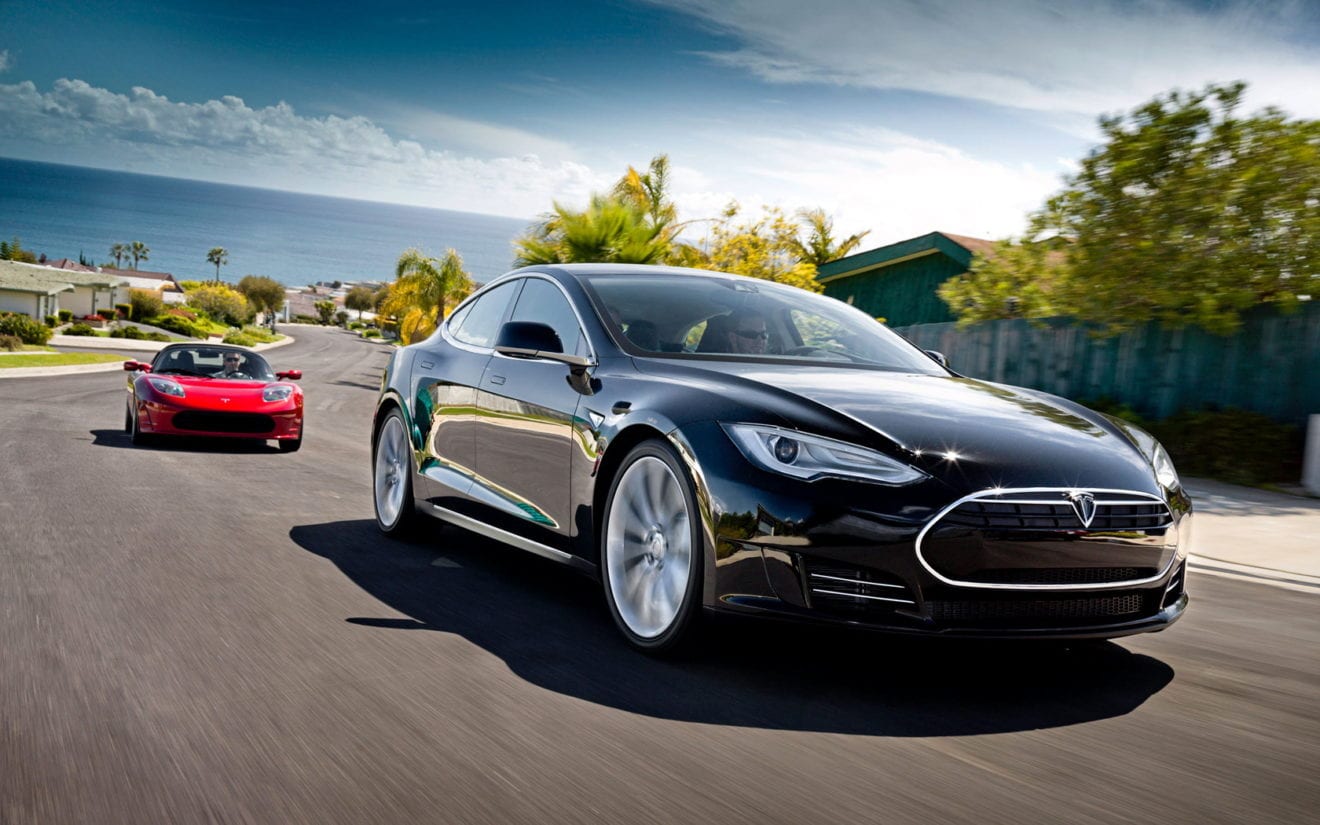
  • Tesla moves closer to deal to build cars in China

    Tesla moves closer to deal to build cars in China

    Electric car maker Tesla Inc said on Sunday it is talking with the Shanghai municipal government to set up a factory in the region and expects to agree on a plan by the end of the year.

    China levies a 25 percent duty on sales of imported vehicles and has not allowed foreign automakers to establish wholly owned factories in the country, the world’s largest automaker. Those are problems for Tesla, which wants to expand its presence in China’s growing electric vehicle market without compromising its independence or intellectual property.

    China’s government has considered allowing foreign automakers to set up wholly owned factories in free trade zones in part to encourage more production of electric and hybrid vehicles – which the government calls “new energy vehicles” – to meet ambitious sales quotas.

    Tesla would still have to pay a 25 percent duty on cars built in a free trade zone, but it could lower its production costs.

    “Tesla is working with the Shanghai Municipal Government to explore the possibility of establishing a manufacturing facility in the region to serve the Chinese market. As we’ve said before, we expect to more clearly define our plans for production in China by the end of the year,” a Tesla spokesperson said in a statement emailed to Reuters.

    Tesla said in June it was beginning talks with Shanghai.

    The Wall Street Journal reported that Tesla and the Shanghai government have already reached a deal in that city’s free trade zone. Shanghai is China’s de facto automotive capital and a significant market for luxury vehicles of all kinds.

    Chinese internet company Tencent Holdings Ltd has a five percent stake in Tesla and is seen as a potential ally for Tesla’s efforts to enter the Chinese market.

    It was unclear if the Chinese government will conclude a deal with Tesla to coincide with U.S. President Donald Trump’s visit next month.

    Tesla Chief Executive Elon Musk has said the company eventually will need vehicle and battery manufacturing centers in Europe and Asia.

    Tesla is wrestling with production problems at its sole factory, in Fremont, California. It is trying to accelerate output of its new Model 3 sedan, but conceded earlier this month that production bottlenecks had held third-quarter production to just 260 vehicles, well short of the 1,500 previously planned.

  • Renault-Nissan to set up new China JV with Dongfeng Motor for electric cars

    Renault-Nissan to set up new China JV with Dongfeng Motor for electric cars

    Nissan Motor and its alliance partner Renault are setting up a new joint venture in China with Dongfeng Motor Group to design and build electric cars, joining a list of global automakers aiming to make such vehicles in China.

    The automakers are attempting to tap into a boom for such cleaner “new energy” vehicles in the world’s biggest auto market and gearing up to meet its anticipated stringent plug-in car quotas.

    Ford Motor Co announced earlier this month it was exploring setting up a joint venture with car maker Anhui Zotye Automobile Co to build electric vehicles in China under a new brand.

    Tesla, Daimler AG and General Motors have already announced plans for making electric vehicles in China, which wants electric and plug-in hybrid cars to make up at least a fifth of the country’s auto sales by 2025.

    The new joint venture, called eGT New Energy Automotive Co, will be owned 25 percent each by Nissan and Renault with Dongfeng owning 50 percent, Nissan and Renault said in a statement on Tuesday.

    They said eGT will design a new electric vehicle on a subcompact crossover SUV platform of the Renault-Nissan alliance.

    “The establishment of the new joint venture with Dongfeng confirms our common commitment to develop competitive electric vehicles for the Chinese market,” Carlos Ghosn, chairman and chief executive officer of the Renault-Nissan alliance, said in the statement.

    The statement did not give details of financial commitments of the joint venture partners or say by when the vehicles will be launched. Dongfeng already partners Nissan in China.

    Both Nissan and Renault already market electric cars. Nissan’s Leaf compact hatchback has become the world’s top-selling electric car since its launch in 2010, while Renault began selling its Zoe model in 2012.

    The game changer for global automakers, many of whom until recently have resisted an industry shift to heavily electrified vehicles, is China – an auto market with strong potential for growth where stringent policies favoring cleaner energy cars are being aggressively pursued.

    Under China’s latest proposals, electric vehicle sales quotas, which are expected to take effect as early as 2018, are due to require 8 percent of automakers’ sales to be battery electric or plug-in hybrid vehicles by next year, rising to 10 percent in 2019 and 12 percent in 2020.

  • VW Group, Tata end talks on emerging markets tie-up

    VW Group, Tata end talks on emerging markets tie-up

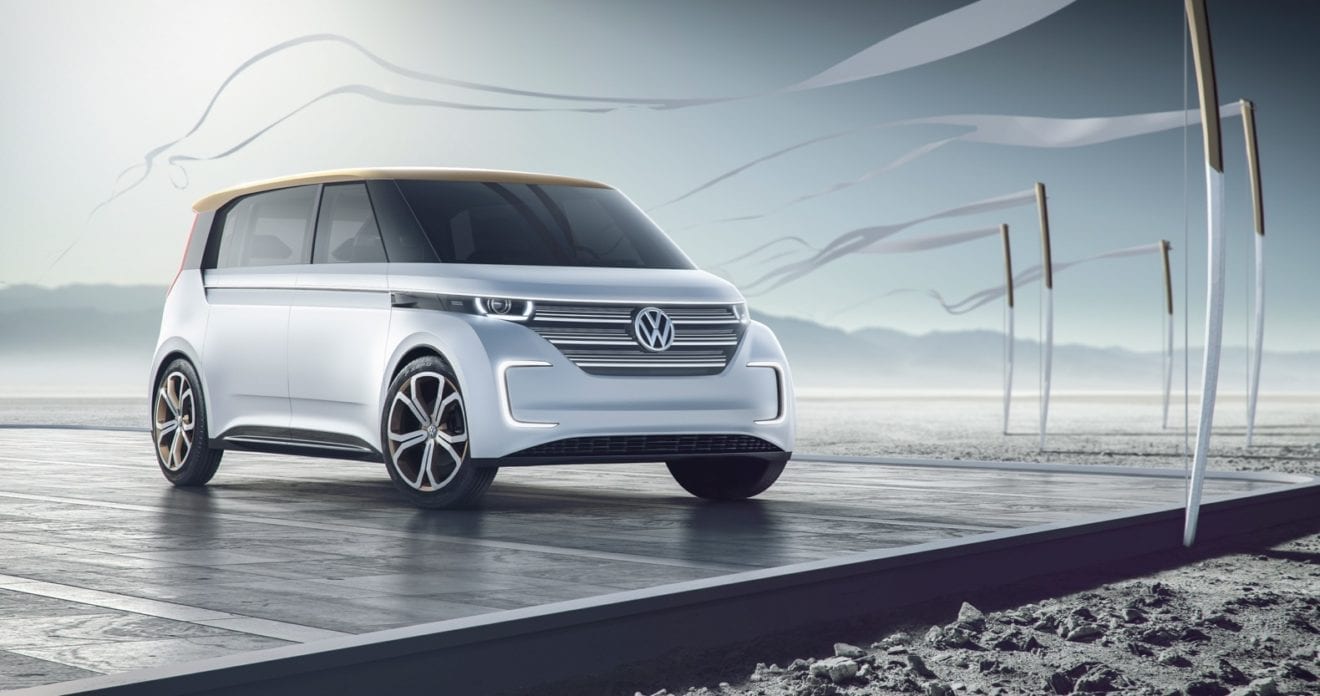
    Cooperation talks between Germany’s Volkswagen Group and India’s Tata Motors about joint development of a car for emerging markets have ended amicably, the two companies said on Thursday.

    The collapse of the talks is a further blow to Volkswagen’s (VW) efforts to develop a cheap vehicle platform for Asian markets, after an earlier alliance with Japan’s Suzuki Motor Corp (7269.T) also fell apart.

    In March Tata Motors and VW announced a Memorandum of Understanding (MoU) for a long-term partnership to explore joint development of products for customers in India and other markets.

    The German group’s Czech arm Skoda, commissioned by VW to lead the talks with Tata, was exploring a possible entry-level car platform together with the Indian manufacturer, using Tata’s AMP vehicle platform as a basis, a VW group source said.

    Skoda dropped the idea of developing the AMP platform on fears that it would need significant further investment to meet future crash-test and engine emissions requirements and would instead explore parent VW’s MQB platform for possible further savings, said the source, who declined to be named.

    “The two companies have come to the conclusion that at the present point of time the technical and economic synergies cannot be realized in the desired way,” Skoda said on Thursday, confirming a Reuters story.

    “We have evaluated the technical feasibility and degree of synergies for the envisioned partnership. We have concluded that the strategic benefits for both parties are below the threshold levels,” said Tata Motors Chief Executive Guenter Butschek, the German automotive and aerospace industry veteran who joined the Indian company last year.

    But the two automakers, which also studied joint development of components, did not rule out the possibility of collaboration in the future after holding what Skoda called “constructive talks” over the past five months.

    VW shares closed 0.7 percent lower at 127.15 euros. Tata Motors shares plunged 9 percent to 380.20 rupees, after the company reported lower than expected first-quarter results.

    Foreign carmakers like VW, General Motors (GM.N) and Fiat Chrysler (FCHA.MI) have struggled in India where more nimble rivals such as Maruti Suzuki (MRTI.NS) and Hyundai Motor (005380.KS) have cornered two thirds of the market.

    Tata, which is also struggling to boost sales, has been trying to turn round its loss-making domestic business by modernising its products, improving efficiency and streamlining its organization.

    In May, General Motors said it would stop selling cars in India from the end of this year, drawing a line under two decades of battling in one of the world’s most competitive markets where small cars make up the bulk of sales.

    India is expected to become the world’s third-largest car market by 2020 but passenger vehicle sales have slowed in recent months due to policy changes and a new nationwide sales tax.

    In 2009 VW attempted to break into the low-cost car market in India by forging a tie-up with Suzuki Motor Corp but the deal failed due to cultural and business differences and was ended in 2015 following a fierce legal dispute.

    The German group is looking for new overseas markets as it struggles to draw a line under its emissions scandal. In China VW has been working with joint venture partner FAW on an economy car and is planning to build affordable electric vehicles with JAC Motor (600418.SS) from next year.

    “We haven’t been able yet to claim a share of the booming business with cheap small cars and Tata means another setback in that respect,” a senior VW brand manager told Reuters. “But VW has changed a lot structurally since the Suzuki debacle, so we’ll keep trying.”

    The breakdown of talks with Tata was mainly for economic reasons rather than differences over control, as the AMP architecture turned out to be too expensive, the VW source said.

    A push by VW group headquarters to decentralize power after the dieselgate scandal and assign greater responsibilities to the individual brands and business regions for vehicles and technology will help VW find the right partner, the manager said, without being more specific.

  • Toyota takes stake in Mazda, links up for $1.6 billion U.S. plant

    Toyota takes stake in Mazda, links up for $1.6 billion U.S. plant

    Toyota  said on Friday it planned to take a 5 percent share of smaller Japanese rival Mazda Motor Corp, as part of an alliance that will see the two build a $1.6 billion U.S. assembly plant and work together on electric vehicles.

    The plant was a surprise for investors at a time of cooling U.S. sales, but marked good news for U.S. President Donald Trump who came to office on the back of promises to bring back manufacturing and jobs for U.S. workers. He commented on Twitter that it was a “great investment in American manufacturing”.

    The plant, whose location is not yet public, will be able to produce 300,000 vehicles a year, with production divided between the two automakers, and employ about 4,000 people. It will start operating in 2021.

    Analysts said the plan was more than a political ploy. The alliance is also an attempt to catch up with rivals in the race for electric car technology, as tighter global emissions rules loom, along with the entry of new players into the market.

    “There will be new rivals appearing – Apple, Google – these are IT companies, we also need to compete with them, too,” Toyota President Akio Toyoda, grandson of the company’s founder, told a news conference in Tokyo.

    He was appointed last year to lead Toyota’s newly formed electric car division, flagging the group’s commitment to a technology it has been slow to embrace.

    “What’s different from the past is that there are no nautical charts for us to follow. It’s without precedent,” he said of the push into alternatives to the internal combustion engine.

    Other traditional automakers such as Daimler and BMW are also weighing how best to work on new, disruptive technology, from electric vehicles to autonomous driving, that require hefty investment and have turned firms like Google and Tesla into rivals.

    Toyota has set a goal for all of its vehicles to be zero emission by 2050. But until recently, it has said it favoured EVs for short-distance commuting, given their limited driving range and lengthy charging time.

    It has been investing heavily in hydrogen fuel-cell vehicles (FCVs), while rivals such as Nissan Motor Co, Volkswagen AG and Tesla have touted pure electric cars as the most viable zero-emission vehicles.

    As part of the agreement, as well as electric car technology, Toyota and Mazda will work together to develop in-car information technologies and automated driving functions.

    Toyota, Japan’s biggest auto company, has been forging alliances with smaller rivals for several years, effectively engineering a loose network at the heart of the Japanese auto sector. It already owns a 16.5 percent stake in sixth-ranked Subaru Corp with which it also has a development partnership.

    Toyota is also courting compact car maker Suzuki Motor Corp to cooperate on R&D and parts supply, as Toyota seeks to tap its smaller rival’s expertise in emerging Asian markets.

    As part of Friday’s plan, Toyota, the world’s second-largest automaker by vehicle sales last year, will take a 5 percent share of Mazda, and Mazda will take a 0.25 percent share of Toyota.

    Mazda said it could even expand the alliance, as long as it could stay in control of its own management. “We will study the possibility of expanding the capital alliance, but the basic premise is that autonomy is assured,” said Mazda Executive Vice President Akira Marumoto.

    A stake in Mazda may also prevent future incursions by tech companies, one analyst said.

    “For a technology company which lacks the expertise in making cars, Mazda could look like a very interesting acquisition. They’re very good, they’re not too expensive. Maybe Toyota realises this,” CLSA managing director Chris Richter said.

    “By buying a 5 percent stake, Toyota takes Mazda off the table rather than having it sit out there like a free agent which could someday be used against them.”

    Mazda, for its part, stands to gain from a deal that gives the small automaker a production foothold in the United States. At the moment, it ships all vehicles sold in the country, its biggest market, from its plants in Japan and Mexico.

    With an R&D budget of around 140 billion yen ($1.27 billion) this year, a fraction of Toyota’s 1 trillion yen, Mazda lacks the funds to develop electric cars on its own, a predicament shared by Subaru and Suzuki.

    “Mazda needs electrification technology. In the past, they’ve pooh-poohed EVs, they’ve felt they can make internal combustion engines more efficient, but the bottom line is that globally you need to have this technology,” said Janet Lewis, head of Asia transportation research at Macquarie Securities.

    The automakers plan to produce Toyota Corollas and a new Mazda SUV crossover at the new plant, and the companies said they could eventually build other cars including electric vehicles.

    Toyota initially had been planning to produce Corollas at its new $1 billion plant being built in Mexico, prompting Trump to threaten punitive tariffs.

    The company has since said it will instead produce its Tacoma truck model in Mexico.
  • Dutch firm aims to deliver first flying car in 2018

    Dutch firm aims to deliver first flying car in 2018

    From ‘The Jetsons’ to ‘Chitty Chitty Bang Bang’, flying cars have long captured the imagination. While several futuristic projects are under way in different countries, a Dutch design may be the first one sold and soaring into the skies.

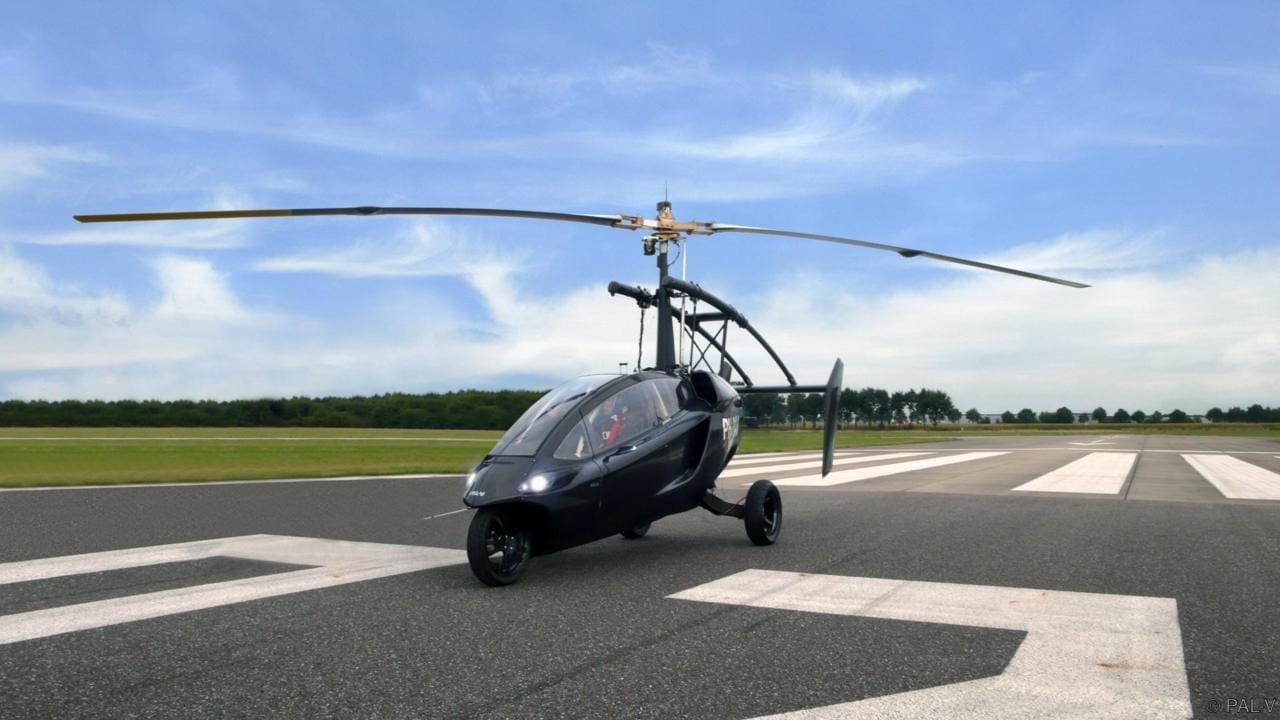
    After years of testing, the PAL-V company aims to pip its competitors to the post. It is poised to start production on what they bill as a world first: a three-wheeled gyrocopter-type vehicle which can carry two people and will be certified for use on the roads and in the skies.

    “This kind of dream has been around for 100 years now. When the first airplane was invented people already thought ‘How can I make that driveable on the road?’,” chief marketing officer Markus Hess told.

    The PAL-V (Personal Air and Land Vehicle) firm, based in Raamsdonksveer in the Netherlands, is aiming to deliver its first flying car to its first customer by the end of 2018.

    The lucky owner will need both a driving license and a pilot’s license. But with the keys in hand, the owner will be able to drive to an airfield for the short take-off, and after landing elsewhere drive to the destination in a “door-to-door” experience.

    Different versions of a flying car are being developed in the Czech Republic, Slovakia, Japan, China and the United States.

    But final assembly on the PAL-V will start in October, with the company seeking to be the first to go into commercial production.

    ‘No falling from sky’

    The PAL-V uses normal unleaded petrol for its two 100-horsepower engines, and can fly 400 to 500 kilometers (248 to 310 miles) at an altitude of up to 3,500 meters (11,500 feet).

    On the road it has a top speed of around 170 kilometers an hour.

    In 2019, the company expects to produce between 50 and 100 vehicles, before ramping up to “quite a few hundred” in 2020.

    It won’t be cheap. The first edition, the PAL-V Liberty, costs 499,000 euros ($599,000), while the slightly cheaper PAL-V Liberty Sport, to be made next, has a price tag of 299,000 euros.

    PAL-V was founded in 2007 by Robert Dingemanse and pilot John Bakker.

    “In the beginning it was, let’s make a gyrocopter drivable,” said Hess.

    But the company, which has some 40 to 50 employees, realized the weight and length of a gyrocopter’s blades gave the vehicle a high center of gravity when driving, especially taking corners.

    They have designed the car so at the flick of a button the blades fold down and gather like a bat’s wings on the top.

    And they have incorporated into the car a 2005 breakthrough — when the Dutch company Carver invented a tilting system for three-wheelers — to counter the high center of gravity and make it roadworthy.

    The company insists the PAL-V is not a helicopter, in which the blades are powered by an engine. It is a gyroplane, in which the blades rotate thanks to airflow.

    Even if both engines cut out, the blades will still turn, so “even if you go at zero speed it still keeps rotating and you are not going to drop out of the sky,” said Hess.

    While he refused to divulge how many orders they have, he said the company “was more than satisfied”.

    ‘Selling a dream’

    Clients put down a non-refundable deposit of 10,000 to 25,000 euros depending on the model. A third option is to put 2,500 euros into an escrow account, which secures them a place in the line.

    “In some senses we are selling a dream,” Hess said, standing next to the sleek, black first model developed in 2012 which has already put in “substantial hours” of flying and driving time.

    Parts are on order, with the first already in stock. Once built, the vehicle will have to complete at least 150 flying hours, and undergo extensive tests to receive its certification from the Cologne-based European Aviation Safety Agency (EASA).

    Hess defended the hefty price tag. It’s not a lot more than “a super-duper sports car with a few extras,” he said.

    “Considering the extra certification standards we have to go through for aviation, and that a super-duper sports car can’t even fly, we think it’s actually a bargain.”

    The PAL-V staff know many inventors in other countries also developing flying cars, but remain unconcerned by the competition.

    And Hess laughs when asked whether the skies will become too crowded.

    People at first “cannot even imagine flying cars. Then suddenly when they start imagining it, they see millions of flying cars in the air.”

    That new reality, for the time being, is still a long way off, he said.

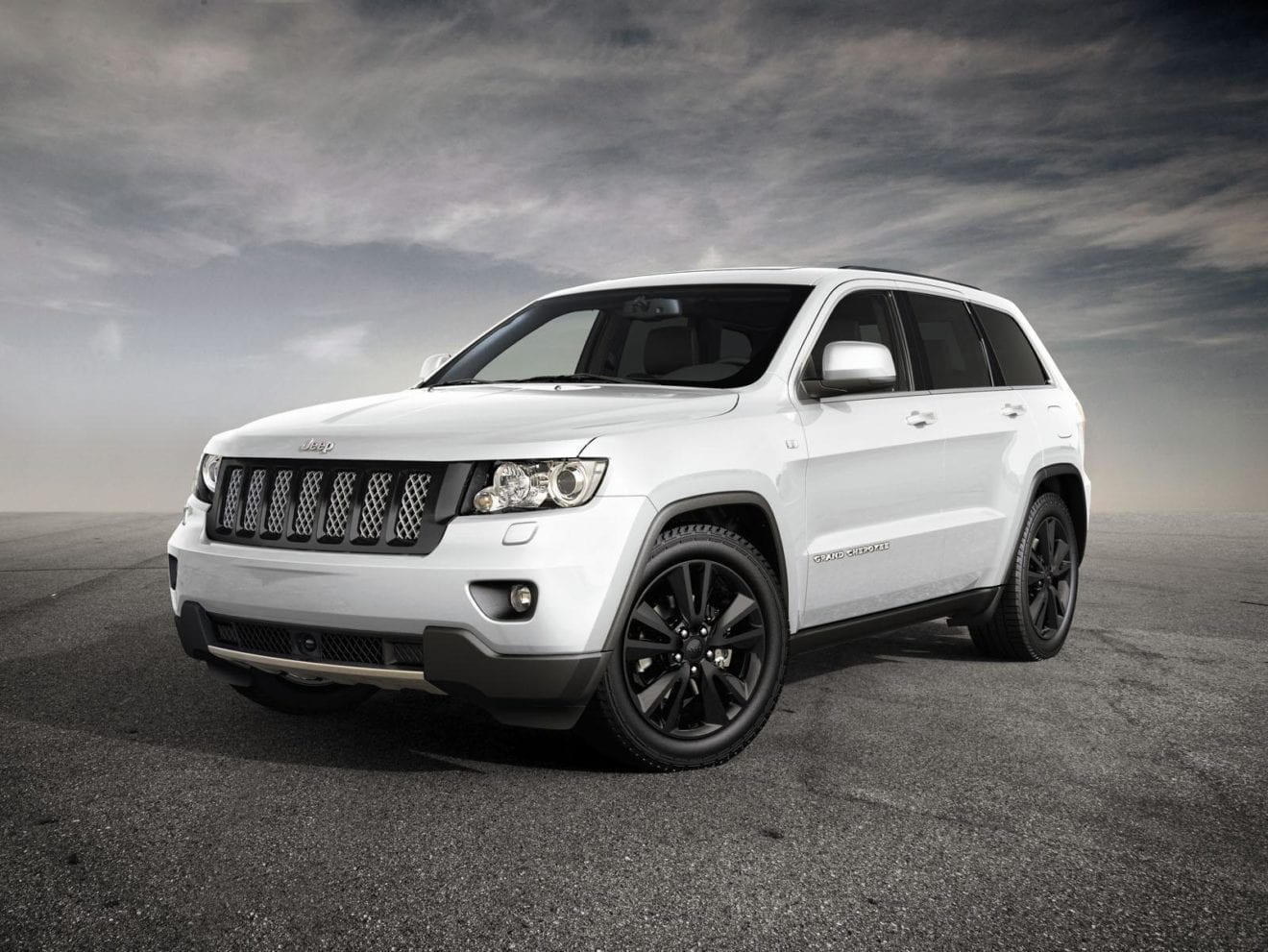
  • Fiat Automobiles to roll out Jeep Compass on June 1

    Fiat Automobiles to roll out Jeep Compass on June 1

    Fiat India Automobiles has confirmed that it will roll out its first ever, ‘Made-in- India’ Jeep Compass production vehicle from the assembly line in Ranjangaon near Pune on June 1.

    Maharashtra Chief Minister Devendra Fadnavis will roll out the first ever ‘Made in India’ Jeep Compass production vehicle from the assembly line at Ranjangaon on Thursday, a company statement said.

    This development comes 23 months after Fadnavis, along with a high level delegation met senior Fiat Chrysler Automobiles (FCA) officials in June, 2015 at the company’s headquarters in Auburn Hills, Michigan in the Unites States.

    The delegation discussed FCA’s investment strategy in Maharashtra and reaffirmed the state government’s interest in strengthening ties with FCA, besides offering full support to the company’s manufacturing, said the statement.

    FCA has invested USD 280 million towards localisation of the Jeep Compass and has enhanced the facility to world standard. The Ranjangaon facility has become a significant manufacturing and export hub for FCA joining Brazil, Mexico and China on the global production map.

    FIAPL will be FCA’s sole manufacturing facility that will supply Jeep Compass SUVs to all international right-hand drive markets, it said.

  • Korea emerges as top Asian importer of Benz, BMW

    Korea emerges as top Asian importer of Benz, BMW

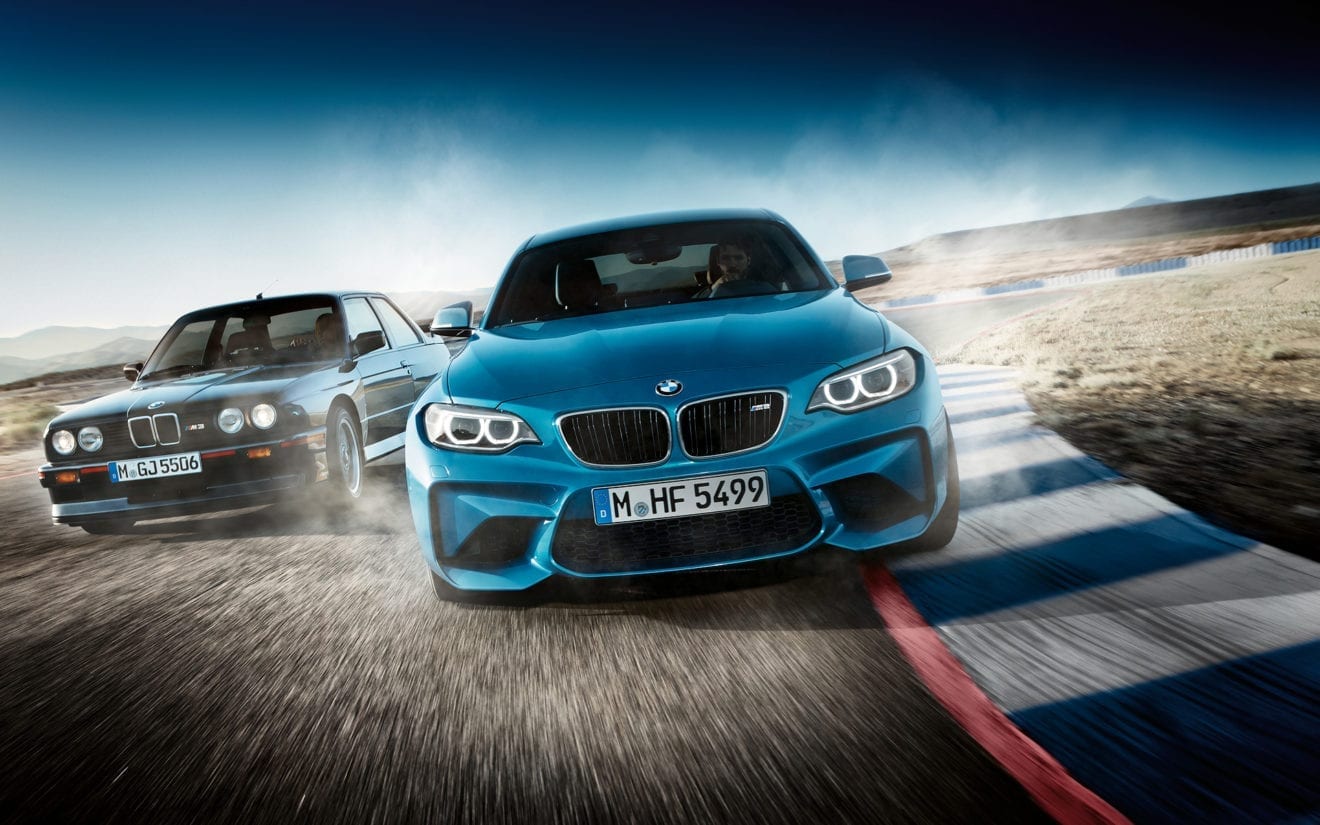
    Korea has become Asia’s largest importer of Mercedes-Benz and BMW vehicles this year, as the two German carmakers sold more vehicles in Korea than Japan for the first time ever.

    Chinese motorists buy more Mercedes-Benz and BMW vehicles than Koreans do. But both firms roll out and sell their models through joint ventures with local Chinese firms. Hence, Korea is the populous continent’s de facto leader in terms of Mercedes-Benz and BMW vehicle imports.

    The Korea Automobile Importers and Distributors Association (KAIDA) said that Mercedes-Benz sold 24,877 cars in the first fourth months of this year, while BMW sold 18,115, up 48 percent and 32.4 percent from a year earlier, respectively.

    The luxury carmakers sold 21,365 and 15,818 cars respectively in Japan during the January-April period, up just 0.7 percent and 2.2 percent from the previous year.

    Based on its larger population and higher income, Japan has remained the largest Asian importer of the two luxury brands. Japan’s population is more than double that of Korea and its GDP per capita is 20 percent higher than that of Korea.

    But Korea dethroned Japan this year because of a months-long sales ban on Audi-Volkswagen vehicles here. The carmaker stopped selling its vehicles in Korea after the emissions scandal last summer but it did not face such troubles in Japan.

    During the sales suspension, Mercedes-Benz and BMW increased their sales in Korea’s import car market.

    The two combined to sell 57 percent of the import cars in Korea over the four months, up from 41 percent last year. In Japan, however, the figure only edged up from 38 percent to 40 percent.

    Analysts expect Mercedes-Benz and BMW will dominate the market for a while. The KAIDA also said BMW sold more cars than Mercedes-Benz in April.

    Mercedes-Benz maintained its top position until this March but fell to second place due to a short supply of its popular new E-class model. Lexus came in third in the number of sales, followed by Toyota and Honda.

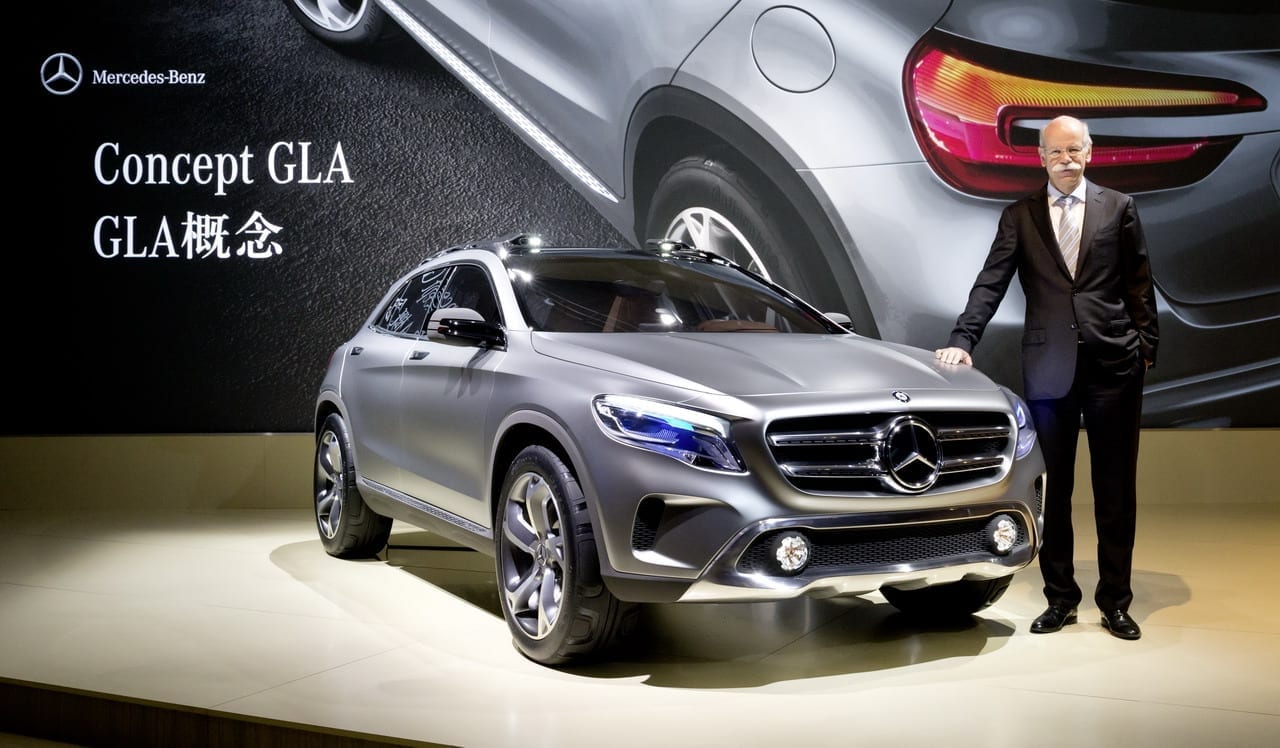
  • Daimler says yet to choose semiconductor partner for autonomous cars

    Daimler says yet to choose semiconductor partner for autonomous cars

    German automaker Daimler has yet to select a semiconductor provider for its autonomous cars’ development partnership with supplier Robert Bosch, Mercedes-Benz research and development chief Ola Kaellenius said on Wednesday.

    Earlier this month, Daimler and Bosch announced a strategic partnership to develop self-driving cars.

    “We have not selected the computing supplier, and there are several capable options in the market,” Kaellenius told reporters at a roundtable discussion at the Shanghai Motor Show.

    “We are working with several partners in pre-development. What we see being available in the coming years looks very promising,” he said.

    Semiconductor manufacturers including Intel , Nvidia, and Qualcomm have started expanding their automotive product offerings in recent months as self-driving cars drive an “arms race” among suppliers.

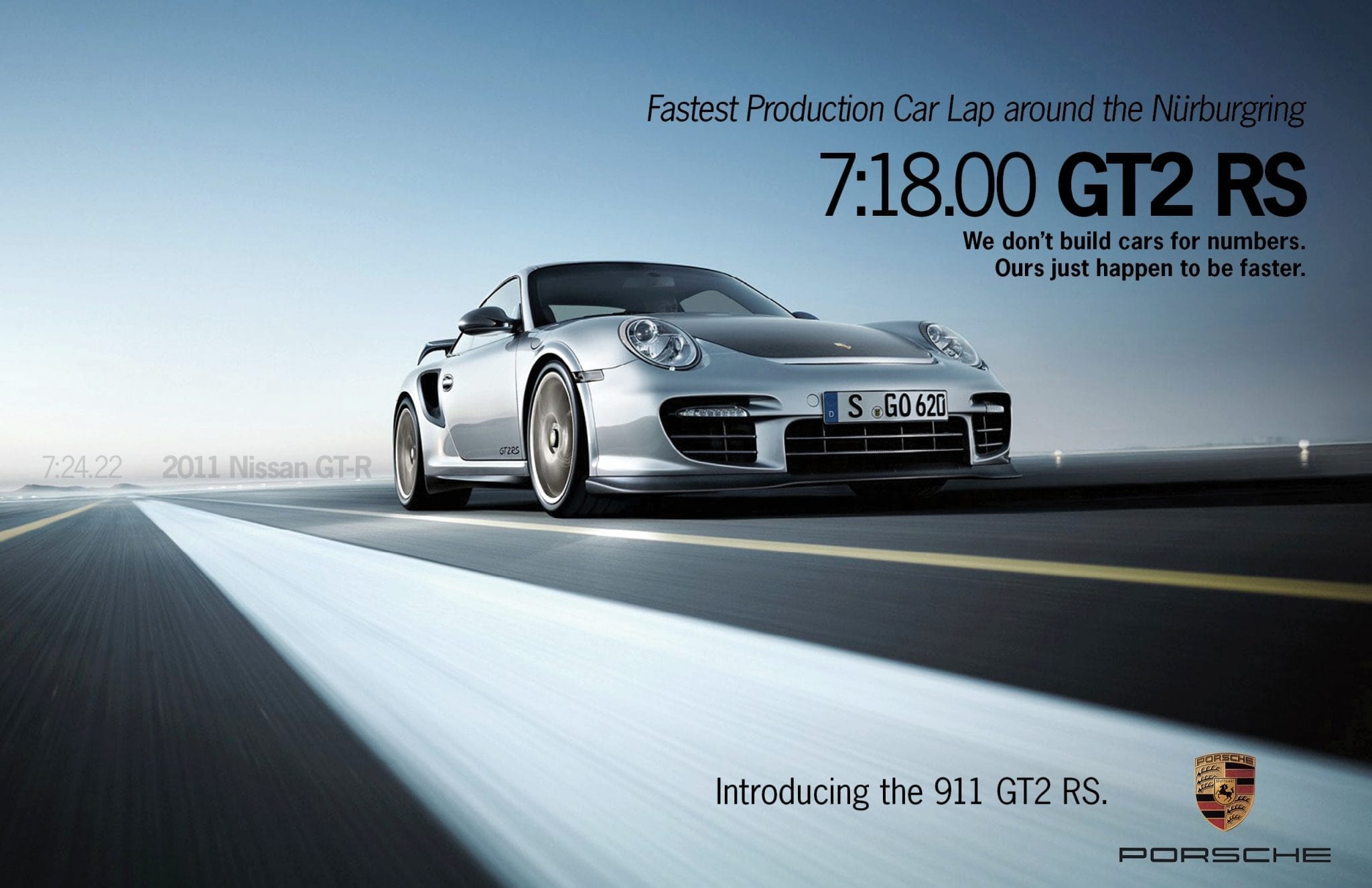
  • Porsche Customers Most Satisfied Overall

    Porsche Customers Most Satisfied Overall

    The Porsche brand has ranked highest among all nameplates, according to the latest J.D. Power 2016 U.S. Sales Satisfaction Index (SSI) Study released today. The brand also placed higher than all other luxury manufacturers for the second consecutive year. Porsche improved upon its 2015 standing by 72 points to capture the overall ranking for the second time in the 30-year history of the SSI Study.

    The SSI Study measures satisfaction with the sales experience among new-vehicle buyers and rejecters — those who shop a dealership and purchase elsewhere. Buyer satisfaction is based on four measures: working out the deal (25%); salesperson (19%); delivery process (16%); and facility (15%). Porsche ranked highest among all automotive brands across all four categories. Rejecter satisfaction is based on five measures: salesperson (10%); fairness of price (4%); experience negotiating (4%); facility (3%); and variety of inventory (3%). Porsche improved this year in the areas of price, facility and inventory.

    “Customer satisfaction is our highest priority in our endeavor to deliver a unique and rewarding Porsche experience,” said Klaus Zellmer, President and CEO, Porsche Cars North America, Inc. “We pride ourselves on building exciting and innovative sports cars, but our success is ultimately measured by the approval and appreciation of our customers. I would particularly like to thank our dealer partners who have made it their mission to provide a benchmark experience for their clients who are purchasing a Porsche.”

    The 2016 SSI Study is based on responses from 28,979 buyers who purchased or leased their new vehicle in April or May 2016. The study is a comprehensive analysis of the new-vehicle shopping and purchasing experience and measures customer satisfaction at U.S. dealerships.