Retail News CRM

Tag: automakers

  • Automakers To Double Spending On EVs, Batteries To $1.2 Trillion By 2030

    Automakers To Double Spending On EVs, Batteries To $1.2 Trillion By 2030

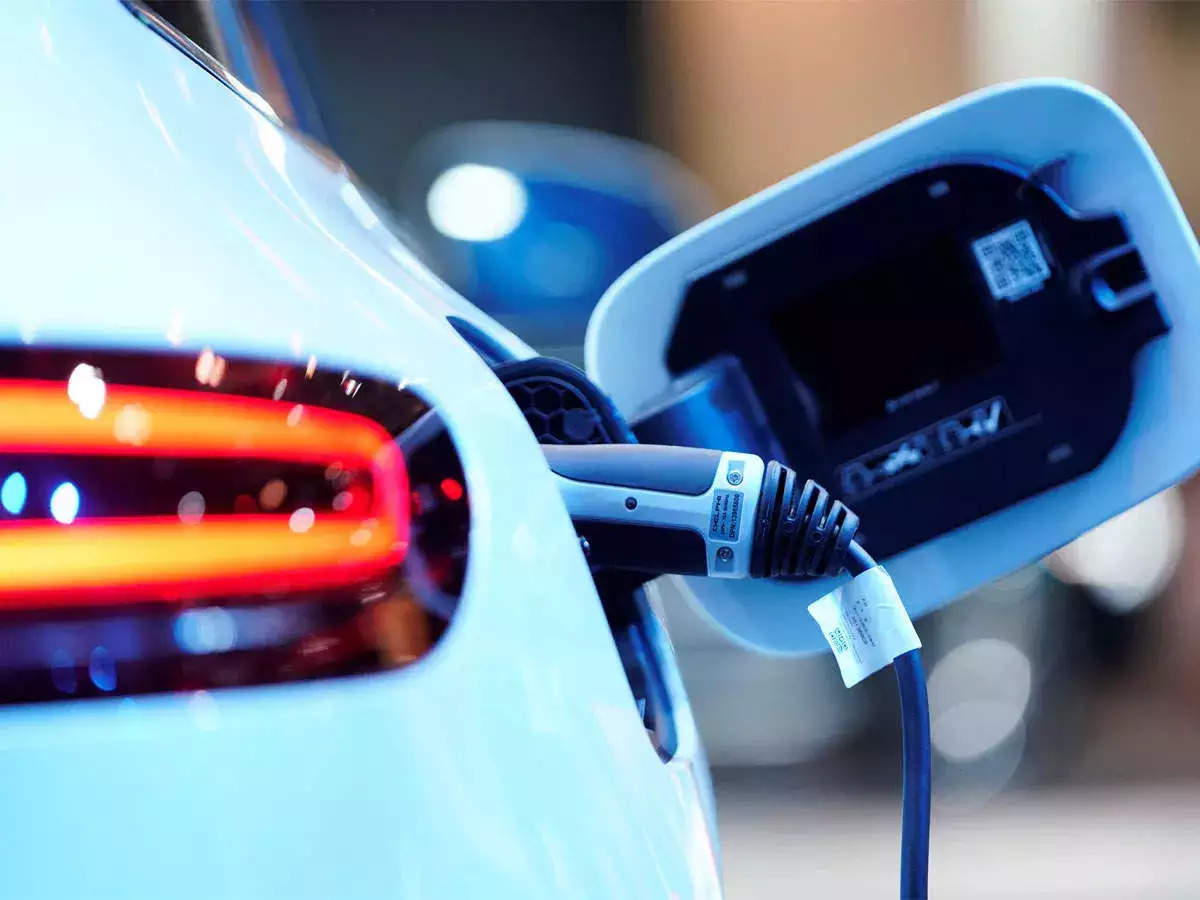
    The world’s top automakers are planning to spend nearly $1.2 trillion through 2030 to develop and produce millions of electric vehicles, along with the batteries and raw materials to support that production, according to a Reuters analysis of public data and projections released by those companies.

    The EV investment figure, which has not previously been published, dwarfs previous investment estimates by Reuters and is more than twice the most recent calculation published just a year ago.

    To put the figure in context, Alphabet, the parent company of Google and Waymo, has a market cap of $1.3 trillion.

    Automakers have forecast plans to build 54 million battery electric vehicles in 2030, representing more than 50% of total vehicle production, according to the analysis.

    To support that unprecedented level of EVs, carmakers and their battery partners are planning to install 5.8 terawatt-hours of battery production capacity by 2030, according to data from Benchmark Mineral Intelligence and the manufacturers.

    Leading the charge is Tesla, where Chief Executive Elon Musk has outlined an audacious plan to build 20 million EVs in 2030, requiring an estimated 3 terawatt-hours of batteries. Musk in late October said Tesla already is working on a smaller vehicle platform targeted to cost half as much as the Model 3 and Model Y.

    While Tesla has not fully disclosed its spending plans, such exponential growth – a 13-fold increase over the estimated 1.5 million vehicles it hopes to sell this year – will come at a cost of hundreds of billions of dollars, according to a Reuters analysis of Tesla’s financial disclosures and forecasts for global EV demand, and battery and battery mineral production.

    Germany’s Volkswagen, while lagging behind Tesla, has ambitious plans through the end of the decade, targeting well over $100 billion to build out its global EV portfolio, add new battery “gigafactories” in Europe and North America and lock up supplies of key raw materials.

    Japan’s Toyota Motor Corp is investing $70 billion to electrify vehicles and produce more batteries, and expects to sell at least 3.5 million battery electric models (BEVs) in 2030. It plans at least 30 different BEVs and expects to transition the entire Lexus range to battery electric over that span.

    Ford Motor Co keeps boosting its spending level on new EVs – now at $50 billion – and at least 240 gigawatt-hours of battery capacity with its partners as it aims to produce around 3 million BEVs in 2030 – half its total volume.

    Mercedes-Benz has earmarked at least $47 billion for EV development and production, nearly two-thirds of that to boost its global battery capacity with partners to more than 200 gigawatt-hours.

    BMW, Stellantis and General Motors each plan to spend at least $35 billion on EVs and batteries, with Stellantis laying out the most aggressive battery program: A planned 400 gigawatt-hours of capacity with partners by 2030, including four plants in North America.

  • Toyota Sells Electric Vehicle Technology To Chinese Startup Singulato

    Toyota Sells Electric Vehicle Technology To Chinese Startup Singulato

    Toyota Motor Corp has agreed to sell electric car technology to Singulato, its first deal with a Chinese electric vehicle startup, allowing the fledgling firm to speed up development of a planned mini EV.

    In return, Toyota will have preferential rights to purchase green-car credits that Singulato will generate under China’s new quota system for all-electric and plug-in hybrid vehicles.

    It will also gain a bird’s-eye view into how Chinese EV startups operate and the strategies they pursue in a fast-changing marketplace, said Singulato Chief Executive Shen Haiyin and two sources at the Japanese automaker.

    “With electrification, autonomous driving and car-sharing shaking up the industry, old ways need to be re-examined,” one of the Toyota sources said, declining to be identified as he was not authorized to speak on the matter.

    “We have a century’s lead in automotive technology, but we also need to be humble enough to learn from newcomers.”

    Singulato will acquire a license to use the design of Toyota’s eQ – a battery electric microcar. The deal is due to be announced on Tuesday at the Shanghai auto show, where Singulato will unveil a concept car based on the eQ.

    Singulato plans to redesign the car, tailoring it to local tastes to come up with a model by early 2021 that is more affordable and offers a longer driving range.

    “This deal gives us a way to save on time and costs to develop a reliable car and focus on what we excel in,” Shen told Reuters.

    Financial terms are not expected to be disclosed. A Singulato source said the startup agreed to pay “several tens of millions of dollars” for eQ’s design.

    Toyota said it was taking various measures to accelerate its business in China, a key market, but it would not comment on specific steps.

    The agreement is a vote of confidence by Toyota in Singulato’s prospects, said Shen. Founded in 2014 and backed by Intel Corp and Japanese trading house Itochu Corp, Singulato is one of at least 50 Chinese EV startups seeking to survive in a competitive market.

    It plans to sell its first self-developed battery electric car called the iS6 this year, competing with models from rival startups like Nio and WM Motor as well as those from global automakers.

    Singulato’s version of the eQ will be a so-called connected car offering young buyers a host of entertainment, safety and navigation features. The car, which will be called the iC3, will also feature some self-driving technology.

    Toyota sold about 100 eQ cars in 2012 and then discontinued it due to concerns over the limits of EVs, including their high price tags, short driving range and long charge time. But Singulato believes technological advances, especially in batteries, have made the car much more marketable.

    Shen said the iC3 should be able to go as far as 250-300 km (160-190 miles) on a single full charge and will be priced around 100,000 yuan ($15,000). Singulato aims to sell 200,000 units over five years.

    According to the two Toyota sources, the deal is part of efforts to share more technology with China as the Japanese automaker seeks more growth in the world’s largest auto market by beefing up manufacturing capacity and distribution channels.

    The green-car credits will also come in handy.

    Keen to combat smog, jump-start its own auto industry and lower reliance on imported oil, China is aggressively pursuing the adoption of electric cars. Under a production quota system taking effect this year, automakers are required to produce and sell a certain number of new-energy vehicles in proportion to their overall sales volume.

    A carmaker that fails to achieve its quotas will have to acquire NEV points from an automaker with surplus credits or face penalties.

    Toyota has said that initially it won’t be able to meet its quotas without buying credits from others. It has also agreed to produce and help sell a car for GAC Motor, a joint venture partner, to generate credits.

    According to the Toyota sources, the deal with Singulato has already yielded intriguing glimpses into the thinking of Chinese EV startups and their non-traditional approach to engineering.

    One such example was Singulato’s idea to look at linking headlights with satellite, cellular network location data and the driver’s planned trip. That could help turn the headlights along the driver’s route for enhanced visibility and driving safety.

    It might not something Toyota would consider but as an idea, “it was eye-opening,” one of the sources said.

  • New US tariffs a headache for foreign automakers

    New US tariffs a headache for foreign automakers

    US President Donald Trump’s threat to impose steep tariffs on auto imports will hit foreign automakers that export a large number of vehicles to the US market, but many also manufacture cars domestically.

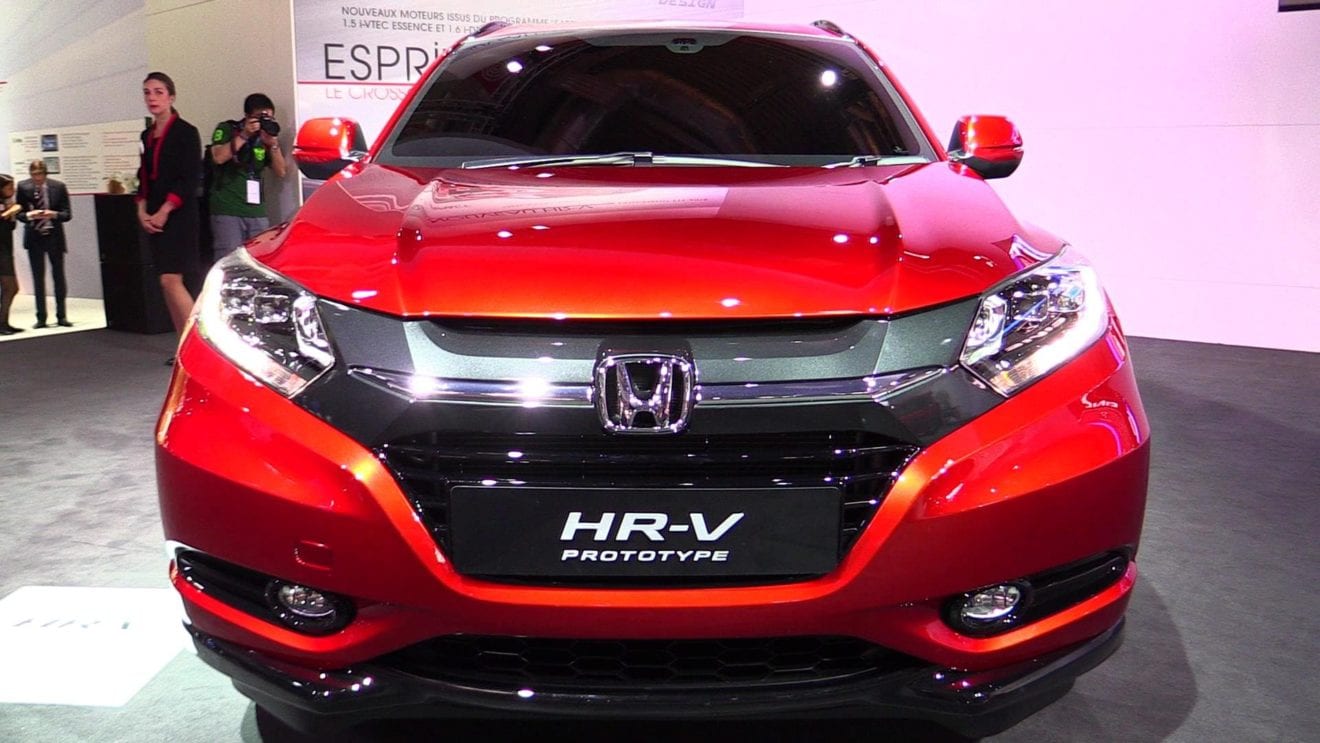
    Most of these brands, such as Mercedes and BMW as well as Nissan, Honda and Volkswagen, have at least one auto plant on US soil, where they employ tens of thousands of workers.

    These automakers have invested billions of dollars in their US facilities. Toyota and Mazda announced at the start of the year plans to build a US$1.6 billion joint facility in Alabama that will be capable of producing 300,000 vehicles a year.

    Volvo Cars, which plans to open a plant in South Carolina by the end of the year, has warned that new import duties would affect its investment plans.

    US auto market

    In 2017, about 17.2 million vehicles were sold in the United States, according to AutoData, which compiles figures from manufacturers and dealers.

    Nearly 8.7 million of these were imports, according to the Center for Automotive Research, mostly from Mexico and Canada — partners in the North American Free Trade Agreement — as well as from Japan, Germany and South Korea.

    Since the start of this year, the share of domestically-manufactured autos sold in the US has fallen to 50.1%, down from 51.1% over the same period in 2017, according to Edmunds.com.

    At least 82% of Volkswagens sold in the US were imports, according to Edmunds, as well as 55% of Toyotas, 57% of Hyundais, 70% of Mercedes-Benz and 68% for BMW.

    On the other hand, more than half the cars sold in the US by the “Big Three” in Detroit were made locally: 80% for Ford, 60% for General Motors and 55% for Fiat Chrysler.

    Honda is the sole foreign automaker manufacturing a large majority of its locally-sold cars in the United States.

    Major exporter

    The US auto industry is the largest US manufacturing sector which employs about eight million workers, directly or indirectly through related industries.

    It also is one of the largest export sectors, according to the American Automotive Policy Council, an industry body representing the major US manufacturers, General Motors, Ford and Fiat Chrysler, and foreign automakers.

    Auto exports virtually doubled between 2009 and 2015 to US$137.7 billion from US$74.1 billion, according to AAPC, supporting 771,000 US jobs.

    BMW and Daimler, maker of the Mercedes-Benz, notably send US-built cars to the European Union and China.

    BMW, which says its Spartanburg, South Carolina plant is the world’s largest, exported 70% of the 371,284 autos manufactured at the site last year, or about 272,346, representing about US$10 billion in total exports.

    Domestic manufacturing

    Toyota, which employs more than 36,000 people, has 10 factories at locations in Alabama, California, Mississippi and Texas. It produces 1.2 million cars and sells 2.4 million, according to 2017 figures, with the difference made up by imports.

    Honda, which employs 4,000, has factories in Alabama, George, Indiana and Ohio and produces 1.2 million, selling 1.6 million.

    German giant Volkswagen, which has a Tennessee factory with the capacity to produce 150,000 units annually, did not disclose production figures but sold 339,679 autos. It employs 2,444 workers.

    Daimler maintains auto plants in Alabama, Indiana, and South Carolina and has 4,900 local workers. In 2017, it produced more than 286,000 cars and sold 337,246.

    BMW, which employs nearly 9,0000 workers, produced 371,284 automobiles in 2017 in the US, and sold 305,685.

    Nissan maintains two factories in Mississippi in Tennessee and produced 930,000 autos, selling US$1.6 million. It employed 14,400 workers.

    Auto imports

    Volkswagen luxury brands Audi and Porsche have no US factories and as a result import all the vehicles sold in the US market. In 2017, Audi sold 226,511 units while Porsche brought 55,420 to market.

  • With new Takata air bag recalls, automakers may face more liabilities

    With new Takata air bag recalls, automakers may face more liabilities

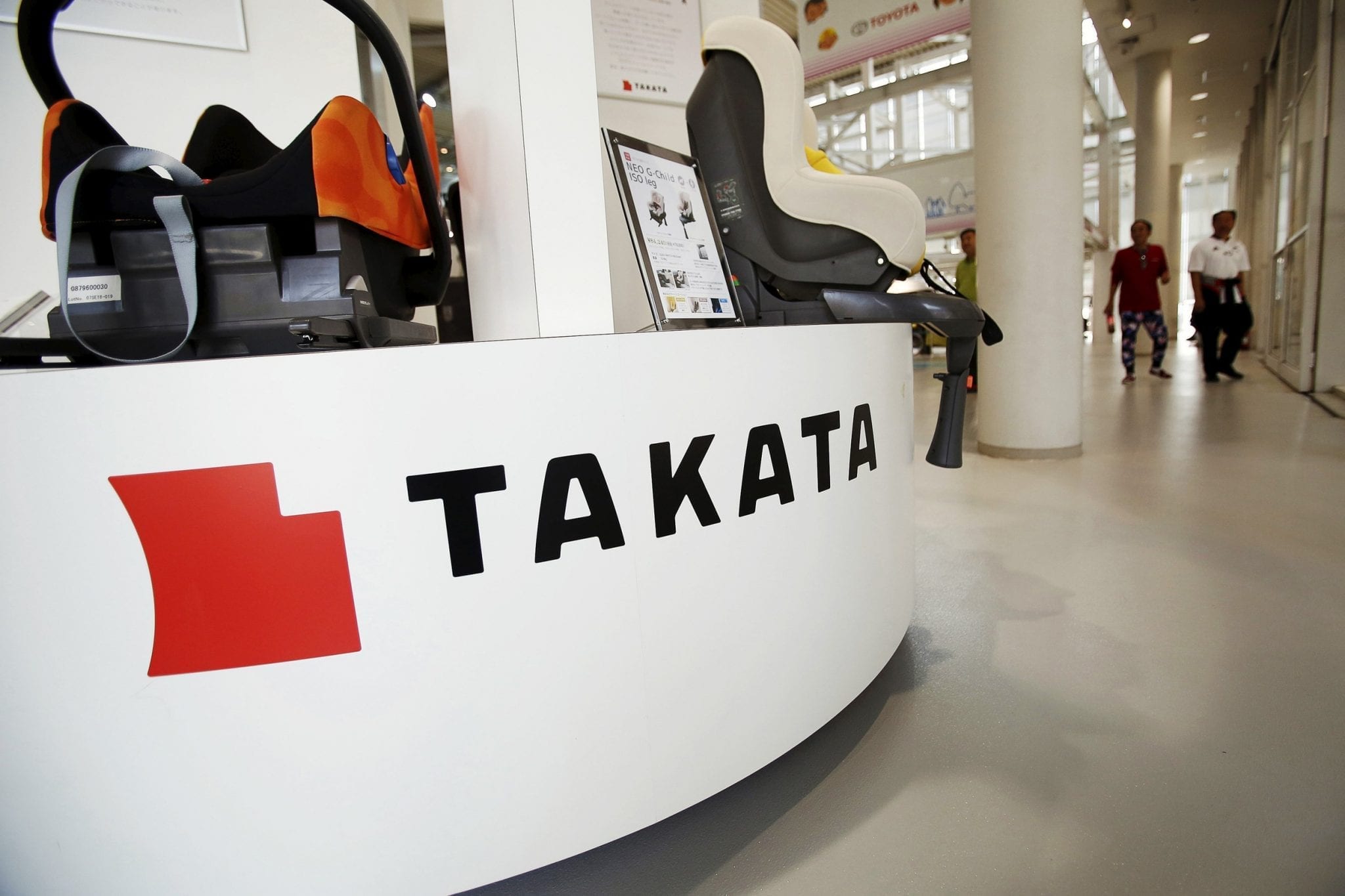
    Takata’s bankruptcy filing last month was meant to draw a line under the auto industry’s biggest safety recall, but last week’s announcement of more air bag inflator recalls suggests automakers could face fresh liabilities in the future.

    In late-2015, U.S. regulators gave Takata until the end of 2019 to prove that its replacement air bag inflators – which add a drying agent to combat moisture that can set off the ammonium nitrate compound in an inflator, with potentially lethal results – are also safe.

    If Takata fails that test – and some industry consultants, explosives experts and former employees question whether the workaround guarantees safety over the long-term – the 100 million or so replacement inflators currently being installed may themselves need to be replaced.

    “Absent proof that the other desiccated inflators are safe, they will also be subject to recall,” the U.S. National Highway Traffic Safety Administration (NHTSA) said in a statement last week. The agency declined to comment on the risk that additional inflators may be subject to recall.

    NHTSA announced last Tuesday that new testing at Takata prompted the Japanese parts firm to declare 2.7 million of the new air bag inflators defective, raising questions about the risk from replacement air bags as moisture can still seep into the propellant of some inflators.

    Takata’s automaker customers, which have so far borne much of the estimated $10 billion cost of replacing faulty bag inflators, could be on the hook for future liabilities in the event that Takata fails to prove that the desiccant workaround is sufficient.

    Last week’s recall is the first to involve Takata bag inflators that use a drying agent.

    Nearly 20 automakers have been affected by the air bag recalls, and some still use Takata inflators for replacements in the recalls. Automakers including Honda Motor Co, Toyota Motor Corp and Nissan Motor Co have said they will stop using Takata inflators for new contracts for future models.

    “If NHTSA in the future raises issues about the safety (of desiccated inflators) we will of course comply with their orders,” Nissan’s chief sustainability officer Hitoshi Kawaguchi told Reuters. “At the moment, our focus is on getting replacement inflators to our customers.”

    Toyota said it was “working closely with all stakeholders, including Takata, other suppliers and relevant agencies, to assess any potential impact and take action accordingly” on the recall issue. Honda, Takata’s biggest client, declined to comment.

    “The automakers… and Takata – they all know that this is a future issue,” said Scott Upham, chief executive at Valient Market Research, whose clients include auto parts suppliers. “But I think everybody is concerned about the near-term issues, and the financial arrangements of the bankruptcy.”

    Takata says it has produced around 100 million replacement inflators containing drying agents: the 2.7 million recalled last week used calcium sulfate, and the rest contain zeolite.

    “We still have to prove the safety of our desiccated inflators, but we believe those using zeolite are safer than those using calcium sulfate,” said spokesman Toyohiro Hishikawa.

    The company has declined to comment further on the testing process or the NHTSA deadline.

    Takata is the only global air bag maker to use ammonium nitrate as a propellant in its inflators. The compound’s vulnerability to high temperature and moisture can trigger an explosion that can spew shrapnel inside a vehicle. The defect has been linked to at least 17 deaths, mostly in the United States.

    ‘Lengthening the Fuse’

    The new inflators with the added desiccant have not been linked to any deaths or injuries, but the problems with the original inflators typically took five years or more to emerge.

    Keiichi Hori, who oversees automotive safety components at the Japan Explosives Society, said adding a drying agent can reduce, but not eliminate, the risk of uncontrolled explosions.

    If the desiccant can prevent all moisture from reaching the inflator propellant, “then it would be possible that the inflators could be used safely,” he said. “Otherwise, alternatives should be considered.”

    But Upham, the industry consultant, predicts the recalled parts will themselves eventually be recalled – because ammonium nitrate is fundamentally too volatile – and Takata’s carmaker customers may again have to foot the bill given that Takata is unlikely to be able to cover the costs.

    “Automakers are hoping and praying that the desiccant solves the problem… (but) this might come back to bite them,” Upham said.

    Former Takata employees involved in manufacturing inflators have said the desiccant may buy Takata time. One told Reuters last year that by adding the desiccant, “you’re just lengthening the fuse, not correcting the problems.”

    Key Safety Systems, a U.S.-based components supplier owned by China’s Ningbo Joyson Electronic Corp, has agreed to buy Takata’s good assets such as seat belts and steering wheels, for $1.6 billion. The plan is for Takata’s air bag business to be wound down by March 2020 after making replacement inflators for the ongoing recalls.

  • Japanese automakers consider leaving Vietnam due to weak supporting industries

    Japanese automakers consider leaving Vietnam due to weak supporting industries

    The companies are looking for bigger profits in nearby countries such as Thailand. Japanese automakers may be shifting their production away from Vietnam in the near future due to its poor supporting industries.

    Vietnam’s supporting industries have stood still for years and that might cause Japanese companies in the country to change their investment approach, said Takimoto Koji from the Japan External Trade Organization (JETRO), a Japanese government-related organization that works to promote trade and investment by Japanese businesses overseas.

    Several automakers intend to stop assembling cars in Vietnam and import whole cars from nearby countries like Indonesia, Malaysia and Thailand instead, Takimoto said.

    Car import tariffs between Southeast Asian neighbors are falling rapidly and the new approach will secure bigger profits, he said.

    Under a new free trade agreement among the 10 members of ASEAN, car import tariffs were cut from 50 percent to 40 percent last year and will go down to 30 percent next year before being scrapped in 2018.

    Japanese companies Toyota, Mazda, Honda and Suzuki are competing in Vietnam’s auto industry, which produces around 250,000 cars a year, a modest number compared to those in nearby countries such as Thailand’s two million cars.

    According to experts, an automobile production line only becomes profitable when it delivers more than 200,000 cars a year.

    Japan registered $2.58 billion in investments in Vietnam last year, accounting for more than 10 percent of the total FDI pledges made in the country and making it the second biggest foreign investor after South Korea, according to figures from the Ministry of Planning and Investment.

    Vietnam’s FDI inflow hit a record high of $15.8 billion in 2016.