Retail News CRM

Tag: automotive

  • Premium Automobiles Faces $9,400 Fine Following Audi Service Center Explosion in Singapore

    Premium Automobiles Faces $9,400 Fine Following Audi Service Center Explosion in Singapore

    Singapore’s car retailer Premium Automobiles has been issued a fine of SGD12,000 (approximately US$9,400) following a significant explosion at its Audi service center, which left a gaping hole in a wall and prompted the evacuation of around 100 people.

    On September 10, Premium Automobiles admitted guilt for failing to promptly cease the operation of a malfunctioning lift that posed serious safety risks, as reported by The Straits Times.

    The incident occurred on March 7, 2023, at the company’s service center located at 55 Ubi Road 1. An investigation into the explosion revealed that a waste oil tank, installed in 2002, was located in the lift’s machine room, a decision that would ultimately prove catastrophic.

    Despite hiring a contractor to perform monthly maintenance on the lift, Premium Automobiles did not inform them about the presence of the waste oil tank. This oversight proved to be a costly mistake when arcing from the lift’s control panel ignited flammable vapors that had built up in the confined space, leading to the explosion.

    In court, a representative from Premium Automobiles requested leniency, underscoring that this was the first legal issue the company has faced since its establishment in 1999. “We believed we were ill-informed regarding the need for approval for the waste oil tank,” the representative stated, adding, “We accept full responsibility for this incident and are committed to improving our safety protocols moving forward.”

    While some might think an explosion at a car service center feels like a plot twist in a blockbuster film, for Premium Automobiles, it’s a sobering reality check that safety cannot be an afterthought.

    Questions & Answers

    What caused the explosion at Premium Automobiles’ Audi service center?
    The explosion was triggered by arcing in the relay switch of the lift’s control panel, which ignited flammable vapors from a waste oil tank that had been improperly installed in the lift’s machine room.

    How did Premium Automobiles respond to the incident?
    Premium Automobiles accepted full responsibility for the explosion, acknowledging their oversight in not informing their maintenance contractor about the presence of the waste oil tank.

    What penalties did the company face after the incident?
    The company was fined SGD12,000 (US$9,400) as a result of the explosion, marking the first legal trouble they have encountered since their founding in 1999.
  • Tata Motors Take A Dig At Mahindra As Nexon EV Crosses 35,000 Unit Sales

    Tata Motors Take A Dig At Mahindra As Nexon EV Crosses 35,000 Unit Sales

    Tata Motors recently announced that its popular Nexon EV has crossed the 35,000 unit sales mark. Tata Motors posted the achievement on its social media channels, while also taking a dig at the upcoming Mahindra XUV400. Tata Motors posted an image that read 35,000 is greater than OO, where the OO was written in the same font that Mahindra uses for the XUV400.

    The soon-to-be-launched Mahindra XUV400 one-ups the Nexon EV in almost all the fields, except on the feature front. Its longer, and has better specs than the Nexon EV, but it is not as feature packed as the Nexon EV.

    The Nexon EV has been the bestseller EV in India for a while, Mahindra aims to dethrone the SUV once the XUV400 is launched early next year.

  • Mercedes Readies Plants To Produce Electric Vehicles

    Mercedes Readies Plants To Produce Electric Vehicles

    Mercedes-Benz is adjusting its network of plants to  manufacture a new range of luxury electric vehicles as it prepares to switch to electric by the end of the decade.

    Mercedes aims to halve CO2 emissions per passenger car over the life cycle by the end of this decade compared to 2020.

    “We are ready for the rapid scaling of electric vehicle volumes,” said Joerg Burzer, board member for production and supply chain, adding the new setup followed talks between management and worker representatives.

    Plants in Sindelfingen, Bremen, Rastatt – all in Germany – and Kecskemet, in Hungary, will start production of new models in the top end luxury, core luxury and entry luxury segments from the middle of the decade, said Mercedes.

    Battery systems will be supplied by a production network with factories in three continents, it said.

    “The local production of battery systems is a key success factor for the Mercedes-Benz electric ramp-up and a decisive component in being able to meet the global demand for electric vehicles flexibly and efficiently,” it said in a statement.

  • New CarPlay Update Is Classic Apple Before It Invades A New Product Category

    New CarPlay Update Is Classic Apple Before It Invades A New Product Category

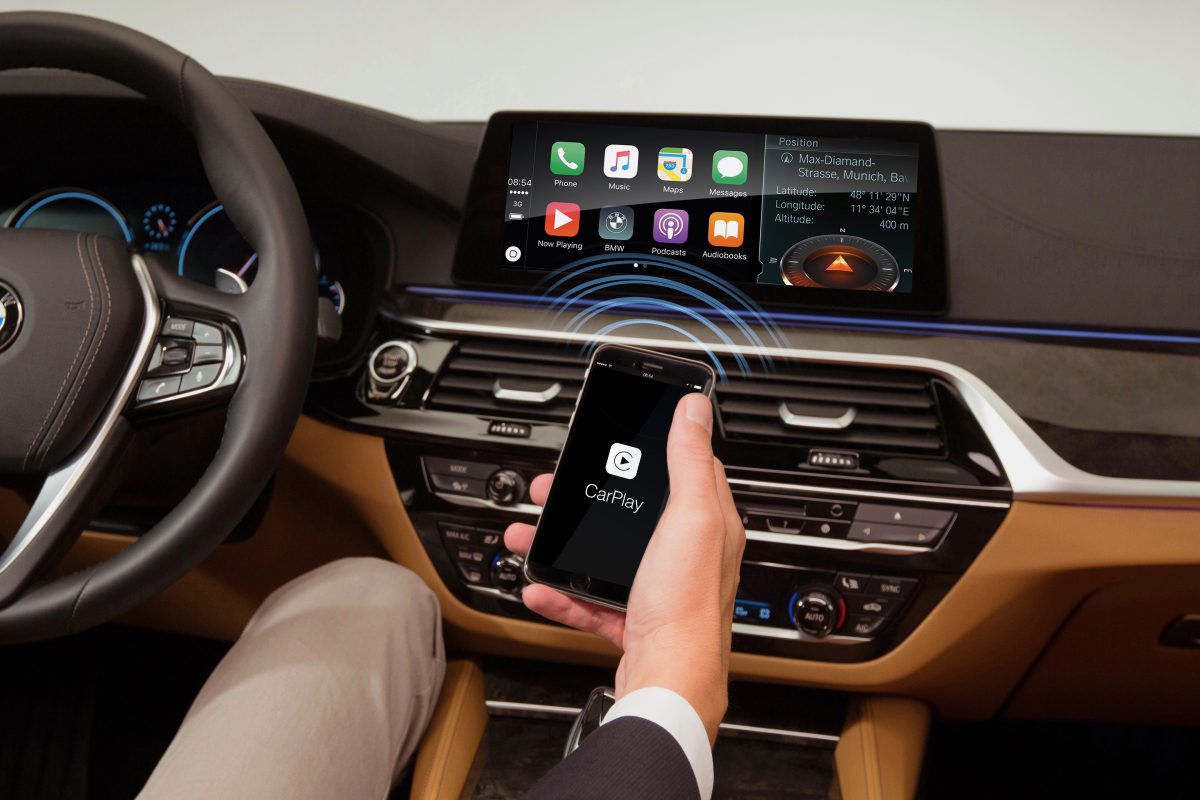
    The funny thing about Apple’s World Wide Developer Conference (WWDC) was that the most interesting piece of software the Cupertino-based giant showcased may not reach the hands of consumers till 2024. And no, it isn’t the much-talked-about VR and augmented reality headset it has been working on. It is the new expanded version of CarPlay it showed off which showcased a wild new interface for cars that extended beyond the infotainment screen to the instrument cluster.

    Apple says that this new CarPlay will show up in partner cars in late 2023. It lined up a show of force with brands like Mercedes Benz, Volvo, Volkswagen, Audi, Porsche,  Honda, Ford, Jaguar Land Rover and Renault. But when some of these brands were asked independently, it seemed that they didn’t know much about what Apple was doing and sounded cagey about confirming or denying that Apple’s new CarPlay would show up in their product line in the future.

    Apple’s gambit is also one that is predicated on the iPhone remaining the centre of the experience. The Volkswagen group on some level has made a tacit admission that its clientele is an iPhone crowd. That’s why the deep integration with Apple Music has been added to Porsche and Audi models while audio streaming services like Spotify and YouTube Music have been left behind in the dust. But this is also a scary proposition for auto companies as it creates a layer of dependence on a tech giant like Apple which seemingly has unlimited resources.

    Tesla has famously left both Apple and Google out of its infotainment experience. But then there is pragmatism at places like Ford and Volvo who have wholeheartedly adopted Google’s Android Automotive embedded OS for cars. They believe that Google is better at software and they could save the extra cash as they spend the next decade during a once-in-a-lifetime power train transition towards electric.

    However, in the case of Google, Android Automotive is at the heart of the car and is not beamed off an Android phone. OEMs get a say in what apps are being approved. For instance, the Vivaldi browser is on Renault and Polestar cars with Android Automotive but not in the Volvo XC40 Recharge.

    Apple’s interface doesn’t look just gorgeous and simple – more so than what Google has cooked up, but it will be also very private following one of the principles of the Tim Cook-led gadget-making titan. This would scare the bejesus out of an automaker as not a lot of data would be forthcoming. Apple could leverage the App Store on the iPhone to extend apps to the car via CarPlay which would help it create a bigger and better store faster. This would entrench a carmaker’s dependence on Apple.

    Already CarPlay and Android Auto have become table-stakes as phone beaming technologies. But they also visually break the experience one has in the car. Even with the latest lot that features digital instrument gauges – even on the best of the best – the Mercedes S-Class, you see MBUX that looks like something from the mid-2000s designed for Windows and then when you turn on CarPlay you see a simple and functional UI. Apple extends that elegance with the new CarPlay with gauge clusters designed using the ideas from the Apple Watch complications and widgets for iOS.

    Siri may not be as good as the Google Assistant but remains light years ahead of anything an automaker has including the “Hey Mercedes” voice command in the new C-Class and S-Class. Apple will certainly be able to enhance Siri and basically help decimate any of these software ventures that Mercedes and some of the European automakers are developing. No wonder, Mercedes hasn’t come out wholeheartedly and said that “we are adopting the new CarPlay”.

    Apple hasn’t revealed much about any specific hardware requirements. In fact, Apple says that this new system can scale to multiple screens and sizes seamlessly. Apple has shown a penchant for supporting multiple screen sizes and resolutions better than Google with less fragmentation in the user experience, but it will come with some strict hardware requirements something the company isn’t talking about right now. This is a technical eventuality.

    All of this also is also in line with how Apple enters a new product space. It does a taster. It launched iTunes before the iPod. It partnered with Motorola for the iPod phone before the iPhone. It spent more than a decade perfecting its own designed semiconductors before it added it to the Mac a year and a half ago. Likely, it will do the same with AR and VR with iOS and all of its platforms being ready for the technology for now more than five years since when AR Kit was launched.

    It is perhaps the auto industry’s worst-kept secret that Apple has been developing an electric self-driving car. It has been a rocky journey which has a number of executives coming in and leaving the tech giant. Now with operations of the Apple Car being under the care of John Giannandrea and Kevin Lynch – the leads for AI and Apple Watch, the new CarPlay shows signs of their touch quite succinctly.

    But with an actual Apple Car still, years away or perhaps a pipe dream like the so-called Apple TV that many expected after the death of Steve Jobs, this new CarPlay is certainly a way for Apple gets a hang of the auto industry – what works, what doesn’t. It also gets a consumer touch point and potentially it could be another hook for revenues either by licensing this interface to automakers or through App Store fees or both.

    It also flexes why Apple’s software chops are far beyond any automaker perhaps outside of Tesla. If this works – everyone wins – but in the long run, if Apple is able to get its self-driving car project off the rails, then this could also mean trouble for everyone who adopts it. But automakers also don’t have much choice here – they aren’t as good as Apple or Google with software and nor are remote as cash-rich as the two. At the same time, their lunch is being had by Tesla quarter by quarter as the world increasingly moves towards electric cars, so they can best hope – Apple doesn’t have their breakfast, lunch and dinner with this invasion via CarPlay.

    And oh, while this happens, Apple is continuing to develop the basic phone beaming CarPlay. So either way, Apple wins and the iPhone remains the centre of yet another experience.

  • REE Unveils Leopard, A Fully Autonomous Concept Vehicle

    REE Unveils Leopard, A Fully Autonomous Concept Vehicle

    REE Automotive revealed its autonomous concept vehicle based on a brand new ultra-modular EV platform design. The full-scale concept is geared for customers including last-mile autonomous and electric delivery companies, delivery fleet operators, e-retailers, and technology companies seeking to build fully autonomous solutions.

    Leopard’s design and specifications are the results of collaborative work with leading global delivery and technology companies focused on autonomous delivery and Mobility as a Service (MaaS) fleets. The concept vehicle is 3400 mm in length with front-wheel-steer, rear-wheel-drive, and has a 2-tonne gross vehicle weight.

    Leopard – the last mile autonomous concept vehicle – is designed to carry significantly more cargo due to REE’s low, flat floor. This means improved environmental impact of fewer trips in fewer vehicles, backed by a strong cost of ownership (TCO) structure: each vehicle in the fleet will be less expensive to run and maintain due to reduced energy cost and improved serviceability, leading to lower maintenance costs.

    Daniel Barel, REE co-founder, and CEO said, “Autonomous and electric vehicles ‘Powered by REE’ offer unsurpassed operational efficiency and the lowest total cost of ownership combined with full flexibility when it comes to integrating top hats in virtually any size, shape or form. We’re here to make the shift to a carbon-neutral future a reality faster and at scale.”

  • Android Automotive Will Be In 10 Cars By End Of 2021

    Android Automotive Will Be In 10 Cars By End Of 2021

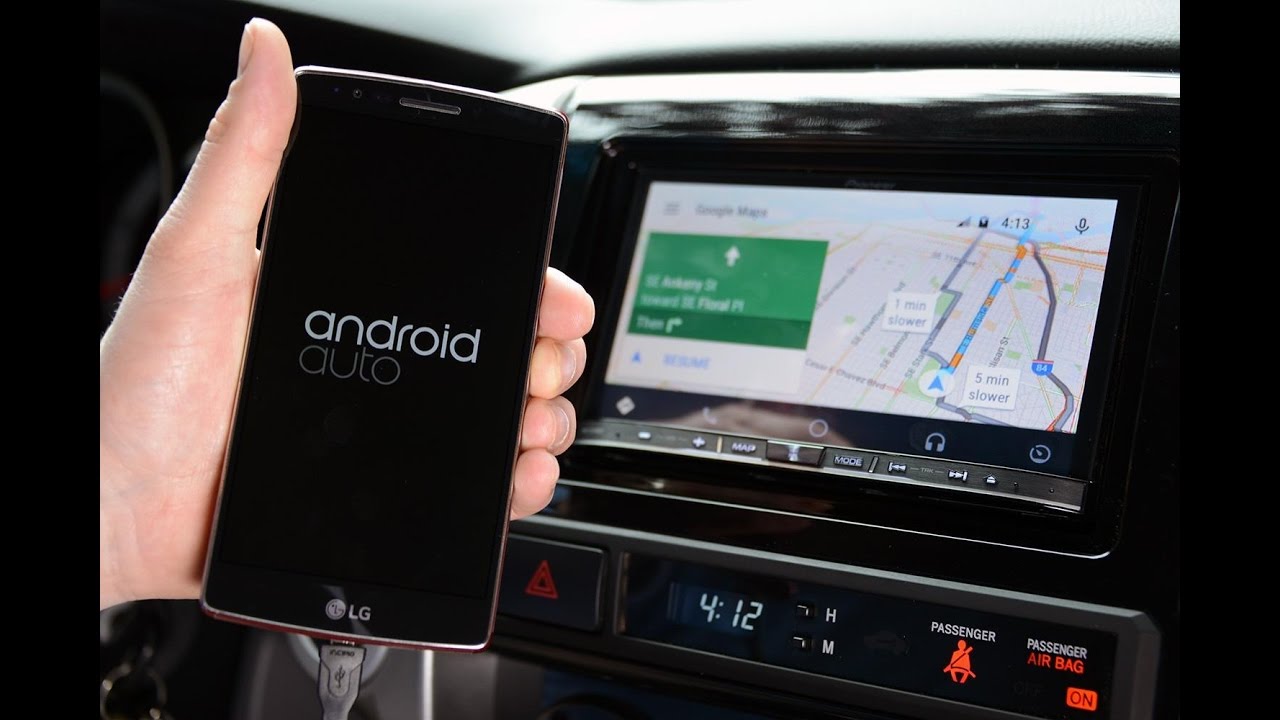
    Google has already announced at wireless Android Auto is soon going to be going to a legion of cars by mainstream manufacturers. At Google IO 2021, it also announced a new digital car key feature that works via NFC and ultra-wideband. It is also saying that we will see 10 new models based on its Android Automotive operating system by the end of the year. Android Auto and Automotive are different. Android Auto is a technology that basically allows the user to beam and mirror the smartphone interface and features using the infotainment system onto the car, while Android Automotive is a full car operating system based on Android.

    Google has partnered with GM and Renault in addition to its existing partnership with Volvo and its electric subsidiary Polestar. It has also added Nissan and Ford to the list. Overall there will be more than 10 car models. This means the new GM Hummer EV — yes, it will be based on Google’s new car operating system.

    After facing a strict fine in Italy, Google is also making it easier for third-party app developers to bring their navigation, EV charging, parking and media apps directly to the car interface. Android for Cars App Library is being extended to support the Automotive OS. This way developers can make one app that works both with the core Android OS for gadgets like phones and tablets and Android Auto. It also means that one app can work across different makes and models. This wasn’t possible earlier which added friction to the process of bringing new apps to Android Automotive.

    Google is working with a bunch of  Early Access Partners — Parkwhiz, Plugshare, Sygic, Chargepoint, Flitsmeister, SpotHero and many more to bring their apps to Android Automotive. Already third-party apps like Spotify support Cars App Library for Android Auto, now with that being extended to Automotive, that app should be presumably coming to cars using Android Automotive.

    Android itself is based on Linux and 2 years ago, Google modified it further to work on cars as an alternative and more scalable option to Android Auto which was running on the phone but the interface of the phone was being beamed on to the car using a USB connection or a combination of wifi and Bluetooth. This mean core Google features like Maps, and Assistant were embedded inside the car on a system level.

    The first cars based on this system were the Polestar 2 and the Volvo XC40 Recharge which is also coming to India later this year.

  • Samsung To Develop Autonomous Driving Chip For Google’s Waymo

    Samsung To Develop Autonomous Driving Chip For Google’s Waymo

    Samsung Electronics recently won a project for Google parent Alphabet’s autonomous driving unit Waymo to develop chips for next-generation self-driving cars, South Korean media reported on Monday.

    Samsung will develop a chip that computes data collected from various sensors installed in autonomous vehicles or centrally controls functions by exchanging information with Google data centers in real-time, South Korean newspaper Herald Business reported, citing an unnamed industry source.

    The project is expected to be carried out by Samsung’s logic chip development division System LSI’s Custom SOC Business Team, it added.

    Samsung Electronics declined to comment regarding client company matters. Alphabet did not have an immediate comment.

  • Bosch’s Indian Unit Begins Restructuring As Auto Sector Slowdown Bites

    Bosch’s Indian Unit Begins Restructuring As Auto Sector Slowdown Bites

    India-listed manufacturer Bosch Ltd said on Tuesday it had begun restructuring parts of its business in light of a deepening slowdown in the country’s automotive industry, as the German car parts supplier posted a drop in June-quarter profit.

    Bosch, the latest firm to flag weak conditions in the Indian auto market, said its automotive sales dived 17.5% in the June quarter.

    The outlook for the auto industry was “extremely” challenging, Managing Director Soumitra Bhattacharya said in a statement.

    Bosch, which makes a wide range of auto products including braking systems and batteries, is the latest firm to restructure its business or limit production due to the slowdown, which has been exacerbated in recent months by a liquidity crunch in India’s shadow banking sector.

    Automakers Tata Motors Ltd and Mahindra and Mahindra Ltd (M&M) said last week they would cut production at some plants in response to slowing demand that industry executives say has driven the sector to one of its worst downturns.

    Earlier on Tuesday, an auto industry body said India’s domestic passenger vehicle sales in July had fallen at the steepest pace in nearly two decades.

    Bosch has earmarked 820 million rupees ($11.5 million) as a provision for restructuring, which would include “manpower adjustments,” it said.

    “The slowdown is not cyclical, but structural,” Bhattacharya said. “Necessary course correction measures will be taken in order to remain competitive.”

    Shares in Bosch’s Indian unit dropped 3.4% following the news of restructuring. The company’s profit in the three months ended June dived 35% to 2.8 billion rupees, while revenue from operations dropped 13.5% to 27.79 billion rupees.

  • Michelin’s Airless Wheel Which Does Not Puncture To Enter Production By 2024

    Michelin’s Airless Wheel Which Does Not Puncture To Enter Production By 2024

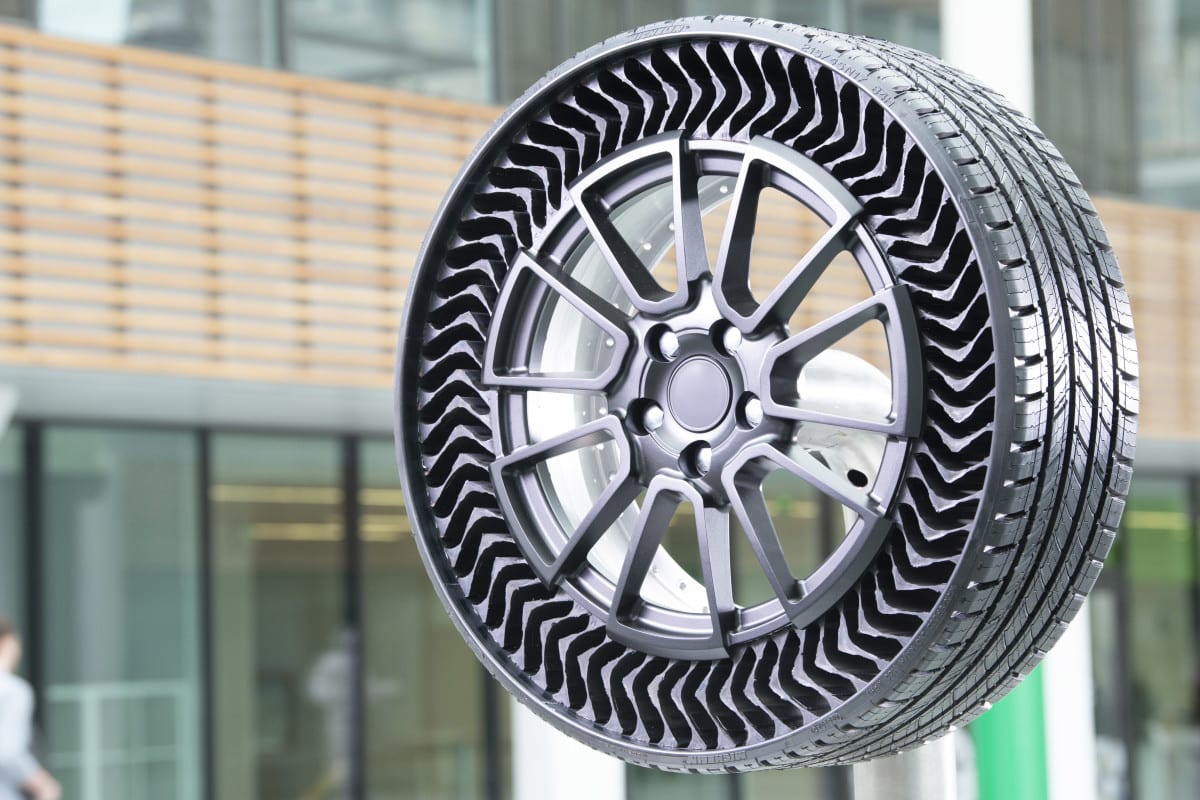
    Michelin and General Motors presented a new generation of airless wheel technology for passenger vehicles. It’s called the Uptis Prototype (or “Unique Punctureproof Tyre System”) – at the Movin’On Summit for sustainable mobility. The joint research agreement will see both the companies validate the Uptis Prototype with the goal of introducing the Uptis on passenger models as early as 2024. Michelin and GM are testing the Uptis Prototype, beginning with vehicles like the Chevrolet Bolt EV. Later this year, the companies will initiate real-world testing of Uptis on a test fleet of Bolt EV vehicles in Michigan.

    Michelin has been working at making airless tyres for the past five years now. The company showcased the Tweel concept in 2014 and an investment of $50 million has gone into the new plant for making it ready for commercial usage. The Uptis is a version of this and is airless. It completely eliminates the risk of flat tyres and blowouts.

    Florent Menegaux, chief executive officer for Michelin Group said, “Uptis demonstrates that Michelin’s vision for a future of sustainable mobility is clearly an achievable dream. Through work with strategic partners like GM, who share our ambitions for transforming mobility, we can seize the future today.”

    The Uptis Prototype is re-engineered for today’s passenger vehicles, and it is also well suited to emerging forms of mobility. The vehicles and fleets of tomorrow – whether autonomous, all electric, shared service or other applications – will demand near-zero maintenance from the tire to maximize their operating capabilities.

    The Uptis features a different architecture and composite materials, which enables the tyre to bear the car’s weight at road-going speeds. Approximately 200 million tyres worldwide are scrapped prematurely every year as a result of punctures, damage from road hazards or improper air pressure that causes uneven wear. These advancements through the Uptis Prototype demonstrate Michelin’s and GM’s shared commitment to delivering safer, more sustainable mobility solutions. Of course these tyres will be pricey but we wait to see how these tyres fair on production cars.

  • Nokia, FAW Group to use 5G to transform China’s automotive sector

    Nokia, FAW Group to use 5G to transform China’s automotive sector

    Nokia has signed a strategic MoU with FAW Group, the Chinese state-owned automotive manufacturing company, to carry out joint research in smart connected cars, industrial IoT (IIoT), smart manufacturing and digital transformation.

    Nokia will deploy a 5G trial network on FAW’s campus in Changchun, the capital of northeast China’s Jilin province, to support R&D in autonomous driving and connected car applications.

    As well as the commercial 5G solution, Nokia will provide security, big data, cloud and 5G slicing technology to accelerate FAW’s digital transformation, according to a company statement.

    In addition, Nokia will provide end-to-end system integration, helping FAW to implement smart manufacturing with automation solutions, such as autonomous AGVs, AR/VR machine vision, and AI-enhanced quality inspection.

    FAW Group is one of the biggest automakers in China. Through collaboration with Nokia, the company intends to maintain its dominant position in the market by using digital technologies to enable autonomous driving, IoT and smart manufacturing.

    FAW, together with eight automobile OEMs including Guangzhou Automobile Group and Dongfeng Motor Group, has recently acquired a combined 31.2% in Smart Connection Technology, the Internet of Vehicle unit of China Unicom.

  • Mercedes-AMG Cars Will Be Electrified From 2021

    Mercedes-AMG Cars Will Be Electrified From 2021

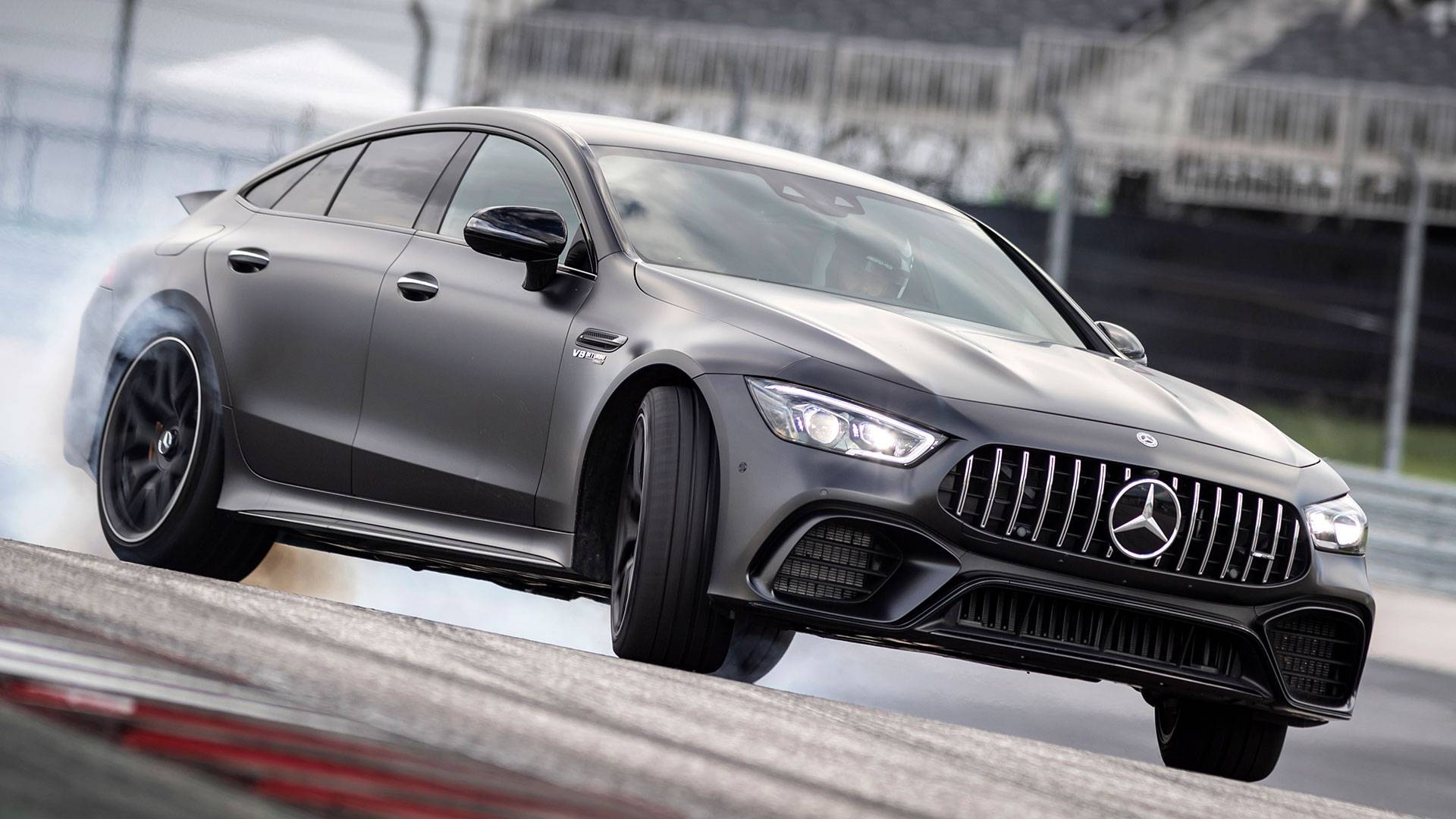
    Electric performance car is not an alien concept anymore. In fact, prominent carmakers like Automobili Pininfarina and Rimac are into the business of making only electric supercars. Electric Mobility is also believed to be the future of automobiles and this stands true even when we talk about performance cars. Mercedes is also thinking in this direction and has said that all its AMG cars will be electrified 2021 onwards.

    According to news reports, Tobias Moers, Head – Mercedes-AMG said that Mercedes-AMG models will be using an electrified V8 drivetrain in the future. The 4.0-litre V8 engine which powers a range of Mercedes-AMG cars will be coupled with a 48-volt electric motor which has been developed indigenously by the team. Initially, Mercedes was planning to use the new powertrain in the 63 engine only in the GLE and GLS SUVs. However, it will play a major role in the future as from 2021 all AMG cars will be launched with an electrified powertrain. Mercedes also believes that the share of electrified powertrains will be higher in the performance segments in 2025.

    We already know that AMG is also working on a high-performance hybrid system for its upcoming hypercar. The Mercedes-AMG One hypercar will use an electric motor driving its front wheels just like the AMG GT four-door concept. Moers also said that the setup will be offered in the 65 series AMG models and will replace the 6.0-litre V12 engine. However, the 2.0-litre, four-cylinder, turbocharged AMG engine won’t be converted into a hybrid system.

  • Huawei Launches ‘World’s First’ 5G Communications Hardware For Automotive Industry

    Huawei Launches ‘World’s First’ 5G Communications Hardware For Automotive Industry

    China’s Huawei Technologies launched on Monday what it said was the world’s first 5G communications hardware for the automotive industry, in a sign of its growing ambitions to become a key supplier to the sector for self-driving technology.

    Huawei said in a statement that the so-called MH5000 module is based on the Balong 5000 5G chip which it launched in January. “Based on this chip, Huawei has developed the world’s first 5G car module with high speed and high quality,” it said.

    It launched the module at the Shanghai Autoshow, which began last week and runs until Thursday.

    “As an important communication product for future intelligent car transportation, this 5G car module will promote the automotive industry to move towards the 5G era,” Huawei said.

    It said the module will aid its plans to start commercializing 5G network technology for the automotive sector in the second half of this year.

    Huawei has in recent years been testing technology for intelligent connected cars in Chinese cities such as Shanghai, Shenzhen and Wuxi and has signed cooperation deals with a swathe of car makers including FAW, Dongfeng and Changan.

    The company, which is also the world’s biggest telecoms equipment maker, is striving to lead the global race for next-generation 5G networks but has come under increasing scrutiny from Washington which alleges that its equipment could be used for espionage. Huawei has repeatedly denied the allegations.

  • Toyota Sells Electric Vehicle Technology To Chinese Startup Singulato

    Toyota Sells Electric Vehicle Technology To Chinese Startup Singulato

    Toyota Motor Corp has agreed to sell electric car technology to Singulato, its first deal with a Chinese electric vehicle startup, allowing the fledgling firm to speed up development of a planned mini EV.

    In return, Toyota will have preferential rights to purchase green-car credits that Singulato will generate under China’s new quota system for all-electric and plug-in hybrid vehicles.

    It will also gain a bird’s-eye view into how Chinese EV startups operate and the strategies they pursue in a fast-changing marketplace, said Singulato Chief Executive Shen Haiyin and two sources at the Japanese automaker.

    “With electrification, autonomous driving and car-sharing shaking up the industry, old ways need to be re-examined,” one of the Toyota sources said, declining to be identified as he was not authorized to speak on the matter.

    “We have a century’s lead in automotive technology, but we also need to be humble enough to learn from newcomers.”

    Singulato will acquire a license to use the design of Toyota’s eQ – a battery electric microcar. The deal is due to be announced on Tuesday at the Shanghai auto show, where Singulato will unveil a concept car based on the eQ.

    Singulato plans to redesign the car, tailoring it to local tastes to come up with a model by early 2021 that is more affordable and offers a longer driving range.

    “This deal gives us a way to save on time and costs to develop a reliable car and focus on what we excel in,” Shen told Reuters.

    Financial terms are not expected to be disclosed. A Singulato source said the startup agreed to pay “several tens of millions of dollars” for eQ’s design.

    Toyota said it was taking various measures to accelerate its business in China, a key market, but it would not comment on specific steps.

    The agreement is a vote of confidence by Toyota in Singulato’s prospects, said Shen. Founded in 2014 and backed by Intel Corp and Japanese trading house Itochu Corp, Singulato is one of at least 50 Chinese EV startups seeking to survive in a competitive market.

    It plans to sell its first self-developed battery electric car called the iS6 this year, competing with models from rival startups like Nio and WM Motor as well as those from global automakers.

    Singulato’s version of the eQ will be a so-called connected car offering young buyers a host of entertainment, safety and navigation features. The car, which will be called the iC3, will also feature some self-driving technology.

    Toyota sold about 100 eQ cars in 2012 and then discontinued it due to concerns over the limits of EVs, including their high price tags, short driving range and long charge time. But Singulato believes technological advances, especially in batteries, have made the car much more marketable.

    Shen said the iC3 should be able to go as far as 250-300 km (160-190 miles) on a single full charge and will be priced around 100,000 yuan ($15,000). Singulato aims to sell 200,000 units over five years.

    According to the two Toyota sources, the deal is part of efforts to share more technology with China as the Japanese automaker seeks more growth in the world’s largest auto market by beefing up manufacturing capacity and distribution channels.

    The green-car credits will also come in handy.

    Keen to combat smog, jump-start its own auto industry and lower reliance on imported oil, China is aggressively pursuing the adoption of electric cars. Under a production quota system taking effect this year, automakers are required to produce and sell a certain number of new-energy vehicles in proportion to their overall sales volume.

    A carmaker that fails to achieve its quotas will have to acquire NEV points from an automaker with surplus credits or face penalties.

    Toyota has said that initially it won’t be able to meet its quotas without buying credits from others. It has also agreed to produce and help sell a car for GAC Motor, a joint venture partner, to generate credits.

    According to the Toyota sources, the deal with Singulato has already yielded intriguing glimpses into the thinking of Chinese EV startups and their non-traditional approach to engineering.

    One such example was Singulato’s idea to look at linking headlights with satellite, cellular network location data and the driver’s planned trip. That could help turn the headlights along the driver’s route for enhanced visibility and driving safety.

    It might not something Toyota would consider but as an idea, “it was eye-opening,” one of the sources said.

  • Toyota To Give Royalty-Free Access To Hybrid Vehicle Patents

    Toyota To Give Royalty-Free Access To Hybrid Vehicle Patents

    Toyota Motor plans to offer royalty-free access to its hybrid-vehicle technology patents as early as this year. Toyota, which holds roughly 20,000 active patents in the field, is expected to make accessible most of the latest ones covering motors, power converters and batteries, according to the report.

    The change of heart was driven by a fear of hybrids losing relevance as the broader industry moves toward pure electric vehicles.

  • BMW X5 Launch Details Revealed

    BMW X5 Launch Details Revealed

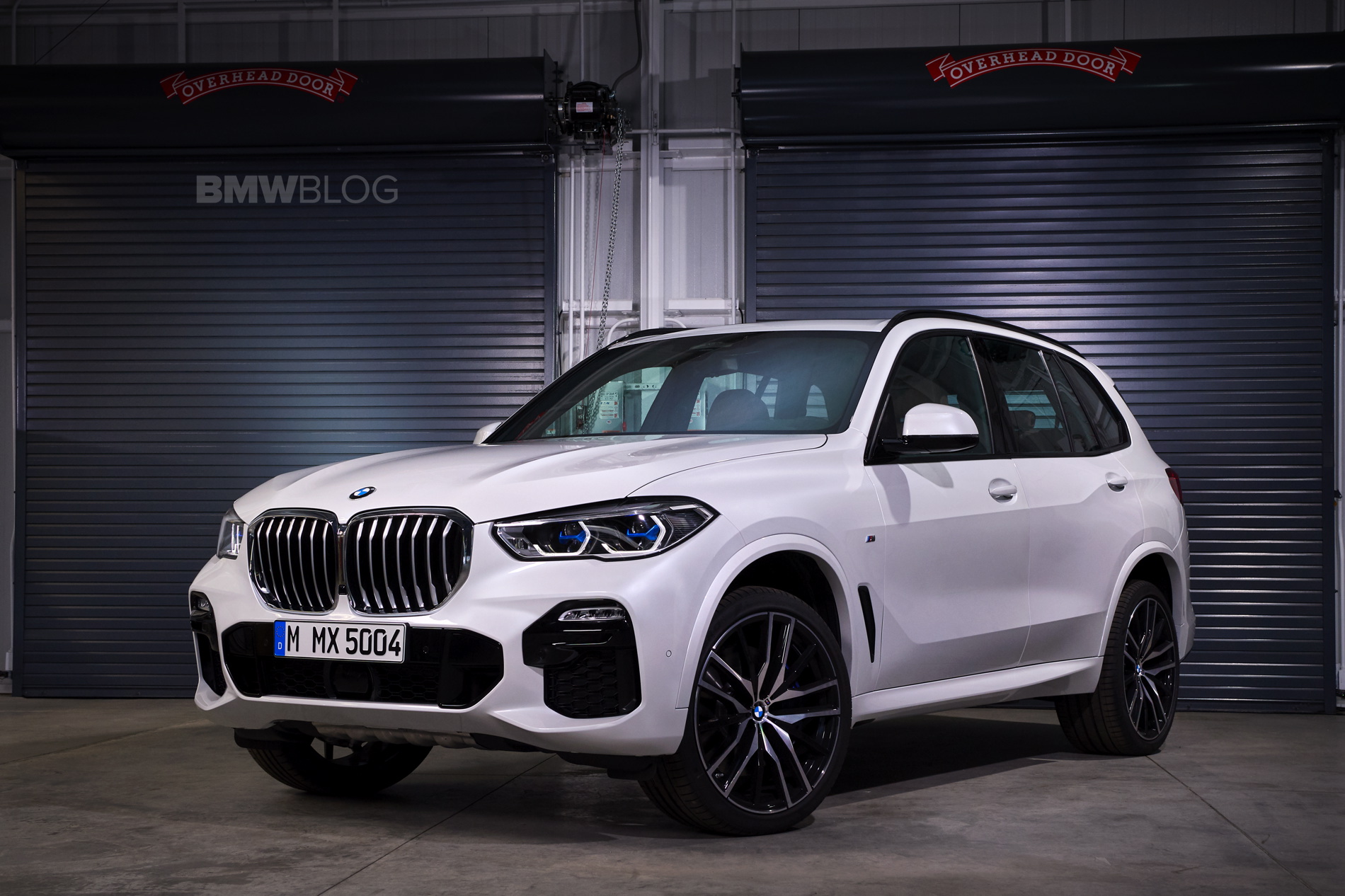
    We had exclusively reported that BMW will be launching 12 new models in India this financial year. The Bavarian carmaker will be beginning with the launch of the 2019 BMW X5 and will be launching the all-new SUV in Indian on May 16. The new-generation BMW X5 is spawned by the same CLAR platform which also underpins several other BMW models like the 5 Series, 7 Series and the X3. Upfront, the new BMW X5 gets a wide BMW kidney grille with single-piece surround. The new model is also equipped with BMW’s latest LED headlights which have new blue X-shaped beam what split the light inside the headlights. At the side, there is not much change in the design to point out, however, the new X5 has grown in dimensions which is quite apparent when you look at it from this angle. It also gets the new LED tail lamps which have a three-dimensional layout and is sharply sculpted at the edges.

    The cabin of the new BMW X5 is equipped with a 12.3-inch all-new digital instrument cluster with a control display. The layout of the cabin is also in-line with other new BMW models with a revamped central console which integrates the controller and the new gear knob along with the new driving mode selector. The design of the air-con vents too has been tweaked. Moreover, it gets the four-zone climate control system and the panoramic glass roof which is 30 per cent larger than the outgoing model.

    The current BMW X5 is sold in India only in the 30d iteration, however, the new model is also likely to be offered with petrol variants. The diesel will be the same 3.0-litre, turbocharged, six-cylinder unit which develops 335 bhp and 450 Nm of peak torque. The petrol in the 540i variant is also likely to be the 3.0-litre, turbocharged, six-cylinder unit. Both the engines are mated to an eight-speed automatic gearbox and also get the xDrive intelligent all-wheel-drive system as standard. The BMW X5 range in some of the global markets also gets a 4.4-litre V8 engine which makes a whopping 456 bhp and a heavy peak torque of 650 Nm. However, we are not sure if BMW will consider it for our market. BMW engineers have also shared that the new X5 also has better off-road abilities than before while keeping its handling prowess intact. In terms of safety features, the BMW X5 gets the collision warning and pedestrian warning system. It is also offered with an Active Cruise Control system as an optional feature.