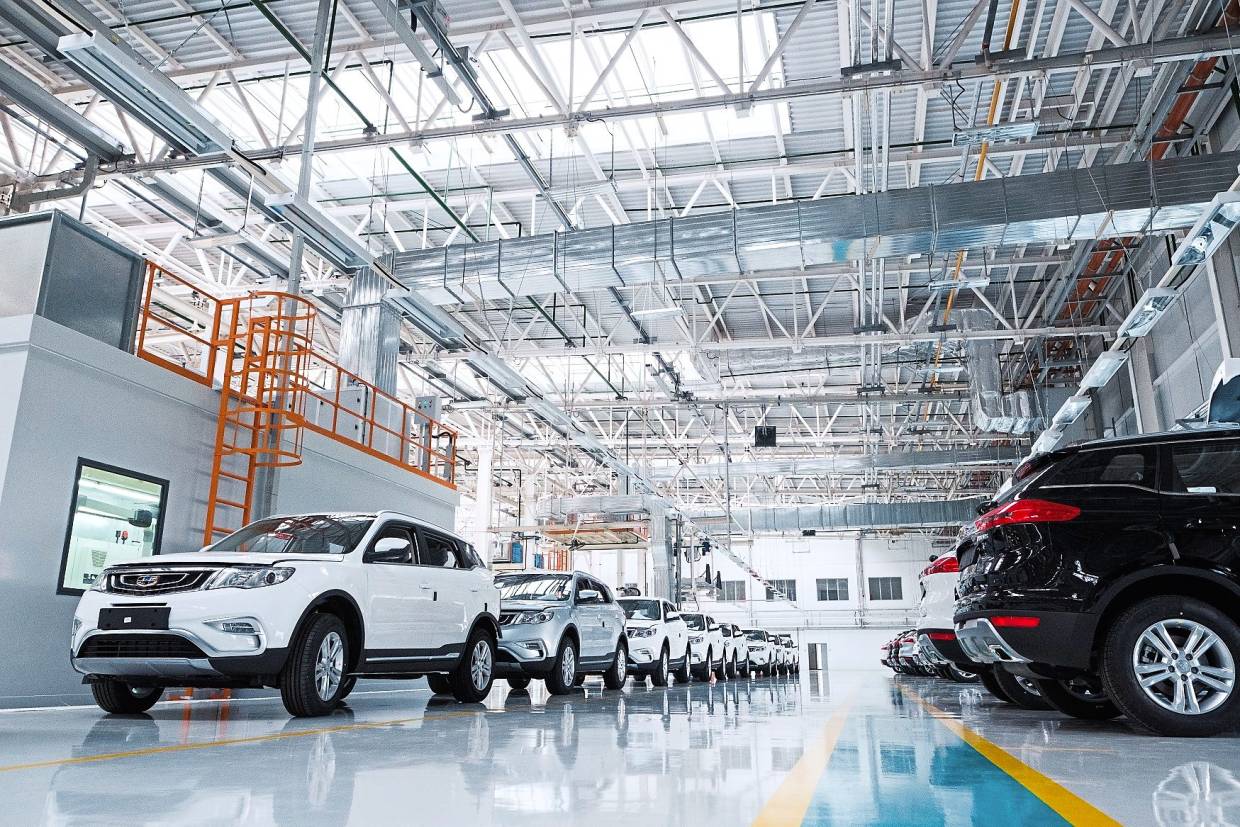
Geely Auto launched the Galaxy Xingyao 6 EF in Shenyang on Tuesday, pricing the dual-fuel methanol plug-in hybrid sedan from a promotional 76,800 yuan ($11,440).
The car can run on methanol, gasoline or electric power, accepting any ratio of both liquid fuels inside a single tank.
Official list pricing ranges between 86,800 yuan and 106,800 yuan across three trim levels, with limited-period launch pricing capped at 96,800 yuan. Geely sells the base model with a CLTC pure electric range of 130 kilometres, while the two higher grades offer 230 kilometres. When fueled entirely by methanol alongside a full battery charge, total cruising range reaches roughly 1,250 kilometres. Switching entirely to gasoline pushes combined range to 1,880 kilometres. Liquid refueling takes approximately three minutes.
Powertrain and Cold-Weather Hardware
Under the bonnet sits a 1.5-litre dedicated methanol engine coupled with an electric motor and a lithium iron phosphate battery pack. Geely claims the unit hits 48.15 percent thermal efficiency, which it rates as the highest figure achieved on any production methanol combustion engine. Fuel management relies on a real-time concentration sensor, allowing the onboard computer to re-map fuel injection and ignition cycles dynamically based on the exact blend inside the tank. Fuel system operates at 350-bar injection pressure alongside high-energy ignition packs engineered to permit cold engine starts down to minus 40 degrees Celsius.
The vehicle sits on Geely’s GEA architecture, measuring 4,806 mm long, 1,886 mm wide and 1,490 mm tall on a 2,756 mm wheelbase. Interior equipment includes a 14.6-inch central display, a 10.25-inch instrument cluster, 609 litres of boot space and software powered by Flyme Auto 2.
Targeting Fleet Operators and Northern Drivers
Chinese electric vehicle makers continue to lose operational efficiency in northern winter conditions, where sub-zero temperatures sharply degrade lithium battery discharge rates and cabin heating drains range. Geely is bypassing that hurdle by pitching the Xingyao 6 EF directly at provincial markets where pure electric cars struggle between November and March. Fleet operators running taxi and ride-hailing networks in these provinces gain combustion-style refueling speed and winter heating reliability without paying full gasoline fuel bills.
Competitors like BYD have dominated the sub-100,000-yuan plug-in hybrid segment through conventional gasoline DM-i platforms. Geely’s decision to bring an alternative liquid fuel down to passenger-car price points creates a different operational calculus for municipal fleet managers, though private consumer adoption outside resource-rich northern provinces will depend strictly on pump access.
Two Decades of Methanol Investment
Geely began research into methanol drivetrains in 2005, gradually developing supply chain links spanning synthesis, bulk distribution and retail dispensing. Before opening sales to retail buyers, Geely Holding Group chairman Eric Li deployed more than 6,000 units of the Xingyao 6 EF into commercial taxi services, ride-hailing fleets and government motor pools to log field hours.
Distribution infrastructure remains the operational bottleneck. Geely Holding senior vice president Victor Yang confirmed the country has established over 1,400 methanol stations of varying types.
Galaxy brand sales crossed 150,000 units in a single month for the first time in October, rising 20.32 percent to 153,385 deliveries and lifting ten-month volume past 1.03 million cars. RetailNews Asia will watch whether Geely can expand dedicated pump networks beyond its northern operating bastions as volume production scales.
