Retail News CRM

Tag: autonews

  • Audi Q3 Sportback To Be Unveiled In July 2019

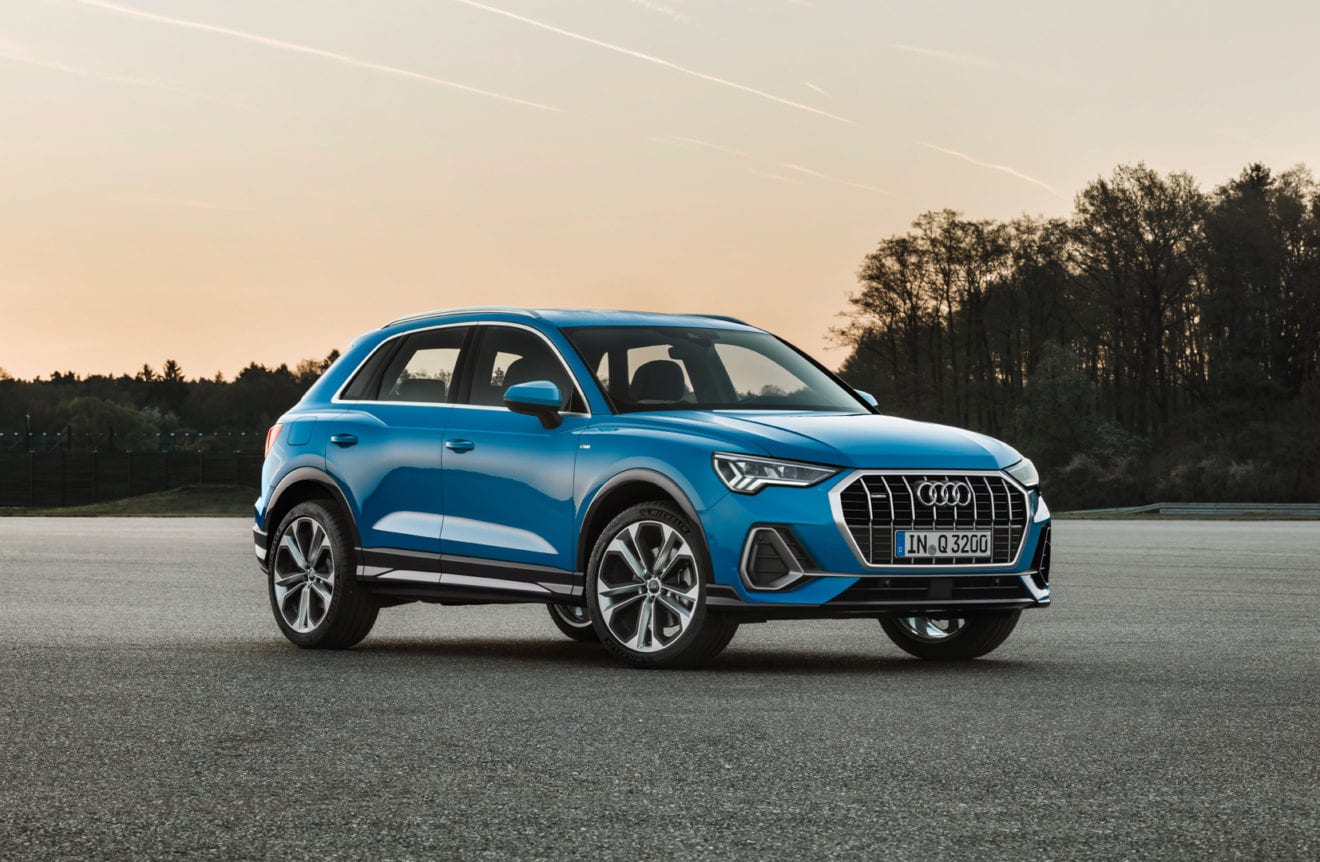
    Audi Q3 Sportback To Be Unveiled In July 2019

    Coupe SUVs are catching the fancy of car buyers. Mercedes-Benz and BMW have been selling such models for quite some time and Audi too followed the trend with introducing the five-seater Q8 which will be its new flagship in the SUV range. The German carmaker had also shown interest in making a coupe body style of the 2019 Q3 and finally has confirmed that it is coming. The Audi Q3 Sportback will make its first public appearance in July this year.

    The Audi Q3 Sportback is among the seven new SUVs the German carmaker has lined-up for this year. The company shared its plans in its 130th Annual General Meeting where it also mentioned about organizing a dedicated event to unveil the Q3 Sportback as there are no Auto shows or major Auto events lined up during that time. The Coupe SUV will be showcased at the Frankfurt motor show as well in September.

    Now we still don’t have any clear details about the Q3 Sportback but we expect it to be similar in design to the new-generation Audi Q3. The model will borrow design cues from the Q8 Coupe SUV as well as sporting a similar kind of coupe roofline which may not be as steeply raked as we have seen on other models like the A5 and A7 Sportback. The facade and profile is expected to remain identical to the Q3 housing the same massive grille which may be finished in piano black to add a sense of sportiness. Mechanically, the car is likely to use the same powertrains that drive the Q3 which means that the 2.0-litre TDI diesel and 1.5-litre turbocharged petrol engines will be on offer. Audi may also consider the 2.0-litre TFSI petrol engine for the Q3 Sportback.
  • Renault Clio Based On The CMF-B Platform Bags Five-Star Ratings In Euro NCAP

    Renault Clio Based On The CMF-B Platform Bags Five-Star Ratings In Euro NCAP

    The all-new Renault Clio which is spawned by the CMF-B platform has bagged five-star ratings in the global NCAP crash test and this news stands even more crucial for the India market given the onset of the Bharat New Vehicle Safety Assessment Program  (BNVSAP) which is set to roll out next year. The CMF-B platform is an advanced and elongated version of the CMF-A platform which spawns the Renault Kwid and Datsun Go range. The CMF-B platform has been developed in alliance with Mitsubishi to underpin a slew of compact and mid-size models from both the carmakers globally.

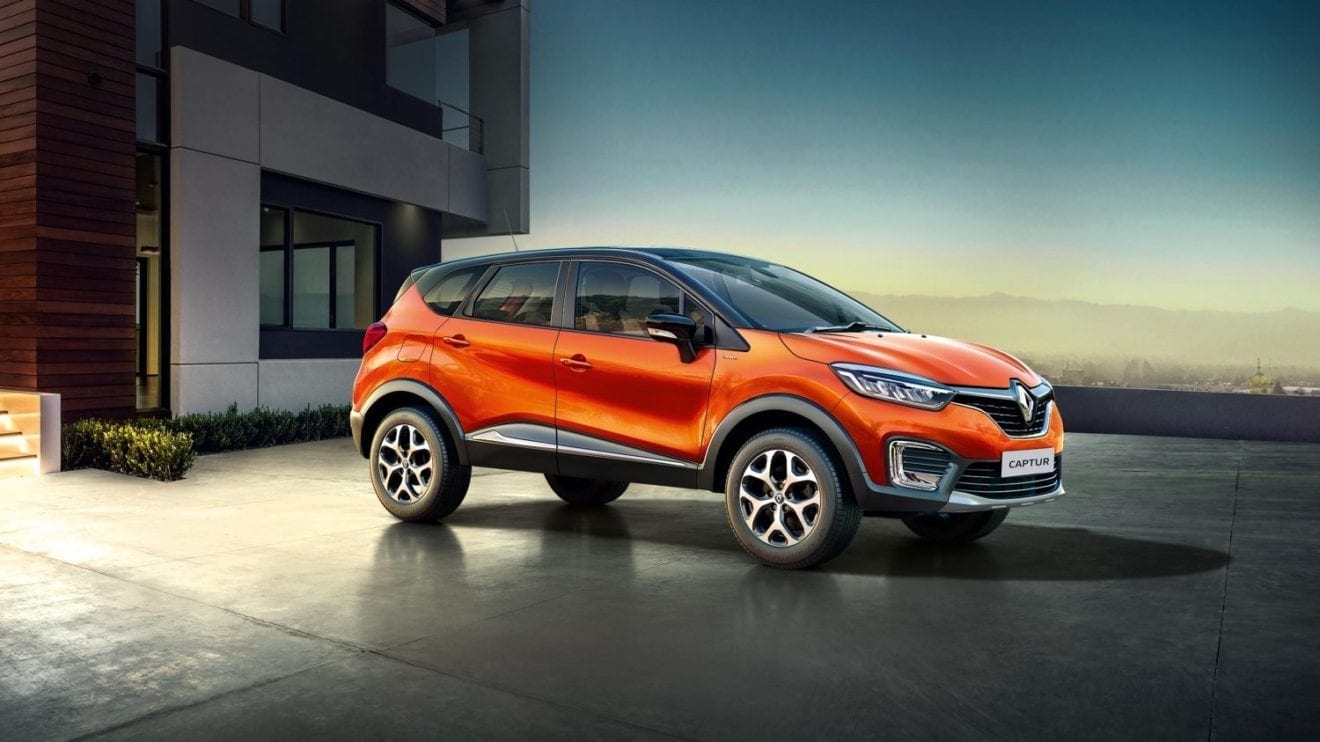
    We know that Renault and Nissan are also in an agreement and share a range of cross badged models in India. The MO platform underpins all the compact models of both carmakers like the Duster, Terrano, Captur and Kicks among others. The platform was developed by Renault and both carmakers have been using it for long. The CMF-B platform is more rigid and lighter and can spawn next-generation models of these models other models like the next-gen Nissan Sunny which will help the brands to comply with the upcoming crash test and fuel efficiency norms. Renault is also gearing up to launch the seven-seater version based of the Kwid which has been developed on an advanced version of the CMF-A platform and is expected to meet the safety standards.

    Moreover, the CMF-B platform is also a silver lining for the India business of both carmakers. It may help them fill white spaces and introduce the next-generation of some previous models which were discontinued, like the Renault Scala. Uncertainty also hovers over the Renault Kwid which future depends on it clearing the crash test norms. The company can also use the learning to develop a high-tensile CMF-A platform which can underpin the next-generation Kwid or it can be entirely shifted to the CMF-B platform which is scalable and can be moderated for the model. However, the Kwid will likely witness a price hike in any of the cases.

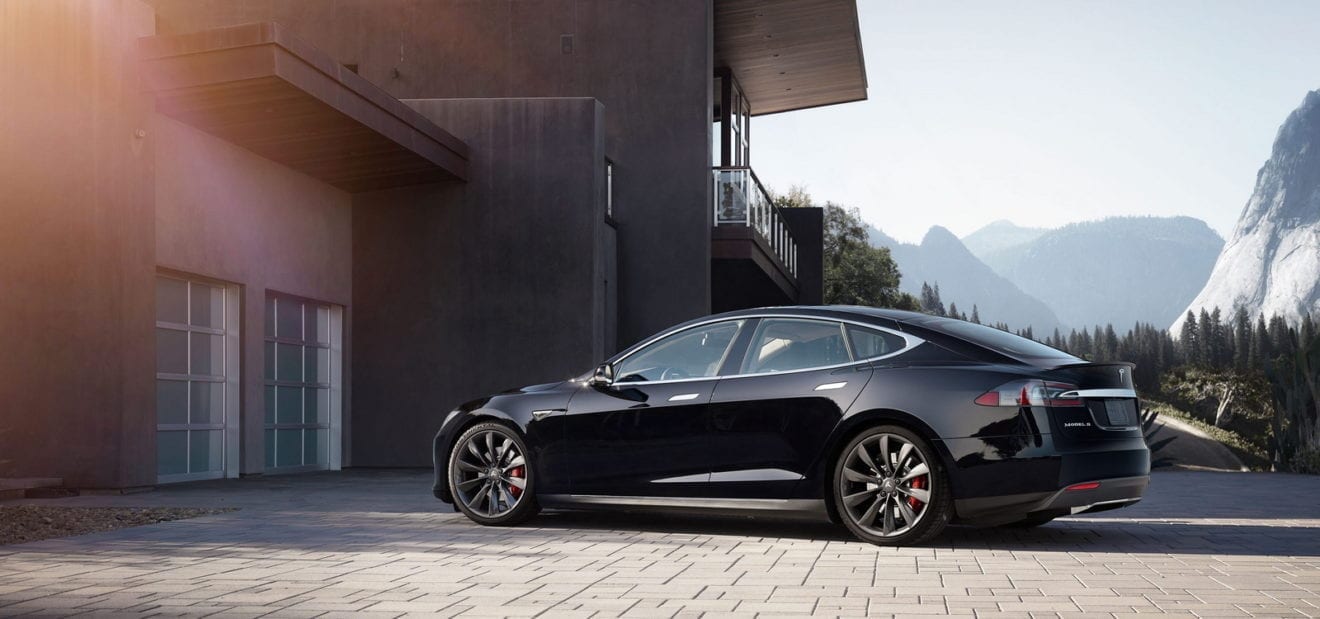
  • Tesla Reduces Prices On Model S and X Amid Stock Slump

    Tesla Reduces Prices On Model S and X Amid Stock Slump

    Faced with a slumping stock price and questions about demand for its vehicles, Tesla has lowered the U.S. base prices of its two most expensive models. The company on Monday cut $3,000 from the price of the Model S sedan and $2,000 from the Model X SUV. Tesla said in a statement that it periodically adjusts prices and available options like other car companies. The decreases offset price increases from a month ago when Tesla offered longer battery range and added a new drive system and suspension. The statement didn’t say if slowing sales influenced the decision.

    The Model S now starts at $71,250 while the X starts at $71,950. Both prices don’t include federal and state tax credits.

    The moves come as Tesla’s stock is under pressure and has at times dropped below $200 per share. Several analysts have questioned whether the company can sell enough cars to cover its expenses without dipping into cash reserves.

    Shares traded Tuesday afternoon at $205.62, up slightly from Monday’s closing price. They are down more than 38 percent so far this year, cutting the company’s market value more than $20 billion to $36.5 billion. On Monday the shares hit their lowest point since late 2016.

    Tesla said in a statement that the reductions are about 2% to 3% on the S and X. The company last week raised the price of its top-selling Model 3 by $400, pushing the base price to $35,400. “By any reasonable standard, these small changes are not newsworthy,” the company said in a statement.

    On Monday Wedbush analyst Daniel Ives wrote in a client note that he has concerns about Tesla’s growth prospects and underlying demand for the Model 3 during the coming quarters.

    Ives called Tesla a “code red” situation. “We have continued concerns around Tesla’s ability to balance this ‘perfect storm’ of softer demand and profitability concerns, which will weigh on shares until Musk & Co. prove otherwise in terms of delivering solid results over the coming quarters,” Ives wrote, referring to CEO Elon Musk.

    Palo Alto, California-based Tesla said last month it lost $702.1 million in the first quarter, among its worst quarters in two years. Sales tumbled 31% in the period. Musk predicted another loss in the second quarter but said Tesla would be profitable again by the third quarter.

    In January, the automaker cut its prices by $2,000 per vehicle, acknowledging that the pending expiration of a $7,500 federal tax credit for its electric cars will hurt sales. The credit is gradually being phased out for Tesla by the end of the year.

  • BMW X5 2019 Launched In India

    BMW X5 2019 Launched In India

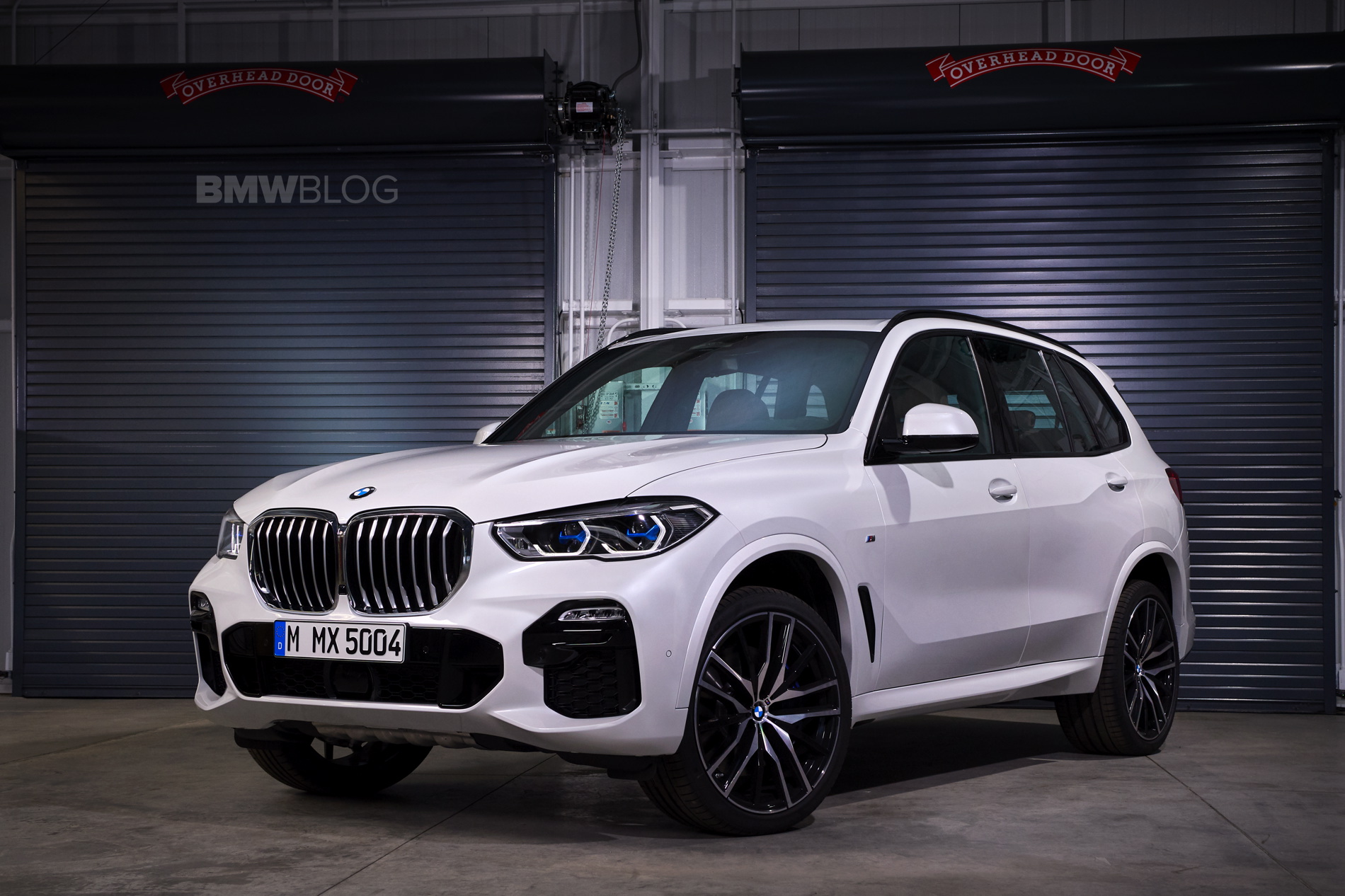
    BMW has launched the new generation of the X5 in India and prices for the SUV start at ₹ 72.90 lakh (ex-showroom India). The company has stated that it will launch 12 new models in the country in 2019 and the new-gen X5 is one among them. The all-new BMW X5 is available in two diesel models – BMW X5 xDrive30d Sport and BMW X5 xDrive30d xLine. The petrol variant BMW X5 xDrive 40i M Sport has also been launched at ₹ 82.40 lakh, however, it will go on sale later in 2019. The price for the new X5 tops out at ₹ 82.40 Lakh.

    Internally codenamed G05, the fourth generation BMW X5 is now based on the CLAR platform that also underpins the 5 Series, 7 Series and the X3 in the automaker’s line-up. The SUV is now larger and more feature-loaded than its predecessor while maintaining the sporty character of the older models. The BMW X5 has been a popular seller for BMW in India but the new gen model has become longer, taller and wider compared to its predecessor.

    It’s the largest X5 ever and this fourth-generation model is 35 mm longer, 32 mm wider and 11 mm taller than its predecessor. The space between the wheels too has increased and it now gains 42 mm on that front and it now stands at 2975 mm. Despite the new model getting bigger, the boot space remains the same at 645 litres that expands to 1,640 liters when the rear seat is folded.

    What’s also different is the way the X5 looks now. The fourth generation BMW X5 gets substantial upgrades on the design and feature front. The signature Kidney grille has grown larger and more imposing on the SUV, while the headlamps are all-LED with X-shaped inserts and get the new adaptive LED DRLs. The front bumper has been reworked and gets larger vents and LED fog lights. The new X5 looks more agile than ever but retains the same silhouette as the older model. The wide LED taillights with the 3D signature add to the distinctive look of the SUV, while the model now gets 21-inch wheels as an option.

    The cabin though is all familiar, in-line with other BMW models and gets the digital instrument console called the BMW Live Cockpit Professional display; along with a floating infotainment screen, updated iDrive along with Apple CarPlay and Android Auto compatibility. Like the other BMW models, you also get gesture and voice commands, as well as a customizable display. The cabin is covered in leather upholstery, while the feature list includes four-zone climate control, wireless charging, screens for rear seat passengers, a panoramic sunroof, welcome carpet light, ambient lighting, and a revised gear-selector lever.

    2019 BMW X5 Key Features

    • Live Cockpit Professional Display
    • Digital Instrument Console
    • Floating Infotainment Screen
    • Updated iDrive System
    • Gesture Control
    • Voice Command
    • Four Zone Climate Control
    • Wireless Charging
    • Rear Passenger Screen
    • Panoramic Sunroof
    • Ambiente Lighting
    The BMW X5 is powered by a 3.0-liter turbo diesel motor.

    Power will come from the 3.0-liter turbo diesel motor tuned for 261 bhp and 620 Nm of peak torque and the BMW X5 can clock triple-digit speeds in 6.5 seconds. The petrol will also be offered soon but for now, there’s just the diesel on offer. The new BMW X5 faces competition from the likes of the Mercedes-Benz GLE,n Volvo XC90, Range Rover Velar, Porsche Cayenne and the Audi Q7.

  • 2020 Skoda Superb Facelift Global Debut End of May

    2020 Skoda Superb Facelift Global Debut End of May

    The Superb is the flagship in Skoda’s portfolio and it is planning to present the 2020 facelifted model to the world on a special occasion. IIHF Ice Hockey World Championship is a grand affair for the Czech carmaker and it has signed up for the 27th time as its lead sponsor and will supply 50 fleet cars for the event. Skoda will also seize the opportunity to unveil the 2020 Superb Facelift on May 23, 2019, on the quarter-final match day.

    Pulling off a surprise, Skoda may also introduce the Superb Facelift with a new plug-in hybrid powertrain which was expected in the next-generation model. For the first time in history, Skoda will be offering a hybrid model and we are expecting it to borrow the powertrain from the Volkswagen Passat GTE. The same 1.4-liter, turbocharged TFSI petrol motor which powers the Audi A4 is expected to be coupled with an electric motor in the upcoming Skoda Superb. We have seen the same powertrain earlier at the 2016 Auto Expo in the Volkswagen Passat GTE plug-in-hybrid variant in which it develops 212 bhp and 400 Nm of peak torque. The 2020 Skoda Superb is likely to get it in the same state of tune.

    The car has already been spotted testing and design modifications on the new model will be rather subtle. The front bumper will get a wider air dam along with slightly muscular overhangs and the rear bumper will be revised as well. Moreover, new elements such as full-LED headlamps and new daytime running lights (DRLs) will also be on offer. Expect the rear to have the new widespread Skoda badging instead of the logo.

  • Daimler CEO Says His Successor Will Have A Tough Job

    Daimler CEO Says His Successor Will Have A Tough Job

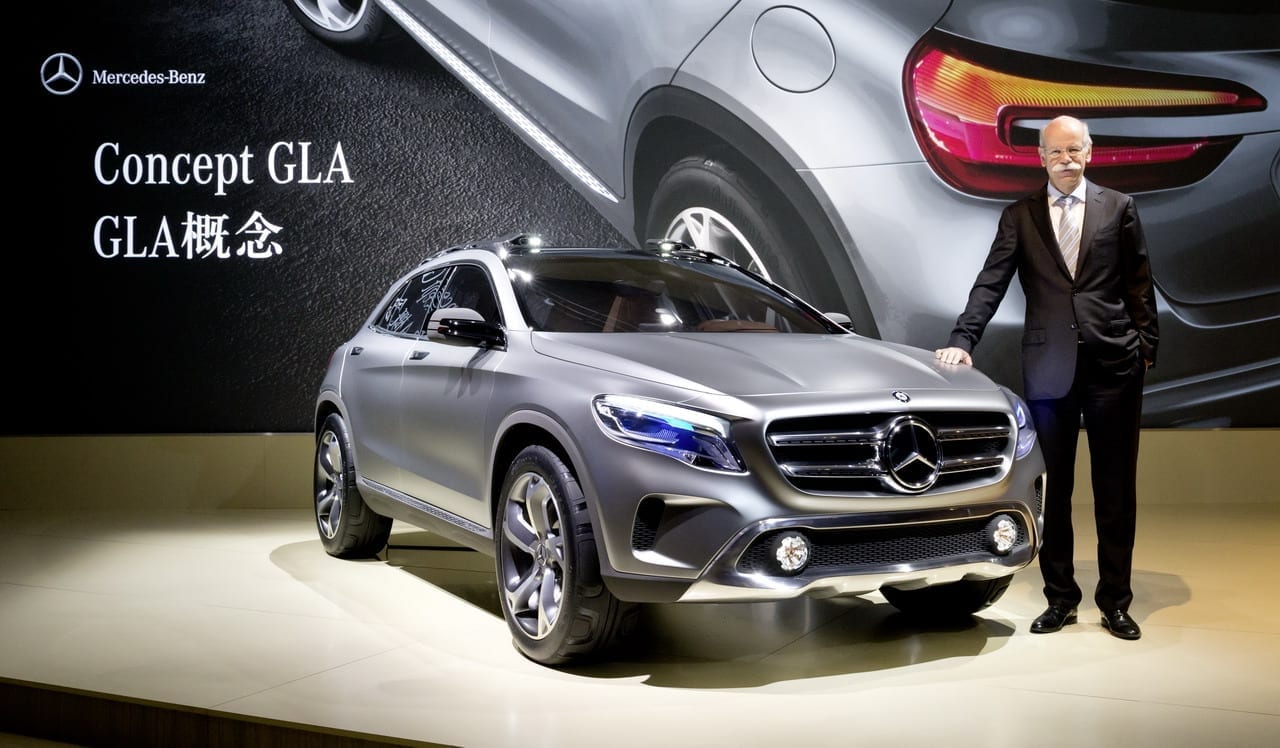
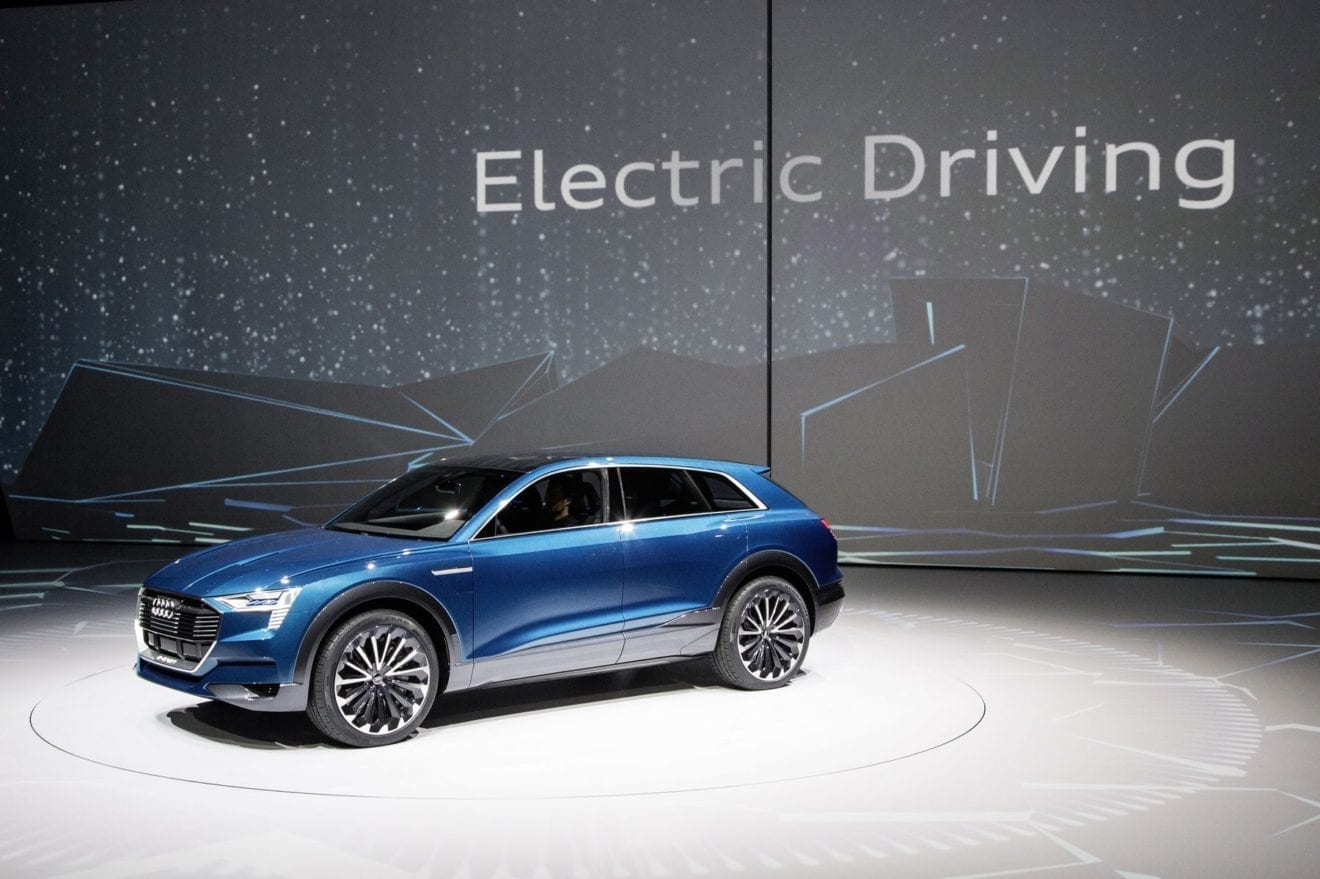
    Daimler’s next chief executive will have a tough job to restore margins at Mercedes-Benz, current boss Dieter Zetsche told Reuters on Wednesday, as Mercedes-Benz launched a new luxury electric car to rival Tesla.

    Zetsche, who bows out as CEO on May 22, said the German luxury carmaker needed to find a way to rebuild margins after research and development (R&D) costs at Mercedes-Benz ballooned.

    “There are many challenges ahead. We are in a situation of an economic slowdown. It is not going to be easier going forward,” he said on the sidelines of the launch event near Oslo.

    Pressure to develop electric and autonomous cars has led R&D costs at Mercedes-Benz passenger cars to rise to 14 billion euros ($15.7 billion) from around 8 billion euros four years ago, Zetsche said.

    At the same time, China, the world’s largest car market, has seen sales momentum slowing for nine months in a row, with a 5.2 percent fall in sales in March.

    Mercedes-Benz’s large electric car will hit showrooms this summer, years after Tesla launched its Model S in 2012.

    Daimler has been cautious about embracing mass production of electric vehicles at Mercedes-Benz amid concerns about operating range and customer acceptance.

    The company took a 9.1 percent stake in Tesla for around $50 million in May 2009 to learn about battery technology but sold its stake for a $780 million profit in 2014.

    Daimler launched an electric car under the smart brand in 2010, but waited until 2014 to build an electric Mercedes-Benz B-Class.

    Daimler, like other manufacturers, has struggled to make electric cars profitable, although the cost of battery packs is expected to fall as they invest in ramping up battery cell production.

    ING analysts say the total cost of ownership, including fuel prices, could reach parity between electric and combustion engined vehicles by 2025.

    In an effort to make a profit with electric cars, Daimler has opted to manufacture the Mercedes EQC in a way that enables it to be built on the same production line as a combustion engined car, retooling existing plants.

    Daimler is investing more than 10 billion euros to expand the electric EQ model range and is building battery cell production facilities.

    The Mercedes EQC will have an operating range of 445-471 kms, with a base version costing below 60,000 euros to make it eligible for Germany’s electric car environmental bonus.

    Asked whether Daimler was too late to the electric vehicle trend, Zetsche said: “For the past 40 years I have heard that German manufacturers have missed all the important trends. But apparently, customers still like cars from manufacturers that have missed the boat.”

    Zetsche took over as CEO of DaimlerChrysler in 2006 and took the decision to sell Chrysler, returning Mercedes to the top-selling luxury brand globally in 2016 and defending the title ever since.

    Zetsche said Daimler’s future hinged on making electric cars profitably.

  • Next Generation Mercedes-Benz S-Class Interior Leaked

    Next Generation Mercedes-Benz S-Class Interior Leaked

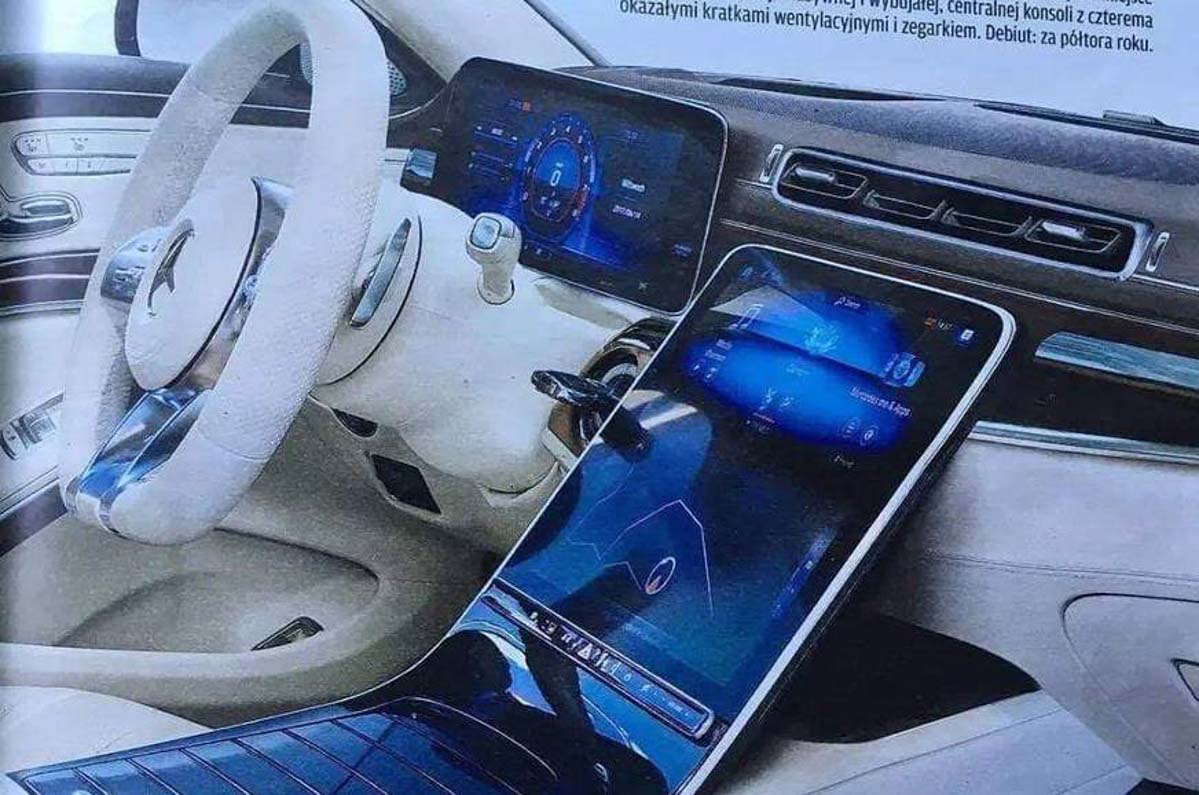
    Mercedes-Benz is readying the next generation of its flagship S-Class sedan and while we’ve seen test mules in the past, a leaked image of the interior have now made its online. The next generation Mercedes-Benz S-Class due to make its debut sometime in 2020 and going by the leaked image, the car appears future ready. Confirmed by earlier spy shots, the W223 S-Class replaced the dual infotainment screen with single unit for the instrument console and a massive vertically-stacked display for all other controls. The Tesla like touchscreen system replaces a tonne of switches on dashboard that gets a clutter-free appearance with sleek looking air-con vents and a new steering wheel. The leaked image also reveals the dual-tone treatment to the cabin in pristine while and black shades.

    The new generation Mercedes-Benz S-Class will be based on the automaker’s MRA platform and will come with a range of six and eight cylinder petrol and diesel engines. There will also be an electrified version called – the EQ S – and will be based on the company’s new Modular Electric Architecture (MEA). The new electrified version is expected to sport a range of 500 km on a single charge, as the automaker’s new top-of-the-line electric saloon. Not to forget, there will be the Affalterbach versions too with the AMG-tuned S-Class drawing power from the 4.0-litre V8 bi-turbo motor that is likely to go hybrid.

    In addition, the new Mercedes-Benz S-Class is expected to be offered in only the long-wheelbase guise globally. That said, do expect the Pullman and Maybach versions to follow suit packing in tech and comfort over the current W222 S-Class. It needs to be seen if Mercedes will continue with the Coupe and Convertible versions on the next generation. With respect to new tech, expect improved autonomous driving capability possibly up to Level 3; a new and updated version of the Airmatic suspension and more segment-first creature comforts on the offering.

    In terms of design, the new S-Class is likely to get an evolutionary styling along lines of the new A-Class, CLS and the likes. The current version is one of the most gorgeous looking saloons out there, which really sets the benchmark for the new version. It is also likely to serve as the design inspiration for the next C-Class and E-Class models, when its time for their respective new life cycles.

    More details on the new S-Class will be available in the months to come. A global debut will happen next year while sales globally should commence by 2021 or 2022, depending on the market. The W222 S-Class is assembled in India, and given the sheer demand for the flagship Mercedes, expect the new model to be locally assembled as well.

  • Tesla Reports $702 Million Loss In The Last Quarter

    Tesla Reports $702 Million Loss In The Last Quarter

    Tesla said on Wednesday it would return to profit in the third quarter of 2019 after racking up two consecutive losses in the first half of the year, as it struggled to deliver cars to customers and launched a cheaper version of its Model 3 sedan. The company, which Wall Street suspects may soon have to raise more cash, said it ended the quarter with just $2.2 billion in cash, after paying off a $920 million convertible bond obligation in March.

    Tesla affirmed its outlook of delivering 360,000 to 400,000 vehicles in 2019 and said it may produce as many as 500,000 vehicles in the year if its Gigafactory in Shanghai reaches volume production in the fourth quarter. Tesla reported net loss attributable to common shareholders of $702.1 million, or $4.10 per share, in the first quarter ended March 31, compared with $709.6 million, or $4.19 per share, a year earlier.

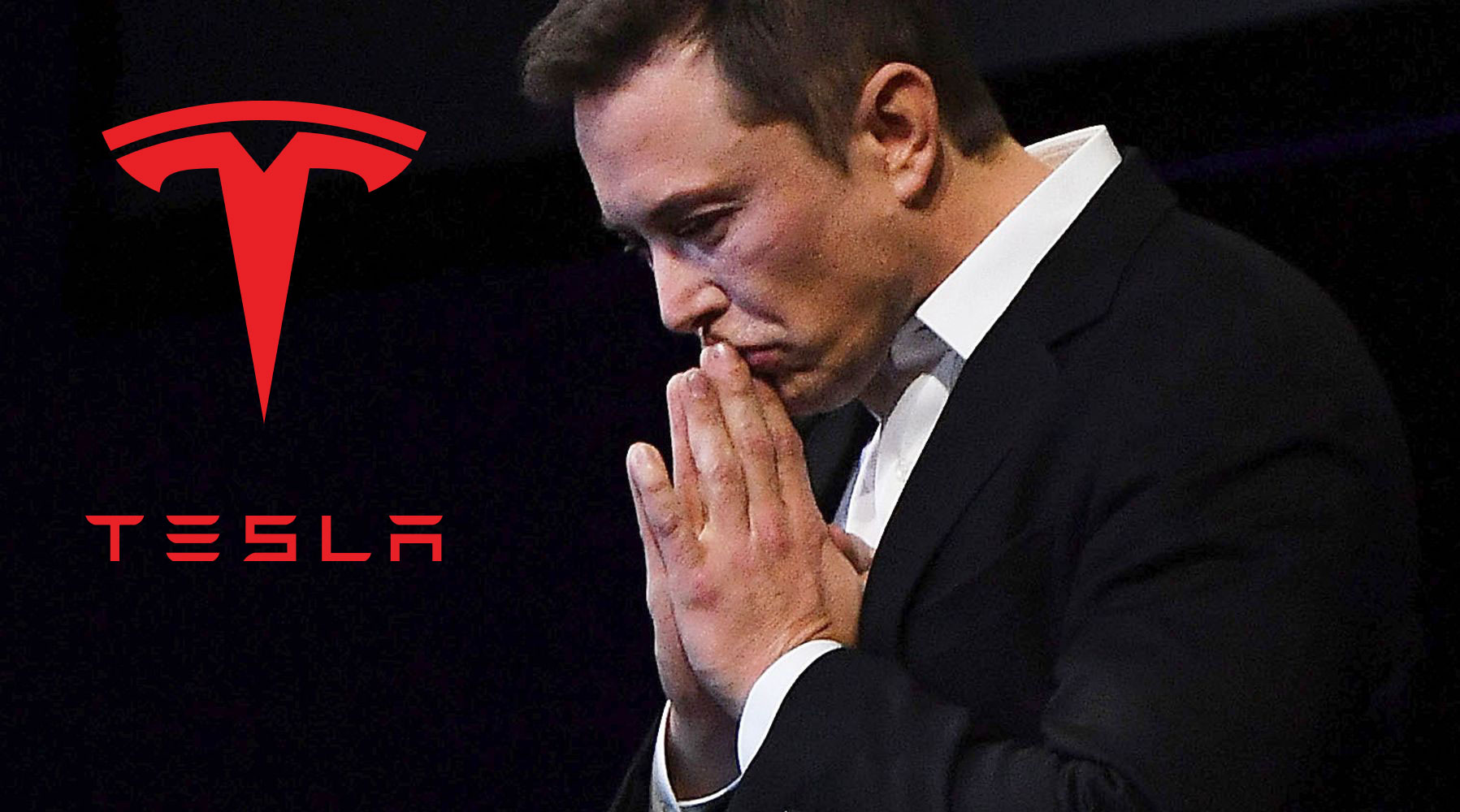
    “As the impact of higher deliveries and cost reduction take full effect, we expect to return to profitability in Q3 and significantly reduce our loss in Q2,” Chief Executive Officer Elon Musk said in a letter to investors.

    The Silicon Valley company has weathered a challenging few months, marked by a sharp drop in the number of vehicles delivered to global customers during the quarter and a public spat between Musk and financial regulators.

  • 2019 Porsche 911 India Launched

    2019 Porsche 911 India Launched

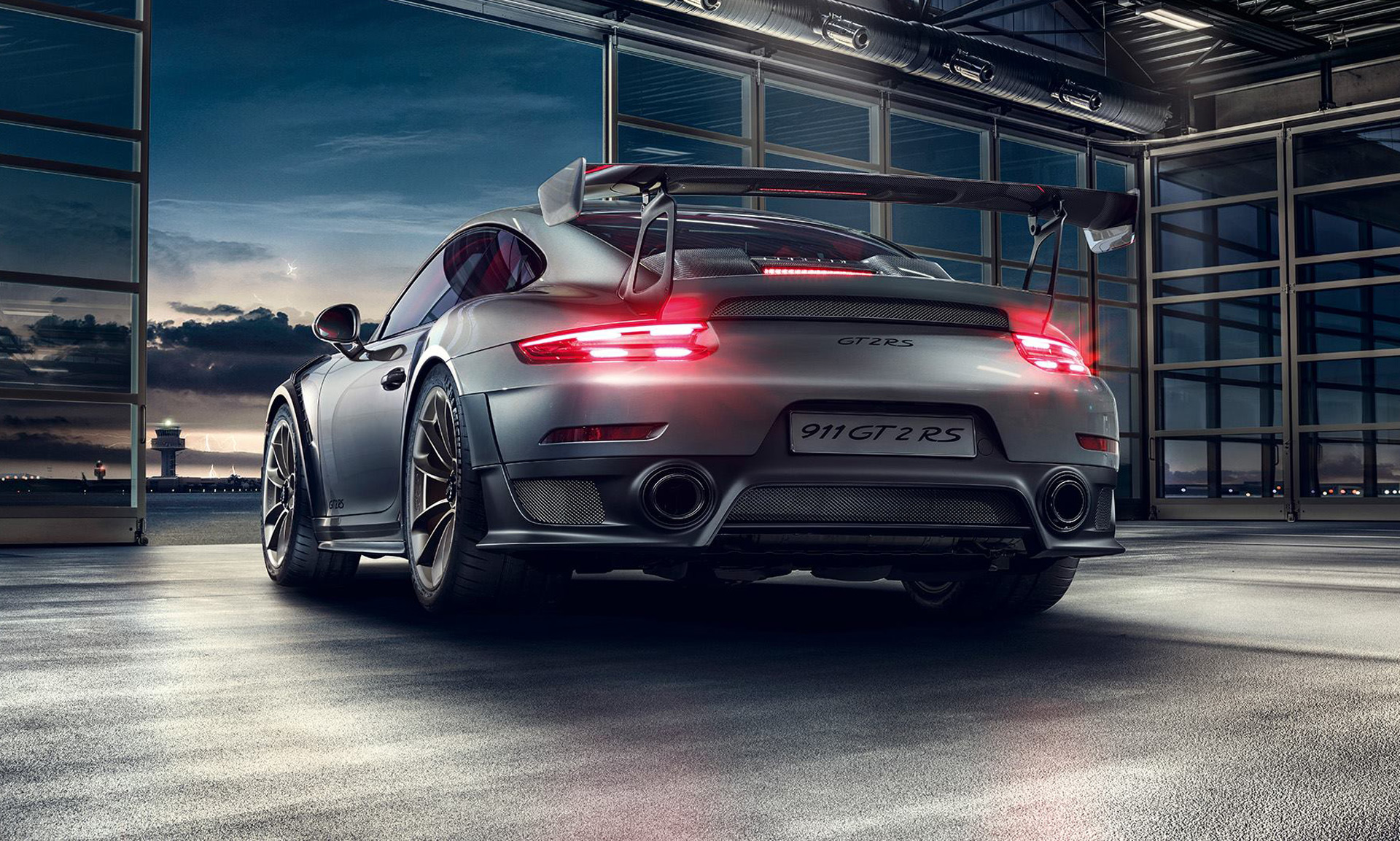
    The new-generation 2019 Porsche 911 went on sale in India today and we have all the highlights from the from the launch here. The eighth-generation Porsche 911 coming to India was internally codenamed 992 and retains the iconic silhouette that is distinctive to the Porsche 911 family. Furthermore, the car also comes with a heavily revised, more powerful range of six-cylinder turbo petrol engines. In India the new Porsche 911 comes in two variants as of now – Carrera S and Carrera S Cabriolet, priced at Rs. 1.82 crore and 1.99 crore respectively, very close to what we has expected.

    The eighth-generation Porsche 911 gets an extensively re-engineered platform that uses generous amounts of aluminium in its construction in its rear section, for improved weight distribution. Under the hood, the Porsche 911 Carrera S is powered by the extensively 3.0-litre flat-six, turbo petrol engine that makes an additional 30 horses. The total power output now stands at 444 bhp.

    The 0-100 kmph sprint time has been dropped under 4 seconds, with the new Porsche 911 Carrera S reaching 100 kmph from standstill in just 3.7 seconds. The 911 Carrera 4S does the same run in just 3.6 seconds and it also comes with all-wheel drive. The optional Sport Chrono Package further reduces the sprint by 0.2 seconds. The top speed on the Carrera S is rated at 308 kmph, while that on the heavier Carrera 4S is 306 kmph.

  • Denso to invest $1 billion creating 1,000 jobs

    Denso to invest $1 billion creating 1,000 jobs

    Japanese auto parts supplier Denso Corp plans to invest $1 billion in its Maryville, Tennessee plant to develop vehicle electrification and safety systems, creating around 1,000 jobs.

    This is the latest in a series of announcements from automakers rushing to bring a large number of electric vehicle models to market in the coming years.

    Policymakers in key markets such as China are pushing a shift to electric cars from internal combustion engines over the next two to three decades, while relatively new rival Tesla is gaining momentum, pressuring traditional automakers to crank up plans for fully electric vehicles.

    Denso said in a statement the investment would expand multiple production lines at the facility to produce advanced safety, connectivity and electrification products for hybrid and electric vehicles. The new jobs will include production workers, technicians and engineers.

    “We are seeing dramatic shifts in the role of transportation in society, and this investment will help position us to meet those changing demands,” Kenichiro Ito, chairman of Denso’s North American board, said in a statement.

    In 2015 the auto supplier announced a $400 million investment in Maryville and the creation of 500 jobs.

    Last week, Toyota Motor announced a joint venture with partner Mazda Motor Corp (7261.T) to develop electric vehicle technology. Toyota will take a 90 percent stake in the joint venture while Mazda and Denso, Toyota’s biggest supplier, will each take 5 percent.

    No. 1 U.S. automaker General Motors said this week it would add 20 new battery electric and fuel cell vehicles to its global lineup by 2023.

    A day later, Ford Motor said it planned to slash $14 billion in costs over the next five years and shift capital investment away from sedans and internal combustion engines to develop more trucks and electric and hybrid cars.

  • Volkswagen’s Audi in talks with China’s SAIC Motor on tie-up

    Volkswagen’s Audi in talks with China’s SAIC Motor on tie-up

    Volkswagen’s Audi premium brand is in talks with China’s largest automaker, SAIC Motor, on a potential long-term collaboration, Audi said in a statement on Monday.

    Reuters reported on Saturday, citing a source familiar with the matter, that the two had signed an agreement that could pave the way for Volkswagen’s joint venture with SAIC to make Audi brand cars.

    An early entrant to China, the world’s largest car market, Audi is the best-selling premium car brand although it is rapidly losing ground to newer car models from Daimler’s Mercedes-Benz and non-German automakers like Toyota’s Lexus and General Motor’s Cadillac.

    Audi cars are now only made in China through a joint venture with China FAW Group, providing a lifeline to a state-owned company whose own brand cars have struggled with falling sales.

    Audi reaffirmed its commitment to FAW in the release announcing the talks with SAIC, saying it had outlined growth plans with FAW for the next 10 years that include making green energy SUVs and sedans in every major segment.

    Audi will also form a new joint venture company with FAW to be based in Beijing and focus on mobility and digital services, according to the statement.

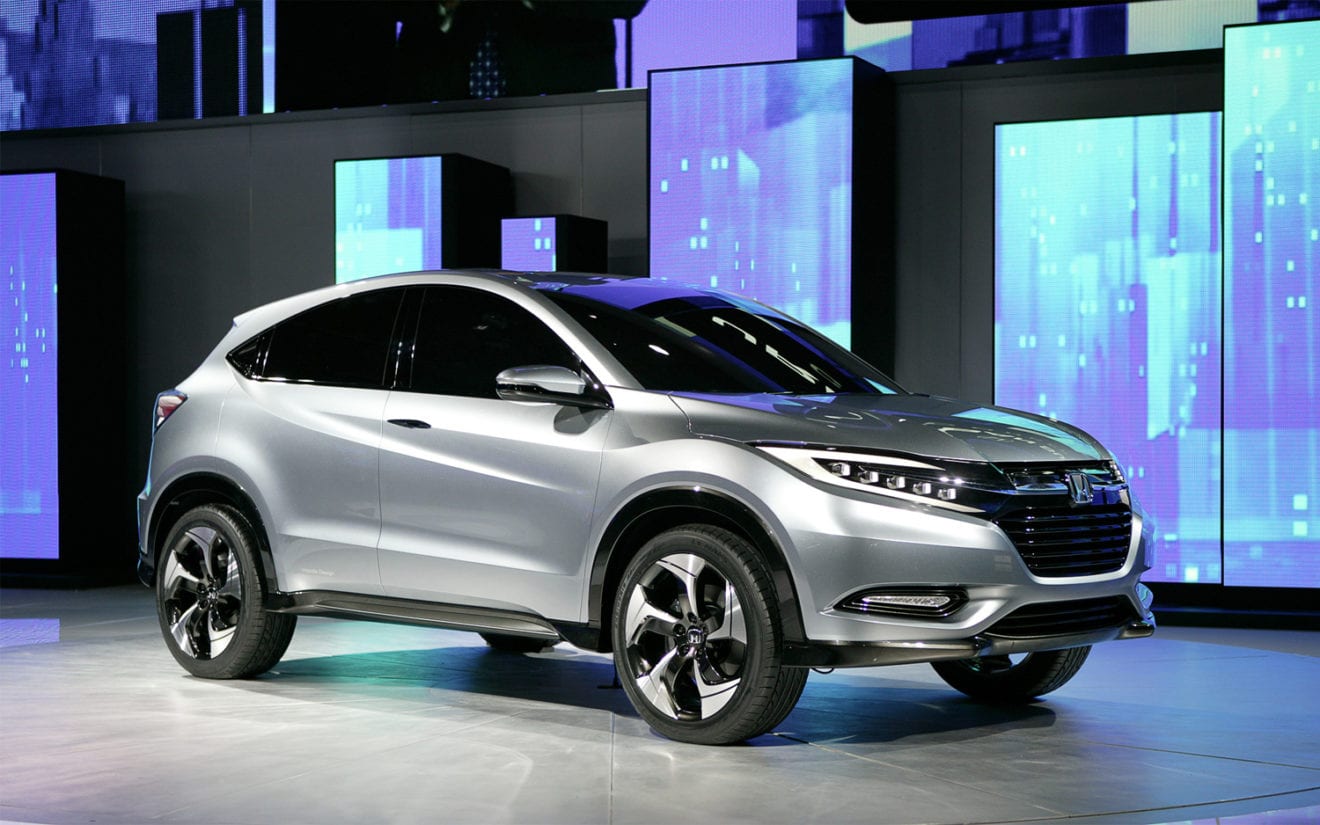
  • Honda plans North American production shifts to make more SUVs

    Honda plans North American production shifts to make more SUVs

    Honda Motor Co is shifting around its North American vehicle production mix and may raise imports from Japan to squeeze out more SUVs as it struggles to keep up with strong U.S. demand for larger models, a factor which has prompted the automaker to trim its annual sales forecast.

    From early next year, Honda will dedicate production at its Alabama plant to its Pilot SUV, Ridgeline pick-up truck and Odyssey minivan, shifting production of its luxury Acura MDX SUV to its plant in Ohio as part of efforts to align its overall production of popular models to better reflect market demand.

    Demand for multi-tasking vehicles from cost-conscious consumers and historically low gasoline prices have ramped up demand for SUVs and other larger models over that of passenger cars.

    So far this year, roughly 59 percent of all new vehicles sold in the world’s No.2 auto market have been light trucks, versus 41 percent passenger vehicles, compared with 55 percent and 45 percent, respectively, a year earlier.

    In comments scheduled for release on Thursday, American Honda Motor Co CEO Toshiaki Mikoshiba told reporters that by also shifting more production of its popular CR-V model to its Indiana plant from Mexico, and producing more of its HR-V models in Mexico, the company planned to lift its production weighting between light trucks and passenger cars more in favor of light trucks, from an even balance currently.

    “While maintaining our current overall capacity (in North America), we’d like to also consider our production options in Japan … to produce more light trucks to respond to strong demand,” Mikoshiba said.

    “So long as we don’t see a sudden reversal in gasoline prices, we believe this would be the right move for the market.”

    Japan’s third-largest automaker by vehicle sales also said that it was considering producing the CR-V and the Civic sedan in Japan to be exported to North America to fill any gaps in local production.

    Honda is planning to market the recently revamped Civic in Japan, which a company spokeswoman said would add to production capacity, while it is also considering marketing the latest CR-V at home.

    Last month, Honda lowered its annual North American vehicle sales forecast to 1.985 million, from its previous expectation for 1.990 million, due in part to the skew in market demand.

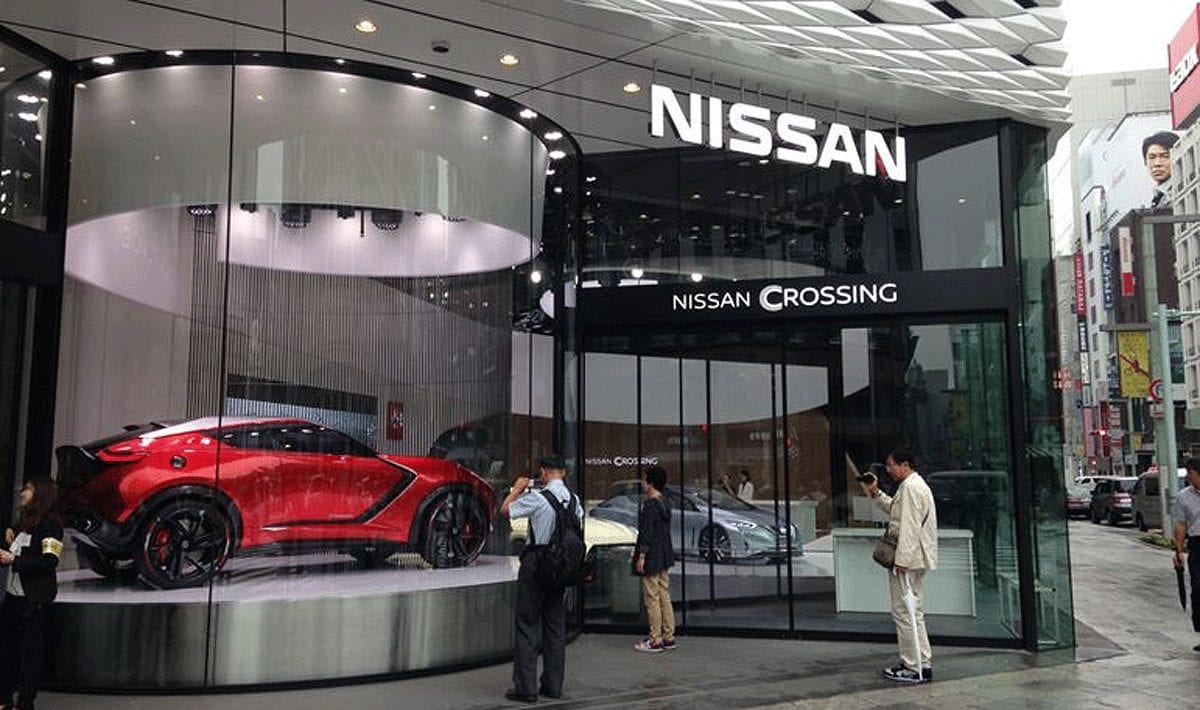
  • Nissan expects sales growth to slow in China, U.S. in near term

    Nissan expects sales growth to slow in China, U.S. in near term

    Nissan Motor Co Ltd on Monday said its sales growth in the world’s two biggest auto markets is likely slow in the near term as consumer tax breaks end in China while U.S. tastes move away from the automaker’s main area of focus.

    Japan’s second-biggest automaker by sales, which earlier blamed a strong yen for a 19 percent drop in second-quarter profit, made the comments after growth in Chinese and North American retail vehicle sales outperformed many markets in April-September.

    Sales in China in the six-month period grew 3.8 percent from a year prior, and Nissan’s head of operations in the country, Jun Seki, expects double-digit sales growth for calendar 2016, aided by economic incentives aimed at stimulating demand.

    “But as the government’s small-car subsidies wind down at the end of the year, we’re expecting to see a slowdown in sales early next year, and see single digit growth for the year,” Seki told reporters at Nissan’s Yokohama headquarters via telephone.

    Nissan also said recent growth in China’s auto market was due mainly to rising demand for local brands. In response, the automaker said it would further promote its China-only Venucia brand.

    The automaker sells almost a quarter of its output in China, and around 40 percent in North America.

    Its North American retail vehicle sales rose 5.4 percent in April-September. But it said demand growth was peaking and that any additional growth had been limited by its dependence on sales of sedans, at a time when low fuel prices had boosted demand for petrol-guzzling sport utility vehicles.

    Aggressive buying incentives for its sedans had also crimped profit margins, Nissan said.

    The automaker on Monday nevertheless kept its operating profit forecast at 710.0 billion yen ($6.80 billion) for the year through March, down 10.5 percent from a year prior, and said it continues to expect sales of 5.6 million vehicles.

    It also said it still expects the domestic currency to average 105 yen to the U.S. dollar and 120 yen to the euro.

    Earlier, Nissan said yen strength was responsible for July-September operating profit falling 19 percent to 163.9 billion yen – a result that still beat the 154.5 billion yen average of 10 estimates from analysts surveyed by Thomson Reuters I/B/E/S/. For April-September, profit fell 14 percent.

    Nissan raised its exposure to the strong yen at the start of the business year in April as it has been exporting its Rogue SUV crossover model from Japan to North America to meet demand.

  • Tesla’s Musk unveils solar roof tiles, longer-lasting batteries

    Tesla’s Musk unveils solar roof tiles, longer-lasting batteries

    Tesla Motors Inc Chief Executive Elon Musk on Friday unveiled new energy products aimed at illustrating the benefits of combining his electric car and battery maker with solar installer SolarCity Corp.

    The products include solar-powered roof tiles that eliminate the need for traditional panels and longer-lasting batteries aimed at helping to realize Musk’s vision of selling a fossil fuel free lifestyle to consumers.

    “This is sort of the integrated future. An electric car, a Powerwall and a solar roof. The key is it needs to be beautiful, affordable and seamlessly integrated,” Musk said during an event to showcase the products at the Universal Studios theme park near Los Angeles. “If all those things are true why would you go any other direction?”

    Musk is the biggest shareholder in both Tesla and SolarCity, which is run by two of his first cousins. Analysts have been dubious of the deal’s proposed synergies, with some suggesting the merger is a way for Tesla to rescue money-losing SolarCity. A vote on the acquisition is scheduled for Nov. 17.

  • Mazda to leave Indonesia, hands distribution to Eurokars

    Mazda to leave Indonesia, hands distribution to Eurokars

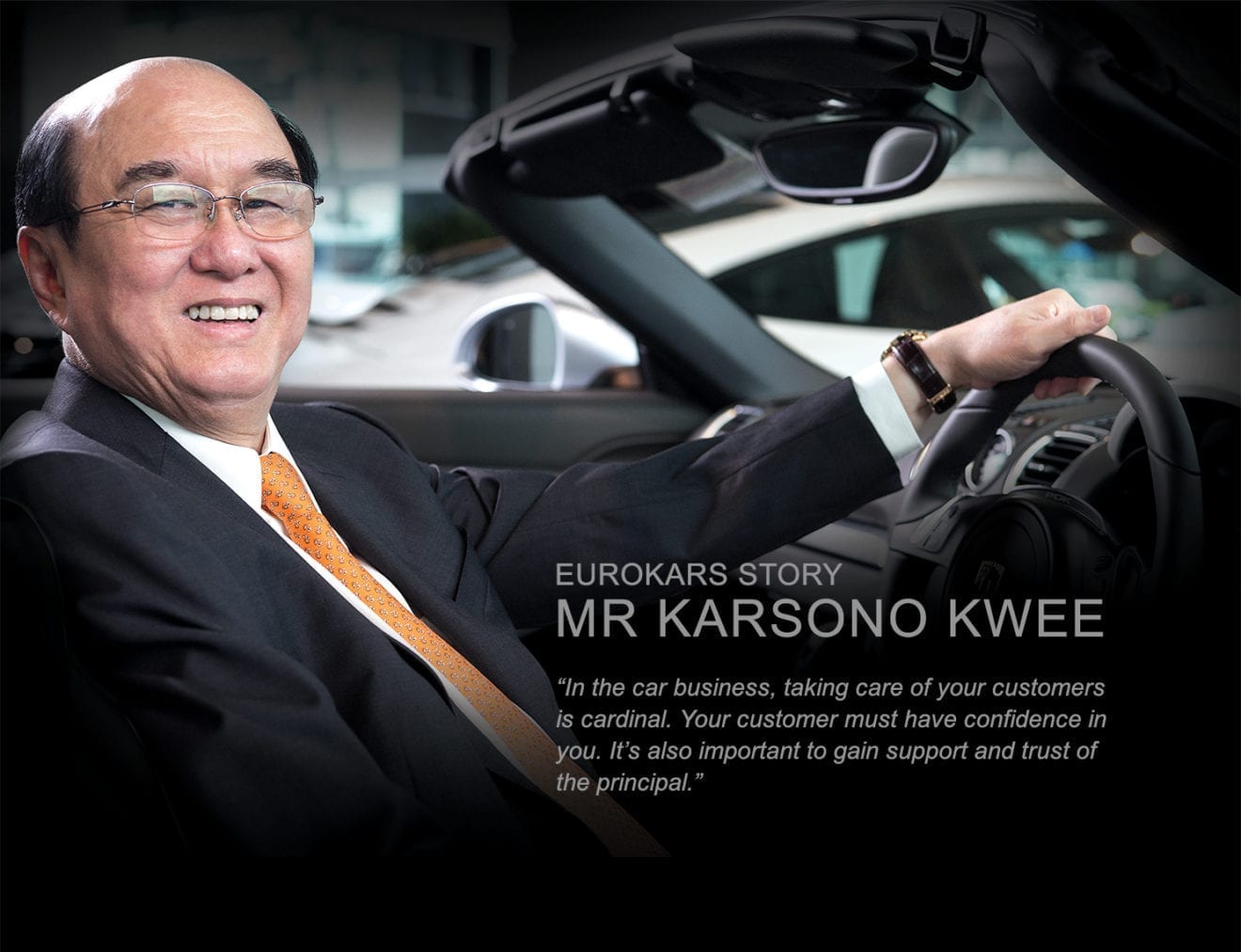
    Mazda Motor Corporation has appointed Eurokars Motor Indonesia, a member of Eurokars Group, as the distributor of Mazda vehicles in Indonesia following its decision to leave the country.

    Eurokars Group spokesperson Angeline Tan said Mazda’s distribution network of 45 dealers would be officially transferred from Mazda Motor Indonesia to Eurokars Indonesia in February.

    “This appointment represents a significant milestone for Eurokars Group. It also reflects the synergistic partnership between Mazda Motor Corporation and Eurokars Group, which is well-positioned to run the distributorship,” she said in a press statement in Jakarta on Friday.

    Following the official transfer, she added, Eurokars would take over existing staff members and dealers currently under Mazda Indonesia. It will also be responsible for after-sales including the warranties of all Mazda vehicles sold by Mazda Indonesia prior to the transfer.

    Founded in 1985, Eurokars was a dealer for Mazda cars in Indonesia in 2007 and took over the distribution of Mazda vehicles in Singapore in 2011.

    From November, Mazda Indonesia’s business entity will be changed from a sole distributor to an importer of the Japan-based Mazda Motor Corporation’s products in related to the business decision.