Tag: autonomous driving

  • South Korea Refers 80 Tesla Drivers to Prosecutors over Software Bypasses

    South Korea Refers 80 Tesla Drivers to Prosecutors over Software Bypasses

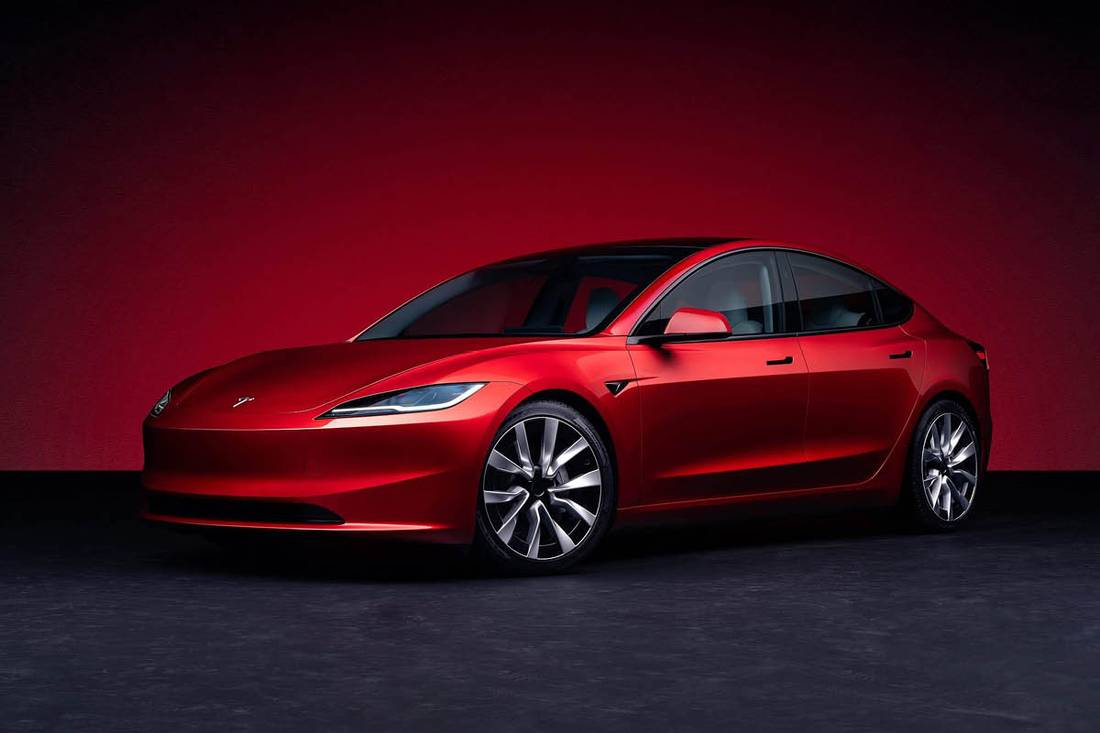
    South Korean police referred 80 Tesla owners to prosecutors for using unauthorized devices to activate the company’s Full Self-Driving software on vehicles barred from running the system. The Seoul Metropolitan Police Agency confirmed the action after confiscating 21 plug-in devices designed to crack regional software locks.

    Suspects face statutory penalties of up to two years in prison or fines of up to 20 million won, roughly 12,000 euros, under the Motor Vehicle Management Act. The statute treats unauthorized electronic alterations that affect safe vehicle operation as criminal infractions rather than contractual disputes.

    How Drivers Bypassed Regional Controls

    Investigators found owners tapped directly into the controller area network bus, the internal wiring system that shuttles electronic commands between automotive modules. These imported and homemade modules bypassed factory restrictions that keep the driver-assist feature turned off on uncertified cars.

    Drivers sourced specialized hardware from Europe and China, while at least one technician in the information technology sector built a custom bridge using open-source code and public schematics. Members of online driver groups then traded step-by-step instructions on running the software and clearing electronic logs to evade automated detection during routine service visits.

    Trade Rules Split the Tesla Fleet

    The regulatory fracture runs along factory origins. South Korea permits Full Self-Driving only on American-built Model S and Model X units, as well as the Cybertruck, because those vehicles enter the country under vehicle safety exemptions negotiated in the bilateral free trade agreement with the United States.

    Chinese-built Model 3 sedans and Model Y crossovers do not benefit from those trade terms. They require distinct domestic safety certification from the Ministry of Land, Infrastructure and Transport before advanced autonomous features can operate legally on public roads.

    Liability Shifts to the Driver Seat

    For automotive brands and fleet operators selling software-defined vehicles across Asia, the Seoul case draws a clear legal boundary. Ownership of onboard sensors, computer processors and code does not confer legal permission to run automated driving features if a transport ministry has not certified the software version for that exact model line.

    Automakers face technical liabilities when customers alter safety logic. Unsanctioned activations risk sensor blind spots, misread road markers and erratic control outputs, which could draw punitive recalls onto manufacturers if tampered vehicles crash. Tesla began remotely cutting off software access for modified vehicles and warned owners that tampering voids factory warranties, which exposes drivers to direct civil claims in accidents.

    Investigation Followed Transport Ministry Inquiry

    The criminal inquiry began in April following a formal enforcement request from the transport ministry. Police traffic investigators collaborated with the Korea Transportation Safety Authority to inspect seized hardware and map changes made to the functional logic of the vehicle platform.

    We are working closely with related agencies, including asking the Ministry of Land, Infrastructure and Transport and [the] Korea Transportation Safety Authority for advice on technical matters such as changes to FSD’s functional structure. We will continue to actively investigate illegal acts that threaten road safety.

    Public prosecutors in Seoul must now determine how many of the 80 referred drivers will face formal indictments in district court. That decision will set the legal precedent for how Asian transport authorities treat unauthorized consumer modifications on connected electric vehicles.
  • China Records 15 Million Cars with Navigation on Autopilot Features

    China Records 15 Million Cars with Navigation on Autopilot Features

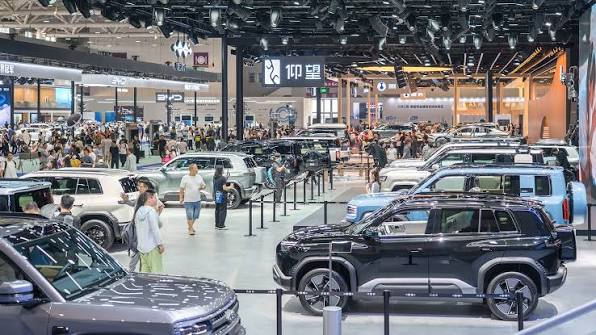
    China counted approximately 15 million passenger cars equipped with Navigation on Autopilot software as of August 2026, according to government academy data released in Beijing.

    Those vehicles account for roughly 25 per cent of the 61 million passenger cars nationwide carrying Level 2 driver assistance systems, reflecting the operational fleet rather than showroom deliveries this year.

    The Fleet on the Road

    Data released at the 2026 World Intelligent Connected Vehicles Conference by the China Academy of Information and Communications Technology showed about 16 million passenger cars in China carried 5G communication terminals as of August, alongside 2 million vehicles with Cellular Vehicle-to-Everything equipment.

    The China Academy of Information and Communications Technology disclosed the operational figures during the conference in Beijing’s Yizhuang area. The Ministry of Industry and Information Technology, the Ministry of Transport, and the Beijing municipal government jointly organized the three-day gathering.

    Hardware installations across the domestic fleet have outpaced urban infrastructure upgrades. Automakers selling in China have turned automated highway driving and urban point-to-point navigation into standard consumer features to protect showroom pricing, forcing suppliers to absorb sensor costs across high production volumes.

    Rewriting Vehicle Standards

    Regulators are moving to codify how these operating systems behave once drivers take their hands off the controls. Guo Shougang, head of the equipment industry department at the Ministry of Industry and Information Technology, released a draft update to China’s connected-vehicle technical standards guidelines for public review on October 21.

    The regulatory framework covers more than 400 existing standards across intelligent vehicles, communications, traffic management, and fleet operations. The 2026 revisions seek to expand safety criteria for core components, standardize system architectures, and set binding rules for operating autonomous driving services commercially.

    For automotive brands and tier-one component makers, the revised rulebook narrows room for proprietary software workarounds. Safety compliance costs will fall heavily on domestic electric vehicle assemblers that have marketed assisted driving capabilities aggressively to private retail buyers.

    Preparing Level 3 Approvals

    Work on the second batch of Level 3 autonomous driving market access pilots is underway, Guo said during the conference. Regulators have not named the participating carmakers, the specific models involved, or the date when commercial sales permits will take effect.

    The current phase builds on early regulatory permissions granted late last year. The ministry awarded conditional Level 3 market access approval to models from state-owned automakers Changan and BAIC in December 2025.

    Those initial vehicles remain confined to designated public test roads and strict operating conditions rather than nationwide consumer use. Regulators will monitor testing outcomes from the first cohort before expanding operational permits to the next group of carmakers.

  • Volkswagen Secures L3 Autonomous Road Test Permit in Hefei

    Volkswagen Secures L3 Autonomous Road Test Permit in Hefei

    Volkswagen has secured a road test permit for Level 3 autonomous driving in Hefei, starting real-world road tests and data collection across the Anhui provincial capital.

    The trial advances the German group toward its target of having conditional autonomous software ready for commercial passenger cars in 2027. Volkswagen China confirmed the permit on Monday, though it withheld the models involved, the route maps and the size of its test fleet.

    The Road From Cariad to Carizon

    Engineering work behind the Hefei testing runs through Carizon, the joint venture established in December 2023 between Volkswagen software division Cariad and Beijing-based Horizon Robotics. Volkswagen committed 2.4 billion euros to set up the unit and retains a 60 per cent controlling stake. Carizon pairs Horizon Robotics’ foundation models with proprietary silicon to build an automated driving stack specifically tuned for Chinese roads.

    Hardware development focuses on the C7H system-on-chip, which remains in development alongside the GAIA world model data system. Carizon intends to run that combined platform across future production vehicles, targeting full software deployment and early customer deliveries in the second half of 2027.

    The Race Against Domestic Incumbents

    Foreign automakers in China face severe margin pressure from local electric brands that already bundle automated highway pilot features into standard trims. To defend showroom footfall, Volkswagen must match the local software pace or risk seeing its volume market share erode further among tech-focused retail buyers. Chinese consumers treat intelligent cockpit functions and urban driving assistance as baseline requirements rather than optional luxury packages.

    Domestic manufacturers hold the regulatory lead on conditional autonomy. The Ministry of Industry and Information Technology approved its first batch of road-use pilot vehicles in December 2025, clearing Changan Automobile’s Deepal SL03 and BAIC Group’s Arcfox Alpha S. Those pilot approvals grant operational use rights on designated public highways, putting local carmakers a full step ahead of test-permit holders like Volkswagen.

    Regulatory Gates and Timelines

    A testing permit allows development vehicles to map routes and log corner cases, but it does not permit serial production sales. Full commercial deployment requires separate product clearance from industrial regulators; an MIIT official said on October 22 that work on a second batch of L3 product approval pilots was underway.

    Frank Han, executive vice president of Volkswagen Group China and chief executive of Cariad China, told an industry conference in April that the manufacturer intends to reach Level 3 capabilities in 2027 before attempting Level 4 autonomous operations in 2029.

    Volkswagen presents its broader platform strategy at its first Hefei Technology Day on October 28, where engineers will outline hardware timelines for the group’s Chinese vehicle pipeline.

  • Xpeng Secures Approval for L4 Robotaxi Trials in Guangzhou

    Xpeng Secures Approval for L4 Robotaxi Trials in Guangzhou

    Xpeng secured municipal approval on Monday to launch Level 4 robotaxi trial operations across its home city of Guangzhou, marking a key step toward commercializing its autonomous transit services.

    Announced by robotaxi unit head Candice Yuan, the qualification for intelligent connected vehicle demonstration operations allows Xpeng Yoyo to begin phased public trials across the metropolis using invitation codes.

    The green light follows more than 2,000 internal test rides completed by August in Guangzhou, shifting the business from factory engineering toward live commercial validation.

    Invitation Codes and Phased Rollout

    Riders cannot book cars freely off the street yet. Candice Yuan, head of the robotaxi business, stated on Weibo that the unit will control early volume through invitation tokens while the operations team validates vehicle dispatch and road safety across urban districts.

    Trial runs shift the project out of closed engineering evaluation into real passenger transit. Yuan noted the daily service routines will test operating economics and fleet software before the company offers standardized mobility packages to third-party fleet managers.

    Hardware Stack Without Maps or Lidar

    The robotaxi runs on Xpeng’s flagship GX sport utility vehicle platform, adapted directly on the factory assembly line rather than retrofitted by third-party shops. The vehicle dispenses with lidar sensors and pre-mapped high-definition survey data, relying entirely on optical cameras coupled with machine learning vision networks.

    Compute hardware inside each vehicle runs on four proprietary Turing artificial intelligence processors delivering 3,000 TOPS of processing power. Path planning and dynamic driving actions operate through the company’s second-generation Vision-Language-Action artificial intelligence model, known as VLA 2.0.

    Fleet Platforms and Commercial Distribution

    Rather than building a proprietary retail ride-hailing network to take on incumbents directly, Xpeng intends to act as a hardware supplier and software partner. The business model targets third-party ride-hailing aggregators across domestic and international cities, charging for physical vehicle builds, recurring autonomy software fees, and fleet revenue-sharing cuts.

    That platform strategy shifts the capital burden of purchasing and housing thousands of battery-powered taxis onto existing fleet operators. Operating without expensive lidar rigs lowers unit manufacturing overhead, but putting camera-only Level 4 systems into dense southern Chinese street traffic transfers operational pressure directly onto onboard computing chips and remote management centers.

    Timeline Toward Driverless Services

    Guangzhou authorities awarded road testing rights for intelligent connected vehicles to the manufacturer in January, prompting the formal creation of a standalone robotaxi division two months later. Factory technicians completed the first production-line unit in May, followed by an initial internal run in July with chairman and chief executive He Xiaopeng booking and riding the car.

    Engineers have since built out a centralized cloud platform capable of taking remote control of stalled vehicles in traffic. Commercial deployment plans call for integration with major ride platforms in 2027, when the company aims to pull human safety supervisors out of the driver seat entirely.

  • Nissan Starts 3 Million Pound Autonomous Transit Trial in Cambridge

    Nissan Starts 3 Million Pound Autonomous Transit Trial in Cambridge

    Nissan started a 3 million pound autonomous mobility trial in Cambridge to test driverless passenger transport on regional UK road networks. Dubbed ADventure, the project uses modified Leaf electric hatchbacks. Researchers will study how automated transit fleets can serve commuters and non-drivers in suburban communities.

    Engineers from Nissan Technical Centre Europe in Cranfield lead the consortium alongside Warwick Manufacturing Group at the University of Warwick and transport education group PAVE UK. The UK Department for Business, Innovation, Science and Trade backs the project through its CAM Pathfinder programme in partnership with Zenzic and Innovate UK.

    How the Cambridge Fleet Operates

    Test operations rely on a specially equipped 2022 Nissan Leaf developed during earlier UK research. The trial targets three practical hurdles: integrating autonomous shuttles into existing municipal routes, evaluating passenger confidence, and validating sensor performance on narrow, mixed-traffic city streets.

    Local authorities will map specific routes across Cambridge. These include on-demand connections to medical appointments and transport hubs for residents who cannot drive. Researchers will track rider acceptance and safety data in real time to establish operating protocols that municipal transit authorities can replicate in other regional cities.

    Asian Automakers Export Autonomous Systems

    Japanese carmakers are shifting autonomous drive research out of closed proving grounds and into live commercial environments. The shift aims to defend market share against software deployments from Chinese and American competitors. Chinese operators such as Baidu and Pony.ai run commercial robotaxis across major mainland metros. By contrast, Japanese manufacturers have taken a government-partnered approach centered on public transit augmentation.

    For Asian automotive suppliers and fleet software developers, these European municipal trials serve as proving grounds for commercial export packages. Operational scalability remains the primary commercial risk. Fixed-route autonomous pods often struggle to generate sustainable operating margins once public research subsidies end, making fleet software integration costs the deciding factor for regional operators.

    Earlier Steps in Nissan Automated Road Testing

    Nissan led several UK automated driving programmes over the past decade before launching this Cambridge deployment. The company previously tested long-distance autonomous navigation under the HumanDrive project. It evaluated urban junction navigation in central London through ServCity, and trialled rural and residential road handling during the evolvAD programme.

    David Moss, senior vice president for research and development at Nissan AMIEO, said: “This project is an important step for autonomous mobility in the UK. With UK Government backing, it will take autonomous vehicle research beyond central London and into another city, helping us understand how these services can work for different communities and real-life journeys.”

    Public Demonstrations on City Streets

    Field data collected across the Cambridge trial will feed directly into safety validation frameworks developed by Warwick Manufacturing Group. Professor Siddartha Khastgir leads the academic safety team. His group is tasked with drafting operational safety standards for commercial deployment across Britain.

    Project partners will conclude the trial with public road demonstrations in Cambridge. Passenger-carrying Leaf vehicles will navigate live traffic without human driver intervention.

  • Momenta Secures Stellantis Deal to Supply Peugeot and Jeep from 2027

    Momenta Secures Stellantis Deal to Supply Peugeot and Jeep from 2027

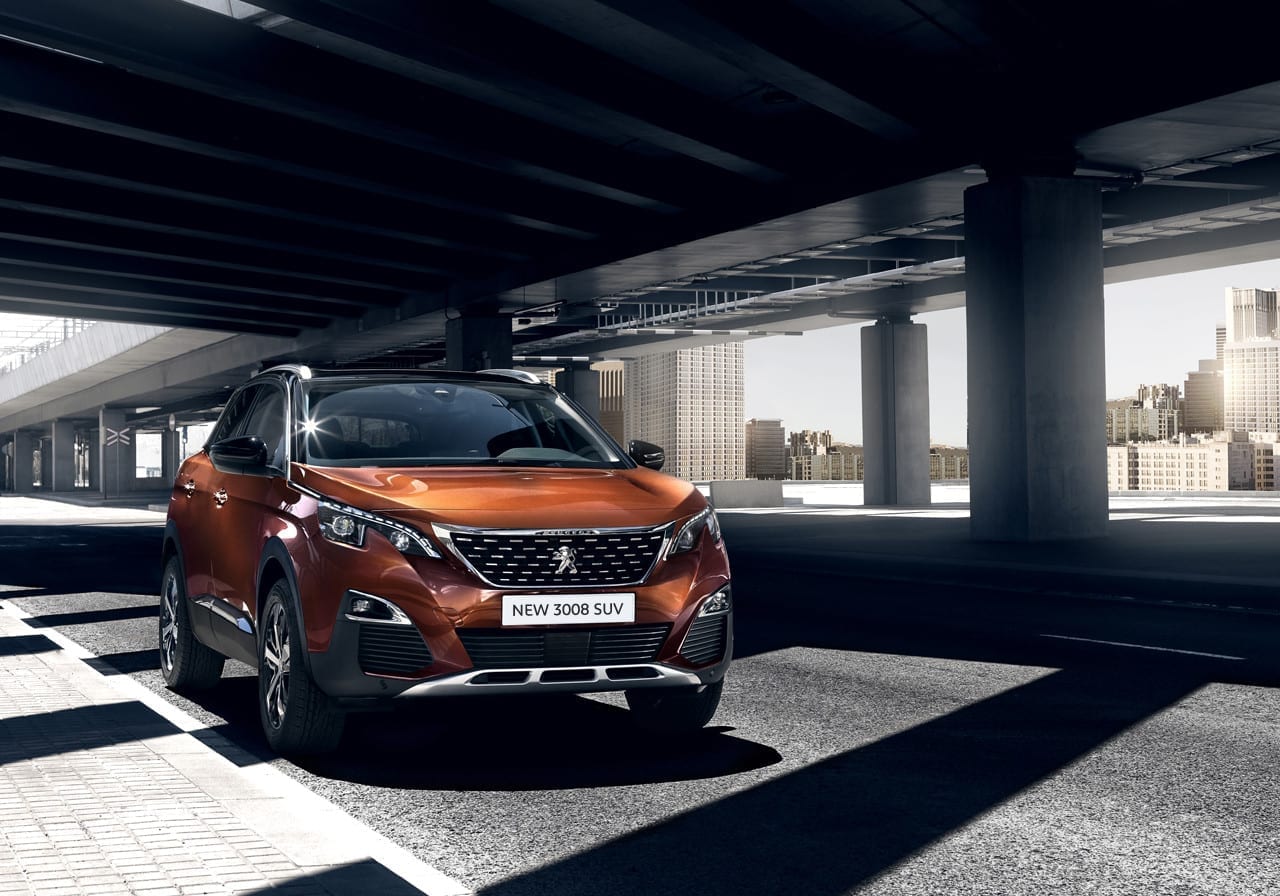
    Momenta signed a global partnership with Dongfeng Stellantis Automotive Technology in Shanghai to supply intelligent driving systems for Peugeot and Jeep vehicles rolling out from 2027.

    The agreement covers battery-electric and plug-in hybrid models sold across China, Europe and other international markets, taking the Chinese software developer into mass-market export vehicles.

    Under the deal signed on September 24, Momenta will integrate its R7 World Model software into new production models engineered by Dongfeng Stellantis Automotive Technology (Wuhan), known as DSAT. The joint venture will combine chassis tuning, steering calibration, braking response and powertrain controls with Momenta’s software platform. Peugeot variants will focus on handling and road dynamics, while Jeep models will adapt the system for off-road use. The technical scope also includes joint development of Level 3 automated driving functions.

    Expanding From German Luxury to Volume Fleets

    The contract shifts Momenta’s commercial footprint away from a reliance on German premium brands toward high-volume vehicle manufacturing. The software developer already provides driver assistance for Mercedes-Benz on the electric CLA in China, alongside joint projects with BMW and Audi. Those existing German deployments remain confined to the Chinese domestic market. Partnering with DSAT gives Momenta immediate factory access to European showrooms through Stellantis distribution channels.

    Supplying mainstream brands across multiple continents presents structural software challenges that domestic Chinese rollouts avoid. Road infrastructure, road user habits and regulatory testing requirements in Europe differ substantially from urban traffic conditions in eastern China. If Momenta succeeds in validating Level 3 features under European safety rules, it will establish a blueprint for Chinese software firms to bypass regional trade barriers by exporting code inside legacy Western nameplates.

    Competitive Shift for Western Automakers

    Western automakers operating in Asia have abandoned attempts to develop proprietary driving stacks in isolation. Stellantis established DSAT with Dongfeng in August to address rapid market share losses in China, where domestic electric vehicle brands hold a decisive software advantage. Sourcing production-ready algorithms from an established local supplier reduces development spending and accelerates time to market for refreshed model ranges.

    Competitors face rising pressure from this supplier integration model. Japanese and South Korean manufacturers that rely on legacy Tier 1 component vendors risk lagging in software response times and over-the-air update cycles. By outsourcing autonomous architecture to Momenta while maintaining control over vehicle dynamics and suspension tuning, DSAT keeps its brand identities distinct while closing the digital feature gap.

    Scale Across Production Platforms

    Momenta expanded its commercial deployment rapidly in early 2026 before completing the Stellantis agreement. The company installed its driver-assist software in roughly 321,000 additional vehicles during the first half of 2026, an 83.7 percent increase compared with the same period a year earlier. Total installations have surpassed 1.2 million vehicles across 105 production models, backed by supplier relationships with 26 automakers.

    Chinese AI is taking a growing role in the development of intelligent vehicles worldwide.

    DSAT general manager Lv Haitao signed the agreement alongside Momenta chief executive Cao Xudong, who confirmed the software developer is positioning its architecture ahead of a broader global market shift toward automated driving platforms.

    Target Dates for Global Production

    Automotive supply chains now turn to hardware validation ahead of the scheduled 2027 market introduction. DSAT has not disclosed initial production volumes, factory allocation or the specific vehicle nameplates that will debut the R7 system. Momenta will prepare software localized for European roadway certifications ahead of 2028, the target year its management expects global adoption of advanced driver assistance to accelerate sharply.

  • Xpeng Expands Foreign Tech Licensing Beyond Volkswagen Deal

    Xpeng Expands Foreign Tech Licensing Beyond Volkswagen Deal

    Xpeng is pitching its vehicle software, computing chips and electronic architecture to foreign automakers. It wants to expand high-margin technology licensing beyond its anchor partnership with Volkswagen.

    Services revenue at the Chinese electric vehicle maker jumped 93.9 per cent to 2.7 billion yuan ($400 million) in the second quarter of 2026. Gross margins reached 75.1 per cent.

    A strategic commercialisation team formed six months ago in Guangzhou to field inquiries from overseas manufacturers, foreign software vendors and tier-one automotive suppliers. The technology catalogue includes electrical and electronic architecture, digital cockpit operating systems, in-house Turing AI semiconductors and Vision-Language-Action (VLA) driver-assistance software. Licensing packages also cover operational systems for robotaxis and physical artificial intelligence deployments.

    The Software Stack Open to Rivals

    Engineers at the firm spent years building vertical integration to counter domestic price cuts. Selling that technology stack outward shifts the company from pure hardware manufacturing into enterprise software. Automakers that sign deals can purchase standalone sub-systems or integrate full platform architectures directly into their own global vehicle lines.

    That push extends past passenger cars. The company plans to license operational systems for robotaxi fleets alongside Iron, its general-purpose humanoid robot platform aimed at industrial and retail automation buyers.

    Margin Divergence Drives Strategic Pivot

    Wholesale vehicle assembly in mainland China faces fierce pricing competition that continues to compress factory returns. In the second quarter, Xpeng’s automotive gross margin fell to 12.1 per cent from 14.3 per cent a year earlier. Total vehicle revenue grew just 1.0 per cent. The company recorded a quarterly net loss of 1.34 billion yuan.

    Licensing intellectual property requires almost zero factory overhead once developed. That revenue cushions sustained research and development budgets. For legacy overseas automakers struggling to build software in-house, buying Chinese electronic architecture cuts years off their electric development cycles.

    Precedent Set by Volkswagen Collaboration

    This commercial model stems from Volkswagen’s July 2023 investment, when the German group paid roughly $700 million for a 4.99 per cent equity stake in Xpeng. That alliance yielded the ID.UNYX 08 electric crossover. The vehicle entered mass assembly in March 2026, exactly 24 months after technical teams began joint integration work.

    Management confirmed in August earnings disclosures that research fees billed to Volkswagen accounted for the bulk of the recent doubling in services income. Volkswagen also committed to becoming the launch customer for the upgraded VLA 2.0 smart driving system across future localized releases.

    Next Steps on Hardware and Overseas Deployments

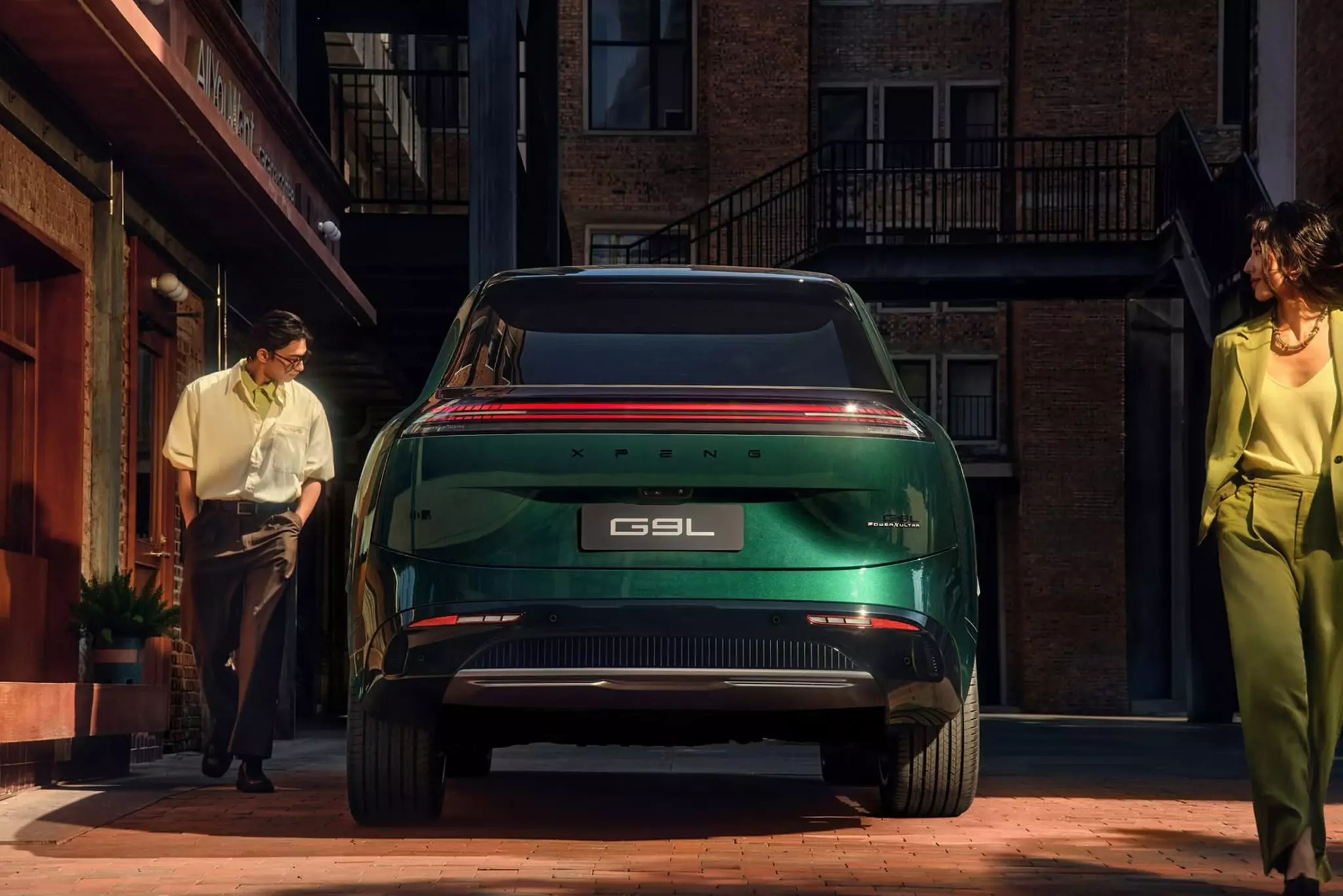
    Xpeng launched its G9L family sport utility vehicle in China at 231,800 yuan ($34,300) with both pure electric and extended-range powertrains. The vehicle makes its international debut at the Paris Motor Show ahead of localized production in Europe.

    Factory tooling for the Iron humanoid robot completes trial runs ahead of volume production in late December. Customer deliveries begin in early 2027.

  • China Orders Year-Long Auto Safety Review as EV Deliveries Fall 12.5 per Cent

    China Orders Year-Long Auto Safety Review as EV Deliveries Fall 12.5 per Cent

    China’s industry ministry has launched a nationwide quality inspection campaign across the auto sector. The decision follows a 12.5 per cent drop in domestic electric vehicle deliveries in the first seven months of 2026.

    Roughly 100 domestic manufacturers fall under the one-year regulatory review. Officials are targeting smart driving features, vehicle design standards and battery hardware. Vice-Minister of Industry and Information Technology Xin Guobin told a Beijing press conference that authorities will bar new auto technologies from the market if they fail stricter verification protocols.

    Stricter rules for driver assistance

    Regulators stepped in following fatal crashes and a rise in complaints over software malfunctions and battery defects. In central China’s Anhui province, three people died when a Xiaomi SU7 crashed into a barrier under driver-assistance software. The system alerted the driver only two seconds before impact. State media also reported an increase in formal battery quality complaints filed with public inspection bodies this year.

    Automakers must now redirect capital toward core manufacturing controls instead of racing to roll out experimental software. For years, domestic brands used rapid updates to autonomous driving and digital cockpits to stand out in crowded showrooms. Stricter approvals will slow product rollouts across the board. That gives established global marques breathing room while putting cash-strapped local startups under immediate strain.

    Price wars and dropping sales

    Showroom traffic is contracting sharply as the checks begin. Data from the China Passenger Car Association showed overall passenger vehicle deliveries fell 20.9 per cent year on year in July to 1.46 million units. Electric vehicle deliveries dropped 3.9 per cent to make up 65.1 per cent of that total. It was the seventh straight month of declining volume.

    Price cuts have failed to revive foot traffic as consumer subsidies taper off. Domestic manufacturers delivered 5.67 million electric vehicles between January and July, down from the same period a year earlier. RetailNews Asia will track whether the ministry’s inspection guidelines, scheduled to take effect within weeks, trigger formal product recalls or delayed model launches in the fourth quarter.

  • Geely Recalls 93,000 Vehicles in China over Defective LiDAR Chips

    Geely Recalls 93,000 Vehicles in China over Defective LiDAR Chips

    Geely Auto is recalling 92,915 vehicles in China across its Galaxy and Lynk & Co lines after discovering faulty LiDAR power chips that can disable driver-assistance systems.

    Filings submitted to China’s State Administration for Market Regulation take effect on August 24, requiring free hardware replacements across five vehicle models.

    A manufacturing process variation at a component supplier damaged the power integrated circuits inside the sensors. The fault compromises key automated driving safeguards.

    On 18,878 Geely Galaxy M9 plug-in hybrid SUVs built between July and October 2025, the glitch forces assisted driving features to shut down or fail to activate. Across 74,037 Lynk & Co 900, 10 EM-P, 07 and 08 models assembled throughout 2025, the defect leaves systems unable to detect and warn drivers about road obstacles.

    Faulty sensors and supplier defects

    Service teams will use cloud diagnostics to flag at-risk vehicles remotely before inviting drivers into workshops for replacement parts. Drivers had already reported dashboard alerts warning of front sensor failures and capped cruise speeds in mid-August.

    Pressure is mounting on Lynk & Co, which now operates under the Zeekr Group umbrella. Deliveries plunged 40 per cent year on year in July to 16,382 units, the fourth straight month of double-digit contraction. Across the first seven months of 2026, the brand delivered 160,597 cars, tracking at under 40 per cent of its 400,000-unit annual target.

    Wider scrutiny on driver assistance

    Regulators logged the sensor campaign during a single-day cascade of filings covering more than seven million vehicles across China. Geely also recalled 92,658 Zeekr 007 and Zeekr X units over emergency mechanical door releases on the same date, alongside notices from Tesla, Xiaomi, Leapmotor and Xpeng.

    Dealership workshops begin replacing the damaged sensors on August 24, with Lynk & Co still needing 239,403 deliveries over five months to meet its yearly plan.