Tag: autonomous vehicles

  • Tada Enters Singapore Driverless Minibus Trial Starting in Early 2027

    Tada Enters Singapore Driverless Minibus Trial Starting in Early 2027

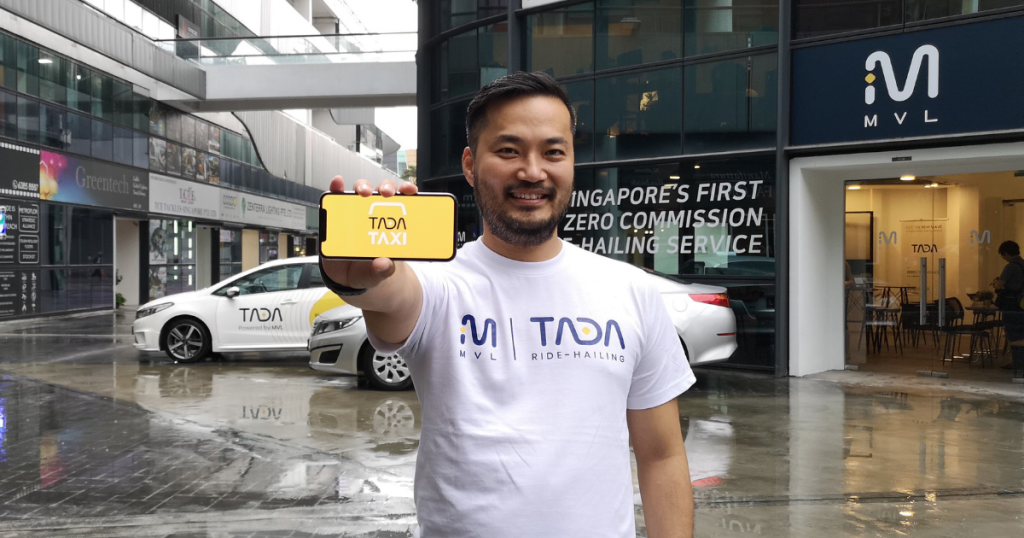
    Singapore ride-hailing company Tada Mobility has joined an autonomous minibus pilot scheduled to launch in early 2027 across the resort island of Sentosa. The initiative deploys driverless vehicles engineered by Chinese developer WeRide, matching moves by regional rival Grab into commercial autonomous services.

    An autonomous minibus destined for the Sentosa route was displayed during a media preview in the city-state on Oct. 29. Singaporean authorities continue to lean on self-contained tourism destinations to evaluate passenger safety, booking uptake and fleet management platforms before expanding trials into busier residential estates.

    The upcoming pilot brings autonomous public transport directly into Tada’s app ecosystem as leisure passengers navigate the island’s attractions. By introducing driverless shuttles to one of the country’s most frequented leisure corridors, the partnership tests whether holidaymakers will embrace automated mass transit for their daily transfers.

    Hardware and Route Rollout

    Vehicles built by China-based WeRide will operate on designated routes across the island resort, where tourist footfall provides dense, predictable transport demand. The platform previewed its autonomous minibus in Singapore on Oct. 29 ahead of route mapping and system certification.

    Tada plans to integrate booking options into its mobility ecosystem to study how leisure travellers interact with driverless public transport. Sentosa already acts as a test ground for private shuttle lines, monorail links and cable cars, giving operators a closed network to run trials without mixing directly into dense urban city traffic.

    The Race Against Regional Competitors

    Grab has pursued its own autonomous vehicle partnerships across Southeast Asia, testing self-driving technology alongside transport research institutes and automotive suppliers. By adding WeRide hardware, Tada avoids the heavy capital expenditure of building proprietary self-driving stacks, relying instead on proven Chinese vehicle platforms.

    For operators, the risk sits in fleet unit economics and battery charging logistics in tropical weather conditions. Driverless shuttles eliminate driver commissions, which form the primary cost line in private-hire operations, but they substitute labour costs with upfront vehicle financing, sensor maintenance and remote tele-operation safety staff.

    Regulatory Steps Across Singapore

    Singapore has tested autonomous buses and road-sweepers over the past decade under regulatory sandbox frameworks. Authorities require physical safety drivers or certified remote monitoring systems during all public demonstration phases.

    WeRide secured Singapore road-testing permits after testing its robotaxi and mini-bus variants on Chinese city streets. The Sentosa pilot represents its most visible commercial show for consumer-facing transport in the city-state.

    Next Steps for the Pilot

    Project engineers are completing route surveys and sensor calibration across Sentosa’s arterial roads ahead of the launch window. The passenger trial will measure route turnaround times, booking frequency and operational uptime across early 2027.
  • Xpeng Beats OpenAI on Perception Benchmarks with 4-Billion-Parameter GroundingPI

    Xpeng Beats OpenAI on Perception Benchmarks with 4-Billion-Parameter GroundingPI

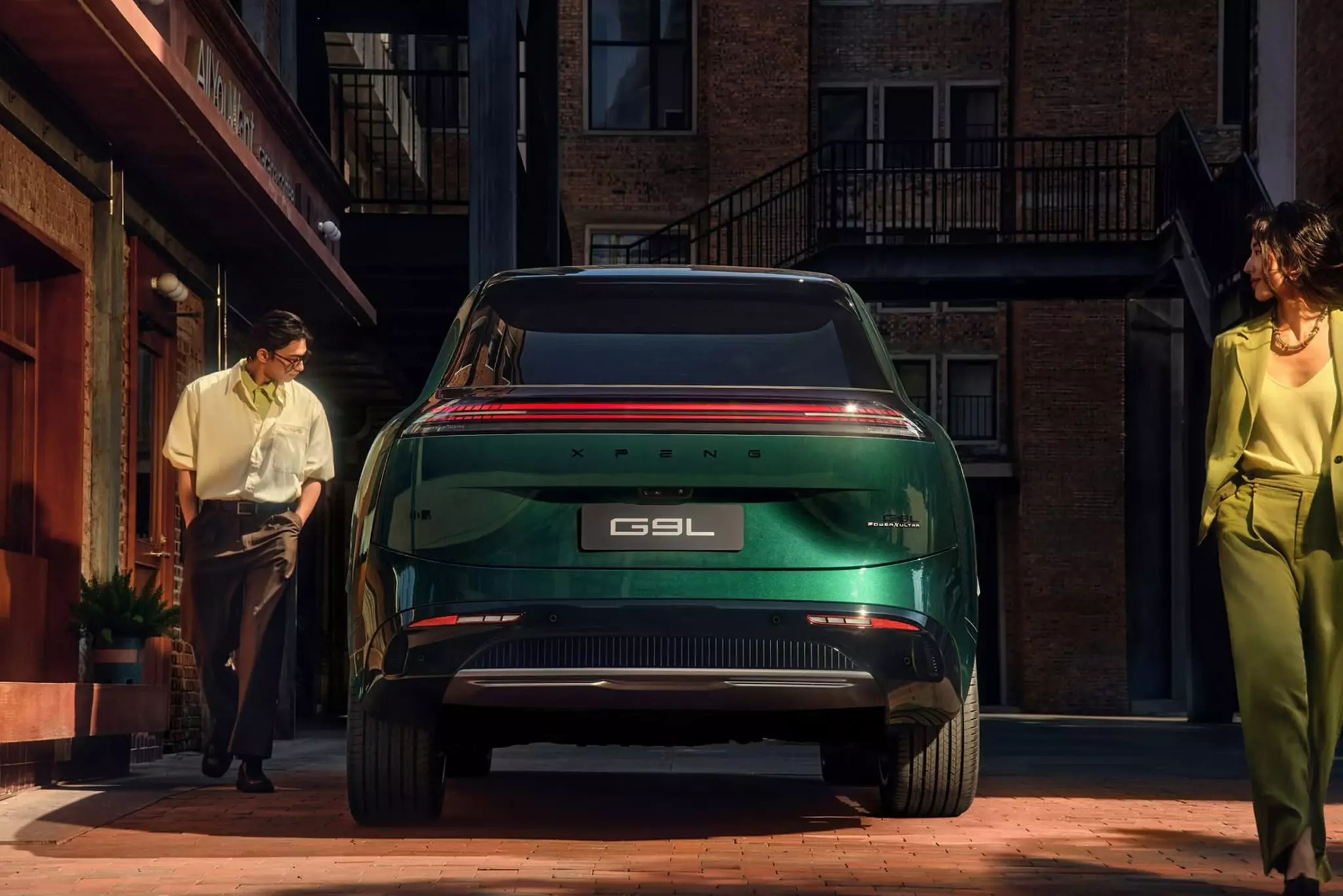
    Electric vehicle maker Xpeng has launched an embodied perception foundation model named GroundingPI, reporting an overall benchmark score that surpassed OpenAI’s frontier model GPT-6 Astra across 34 public perception tests.

    Built on a parameter scale of about 4 billion, the perception-first architecture ranked first in comprehensive evaluations and demonstrated higher data processing efficiency in robot simulation tasks. Xpeng developed the model in partnership with research teams from Peking University and the University of Hong Kong, aiming to significantly reduce the cost of manually collecting robot demonstration data.

    In a direct comparison across 11 capability categories, GroundingPI recorded a score of 73.68, edging out the 71.54 achieved by GPT-6 Astra, which OpenAI released in September this year. The code and model weights have been open-sourced.

    Benchmark Scores and Technical Design

    Existing general-purpose large models are primarily designed for digital scenarios and face an adaptation gap when applied directly to physical scenarios such as autonomous driving and robotics, Xpeng said. GroundingPI proposes that the primary prerequisite for embodied intelligence is accurately perceiving spatial positions.

    Therefore, the model does not use robot data with joint action labels during the training phase, relying entirely on pure perception data without action labels to cover 11 capability categories including general detection, text recognition, and robot spatial localization.

    Embodied intelligence is typically divided into a fast system (System 1) responsible for high-speed perception and action execution, and a slow system (System 2) responsible for task understanding and planning. GroundingPI aims to provide a perception-native foundation for the fast system, rather than replacing the general large model capabilities of the slow system, Xpeng said.

    Halving Data Collection in Warehouse Trials

    The research is currently at the scientific prototype stage, but its simulation results have provided validation for 2 core challenges in scaled deployment. The first is significantly reducing the cost of manually collecting robot demonstration data.

    A system using GroundingPI as its visual foundation can exceed the execution success rate of comparison models using 75% of the demonstration data while using only 50% of the data, because it directly takes on the task of locating objects in traditional Vision-Language-Action (VLA) models.

    The second is bringing stronger scenario generalization. In high-density simulation scenarios such as bulk material sorting and bin counting, the system maintains stable performance when dealing with changes in materials, object categories, and backgrounds, providing support for reuse across different workstations.

    Centralising Machine Intelligence

    GroundingPI represents an important advancement for the Chinese EV maker in building its physical AI system. Xpeng has continuously increased its bets on physical AI in recent years, hoping to drive its smart driving systems, humanoid robots, and robotaxi businesses.

    Earlier this year, Xpeng merged its autonomous driving center and smart cockpit center into a general intelligence center led by AI expert Liu Xianming , pooling resources to provide unified AI middle-platform foundation support for its automotive and robotics businesses.

    An Xpeng Iron humanoid robot was previously put on display at the April 2026 Beijing Auto Show.

  • Waymo Plans Commercial Autonomous Ride-Hailing Service in Singapore by 2028

    Waymo Plans Commercial Autonomous Ride-Hailing Service in Singapore by 2028

    Alphabet subsidiary Waymo will launch a fully autonomous ride-hailing service in Singapore by 2028, deploying an all-electric fleet in its first expansion into Southeast Asia.

    The commercial rollout gives the self-driving unit a regulated beachhead in Asia after building its initial commercial operations across select metropolitan markets in the United States.

    Fleet Deployment and Local Mapping

    Initial batches of all-electric Jaguar I-PACE vehicles will arrive in Singapore in the coming months. Waymo plans to run a structured readiness phase starting next year, using trained specialist drivers behind the wheel to operate the cars manually.

    Manual testing allows the Waymo Driver software stack to map Singapore’s complex road geometry, lane systems, and heavy monsoon downpours. Engineers need that baseline data before removing safety drivers from the vehicle cabin entirely.

    Regulatory Framework with Transport Authorities

    The company formed a direct partnership with Singapore’s Ministry of Transport and the Land Transport Authority to establish the operational framework. The arrangement mirrors Singapore’s broader regulatory approach to autonomous transport, which requires strict staged trials before granting commercial approvals.

    Waymo co-CEO Tekedra Mawakana met Singapore Transport Minister Jeffrey Siow in the San Francisco Bay Area earlier this year to outline the deployment roadmap. Public passengers will eventually book driverless rides directly through the standalone Waymo mobile application once full regulatory clearances clear.

    Implications for Southeast Asian Mobility

    Singapore represents the most structured proving ground for autonomous tech in the region, offering dense urban corridors, high taxi utilisation rates, and clear legal liability guidelines. The entry puts direct long-term pressure on regional ride-hailing incumbents like Grab, which operate traditional driver-dependent platforms across Southeast Asian capitals.

    Autonomous electric fleets shift operating economics from variable driver commissions to fixed capital expenditure and fleet charging overhead. For municipal transport networks, commercial self-driving cars offer supplementary capacity on fixed routes without adding labor bottlenecks.

    Testing Schedule and Next Milestones

    Singapore previously tested smaller autonomous shuttle pilots in restricted areas like Sentosa and one-north, but Waymo’s program marks the first large-scale commercial fleet deployment targeting general public streets.

    Vehicle arrivals in late 2026 will trigger the start of manual data-collection routes across designated public roads in 2027.

  • CEVA Logistics Pilots 2 Autonomous Vehicles in Singapore

    CEVA Logistics Pilots 2 Autonomous Vehicles in Singapore

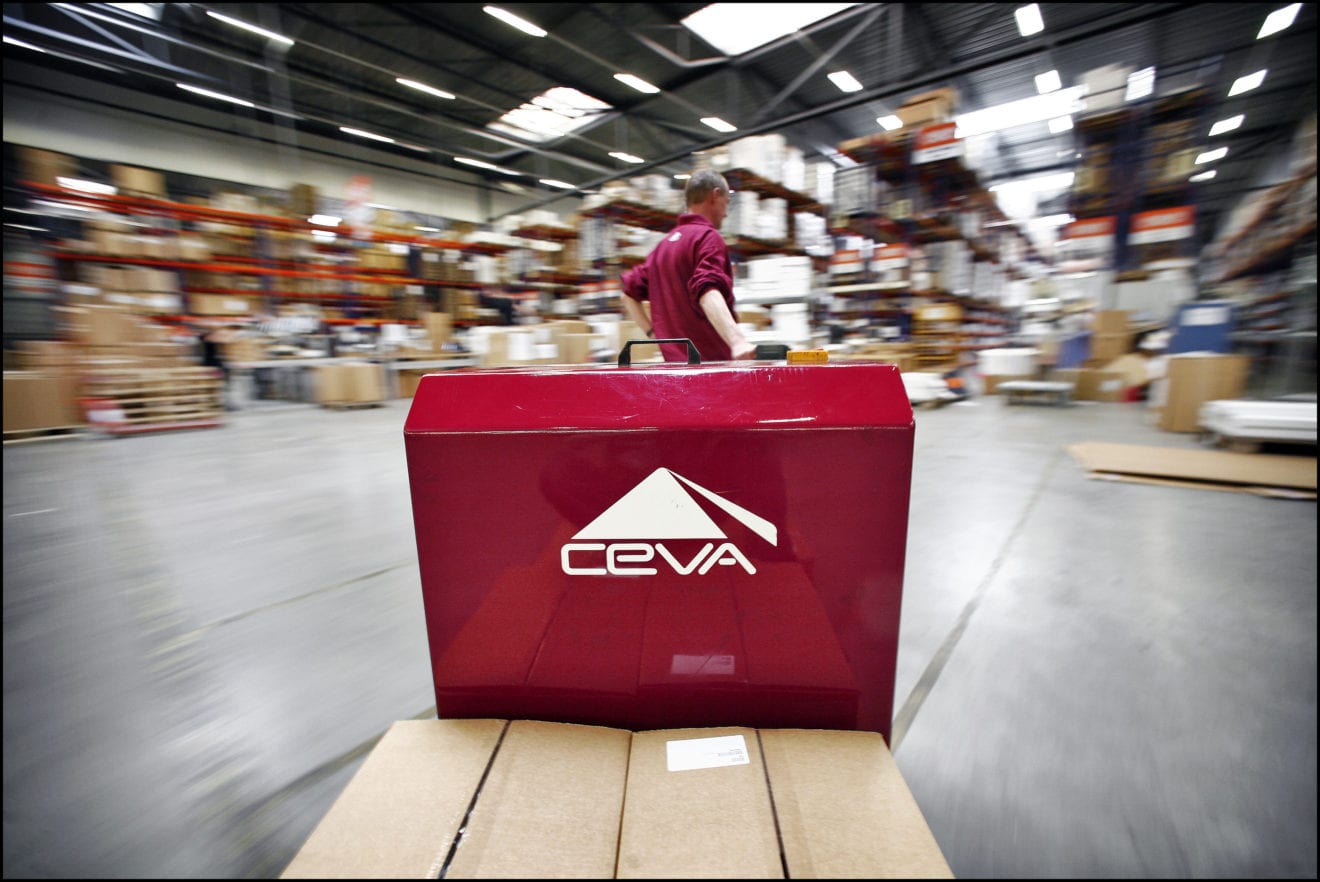
    CEVA Logistics launched a pilot program in September 2026 deploying two Zelostech Z10 autonomous electric vehicles at its Blue Hub facility in Singapore. The trial is expected to cut carbon dioxide emissions by at least 4,600 kilograms annually.

    Conducted at the 50,000-square-meter Blue Hub facility, the test replaces diesel truck trips between floors with automated transport for pallets and totes.

    Ramp Operations Go Driverless

    Two Zelostech Z10 autonomous electric vans now run directly on the building’s internal roadways. They navigate ramps across the eight-story complex independently without human drivers. That setup allows staff to schedule inventory transfers based on floor demand rather than driver availability.

    Operations at Blue Hub cover contract logistics for luxury brands, cosmetics lines, healthcare distributors and general retail accounts. The LEED Gold facility already runs goods-to-person picking systems, automated guided vehicles and robotic sorters.

    Contract Logistics and Autonomous Fleet Integration

    Vertical multi-tier warehouses present constant bottlenecks for third-party logistics operators in land-constrained Asian hubs. Diesel trucks burn fuel inside enclosed spaces. They also tie up labor on repetitive shuttle routes between storage bays and dispatch decks.

    Switching internal truck runs to level-four autonomous vans shifts operating costs from variable driver hours to fixed equipment maintenance. Fleet routing remains the primary operational risk. Map-free navigation software must handle dense traffic mixing with human-operated forklifts and dock workers without stalling warehouse flow.

    From Incubator Funding to Site Deployment

    ZEBOX, the venture accelerator run by CEVA parent firm CMA CGM, provided the springboard for the trial during its 2025 startup awards. Zelostech secured development funding through that competition to build a proof-of-concept logistics system for the French shipping group.

    Globally, Zelostech operates more than 25,000 autonomous delivery vehicles. Marseille-based CEVA recorded 18.3 billion dollars in 2025 revenue across 1,700 sites. The company will review data from the Singapore deployment to evaluate rolling out the Z10 autonomous fleet across its contract logistics facilities worldwide.

  • Uber to Cut 3,300 Jobs in Global Push Toward Robotaxis

    Uber to Cut 3,300 Jobs in Global Push Toward Robotaxis

    Uber Technologies is cutting roughly 3,300 jobs, or 10 per cent of its global workforce, to streamline management and fund an autonomous driving push. The retrenchment is the company’s largest round of dismissals since May 2020, when it shed 6,700 workers during the pandemic.

    Chief executive Dara Khosrowshahi announced the restructuring in a staff memo on September 2. The reductions target middle management rather than operational staff, with the company seeking to eliminate bureaucratic bottlenecks that slowed product decisions.

    Stripping Management Layers

    The overhaul cuts the number of workers positioned seven or more reporting tiers below the chief executive by 20 per cent. Internal teams with only one or two direct reports will shrink by nearly half, while several operational divisions will merge across regional hubs.

    Remote work will also contract sharply. Uber will cap fully remote positions at about 1 per cent of its total headcount while enforcing its existing policy requiring three days a week in the office. The platform finished 2025 with approximately 34,000 global employees.

    Unlike other technology peers cutting headcount this year, Khosrowshahi did not attribute the dismissals to artificial intelligence tools. Industry tracker layoffs.fyi recorded more than 123,000 tech redundancies across roughly 390 businesses in 2026, many citing automated workflow gains.

    Redirecting Capital to Autonomous Fleets

    Savings from the payroll cuts will help finance more than US$10 billion in planned autonomous vehicle investments. Uber wants to secure its position as a central booking marketplace for driverless fleets operated by external partners, countering threats from standalone operators such as Waymo and Tesla.

    Tensions with autonomous developers have escalated as suppliers expand their own direct-to-consumer networks. Waymo currently operates driverless vehicles through the Uber app in Austin and Atlanta, but it is rolling out into additional metropolitan areas independently.

    For mobility operators across Asia and Western markets, the transition to robotaxis threatens the traditional middleman fee structure built on gig workers. While Southeast Asian operators continue to rely on human drivers, platform valuations increasingly hinge on controlling autonomous dispatch software rather than maintaining large administrative headcounts.

    Uber shares gained 2 per cent in pre-market trading following the announcement, after dropping nearly 8 per cent earlier in the year. The company must now deploy its autonomous capital budget while renegotiating fleet supply pacts across key urban markets.

  • China Proposes Automakers Take Blame for Autonomous Driving Violations

    China Proposes Automakers Take Blame for Autonomous Driving Violations

    China wants automakers and importers to take legal blame for traffic violations committed by fully autonomous vehicles. The policy shifts legal exposure directly onto manufacturers.

    A draft revision to the Road Traffic Safety Law went before the Standing Committee of the National People’s Congress for an initial review on Tuesday.

    Spanning nine chapters and 170 articles, the legislation adds a dedicated section for autonomous vehicles. It establishes operating rules for public roads, insurance terms, and infraction processing. The rule applies strictly to fully automated mode. It does not automatically transfer liability for collision compensation to the manufacturer.

    Drawing the Line at Assisted Driving

    Standard traffic laws still apply when autonomous systems are off, and across all assisted-driving models. Drivers using Level 2 assistance remain personally responsible for any violations.

    Enforcement hinges on telematics data. Regulators have not detailed how authorities will pull telemetry or resolve disputes over whether autonomous systems were active during an incident.

    Adoption is surging across Chinese cities. Level 2 driver assistance penetration reached 70.5 per cent this year, while navigation on autopilot hit 34.2 per cent. China granted its first Level 3 passenger vehicle approvals in December 2025 to BAIC Group’s Arcfox and Changan Automobile’s Deepal brand. By targeting only fully autonomous mode, the proposal shields mass-market carmakers from immediate liability while setting rules for commercial scale.

    Safety Deadlines and Stricter Driver Rules

    Ministry of Industry and Information Technology baselines will guide the rollout. Systems must match the safety of an attentive human driver, with mandatory technical standards taking effect on July 1, 2027.

    Conventional motorists face tighter restrictions under the broader bill. Drivers cannot use handheld phones or watch video screens behind the wheel.

    Lawmakers will continue reviewing the text ahead of a final vote by the Standing Committee.