Tag: Aveda

  • Estee Lauder Targets Mid-Single-Digit Growth Through 2030 as China Sales Rebound

    Estee Lauder Targets Mid-Single-Digit Growth Through 2030 as China Sales Rebound

    Estee Lauder targets mid-single-digit organic net sales growth through fiscal 2030 as it revamps operations in mainland China, following four consecutive quarters of positive organic revenue expansion there.

    Chief executive Stéphane de La Faverie, who took leadership in 2025, also aims to lift adjusted operating margin to between 16.5 per cent and 18.5 per cent by the end of that period, backed by double-digit annual gains in adjusted earnings per share.

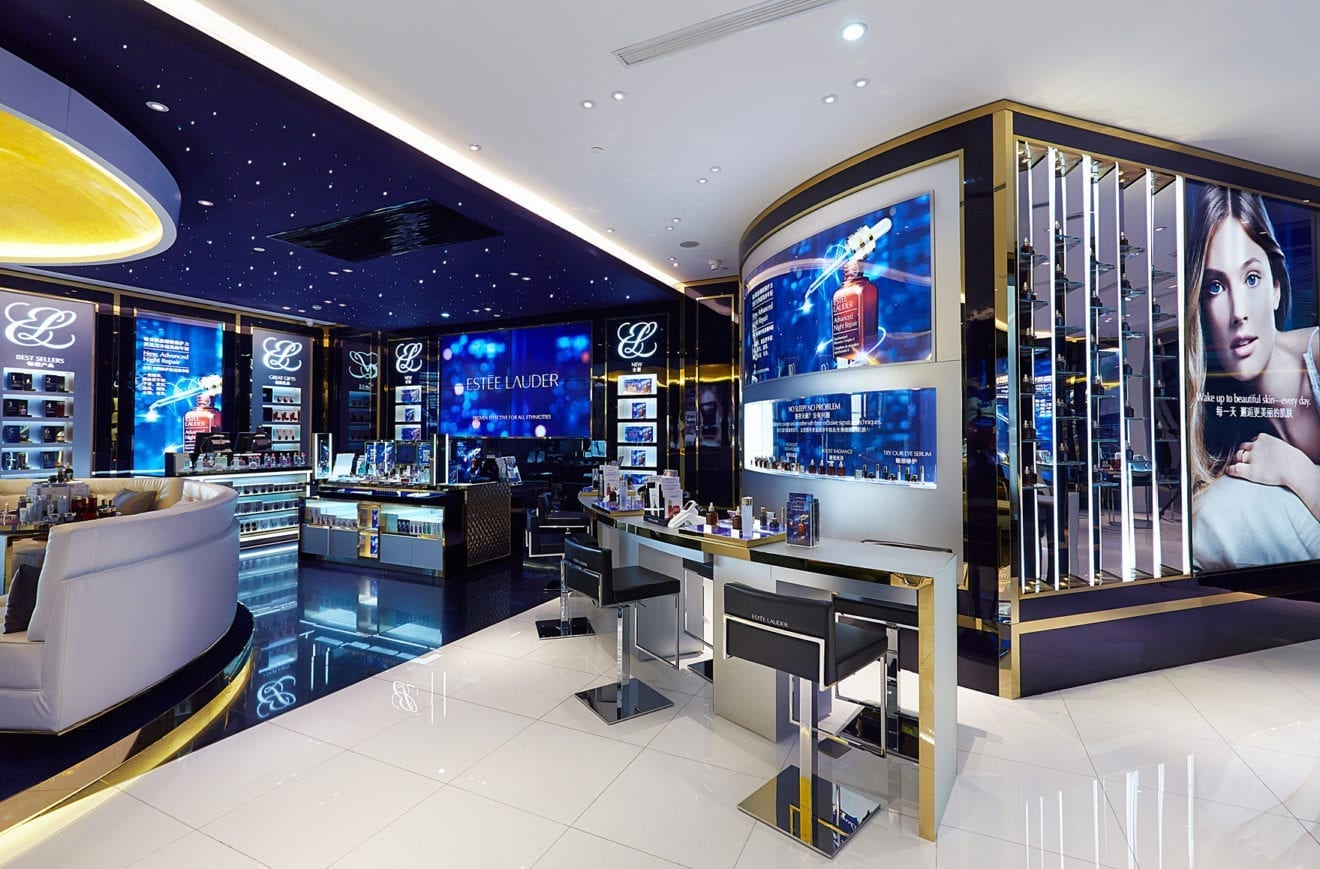
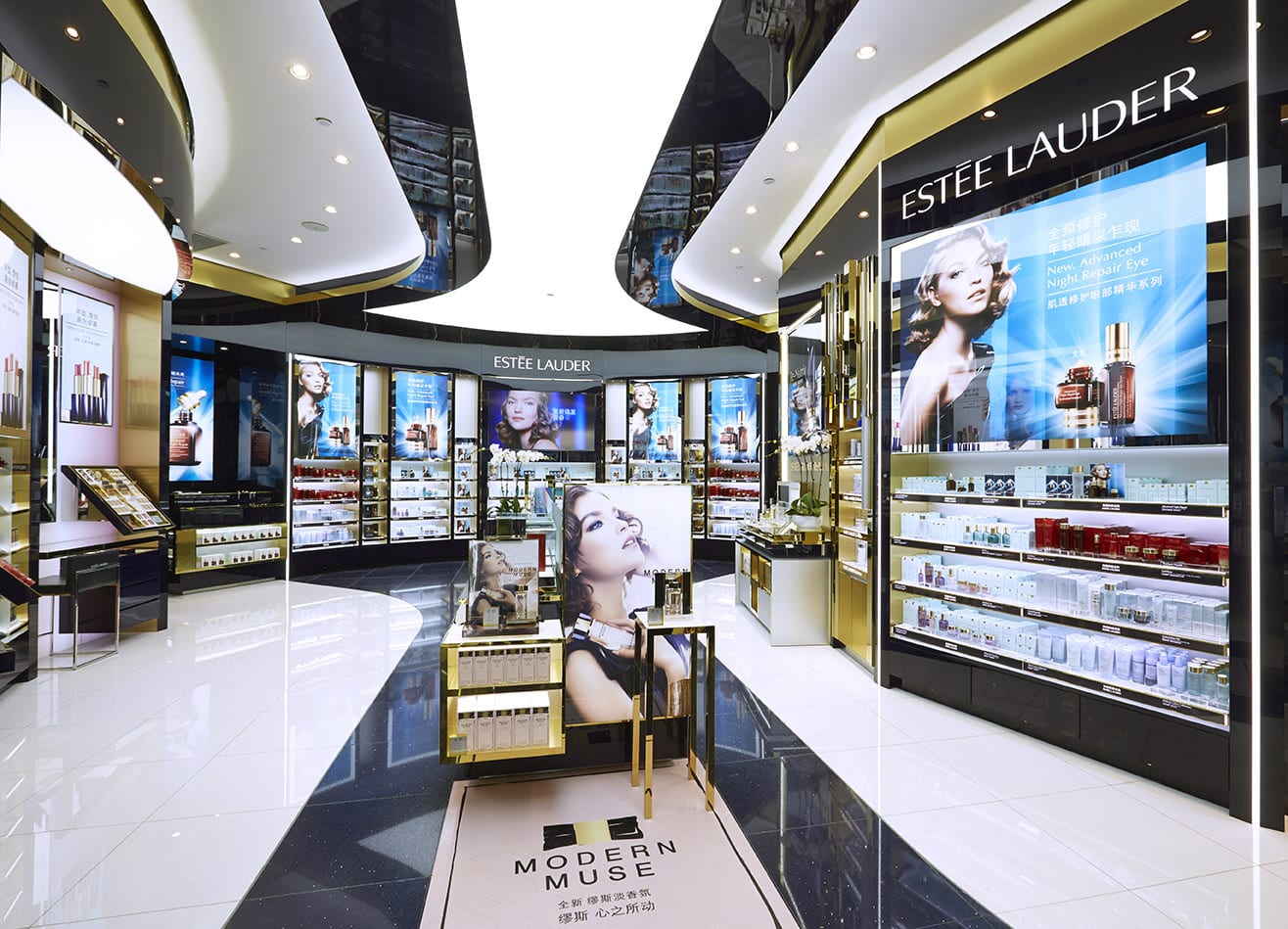
    The company laid out the targets during its Capital Markets Experience event in Shanghai on Wednesday. Mainland China accounted for US$3.1 billion in net sales during the group’s most recent fiscal year, delivering roughly 20 per cent of worldwide revenue. In the latest quarter, China generated US$614 million, beating consensus analyst forecasts of US$579 million, while group fragrance sales led overall demand.

    Exporting the Mac Playbook to Aveda

    Management plans to apply the commercial turnaround strategy tested at Mac Cosmetics across slower brands in its stable, specifically identifying haircare label Aveda for the overhaul. That shift relies on faster product cycles, increased store-level marketing, and expanded merchant shelf space inside Sephora retail shops and on the TikTok Shop platform.

    Product formulations will lean heavily on the company’s dedicated innovation centre in Shanghai, which crafts formulations and commercial campaigns tailored directly to East Asian consumer preferences.

    “When you understand the local consumers and you put yourself into their culture and you give them their product, the experience, the claims that they want to hear that matters to them, then that’s how you build brand love,” he said.

    Chief technology and transformation officer Brian Franz told investors in Shanghai that the company is rewiring its distribution and inventory planning to match domestic Chinese platforms, including Tmall, Douyin, JD.com and WeChat.

    The Gray Market Bottleneck

    Global beauty conglomerates operating in Asia face structural changes in Chinese retail that standard marketing budgets cannot fix alone. Domestic Chinese brands have taken market share across mid-tier skincare, while multinational groups have faced intensifying competition. Accelerating research through local hubs in Shanghai is now mandatory for any international group seeking to protect its gross margins.

    A steeper operational hurdle sits in regional clearance channels. Unauthorised resellers accumulated genuine imported stock during pandemic border controls, subsequently discounting products on third-party marketplaces. That shadow trade eroded official retail price floors across tier-one Chinese department stores and damaged brand equity for prestige skincare labels such as La Mer. Estee Lauder must tighten wholesale supply discipline across duty-free operators if it wants to sustain price points inside mainland boutiques.

    Correcting Pandemic Inventory Overhang

    The current operational reset follows years of sluggish financial metrics across North Asia. Pandemic travel restrictions left Estee Lauder with excessive inventory piled inside airport concessions, while international passenger traffic recovered far more slowly than corporate planners anticipated.

    De La Faverie responded by launching the Beauty Reimagined restructuring program upon taking the top job in 2025, cutting excess stock and decentralising commercial decisions to regional operating units. Estee Lauder shares traded up 0.6 per cent through Tuesday’s close following the revised corporate guidance.

    Department store buyers and platform operators will test that pricing discipline during the upcoming fiscal quarters, as the company rolls out initial product lines formulated specifically by its Shanghai laboratory for Aveda and Mac across Asia-Pacific storefronts.

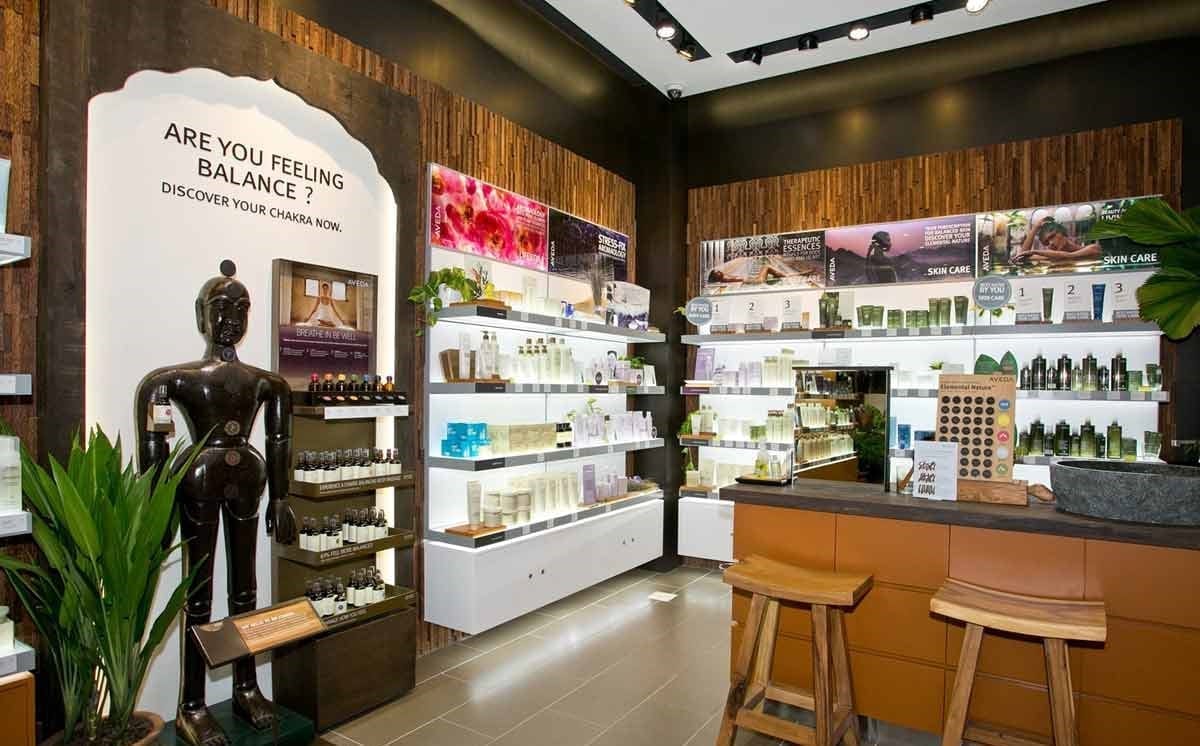
  • Central Marketing Group Aveda Distribution Rights In Thailand, Enters High-end Haircare Market

    Central Marketing Group Aveda Distribution Rights In Thailand, Enters High-end Haircare Market

    Central Marketing Group (CMG), a division of Central Retail, has recently attained exclusive distribution rights for Aveda in Thailand, marking a significant step into the high-end haircare market.

    A Strategic Move

    This development resonates with the increasing demand for luxury beauty products in the market. CMG anticipates a surge in its beauty sales, projecting a growth rate exceeding 15% by the year’s end.

    Ty Chirathivat, CMG’s president, indicates that the premium beauty sector in Thailand has showcased robust growth, amounting to over THB 23.7 billion ($733.5 million), haircare products alone contribute more than THB 403 million ($12.5 million).

    “This is indicative of a notable shift in consumer behaviour towards a more comprehensive approach to self-care, where beauty and wellness are closely linked,” Chirathivat explains.

    Aveda: A Commitment to Environmental Responsibility

    Chirathivat adds that the inclusion of Aveda, renowned for its plant-based formulas, allows the retailer to cater to the evolving preferences of younger consumers. These consumers increasingly favor brands displaying a strong commitment to environmental responsibility.

    “Integrating Aveda into our product line fortifies CMG’s beauty segment. We aim to broaden both our physical and digital distribution channels, while initiating comprehensive marketing strategies encompassing brand activations and community involvement,” states Chirathivat.

    Aveda, currently a subsidiary of The Estee Lauder Companies, was founded in 1978 by Horst Rechelbacher. His pioneering concept of holistic beauty led to the creation of this brand, which specializes in botanical beauty products. The brand has gained recognition for its use of ethically sourced ingredients and support of sustainable initiatives.

    Launch Across Thailand

    CMG has introduced Aveda in 10 different locations throughout Thailand, which include Central Department Stores and Central Online, along with major shopping centers nationwide. This strategic placement is designed to bring Aveda’s products closer to the customers.

    Questions & Answers

    What does CMG’s acquisition of Aveda’s distribution rights signify?
    The acquisition marks the company’s entry into the premium haircare market, aligning with the increasing demand for luxury beauty products.

    Who is the founder of Aveda?
    Aveda was founded by Horst Rechelbacher in 1978.

    What kind of beauty products does Aveda specialize in?
    Aveda specializes in botanically-based beauty products, with a strong commitment to ethically sourced ingredients and sustainable initiatives.

  • Aveda Malaysia launches in Kuala Lumpur

    Aveda Malaysia launches in Kuala Lumpur

    Aveda Malaysia has opened a store in Kuala Lumpur, its second outlet in Asia Pacific.

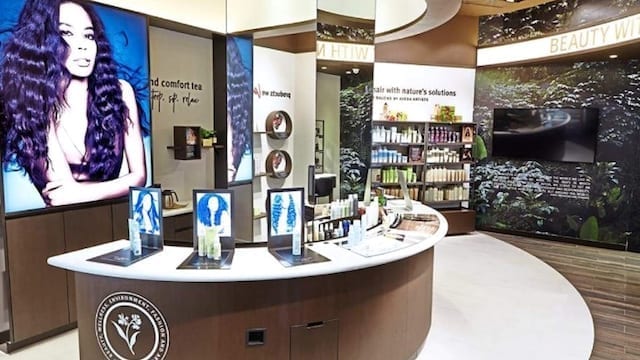
    At Pavilion Kuala Lumpur, the store has a new retail concept and is described by the US beauty product company as an “experience centre”.

    Instead of run-on shelving and glass store front, the outlet features six “experience zones” where consumers can explore products such as hair care for either men and women, skincare and bodycare.

    Founded by Horst Rechelbacher in 1978, Aveda is now owned by Estee Lauder Companies with its headquarters in Minneapolis, Minnesota.

  • Travel retail boosts Estée Lauder Companies

    Travel retail boosts Estée Lauder Companies

    Beauty group The Estée Lauder Companies has reported double-digit sales growth in global travel retail for the second quarter of its latest fiscal year.

    This was generated by launch initiatives, global airline passenger traffic growth and new consumer coverage, the company says.

    Its Aveda, Jo Malone, La Mer, MAC and Tom Ford brands “contributed sharply” to the sales gains.
    An overall increase in make-up sales came partly through a broadening of the brands’ presence in travel retail, says the group.

    Total net sales of US$3.21 billion were achieved in the second quarter, a 3 per cent year-on-year increase.

  • Paris label BA&SH eyes Asia expansion

    Paris label BA&SH eyes Asia expansion

    Parisian fashion house BA&SH has partnered with Hong Kong retail and brand management company ImagineX Group to strengthen its presence in Asia.

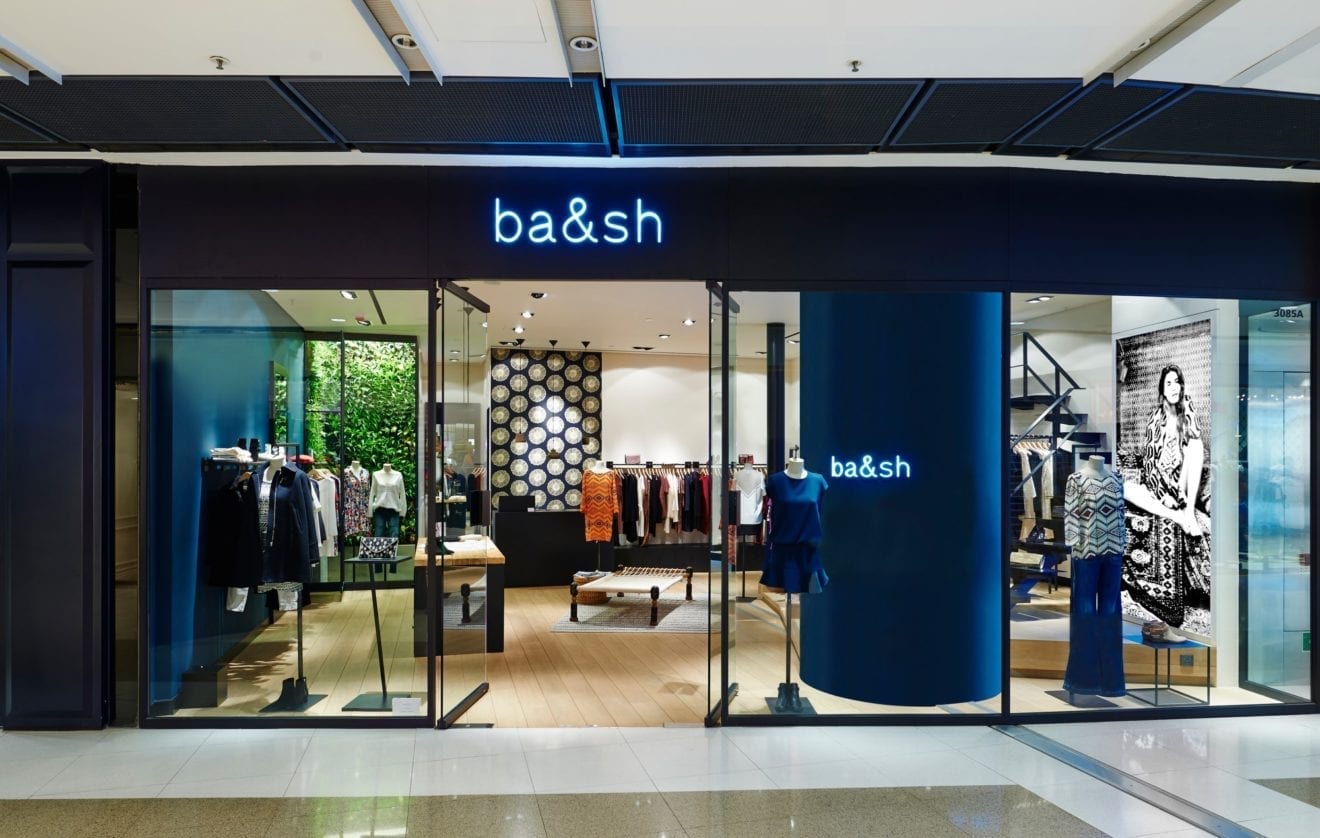
    BA&SH has hopes of accelerating its expansion in Hong Kong, Macau, Singapore, Taiwan and China. The label opened its first Asian store at Hong Kong’s IFC Mall in September 2014 and with ImagineX now plans 30 more openings in the region, including a second Hong Kong outlet early next year.

    “Hong Kong customers have taken to our style and our collections,” say designers Barbara Boccara and Sharon Krief. “We are very happy to share our vision of fashion and femininity.”

    Associate general directors Dan Arrouas and Pierre-Arnaud Grenade say the new partnership marks an important and supplementary stage in the company’s development strategy following its establishment in the Middle East and the US.

    They say the ImagineX Group’s expertise in fashion retail and marketing will help BA&SH expand rapidly and contribute to its globalisation.

    ImagineX Group president Alice Wong says the label’s Parisian flair, combined with its unique positioning and price point, make it appealing to Asian customers.

    Childhood friends, Boccara and Krief established BA&SH in 2003 to offer contemporary fashion in the affordable luxury sector. With 91 stores last year, the brand aims to reach 130 stores this year.

    Founded in 1992, ImagineX Group introduced luxury brands such as Cartier, Gucci, Prada and Salvatore Ferragamo to China more than 20 years ago. It represents more than 18 international brands including DKNY, Marc Jacobs and Paul Smith. The portfolio also includes such lifestyle and beauty brands as Apivita, Aveda and Natura Bisse.