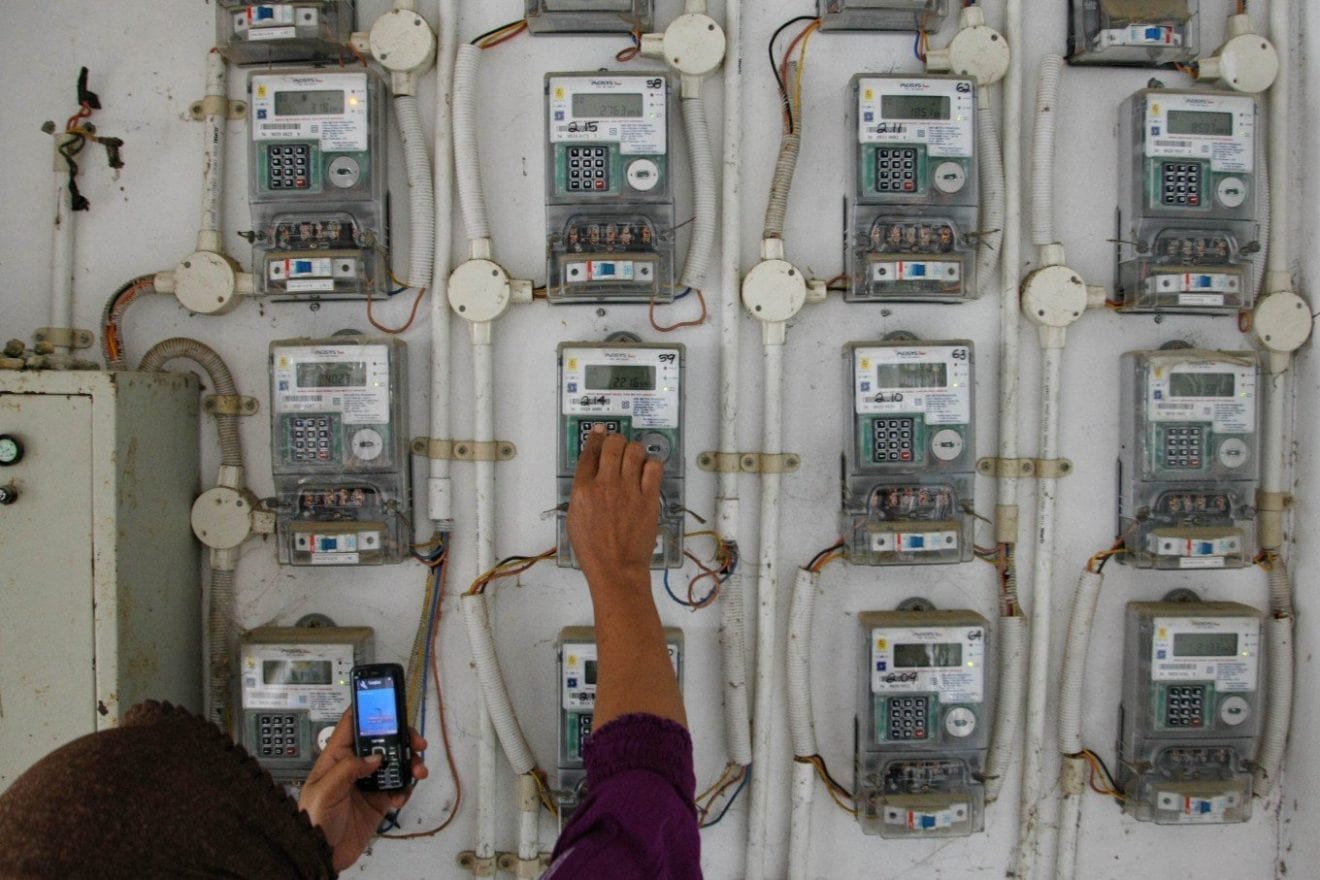
Pakistan opened bidding for a 400-megawatt electricity wheeling auction in Islamabad. It begins the country’s exit from direct state power procurement for large industrial buyers.
This auction is the first phase of an 800-megawatt allocation plan spread across five years. The program runs under the Competitive Trading Bilateral Contracts Market model.
The Independent System and Market Operator, a state-owned unit under the Power Division, issued the Request for Proposals on Sunday. Commercial and industrial users consuming over one megawatt can now contract power directly with independent generation companies. They will no longer buy exclusively from regional state distributors.
Rules and Capacity Ceilings for Bidders
New auction rules prevent individual participants from dominating the deregulated capacity. Regulators placed a 20 per cent ceiling on single entities. That caps any participant at a cumulative 160 megawatts over the five-year auction schedule.
Bidders can meet their quota through a single generation plant of up to 160 megawatts. Alternatively, they can combine multiple smaller plants across successive annual bidding rounds. Every generation asset must still satisfy grid capacity obligations and operational benchmarks set by grid authorities.
Power Minister Awais Ahmad Khan Leghari confirmed the state plans to halt centralized capacity purchases entirely. The government will stop fixing power rates through single-buyer contracts. It will also step back from acting as the middleman between generators and industrial off-takers.
Impact on Manufacturing and Exporters
Manufacturers have long blamed centralized tariffs and fixed capacity payments for hurting regional export competitiveness. Under direct power purchase agreements, factory operators can negotiate long-term supply deals straight with private generators.
Regional manufacturing hubs such as Vietnam and India saw similar deregulations push industrial parks toward bilateral renewable contracts. In Pakistan, textile mills, chemical producers, and large logistics hubs will be first to secure market-clearing wholesale rates.
Credit risk shifts from sovereign payment guarantees to direct bilateral contracts between buyers and sellers. Generators must now evaluate corporate balance sheets directly instead of relying on state circular debt payouts.
Ten-Year Grid Expansion Figures
Regulators recently cleared Pakistan’s Indicative Generation Capacity Expansion Plan for 2025 through 2035. That roadmap targets 26,045 megawatts in new capacity alongside 2,577 megawatts of plant retirements. Total national capacity will rise to 62,657 megawatts.
Generation additions will require 47.08 billion dollars in capital spending, according to the power regulator. This total includes 8,120 megawatts of rooftop net metering. Grid reliability will need another 10.65 billion dollars in transmission investments, divided into 4.6 billion dollars for committed projects and 6.05 billion dollars for proposed network expansions.
Next, the Independent System and Market Operator will review initial bids before releasing the remaining 400 megawatts in subsequent annual tranches.