Tag: Ayala Land

  • Makro Returns to Philippines with Four Greater Manila Outlets

    Makro Returns to Philippines with Four Greater Manila Outlets

    Thai wholesale operator CP Axtra has partnered with Ayala Corporation to bring Makro back to the Philippines across four commercial estates in Greater Manila.

    Under the deal, the joint venture signed lease agreements with Ayala Land for sites in Quezon City, Taguig, Laguna, and Cavite. The cash-and-carry brand returns nearly two decades after its original footprint was sold off and absorbed by rival operators.

    Four Hubs Across Greater Manila

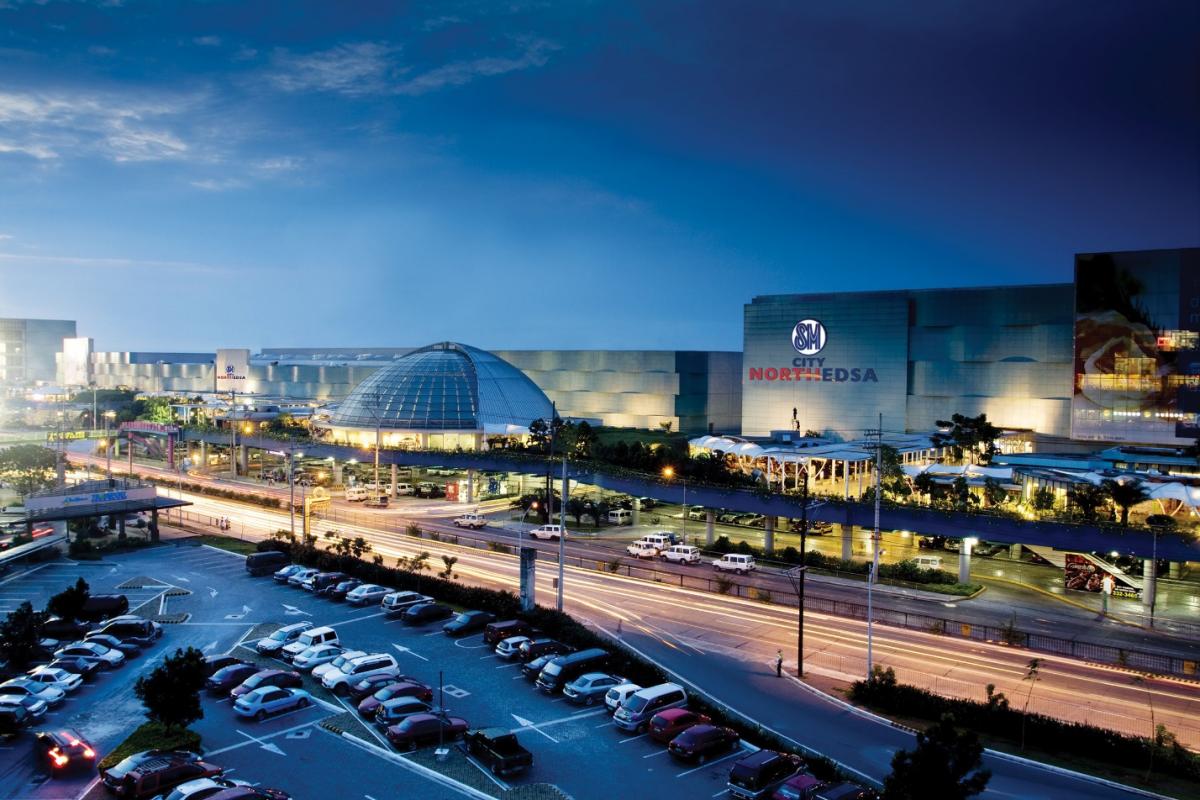
    All four locations sit inside key transport corridors and commercial zones. In Quezon City, Makro will open at Cloverleaf at the intersection of EDSA and the North Luzon Expressway. In Taguig, the retailer will take space inside Ayala Malls Arca South to serve the capital’s southern gateway.

    Two other branches target corridors south of Metro Manila. Broadfield in Biñan, Laguna, puts Makro inside a dedicated commercial and logistics campus. Meanwhile, Evo City in Kawit, Cavite, places the brand in a fast-growing residential and commercial district.

    Rebuilding an Old Partnership

    Makro first entered the Philippine market in March 1996 through a joint venture among Dutch retailer SHV, Ayala, and the SM Group. Ayala sold its 28 percent stake in 2004. SM took full control five years later, converting all existing branches into SM Hypermarkets by 2009.

    Today, the partnership pairs Ayala with CP Axtra, the retail arm of Thailand’s Charoen Pokphand Group, which operates Makro wholesale centres and Lotus’s supermarkets. The Philippine market offers a strong base of small merchants, food service businesses, and bulk-buying households that CP Axtra targets across Southeast Asia.

    Makro Philippines plans to open its first two stores at Cloverleaf and Arca South between the fourth quarter of 2026 and the first quarter of 2027. Openings in Cavite and Laguna will follow.

  • Prolonged Rains Slow Philippine Retail, Construction, and Logistics Sector

    Prolonged Rains Slow Philippine Retail, Construction, and Logistics Sector

    Extended monsoon rains are anticipated to negatively affect the third-quarter operations of consumer-facing companies and the construction sector in the Philippines. Logistics and mining firms may also experience higher costs and delays due to the persistent wet weather.

    Toby Allan C. Arce, head of sales trading at Globalinks Securities and Stocks, Inc., noted that the prolonged monsoon is likely to exert a moderate but discernible drag on corporate activity during the third quarter. The severity of the impact will depend on how long the challenging weather conditions last and if they cause significant damage to infrastructure or supply chains.

    Recent heavy rainfall and widespread flooding have disrupted transportation in Metro Manila and Luzon, leading to road closures and suspensions of work and classes.

    Retailers Face Reduced Foot Traffic

    Retailers, mall operators, and restaurants are likely to see a decrease in customer traffic as heavy rains discourage travel and discretionary spending. Companies like SM Prime Holdings, Inc., Robinsons Land Corp., Ayala Land, Inc., SM Investments Corp., Robinsons Retail Holdings, Inc., and Puregold Price Club, Inc. Are among those that could experience softer physical sales.

    Large destination malls and retailers selling non-essential goods are more susceptible to consumers postponing visits. Supermarkets and essential retailers, however, tend to be more resilient as purchases are necessities and consumers can adjust their shopping times rather than cancel them entirely.

    John Tristan D. Reyes, President of BDO Securities Corp., confirmed that retailers could face weaker foot traffic and sales. Transportation issues could also disrupt store operations. Philippine Seven Corp. (PSC) reported that same-store sales at some 7-Eleven branches dropped by up to 20% on particularly rainy days recently, though overall sales momentum for July remained strong, partly thanks to the 7-Eleven Day promotion. The geographic diversity of 7-Eleven stores helped cushion the impact, with reduced traffic in some areas offset by activity in residential locations.

    Restaurants might see fewer dine-in customers, although delivery and takeout services could offer some mitigation. Food manufacturers are less exposed in the short term, as consumers continue to buy staple products. However, prolonged heavy rainfall could affect agricultural output, potentially leading to higher raw material costs and impacting food manufacturers and restaurant operators.

    Construction And Logistics Suffer Delays

    The construction and property development sectors are facing more direct operational challenges. Persistent rainfall reduces the number of workable days, which can delay project completion and property turnover. Outdoor activities like excavation and concrete work are particularly affected, and flooding can hinder worker access and material deliveries.

    Companies such as Ayala Land, SM Prime, Megaworld Corp., Filinvest Land, Inc., and Vista Land & Lifescapes, Inc. Could experience project delays. While this might not result in permanent revenue loss, it could shift revenue recognition to later periods. Infrastructure contractors and construction material suppliers face similar timing risks, with fewer workable days impacting project progress and third-quarter billings. Extended delays could strain companies that still incur fixed costs despite slower construction activity. In the long run, severe weather might also create demand for repairs, drainage, and flood-control projects.

    Logistics companies are also seeing increased operating expenses. Flooding and traffic congestion prolong delivery times and boost fuel consumption. Disruptions at ports and airports can also temporarily delay the movement of goods. For retailers and consumers across Asia, such weather-related disruptions highlight the critical need for resilient supply chains and diversified retail strategies to mitigate the impacts of increasingly unpredictable climate patterns.

  • SE Asia Stocks not looking good, Singapore hits 22-month low

    SE Asia Stocks not looking good, Singapore hits 22-month low

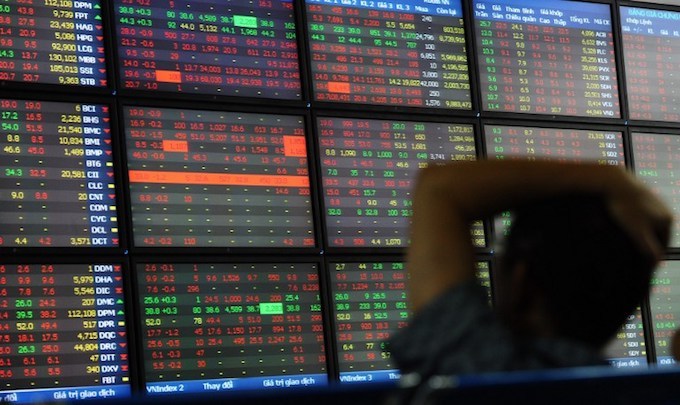
    Philippines shares regained on Friday after reduction in previous section, while regional markets fell in line with broader Asia. The previous session saw sharp losses in the Philippines and other regional markets, as a tech-fuelled rout on Wall Street spooked investors across Asia, leading to a massive sell-off in regional equities.

    Asian bourses are likely to benefit from “tentative bottom-fishing”, analysts at OCBC said in a note.

    The Philippine index, which has been the region’s worst performer this year and the biggest loser in the previous session, rose 0.7 percent, boosted by real-estate stocks.

     “This is a short-lived bounce, since it was the worst performer and had seen a steep drop yesterday, I think investors think the 6,900 level of the index is a good time to buy… the last time it hit that level, investors bought back,” said Miguel Ong, research analyst at AP Securities.

    Real estate conglomerate Ayala Land Inc gained 2.1 percent and SM Investments Corp added 1.5 percent.

    Indonesian shares also ticked up, helped by telecom and financial stocks. Sector heavyweight PT Telekomunikasi Indonesia Tbk rose 0.8 percent and PT Bank Central Asia Tbk rose 0.9 percent.

    Vietnamese stocks were on track for a seventh losing session and a fourth straight week of losses, with real estate stocks and industrials being the biggest drags on the benchmark.

    Vinhomes Joint Stock Company fell 3.7 percent and No Va Land Investment Group Corporation lost 3.1 percent.

    Singapore stocks approached their lowest in nearly 22 months, falling 1.7 percent and on track for a fourth week in the red. Financial heavyweights like United Overseas Bank Ltd lost 3.5 percent and DBS Bank’s parent company DBS Group Holdings Ltd lost 2.6 percent.

    Thai shares failed to sustain the previous session’s brief bounce and looked set to post a fourth week of losses. Its energy sector, which drove a turnaround in the index in the previous session, was the biggest drag.

    Oil and gas giant PTT PCL lost 2 percent, while PTT Exploration and Production PCL traded 2.2 percent lower.

    Malaysian stocks edged lower on the back of telecom stocks, with Telekom Malaysia Berhad shedding 1.3 percent and wireless service provider Digi.Com Berhad losing 1.7 percent.

  • Philippines’ Ayala Land taking commercial development to Cebu

    Philippines’ Ayala Land taking commercial development to Cebu

    Ayala Land will team with conglomerate Aboitiz group to develop a commercial district on the central Philippine island of Cebu, part of a broader investment push outside its home base of Manila.

    The duo will manage the 10 billion Philippine peso ($215 million) project through a joint venture. The development will take place in the city of Mandaue, according to a filing by Ayala with the Philippine Stock Exchange. Its first phase will consist of office buildings, commercial facilities and residences on 17.5 hectares, targeted for completion in 2019.

    Though Cebu is known mainly as a resort region, it has become a hotbed of call centers and other outsourced businesses in recent years. Other companies are moving in as well, helping drive up income levels in the area. SM Group, the Philippines’ largest retail group, is already involved in the construction of a large-scale commercial facility on the island.

    Ayala Land, a core member of conglomerate Ayala Corp., has a track record of developing business districts in the Manila area. It has expanded into housing development in recent years as the Philippines’ middle class has grown.

  • Ayala Mall: Manila’s 250000 Sqm Shopping Centre

    Ayala Mall: Manila’s 250000 Sqm Shopping Centre

    Developed and owned by Ayala Malls, a real-estate subsidiary of Ayala Land, which is an affiliate of Ayala Corporation, one of the oldest and most prominent family owned conglomerates in the Philippines. The firm is widely credited for spearheading the Central Business District in Manila in addition to championing education and the arts across the country.

    Greenbelt-5

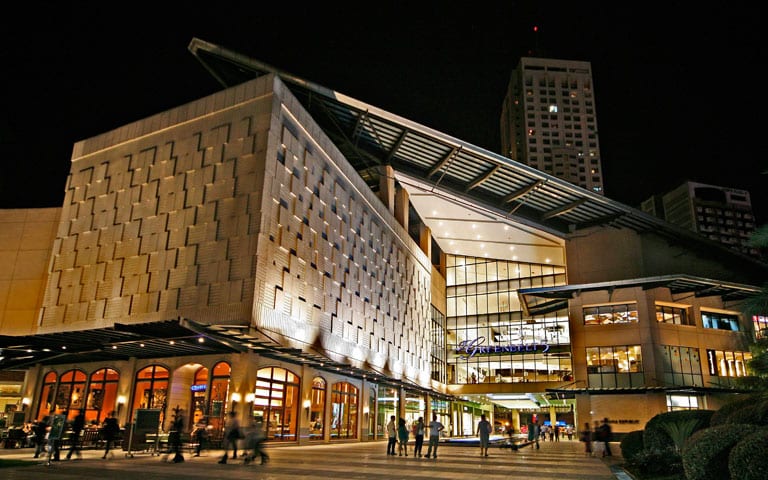
    Sitting on an expansive and prime area squared by Makati Avenue, Paseo de Roxas, Arnaiz Road and Legazpi Street is the Greenbelt Mall, a complex of five buildings captures and complements the sub-tropical conditions in Manila with each building exhibiting its own style of architecture.

    The mall is centred around an eponymous ‘greenbelt’ of lush, tropical gardens that provide much needed respite from the heat for thousands of people each day. Included within greenbelt is a Chapel, ponds, and walking tracks.

    Greenbelt Mall 3

    Greenbelt Mall 2

    Each Greenbelt structure offers a different retail and tenancy mix.

    Greenbelt 1 houses smaller food and retail tenancies, along with a focus on electronics and home appliances and, of course, car parking.

    Greenbelt 2 is comprised of fine dining restaurants, while Greenbelt 3 houses high-end retail stores and coffee shops. Elevated walkways connect Greenbelt 3 and 4 to Landmark and Glorietta, with the Greenbelt cinemas located in Greenbelt 3.

    Greenbelt 4, whilst smaller in comparison to its sister buildings, is home to a range of global luxury retail stores, including Coach, Burberry, and Ralph Lauren.

    Greenbelt has become a premium fashion and lifestyle centre, a distinct mix of foreign popular and luxury fashion brands as well as the best of Filipino fashion and home designers.

     Greenbelt Mall Map

  • Lawson chases retail rival in Philippines

    Lawson chases retail rival in Philippines

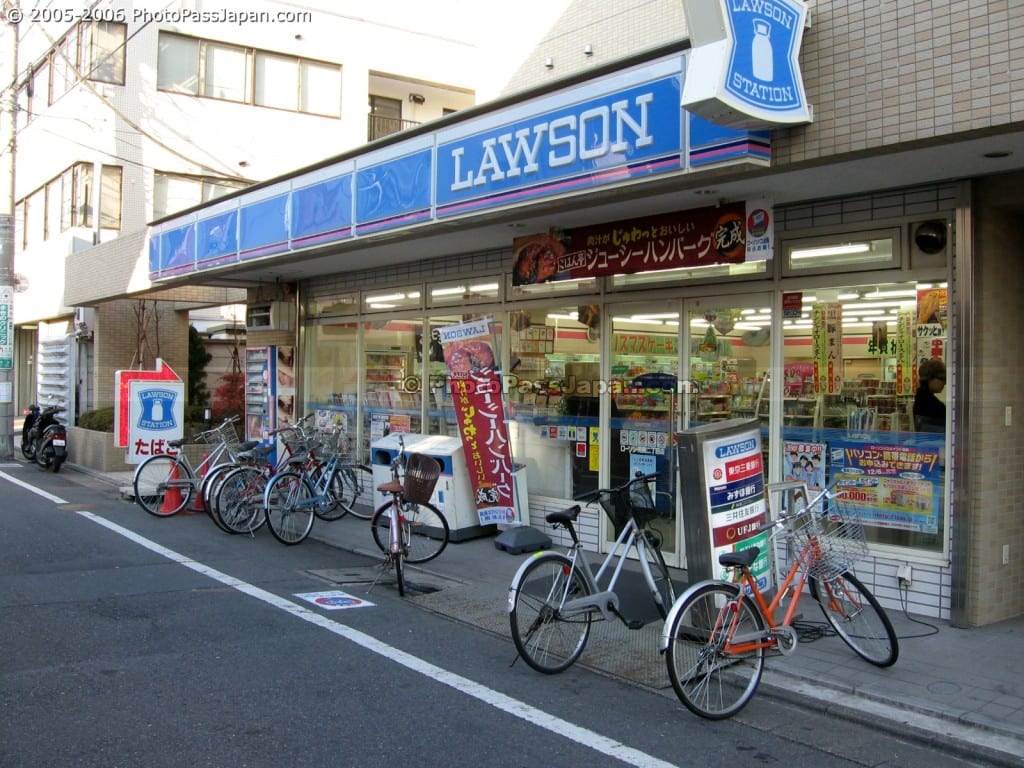
    Japanese convenience store chain Lawson is cautiously planning its expansion in the Philippines, which the company considers a key market to expanding its global presence.

    Under pressure to keep up with rival Japanese chains 7-Eleven, Ministop and Family Mart, which are rapidly opening new stores, Lawson President and CEO Genichi Tamatsuka said Tuesday that the company and its Philippine partner, supermarket operator Puregold Price Club, are developing “a winning franchising formula.” They plan to test the model in late 2016 before moving into full-scale operation in the next two to three years.

     PG Lawson, the partners’ joint venture, opened fewer than 20 stores when they began doing business in the Philippines last year. In contrast, Family Mart opened more than 30 shops when it entered the Philippine market in 2013.

    Lawson and Philippine partner Puregold Price Club officials open first flagship convenience store in Makati central business district

    Going commercial

    “Franchising is the key,” Tamatsuka said. In Japan, 99% of Lawson’s 12,000 stores are franchises, he said.

    PG Lawson has set a medium-term target of opening 500 outlets in the Philippines by 2020. This year alone, they plan to spend 450 million pesos ($9.7 million) on 75 stores located mostly in office buildings.

    On April 5, the company opened its first flagship store and its 20th outlet along Ayala Avenue in the Makati business district. Last year, Lawson opened shops mostly near schools.

    John Hao, Puregold’s investor relations head, said PG Lawson will partner with independent property developers to gain access to office spaces with tenants like outsourcing companies that operate around the clock.

    Most of Lawson’s competitors already have the backing of big real estate companies. Family Mart is partly owned by Ayala Land and Ministop is operated by Robinsons Retail Holdings of the Gokongwei Group, which also owns Robinsons Land. Alfamart, an Indonesian convenience store operator, has SM Group as its Philippine partner. SM owns SM Prime Holdings, the Philippines’ largest developer.

    Lawson CEO Genichi Tamatsuka

    7-Eleven, despite not having a real estate backer, is expanding aggressively. As of the end of last year, it had 1,602 stores nationwide, up 25% from 2014. This year, it plans to spend 3.5 billion pesos to accelerate its openings.

    With more than 2,000 convenience stores serving 100 million people, Tamatsuka sees great potential in the Philippines, where the retail sector is dominated by 700,000-800,000 neighborhood shops called sari-sari (“variety”) stores. Modernizing just 5% of these mom-and-pop retailers translates to around 35,000 convenience stores, he said.

    Lawson sees the Philippines and other Southeast Asian countries such as Thailand, Indonesia, and Vietnam, as important markets for the company’s global expansion. In the next five to 10 years, it expects to have more outlets overseas than in Japan, Tamatsuka said. At present, overseas shops make up just 5% of the total.

  • Metro Retail income soars 20.6 per cent

    Metro Retail income soars 20.6 per cent

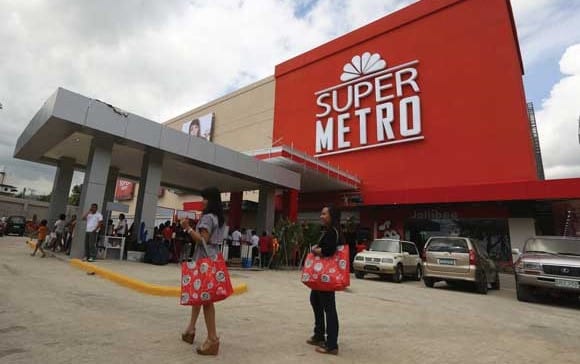
    Metro Retail Sales, Visayas’ largest retailer, has reported a rise in after-tax income of 20.6 per cent to P758.6 million (US$16.4 million) for 2015.

    Metro Retail (MRSGI)’s net sales grew 13.9 per cent to P32.5 billion last year from 2014, said the company in a disclosure to the Philippine Stock Exchange. Earnings before interest, taxes, depreciation and amortisation rose 18 per cent to P1.49 billion in the same period, due to reduced operating expenses.

    The company’s same store sales grew by 8.8 per cent on the back of strong performance of its hypermarkets, department stores and supermarkets.

    Several milestones for the 33-year old Metro Retail made 2015 an exceptional year for the company. It saw the expansion of its store network nationwide, with 24 supermarkets, 12 hypermarkets and 10 department stores, with a total gross floor area of approximately 400,000 sqm by December 2015.

    Said chairman and CEO Frank Gaisano: “2015 has certainly been a banner year for Metro Retail, as our strong financial performance clearly shows. I believe that 2016 will be another record year for Metro Retail, being well on track with our store expansion and logistics efficiency initiatives to support our goal of doubling our footprint in the next five year.”

    The company was listed in November 2015, having the largest new equity issuance at P3.6 billion for that year.

    Its entry into the local bourse is seen not only to support the company’s expansion plans, but also underscore Metro Retail’s capability to compete with other industry players in serving the value conscious market.

    Metro Retail partnered with Ayala Land for the establishment of its stores in four new Ayala commercial developments – a department store and supermarket in Bacolod City, Negros Occidental; a supermarket in Iloilo City; a supermarket in Cebu City; and a department store and supermarket in Pasig City.

    Metro Retail also expanded its department store network with the acquisition of the department store assets of SIAL Specialty Retailers, a joint venture between ALI and Stores Specialists in March. Located at Fairview Terraces Mall and the UP Town Center, the stores have a combined gross floor area of approximately 25,000 sqm and will increase Metro Retail’s department store network to 12.

  • Philippine property giants turn to retail

    Philippine property giants turn to retail

    Philippine property giants are entering record capital expenditure programs in 2016, on the back of strong economy, according to the global property advisor Savills.

    Three of the eight biggest property developers – Ayala Land, SM Prime Holdings and Robinsons Land – are also the biggest mall developers in the country.

    “When the real estate boom started, residential sales were the sweet spot. It seems that the residential market is becoming more saturated that’s why developers are shifting to the commercial side,” said Antton Nordberg, research and consultancy manager at KMC MAG Group.

    The 2016 capex budget will mostly fund the development of large-scale mixed-use communities, mostly commercial components such as office and retail, Nordberg said.

    Nordberg said real estate firms – mostly listed in the Philippine Stock Exchange – could spend an all-time high of P369 billion (US$7.9 billion) this year, surpassing the record investment of P360 billion last year by 2.5 per cent.

  • Ayala Land takes control of Tutuban Center

    Ayala Land takes control of Tutuban Center

    Prime Orion Philippines (POPI), which developed and owns Tutuban Center in the shopping district of Divisoria, Manila, is being taken over by retail and property conglomerate Ayala Land.

    In a deal worth P5.625 million (US$118.41 million), it is acquiring a majority interest by subscribing to 2.5 billion common shares for P2.25 each. The shares represent 51.06 per cent of the total outstanding stock of POPI.

    ALI has already paid 25 per cent (P1.41 billion) of the total purchase price, with the rest to be paid upon fulfillment of certain terms and conditions.
    With the resulting change in management, POPI has appointed new directors to the board including ALI president Bernard Vincent Dy, who will serve as chairman, Felipe Yan as vice-chairman, Jose Jalandoni (president), Ruby Chiong (treasurer), Rhodora Revilla (CFO and compliance officer), June Vee Monteclaro-Navarro (corporate secretary) and Nimfa Ambrosia Perez-Para (assistant corporate secretary).

    ALI and POPI jointly announced the deal in August but needed more time to finalise the transaction.

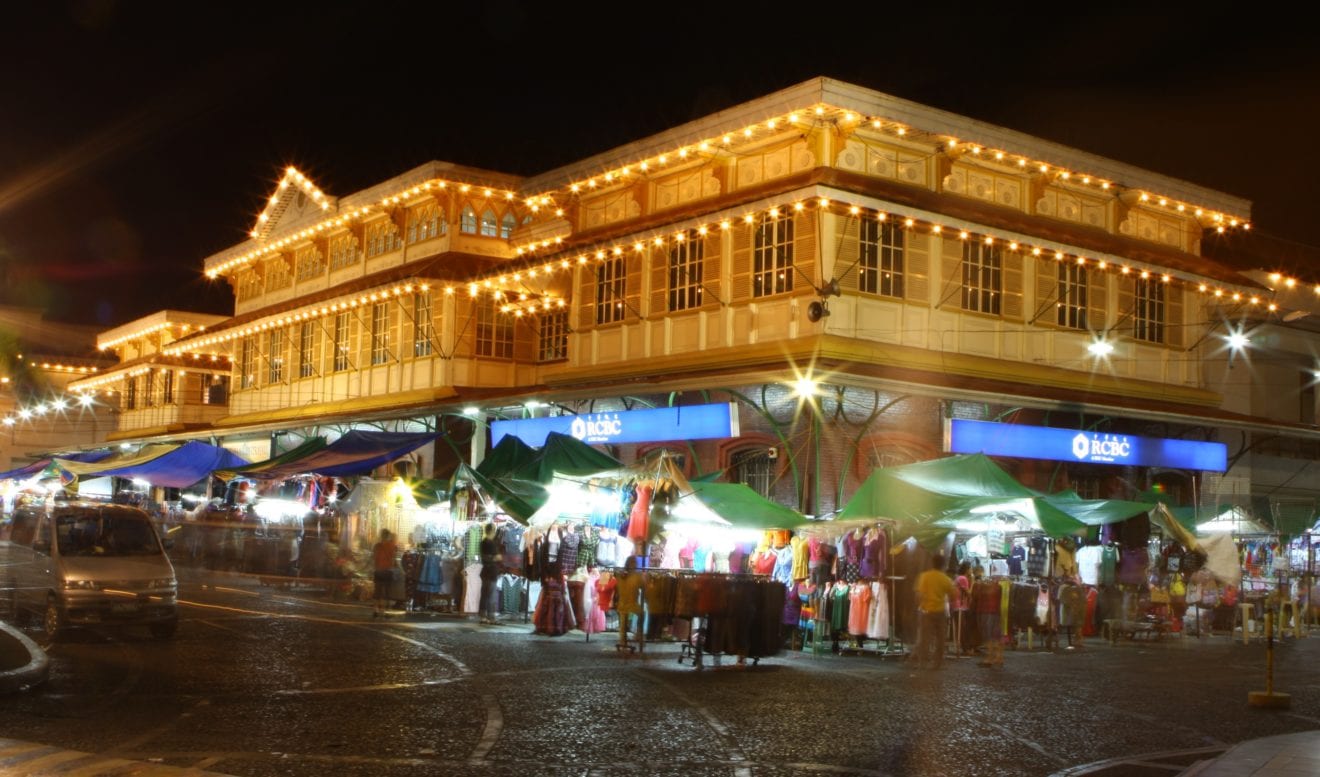
    In Tondo, Manila, Tutuban Center is a retail complex with a gross leasable area of about 60,000 sqm, offering various concepts from wholesale and bargain stalls to regular retail and food outlets. Meanwhile, the Divisoria Market has announced on its website that it is updating and relaunching.